The Andes
Lima

Peru: police pop presidential palace in petro-corruption probe

Special anti-corruption prosecutors backed up by National Police troops raided 15 properties around Peru’s capital Lima—including the presidential palace. The raids came as part of Megaoperation Resplandor 2022, an investigation into alleged irregularities in tenders for the purchase of biodiesel between parastatal PetroPerú and private firm Heaven Petroleum Operators. Also raided were the homes of PetroPerú director Hugo Ángel Cháves Arévalo, HPO manager Samir Abudayeh, and prominent entrepreneur Karelim López. The administration of President Pedro Castillo, a populist political outsider, has been wracked by repeated crises and scandals since he took office last July. (Photo: Wikipedia)
Mexico
Pemex

Control of oil behind Mexico-Spain tensions

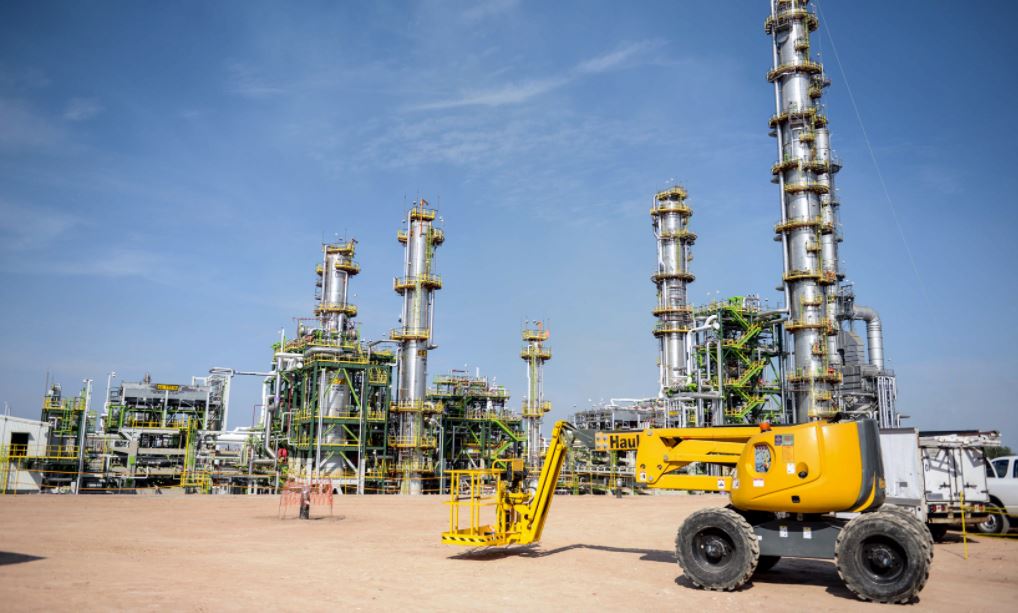
Mexico’s President Andrés Manuel López Obrador called for a “pause” in relations with Spain, in a speech that explicitly invoked the legacy of colonialism going back to the Conquest. But the speech was aimed principally at Spanish oil company Repsol, which had been favored during the presidential term of Felipe Calderón. Specifically, López Obrador questioned the granting of gas contracts in the Burgos Basin, in Mexico’s northeast. He charged that Repsol operated the fields less productively than the state company Pemex had. “In the end, less gas was extracted than Pemex extracted” before the contracts, he charged. Repsol is meanwhile under investigation by Spanish prosecutors on charges of graft related to the company’s efforts to fend off a take-over bid by Pemex. (Photo via Digital Journal)

East Asia
kurils

Submarine incident in flashpoint Kuril Islands

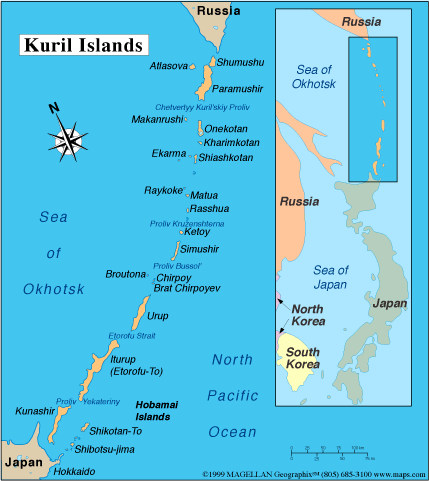
Amid quickly escalating tensions over Ukraine, Russia lodged a diplomatic protest with the US embassy in Moscow, claiming that a US nuclear submarine penetrated Russian territorial waters near the Kuril Islands. According to Moscow’s Defense Ministry, a Virginia-class US Navy submarine was detected off Urup Island, where Russia’s Pacific Fleet was conducting exercises. The Defense Ministry said the submarine was chased off by Russian vessels, and retreated at “maximum speed.” The statement accused the US of a “violation of Russia’s state border.” Media accounts did not emphasize that whether this purported incident indeed took place in Russian waters is questionable, as the Kurils are in part claimed by Japan—a dispute which has prevented Moscow and Tokyo from entering a treaty to formally end their World War II hostilities. Russia over the past weeks has conducted naval maneuvers in the Mediterranean, the North Sea, and northeast Atlantic Ocean, as well as the Pacific and Sea of Okhotsk, where the Kurils are located.  (Map: International Kuril Island Project)

Planet Watch
nuclear power

Podcast: Nuclear power? No thanks!

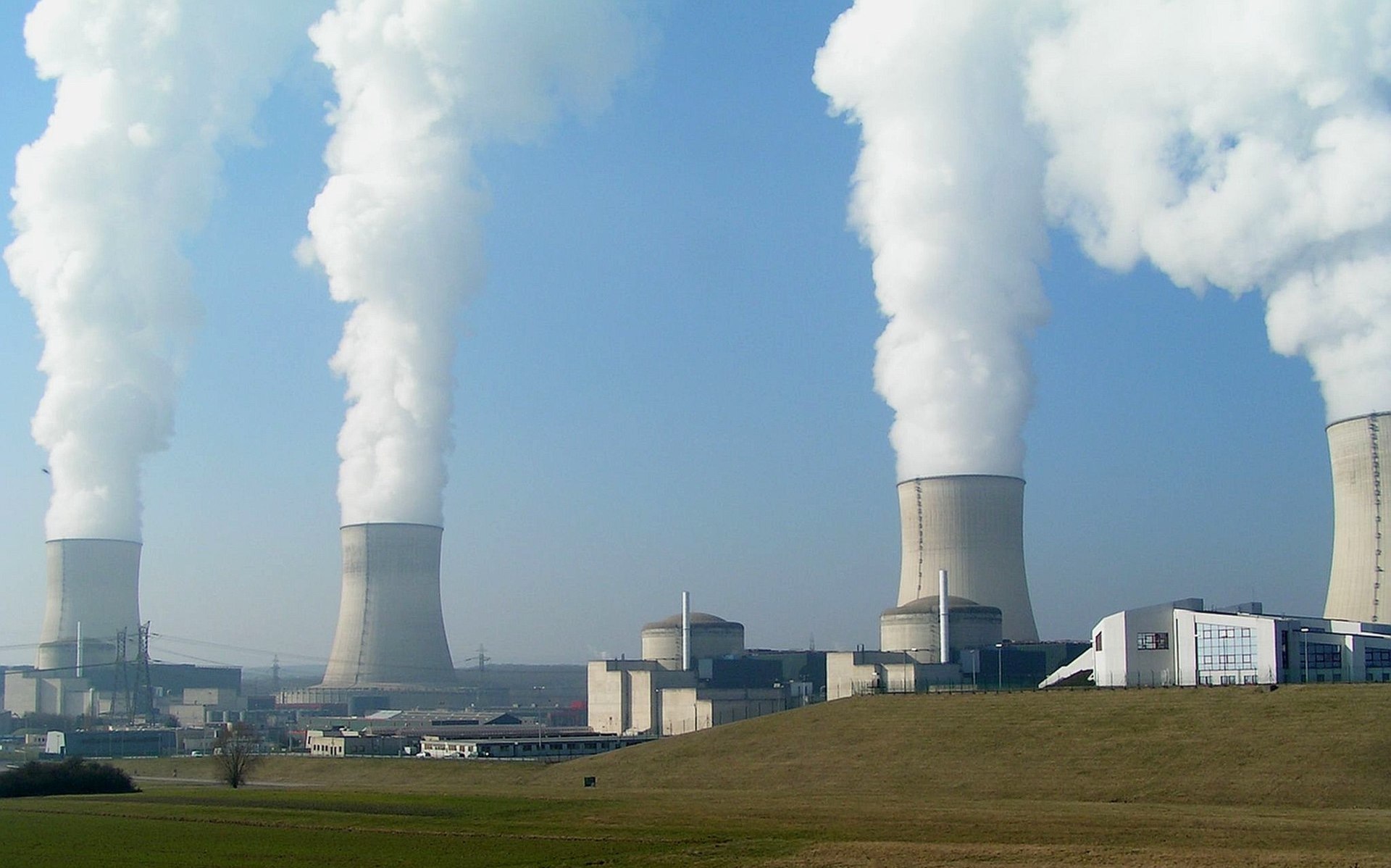
In Episode 110 of the CounterVortex podcast, Bill Weinberg rants against the current greenwashing of nuclear power, and hype about a supposedly “safe” new generation of reactors. Every stage of the nuclear cycle is ecocidal and genocidal. Uranium mining has poisoned the lands of indigenous peoples from Navajo Country to Saskatchewan to West Africa. The ongoing functioning of nuclear plants entails routine emissions of radioactive gases, factored in by the bureaucrats in determining “acceptable” levels of cancer. Disposal of the waste, and the retired reactor sites themselves, is a problem that inherently defies solution. They will be deadly for exponentially longer into the future than biblical times stretch into the past. The Waste Isolation Pilot Project (WIPP) in New Mexico, hyped as secure for hundreds of millennia, leaked plutonium after only 13 years. And finally there is the “sexiest” issue, the one that actually gets some media play, at least—the risk of accident. It is a mark of capitalism’s depravity that even after the nightmares of Fukushima and Chernobyl, we periodically get media campaigns about an imminent “nuclear renaissance.” Nuclear versus fossil fuels is the false choice offered us by industry. The imperative is to get off the extraction economy and on to one based on sustainability and resource conservation. Listen on SoundCloud or via Patreon. (Photo: Wikimedia Commons)

Europe
Turów

Polish-Czech agreement on border coal mine

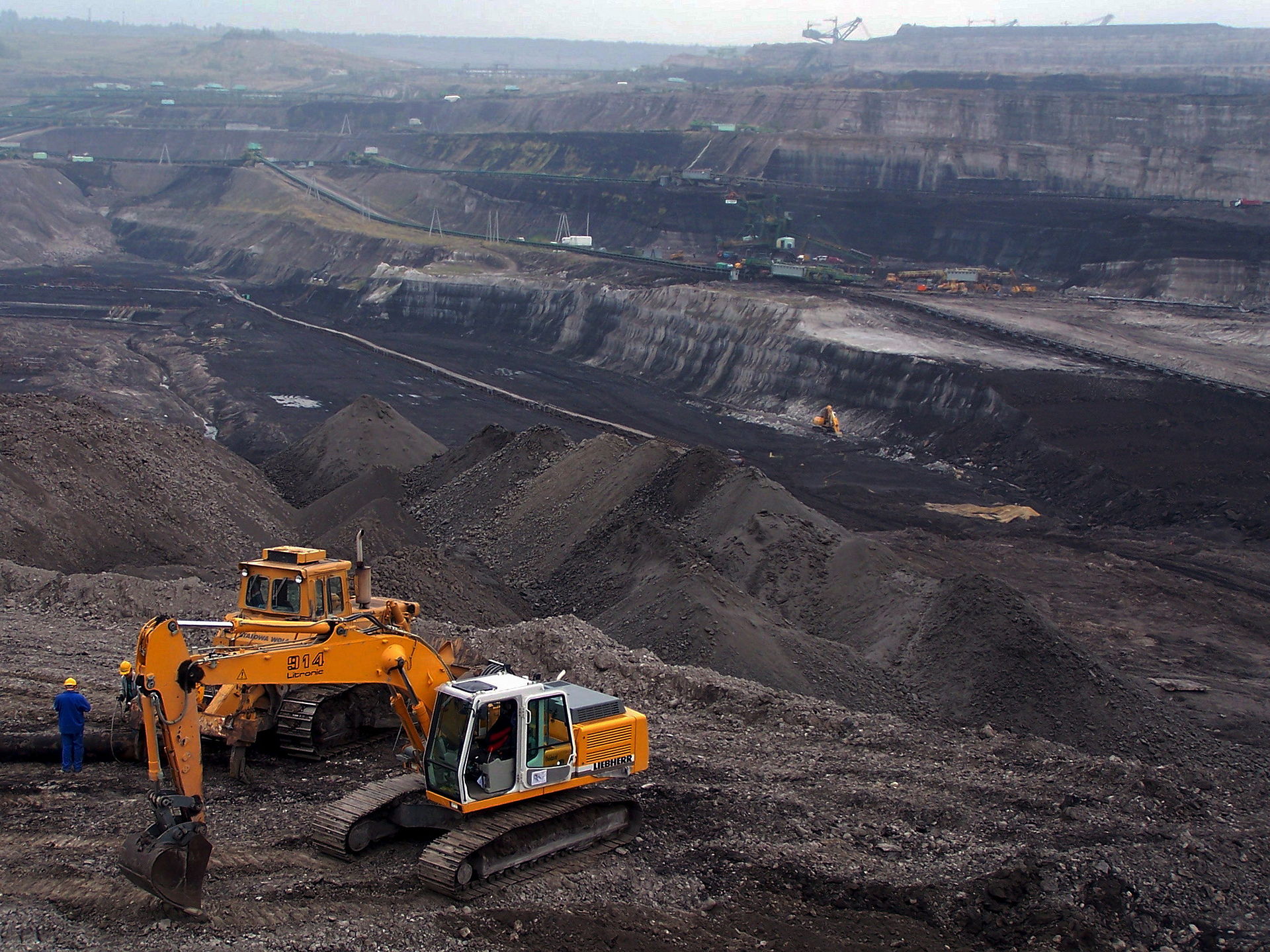
The government of Poland announced that it has agreed to pay compensation in a dispute over the Turów open-pit lignite mine that lies close to the border with the Czech Republic. In return, Prague has withdrawn its complaint at the Court of Justice of the European Union. The dispute concerns the complaints of local farmers on the Czech side of the border that their water sources are going dry due to the mine’s operations. The Turów Brown Coal Mine, owned by Poland’s parastatal power company PGE, must pump water from the pit into the Lusatian Neisse River, draining the local aquifer. The mine has been expanding closer to the border, further enflaming the fears of the Czech farmers. The deal was protested by Greenpeace for failing to provide sufficient guarantees for protection of the watershed. (Photo: Wikipedia)

Ukraine anarchists

UKRAINE: KHARKOV ANARCHISTS SPEAK

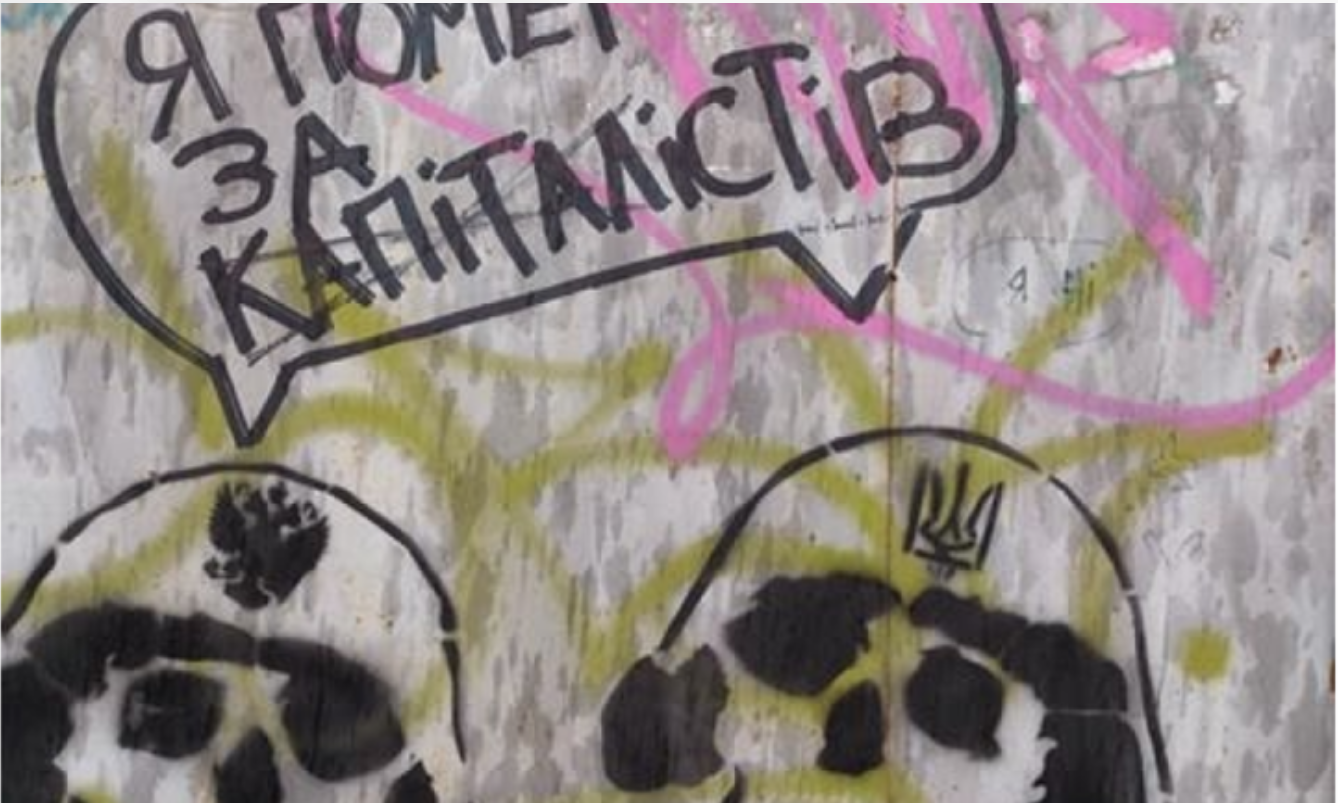
Ukraine is in the world headlines now as a frontline of confrontation between Russia and the West. Putin is implicitly threatening to invade the country if his demands are not met for a guarantee that it will not be granted NATO membership. Amid the geopolitical chess-game, few recall that during the Russian Revolution and the preceding years, Ukraine had one of the most powerful anarchist movements that the world has seen. Since the fall of the Soviet Union, anarchist groups have started to re-emerge in Ukraine, intransigently rejecting the regimes in Kiev and Moscow, and the power blocs around NATO and Russia, alike. CounterVortex communicated via email with one such group, the newly formed Assembly, which mostly functions as a media collective, reporting on labor and social struggles in Ukraine’s second city of Kharkov.

Continue ReadingUKRAINE: KHARKOV ANARCHISTS SPEAK 
South Asia
hijab

India: hijab at issue in Karnataka unrest

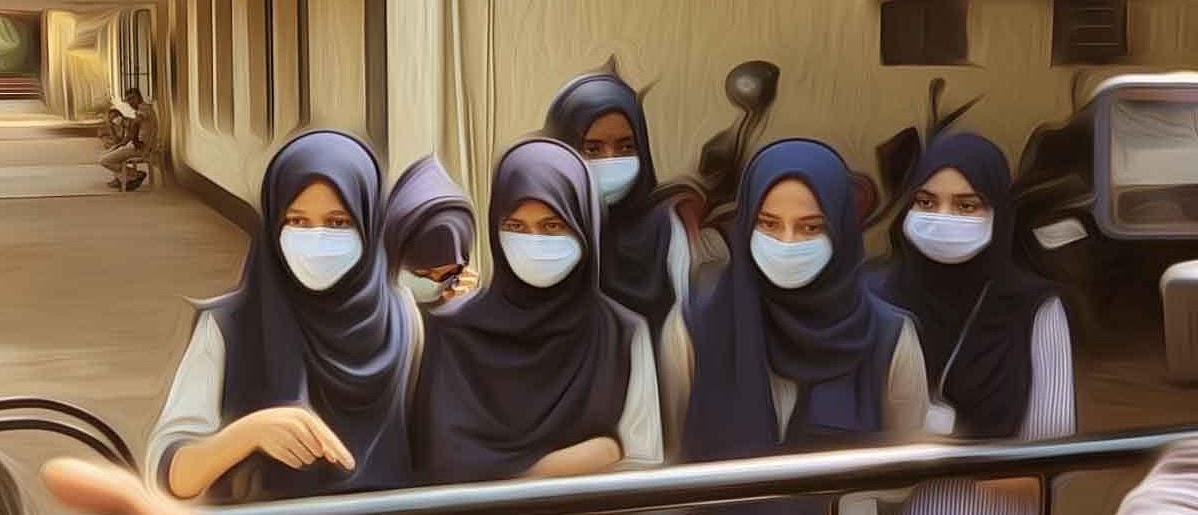
Protests for and against the right of young women to wear the hijab in classrooms have swept across the Indian state of Karnataka, with incidents of stone-pelting and “lathicharge” (police baton-charge). The dispute began when hijab-wearing Muslim students were denied entry at colleges, or segregated from the main student body. Muslim students challenged this before the Karnataka High Court, which denied injunctive relief while the matter is pending. The Chief Minister of Karnataka, Basavaraj S. Bommai of the Bhartiya Janata Party (BJP), meanwhile ordered the closure of all schools and colleges. The National Federation of Indian Women (NFIW) condemned the exclusion of the Muslim students, saying: “It is deplorable that instead of upholding constitutional values and fundamental rights, the administration of these institutions have become willing participants in an agenda set by Brahminical forces.” (Image: Counterview)

Inner Asia
GBAO

Tajikistan: internet darkness in Gorno-Badakhshan

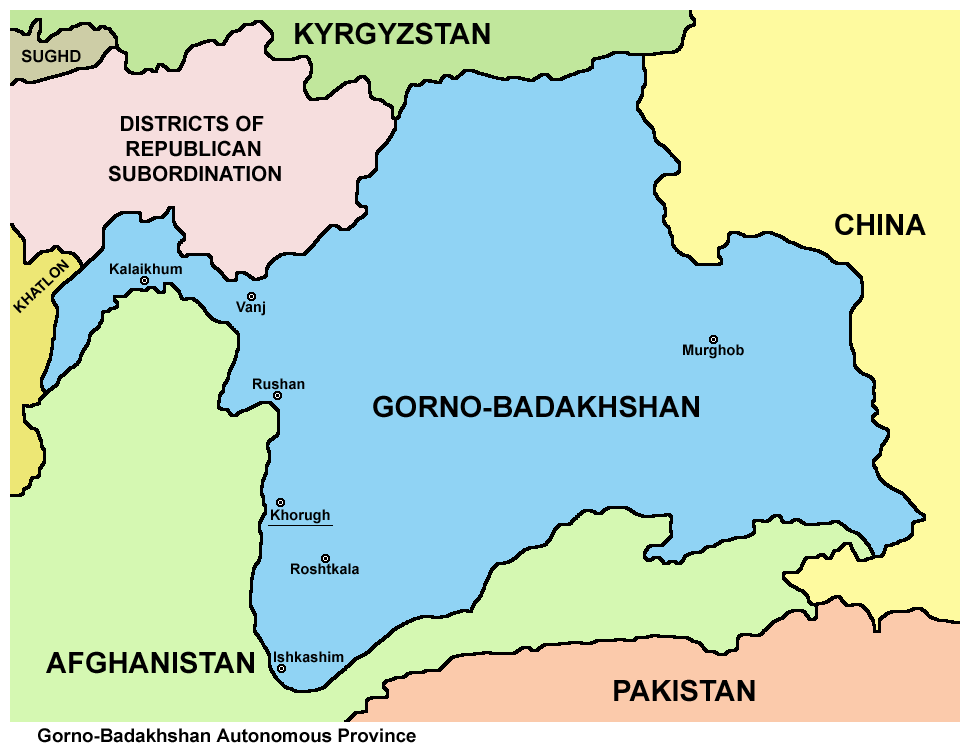
Human Rights Watch urged Tajikistan’s authorities to restore internet connectivity in Gorno-Badakhshan Autonomous Region (GBAO, by its Russian acronym), and called on the national government to ensure due process for detained political activists. The trouble in the GBAO began in late November, when the shooting of a local man during an arrest sparked protests in the regional capital, Khorog. Protests calmed several days later, after local authorities vowed to undertake an investigation into the shooting, as well as the deaths of two demonstrators. The government also pledged that it would not prosecute arrested protesters, and would restore internet connectivity—but two months on, it has not done so. The GBAO is the home of the increasingly restive Pamiri ethnic minority, and was recently the scene of Russian-led military maneuvers on the border with Afghanistan. (Map: Wikipedia)

Syria
Manbij

Syria: Rojava authorities crack down on media

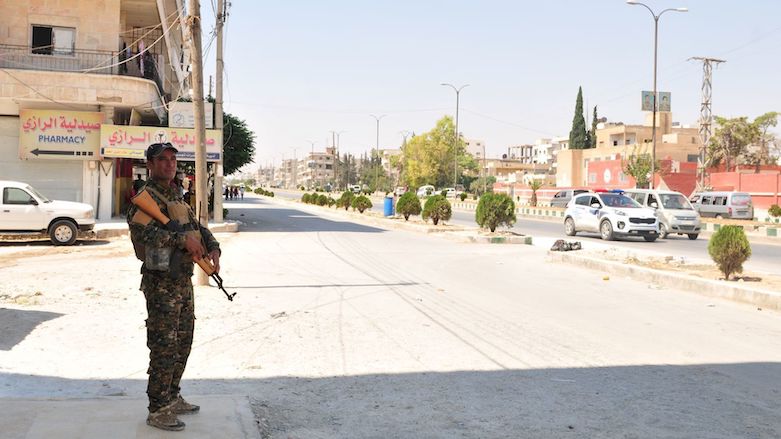
Two media outlets were ordered closed and two journalists arrested by the autonomous administration in Kurdish-controlled northeast Syria. Kurdish broadcaster and news site Rudaw—based in Erbil, Iraq—was suspended from working in the enclave, known as Rojava, by order of the Autonomous Administration of North & East Syria. In a statement on its website, Rudaw Media Network called the order “a crime against freedom of the press in Western Kurdistan.” Rudaw is affiliated with the Kurdistan Democratic Party (KDP), the ruling party of Iraq’s Kurdistan Regional Government, which also operates as an internal oppositionin Syria’s Rojava region. (Photo: Sgt. Nicole Paese/US Army via Kurdistan24)

North Africa
Tunis

Tunisia: president dissolves Supreme Judicial Council

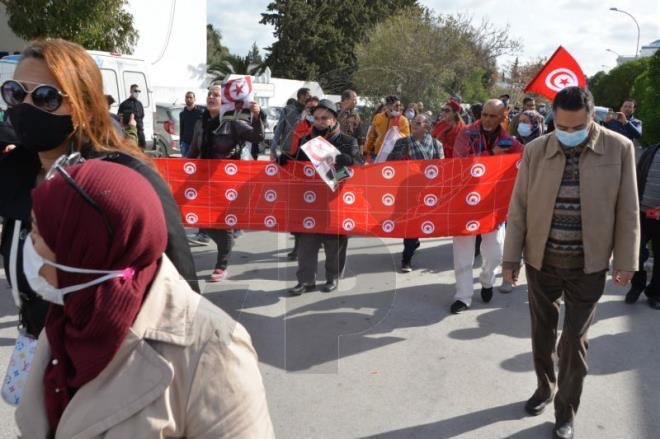
Tunisian President Kais Saied officially dissolved the Supreme Judicial Council, sending police to seal the chamber where the body meets. The Council’s head, Youssef Bouzakher, called the dissolution “illegal,” and said it is aimed at bringing Tunisia’s jurists under control of the executive. Established in 2016, the Council is a constitutional body entrusted with ensuring the independence of the judiciary, responsible for appointing judges and taking disciplinary action. Bouzakher said the Council intends to continue working in defiance of the president’s announcement. The move is a further consolidation of Saied’s power following his “self-coup” last year, in which Tunisia’s parliament was suspended. (Photo: XLR Media via Twitter)

South Asia
naga

Podcast: solidarity with Nagaland

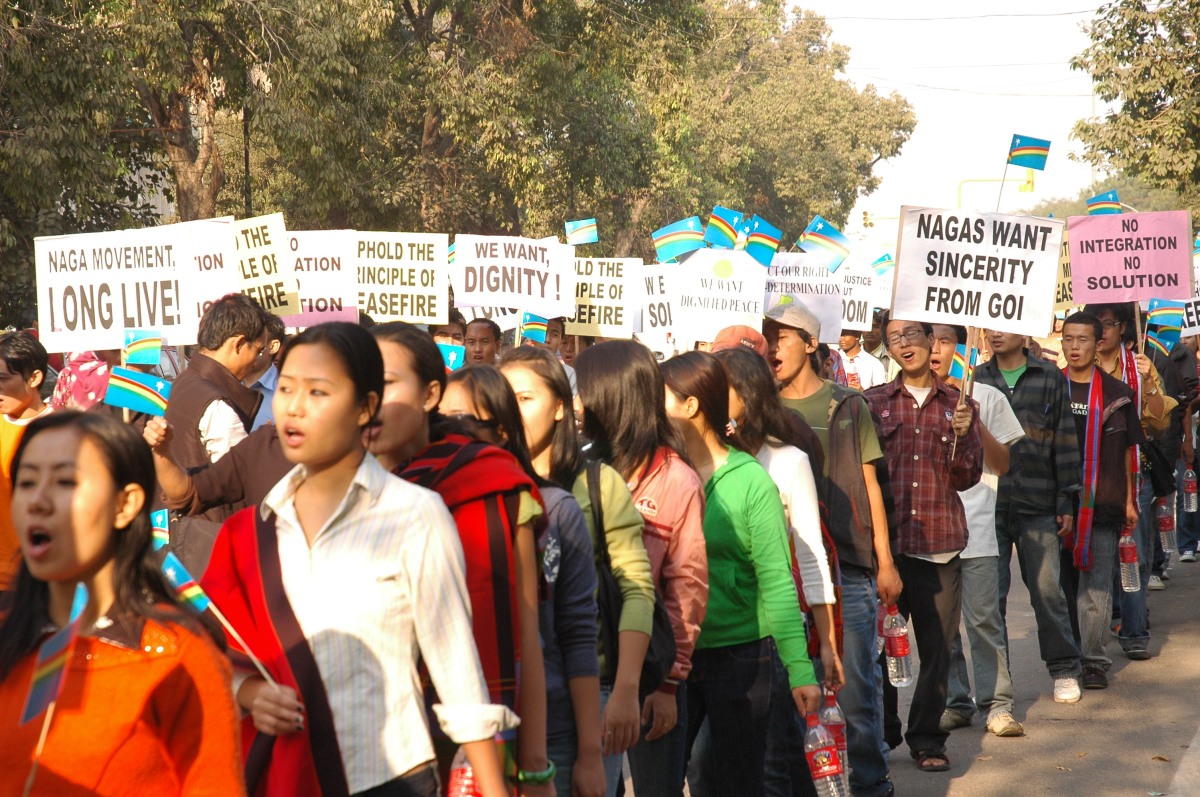
In Episode 109 of the CounterVortex podcast, Bill Weinberg explores the under-reported conflict in India’s northeastern state of Nagaland, which has seen a multi-generational pro-independence insurgency. Popular protest is rising there since an army massacre of coal-miners in December. The armed conflict began in 1956, when the Naga National Council declared independence from India in the face of Delhi’s intransigence on recognizing local autonomy, and adopted a constitution emphasizing village self-rule. The traditional Naga territory is divided by the border with Burma, which has complicated their self-determination struggle. With Burma now going over the edge into civil war, there are growing fears that India’s conflicted Northeast could be further enflamed. Listen on SoundCloud or via Patreon. (Photo: Naga Student Union Delhi via My Nagaland)

New York City
NYCHA

Human Rights Watch assails NYC housing policy

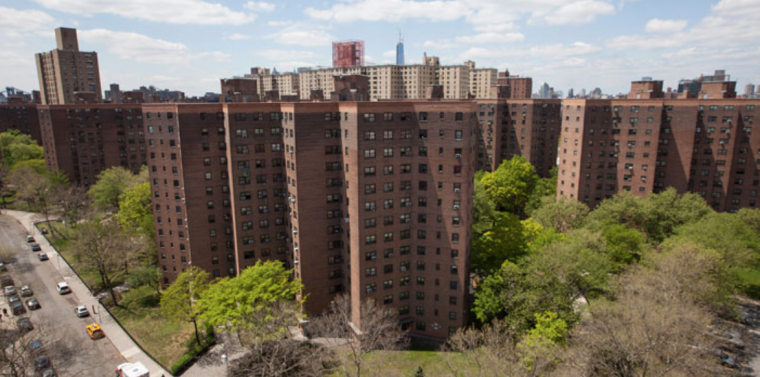
A New York City program that has privatized management and effective control of much public housing stock lacks adequate oversight and protections for residents’ rights, Human Rights Watch charges in a new report. The 98-page report, entitled The Tenant Never Wins,examines the impact of the New York City Housing Authority (NYCHA) program called Permanent Affordability Commitment Together (PACT), which utilizes a federal program developed by the US Department of Housing & Urban Development (HUD) called the Rental Assistance Demonstration (RAD) to permit the semi-privatization of public housing. Under PACT, which was launched in December 2016, NYCHA leases its public housing developments to private companies for 99 years, effectively privatizing management of the buildings. Human Rights Watch found that PACT conversions also mean the loss of key protections for residents, and may have contributed to increased evictions. (Photo via NYS Senate)