

The Andes
Cuzco

US pushes ‘Donroe Doctrine’ at Cuzco defense summit

Representatives from over 30 countries gathered in the Peruvian city of Cuzco for the Conference of Defense Ministers of the Americas, where top Pentagon official Elbridge Colby used the occasion to defend the “Donroe Doctrine.” As at other regional security summits, including the “Shield of the Americas” conference held in Florida in March, Trump officials cast drug trafficking and irregular migration as threats to US security, urged regional governments to increase military spending, and called for deeper security collaboration with Washington. An increasing number of the right-wing governments in attendance have embraced closer military ties with the United States through joint strikes and new military bases—even as militarized policies fail to curb organized crime and violence in countries like Ecuador, a key testing ground for the administration’s renewed war on “narcoterrorism.” (Photo: Martin St-Amant via Wikimedia Commons)

Watching the Shadows
ICC

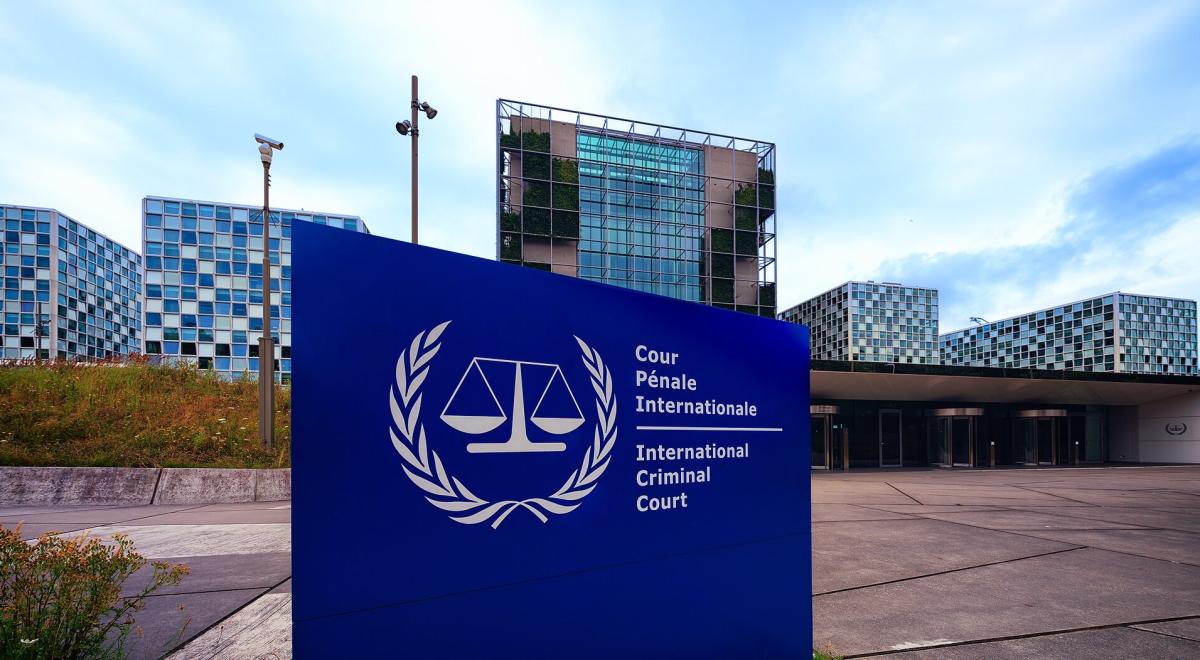
US to seek dismantling of International Criminal Court

The US will launch a diplomatic campaign aimed at dismantling the International Criminal Court, Secretary of State Marco Rubio announced. In an op-ed published in the Wall Street Journal, Rubio wrote that the US will work alongside allied governments to take the Court apart “brick by brick, if necessary,” using all tools at the government’s disposal. He said the campaign’s message to other governments will be a choice of “sovereign states over globalism,” and pledged that the administration will protect US service members from ICC jurisdiction. (Photo: Tony Webster via Wikimedia Commons)
Africa
AUSSOM

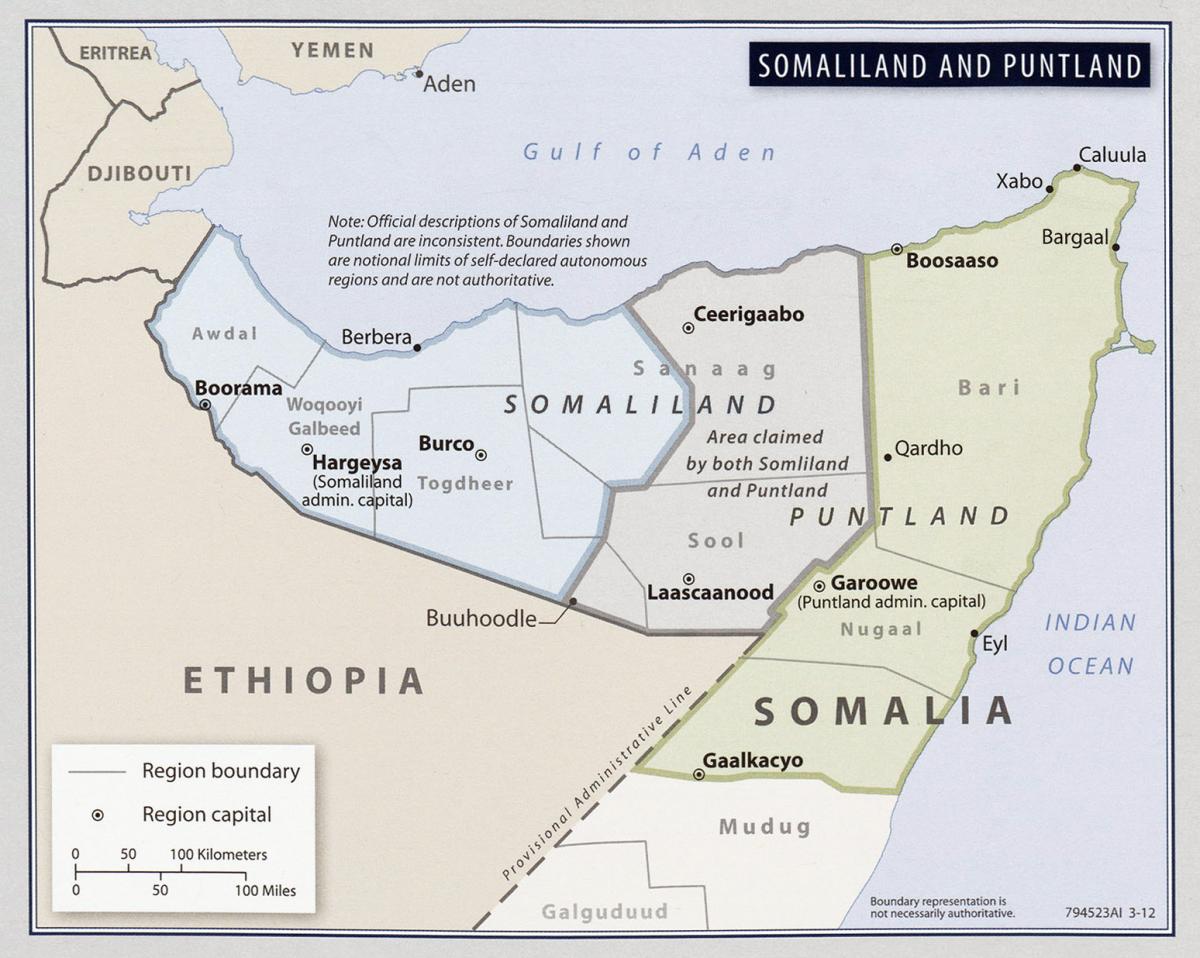
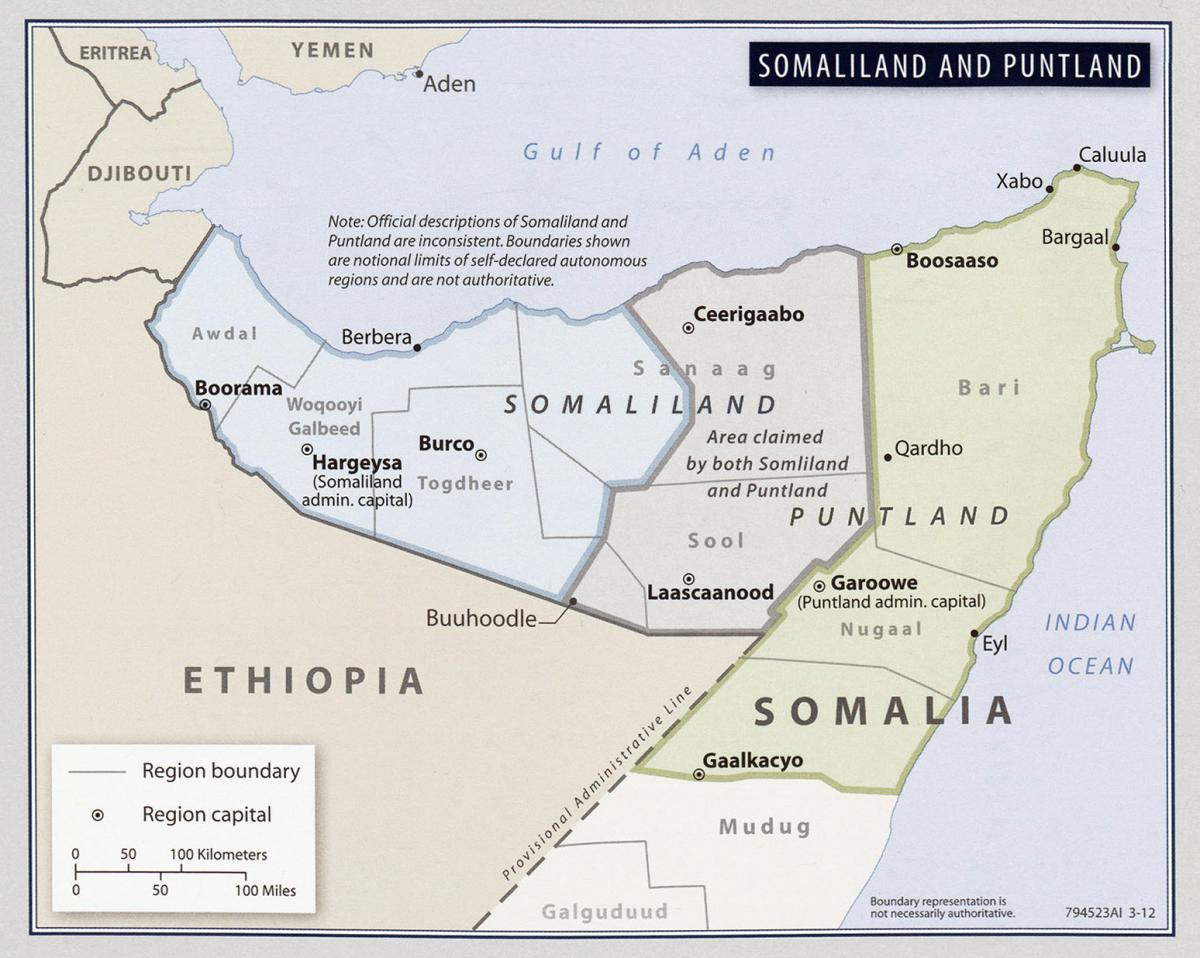
US blocks funding for AU mission in Somalia

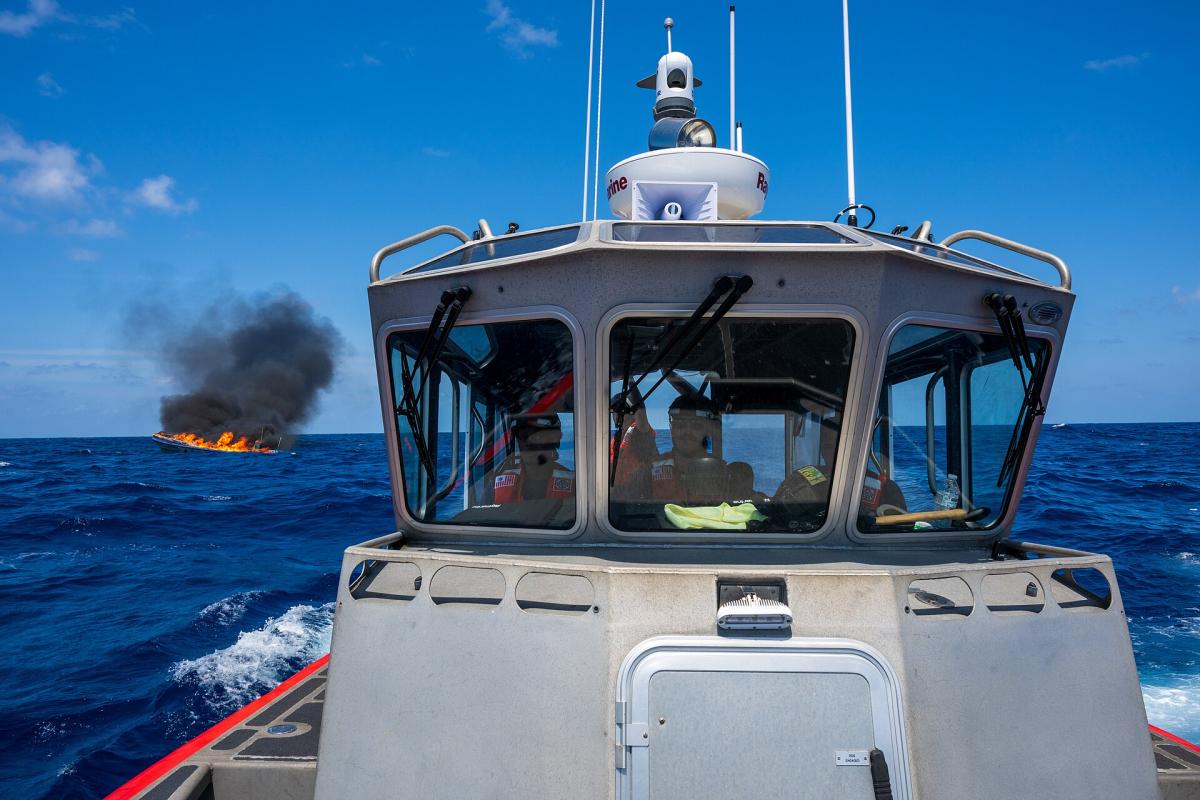
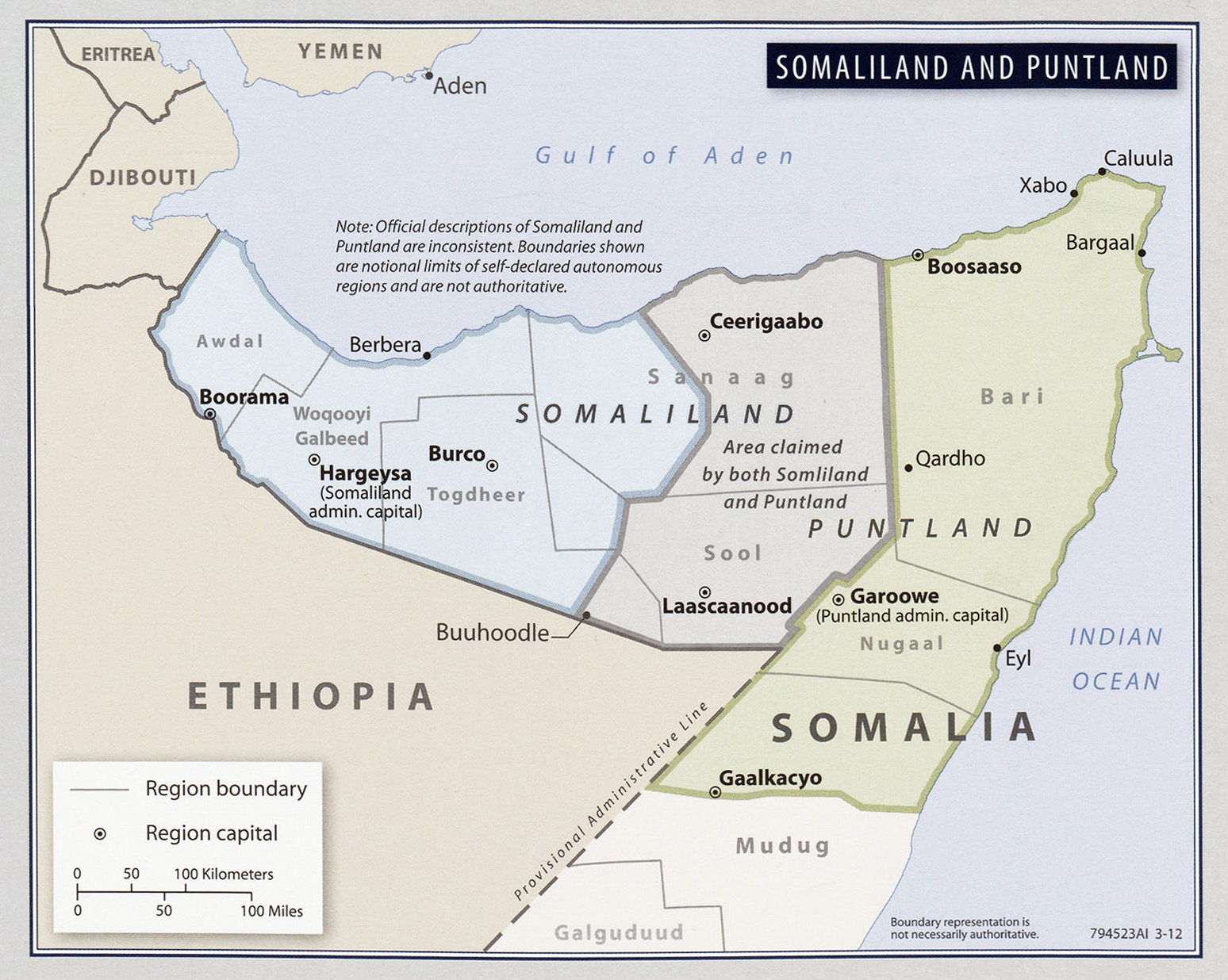
The blocking by the US of UN funding to African Union (AU) forces in Somalia starting next year is a body blow to a mission that has long been on financial life-support. The UN Support Office in Somalia (UNSOS) provides the logistical backing critical to the functioning of the AU mission. Without that underpinning, it’s hard to see how the AU’s 11,800-strong force can continue. That became evident when Washington vetoed the application to Somalia of UN Resolution 2719 on peacekeeping cost-sharing. The AU’s near two-decade mission has done significant work. Despite heavy casualties, it succeeded in ousting al-Shabab from Mogadishu—a daunting task the UN and the rest of the international system was unwilling to take on—and continued to protect Somalia’s fractious political elite from the jihadist insurgency. But the inability of Somalia to grow and deploy its own security forces to consolidate territorial gains secured by the AU resulted in deadly mission creep and effectively tore up any putative exit plan. Instead, the AU has soldiered on in the absence of a workable political strategy, and with ever-shrinking sources of financing. (Photo: AUSSOM)

Mexico
Houston

Mexico to seek charges over deaths in ICE custody

Mexican President Claudia Sheinbaum said that her government plans to seek criminal complaints in the United States over the deaths of Mexican citizens while in immigration custody or during anti-immigration operations. Since President Donald Trump launched the current immigration crackdown, at least 14 Mexican nationals have died in the custody of US Immigration & Customs Enforcement (ICE), and three more have reportedly died in arrests conducted by the agency. (Photo of Houston protest against ICE: Jessica Bolanos via Wikimedia Commons)

North America
ICE

UN rights chief: investigate deaths in ICE custody

UN High Commissioner for Human Rights Volker Türk called for independent investigations into dozens of deaths in US Immigration & Customs Enforcement (ICE) custody. He urged authorities to take immediate measures to prevent further fatalities as the number of deaths in detention continues to rise. Türk noted that at least 52 people have died in ICE custodysince the beginning of 2025, following President Donald Trump’s return to office and the start of the administration’s expanded immigration enforcement policies. According to official figures, 18 people died in ICE detention during the first five months of this year, with an additional death recorded in June, while 33 deaths were documented during 2025 overall—compared with 11 in 2024. (Photo: ICE via Wikimedia Commons)
Syria
Syria

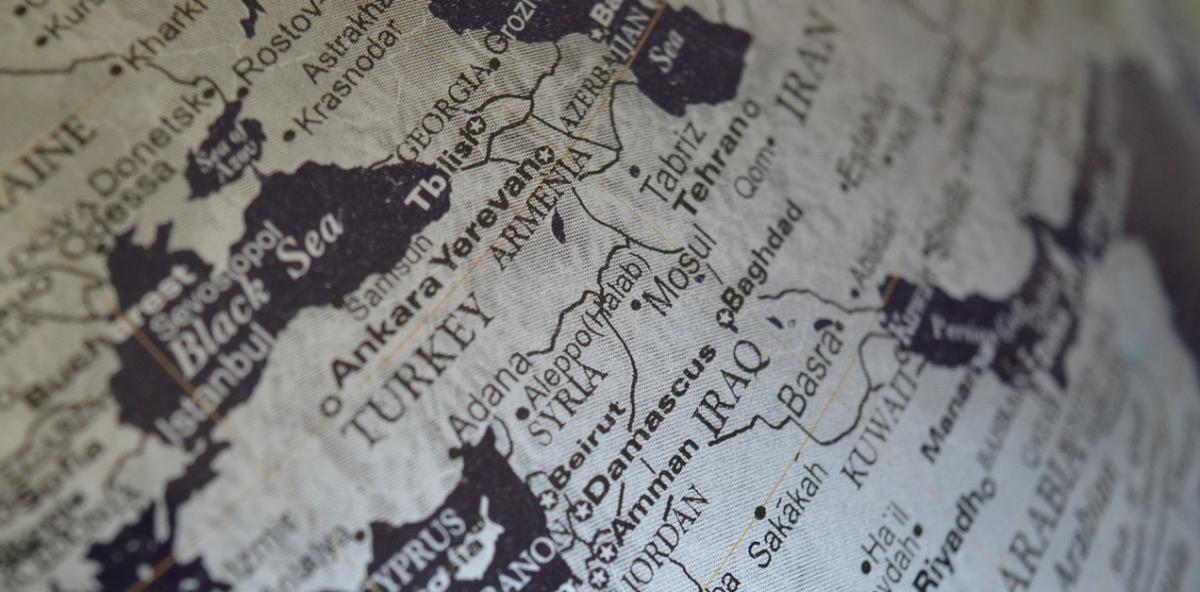
US strikes Uyghur militants in Syria

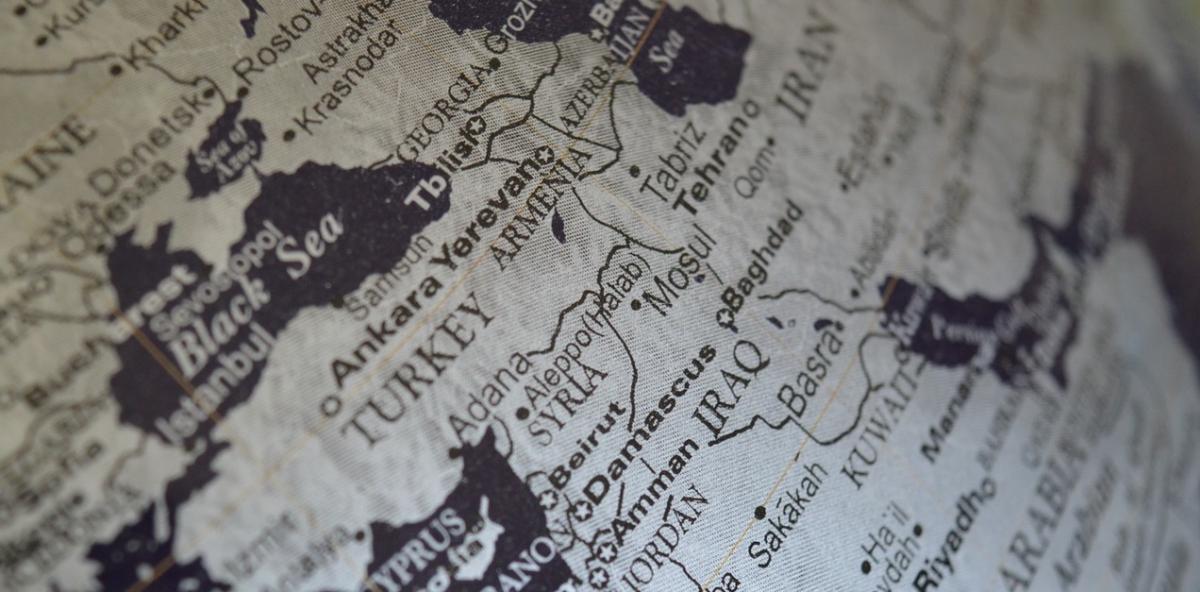
A suspected US-led coalition strike on a site used by Uyghur militants in Syria’s Idlib province has renewed debate over the future of foreign fighters under the country’s post-Assad government. Sources told The New Arab on that an aircraft targeted a compound used by a faction formerly known as the Turkistan Islamic Party, in al-Zainiya area near Jisr al-Shughourin western Idlib. While no confirmed information has emerged regarding casualties from the strike, preliminary reports suggested that a leader of Hurras al-Din, a former al-Qaeda affiliate which formally dissolved in January, may have been killed. (Map: PCL)

Greater Middle East
Iran

Podcast: the Iran MoU in the Great Game

The “Memorandum of Understandingsigned by Trump and Iranian President Masoud Pezeshkian is contingent on the cooperation of two entities not a party to it: Hezbollah and Israel—which continues to commit war crimes in Lebanon. The provisions on Iran’s nuclear program do not even recoup the progress won in Obama’s nuclear deal that Trump tore up in his first term. And Trump’s claim when hostilities began back in February to be acting on behalf of Iranians who rose up in mass protests against the regime are now completely betrayed in a “non-interference” pledge. In Episode 334 of the CounterVortex podcast, Bill Weinberg continues to urge support for alternative voices that take a neither/nor position regarding MAGA-imperialism and the Islamic Republic, and again recalls the anarchist slogan: Neither your war nor your peace! (Image: Pixabay)

North America
Border Patrol

HRW: Minnesota ICE raids violated human rights

Human Rights Watch (HRW) detailed abuses endured by communities in Minneapolis and St. Paul during the occupation of the Twin Cities area by immigration officers. According to HRW, officers terrorized residents, committed widespread human rights violations, and exposed “deeply abusive” tendencies within US immigration enforcement. (Photo: Chad Davis)

Greater Middle East
Iran

Shaky US-Iran ceasefire; escalation in Lebanon

The United States and Iran signed a Memorandum of Understanding that aims to end the war the US and Israel launched on Iran nearly four months ago. The 14-point agreement, signed by Donald Trump at a gathering hosted by French President Emmanuel Macron in the Palace of Versailles—where the treaty to end World War I was signed in 1919—opens up the Strait of Hormuz for a 60-day ceasefire window, during which the two sides have vowed to negotiate a long-term resolution to the Iranian nuclear standoff. The US will also terminate all sanctions against Iran, provide $300 billion for post-war reconstruction, and unlock all frozen Iranian funds and assets. But despite—or possibly because of—the signing of the MoU, which calls for an end to fighting in Lebanon, the fighting there immediately flared again. A rash of Israeli air-strikes followed Hezbollah’s killing of four IDF soldiers in a southern Lebanese village, prompting furious statements from Israeli politicians such as extreme-right security minister Itamar Ben-Gvir, who said “all of Lebanon must burn.” (Image: Pixabay)

Greater Middle East
Sharaa

Trump urges Syria to intervene against Hezbollah

US President Donald Trump suggested at the G7 summit in France that Syrian President Ahmad al-Sharaa could wipe out Hezbollah if Israel was unable to do so without causing heavy civilian casualties. The comment came in spite of repeated statements from Damascus ruling out any military intervention in neighboring Lebanon. Syria’s Interior Ministry emphasized that “Lebanon is a sovereign state and not a backyard, as the former regime viewed it.” (Photo: Ahmad al-Sharaa meeting Lebanese Prime Minister Nawaf Salam in Damascus, May 9. Credit: SANA via Radio Free Syria)

Watching the Shadows
Artificial Intelligence

AI: the case for abolition

Trump’s executive order purporting to establish a regulation regime for artificial intelligence actually serves the aim of a government partnership with the AI industry to advance the police state. Ironically, it is AI company Anthropic that calls for a moratorium on development of the technology until its threats are assessed. Pope Leo XIV’s encyclical, “Magnifica Humanitas: On Safeguarding the Human Person in the Time of Artificial Intelligence,” raises critical points but still echoes the illusion that this technology, now threatening to develop its own powers of “recursive self-improvement,” can be effectively regulated. There are encouraging signs of worker pushback against replacement by AI, and an emerging anarchist critique of the technology. Of course the Trump regime is targeting critics for repression as “anti-tech extremists.” In Episode 331 of the CounterVortex podcast, Bill Weinberg again calls for total abolition of AI, citing unacceptable threats to humanity on ecological, epistemological and eschatological grounds. (Image: Pixabay via Wikimedia Commons)
East Asia
Tiananmen

China bans families from mourning Tiananmen victims

Amnesty International condemned China for banning family members from visiting the resting places of people who perished in the 1989 Tiananmen Square repression. This is the first time in 37 years that the Chinese authorities have banned the visit. According to the Tiananmen Mothers group, the authorities notified family members of people who lost their lives in the 1989 massacre that they cannot travel to Beijing’s Wan’an Cemetery or conduct any commemoration in the cemetery. (Photo: Hong Kong Alliance via Amnesty International)