Africa
South Sudan

Forced mass evacuations in South Sudan

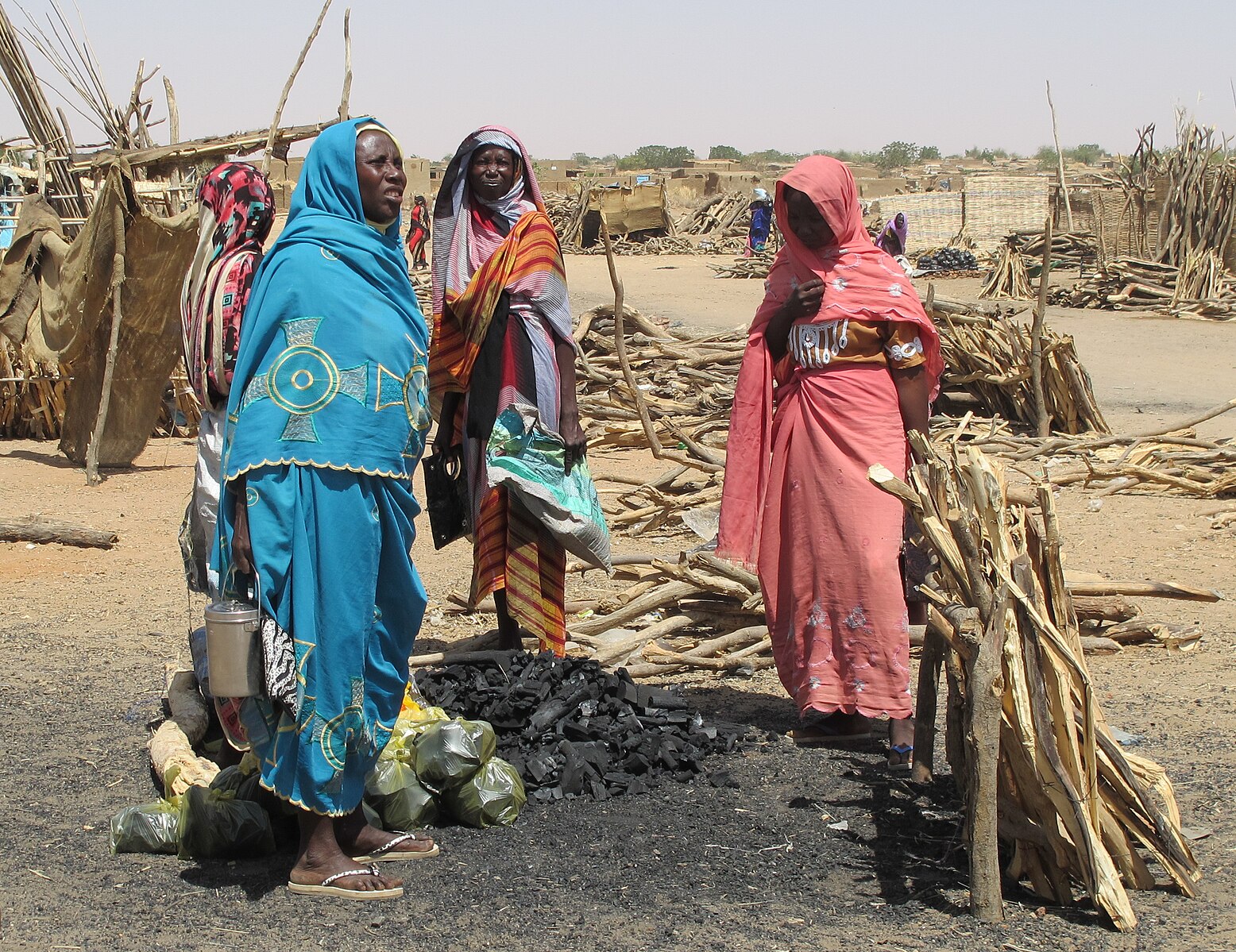
South Sudan’s military and opposition forces have blocked humanitarian access and unjustifiably ordered civilians to evacuate populated areas, Human Rights Watch found. The country’s military has issued multiple evacuation orders since late 2025, at least three of which have been “sweeping in nature.” Over the same period, opposition forces occupying areas of the country have also issued at least three such orders. As a result, hundreds of thousands of civilians have been forced to flee their homes. Following some evacuation orders, the government launched indiscriminate aerial bombings of the cleared areas. The government has additionally imposed “no-flight” zones that effectively limit humanitarian-worker access to opposition-held areas. (Photo: Wikimedia Commons)

Africa
Bamenda

Pope wins pause in Cameroon conflict

While Pope Leo XIV’s castigation of warmongers has so far failed to turn around the hawks in the current US administration, it has won Cameroonians a temporary reprieve from secessionist violence. To mark the pope’s visit, anglophone separatist groups said they would pause their fighting and allow the free movement of people. The pontiff may have stopped short of trying to mediate the nearly decade-long conflict in the majority French-speaking country, but he did urge President Paul Biya to root out corruption—and then lashed out at foreign exploitation of the continent. Leo also returned to his spiritual feud with the US administration. “Woe to those who manipulate religion and the very name of God for their own military, economic and political gain, dragging that which is sacred into darkness and filth,” he told a gathering at Saint Joseph Cathedral in the city of Bamenda, within the conflicted region. (Photo: Jesuit Historical Institute in Africa)

Africa
Sudan

RSF border attacks bring Sudan’s war to Chad

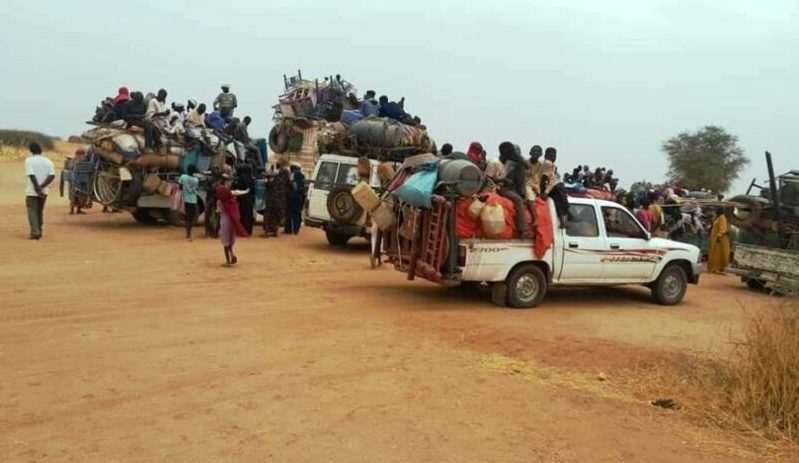
Sudan’s paramilitary-turned-rebel Rapid Support Forces (RSF) have repeatedly attacked the Darfur border town of Tina, with more than 123 injured people arriving at a hospital supported by MĂ©decins Sans Frontières near the Chad frontier. A drone strike—with responsibility still unclear—also killed 17 people on the Chadian side of the border. Tina has been hosting large numbers of displaced Darfuris fleeing RSF attacks elsewhere. (Map: PCL)

Africa
Lumumba

Belgian court orders trial in murder of Lumumba

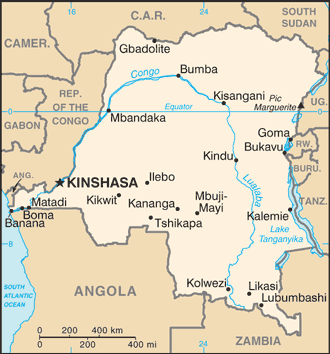
A Belgian court ordered 93-year-old former diplomat Etienne Davignon to stand trial for his role in the 1961 assassination of the first elected prime minister of the Democratic Republic of the Congo, Patrice Lumumba. Davignon, who was a junior diplomatic intern at the time of the assassination, is the first person to be prosecuted in the case. He is the last living suspect among 10 Belgian diplomats who allegedly assisted in the unlawful abduction and transfer of Lumumba that led to his death. The Belgian federal prosecutor’s office charged Davignon with “participation in war crimes.” (Photo: Harry Pot/ANEFO via Wikimedia Commons)

Planet Watch
WFP

WFP: mass food insecurity if Middle East conflict continues

The World Food Programme (WFP) warned that the escalating hostilities in the Middle East could lead to record levels of food insecurity, and the largest disruption in the global economy and humanitarian efforts since the COVID-19 pandemic. Due to the heavy reliance of food and aid distribution on energy, the skyrocketing price of oil has placed heightened strain on already over-stretched aid supply lines. WFP chief operating officer Carl Skau said: “If this conflict continues, it will send shockwaves across the globe, and families who already cannot afford their next meal will be hit the hardest.” Skau urged the international community to mount an adequately funded humanitarian response. Sudan and Somalia were named as particularly vulnerable. (Photo: Alex Blokha via Wikimedia Commons)

Africa
ISWAP

Nigeria: ISIS franchise steps up insurgency

At least 65 soldiers—including three senior officers—have been killed in jihadist raids on military garrisons in Nigeria’s northeast this month. Five bases were overrun by the Islamic State West Africa Province (ISWAP)—four of them in a single night, showing a notable level of coordination. Military equipment was also torched or captured, including armored vehicles. ISWAP’s “Burn the Camps” offensive began last year, and is accelerating against an overstretched military. (Photo via TNH)

Africa
Mali

Mali: al-Qaeda franchise in new ‘war crime’

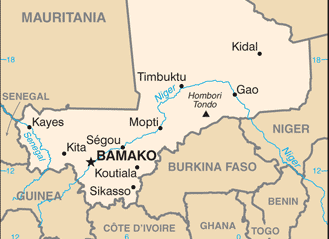
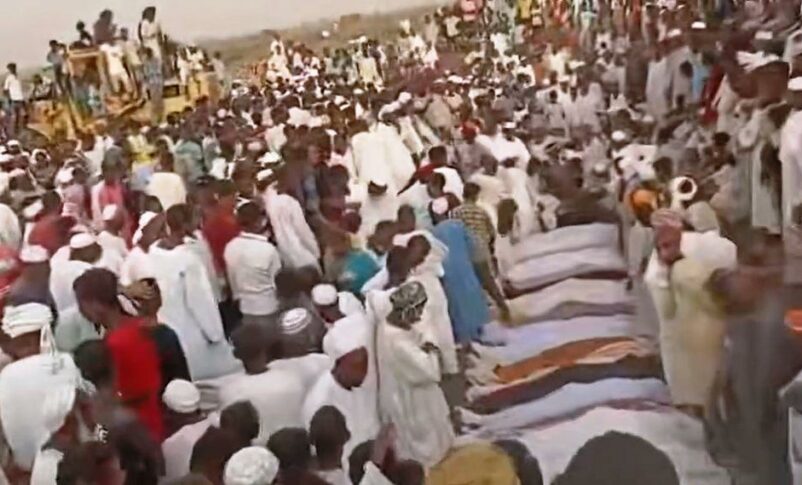
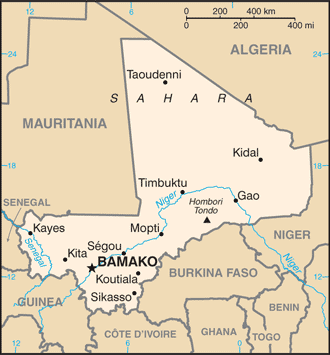
Human Rights Watch confirmed that an al-Qaeda-linked armed group summarily executed 10 long-haul truck drivers and two teenage apprentices in late January in southwestern Mali as part of the group’s attack on a fuel convoy and deemed the acts “apparent war crimes.” Mali’s truck driver union staged a nationwide strike in response to the attack, demanding recovery of victims’ bodies to ensure their families can have proper burials. The group responsible for the attack was Jama’a Nusrat ul-Islam wa al-Muslimin (JNIM), which describes itself as the official branch of al-Qaeda in Mali. (Map: PCL)

Africa
Sudan

Ethiopia accused of backing Sudan’s RSF

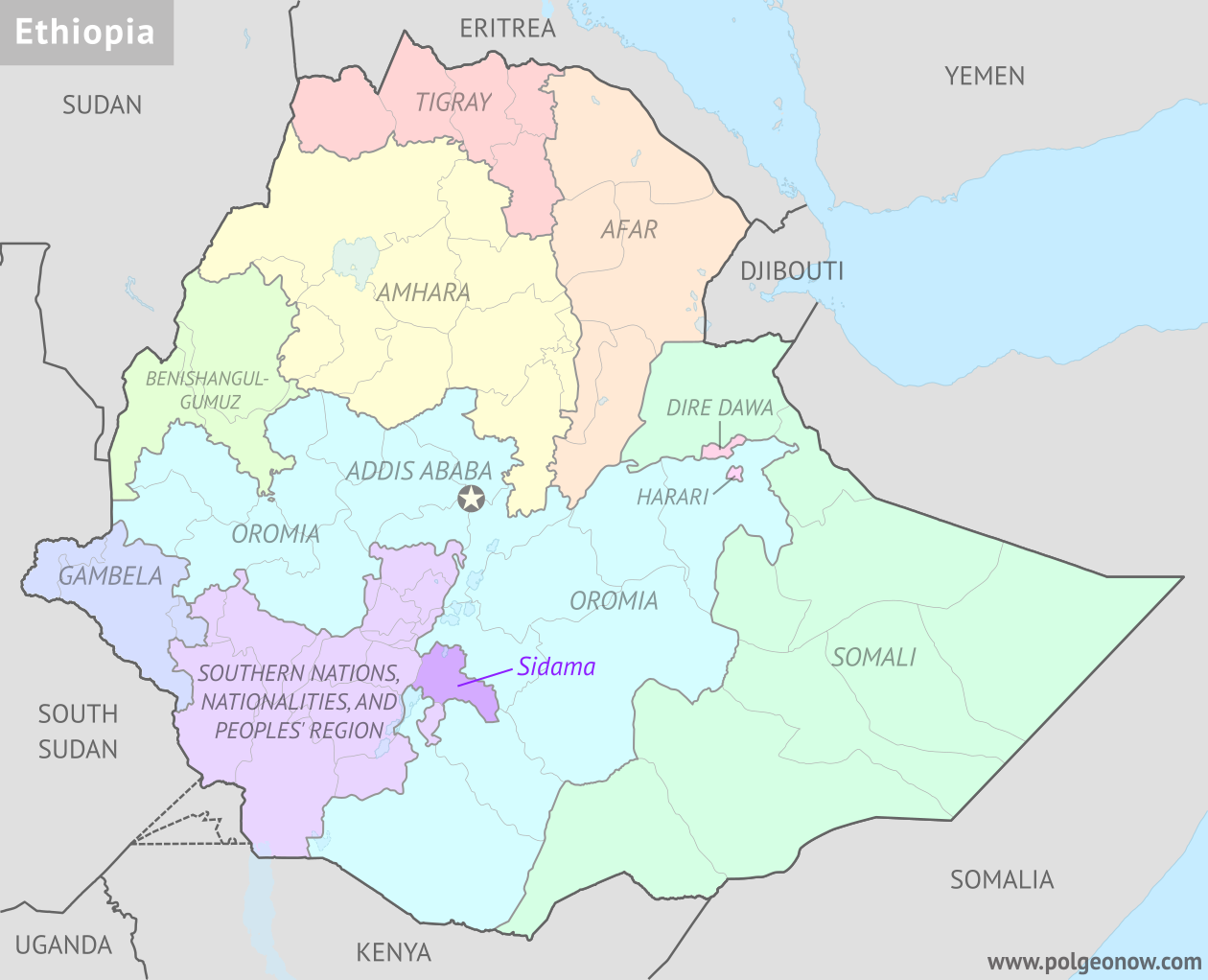
Sudan has accused Ethiopia of allowing drones to be launched from its territory to carry out attacks against Sudanese government forces. This marks the first time Sudan has directly accused its neighbor of involvement in the three-year civil war against the paramilitary Rapid Support Forces (RSF). In a statement, Sudan’s Foreign Ministry warned of unspecified consequences. The drone accusation follows reports of the construction of an RSF training base in northwest Ethiopia, paid for by the United Arab Emirates. (Map: PCL)

Africa
RDF

US sanctions Rwanda military

The US Treasury Department imposed sanctions on the Rwanda Defense Force (RDF) and four of its top military officials over their support, training, and fighting alongside M23 rebels in the Democratic Republic of Congo (DRC). The RDF have reportedly provided direct operational support to the M23 and its affiliates by introducing advanced military equipment to eastern DRC, including GPS jamming systems, air defense equipment, and drones. According to US Treasury Secretary Scott Bessent, the US seeks the immediate withdrawal of RDF troops, weapons and equipment. (Photo: US Air Force via Wikimedia Commons)

Africa
SANDF

South Africa deploys military against gangs, illegal mining

During the annual State of the Nation address, South Africa’s President Cyril Ramaphosa announced the deployment of military troops to support police efforts against illegal mining and gang violence in the provinces of Gauteng and Western Cape. South Africa has for years struggled with gang violence and illegal mining, which are now said to threaten the country’s stability. The government has intensified efforts to combat the surge in violence by implementing targeted strategies and measures, such as creating specialized police units, but these have proved ineffectual. (Photo: Wesley Nitsckie via Wikipedia)

Africa
INPACT

Africa pushes back against Russian military recruitment

Facing a manpower shortage in its war with Ukraine, Russia is increasingly turning to recruitment networks in the Global South—especially Africa—to help fill its ranks. Fast-track visas, the promise of good salaries as well as citizenship are the lures, in contrast to growing official immigration hostility in the rest of Europe. But the problem is surviving the front line. In a report released this week, the investigative collective INPACT obtained a single list of 1,417 Africans hired by Russia and found a death rate of over 20%. Those killed lasted an average of just six months. There are also reports of racism and brutality. While many young men volunteer, others are duped, promised work or scholarships, but then forcibly enlisted. Kenya and South Africa are two countries that have complained. Nairobi wants a ban on the conscription of Kenyans, while South Africa said Moscow had agreed to the return of 17 mentricked into serving in Ukraine. (Image: INPACT)

Africa
Burkina Faso

UN rights chief protests Burkina Faso civic crackdown

The UN’s top human rights official demanded that Burkina Faso end its clampdown on civic freedoms, including an announced ban on political parties. In his comments, UN Human Rights Chief Volker TĂĽrk emphasized that the government’s decision to prohibit political parties marks a serious setback for the freedoms of expression, association and political participation in Burkina Faso. The rights chief further urged the government to repeal its restrictive laws, allow unimpeded humanitarian assistance to those in need, and unconditionally release those arbitrarily detained. TĂĽrk’s office stated that the authorities’ actions have “sharply constricted civil society’s activity in the country, inconsistent with international human rights law.” (Map: Perry-Castañeda Library)