Iran
ICC

Podcast: Trump to The Hague! III

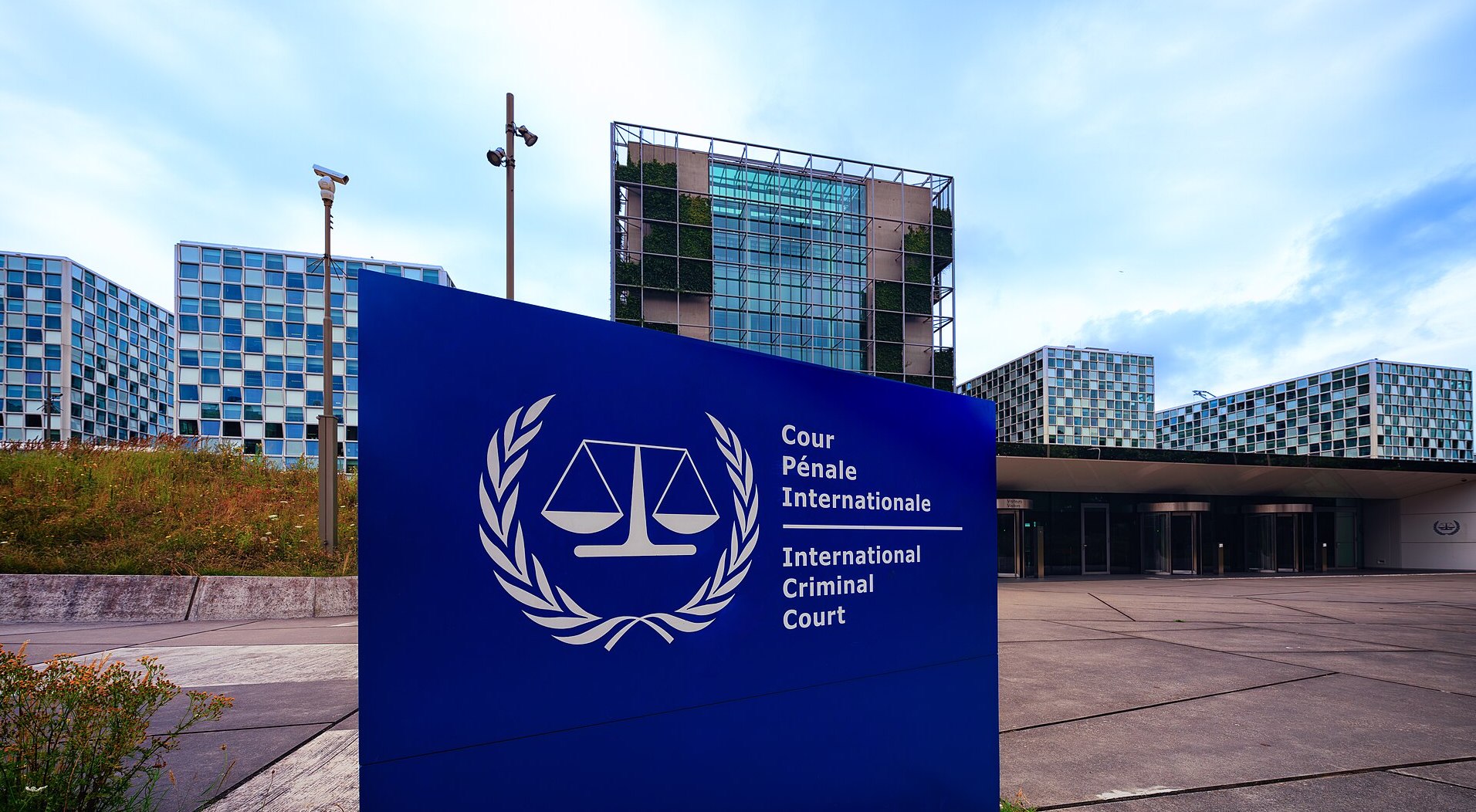
In Episode 325 of the CounterVortex podcast, Bill Weinberg continues to make the case—political, legal and practical—for sending Trump to a jail cell at The Hague to face war crimes charges before the International Criminal Court (ICC). Actual precedent refutes the conventional wisdom that this demand is “unrealistic.” Serbia’s long-ruling strongman Slobodan Milosevic died in a cell at The Hague while awaiting trial before the International Criminal Tribunal for the former Yugoslavia, while Philippines ex-president Rodrigo Duterte is currently in a cell at The Hague awaiting trial before the ICC. The Court just confirmed that it has jurisdiction in the Duterte case despite the Philippines’ withdrawal from the ICC. Contrary to the dogma of “American exceptionalism,” such an outcome for Trump is within the realm of possibility. (Photo: Tony Webster via Wikimedia Commons)

Greater Middle East
Yemen

Yemen: Houthis threaten to close Bab al-Mandab Strait

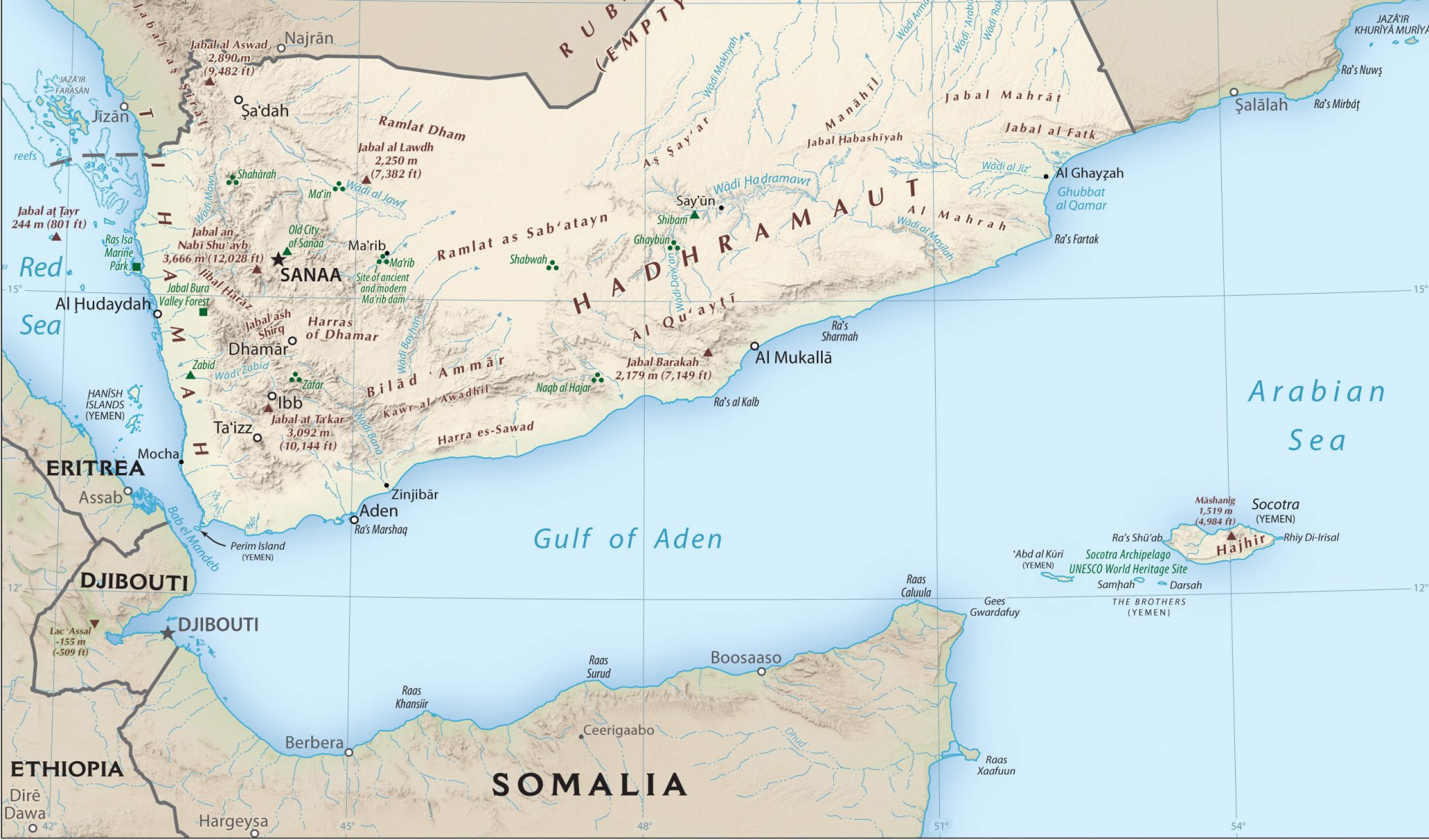
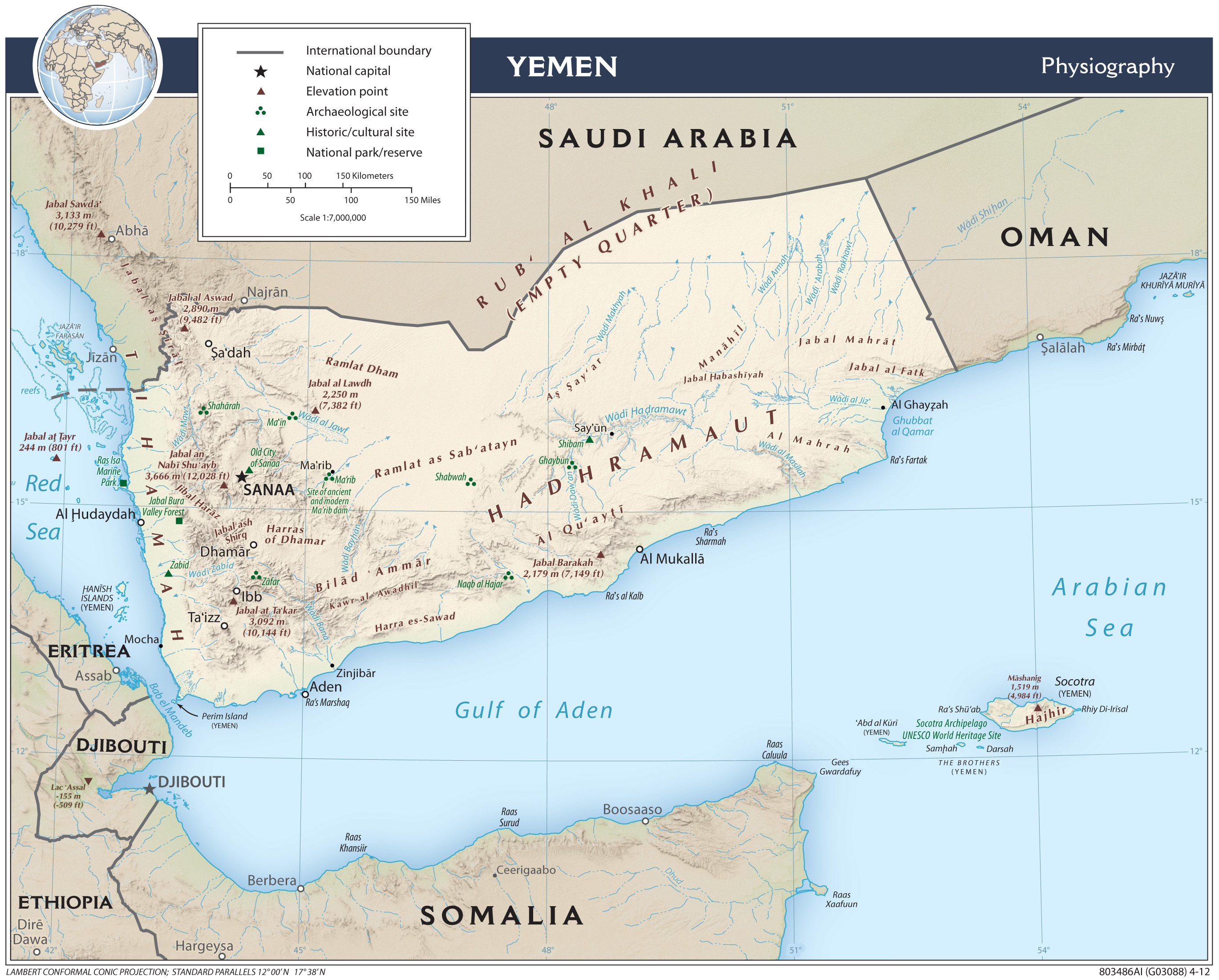
Yemen’s unrecognized Houthi administration warned that they are prepared to close the strategic Bab al-Mandab Strait, mouth of the Red Sea. This is a second maritime chokepoint for oil from the Arabian Peninsula after the Strait of Hormuz, now effectively closed due to Washington’s conflict with Iran. In a post on X, Houthi deputy foreign minister Hussein al-Ezzi said: “If Sana’a decides to close the Bab al-Mandab, then all of mankind and jinn will be utterly powerless to open it.” In a speech, Houthi leader Abdel Malek al-Houthi subsequently warned, “Sanaa will not remain neutral,” framing the current maritime tensions as part of a wider conflict targeting the “Islamic nation.” He said that any further military escalation would be met with an “equivalent response,” calling for increased coordination among members of the “axis of resistance” (meaning Iran, the Houthis and Hezbollah). (Map via PCL)

Iran
ICC

Podcast: Trump to The Hague! II

International law scholars are warning that Trump may have committed war crimes in Iran, and that his ongoing threats to bomb civilian targets may constitute self-incrimination—by the same standards that US prosecutors used to gather evidence against Russia in Ukraine (before Trump suspended cooperation). Additionally, his exterminationist rhetoric may represent a step on the ladder of escalation toward genocide. In Episode 324 of the CounterVortex podcast, Bill Weinberg continues to make the case—political, legal and practical—for sending Trump to a prison cell at The Hague. (Photo: Tony Webster via Wikimedia Commons)

Planet Watch
EZLN

Zapatistas: ‘nation-state under attack’

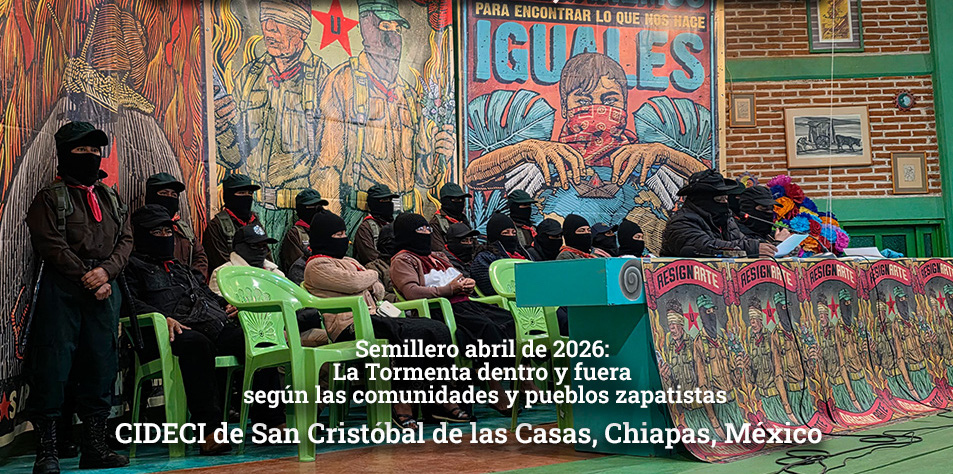
Mexico’s Zapatista rebels—who have observed a long ceasefire but still have a zone of control in the back-country of Chiapas state—held an international gathering in the highland city of San Cristóbal de Las Casas. Featured speaker was a ski-masked “Captain Marcos,” presumably the same charismatic spokesman once known as “Subcommander Marcos.” He delivered an exegesis entitled “A Peephole into the Storm in the World: Nation-States Under Attack” (Una mirilla a la Tormenta en el Mundo: Los Estados-Nación bajo ataque). Marcos portrayed a supra-national imperialism under Donald Trump, in which “the nation-state has no decision-making power.” Marcos decried the “kidnapping” of Nicolás Maduro from Venezuela, and the US oil blockade on Cuba, noting that Mexico has been effectively barred from shipping oil to the Caribbean island nation. He also asserted that in the US-Israeli war against Iran, the big oil companies are the ones who benefit, as the price of oil rises. “That’s what needs to be discussed: who is profiting from these wars?” (Image: Enlace Zapatista)

Iran
ICC

Podcast: Trump to The Hague!

The exterminationist rhetoric that has accompanied Trump’s massive bombardment of civilian infrastructure in Iran is condemned by Amnesty International as possible incitement to genocide—itself a crime under international law. Can Trump join Benjamin Netanyahu and Vladimir Putin as the next world leader to face charges before the International Criminal Court? Yes, if Iran follows Palestine and Ukraine in granting jurisdiction to the ICC for crimes committed on its territory. This is legally valid, despite intransigence from the United States, Israel and Russia alike. The next three convictions by the ICC could be the first of figures from outside the African continent—undermining accusations of a double standard that have hindered the Court’s effectiveness. In Episode 322 of the CounterVortex podcast, Bill Weinberg makes the case—politically and practically—for sending Trump to a prison cell at The Hague. (Photo: Tony Webster via Wikimedia Commons)

Greater Middle East
Iran

Uncertain ceasefire in Iran; aerial terror in Lebanon

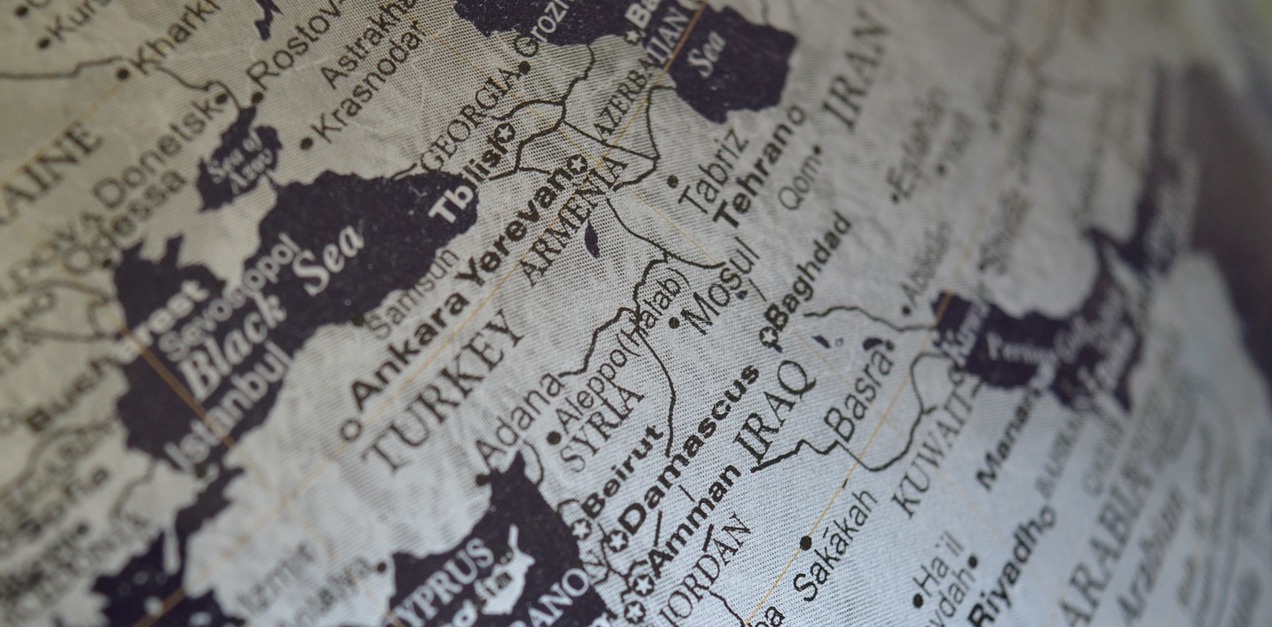
After five weeks of war, the US and Iran agreed to a two-week ceasefire brokered by Pakistan. Its basic details, however, and to what extent it will be implemented, are surrounded by uncertainty. A main sticking point is the question of whether Lebanon was included in the deal. Iranian and Pakistani officials are insisting it was, but the US and Israel say that it wasn’t. Meanwhile, Israel has continued to carry out devastating attacks on Beirut and other parts of Lebanon. (Image: Pixabay)

Iran
Rafi-Nia

Israeli air-strike destroys Tehran synagogue

An apparent Israeli air-strike on the Iranian capital Tehran “completely destroyed” one of the city’s synagogues, according to local media. Footage appeared to show rescue workers searching through the rubble of the ruined Rafi-Nia synagogue, with Hebrew liturgical texts strewn on the ground. The strike came during the Jewish holiday of Passover. There was no immediate report of casualties. A statement from the local Jewish community said: “We, the Jews of Iran, condemn the brutal attacks carried out by the American-Zionist enemy against our dear homeland and the Rafi-Nia synagogue.” The Israel Defense Forces (IDF) said that the IDF “regrets the collateral damage to the synagogue and emphasizes that the strike was targeted at a senior military target within the regime’s armed forces, not at any place of worship.” (Screenshot via JTA)

Iran
PJAK

Iranian Kurds deny receiving US weapons

Leaders of all the major Kurdish opposition parties in Iran denied that they have received weapons from the United States, after President Donald Trump said that Washington had sent arms to the Iranian protesters through the Kurds. “We sent guns to the protesters, a lot of them,” Trump told Fox News. “And I think the Kurds took the guns.” This was immediately refuted by leaders of the the Democratic Party of Iranian Kurdistan (PDKI), the Kurdistan Democratic Party of Iran (KDPI), the Kurdistan Freedom Party (PAK) and the Kurdistan Free Life Party (PJAK). (Image: Middle East Forum via Wikimedia Commons)

Greater Middle East
Iran

UN rights office decries escalating repression across Middle East

UN Human Rights Chief Volker Türk warned that repression of freedom of expression across the Middle East has deepened significantly since the US-Israeli attacks on Iran commenced at the end of February. In Iran, approximately 2,345 people have been arrested on charges related to national security. Many of these, as well as more arbitrarily arrested during the January protests, are being held in harsh conditions and incommunicado detention. The state has also cut internet access to prevent external sharing of information. Three protestors were publicly hanged in March after being convicted of “waging war against God” based on “confessions” obtained under torture. Many more are at imminent risk of execution. But hundreds of arbitrary arrests for online anti-war dissent have also taken place in the Gulf states that Iran has been targeting with missile strikes, with Türk warning of a “sharp securitization of civic space across the region.” (Image: Pixabay)

Greater Middle East
Iran

Air-strikes target Iraqi paramilitary force

Air-strikes on an Iraqi military base killed seven and wounded 13, ramping up diplomatic tension between Baghdad and Washington. The Popular Mobilization Forces (PMF)—a network of militias that are officially part of Iraq’s military structure but including groups with strong links to Iran—said the US was responsible for the first strike on Habbaniyah airbase in Anbar province. Iraq’s Defense Ministry said the second strike hit a medical clinic on the base, which is shared with PMF units. (Image: Pixabay)

Planet Watch
WFP

WFP: mass food insecurity if Middle East conflict continues

The World Food Programme (WFP) warned that the escalating hostilities in the Middle East could lead to record levels of food insecurity, and the largest disruption in the global economy and humanitarian efforts since the COVID-19 pandemic. Due to the heavy reliance of food and aid distribution on energy, the skyrocketing price of oil has placed heightened strain on already over-stretched aid supply lines. WFP chief operating officer Carl Skau said: “If this conflict continues, it will send shockwaves across the globe, and families who already cannot afford their next meal will be hit the hardest.” Skau urged the international community to mount an adequately funded humanitarian response. Sudan and Somalia were named as particularly vulnerable. (Photo: Alex Blokha via Wikimedia Commons)

Iran
Minab

Demand accountability for US strike on Iran school

Amnesty International called for those responsible for a US strike on an Iranian school to be held accountable. The Feb. 28 strike on the girls’ school in Minab, in southern Iran, killed over 100 children. Amnesty’s Evidence Lab conducted an investigation into the strike, analyzing over 30 satellite images and reviewing official statements, media reports, and witnesses accounts. The group found that the school was hit by precision-guided munitions, and additionally uncovered that the US may have relied on outdated intelligence to conduct the strike. This would constitute a violation of international law—specifically the duty to verify that an intended target is a military objective. While the school was located adjacent to a military compound of the Islamic Revolutionary Guard Corps, satellite images show that the building had been physically separated from the compound by construction of perimeter walls at least since from 2016. (Photo: Mehr via Wikimedia Commons)