Greater Middle East
Yemen

Yemen moves closer to return of ‘all-out war’

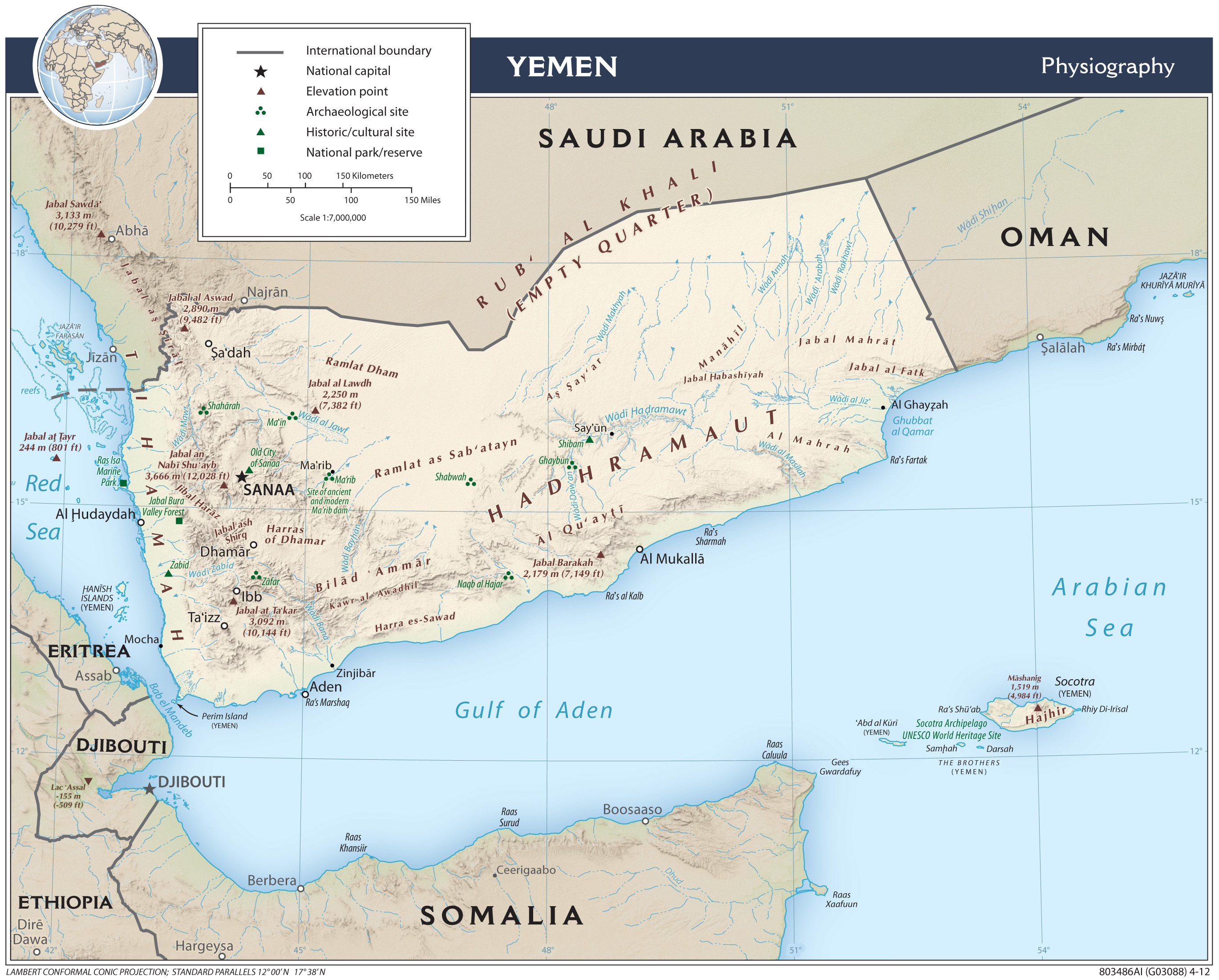
Yemen is closer to all-out war than at any other point since the 2022 ceasefire, UN Special Envoy Hans Grundberg told the Security Council amid an upsurge of violence in and around the divided country. A Houthi attack on a cargo ship in the Bab el-Mandeb strait killed six people, while fresh clashes between Houthi and government forces erupted in the frontline city of Taiz the following day. The Houthis said a drone strike on Saudi Arabia’s Jizan oil refinery, on the Red Sea just over the border from Yemen, was a response to Saudi violations of Yemeni airspace. (Map via PCL)
Europe
Odyssey

Podcast: geopolitics of The Odyssey

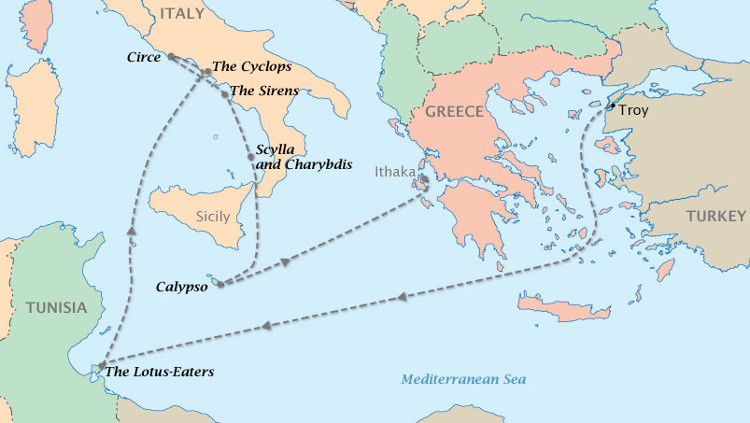
The righties are apoplectic that Christopher Nolan’s The Odyssey famously portrays a Black Helen—displaying their ignorance of the actual intercourse between Africa and the ancient Greek world. But apart from the cultural politics of the movie, the geopolitics of the Trojan War have all too much to say about the contemporary world crisis. Then, the Bosphorus and Dardanelles constituted the strategic chokepoints at issue, just as the Strait of Hormuz and Bab al-Mandeb do today. And the Bosphorus & Dardanelles could suddenly become critically strategic if Turkey becomes embroiled in either the Middle East war or the Ukraine war—or both. The current world crisis could bring about a civilizational collapse far more decisive and complete than the Bronze Age Collapse that followed the Trojan War. In Episode 341 of the CounterVortex podcast, Bill Weinberg breaks it down. (Map: BestQuest)

Greater Middle East
Yemen

Yemen: Houthis threaten to close Bab al-Mandab Strait

Yemen’s unrecognized Houthi administration warned that they are prepared to close the strategic Bab al-Mandab Strait, mouth of the Red Sea. This is a second maritime chokepoint for oil from the Arabian Peninsula after the Strait of Hormuz, now effectively closed due to Washington’s conflict with Iran. In a post on X, Houthi deputy foreign minister Hussein al-Ezzi said: “If Sana’a decides to close the Bab al-Mandab, then all of mankind and jinn will be utterly powerless to open it.” In a speech, Houthi leader Abdel Malek al-Houthi subsequently warned, “Sanaa will not remain neutral,” framing the current maritime tensions as part of a wider conflict targeting the “Islamic nation.” He said that any further military escalation would be met with an “equivalent response,” calling for increased coordination among members of the “axis of resistance” (meaning Iran, the Houthis and Hezbollah). (Map via PCL)

Greater Middle East
Yemen

Yemen: UAE-backed southern separatist forces advance

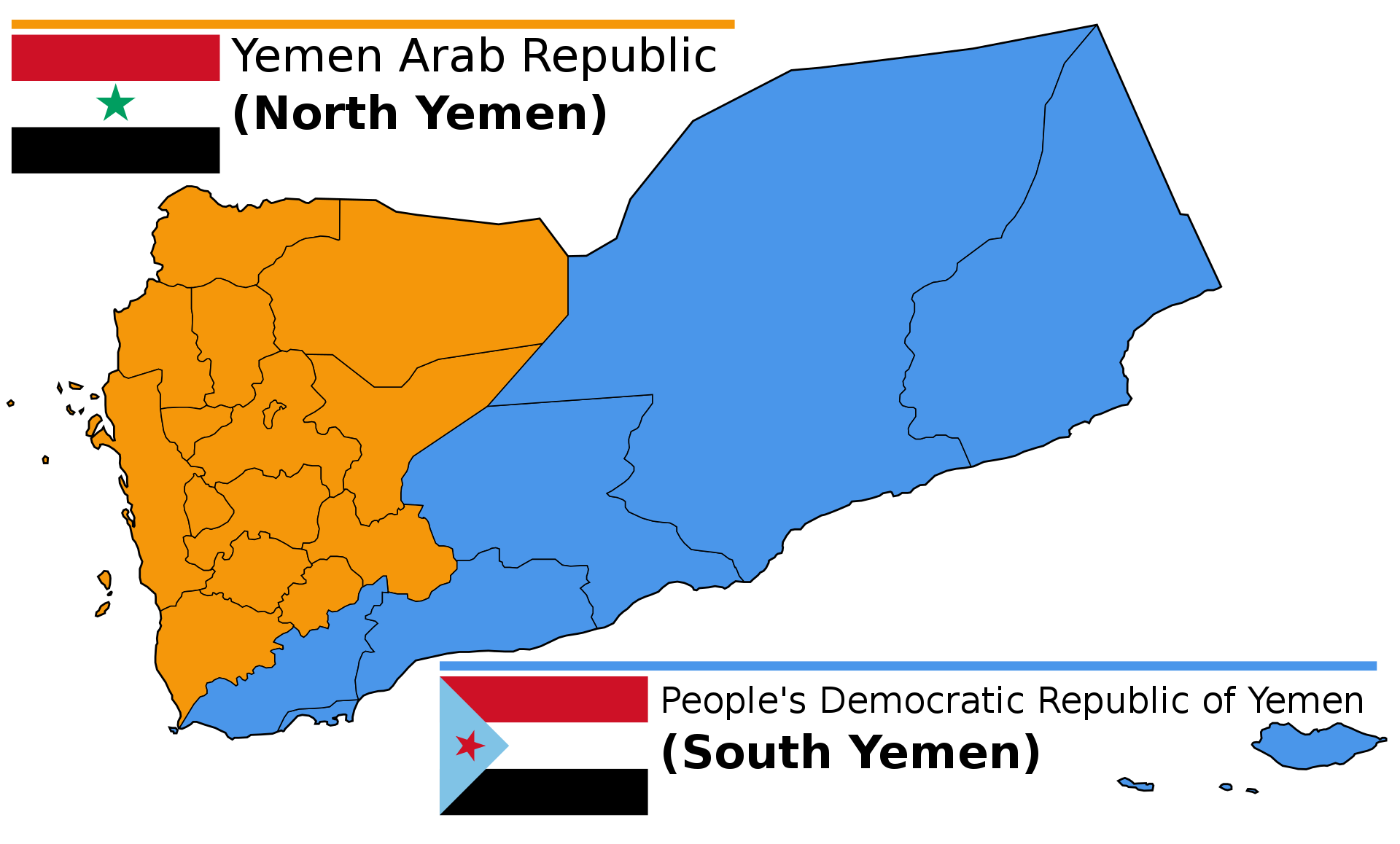
Yemen’s separatist Southern Transitional Council, which is said to be backed by the United Arab Emirates, has been rapidly advancing through large parts of the country’s south and east, in Hadramawt, al-Mahra and Shabwa provinces. They are taking over control from groups backed by Saudi Arabia, including the Hadramawt Tribal Alliance. While all forces involved are supposed to be on the same side in a broader anti-Houthi alliance, the move is yet another reminder that Yemen’s war is not over, and that it involves a variety of actors and local grievances. (Map of Yemen before 1990 unification via Wikipedia)

Watching the Shadows
Salvador

Trump-Bukele detention deal heads for clash with courts

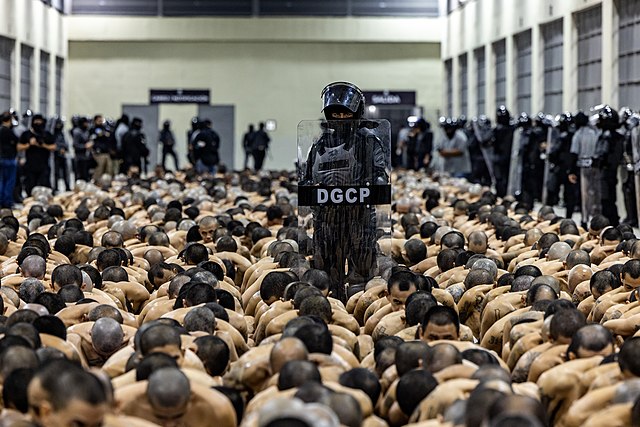
The Trump administration’s deportation policies took center stage this week as Salvadoran President Nayib Bukele visited the White House, courts continued challenging the legality of the deportations, and a Maryland senator travelled to El Salvador in an attempt to make contact with a man known to have been wrongfully deported. With Trump now openly defying the federal courts—and, in fact, seeking to expand indefinite detention of deportees in El Salvador’s prison system—the long-awaited showdown between the executive and judiciary appears to have arrived. (Photo: WikiMedia via Jurist)

Greater Middle East
warplanes

Trump launches air-strikes on Yemen, Iraq

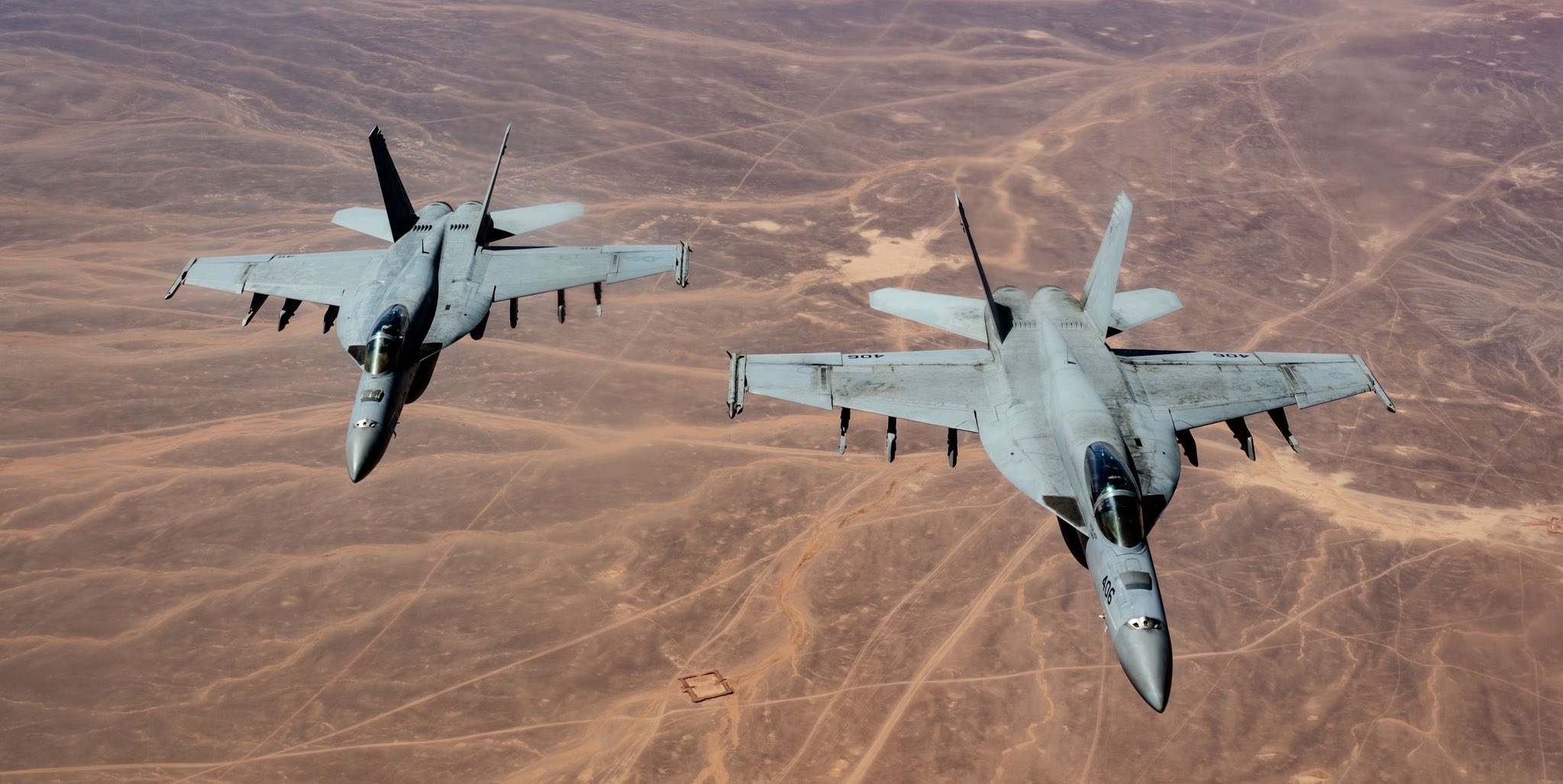
President Donald Trump ordered a series of air-strikes on Yemen’s capital, Sanaa, promising to use “overwhelming lethal force” until the Houthi rebels cease their attacks on shipping along a vital maritime corridor. Houthi authorities said 13 civilians were killed in the strikes. Yemen’s Houthi rebels, who control the capital, have said they will resume attacks on ships in the Red Sea in response to Israel’s renewed blockade on aid to Gaza. Following the January Hamas-Israel ceasefire, the Houthis had paused their campaign of attacks on shipping, which they depict as a gesture of solidarity with the Palestinians (although many targets are not linked to Israel). Days before the strikes on Sanaa, a US air-raid in Iraq’s Anbar province reportedly killed Abdallah Makki Muslih al-Rifai, the second-highest ranking ISIS leader. (Photo: CENTCOM)

Syria
Maariyah

Israeli troops fire on Syrian protesters

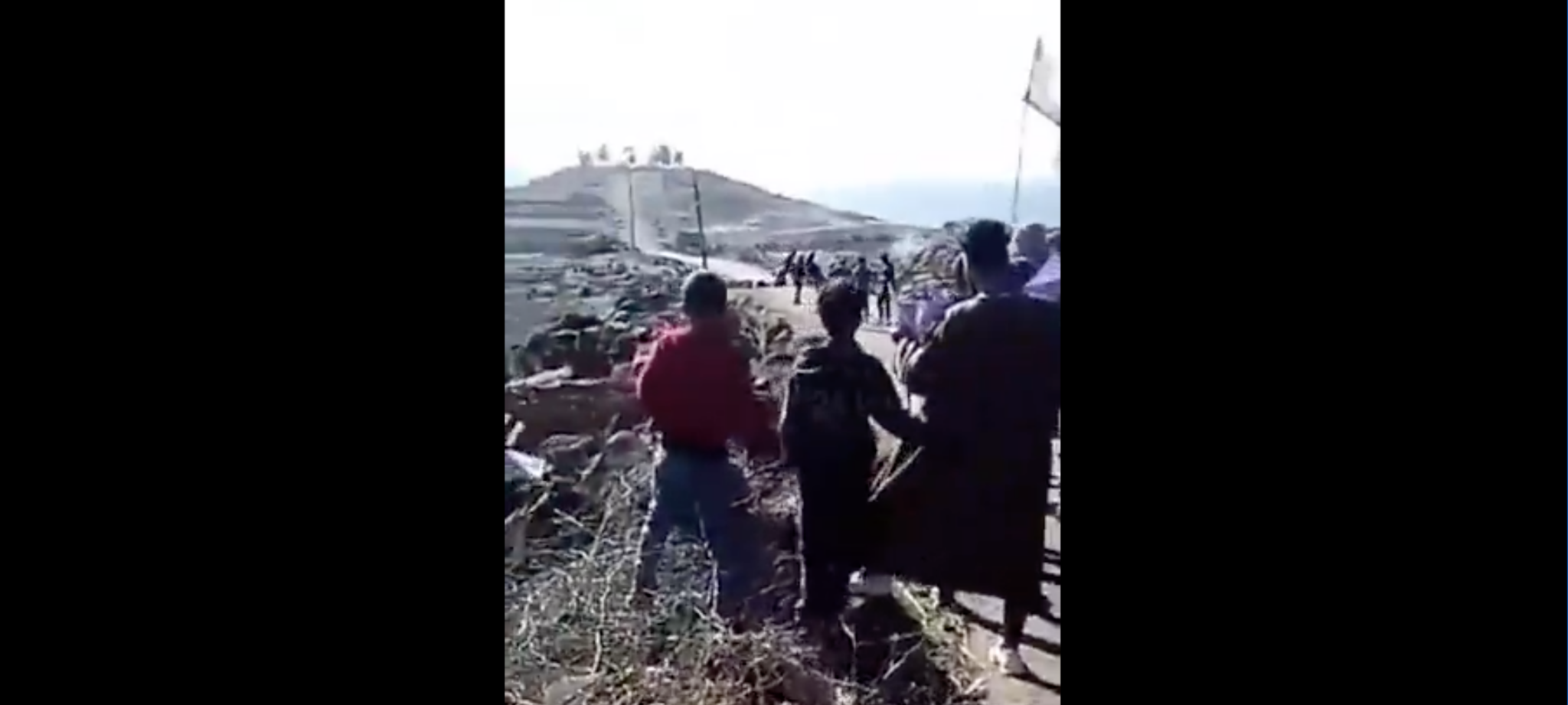
One was wounded as Israeli troops opened fire on Syrian protesters near the village of Maariyah, in southern Daraa province. Local residents gathered at a position the Israel Defense Forces (IDF) had established in the area, chanting “Free, free Syria; Israel get out!” One protester was shot in the leg. The IDF said its soldiers had fired in response to “a threat.” The incident came after villagers said that the troops, stationed in an abandoned Syrian army outpost, were preventing local farmers from accessing their fields. Maariya is near the Israeli-annexed Golan Heights, but outside the demilitarized “buffer zone” established by a 1974 ceasefire agreement between Israel and Syria. The news appears to confirm reports that IDF troops have advanced beyond the “buffer zone.” (Image via Twitter)

Greater Middle East
warplanes

US air-strikes on Yemen, Syria

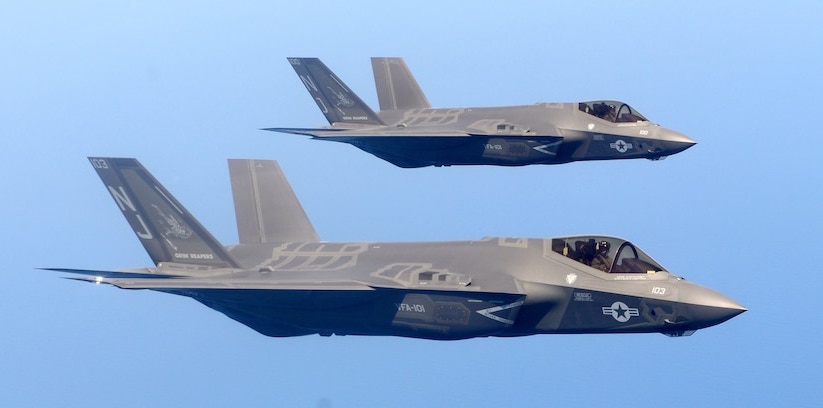
Pentagon Central Command forces carried out multiple air-strikes against Houthi weapons facilities in Yemen. Both Air Force and Navy aircraft, including F-35C fighter jets, were involved in the strikes, which were in response to Houthi attacks on commercial ships and US-led coalition military vessels in the Red Sea, Bab al-Mandab Strait and Gulf of Aden. CentCom also conducted strikes against targets at two locations “associated with Iranian groups in Syria.” The strikes were in response to drone and artillery attacks on US personnel that took place at Mission Support Site “Green Village” in northeast Syria. (DOD News)

Greater Middle East
Yemen

Yemen: Houthis obstruct aid amid deepening disaster

Flooding in Yemen’s coastal Hodeidah province has killed at least 30 people, while floods in the inland district of Taizz killed 15. The World Health Organization reports severe damage to homes and infrastructure, with contaminated water worsening the cholera outbreak in the country. Meanwhile, Human Rights Watch said in a new report that authorities across Yemen have “obstructed aid” to stricken areas, and “failed to take adequate preventative measures to mitigate the spread of cholera.” The report especially criticizes such obstruction by the Houthi forces, who have for years maintained a siege of Taizz. (Map via PCL)

Greater Middle East
Yemen

Ecological disaster looms after Houthi ship attack

The internationally recognized Yemeni government issued an urgent plea to the international community following a Houthi attack on the Rubymar, a British-owned cargo ship carrying hazardous materials through the Red Sea. The attack has raised fears of an imminent environmental disaster due to the potential leakage of fertilizer and oil from the abandoned and damaged vessel. Yemen has formed an emergency committee tasked with crafting a plan to mitigate the threat. But the Houthis, who control much of Yemen’s territory, say they will only allow salvage or mitigation efforts in exchange for entry of relief aid into the Gaza Strip. US Central Command reports that a a 30-kilometer oil slick is already spreading from the stricken vessel, foreboding a significant ecological crisis in the area. (Map via PCL)

Greater Middle East
women life freedom

Neither US imperialism nor Islamic Republic

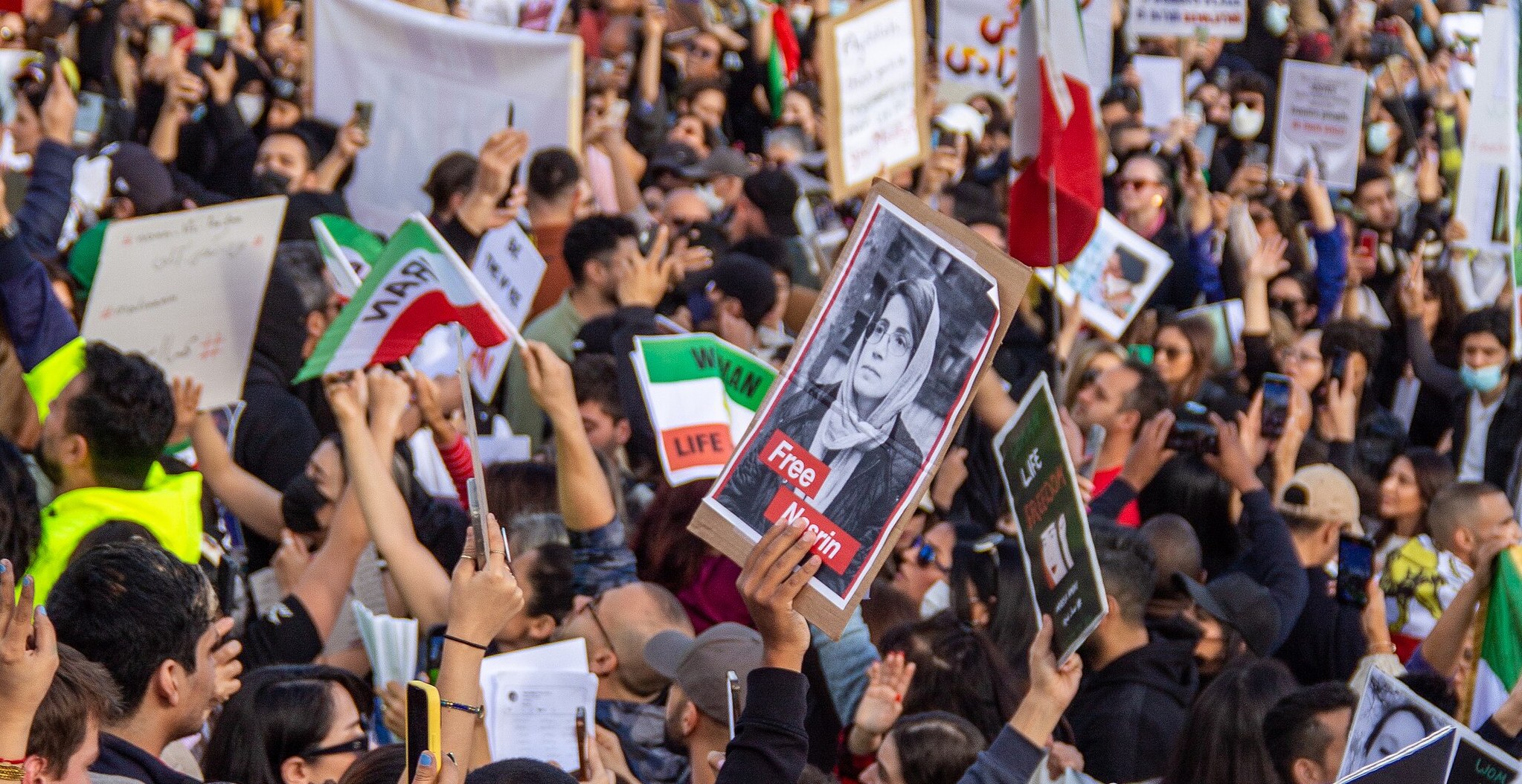
In Episode 211 of the CounterVortex podcast, Bill Weinberg takes stock of the potential for escalation to world war as Joe Biden retaliates for a deadly drone strike on US forces by an Iran-backed militia with air raids on 85 targets in Iraq and Syria. The same militias that have been attacking US forces in Iraq and Syria have also brutally repressed protesters in Iraq, and fought for the genocidal Bashar Assad regime in Syria. Tehran’s paramilitary network has also carried out deadly repression of protests within Iran itself. The Iran-backed Houthis in Yemen, now also coming under US bombardment, are responsible for war crimes against the Yemeni people and repression of their popular movements. It is necessary to oppose Biden’s widening of air-strikes against Iran’s paramilitaries, but also to oppose the Islamic Republic, equally a force of regional reaction. Listen on SoundCloud or via Patreon. (Photo: London rally in solidarity with Iranian protesters, October 2022. Credit: Sinai Noor via Wikimedia Commons)

Greater Middle East
Gaza

Podcast: Gaza, Guernica and the Great Game

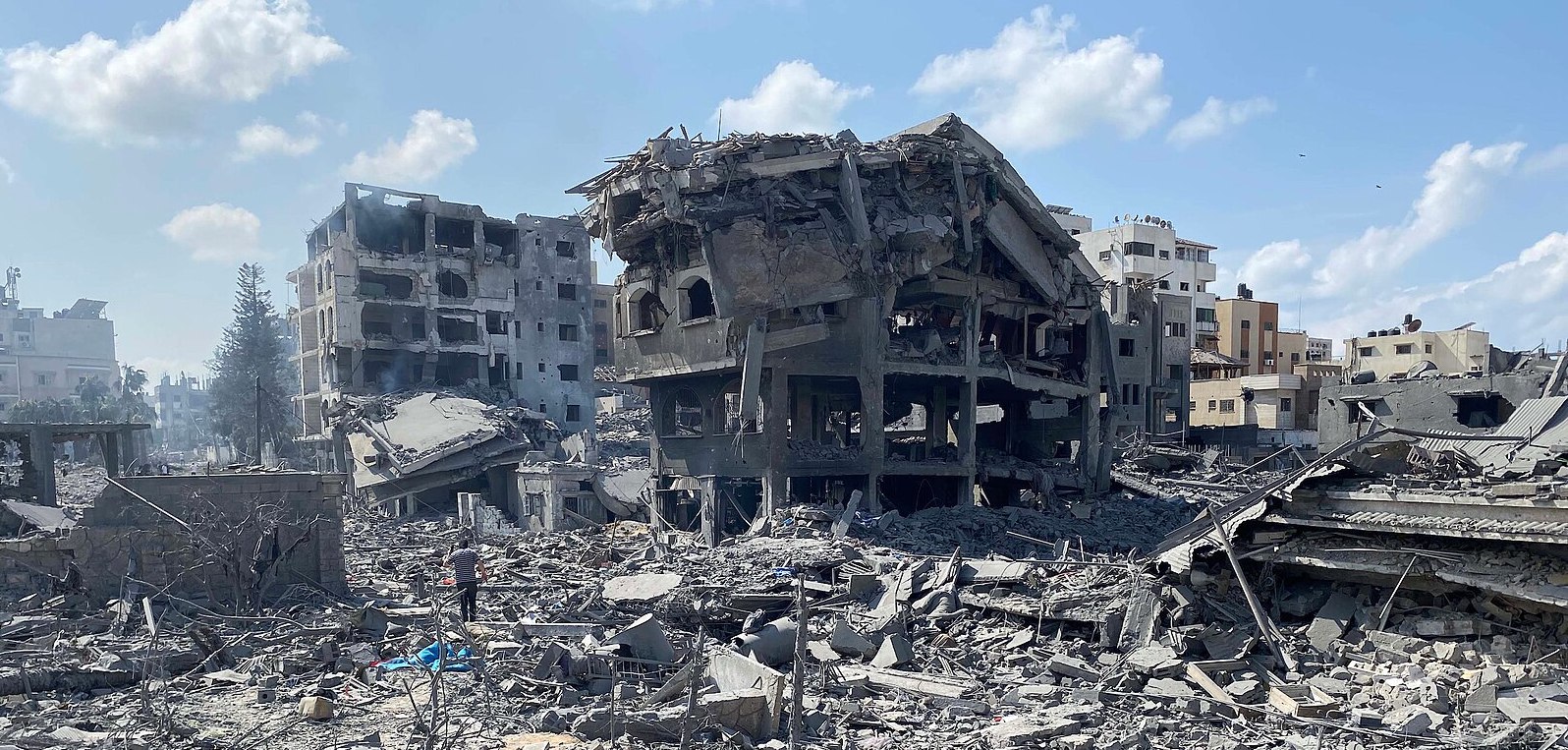
In Episode 209 of the CounterVortex podcast, Bill Weinberg takes stock of the frightening international escalation set off by the Gaza cataclysm, with Yemen, Syria, Iraq, Iran and Pakistan all coming under aerial bombardment over the past week, in a cascading regional crisis. The 1937 aerial bombardment of the Spanish town of Guernica by Nazi warplanes shocked the world. Today, what happened there is a near-daily occurrence in countries around the world. And the media (“mainstream,” “alternative” and “social”) are more concerned with how the various actors line up in the Great Power game than the horrific realities on the ground. Listen on SoundCloud or via Patreon. (Photo: WAFA via WikimediaCommons)