

South Asia
anti-CAB

India prepares mass detention of Rohingya

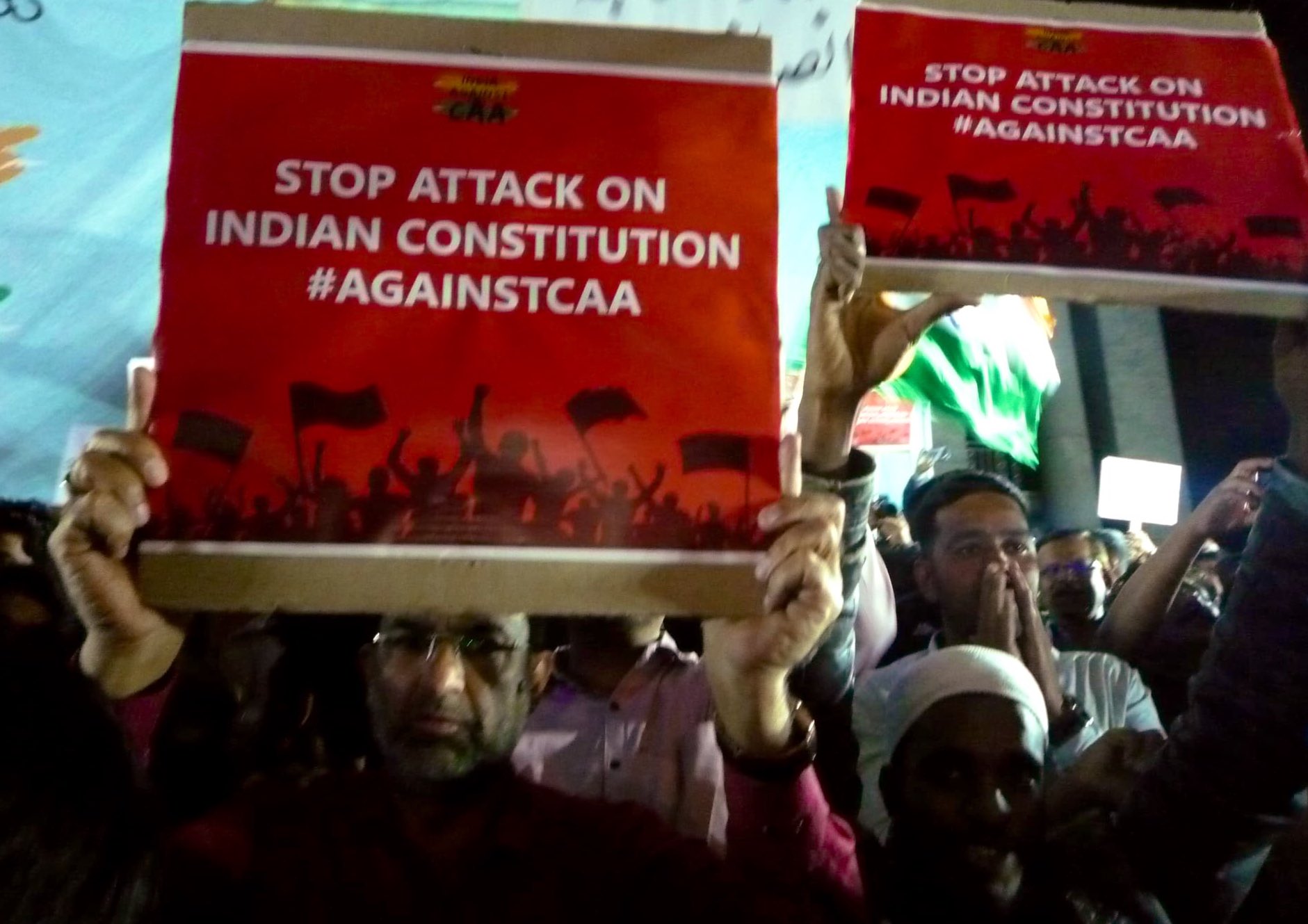
Indian authorities have deported thousands of Bangladeshi citizens in the month since Prime Minister Narendra Modi’s Hindu-nationalist Bharatiya Janata Party (BJP) won elections in the state of West Bengal. Shortly after taking power in West Bengal, BJP officials ordered the creation of detention centers both for undocumented Bangladeshis and Rohingya Muslims who are fleeing persecution in their native Burma and mistreatment in overcrowded refugee camps in Bangladesh. (Image: Sowmya Reddy)

South Asia
Manipur

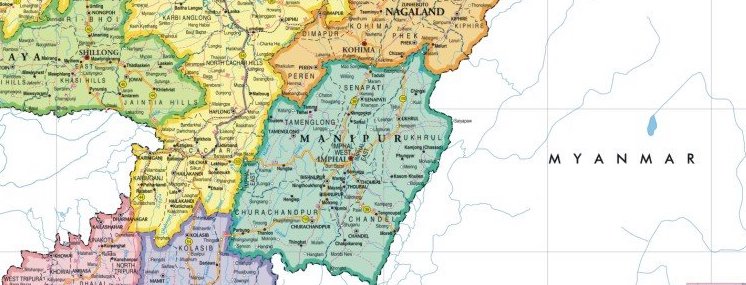
India: Naga armed groups drawn into Manipur violence

Amnesty International called for the immediate and unconditional release of civilians being held by armed groups in India’s Manipur state as negotiations over the fate of remaining captives appear to have stalled amid continuing ethnic tensions. The call comes after armed groups from the Kuki and Naga communities reportedly abducted more than 48 civilians following an ambush by unknown armed men that killed three church leaders. The church leaders had recently participated in efforts to facilitate dialogue between Kuki and Naga groups. Kuki leaders blamed the slayings on the Zeliangrong United Front (ZUF), a Naga insurgent organization, sparking the inter-communal violence. (Photo: Asia Media Centre)

Greater Middle East
Minab

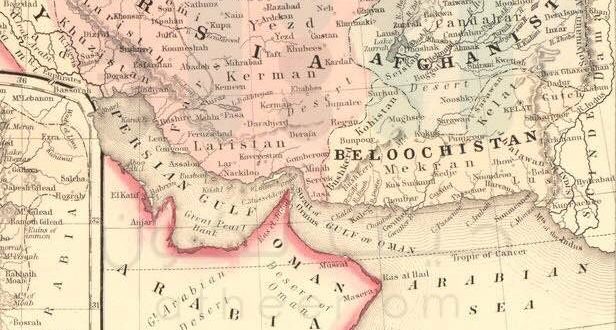
UN demands civilian protection amid Middle East escalation

The United Nations urgently called for civilian protection amid growing violence and instability in the Middle East—and particularly in regard to the ongoing US and Israeli military operations against Iran. The UN urged a thorough investigation into a deadly strike on a girls’ school in Iran, and requested the disclosure of all relevant information. The attack in the southern coastal city of Minab reportedly killed 168 people. According to Iran’s Ministry of Education, the overwhelming majority of the slain were schoolgirls aged seven to 12. The strike came on the first day of coordinated US and Israeli airstrikes officially targeting Iranian infrastructure and military facilities. (Photo: Mehr via Wikimedia Commons)

Afghanistan
Durand

Pakistan declares ‘open war’ on Afghanistan

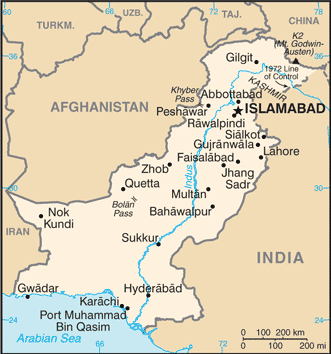
Violence has once again broken out between Afghanistan and Pakistan, with Islamabad declaring “open war” on Kabul. Afghan forces fired on military bases across the border in Pakistan, reportedly using drones. Pakistan retaliated, striking what it said were military targets in Kabul and several border provinces. Afghanistan’s Islamic Emirate government said its attacks were a response to earlier Pakistani air-strikes that killed at least 13 civilians in Nangarhar province. Pakistan accuses the Taliban government of harboring fighters from the Tehrik-e Taliban Pakistan (TTP)—accused of being behind recent attacks in Islamabad and Peshawar. Afghan Minister of Interior Sirajuddin Haqqani said the “doors for dialogue” remain open but insisted that if Afghanistan continues to be attacked, it will respond. (Map: Google)

South Asia
Baloch Yekjehti Committee

Pakistan’s Baloch students are vanishing

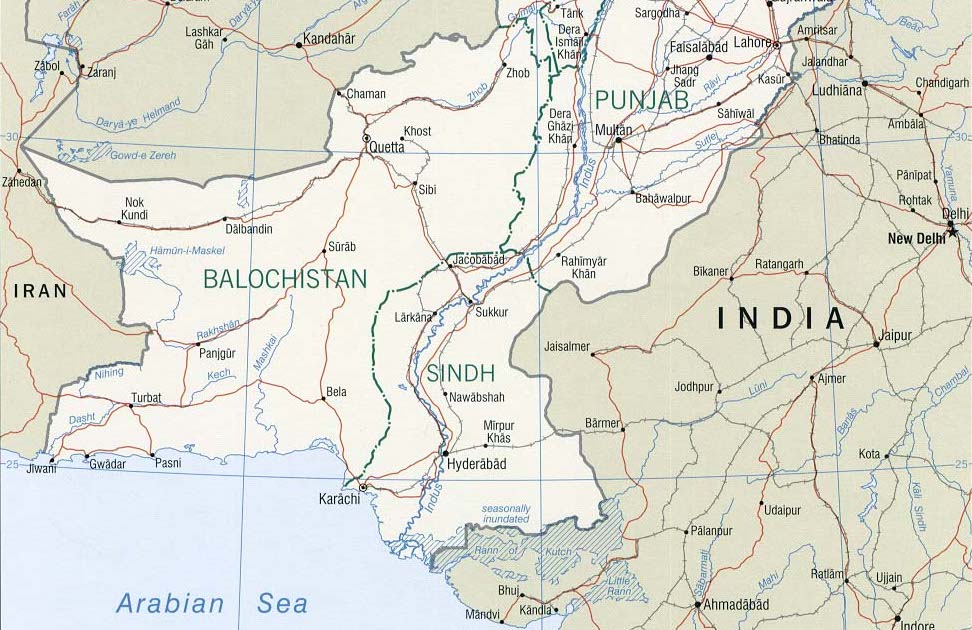
Pakistan’s Balochistan just witnessed one of the province’s deadliest episodes: a wave of attacks and clashes across several cities that left dozens of civilians, fighters and security personnel dead, with official tolls as high as 200. It marked the latest escalation in decades of conflict between separatist groups and the Pakistani state in Balochistan, where the central government has long been accused of exploiting rich resources while marginalizing the local population. But before the recent violence, public attention was focused on the abduction of a young Baloch student, a case that has reignited simmering anger over enforced disappearances. For more than 6,000 days, activists have maintained a protest camp in Quetta, the provincial capital, demanding answers for hundreds of missing Baloch citizens believed to have been abducted and killed by the security forces. “The very existence of the Baloch is perceived as a threat to the state,” said Sabiha Baloch, head of the Baloch Yakjehti Committee (BYC), a local rights organization. “The more educated, conscious, and politically aware the Baloch become, the more threatened the state feels.” (Image: BYC)

Planet Watch
Sri Lanka

Triple-cyclone disaster crystalizes climate threat

A rare convergence of three tropical cyclones with the northeast monsoon has triggered the worst flooding to hit South and Southeast Asia in decades. More than 1,600 people have been killed, thousands remain unaccounted for, and whole villages have disappeared under mud and rising water. Roads, bridges, and other vital infrastructure have been torn apart, hampering rescue efforts as communities wait for help across Indonesia, Thailand, Sri Lanka, Vietnam and other affected countries. The scale of the disaster reflects a dangerous mix of climate pressures. Warmer oceans are intensifying storms, while a hotter atmosphere is capable of holding and releasing far more moisture. Environmental degradation has left many communities exposed: rivers once stabilized by forest cover burst their banks with little resistance. Humanitarian groups are urging governments to strengthen early-warning systems, invest in resilient infrastructure, and prioritize long-term adaptation—all of which makes the disappointing outcomes of this year’s UN climate summit even more worrying. (Photo: town in Sri Lanka after Cyclone Ditwah. Credit: UNICEF/InceptChange via UN News)

Afghanistan
Durand

Fighting breaks out along Durand Line

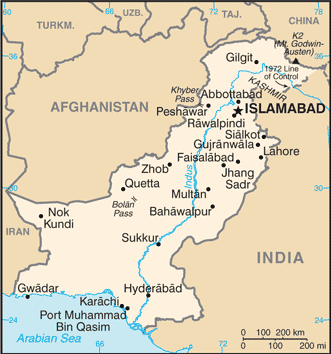
According to reports in Pakistan’s media, the Afghan Taliban and affiliated militants launched an attack from the Afghan side of the border, killing at least 23 Pakistani troops and injuring some 30 others. Pakistan’s Foreign Minister Ishaq Dar stated that troops responded to cross-border raids by “Fitna-e-Khawarij and Fitna-e-Hindustan terrorist elements.” This appears to be a reference to the Tehrik-i-Taliban Pakistan (TTP), which Islamabad accuses the Afghan Taliban of providing sanctuary to. In contrast, a statement from Hamdullah Fitrat, spokesman for the Islamic Emirate of Afghanistan, said that conditions on the “imaginary line” with Pakistan are under control. Relations between Pakistan and Afghanistan have been fraught with tension, especially around the disputed Durand Line border. Established in 1893 between British India and Afghanistan, this border has never been officially recognized by any Afghan government since the partition of India in 1947, leading to a persistent territorial dispute. (Map: Google)

South Asia
Muzaffarabad

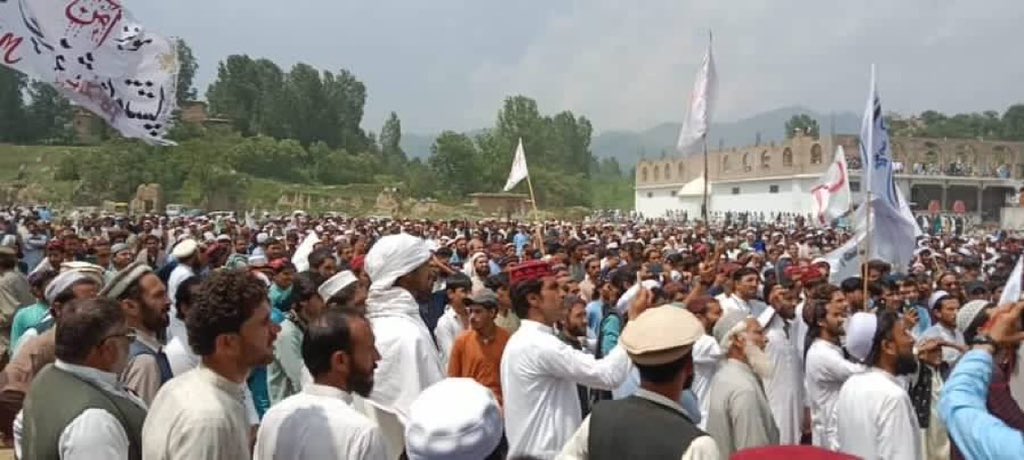
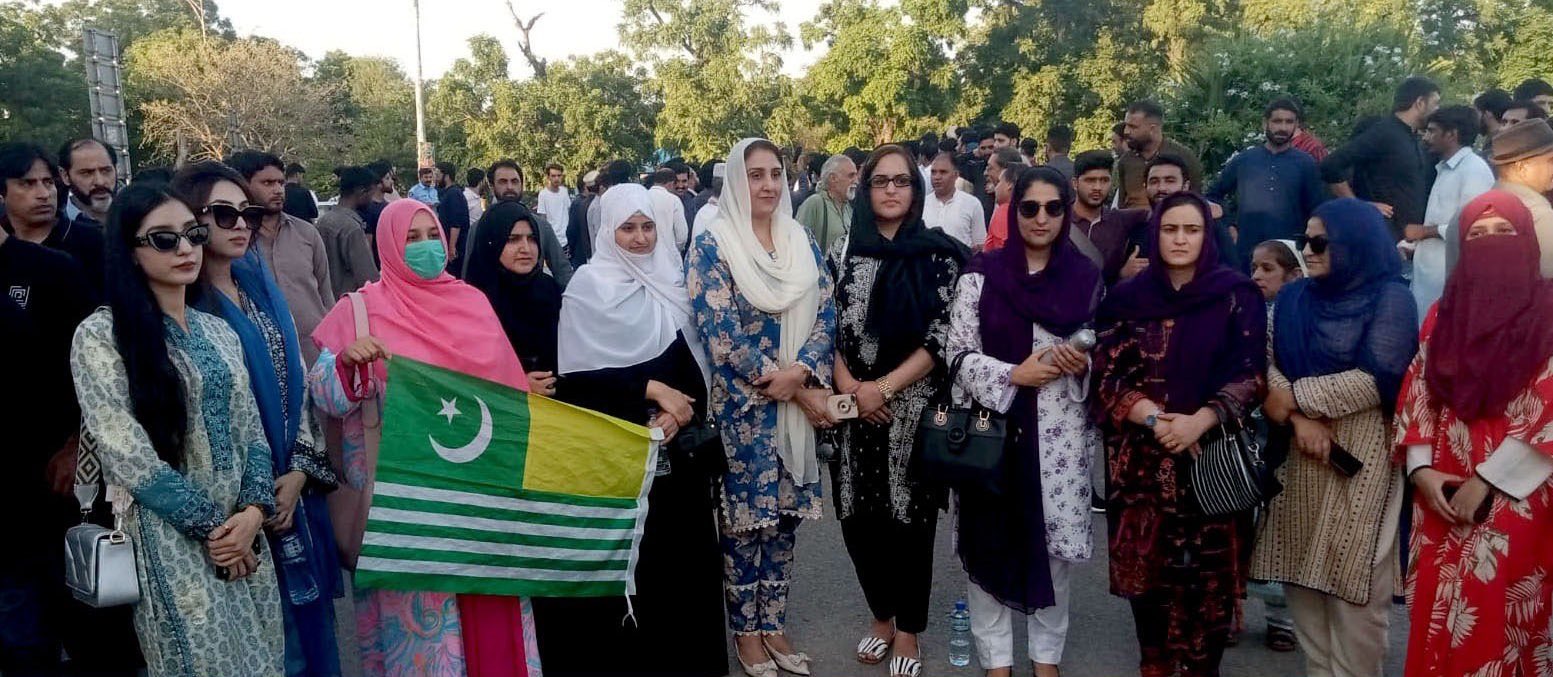
Unrest erupts in Azad Kashmir

The politically volatile region of Pakistan-administered Azad Jammu Kashmir has once again plunged into a crisis of civil unrest. Local protests over government plans to drop subsidies for wheat and electricity rapidly transformed into a broader movement demanding comprehensive reform and regional economic relief. The demonstrations have pressured the government into negotiations and legal concessions, after initial harsh repression only further fueled public dissent. (Photo of Muzaffarabad via Wikimedia Commons)

South Asia
Kashmir

India: deadly repression at Ladakh autonomy protest

Amnesty International urged Indian authorities to promptly investigate the use of live fire during protests in Leh, Union Territory of Ladakh, after at least four people were killed and more than 50 injured. Clashes erupted as demonstrators pressed long-standing demands for statehood and constitutional protections for land and jobs. Police said they responded after the crowd turned violent, with vehicles and a ruling Bharatiya Janata Party office set ablaze, and claimed officers fired in self-defense. Authorities imposed a curfew in Leh and restricted mobile internet services. (Map via Wikipedia)

South Asia
Sri Lanka

UN Human Rights Council urged to maintain scrutiny on Sri Lanka

International human and civil rights groups urged the UN Human Rights Council to maintain its oversight of the situation in Sri Lanka. The appeal comes ahead of the council’s 60th session, where member states’ compliance with international human rights treaties is to be reviewed. Amnesty International, Human Rights Watch, the International Commission of Jurists and the Asian Forum for Human Rights & Development called for the renewal of the Sri Lanka Accountability Project, led by the Office of the UN High Commissioner for Human Rights (OHCHR). In their statement, the groups accused Sri Lanka’s government of lacking the political will to establish an independent prosecutorial mechanism to ensure accountability for human rights violations and international crimes. The call comes as excavations continue at a mass grave site where hundreds of ethnic Tamils who disappeared during the country’s civil war are believed to be buried. (Photo via JURIST)

South Asia
Nepal protests

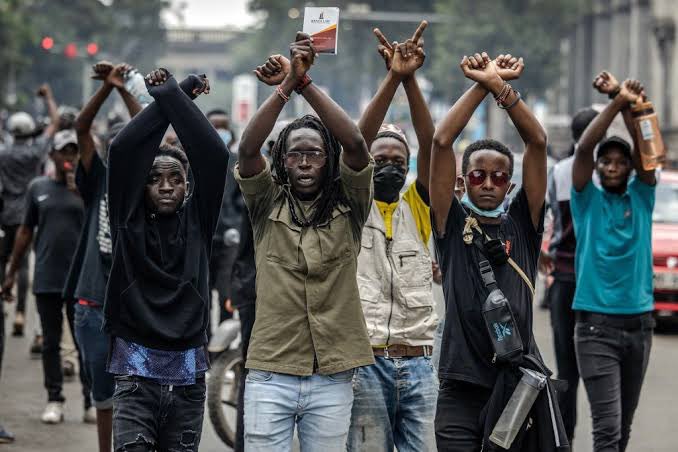
Nepal: ‘Gen Z’ uprising brings down government

Protests in Nepal turned violent as security forces opened fire on demonstrators, resulting in at least 19 deaths and over 400 injuries. Young activists who had been protesting government corruption on social media started filling the streets of Kathmandu and other cities after the government blocked access to the online platforms. The subsequent deadly repression only enflamed the situation, and Prime Minister KP Sharma Oli resigned from his post after his home was set on fire. (Photo: हिमाल सुवेदी via Wikimedia Commons)

South Asia
Durand

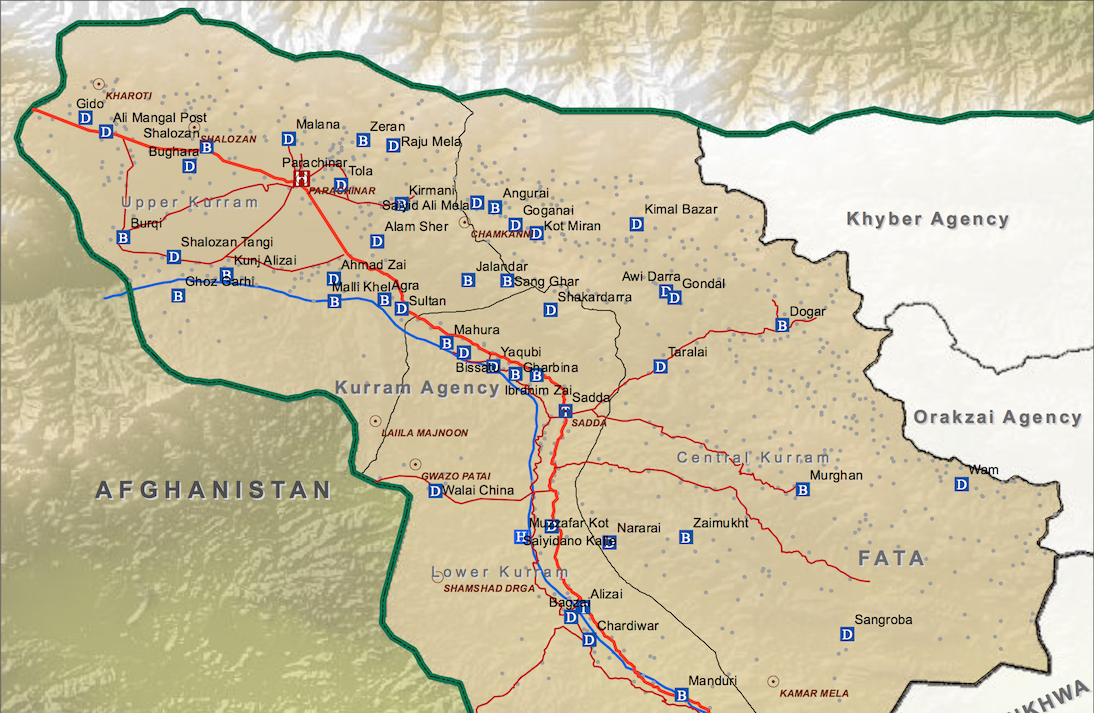
Pakistan: drone terror in Khyber Pakhtunkhwa

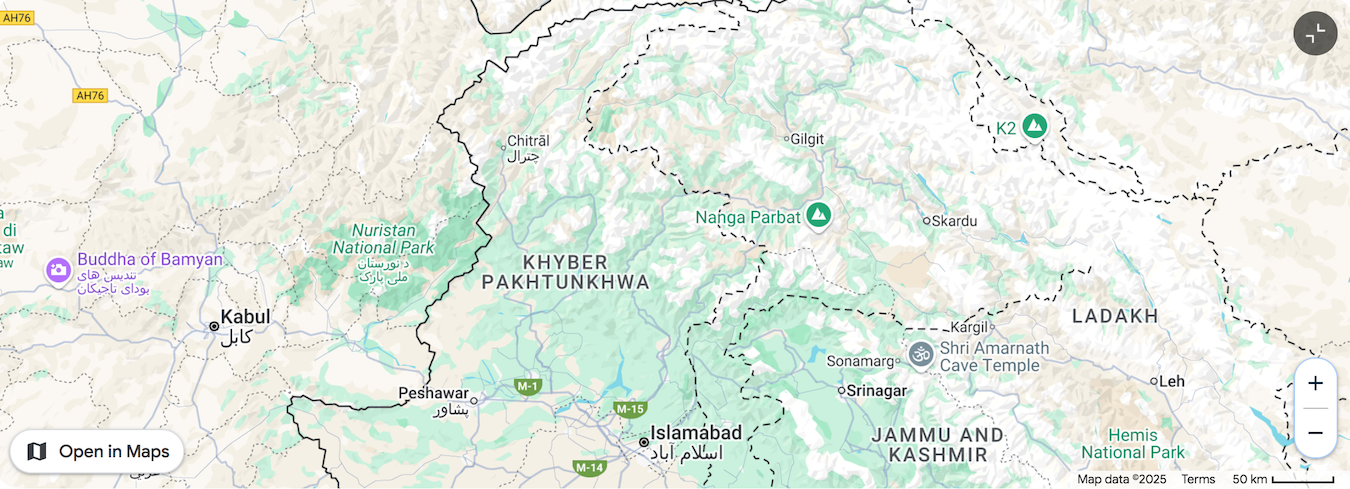
Amnesty International expressed concern over recurrent drone strikes conducted by Pakistan’s military, which have caused unlawful loss of civilian lives. The rights group stated that the strikes in the province of Khyber Pakhtunkhwa have resulted in the deaths of 17 people this year, hitting homes and even, in one case, a volleyball game. The statement urged authorities to investigate these incidents and hold those responsible accountable. (Map: Google)