Europe
Odyssey

Podcast: geopolitics of The Odyssey

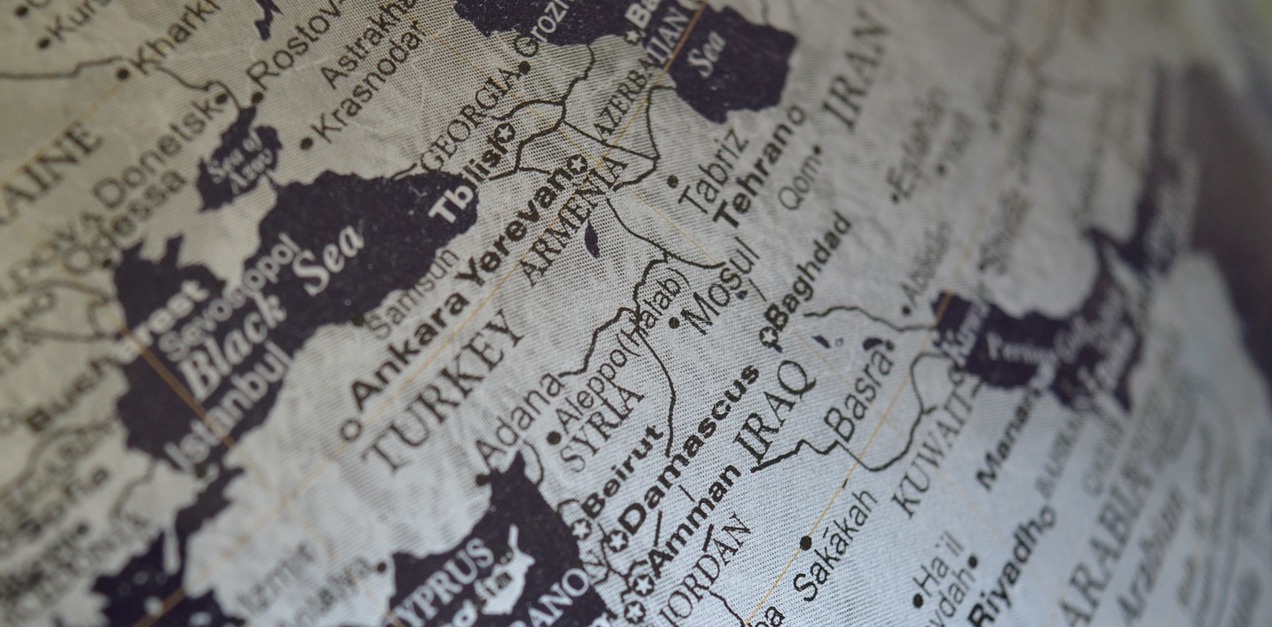
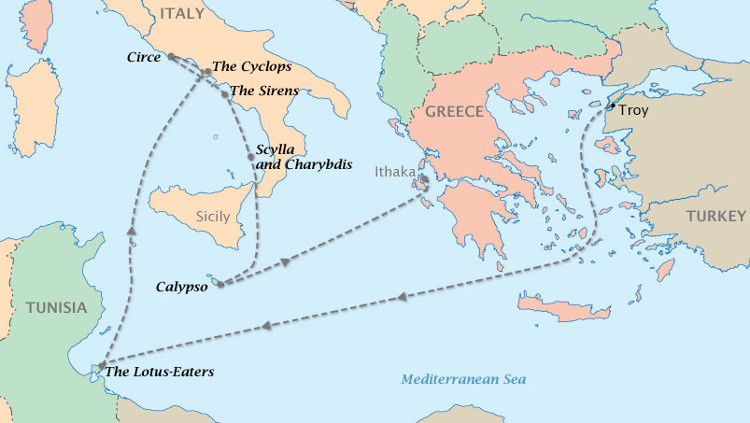
The righties are apoplectic that Christopher Nolan’s The Odyssey famously portrays a Black Helen—displaying their ignorance of the actual intercourse between Africa and the ancient Greek world. But apart from the cultural politics of the movie, the geopolitics of the Trojan War have all too much to say about the contemporary world crisis. Then, the Bosphorus and Dardanelles constituted the strategic chokepoints at issue, just as the Strait of Hormuz and Bab al-Mandeb do today. And the Bosphorus & Dardanelles could suddenly become critically strategic if Turkey becomes embroiled in either the Middle East war or the Ukraine war—or both. The current world crisis could bring about a civilizational collapse far more decisive and complete than the Bronze Age Collapse that followed the Trojan War. In Episode 341 of the CounterVortex podcast, Bill Weinberg breaks it down. (Map: BestQuest)
Greater Middle East
PKK

Türkiye: conditional amnesty for PKK fighters

Türkiye’s parliament announced that it has passed a new law creating conditional legal mechanisms for members of the Kurdistan Workers’ Party (PKK), allowing criminal charges to be indefinitely postponed if authorities confirm that the organization has dissolved and surrendered its weapons. The shift signifies an advance for the government’s “Terror-Free Türkiye” initiative and a potential de-escalation in the country’s decades-long conflict with Kurdish militants. (Photo: KurdishStruggle via Wikimedia Commons)

Greater Middle East
Iran

US-Iran war spirals across Middle East

With the US-Iran war escalating, more countries in the Middle East have—officially or unofficially—entered the fray. As the US stepped up air-strikes on Iran, it joined with Saudi Arabia to launch strikes against Iran-backed militias in Iraq. Iran (or the Houthis) hit Egypt, Kuwait and Jordan, where three US soldiers were killed. Saudi Arabia is building a military alliance to police the Red Sea, with an eye toward removal of the Houthis from power in Yemen. The US Senate again failed to pass a War Powers Resolution, while the Iran regime apparently sees it as in its political interest to extend the conflict on at least a minimal basis. Nonetheless, it appears to be quickly spiralling out of control. (Image: Pixabay)

Greater Middle East
Esra Işık

Turkish ecological defender faces prison

Amnesty International condemned the conviction in Turkey of environmental activist Esra Işık. The activist was convicted of “resisting a public official to prevent performance of duty” and “insulting a public official,” and sentenced to two years and one month in prison. Işık was detained in March following participation in demonstrations against an extraordinary “urgent” land expropriation decision by the Turkish government, in which over 600 parcels in the Akbelen Forest area were to be seized for expansion of a coal mine. (Photo: Cumhuriyet)

Greater Middle East
Turkey

Repression in Ankara ahead of NATO summit

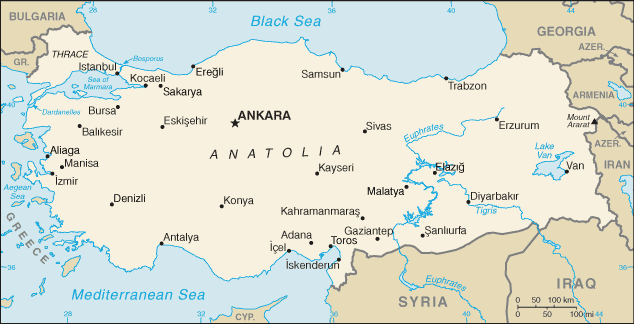
Amnesty International raised concerns over an absolute blanket ban by the Turkish government on all protests in the capital Ankara ahead of the NATO summit that is to be held in the city next week. The statement also decried the pretrial detention of more than 100 people in the city, including lawyers, academics and activists. Amnesty describes the measures as “excessive” and constituting an attack on the rights to freedom of expression and peaceful assembly. (Map: CIA)

Greater Middle East
Turkey

Crackdown escalates on Turkish opposition

Riot police erected steel barriers and used water cannon to prevent crowds from gathering to hear a speech by the deposed leader of Turkey’s main opposition party in Izmir’s central Cumhuriyet Square. Özgür Özel and the core leadership of the Republican People’s Party (CHP) were removed from their posts by a court order that they charged was politically motivated. Following issuance of the order, Özel and his supporters barricaded themselves inside the CHP headquarters in Ankara. Police stormed the building, firing rubber bullets and tear-gas in a violent end to the standoff. (Map: CIA)

Greater Middle East
Istanbul

‘Politicized’ trial begins for Istanbul mayor

Istanbul mayor and Turkish opposition leader Ekrem İmamoğlu went on trial, accused of establishing an “İmamoğlu Criminal Organization for Profit” that operated parallel to and was concealed by his official duties. Critics of the trial say that President Recep Tayyip Erdoğan is politically influencing the proceedings as part of a broader judicial campaign intended to impede the ability of İmamoğlu’s Republican People’s Party (CHP) to function as an effective opposition party, and to prevent İmamoğlu and other CHP officials from exercising their rights to political participation. The case is part of a mass trial involving more than 400 co-defendants, most of whom worked for the Istanbul Metropolitan Municipality, which İmamoğlu has headed since 2019. (Photo: Hunanuk via Wikimedia Commons)

Greater Middle East
Minab

UN demands civilian protection amid Middle East escalation

The United Nations urgently called for civilian protection amid growing violence and instability in the Middle East—and particularly in regard to the ongoing US and Israeli military operations against Iran. The UN urged a thorough investigation into a deadly strike on a girls’ school in Iran, and requested the disclosure of all relevant information. The attack in the southern coastal city of Minab reportedly killed 168 people. According to Iran’s Ministry of Education, the overwhelming majority of the slain were schoolgirls aged seven to 12. The strike came on the first day of coordinated US and Israeli airstrikes officially targeting Iranian infrastructure and military facilities. (Photo: Mehr via Wikimedia Commons)

Afghanistan
Durand

Pakistan declares ‘open war’ on Afghanistan

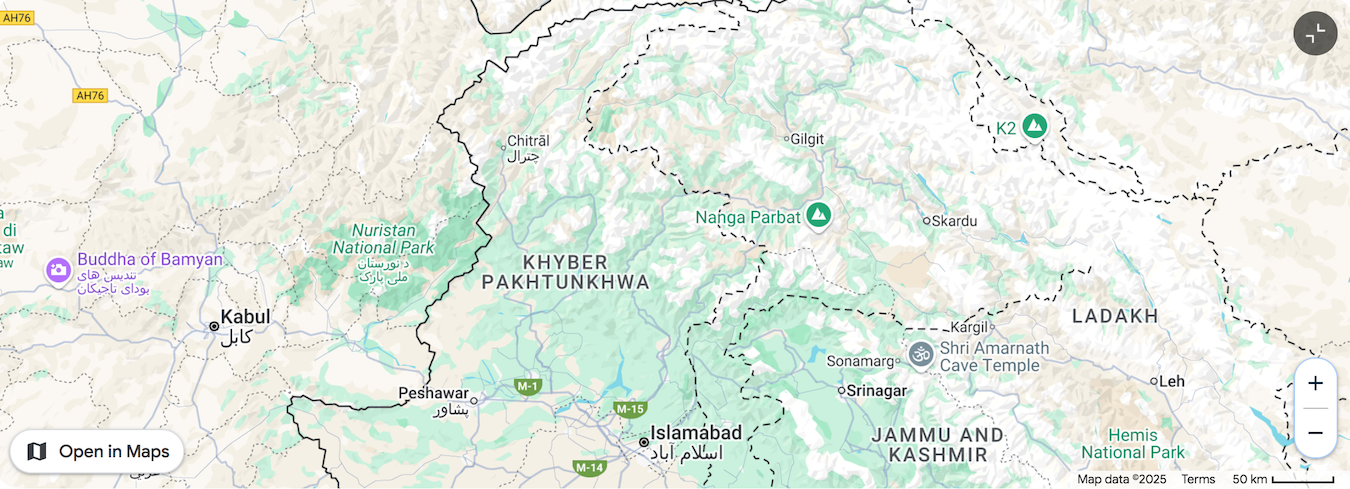
Violence has once again broken out between Afghanistan and Pakistan, with Islamabad declaring “open war” on Kabul. Afghan forces fired on military bases across the border in Pakistan, reportedly using drones. Pakistan retaliated, striking what it said were military targets in Kabul and several border provinces. Afghanistan’s Islamic Emirate government said its attacks were a response to earlier Pakistani air-strikes that killed at least 13 civilians in Nangarhar province. Pakistan accuses the Taliban government of harboring fighters from the Tehrik-e Taliban Pakistan (TTP)—accused of being behind recent attacks in Islamabad and Peshawar. Afghan Minister of Interior Sirajuddin Haqqani said the “doors for dialogue” remain open but insisted that if Afghanistan continues to be attacked, it will respond. (Map: Google)

Syria
Iran

Multiple foreign powers still bombing Syria

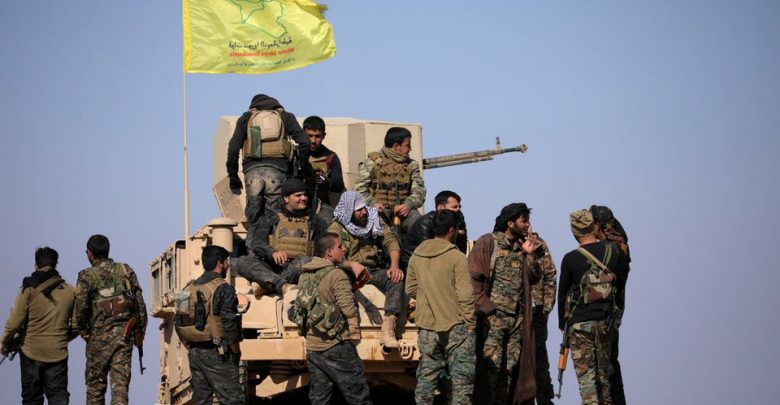
The Pentagon said US and allied forces carried out a wave of air-strikes against ISIS targets across Syria, although accounts were unclear as to which other countries were involved or what casualties resulted. The raids came as part of Operation Hawkeye Strike, launched in response to the deadly ISIS attack on US and Syrian forces in Palmyra last month. The past week also saw joint British and French strikes on supposed ISIS targets near Palmyra. And Jordan carried out strikes supposedly targeting drug traffickers in Syrian territory. Turkey’s Defense Ministry meanwhile said it stands ready to help Syria’s interim government in its ongoing “counter-terrorism” operation against Kurdish fighters in Aleppo. (Image: Pixabay)

Greater Middle East
Turkey

Turkey detains ISIS suspects in nationwide raids

Turkish police detained 357 people in large-scale, coordinated operations targeting the Islamic State group one day after a deadly clash between police and ISIS militants in Yalova, a small city south of Istanbul on the Sea of Marmara, amid heightened security ahead of New Year’s celebrations. Three police officers and six presumed ISIS militants, all Turkish nationals, were killed in the shoot-out in Yalova, sparked by a raid on suspected safe-house. The subsequent nationwide raids were carried out simultaneously by provincial police units, working with the national counterterrorism and intelligence departments. The raids took place in major cities including Istanbul and Ankara, as well as in Yalova and several border and interior provinces. (Map: CIA)

Africa
Somaliland

World leaders reject Israeli recognition of Somaliland

A group of 21 Arab, African and Islamic nations issued a joint statement formally rejecting Israel’s recognition of Somaliland as an independent state. The statement asserted that recognizing Somaliland as a nation independent of Somalia constitutes a grave violation of international law, emphasizing the “serious repercussions of such [an] unprecedented measure on peace and security in the Horn of Africa, the Red Sea, and its serious effects on international peace and security as a whole.” This statement followed a declaration signed by Israeli President Benjamin Netanyahu and Somaliland President Abdirahman Mohamed Abdullahi, making Israel the first country on earth to recognize Somaliland. As part of the deal, Somaliland is expected to recognize Israel under the Abraham Accords. President Donald Trump brokered the Abraham Accords in his first term, seeking to establish diplomatic ties between Israel and Arab nations. However, despite the Trump administration’s failed proposition earlier this year for Somaliland to take in Palestinians from Gaza, the US State Department announced that Washington will continue to recognize the territorial integrity of Somalia, “which includes the territory of Somaliland.” (Map: Somalia Country Profile)