Syria
Syria

US strikes Uyghur militants in Syria

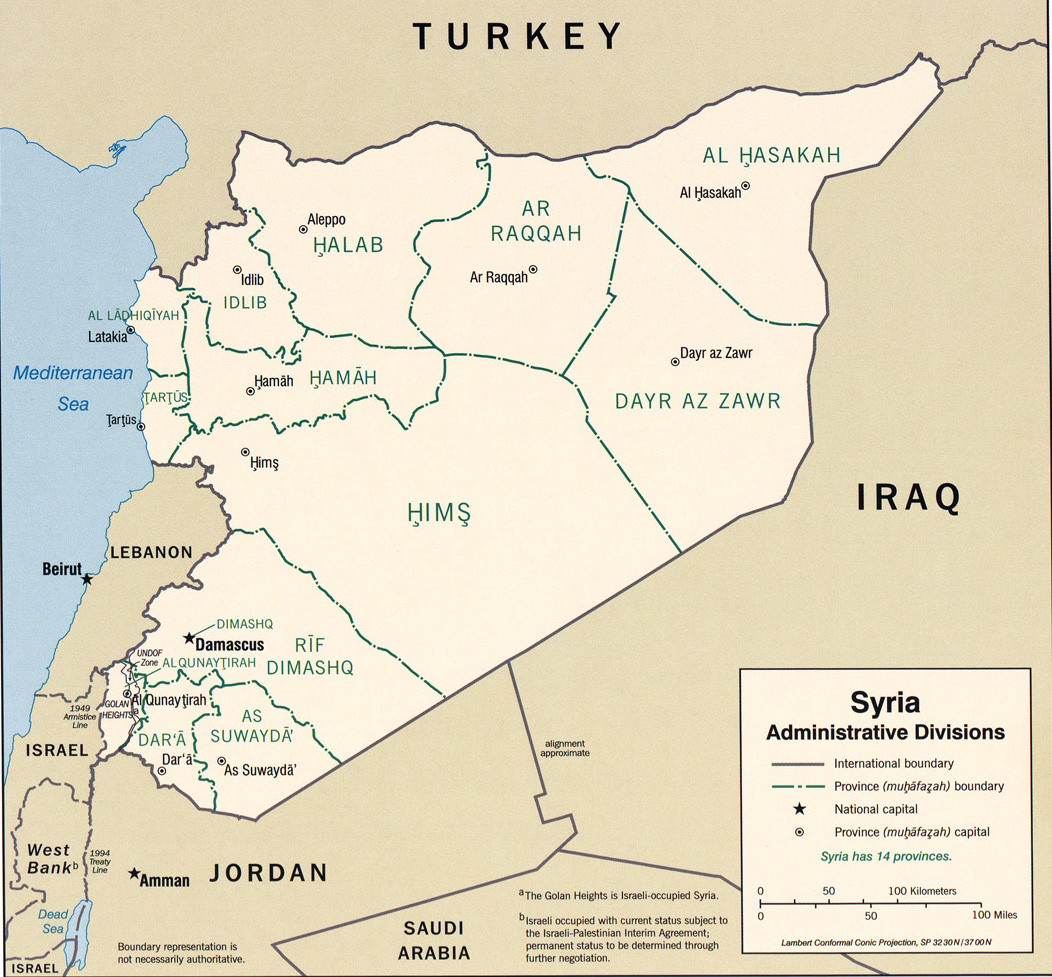
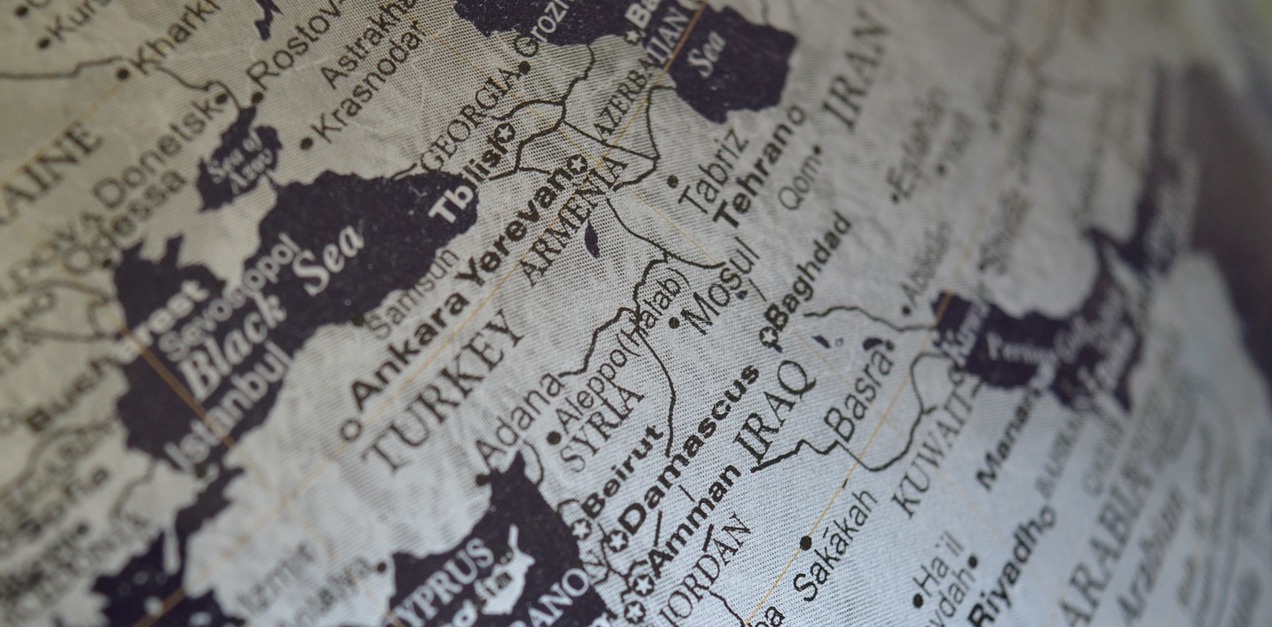
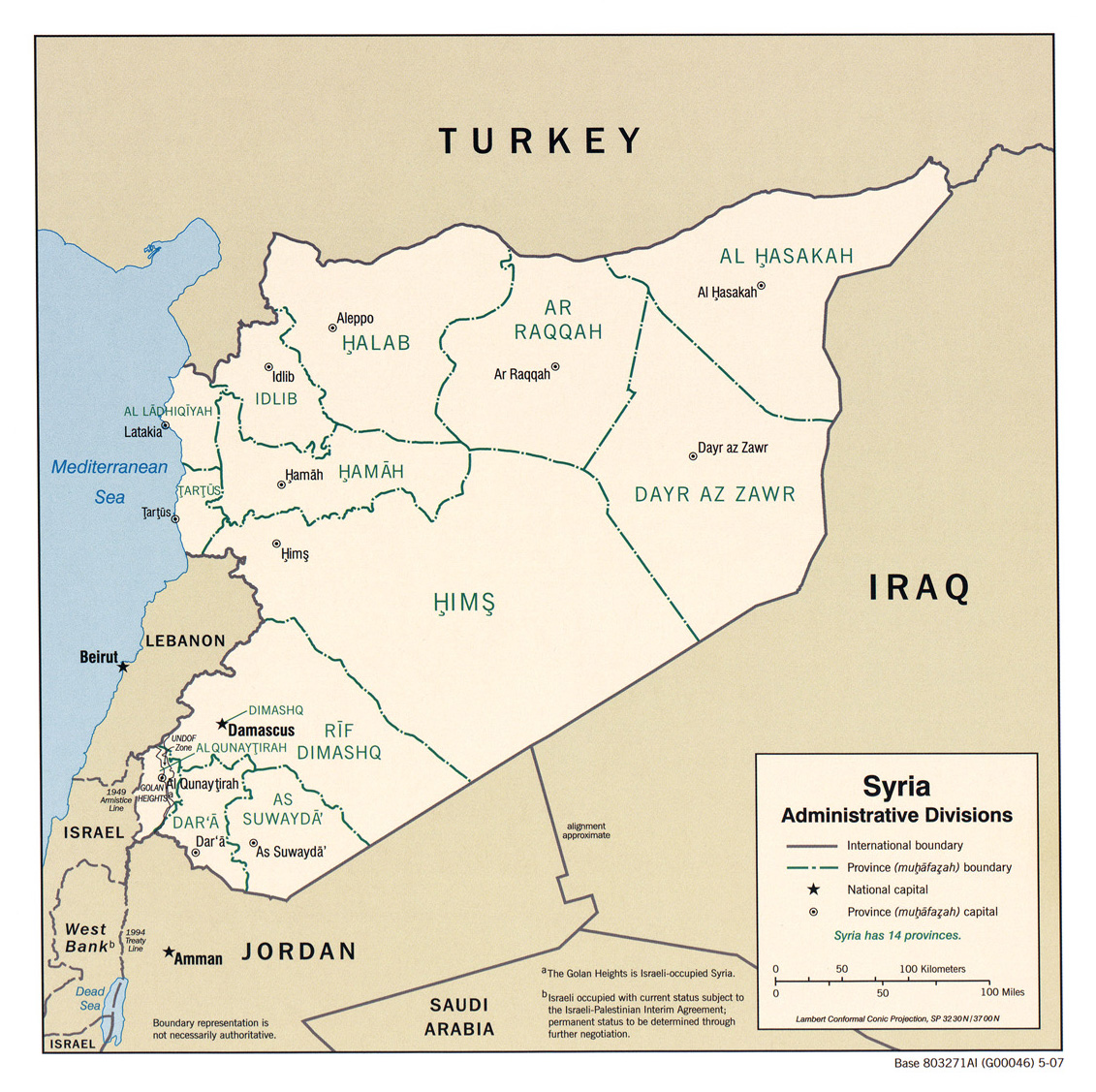
A suspected US-led coalition strike on a site used by Uyghur militants in Syria’s Idlib province has renewed debate over the future of foreign fighters under the country’s post-Assad government. Sources told The New Arab on that an aircraft targeted a compound used by a faction formerly known as the Turkistan Islamic Party, in al-Zainiya area near Jisr al-Shughourin western Idlib. While no confirmed information has emerged regarding casualties from the strike, preliminary reports suggested that a leader of Hurras al-Din, a former al-Qaeda affiliate which formally dissolved in January, may have been killed. (Map: PCL)

Greater Middle East
Iran

Podcast: the Iran MoU in the Great Game

The “Memorandum of Understandingsigned by Trump and Iranian President Masoud Pezeshkian is contingent on the cooperation of two entities not a party to it: Hezbollah and Israel—which continues to commit war crimes in Lebanon. The provisions on Iran’s nuclear program do not even recoup the progress won in Obama’s nuclear deal that Trump tore up in his first term. And Trump’s claim when hostilities began back in February to be acting on behalf of Iranians who rose up in mass protests against the regime are now completely betrayed in a “non-interference” pledge. In Episode 334 of the CounterVortex podcast, Bill Weinberg continues to urge support for alternative voices that take a neither/nor position regarding MAGA-imperialism and the Islamic Republic, and again recalls the anarchist slogan: Neither your war nor your peace! (Image: Pixabay)

Greater Middle East
Iran

Shaky US-Iran ceasefire; escalation in Lebanon

The United States and Iran signed a Memorandum of Understanding that aims to end the war the US and Israel launched on Iran nearly four months ago. The 14-point agreement, signed by Donald Trump at a gathering hosted by French President Emmanuel Macron in the Palace of Versailles—where the treaty to end World War I was signed in 1919—opens up the Strait of Hormuz for a 60-day ceasefire window, during which the two sides have vowed to negotiate a long-term resolution to the Iranian nuclear standoff. The US will also terminate all sanctions against Iran, provide $300 billion for post-war reconstruction, and unlock all frozen Iranian funds and assets. But despite—or possibly because of—the signing of the MoU, which calls for an end to fighting in Lebanon, the fighting there immediately flared again. A rash of Israeli air-strikes followed Hezbollah’s killing of four IDF soldiers in a southern Lebanese village, prompting furious statements from Israeli politicians such as extreme-right security minister Itamar Ben-Gvir, who said “all of Lebanon must burn.” (Image: Pixabay)

Greater Middle East
Sharaa

Trump urges Syria to intervene against Hezbollah

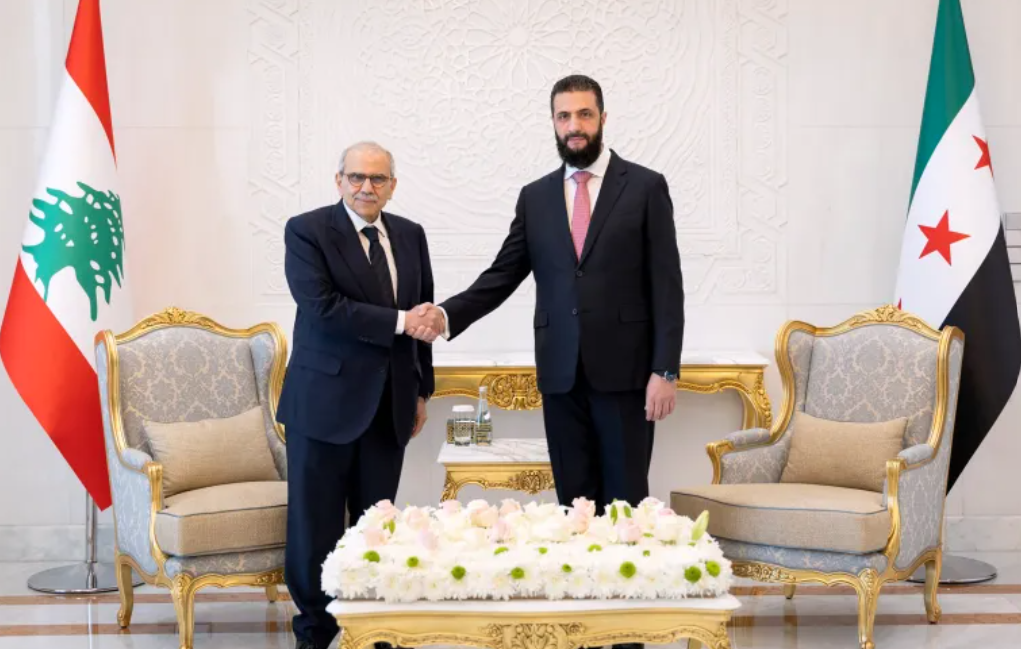
US President Donald Trump suggested at the G7 summit in France that Syrian President Ahmad al-Sharaa could wipe out Hezbollah if Israel was unable to do so without causing heavy civilian casualties. The comment came in spite of repeated statements from Damascus ruling out any military intervention in neighboring Lebanon. Syria’s Interior Ministry emphasized that “Lebanon is a sovereign state and not a backyard, as the former regime viewed it.” (Photo: Ahmad al-Sharaa meeting Lebanese Prime Minister Nawaf Salam in Damascus, May 9. Credit: SANA via Radio Free Syria)

Iran
PJAK

Fighting breaks out in Iranian Kurdistan

The military wing of the Party of Free Life of Kurdistan (PJAK) issued a statement saying that armed clashes broke out between its forces and the Islamic Revolutionary Guard Corps (IRGC) in Marivan region of Iran’s Kordistan province. The East Kurdistan Defense Units (YRK) wrote that the IRGC initiated artillery and mortar attacks against their positions. The statement came as PJAK Presidential Council member Siyamend Moini was in Brussels to deliver a speech before a conference at the European Parliament entitled “Weaving a Democratic Iran Together.” In his comments, Moini called for international support for the “reconstruction of a free, democratic, and secular Iran that consistently defends women’s rights, the rights of peoples and minorities, and environmental protection.” (Image: Middle East Forum via Wikimedia Commons)

East Asia
Tiananmen

China bans families from mourning Tiananmen victims

Amnesty International condemned China for banning family members from visiting the resting places of people who perished in the 1989 Tiananmen Square repression. This is the first time in 37 years that the Chinese authorities have banned the visit. According to the Tiananmen Mothers group, the authorities notified family members of people who lost their lives in the 1989 massacre that they cannot travel to Beijing’s Wan’an Cemetery or conduct any commemoration in the cemetery. (Photo: Hong Kong Alliance via Amnesty International)

Watching the Shadows
Xinjiang

Podcast: Hasan Piker & the pro-fascist pseudo-left

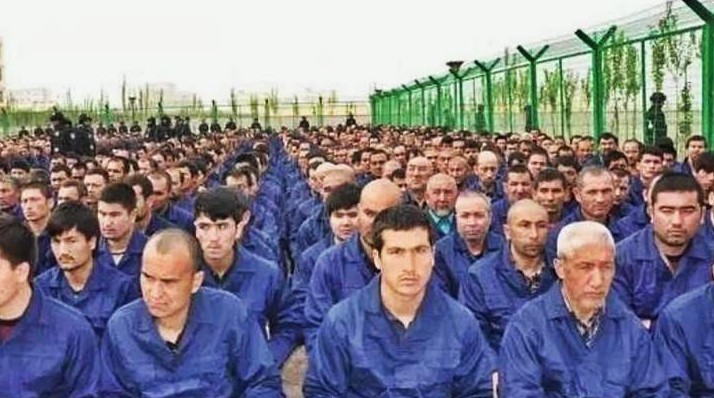
The administrative subpoenas issued for Hasan Piker and Medea Benjamin over their participation in the Cuba caravan are to be opposed—in part because the subpoenas will only give their sinister politics greater cachet among neophyte activists! Piker’s shameless shillingfor the dictatorships of Xi Jinping and Vladimir Putin invisibilizes the victims of their ethno-supremacist detention states—such as the Uyghurs of Xinjiang and the Crimean Tatars. This more critical point is obscured in the endless outrage over his supposed anti-Semitism. And with Xi and Putin joining with Trump to build a fascist world order, Piker’s brand of campist pseudo-opposition (however overheated) is compromised from the start, mirroring what it ostensibly opposes—subpoenas notwithstanding. In Episode 330 of the CounterVortex podcast, Bill Weinberg breaks it down in his typically unsparing manner. (Photo: Xinjiang Judicial Administration via The Diplomat)

Africa
Sudan

UAE recruits Colombian fighters for Sudan’s RSF: report

A company based in the United Arab Emirates (UAE) has hired and transported hundreds of Colombian private military contractors to Sudan to fight for the Rapid Support Forces (RSF), Human Rights Watch charges in a new report. HRW found that the recruits passed through a UAE military base in Ghiyathi and an apparent private military facility in Al Wathba, both in the Emirate of Abu Dhabi. HRW called on the international community to press the UAE to end its support for the RSF by suspending military cooperation and arms sales. (Map: PCL)

Africa
drones

Drones now leading cause of civilian deaths in Sudan

UN Human Rights Chief Volker Türk issued a high alert on the widening use of drones in the conflict in Sudan. Türk warned that unless the international community takes action without delay, the conflict in Sudan could enter a new, even deadlier phase. The Sudan team at the Human Rights Office found that upwards of 80% of all civilian deaths from January to April—numbering at least 880—can be attributed to drone attacks. Türk warned: “This increasing reliance on drones allows hostilities to continue unabated in the approaching rainy season, which in the past has brought about a lull in ground operations. An intensification of hostilities in the coming weeks, as the parties seek to gain or consolidate control of territory amid shifting conflict dynamics, risks hostilities expanding even further to central and eastern states, with lethal consequences for civilians across enormous areas.” (AI-generated image of various drones used in Sudan, via Sudan Tribune)

Syria
Eastern Ghouta

Syria: arrest in Assad-era chemical attack

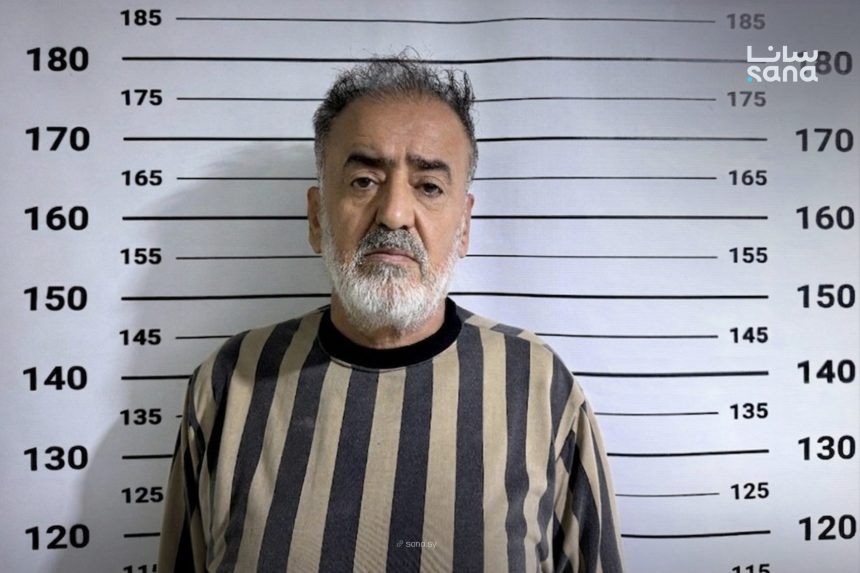
Syria’s Interior Ministry announced the arrest of deposed regime brigadier Khardal Ahmad Dayyub, a former head of Air Force Intelligence in Daraa, for his involvement in systematic human rights violations committed against civilians. Dayyub is accused of running an “assassination committee” in Daraa, as well as involvement in the chemical attacks on Eastern Ghouta during his later service in the Damascus regional branch. He is also said to have had a key role in coordination with Hezbollah and Iranian forces in Syria that were introduced to back up the Bashar Assad dictatorship. (Photo: SANA)

Africa
JNIM

Podcast: West Africa escalates toward genocide

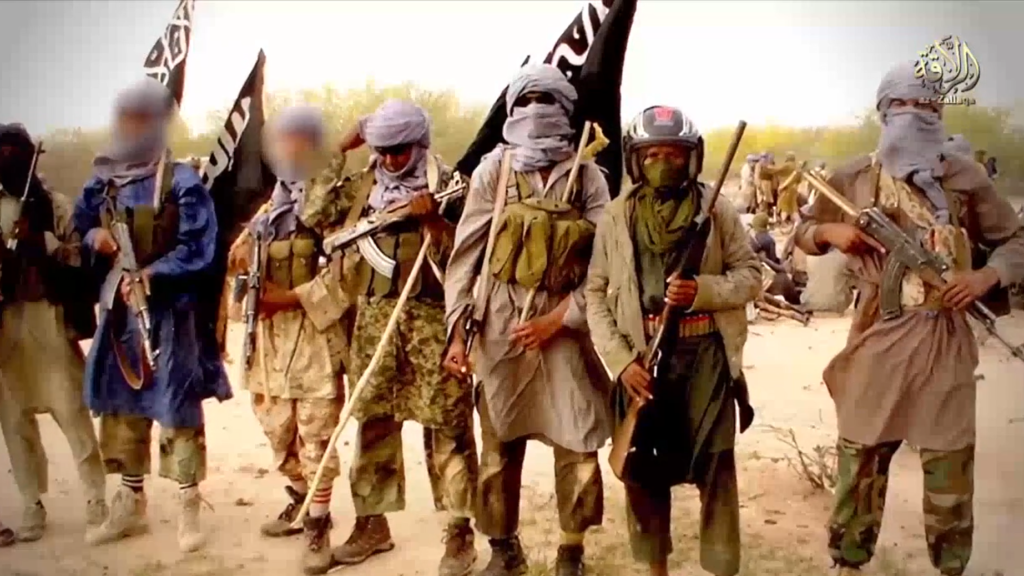
Alarming reports that Nigeria has established “concentration camps” for the Fulani ethnic minority cast an ironic light on Nigeria’s tension with the Sahel states of Niger, Mali and Burkina Faso to the north. These three regimes have broken from the Western imperial camp (to embrace the nascent Russian imperial camp)—but are likewise subjecting their Fulani minorities to persecution and massacre. With the recent shock rebel offensive in Mali, the “terrorist” stigma that attaches to the Fulani and Tuareg peoples across the imperial camps makes their position more precarious than ever. Meanwhile, prominent voices on the both the right and the (supposed) “left” are spreading propaganda about the struggle in West Africa that is alarmingly wrong, because it exclusively views the crisis through a campist lens. In Episode 327 of the CounterVortex podcast, Bill Weinberg tries to provide some clarity on these fast-escalating and grossly under-reported conflicts. (Photo: Az-Zallaqa via LWJ)

Greater Middle East
Yemen

Yemen: Houthis threaten to close Bab al-Mandab Strait

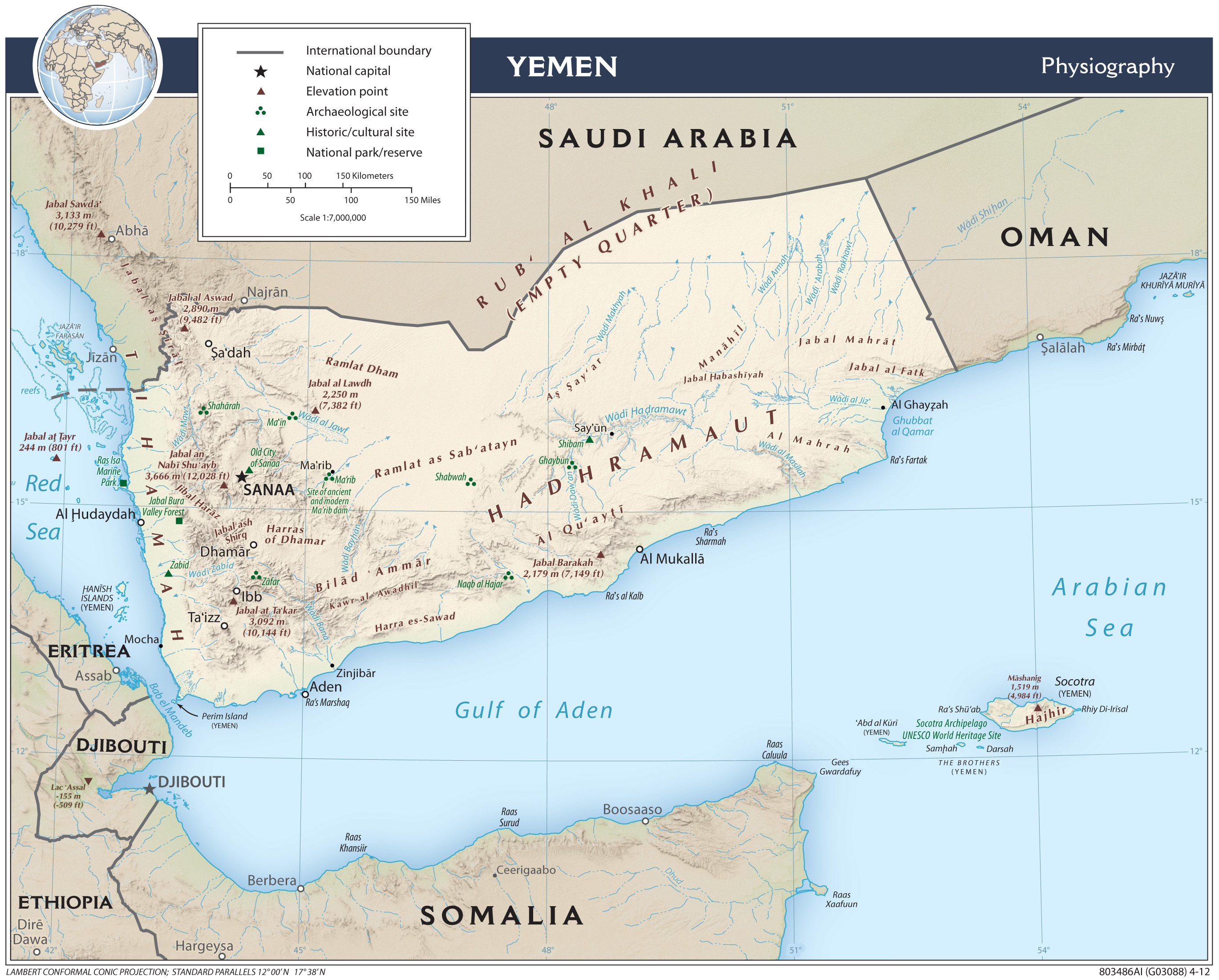
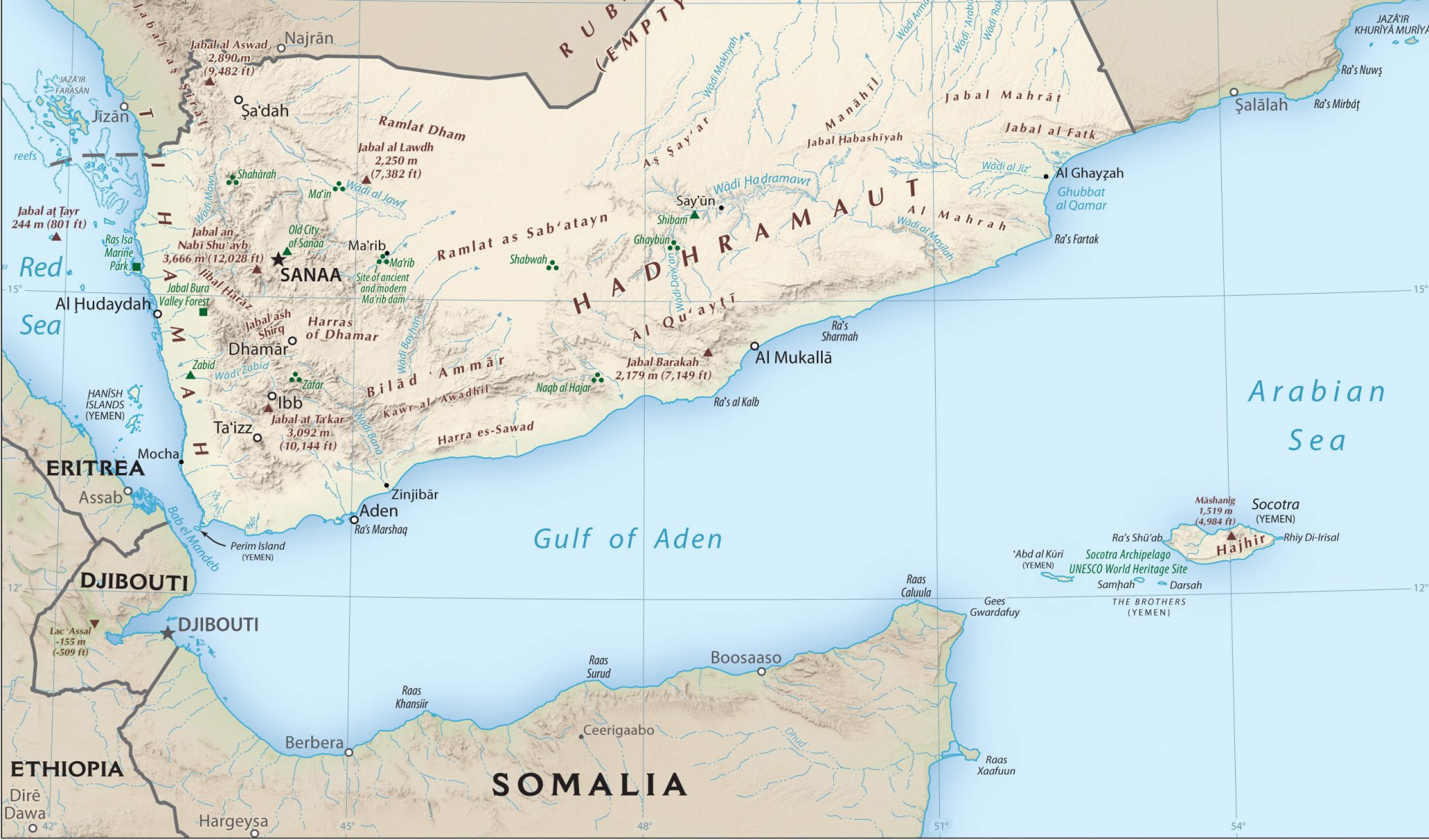
Yemen’s unrecognized Houthi administration warned that they are prepared to close the strategic Bab al-Mandab Strait, mouth of the Red Sea. This is a second maritime chokepoint for oil from the Arabian Peninsula after the Strait of Hormuz, now effectively closed due to Washington’s conflict with Iran. In a post on X, Houthi deputy foreign minister Hussein al-Ezzi said: “If Sana’a decides to close the Bab al-Mandab, then all of mankind and jinn will be utterly powerless to open it.” In a speech, Houthi leader Abdel Malek al-Houthi subsequently warned, “Sanaa will not remain neutral,” framing the current maritime tensions as part of a wider conflict targeting the “Islamic nation.” He said that any further military escalation would be met with an “equivalent response,” calling for increased coordination among members of the “axis of resistance” (meaning Iran, the Houthis and Hezbollah). (Map via PCL)