

Africa
Sudan

Sudan: atrocity alert as RSF rings El Obeid

Warnings are mounting that Sudan’s Rapid Support Forces (RSF) could carry out new mass atrocities as the paramilitary army prepares an assault on the government-held city of El Obeid in North Kordofan state. After the UN secretary-general and human rights chief sounded the alarm, the African Union and several governments also warned of the extreme danger facing civilians if the UAE-backed rebels capture the city. The warnings have drawn comparisons with El Fasher and the nearby Zam Zam displacement camp in Darfur, which saw general massacres after they fell to the RSF last year. Reports suggest the RSF has moved substantial reinforcements to its siege of El Obeid, while stepping up drone strikes on the city. A crossroads linking RSF-controlled Darfur with government-held Sudan, El Obeid was under RSF siege until the Sudanese Armed Forces broke the blockade last year, but it is now being encircled once again. (Map: PCL)

South Asia
anti-CAB

India prepares mass detention of Rohingya

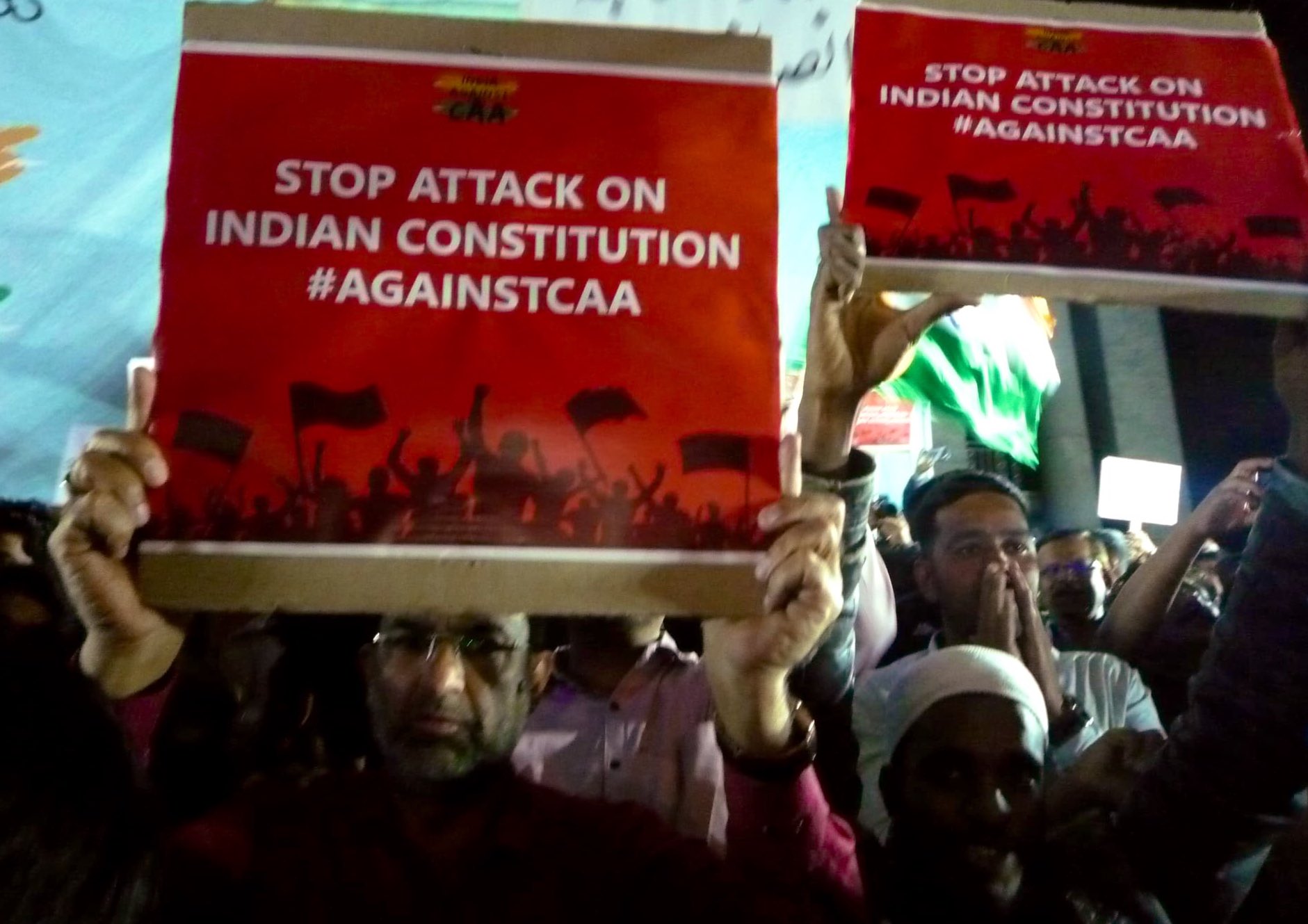
Indian authorities have deported thousands of Bangladeshi citizens in the month since Prime Minister Narendra Modi’s Hindu-nationalist Bharatiya Janata Party (BJP) won elections in the state of West Bengal. Shortly after taking power in West Bengal, BJP officials ordered the creation of detention centers both for undocumented Bangladeshis and Rohingya Muslims who are fleeing persecution in their native Burma and mistreatment in overcrowded refugee camps in Bangladesh. (Image: Sowmya Reddy)

Africa
Chibok

Nigeria: gender-based violence against minorities

UN rights experts condemned Nigerian authorities in response to ongoing reports that mass killings, kidnappings, forced conversion, sexual violence, and enforced disappearances are disproportionately targeting women and girls in Christian and minority religious communities. (Photo: Hilary Matfess/IRIN)

Palestine
Mansoura

Cyber-attack targets Gaza aid recipients

A cyber-attack targeting the World Food Program has exposed sensitive personal information belonging to some 600,000 households in Gaza, the UN’s food agency has confirmed, in what may be the largest-known breach of humanitarian beneficiary data to date. WFP is investigating a “security-related incident” in which “unauthorized actors” accessed personal information submitted by Palestinians in Gaza, the agency said in a statement sent to aid recipients via Telegram. The exposed information included names, ID and mobile numbers, and location data, the statement said. (Photo: Mohammed Nateel/UNICEF via UN News)

Europe
Ukraine

Russia unlawfully seizes civilian property in Ukraine

Human Rights Watch (HRW) reports that Russian authorities are unlawfully seizing civilian property belonging to Ukrainians in occupied areas of the country, in violation of international law. HRW analyzed some 8,000 cases involving property seizures filed in 25 courts in occupied areas, with court records showing “consistent disregard of evidence of ownership and efforts by owners to assert their rights.” The seizure of property has affected millions of displaced Ukrainians or those who refuse to re-register their properties under Russian law, as they are stripped of shelter, income, or the means to sustain their lives. (Map: PCL)

Palestine
Gaza

Israeli leaders reaffirm plans to ethnically cleanse Gaza

Israeli Prime Minister Benjamin Netanyahu said that he has ordered the Israeli military to take over 70% of the territory of the Gaza Strip, adding: “Let’s start with that.” Defense Minister Israel Katz meanwhile said the government is planning for large numbers of Palestinians to leave the enclave “at the right time and in the right manner”—which rights groups say amounts to ethnic cleansing. As global attention has shifted elsewhere, Israel has created its own facts on the ground by progressively inching forward the so-called “yellow line” demarcating its area of control. More than 60% of Gaza’s territory currently falls within this line, and the Israeli military regularly kills and injures Palestinians in the vicinity of the shifting boundary. (Photo: Jaber Jehad Badwan via Wikimedia Commons)

Africa
Sudan

UAE recruits Colombian fighters for Sudan’s RSF: report

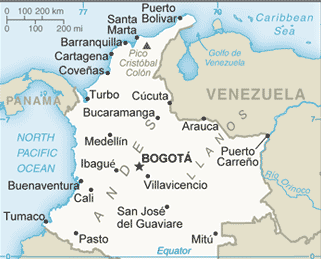
A company based in the United Arab Emirates (UAE) has hired and transported hundreds of Colombian private military contractors to Sudan to fight for the Rapid Support Forces (RSF), Human Rights Watch charges in a new report. HRW found that the recruits passed through a UAE military base in Ghiyathi and an apparent private military facility in Al Wathba, both in the Emirate of Abu Dhabi. HRW called on the international community to press the UAE to end its support for the RSF by suspending military cooperation and arms sales. (Map: PCL)

Africa
Sudan

Sudan: RSF commander named in war crimes

Amnesty International demanded the removal of a commander of Sudan’s Rapid Support Forces (RSF), citing war crime allegations against him. Al-Fatih Abdallah Idris AKA “Abu Lulu” was arrested by the RSF in late October 2025 following global outrage from a viral video appearing to show him executing unarmed civilians during the taking of the Darfur city of El Fasher. Following a Reuters investigation, multiple sources confirmed that Abu Lulu has been released from detention and is back on the battlefield. (Map: PCL)

Africa
drones

Drones now leading cause of civilian deaths in Sudan

UN Human Rights Chief Volker Türk issued a high alert on the widening use of drones in the conflict in Sudan. Türk warned that unless the international community takes action without delay, the conflict in Sudan could enter a new, even deadlier phase. The Sudan team at the Human Rights Office found that upwards of 80% of all civilian deaths from January to April—numbering at least 880—can be attributed to drone attacks. Türk warned: “This increasing reliance on drones allows hostilities to continue unabated in the approaching rainy season, which in the past has brought about a lull in ground operations. An intensification of hostilities in the coming weeks, as the parties seek to gain or consolidate control of territory amid shifting conflict dynamics, risks hostilities expanding even further to central and eastern states, with lethal consequences for civilians across enormous areas.” (AI-generated image of various drones used in Sudan, via Sudan Tribune)

Syria
Eastern Ghouta

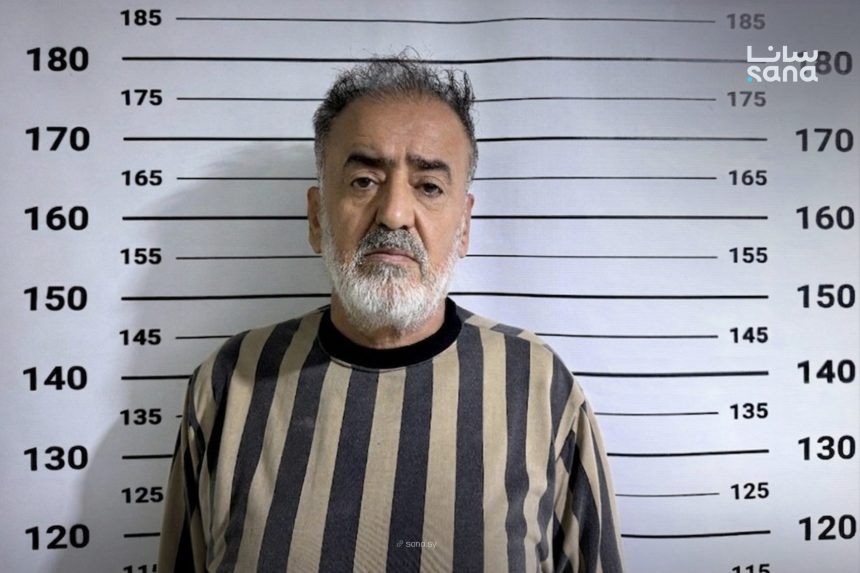
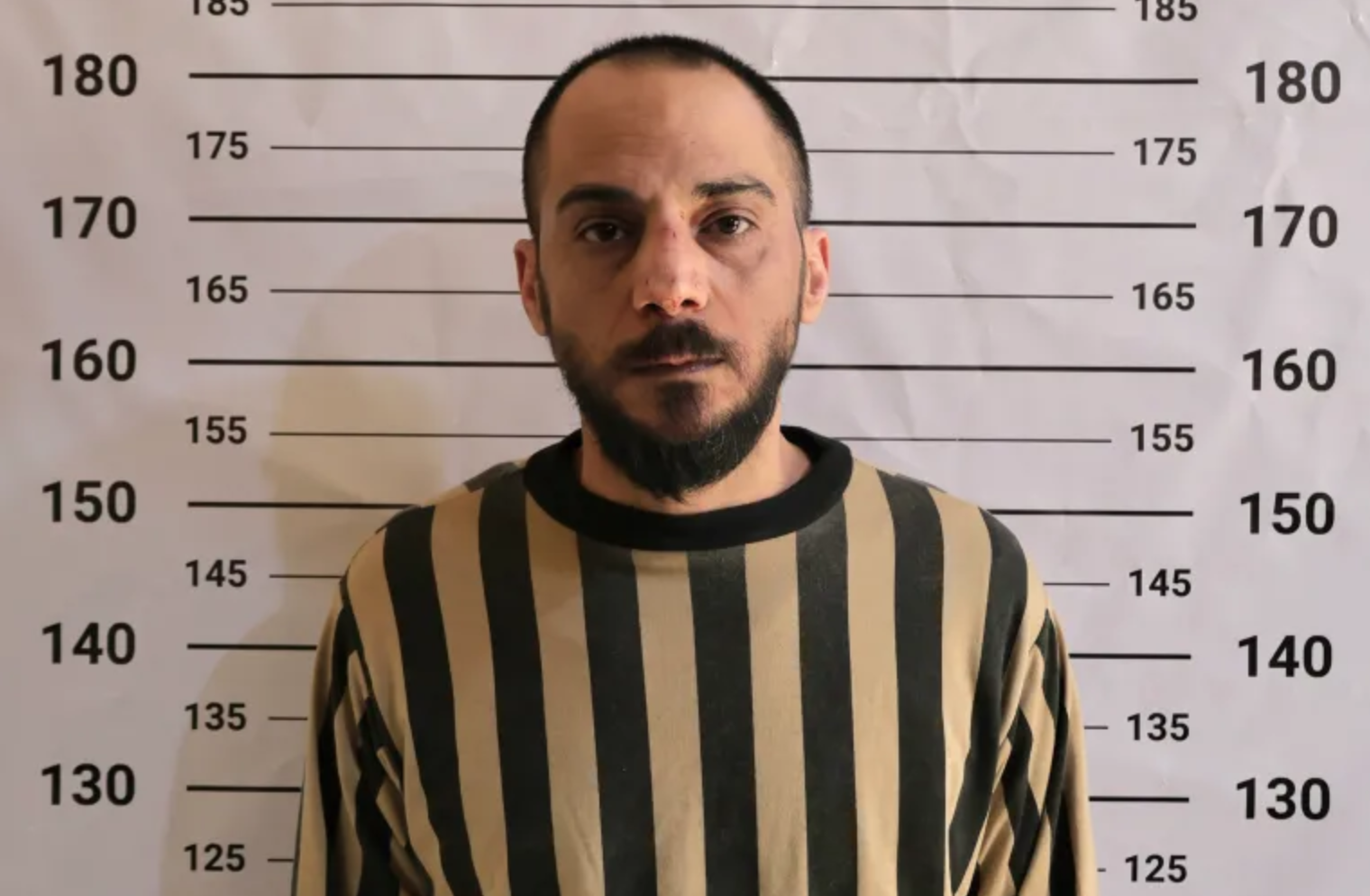
Syria: arrest in Assad-era chemical attack

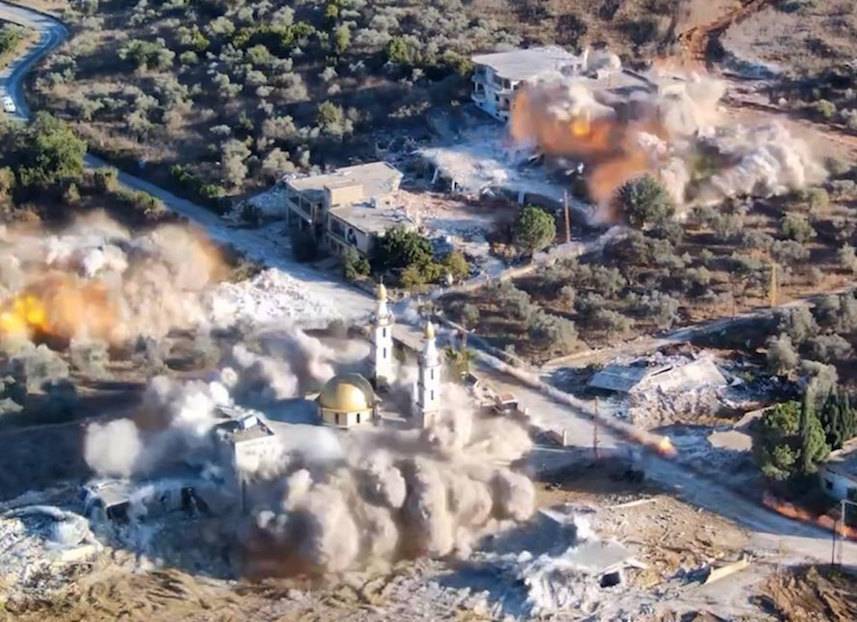
Syria’s Interior Ministry announced the arrest of deposed regime brigadier Khardal Ahmad Dayyub, a former head of Air Force Intelligence in Daraa, for his involvement in systematic human rights violations committed against civilians. Dayyub is accused of running an “assassination committee” in Daraa, as well as involvement in the chemical attacks on Eastern Ghouta during his later service in the Damascus regional branch. He is also said to have had a key role in coordination with Hezbollah and Iranian forces in Syria that were introduced to back up the Bashar Assad dictatorship. (Photo: SANA)

Africa
JNIM

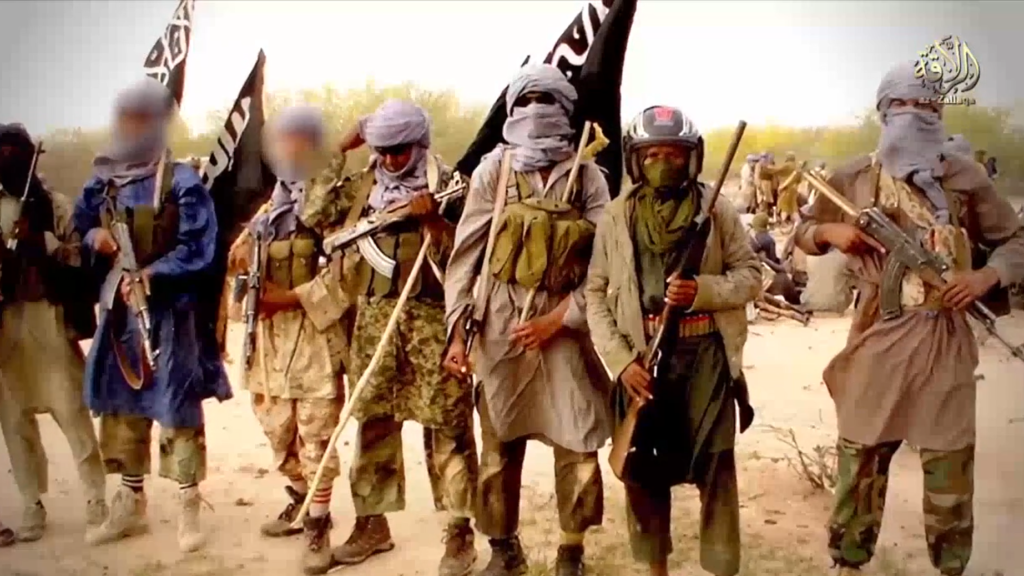
Podcast: West Africa escalates toward genocide

Alarming reports that Nigeria has established “concentration camps” for the Fulani ethnic minority cast an ironic light on Nigeria’s tension with the Sahel states of Niger, Mali and Burkina Faso to the north. These three regimes have broken from the Western imperial camp (to embrace the nascent Russian imperial camp)—but are likewise subjecting their Fulani minorities to persecution and massacre. With the recent shock rebel offensive in Mali, the “terrorist” stigma that attaches to the Fulani and Tuareg peoples across the imperial camps makes their position more precarious than ever. Meanwhile, prominent voices on the both the right and the (supposed) “left” are spreading propaganda about the struggle in West Africa that is alarmingly wrong, because it exclusively views the crisis through a campist lens. In Episode 327 of the CounterVortex podcast, Bill Weinberg tries to provide some clarity on these fast-escalating and grossly under-reported conflicts. (Photo: Az-Zallaqa via LWJ)

Africa
Timbuktu

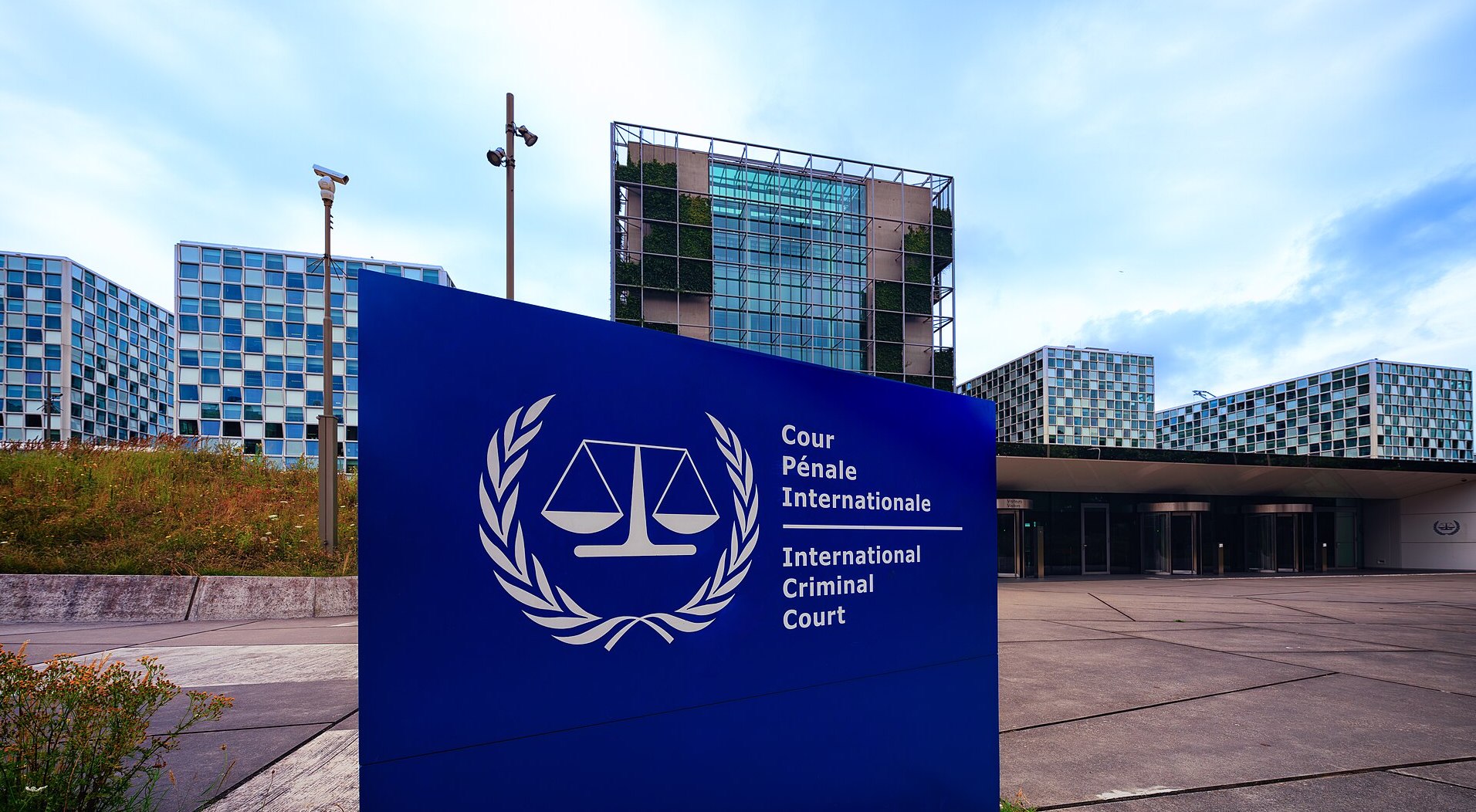
ICC orders reparations for Timbuktu war crime victims

The International Criminal Court (ICC) delivered an order on reparations for the victims of war crimes and crimes against humanity perpetrated by Al Hassan Ag Abdoul Aziz in Timbuktu between April 2012 and January 2013, when the Malian city was occupied by jihadist forces. Al Hassan was convicted by the ICC in 2024, and sentenced to 10 years imprisonment. He is to bear financial liability for €7,250,000 in reparations to impacted communities and individuals. (Photo: WikiMedia Commons)