

Europe
Ukraine

Russia unlawfully seizes civilian property in Ukraine

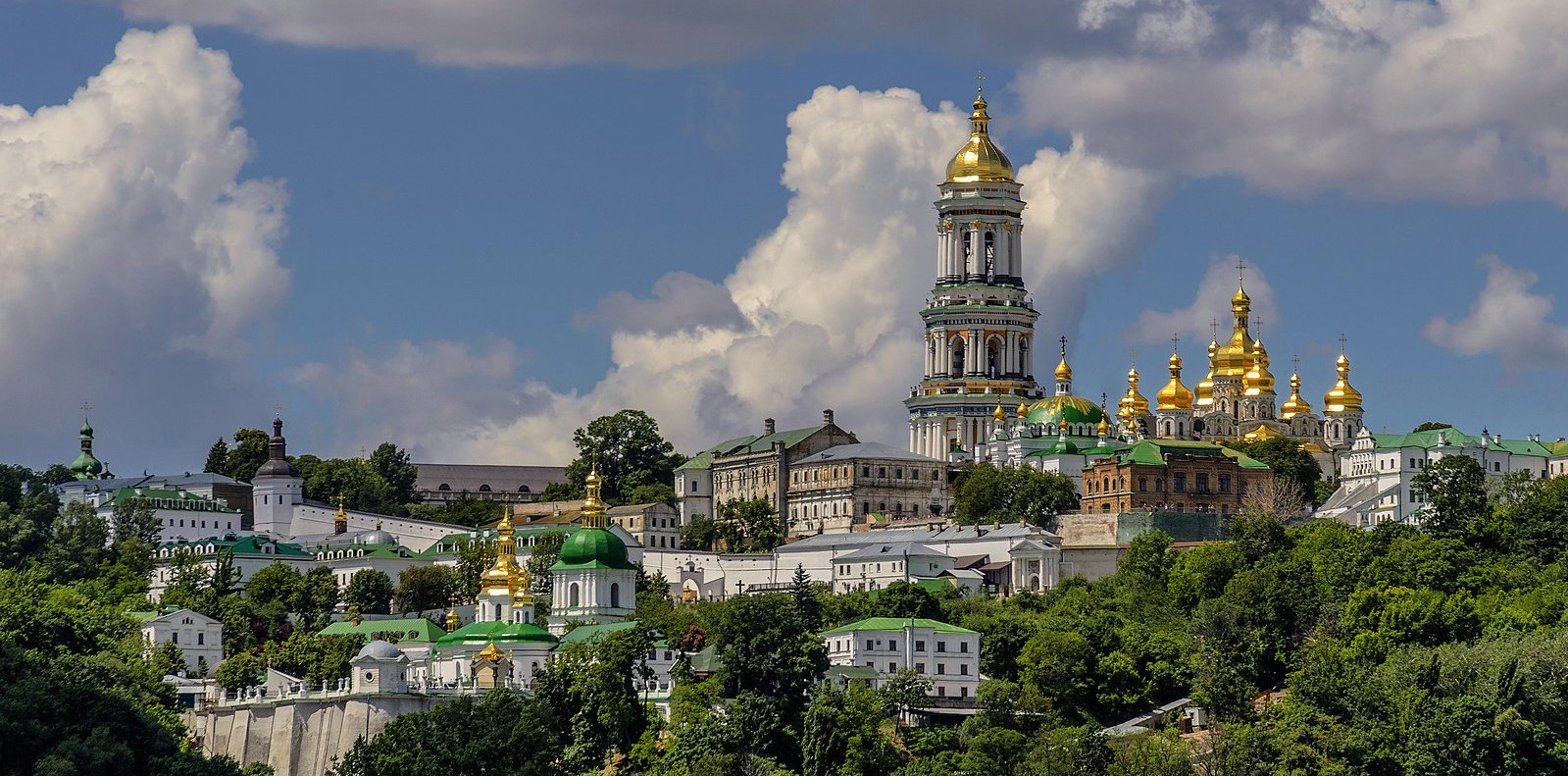
Human Rights Watch (HRW) reports that Russian authorities are unlawfully seizing civilian property belonging to Ukrainians in occupied areas of the country, in violation of international law. HRW analyzed some 8,000 cases involving property seizures filed in 25 courts in occupied areas, with court records showing “consistent disregard of evidence of ownership and efforts by owners to assert their rights.” The seizure of property has affected millions of displaced Ukrainians or those who refuse to re-register their properties under Russian law, as they are stripped of shelter, income, or the means to sustain their lives. (Map: PCL)

Watching the Shadows
Xinjiang

Podcast: Hasan Piker & the pro-fascist pseudo-left

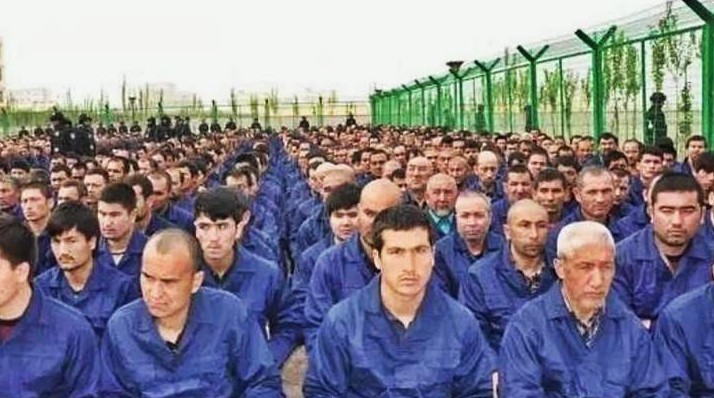
The administrative subpoenas issued for Hasan Piker and Medea Benjamin over their participation in the Cuba caravan are to be opposed—in part because the subpoenas will only give their sinister politics greater cachet among neophyte activists! Piker’s shameless shillingfor the dictatorships of Xi Jinping and Vladimir Putin invisibilizes the victims of their ethno-supremacist detention states—such as the Uyghurs of Xinjiang and the Crimean Tatars. This more critical point is obscured in the endless outrage over his supposed anti-Semitism. And with Xi and Putin joining with Trump to build a fascist world order, Piker’s brand of campist pseudo-opposition (however overheated) is compromised from the start, mirroring what it ostensibly opposes—subpoenas notwithstanding. In Episode 330 of the CounterVortex podcast, Bill Weinberg breaks it down in his typically unsparing manner. (Photo: Xinjiang Judicial Administration via The Diplomat)

Planet Watch
Earth

UNGA adopts resolution on state climate obligations

The UN General Assembly (UNGA) adopted a resolution enshrining the duty of member states to protect the global climate system by reducing greenhouse gas emissions. The resolution calls upon states to comply with the obligations set out by the International Court of Justice (ICJ), giving legal force to the non-binding advisory opinion issued by the UN high court in July 2025. Pursuant to the UNGA resolution, countries now have a duty under international law to take all possible steps to avoid contributing to climate change. Despite an overwhelming 141 votes to adopt the resolution, eight countries were in opposition, including three on the list of the 10 largest greenhouse gas emitters globally: the United States, Russia and Iran. (Photo: NASA via Flickr)

North America
Alberta

Alberta separation referendum on hold —for now

Provincial electoral authorities in Alberta have received a petition for independence from Canada. Elections Alberta affirmed that it received the petition, “A Referendum Relating to Alberta Independence,” and signature sheets from “pro-sovereignty” group Stay Free Alberta. The group told the CBC news that it has collected over 301,000 signatures, significantly more than the 178,000 threshold. The proposed referendum will ask voters: “Do you agree that the Province of Alberta should cease to be a part of Canada to become an independent state?” However, the verification process for the signatures is currently on hold, pending a decision from the provincial courts on the compatibility of the petition with First Nations treaty rights. (Photo: Magalie L’Abbe via Alberta Politics)

Africa
JNIM

Podcast: West Africa escalates toward genocide

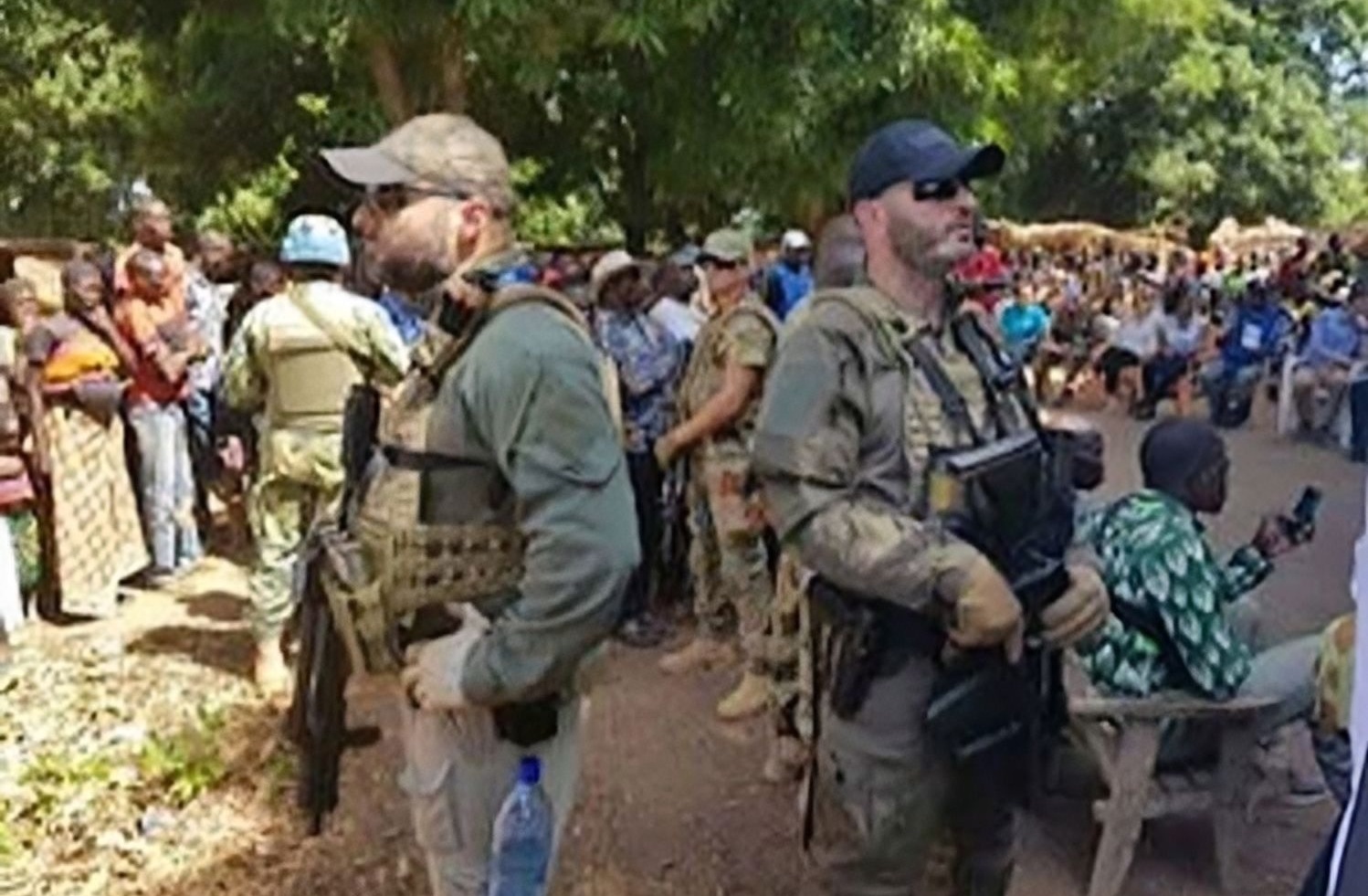
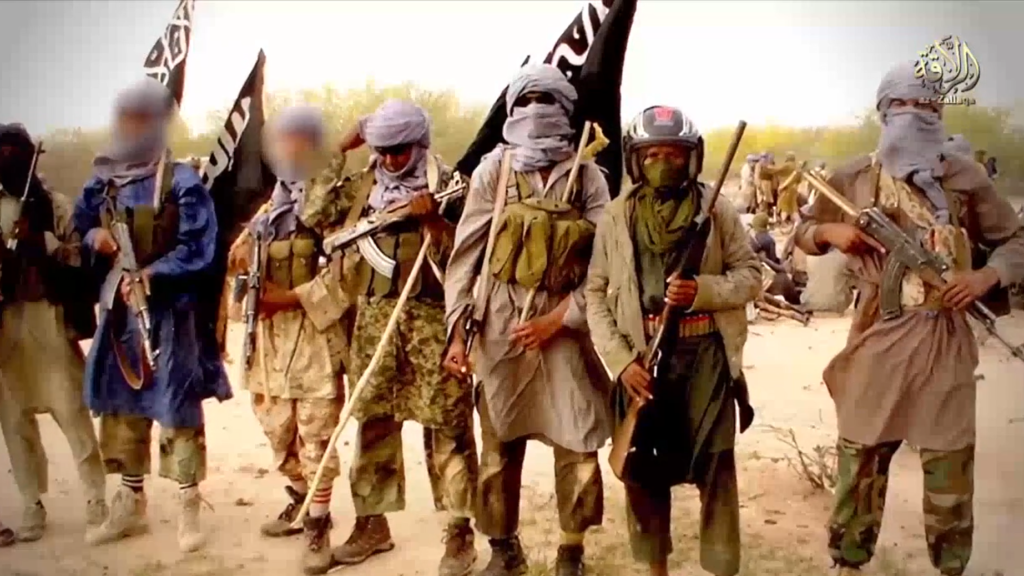
Alarming reports that Nigeria has established “concentration camps” for the Fulani ethnic minority cast an ironic light on Nigeria’s tension with the Sahel states of Niger, Mali and Burkina Faso to the north. These three regimes have broken from the Western imperial camp (to embrace the nascent Russian imperial camp)—but are likewise subjecting their Fulani minorities to persecution and massacre. With the recent shock rebel offensive in Mali, the “terrorist” stigma that attaches to the Fulani and Tuareg peoples across the imperial camps makes their position more precarious than ever. Meanwhile, prominent voices on the both the right and the (supposed) “left” are spreading propaganda about the struggle in West Africa that is alarmingly wrong, because it exclusively views the crisis through a campist lens. In Episode 327 of the CounterVortex podcast, Bill Weinberg tries to provide some clarity on these fast-escalating and grossly under-reported conflicts. (Photo: Az-Zallaqa via LWJ)

Africa
Mali

Shock rebel offensive driven back in Mali

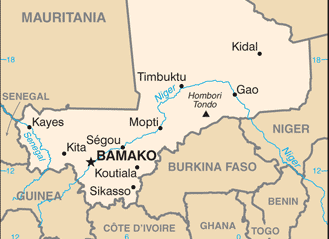
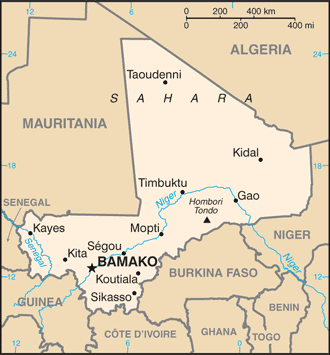
Russia’s Africa Corps launched air-strikes and helicopter assaults to drive back a dramatic rebel advance on Mali’s capital Bamako. Former rival insurgent groups, the jihadist Jama’at Nusrat al-Islam wal-Muslimin (JNIM) and the Tuareg separatist Front de Libération de l’Azawad (FLA), came together for the joint offensive against the ruling military government, with simultaneous attacks on Mopti, Gao and Kidal as well as the capital. Mali’s defense minister, Lt. Gen. Sadio Camara, the key liaison between the army and Russian mercenary forces, was killed in an apparent suicide truck bombing on his residence outside Bamako. (Map: PCL)

Europe
Chernobyl

Ukraine: fund launched to repair drone-damaged Chernobyl shield

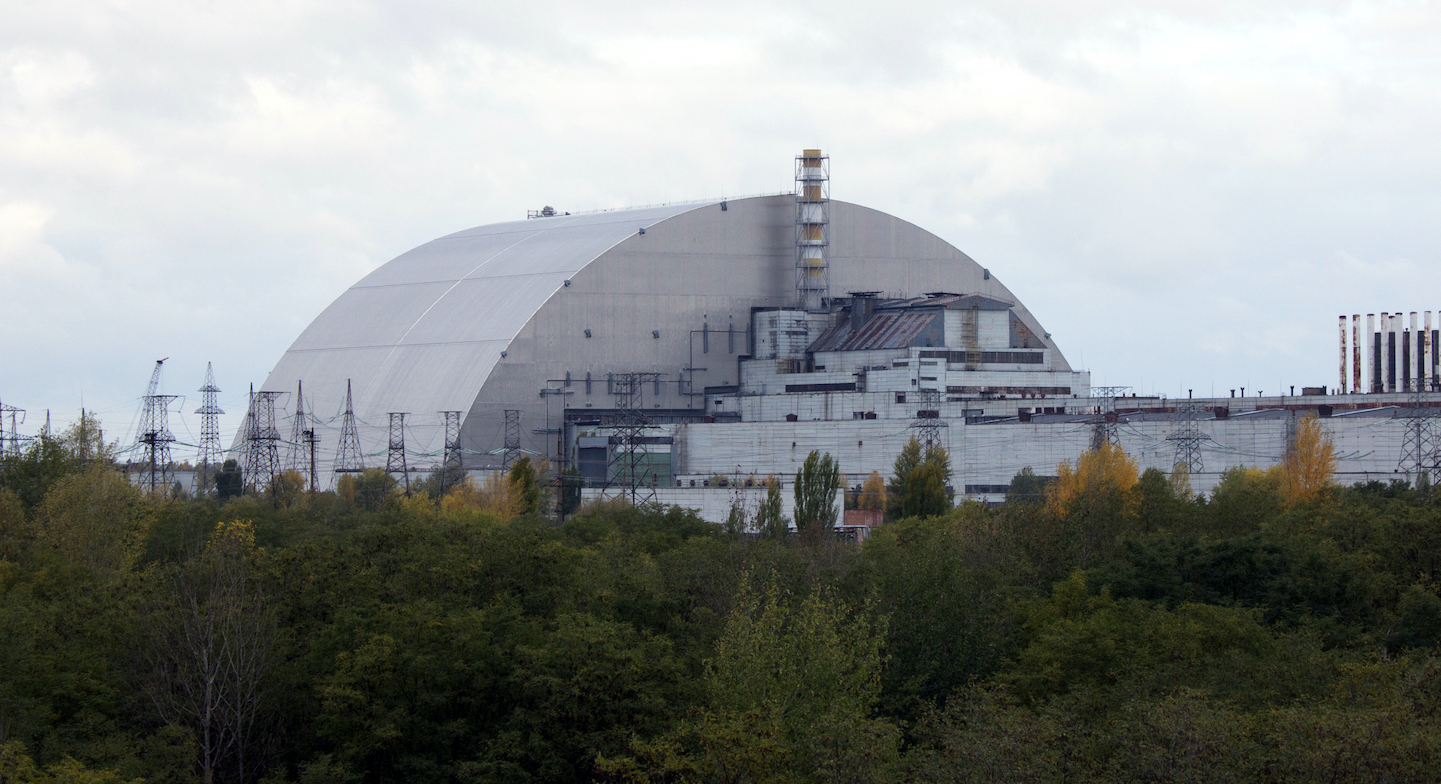
With aid from the European Bank for Reconstruction & Development (EBRD), Ukraine has opened a special fund for the restoration of the protective structure over the entombed reactor at the Chernobyl nuclear power plant. The €30 million agreement was signed on April 26 during a Chernobyl International Conference on Recovery & Nuclear Safety, actually held at the site of the disaster that took place on that date in 1986. The “New Safe Confinement” structure has since 2016 provided a second layer of protection over the “sarcophagus” that Soviet authorities built to entomb the exploded reactor after the disaster. It was breached by a Russian drone strike on the site in February 2025. (Photo: Wikipedia)

Europe
Urengoy-Pomary-Uzhgorod pipeline

Ecological devastation in Great Game for Russian oil

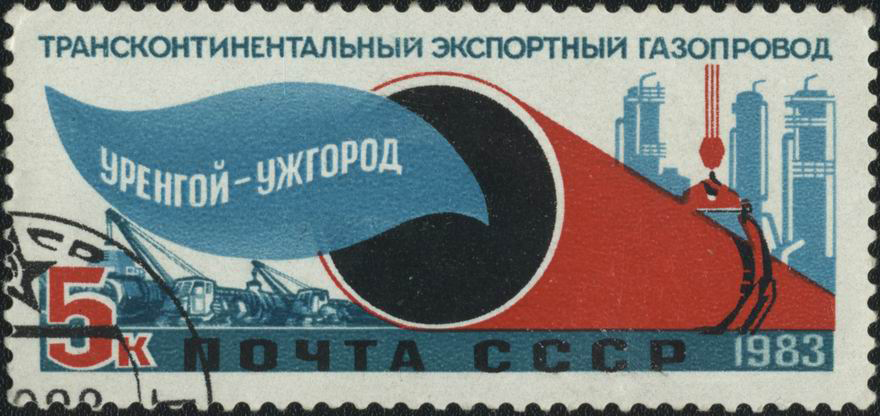
A $106 billion EU emergency loan is now on its way to Ukraine, following the fall of Hungary’s strongman Viktor Orban, who was holding it up. However, as a condition of the loan, Kyiv is obliged to re-open the war-damaged Druzhba pipeline, which sends Russian oil through Ukrainian territory to Hungary, Poland and Germany. Kyiv is cooperating in getting the pipeline operational again—but is meanwhile drone-bombing Russian oil facilities on the Baltic and Black seas, in hopes of diminishing how much petrol Moscow will have to export through that pipeline. The strikes have caused “apocalyptic scenes” in the Black Sea port of Tuapse—air thick with toxic fumes, a huge column of smoke blotting out the sun, black rain falling from the sky. Russia, unwilling to sacrifice its own oil revenues but seeking to punish Europe for backing Ukraine, has announced that it will cut off the flow of oil from Kazakhstan through the Druzhba pipeline. (Image: Soviet postage stamp celebrating oil pipeline. Via Wikipedia)

Iran
ICC

Podcast: Trump to The Hague! II

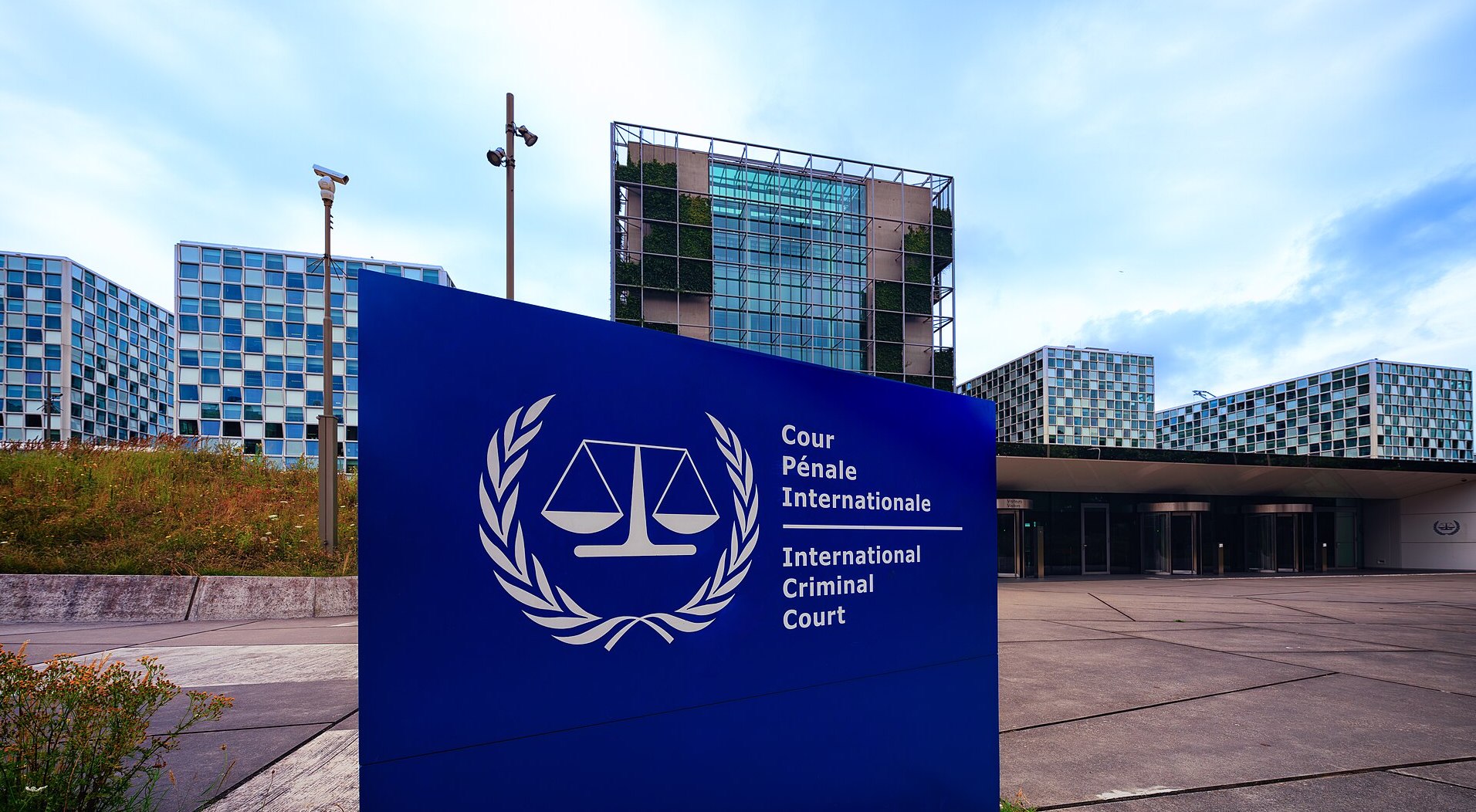
International law scholars are warning that Trump may have committed war crimes in Iran, and that his ongoing threats to bomb civilian targets may constitute self-incrimination—by the same standards that US prosecutors used to gather evidence against Russia in Ukraine (before Trump suspended cooperation). Additionally, his exterminationist rhetoric may represent a step on the ladder of escalation toward genocide. In Episode 324 of the CounterVortex podcast, Bill Weinberg continues to make the case—political, legal and practical—for sending Trump to a prison cell at The Hague. (Photo: Tony Webster via Wikimedia Commons)

East Asia
Rosneft

Chinese workers protest in Russia’s Far East

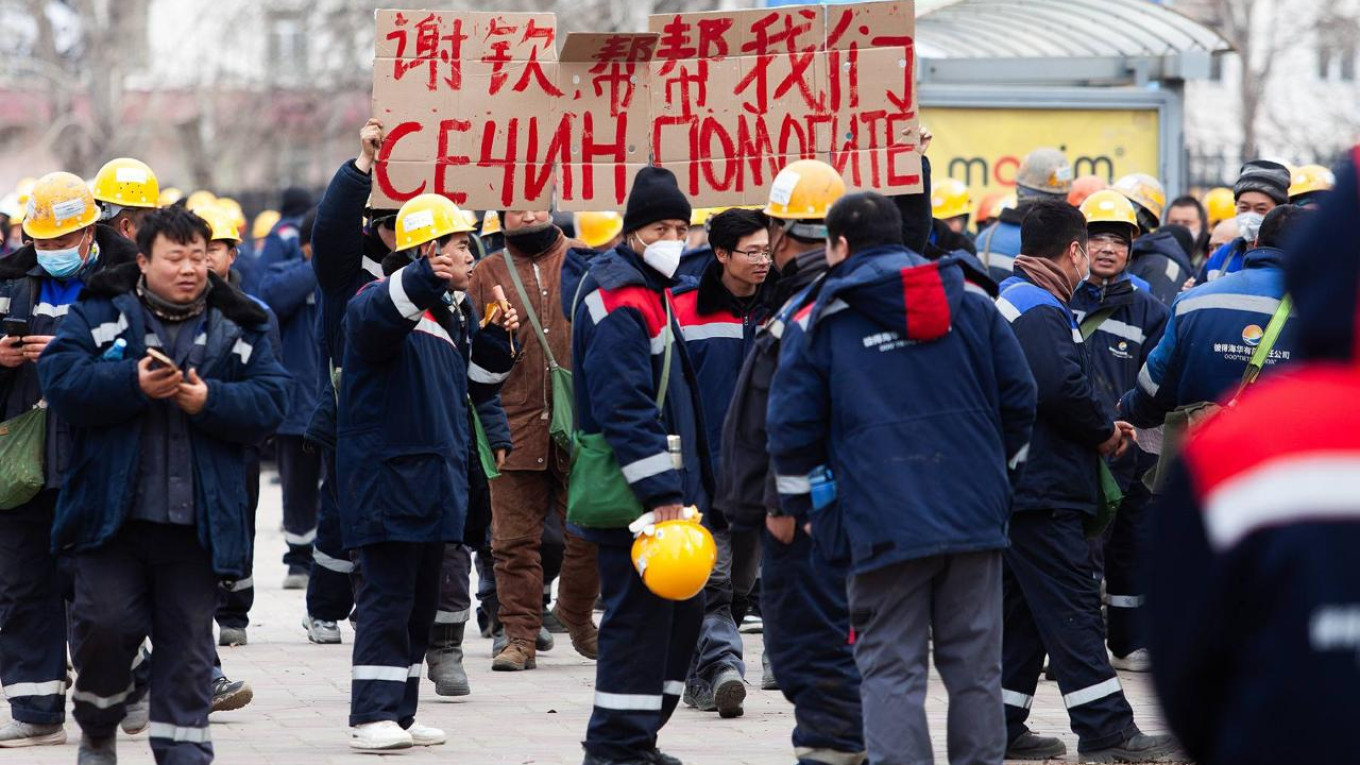
Chinese construction workers building a fuel-production unit at a Rosneft refinery in Far East Russia’s Khabarovsk krai took to the streets to protest unpaid wages, regional authoritiessaid. At least 200 employees of the Russian-Chinese contractor Petro-Hehua marched through the city of Komsomolsk-na-Amure demanding back payments and help from both the Russian government and Rosneft in returning to China. After the march, some workers staged a sit-in at a nearby park. Following the protest, the Komsomolsk-on-Amur prosecutor’s office said it had opened an inquiry into possible labor law violations, but at least four protesters were fined for illegal assembly. (Photo: The Moscow Times)

Europe
UGV

Ukrainian robots break through Russian lines

Ukrainian forces have captured a Russian position using only drones and unmanned ground vehicles (UGVs), President Volodymyr Zelensky boasted, describing the operation as a milestone in the evolution of modern warfare. “For the first time in the history of this war, an enemy position was taken exclusively by unmanned platforms—UGVs and drones. The occupiers surrendered, and this operation was carried out without the participation of infantry and without losses on our side,” Zelensky said in a video statement. The video showed Zelensky speaking in a room full of various drones and UGVs. He did not give a precise location for the territory taken in the operation. (Photo via Nashaniva.com)

Europe
Kremlin

Russia: UN experts decry repression of civil society

UN Special Rapporteurs condemned an ongoing strategy by Russian authorities to silence dissent, human rights advocacy, and anti-war expression. They warned that this represents a “systematic dismantling” of civil society under the guise of protecting national security and public safety. Over 343 organizations have been deemed “undesirable,” 1,173 individuals and groups have been designated as “foreign agents,” and 830 organizations and 20,813 individuals have been put on “terrorist” and “extremist” watch lists. This has recently escalated with the targeting of several key Russian human rights organizations, feminist groups and advocates for indigenous peoples. (Photo: Pavel Kazachkov via Wikipedia)