Iran
ICC

Podcast: Trump to The Hague!

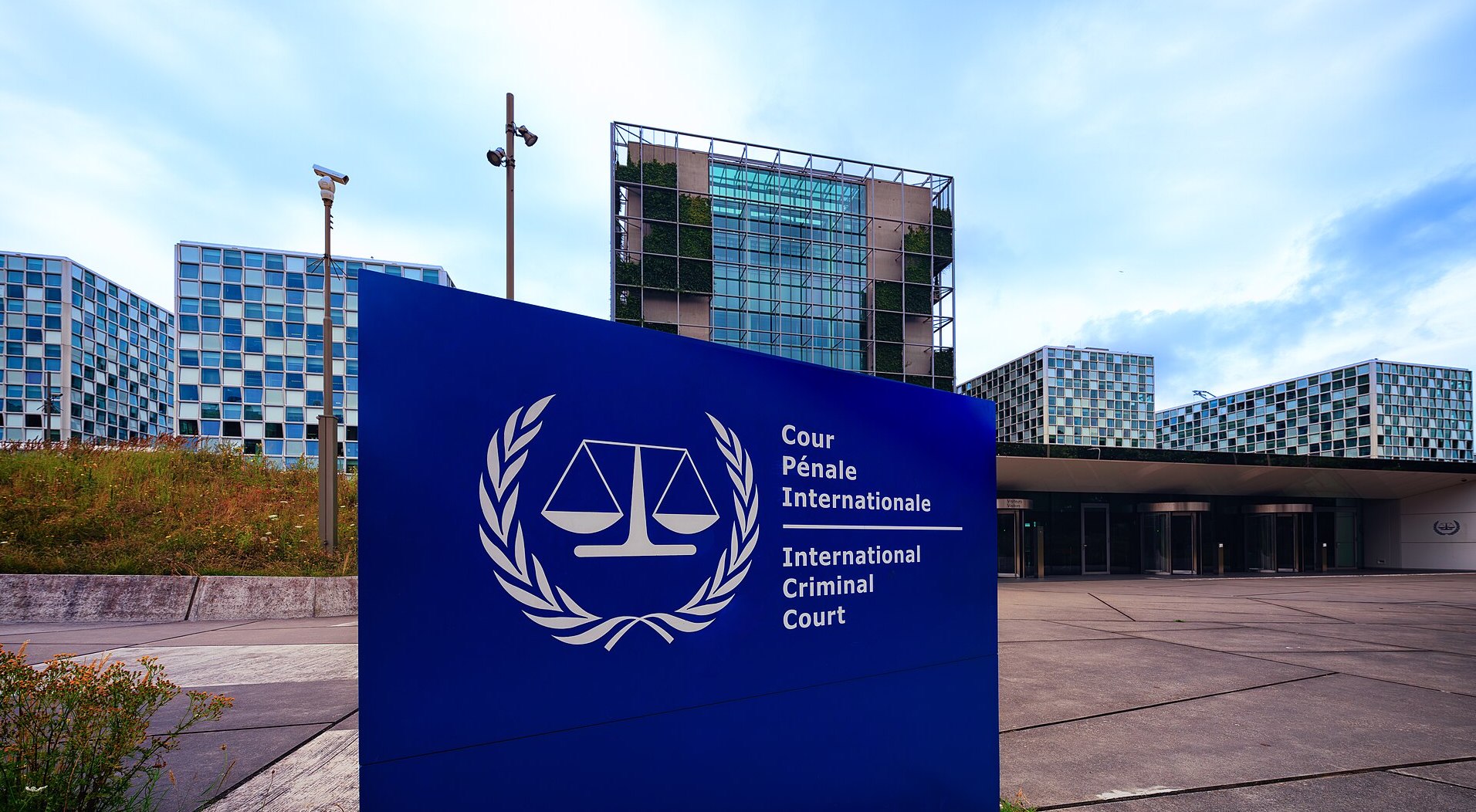
The exterminationist rhetoric that has accompanied Trump’s massive bombardment of civilian infrastructure in Iran is condemned by Amnesty International as possible incitement to genocide—itself a crime under international law. Can Trump join Benjamin Netanyahu and Vladimir Putin as the next world leader to face charges before the International Criminal Court? Yes, if Iran follows Palestine and Ukraine in granting jurisdiction to the ICC for crimes committed on its territory. This is legally valid, despite intransigence from the United States, Israel and Russia alike. The next three convictions by the ICC could be the first of figures from outside the African continent—undermining accusations of a double standard that have hindered the Court’s effectiveness. In Episode 322 of the CounterVortex podcast, Bill Weinberg makes the case—politically and practically—for sending Trump to a prison cell at The Hague. (Photo: Tony Webster via Wikimedia Commons)
Greater Middle East
Iran

Uncertain ceasefire in Iran; aerial terror in Lebanon

After five weeks of war, the US and Iran agreed to a two-week ceasefire brokered by Pakistan. Its basic details, however, and to what extent it will be implemented, are surrounded by uncertainty. A main sticking point is the question of whether Lebanon was included in the deal. Iranian and Pakistani officials are insisting it was, but the US and Israel say that it wasn’t. Meanwhile, Israel has continued to carry out devastating attacks on Beirut and other parts of Lebanon. (Image: Pixabay)

The Caribbean
Cuba

Cuba: UN issues urgent call for humanitarian aid

The United Nations called upon the international community to provide immediate support for Cuba amid a worsening humanitarian crisis compounded by the effects of Hurricane Melissa, which struck the country in October 2025. The UN resident coordinator in Cuba, Francisco Pichon, said the humanitarian situation has reached a critical point following the US oil blockade imposed in January. He added that the population remains in need of urgent humanitarian aid despite an oil shipment from Russia in late March that the US administration chose not to interfere with. (Photo: Виктор Пинчук via Wikimedia Commons)

Planet Watch
Gen Z

Podcast: world revolution & the digital contradiction

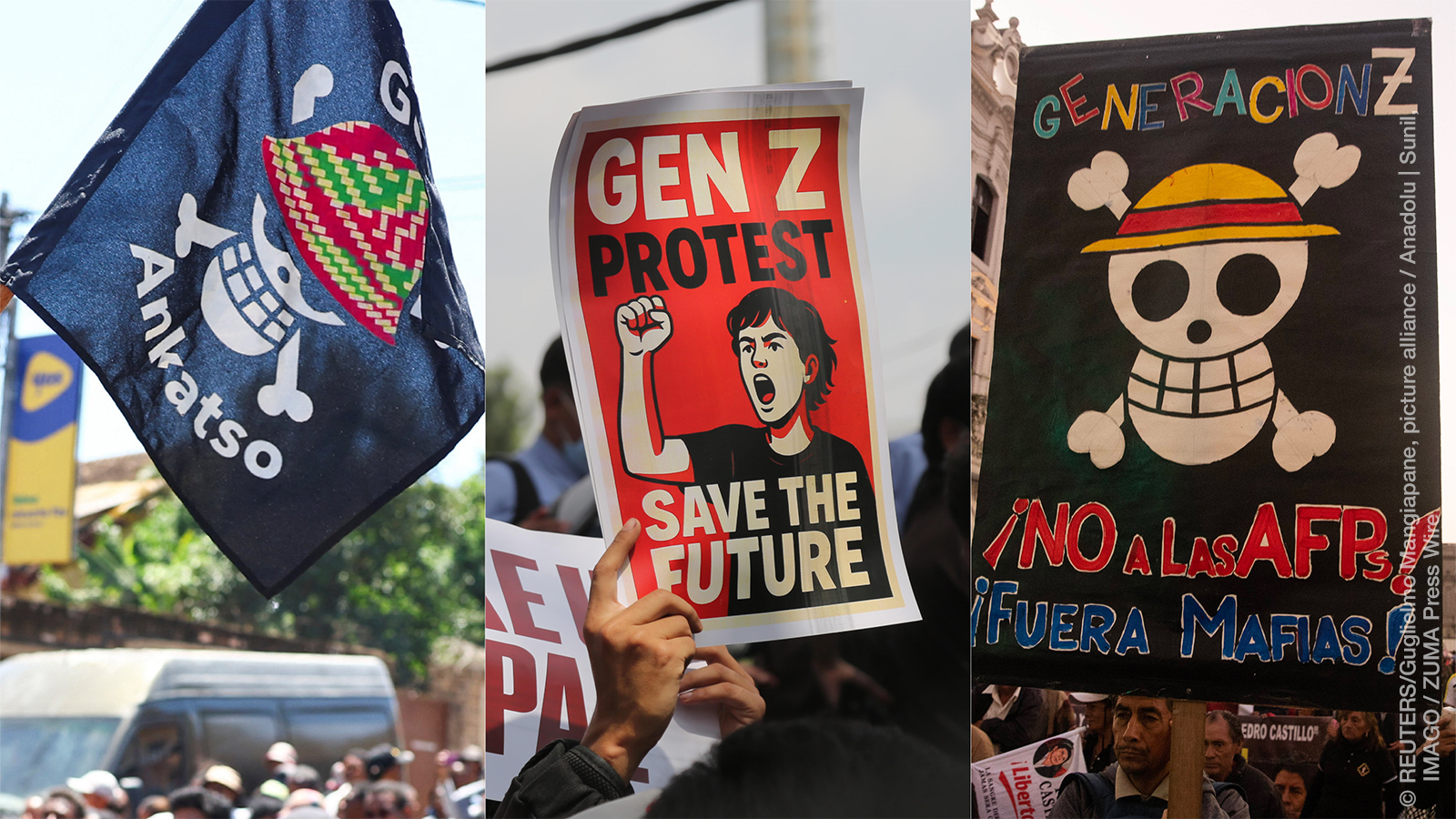
Protests break out in Russia over the new internet restrictions imposed by the Putin regime, while social media and instant messaging have become the “new public square” for the Gen Z protests that have swept the planet over the past months. Exemplifying the identification with online culture, a pirate flag from a Japanese anime series has become the global emblem of the Gen Z resistance. The new youth social media bans in a growing number of countries are opposed by human rights and civil-liberties groups for good reason. Yet the dystopian side of digital technology becomes more apparent each day—from the climate impacts of data centers, to cynical attempts to sell nuclear power as “clean energy” (sic!) to meet the surging electricity demand, to the digital colonization of human consciousness. Protests are also emerging to the new techno-fascism, and this critique must be central to any true oppositional movement. In Episode 321 of the CounterVortex podcast, Bill Weinberg grapples with the contradiction. (Composite image via GIGA. Gen Z protesters in different countries use appropriated image from One Piece manga. Fair use rights asserted.)

Europe
Komyagin

Podcast: the other Russia —from Tolstoy to Komyagin

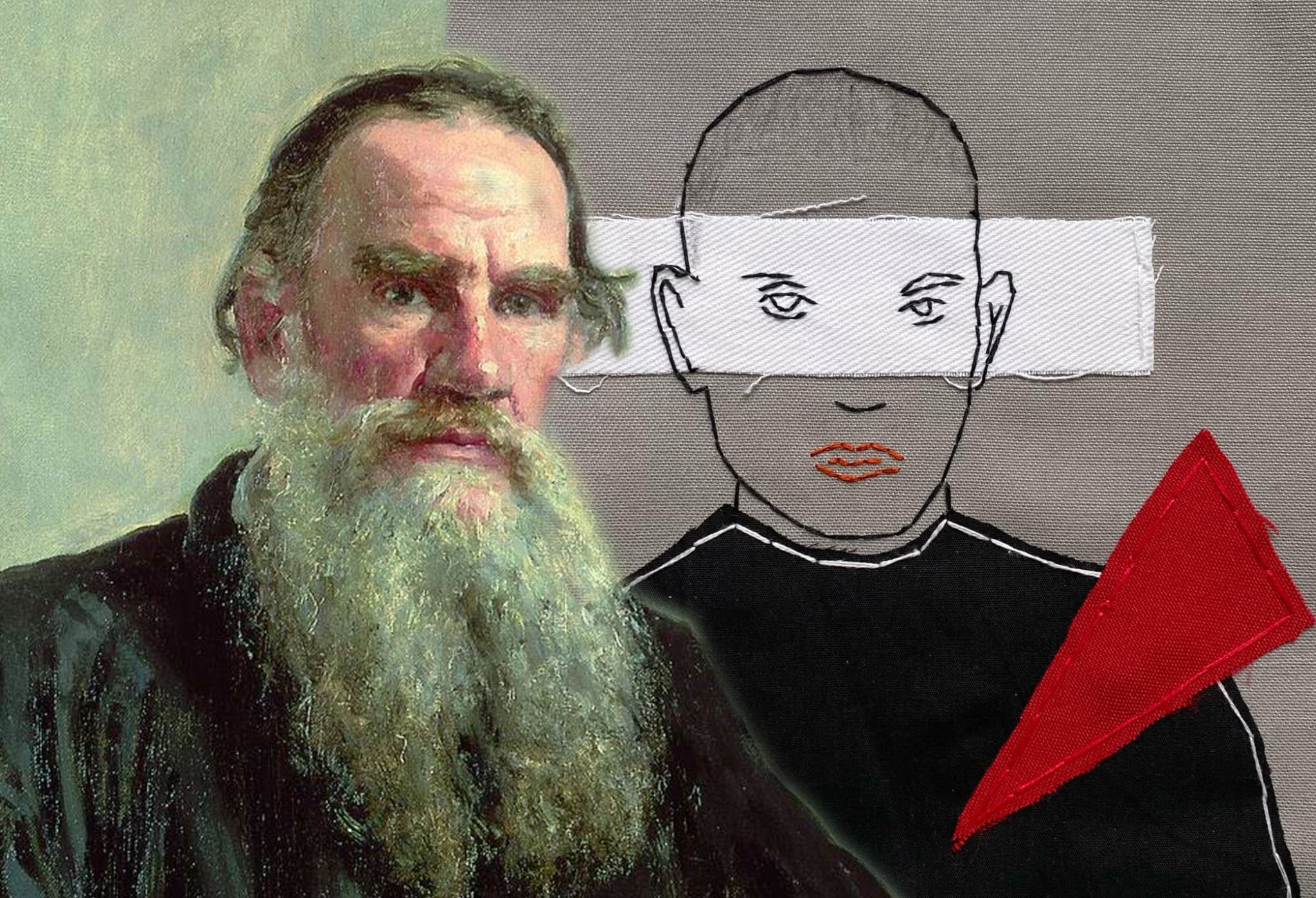
Eclipsed from the headlines by the war in the Middle East, Russia launches a new offensive in Ukraine with an unprecedented wave of drone and missile strikes across the country—even hitting an historic monastery in Lviv. Meanwhile, two young Russian poets, Artyom Kamardin and Yegor Shtovba, remain imprisoned on “state subversion” charges related to public readings of anti-war poetry. They join other imprisoned anti-war poet-activists, such as Daria Kozyreva, and numerous artists and activists imprisoned for opposing the new dictatorship of Vladimir Putin. The recently passed Russian rocker Nikolay Komyagin, frontman for the post-punk band Shortparis, was also an icon of artistic resistance. Long known for their defiant sound, after the 2022 invasion of Ukraine they released the music video “Apple Orchard,” on an anti-war theme—getting them being blacklisted from major venues in Russia. In Episode 320 of the CounterVortex podcast, Bill Weinberg places these courageous voices in the context of a dissident tradition in Russia under the dictatorships of the czars, the Soviets, and now Putin—from Leo Tolstoy to Shortparis. (Composite image by CounterVortex from Ilya Efimovich Repin via Wikimedia Commons and Sasha Braulov via Instagram)

Europe
Russian Embassy

Global commitment crucial for Ukraine justice: Amnesty International

On the fourth anniversary of Russia’s invasion of Ukraine, Amnesty International called on the international community to maintain a steadfast commitment to hold Russia accountable under international law for its crimes and aggression. The statement noted diminishing pressure on Russia, raising concerns about rights protections and prospects for peace in Ukraine. Amnesty’s senior director for research and advocacy Erika Guevara-Rosas commented that “commitments to justice and human rights are weakening as powerful actors grow emboldened to disregard international law and further erode the rules-based order.” (Photo of Russian embassy in London: Kwh1050 via Wikimedia Commons)

Africa
INPACT

Africa pushes back against Russian military recruitment

Facing a manpower shortage in its war with Ukraine, Russia is increasingly turning to recruitment networks in the Global Southespecially Africa—to help fill its ranks. Fast-track visas, the promise of good salaries as well as citizenship are the lures, in contrast to growing official immigration hostility in the rest of Europe. But the problem is surviving the front line. In a report released this week, the investigative collective INPACT obtained a single list of 1,417 Africans hired by Russia and found a death rate of over 20%. Those killed lasted an average of just six months. There are also reports of racism and brutality. While many young men volunteer, others are duped, promised work or scholarships, but then forcibly enlisted. Kenya and South Africa are two countries that have complained. Nairobi wants a ban on the conscription of Kenyans, while South Africa said Moscow had agreed to the return of 17 mentricked into serving in Ukraine. (Image: INPACT)

Europe
Kremlin

UN denounces Russian conviction of ICC prosecutor

UN human rights experts decried Russia’s conviction of nine International Criminal Court (ICC) officials, calling the ruling a “flagrant violation of international law.” After a trial held in absentia, the Moscow City Court sentenced Prosecutor Karim Khan and eight ICC judges under the Russian Criminal Code for “unlawfully prosecuting Russian citizens in The Hague,” and subsequently placed them on an international wanted list. Prosecutor Khan received a 15‑year prison term, with the others receiving sentences of between three and 15 years. The case concerns the arrest warrants issued by the ICC for President Vladimir Putin and one of his cabinet members on war crimes charges. (Photo: Wikipedia)

Planet Watch
moon

Podcast: lunar hubris and the end of the Earth

Plans by Trump’s fascist tech bros as well as Putin and Xi to build AI-run nuclear reactors on the Moon open jurisdictional dilemmas that far outpace the modest UN efforts to put a regulation regime in place for artificial intelligence. These plans are unveiled just as the Bulletin of the Atomic Scientists moves the symbolic hands of the Doomsday Clock to an unprecedented 85 seconds to midnight. The new Doomsday Clock Statement explicitly names AI, as well as nuclear weapons and climate change, as a potential threat to human survival. The International Campaign to Abolish Nuclear Weapons, in conjunction with the Doomsday Clock move, reiterated its position that “we must move beyond managing nuclear weapons and start phasing them out before midnight strikes.” In Episode 316 of the CounterVortex podcast, Bill Weinberg argues that we must take a similar abolitionist position on AI and space expansionism, citing unacceptable threats on ecological, epistemological and eschatological grounds. (Photo: NASA via Surfer Today)

Planet Watch
doomsday

Doomsday Clock moves: 85 seconds to midnight

The Science & Security Board of the The Bulletin of the Atomic Scientists moved the symbolic hands of the Doomsday Clock to an unprecedented 85 seconds to midnight. The decision came a year after the clock was set to an also unprecedented 89 seconds to midnight—and three years after it was moved to 90 seconds to midnight. Each increment since 2017, when it was set at 2.5 minutes of midnight, has brought the Clock closer to doomsday than ever before. This year’s statement reads: “A year ago, we warned that the world was perilously close to global disaster and that any delay in reversing course increased the probability of catastrophe. Rather than heed this warning, Russia, China, the United States, and other major countries have instead become increasingly aggressive, adversarial, and nationalistic. Hard-won global understandings are collapsing, accelerating a winner-takes-all great power competition and undermining the international cooperation critical to reducing the risks of nuclear war, climate change, the misuse of biotechnology, the potential threat of artificial intelligence, and other apocalyptic dangers.” (Image: misucell.com)

Syria
Rojava solidarity

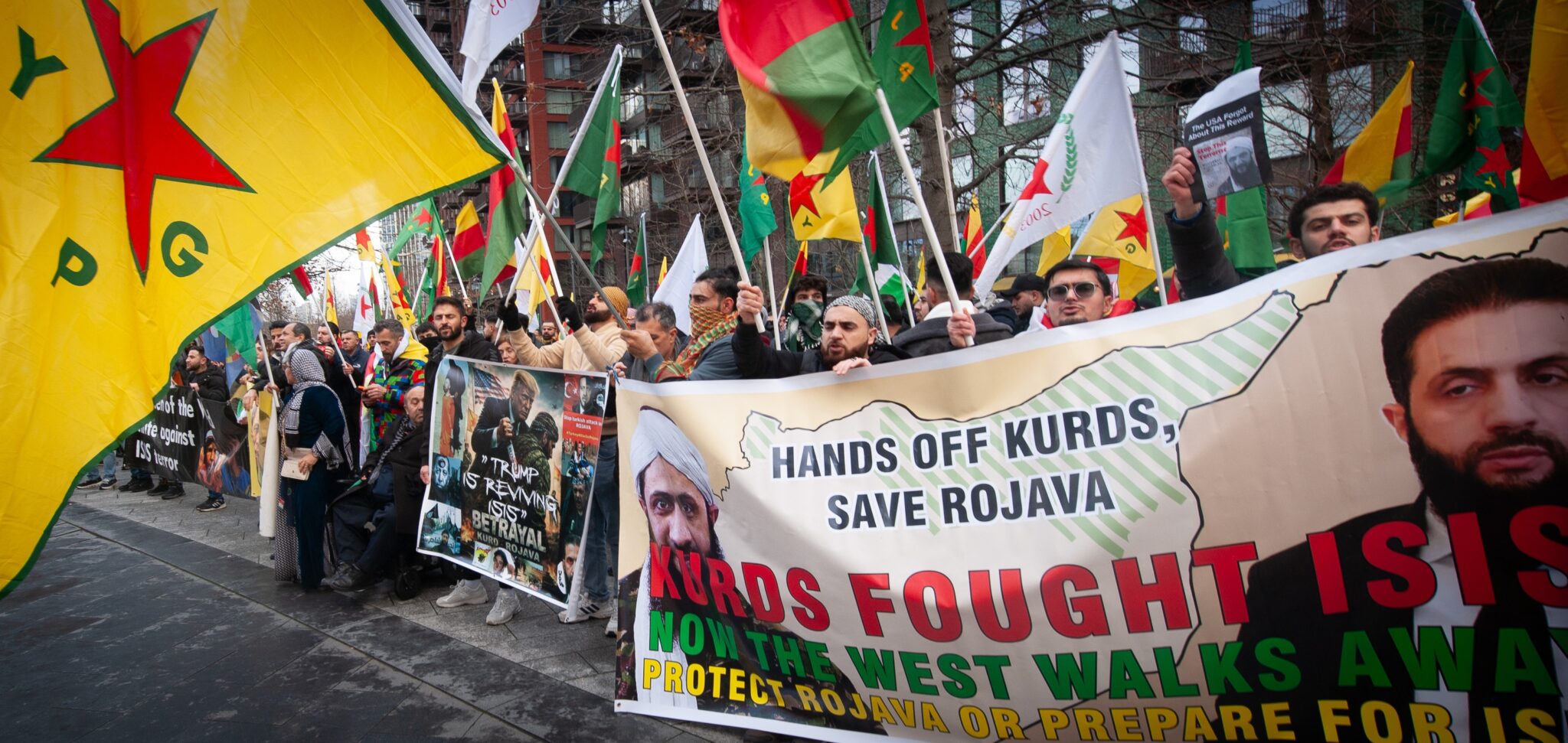
Podcast: twilight of Rojava?

A last-minute “permanent ceasefire” may mean that northeast Syria is back from the brink of Arab-Kurdish ethnic war. But ceasefires have repeatedly broken down since fighting resumed earlier this year, with Damascus demanding disbandment of the Rojava autonomous zone, and the integration of its institutions—including its military wing, the Syrian Democratic Forces (SDF)—into the central government. While the new pact sets a more “gradual” pace for this integration, the Kurdish aspiration to regional autonomy and the central government’s insistence on centralization may prove a long-term obstacle to peace. In Episode 315 of the CounterVortex podcast, Bill Weinberg weighs the odds for avoiding a conflict that holds the potential for escalation to genocide, with the connivance of the Great Powers that so recently backed the SDF to fight ISIS. (Photo via Facebook)

Syria
SDF

Russia joins US in betraying Syrian Kurds

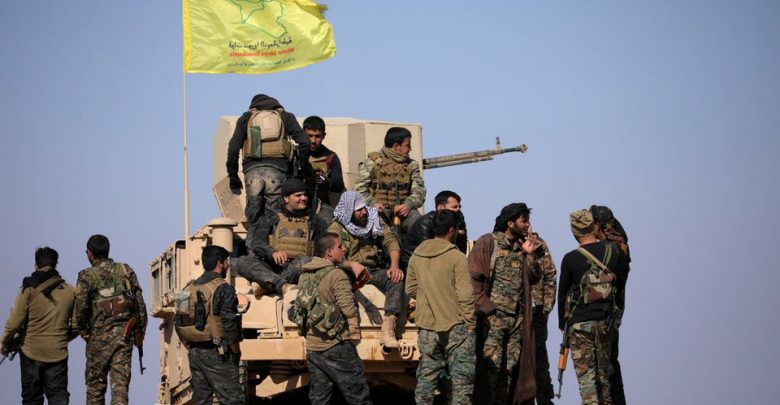
The Kurdish-held border town of Kobani in northern Syria is under siege again, as it was by ISIS in 2014—but this time by forces of the Syrian central government, which has cut off water and power to the town in the dead of winter, with snow on the ground. Since the start of the year, the Kurdish forces in northeastern Syria have lost almost all of the territory they controlled to a new offensive by the central government. Kobani with Hasakah and Qamishli are the last besieged strongholds of the reduced Rojava autonomous zone. And both the US and Russia, which have backed the Kurdish-led Syrian Democratic Forces (SDF) against ISIS, now appear to be cutting them loose—effectively green-lighting the government offensive against them. US special envoy for Syria Tom Barrack has already warned that US support for the SDF is coming to an end. And in the midst of the offensive, Russia has withdrawn its forces from Qamishli, its principal military outpost in Rojava. This came just as Syrian interim president Ahmed al-Sharaa was on his second trip to Moscow to meet with Vladimir Putin—pointing to a quid-pro-quo in which Russia will be allowed to maintain its two major military bases in Syria, on the Mediterranean coast at Khmeimim and Tartous. (Photo: SOHR)