

Podcast: #ResistRobotRule

robotsCounterVortex editor and ranter Bill Weinberg faces imminent cancelation of his landline service by corporate oppressor Verizon. As fiber-optic is not available in his building, this makes cable the only alternative—which means drilling through exterior walls, threatening the structural integrity of the 19th century tenement. This as the Countervortex website remains debilitated following an attack by Chinese state-sponsored hackers. With this dissident voice in danger of being silenced, the system of corporate rule is increasingly replaced by worse-still actual robot rule. Trump and the fascist tech bros are putting in place the architecture for direct robot control over the military-security apparatus, and even of imperial decision-making. Robo-propaganda has already thoroughly colonized the political process, both in the US and elsewhere. All this as the ecological impacts of the technology contiue to propel the apocalypse. In Episode 348 of the CounterVortex podcast, Weinberg looks for glimmers of hope in municipal pushback, and popular refusal of aritifical intelligence and the entire digital leviathan. (Image: Darrin Grimwood via Goodreads)
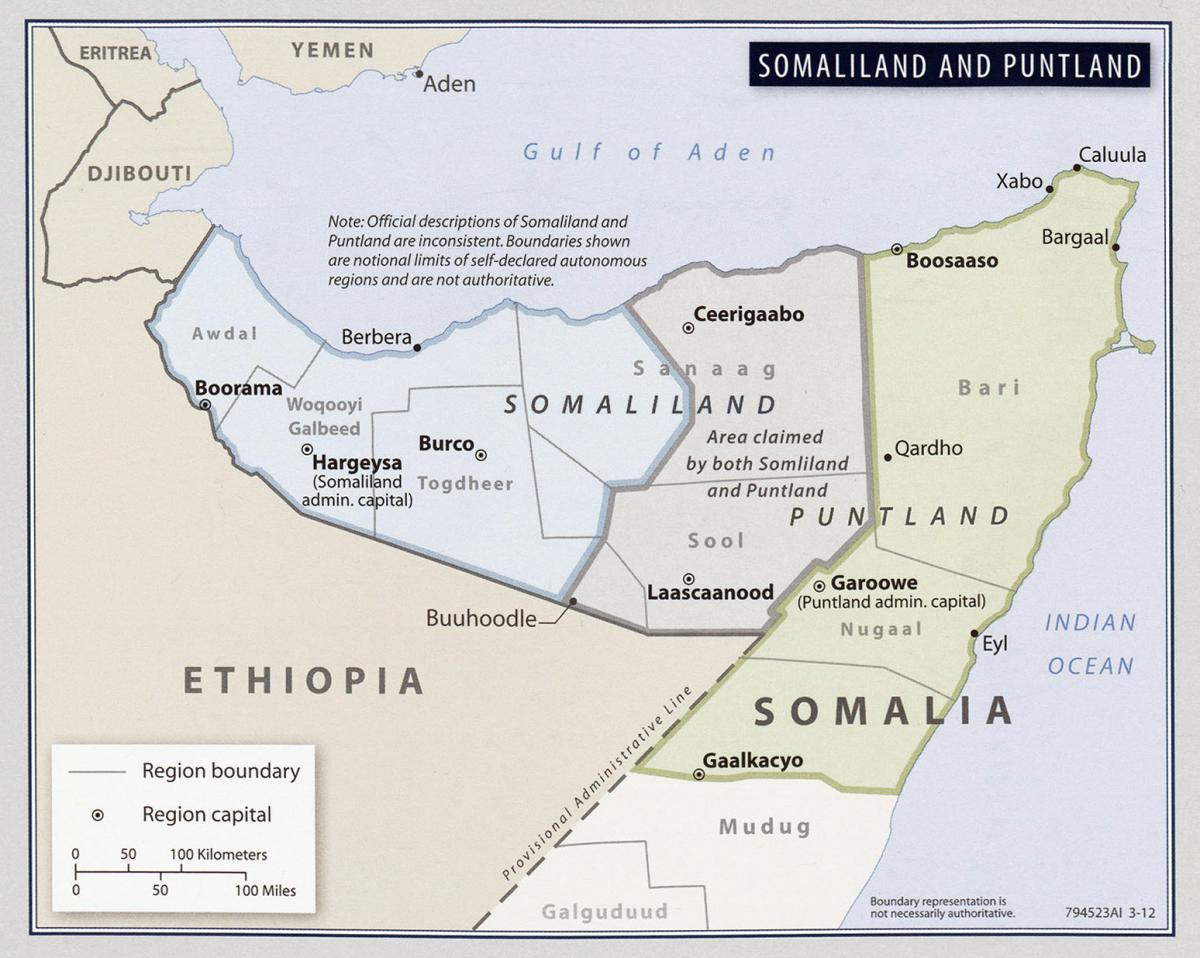
Somaliland offers Trump a deal on recognition

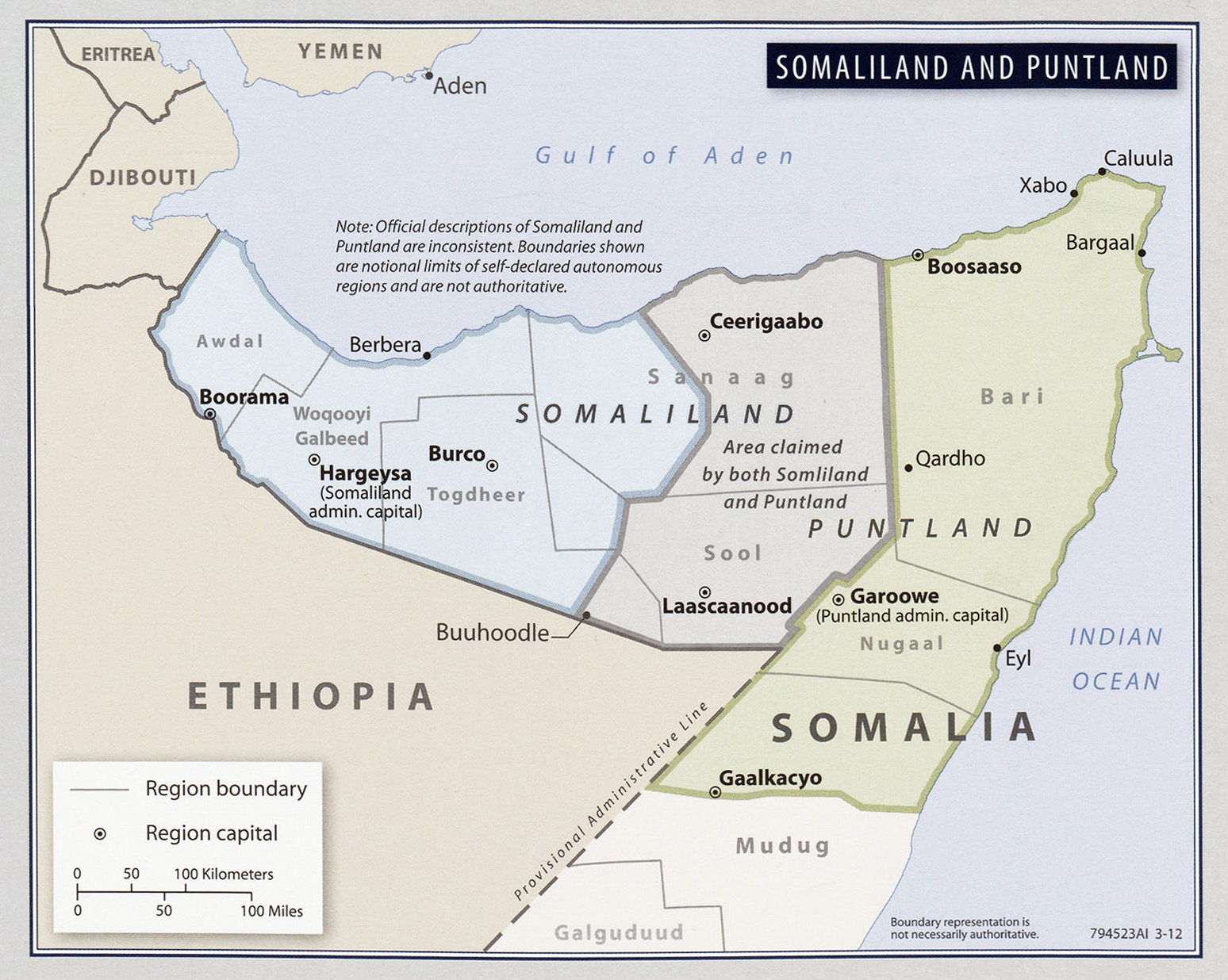
SomalilandBreakaway Somaliland is pulling out the stops to win US recognition, offering access to its strategic Berbera port, mineral deals, and even a Trump Tower. Recognition may not immediately be in the cards, but Berbera is particularly significant at the moment. It sits close to the Bab al-Mandeb Strait, the global shipping lane that Yemen's Houthis can potentially close at will. Somaliland is juicing its proposal with the prospect of a base for US forces (there have already been US military visits), and potentially for Israel—the only country to recognize its independence. The conservative Hudson Institute, among other voices in the US political establishment, is pushing Somaliland's case as a "bulwark" against the Houthis—and even Chinese influence. (Map: Somalia Country Profile)

Podcast: #Chinamaxxing & the betrayal of Tibet

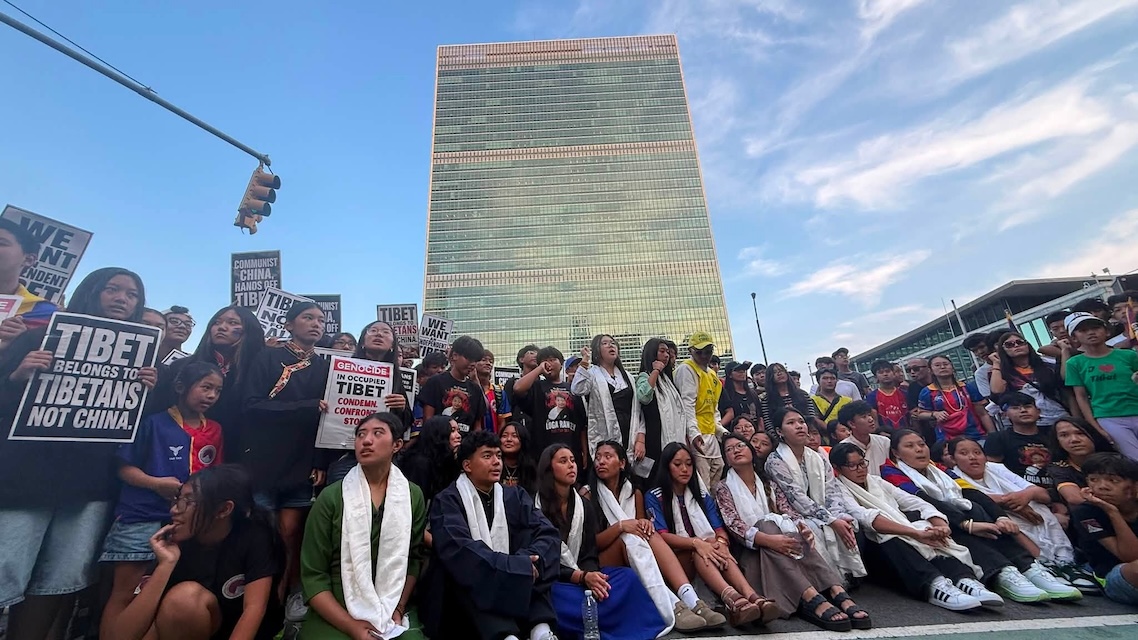
Free TibetAs Trump prepares to meet with Xi Jinping at the White House, Students for a Free Tibet prepares a protest in Washington against the Chinese dictator. Protests and civil disobedience actions by New York City's Tibetan community have mounted since the July self-immolation of longtime activist Lobga Rangzen outside the United Nations building—the first in the wave of Tibetan self-immolations to take place on US soil. This comes amid heightening repression in Tibet following the passage of China's "Ethnic Unity" law. Rather than taking this opportunity to forge bonds of solidarity with a local ethnic community by embracing its struggle, growing sectors of the "progressive" milieu—including figures associated with the Democratic Socialists of America—have joined those elements of the "left" looking to the oppressive Chinese state as a model and even a source of sponsorship. Happily, there are glimmers of dissent within the DSA to this consolidating dogma. In Episode 346 of the CounterVortex podcast, Bill Weinberg again dissects and repudiates the global divide-and-rule racket that is the essence of the state system. (Photo: Lhak Sam via Facebook)

HK court upholds conviction of activist fund organizers

Hong KongA Hong Kong appellate court upheld the conviction of five pro-democracy activists for their failure to register the 612 Humanitarian Relief Fund, created to support detained or injured demonstrators during the 2019 Hong Kong protests, under the Societies Ordinance. The appellants, among 10 initially arrested in 2023, were retired Roman Catholic Cardinal Joseph Zen, Lingnan University professor Hui Po Keung, Cantopop singer-turned-activist Denise Ho, and former Legislative Council members Margaret Ng and Cyd Ho. The Fund was named for the "612 Incident," in which protesters were attacked by the police outside the Hong Kong government headquarters on June 12, 2019. The decision exemplifies concerns about the rule of law and growing restrictions on civil society in Hong Kong. (Photo: HKFP)

Podcast: In defense of real life

Summer of LuddWith the CounterVortex website debilitated by Chinese state-sponsored hackers, chief blogger and ranter Bill Weinberg takes heart in the vibrant scene unfolding this summer in the Lower East Side's Tompkins Square Park—which was kicked off with the anti-tech fest Summer of Ludd. In an historical comparison, Weinberg reads from the December 1966 issue of Paul Krassner's The Realist, in which Robert Anton Wilson wrote on the "cybercultural revolution," and from the Winter 2025 issue of Berkeley anarchist zine Slingshot, in which Anthony Moser rants against Artificial Intelligence. Moser notes how Japanese animator Hayao Miyazaki dissed AI-generated anime as "an insult to life itself"—only to have ChatGPT retaliate by targeting his Studio Ghibli for appropriation. In Episode 343, the CounterVortex podcast offers a vigorous defense of authentic human culture, the material world, and real life. (Photo: CounterVortex)

Hong Kong: Tiananmen commemorators guilty

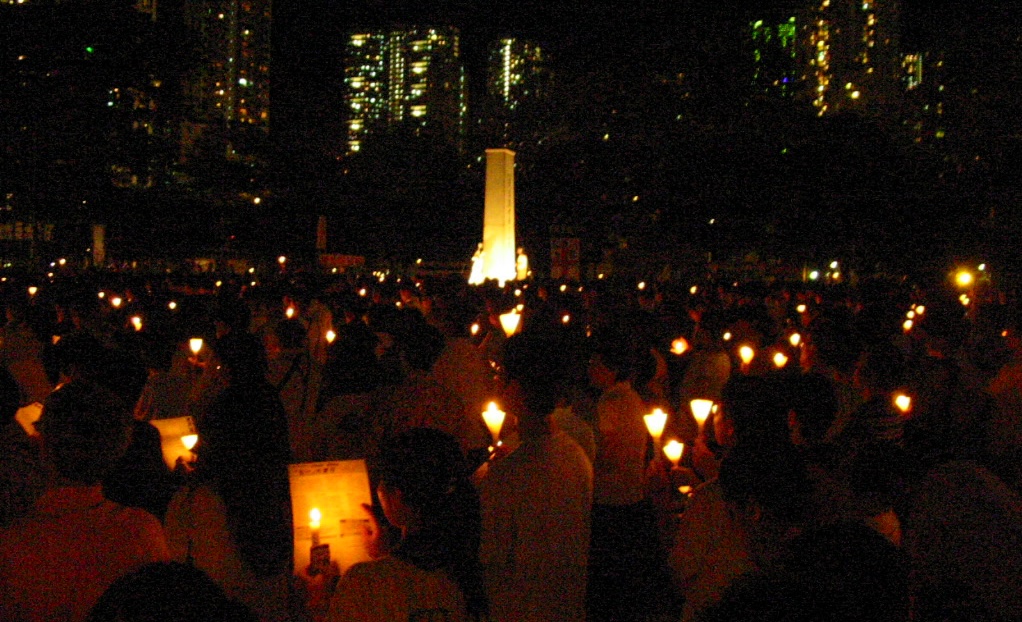
Tiananmen vigilThe Hong Kong Court of First Instance found activists Chow Hang-tung and Lee Cheuk-yan, as well as the pair's now-disbanded Hong Kong Alliance in Support of Patriotic Democratic Movements of China, guilty of a "subversion" offense under the Beijing-imposed National Security Law (NSL). Three NSL-designated judges unanimously ruled that the defendants' advocacy for "the end of one-party dictatorship"—primarily through annual June 4 vigils to commemorate the 1989 Tiananmen Square massacre—constituted "incitement to subversion." They found that there could be no "natural end" to the leadership of the Chinese Communist Party; the advocacy work must therefore constitute an incitement to overthrow or undermine China's "basic system." Chow and Lee face up to 10 years imprisonment. (Photo of 2007 Tiananmen vigil: Wrightbus via Wikimedia Commons)

China arrests activist for Dalai Lama photo

Dalai LamaAmnesty International urged Chinese authorities to immediately release a human rights activist who was detained for showing a photograph of the Dalai Lama at a monastery in Tibet, emphasizing that his detention violates fundamental rights to freedom of expression and religion. Zhang Yi, a prominent pro-democracy activist, was arrested for "inciting separatism" under China's new Law on Promoting Ethnic Unity & Progress. Critics contend that the legislation serves as a sweeping legal tool to impose forced assimilation and eliminate the distinct cultural identities of minority populations. (Photo: Wikimedia Commons)

AI chatbots shill for repressive regimes

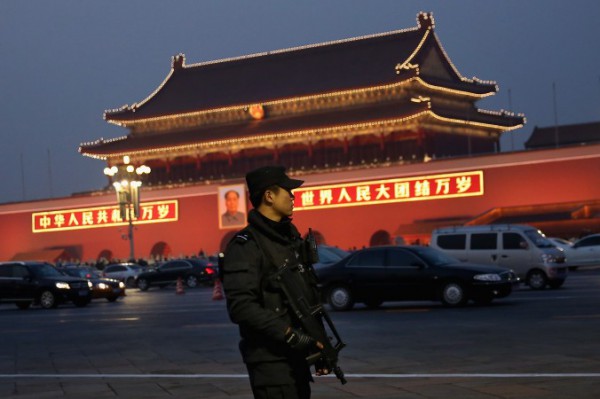
TiananmenNew research from Meta's Oversight Board found commercial large language models (LLMs) from Anthropic, DeepSeek, Google, Meta, OpenAI and xAI are far less likely to criticize repressive leaders and governments. The research calls it "free speech infringements by proxy." Apps and material produced by these generative AI tools could actively reproduce restrictions, including on political criticism. It's unclear why these AI models are doing this—underscoring the need for companies to be transparent and build "human rights due diligence" into the process, before it’s too late. China, Thailand, Cambodia and Saudi Arabia topped the list of countries with the highest refusal rates when LLMs were prompted to create materials criticizing governments. (Photo: chinaworker.info)

AI: geopolitics or abolition?

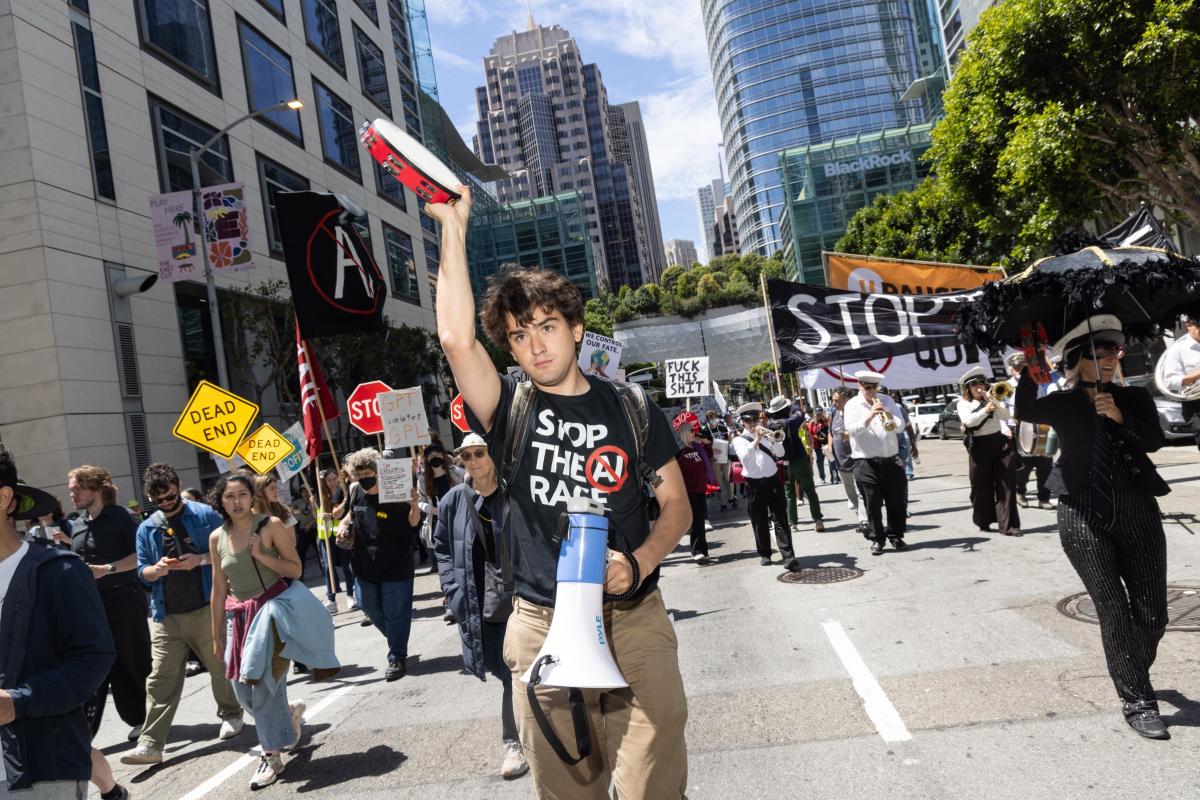
Stop the AI RaceNationwide protests against data centers and even demands to stop the AI race constitute a significant glimmer of hope as Artificial Intelligence colonizes every sphere of human existence with terrifying rapidity. The movement, however, faces potential pitfalls that could be fatal. The emergence of stochastic attacks on the AI bosses represents counter-productive adventurism seemingly informed by an ugly primitivism. An equal but opposite threat is exploitation of the movement by elements that really have no critique of the technology at all, but only seek to see it advance under Chinese rather than American techno-oligarchs—specifically the cultish and reactionary "Party for Socialism & Liberation" (sic). PSL is indeed an instrument through which the rulers of China (and Russia) are attempting to groom oppositional forces in the US. This provides convenient fodder for propaganda that would portray any opposition to the AI economy as a tool of Beijing's ambitions to global dominance of the industry. As struggles against data centers now emerge in places like the Philippines, it is critical that we take a Neither East Nor West position and repudiate the global divide-and-rule racket that is the essence of the state system. In Episode 338 of the CounterVortex podcast, Bill Weinberg continues to make the case for an uncompromising abolitionist position on Artificial Intelligence. (Photo: Rachel Bujalski/Stop the AI Race)

Hong Kong: six years after National Security Law

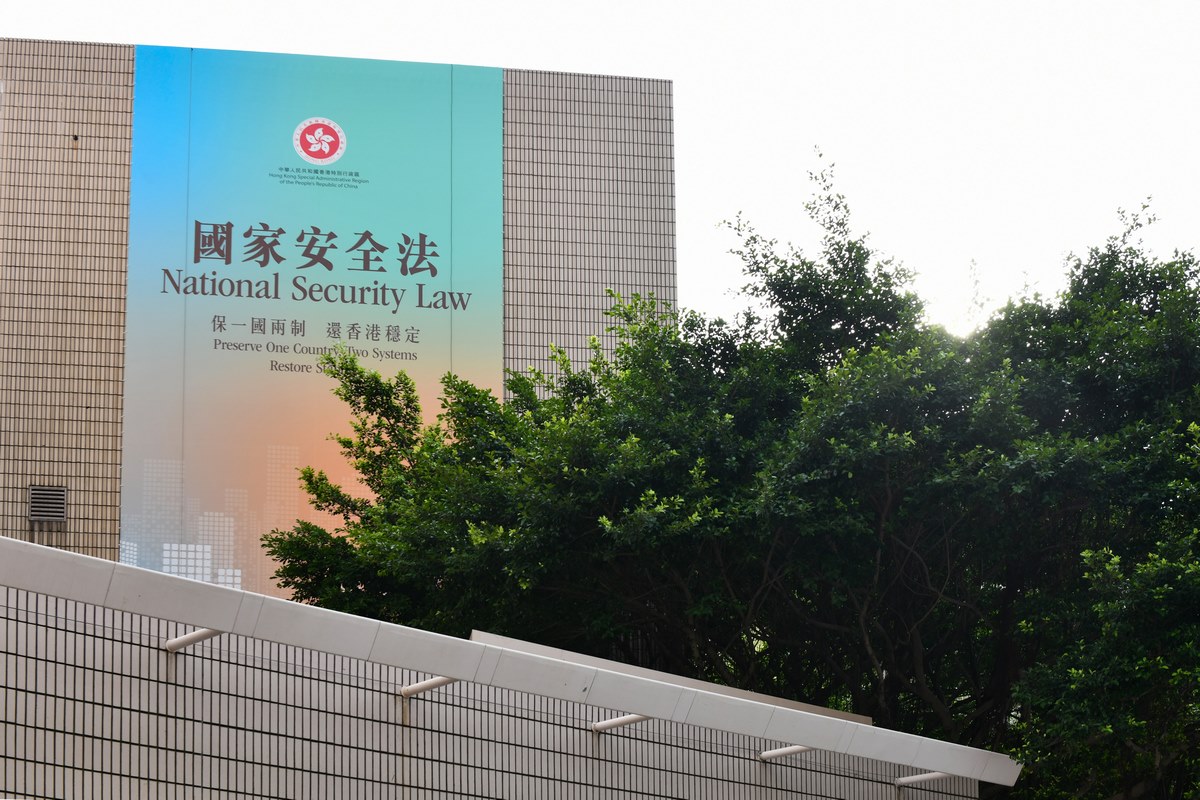
Hong KongHuman Rights Watch stated in a new report that over the past years Beijing has restructured Hong Kong's governance in a way that reduces accountability and tightens social control. A "draconian" national security regime is in place, which answers to the Chinese Communist Party leadership rather than Hong Kong's people. The reshaping has fundamentally changed the institutions of the Hong Kong Special Administrative Region (HKSAR). The new Legislative Council is overwhelmingly comprised of individuals with deep ties to the Chinese state, including 45 people who hold positions in Chinese state-owned enterprises, and numerous former police officers. These changes have been consolidated in the six years since the National Security Law was imposed in June 2020. This law has led to the arrests of protestors, activists and former opposition lawmakers, as well as shutting down numerous pro-democracy news sources. Prominent democracy advocates have been imprisoned, including Jimmy Lai and Joshua Wong. (Photo: HKFP)

Syria

US strikes Uyghur militants in Syria: report

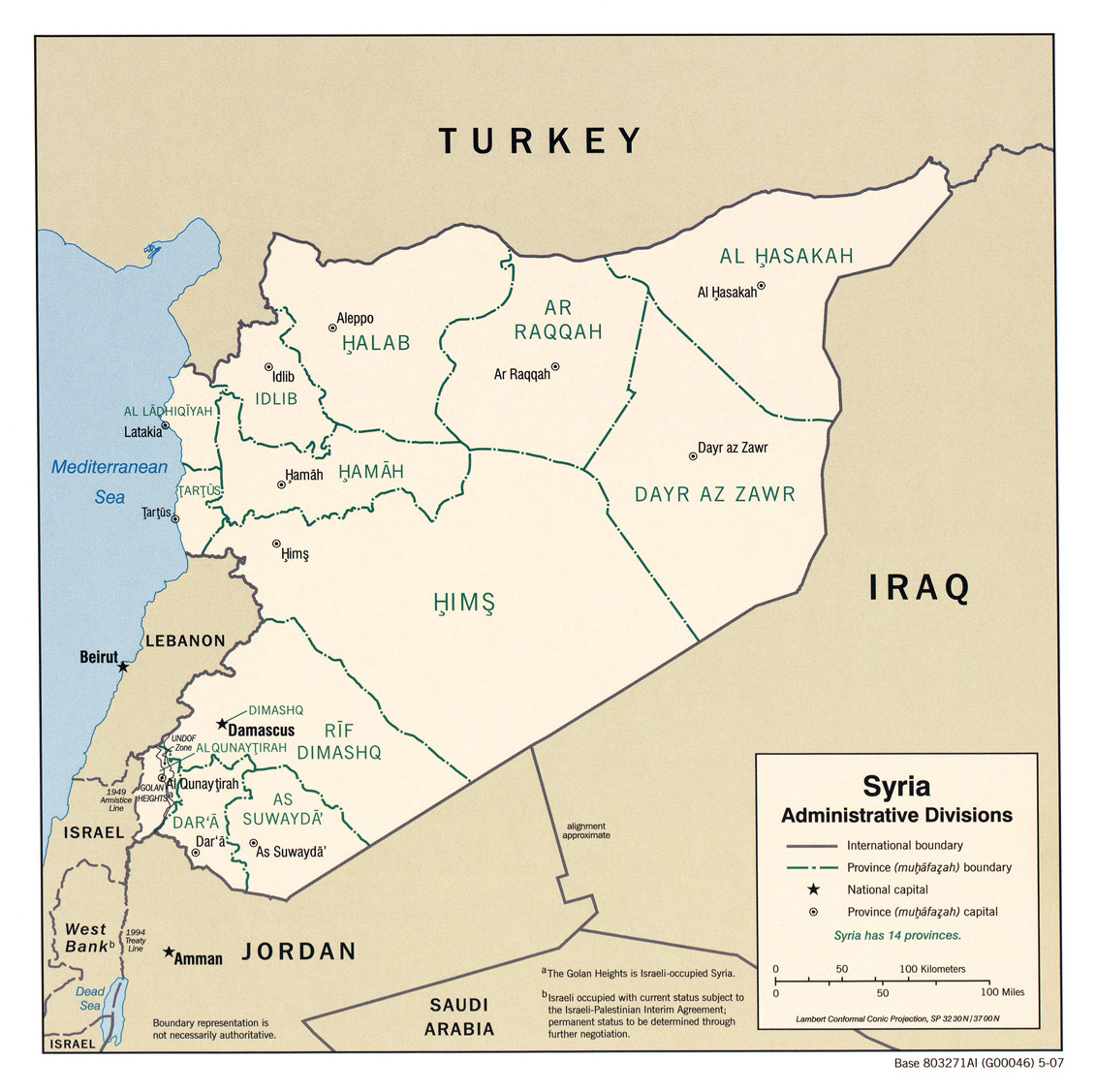
SyriaA suspected US-led coalition strike on a site used by Uyghur militants in Syria's Idlib province has renewed debate over the future of foreign fighters under the country's post-Assad government. Sources told The New Arab on that an aircraft targeted a compound used by a faction formerly known as the Turkistan Islamic Party, in al-Zainiya area near Jisr al-Shughour in western Idlib. While no confirmed information has emerged regarding casualties from the strike, preliminary reports suggested that a leader of Hurras al-Din, a former al-Qaeda affiliate which formally dissolved in January, may have been killed. (Map: PCL)

AI: the case for abolition

AITrump's executive order purporting to establish a regulation regime for artificial intelligence actually serves the aim of a government partnership with the AI industry to advance the police state. Ironically, it is AI company Anthropic that calls for a moratorium on development of the technology until its threats are assessed. Pope Leo XIV's encyclical, "Magnifica Humanitas: On Safeguarding the Human Person in the Time of Artificial Intelligence," raises critical points but still echoes the illusion that this technology, now threatening to develop its own powers of "recursive self-improvement," can be effectively regulated. There are encouraging signs of worker pushback against replacement by AI, and an emerging anarchist critique of the technology. Of course the Trump regime is targeting critics for repression as "anti-tech extremists." In Episode 331 of the CounterVortex podcast, Bill Weinberg again calls for total abolition of AI, citing unacceptable threats to humanity on ecological, epistemological and eschatological grounds. (Image: Pixabay via Wikimedia Commons)