

Syria
Tadamon

Syria: arrest in Assad-era massacre

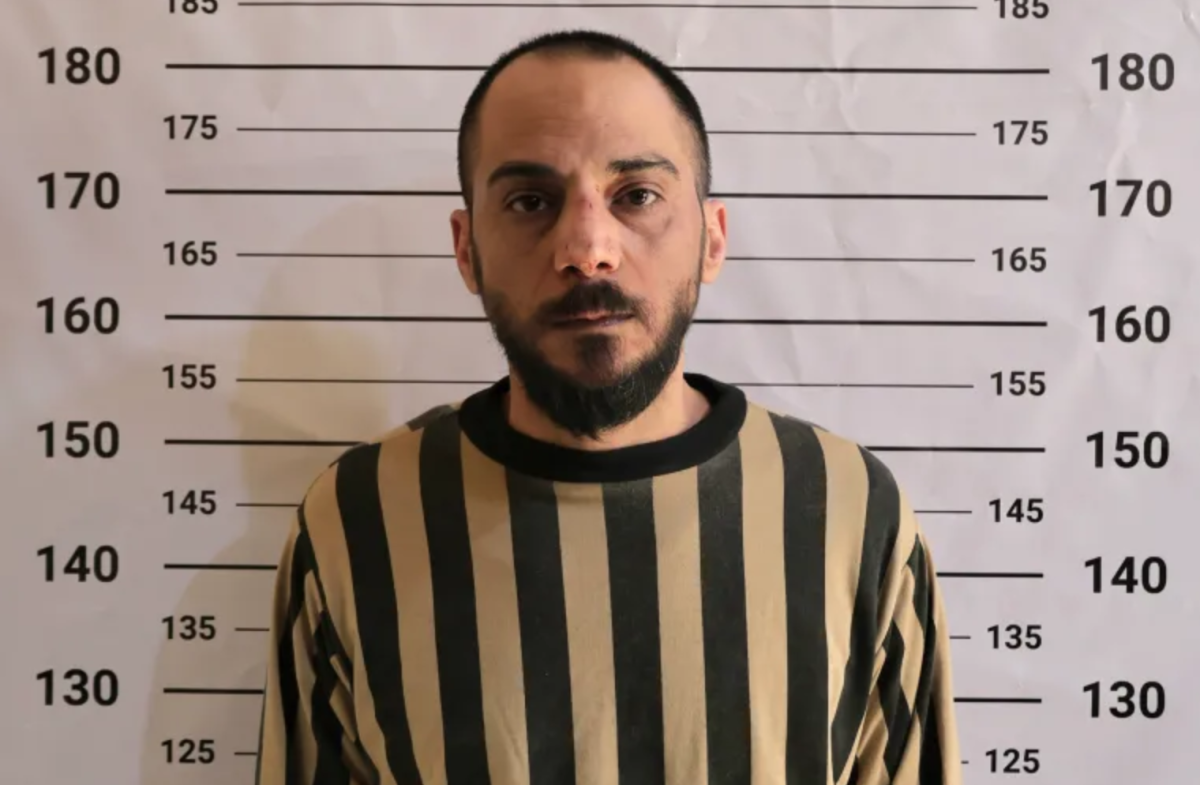
Syria’s Internal Security Forces arrested Amjad Youssef, principal suspect in a massacre of civilians in the Tadamon neighborhood of Damascus in April 2013. Footage emerged in 2022 showing Syrian soldiers leading captives, bound and blindfolded, to a pit before shooting them. The video became one of the most direct pieces of visual evidence of extrajudicial killings by forces of the Bashar Assad dictatorship, which was finally overthrown in December 2024. The leaked footage was released as part of an investigative report prepared by researchers from the Institute for War, Holocaust & Genocide Studies (NIOD) at the University of Amsterdam. Apprehended in a rural area of Hama province following a manhunt, Youssef appeared in the footage, and is believed to have been a member of the notorious Branch 227 of the Assad-era Military Intelligence Directorate. Estimates by the Syrian Network for Human Rights indicate that the death toll in the Tadamon massacre may exceed 450 people. (Photo: SNHR)

Planet Watch
Wiphala

Bolivia, Syria & the challenge of plurinationalism

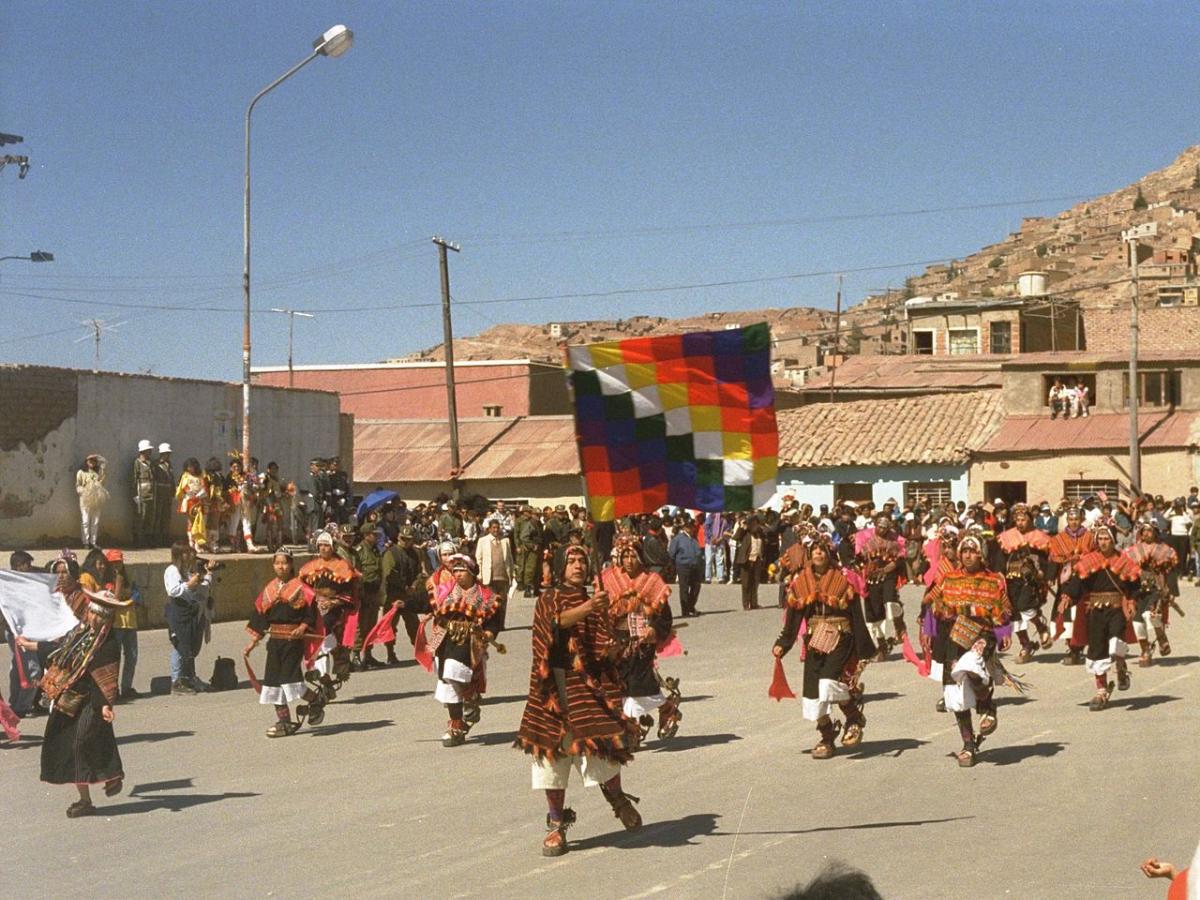
The recent political reversal in Bolivia raises the question of whether the advances of nearly 20 years of rule by the indigenist left will survive—including a constitution that refounded the state as a “plurinational” republic. In Episode 299 of the CounterVortex podcast, Bill Weinberg explores how the lessons of the Bolivian experience can be applied to Syria, where the new revolutionary government faces a challenge in Kurdish and Druze demands for regional autonomy. (Photo: Aymara march in Oruro, Bolivia. Via Wikipedia)

Greater Middle East
Roumieh

Syrian refugees in Lebanon face detention, torture

The DC-based Syrian Emergency Task Force condemned the unlawful detention, torture and abuse of Syrian refugees in Lebanon, which it says has resulted in at least 40 deaths. Since 2014, Hezbollah and complicit Lebanese forces have arrested hundreds of Syrian refugees—particularly supporters of the Syrian Revolution—and sentenced them in unfair military trials, despite repatriation efforts by Syria’s new government. Many are tried before Lebanon’s Military Court for belonging to “terrorist groups”—a reference to rebels fighting the former dictatorship of Bashar Assad, in Syria not Lebanon. (Photo via Facebook)

Syria
Damascus

Syria: revolution on the razor’s edge

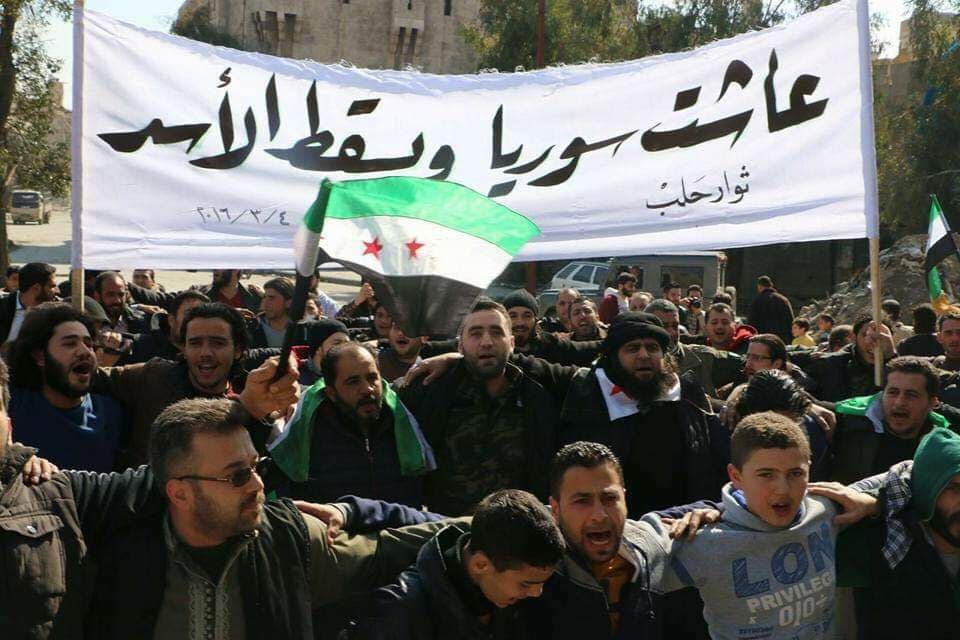
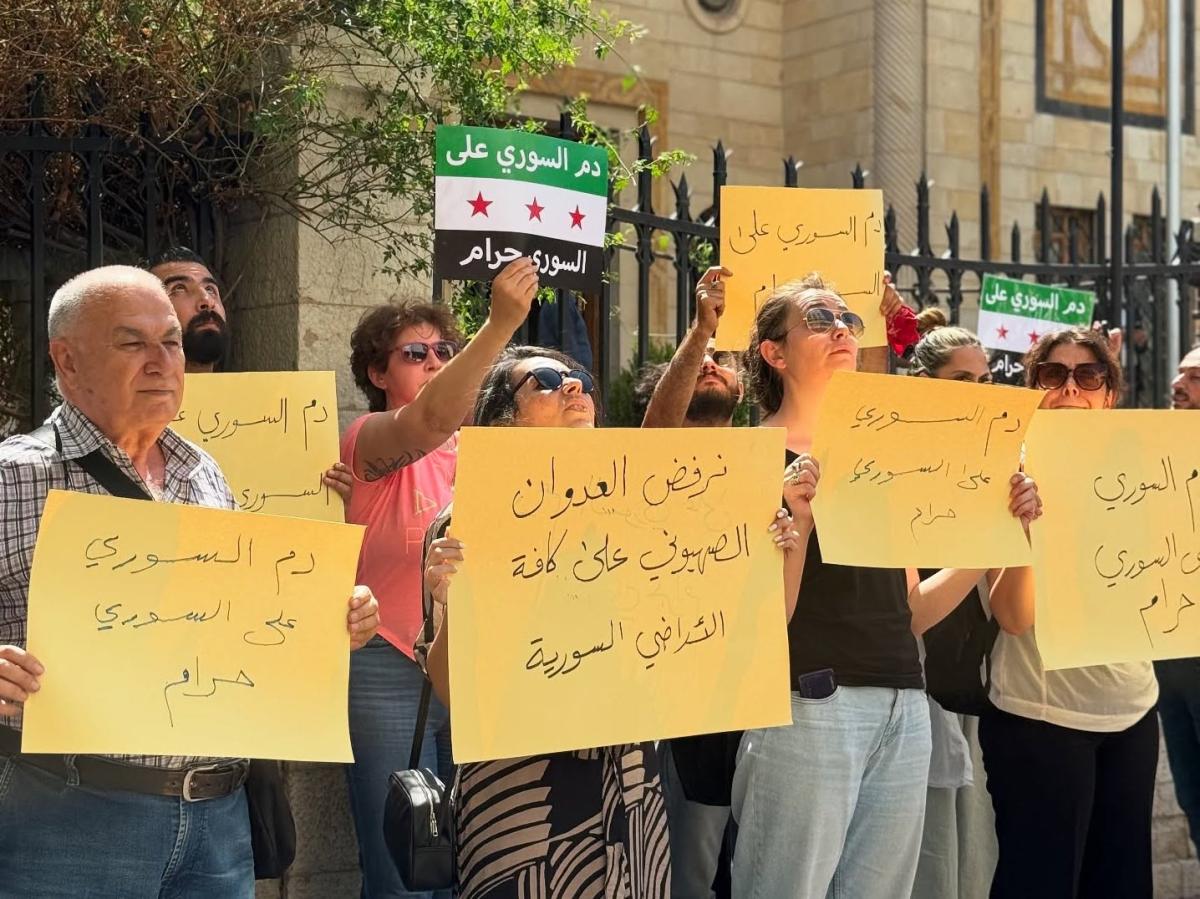
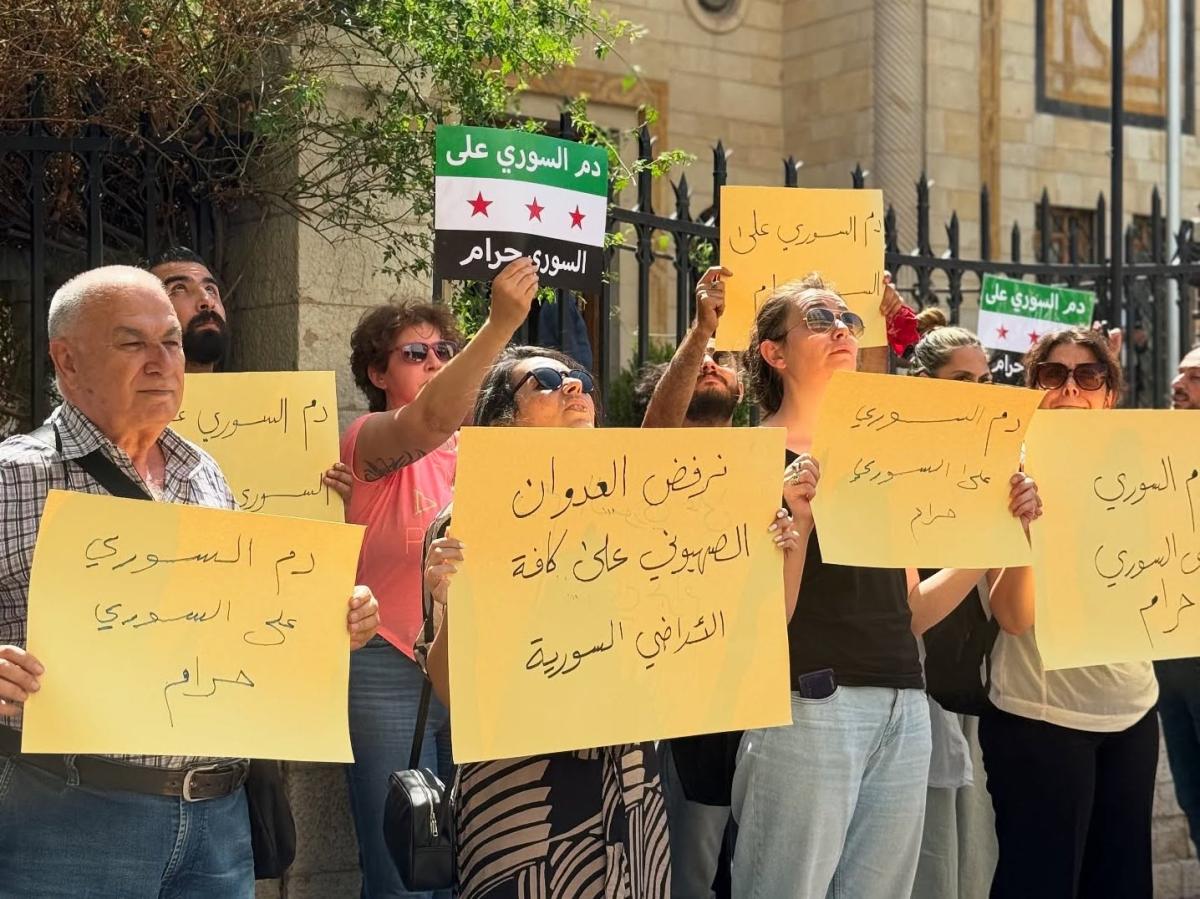
The investigation by the Syrian transition government into the March violence against the Alawites in Latakia province has been submitted—but the full findings have not been made public, and it apparently exonerates the government of involvement. Meanwhile southern Suwayda province has seen a perhaps even deadlier eruption of violence—this time pitting Druze against Bedouin, with the role of the government similarly the source of much contestation (and fodder for Internet partisans). And a Damascus protest against the violence and for co-existence was attacked by goons. Amid all this, Israel is militarily intervening, the government looks to Turkey for military aid, and both the US and Russia still have forces on the ground—treating the country as a Greet Power chessboard. In Episode 288 of the CounterVortex podcast, Bill Weinberg warns that the Syrian Revolution is poised on a razor’s edge, ready to descend into ethno-sectarian war and authoritarianism unless political space can be kept open for the secular-democratic civil resistance that began the revolution 14 years ago. (Image: Banners read “Syrians must not shed Syrian blood” and “We reject Israeli aggression against Syria.” Credit: The Syria Campaign via Facebook)

Greater Middle East
Gulf states

Podcast: MAGA-fascism and the Gulf State tyrannies

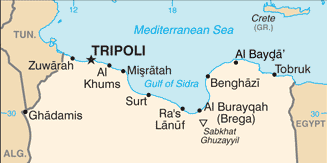
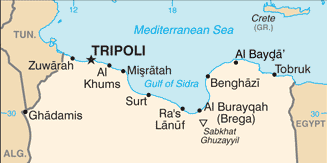
Amid the hype about how Trump “snubbed” Netanyahu on his Middle East trip come reports that his White House is pushing a plan to relocate some 1 million Palestinians from Gaza to Libya—which is in the midst of a massive human rights crisis. Even while on the ground in Qatar, Trump plugged his relocation scheme for the Gazans, who now face complete ethnic cleansing from the devastated Strip. In Episode 279 of the CounterVortex podcast, Bill Weinberg debunks the notion of a Trump tilt away from Israel, and asks why some “progressives” are joining with paleocons to view massive arms deals with the repressive and arch-reactionary monarchies of Saudi Arabia, the UAE and Qatar as a good thing. (Map: PCL)

Syria
SDF

Podcast: Free Syria and the Kurdish question II

In Episode 268 of the CounterVortex podcast, Bill Weinberg examines the continued fighting in Syria since the fall of the Bashar Assad dictatorship in December. The recent outburst of violence in the Alawite heartland on the Mediterranean coast made headlines, but this week also saw anti-regime protests by Druze in Syria’s south. And fighting has never stopped between forces aligned with the new transition government and those of the Kurdish autonomous zone in the northeast. The situation is complicated by continuing military adventures on Syrian territory by foreign powers—Israel, Turkey, Russia and the US. Will Syrians be able to overcome these challenges and forge a democratic and multicultural order, in repudiation of sectarianism, ethno-nationalism and Great Power intrigues? (Photo: SOHR)

Greater Middle East
ARSA

Rojava and the Rohingya: fearful symmetry

Three weeks after the fall of the Bashar Assad dictatorship, the only fighting in Syria remains between Arab and Kurdish militias—holding grim potential for destabilization of the democratic revolution. Kurds had been persecuted and even denied citizenship under the Assad regime, but the invasion of their autonomous territory of Rojava by the Turkish-backed rebels of the Syrian National Army (SNA) drove them into a paradoxical tactical alliance with the dictatorship. The tragic situation in Burma’s Rakhine state mirrors this disturbing reality. The Muslim Rohingya people had been persecuted, denied citizenship and finally targeted in a campaign of genocide by the military, but are now facing attacks by the Buddhist-supremacist rebels of the Arakan Army—driving some Rohingya into a paradoxical tactical alliance with the military junta. In Episode 258 of the CounterVortex podcast, Bill Weinberg offers this analogy in the hope that the peoples of Burma can unite across religious lines to defeat the junta, and that Syrians can find a way toward co-existence in the new revolutionary order and avoid ethnic war. Listen on SoundCloud or via Patreon. (Photo of Arakan Rohingya Salvation Army-ARSA rebels: Burma News International)

Syria
Maariyah

Israeli troops fire on Syrian protesters

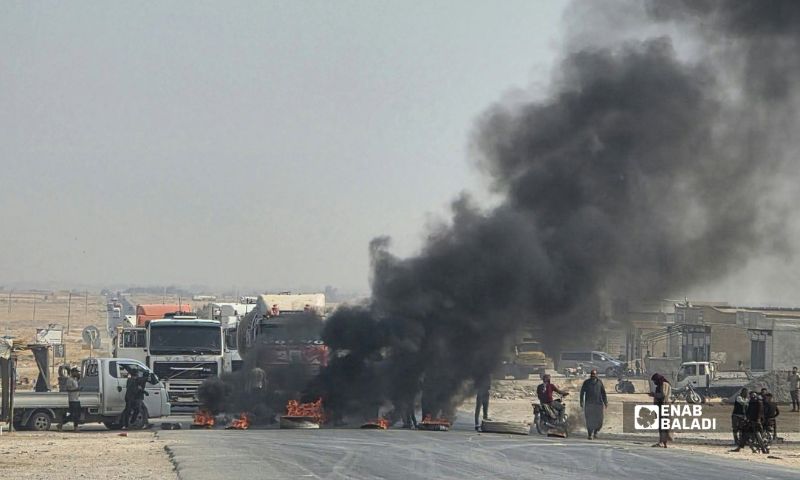
One was wounded as Israeli troops opened fire on Syrian protesters near the village of Maariyah, in southern Daraa province. Local residents gathered at a position the Israel Defense Forces (IDF) had established in the area, chanting “Free, free Syria; Israel get out!” One protester was shot in the leg. The IDF said its soldiers had fired in response to “a threat.” The incident came after villagers said that the troops, stationed in an abandoned Syrian army outpost, were preventing local farmers from accessing their fields. Maariya is near the Israeli-annexed Golan Heights, but outside the demilitarized “buffer zone” established by a 1974 ceasefire agreement between Israel and Syria. The news appears to confirm reports that IDF troops have advanced beyond the “buffer zone.” (Image via Twitter)

Syria
SDF

Podcast: Free Syria and the Kurdish question

Amid jubilation following the overthrow of long-ruling dictator Bashar Assad, the only fightingin Syria is now between Arabs and Kurds—as the Turkish-backed Syrian National Army (SNA) expels the Kurdish-led Syrian Democratic Forces (SDF) from the town of Manbij. Ankara’s design is clearly to expunge the Kurdish autonomous zone in the northeast region of Rojava. Yet there are also positive signs of an accommodation between the Rojava Kurds and the new revolutionary administration in Damascus. In Episode 256 of the CounterVortex podcast, Bill Weinberg examines the new political landscape in Syria and tries to identify a way forward—past the threat of ethnic war and toward a multicultural democracy. Listen on SoundCloud or via Patreon. (Image: Rudaw)

Syria
B-52

Syrian revolution met with US, Israeli air-strikes

The same day the Assad regime fell and rebel forces took Damascus, the US military carried out a series of air-strikes against Islamic State positions across central Syria. The Pentagon’s Central Command announced that it “struck over 75 targets using multiple US Air Force assets, including B-52s, F-15s, and A-10s.” The targets included “ISIS leaders, operatives, and camps.” Also that day, Israeli warplanes conducted dozens of raids across Syria, including in Damascus. The Syrian Observatory for Human Rights (SOHR) counted more than 100 Israeli strikes on military and industrial targets, including a research center believed to be linked to chemical weapon production. Israel said it was acting to stop weapons from falling “into the hands of extremists.” Israel has additionally seized control of a demilitarized “buffer zone” in the Golan Heights, saying the 1974 disengagement agreement with Syria had “collapsed” with the rebel take-over of the country. (Photo of B-52 bomber: USAF via A&SF)

Syria
Aleppo

Syria: after the fall of the regime

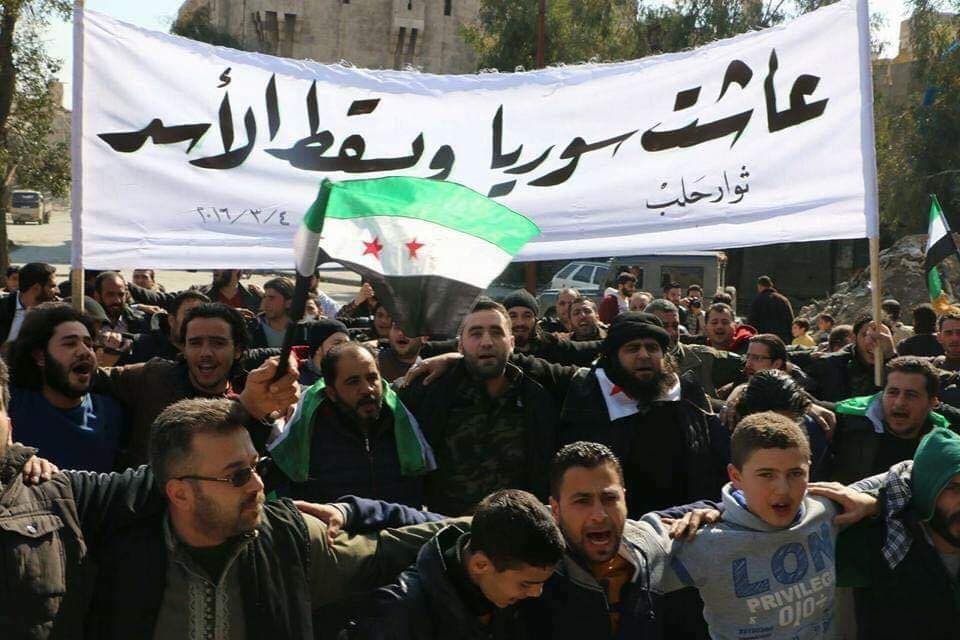
As Syrian rebels advanced on Damascus in a surprise lightning offensive, the Rojava Kurds seized territory from the Bashar Assad regime, and the Druze took up arms in their own region. After years of the lines in the conflict being frozen and the genocidal Assad dictatorship being “normalized,” the unthinkable happened and the dictator fled. Suddenly the 13-year aim of the Syrian Revolution has been realized—the fall of the regime. But the lead rebel faction, Hayat Tahrir al-Sham (HTS), has an ugly past, its partner the Syrian National Army (SNA) is in the political orbit of Turkish aspiring dictator Recep Tayyip Erdoğan, and the threat of Arab-Kurdish ethnic war in northern Syria looms closer. Amid a conflict now dominated by armed actors, can the unarmed civil resistance that began the revolution 13 years ago re-assert itself, and revive the secular-democratic spirit of 2011? In Episode 255 of the CounterVortex podcast, Bill Weinberg takes a hard look. Listen on SoundCloud or via Patreon. (Photo of Aleppo Citadel in rebel hands via social media, e.g. Twtter)