Watching the Shadows
computer smash

Podcast: rage against the technocracy II

Amid global protests over the genocide in Gaza, the hypertrophy of digital technology and its colonization of every sphere of human existence continue to advance, portending the ultimate eclipse of human culture and real life, the death of literacy, and the hegemony of saturation propaganda. While the Arab Revolution of 2011 was facilitated through social media, those same platforms are today being used as conduits for propaganda and disinformation lubricating the reconsolidation of dictatorships. This is all about to get much worse—with propaganda especially getting exponentially more sophisticated—through the advent of artificial intelligence. What is urgently mandated—ultimately, even to be able to effectively oppose genocides and dictatorships—is a revolution of everyday life, reclaiming human reality from digital totalitarianism. The uprising in El Salvador against the mandatory imposition of Bitcoin as legal tender in 2021 still stands as a glimmer of hope, pointing to the potentiality of this kind of revolution—even if the aspiring autocrat Nayib Bukele, who made Bitcoin a national currency, put down the uprising and is now consolidating an authoritarian regime. Bill Weinberg rants against the digital Borg in Episode 242 of the CounterVortex podcast. Listen on SoundCloud or via Patreon. (Image: Earth First! Newswire)

Planet Watch
Nairobi

World war or world revolution?

In Episode 239 of the CounterVortex podcast, Bill Weinberg provides an overview of the protest waves and uprisings going on across the planet—in Kenya, Uganda, Nigeria, Bangladesh, India, China, Serbia, Venezuela, and in Israel. This as worldwide protests in solidarity with the Palestinians of Gaza continue. Amid ongoing protests against Netanyahu in Israel, there have also been protests against Hamas in Gaza. Despite internal dangers and contradictions in all these upsurges, there is a sense that we could be approaching a revolutionary moment such as that seen in 2011—the year of the Arab Spring and Occupy Wall Street. And with the planet on an accelerating trajectory toward world war, the linking of these upsurges through conscious solidarity and the infusion of anti-war content to their demands is urgently mandated. Listen on SoundCloud or via Patreon. (Photo via Twitter)

Syria
Idlib

Syria: protests against HTS face repression in Idlib

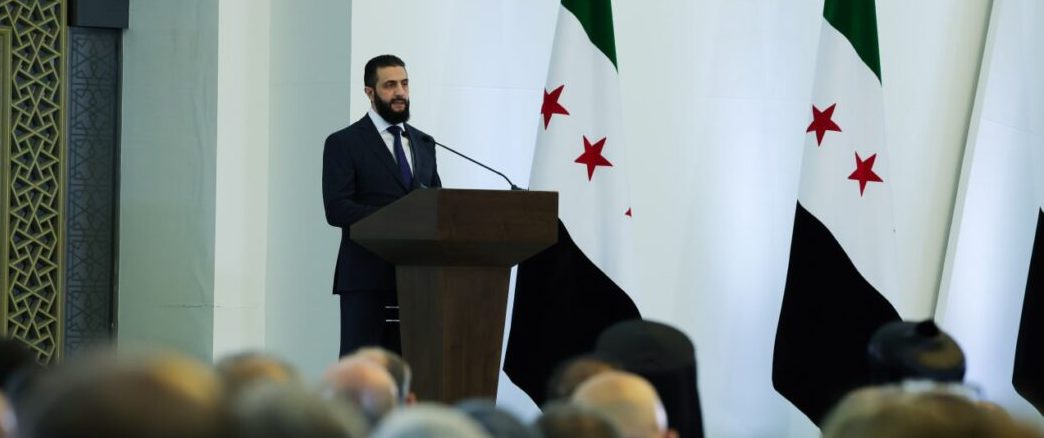
Security forces of Hayat Tahrir al-Sham (HTS), the Islamist militia that controls much of northwest Syria, put down protests that broke out in cities and towns across Idlib province. In the Idlib cities of Binnish and Jisr al-Shughour, HTS forces beat protesters with batons, deployed armored vehicles, and fired tear-gas and even live rounds to disperse demonstrations calling for the fall of the militia group and its leader, Abu Muhammad al-Jolani. Since then, HTS has increased security in the region, establishing checkpoints and roadblocks, especially aimed at preventing protesters from gathering in the provincial capital, Idlib City. Protests against HTS rule have been mounting in Syria’s northwest since the start of the year. (Photo: Macro Media Center)

Palestine
apartheid wall

Free Syria solidarity statement with Palestine

The Intersectional Syria website has issued a “Statement of Free Syrians in Solidarity with the Palestinian People,” opening: “We, Syrians united in the revolutionary struggle against the Assad regime and its imperialist sponsors, stand firmly and unequivocally with the Palestinian people in Gaza, the West Bank and across historic Palestine, in their fight for liberation from Israeli colonisation, occupation and apartheid.” In addition to drawing parallels between bombardment and repression by Israel and the Bashar Assad dictatorship, the statement emphasizes the historical and cultural links between the Syrian and Palestinian peoples—and accuses the Assad regime of hypocritically exploiting the Palestinian cause in rhetoric while betraying it in actual deeds. (Photo of man painting Palestinian and Syrian flags on the West Bank separation wall, via Intersectional Syria)

Africa
Sudan for Ukraine

Ukrainian special ops against RSF in Sudan: report

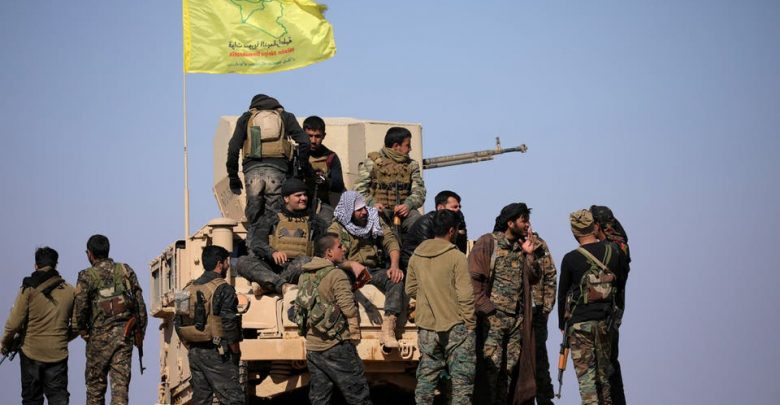
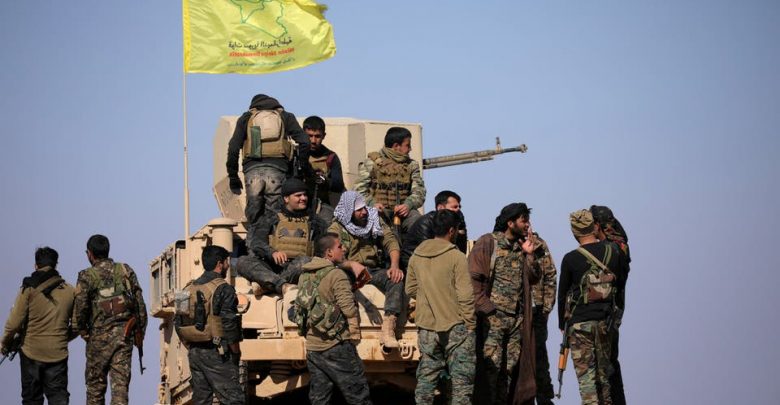
Ukrainian special forces were likely behind a series of drone strikes and a ground operation directed against the paramilitary Rapid Support Forces (RSF) near Sudan’s capital Khartoum, a CNN investigation has found. An unnamed military source in Kyiv told CNN: “Ukrainian special services were likely responsible.” The RSF, which took up arms against the ruling junta in an evident effort to derail Sudan’s planned democratic transition in April, is believed to be backed by Russia’s mercenary Wagner Group. (Photo: Sudan Tribune)

Greater Middle East
Bahrain

Israel and Bahrain: partners in repression

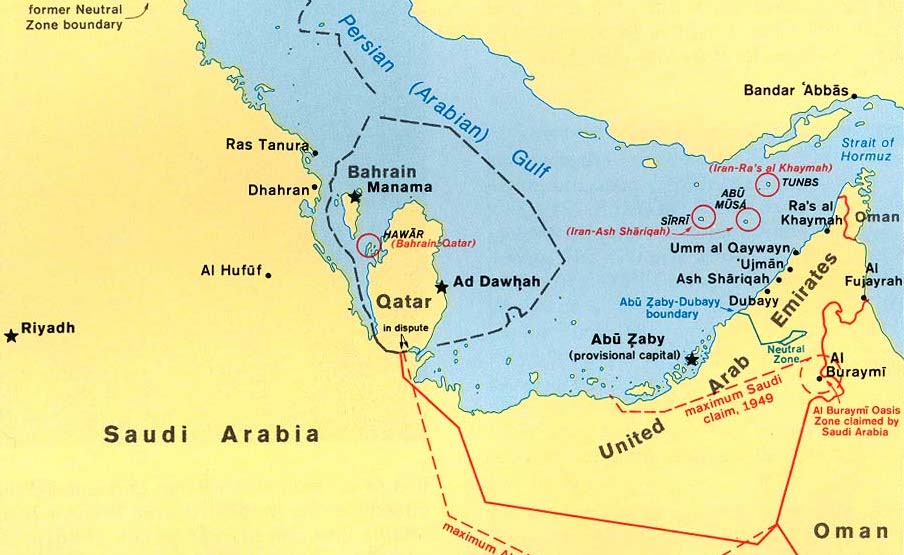
Israeli Foreign Minister Eli Cohen met with the crown prince of Bahrain, Salman bin Hamad Al Khalifa, at Gudaibiya Palace in the capital Manama, to discuss boosting trade and diplomatic ties, which were first established in 2020 as part of the so-called Abraham Accords. Cohen said he hoped this would be a precedent for “normalization” of Israel’s relations with other Arab states. Tellingly, the meeting came as Israel and Bahrain are each facing hunger strikes in their prisons, with political detainees protesting harsh conditions and restrictions on their basic rights. (Map: PCL)

Syria
idlib

Syria: revolution reborn

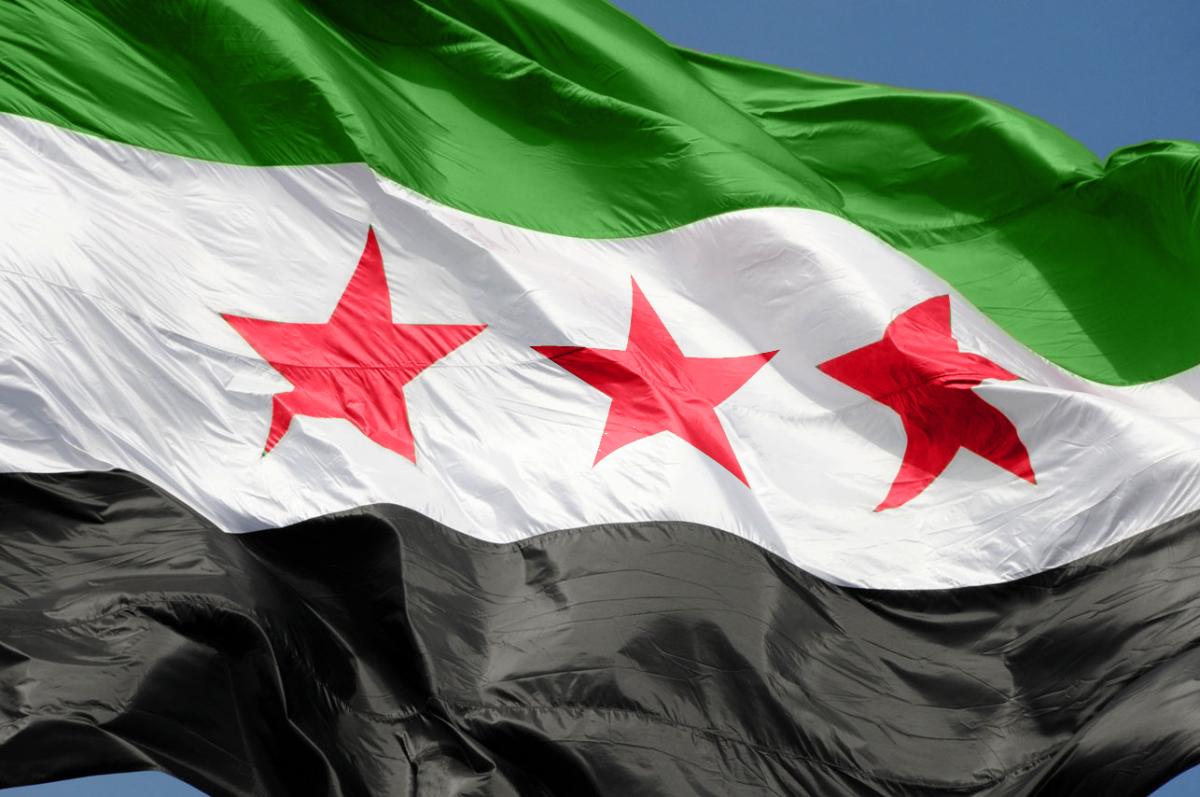
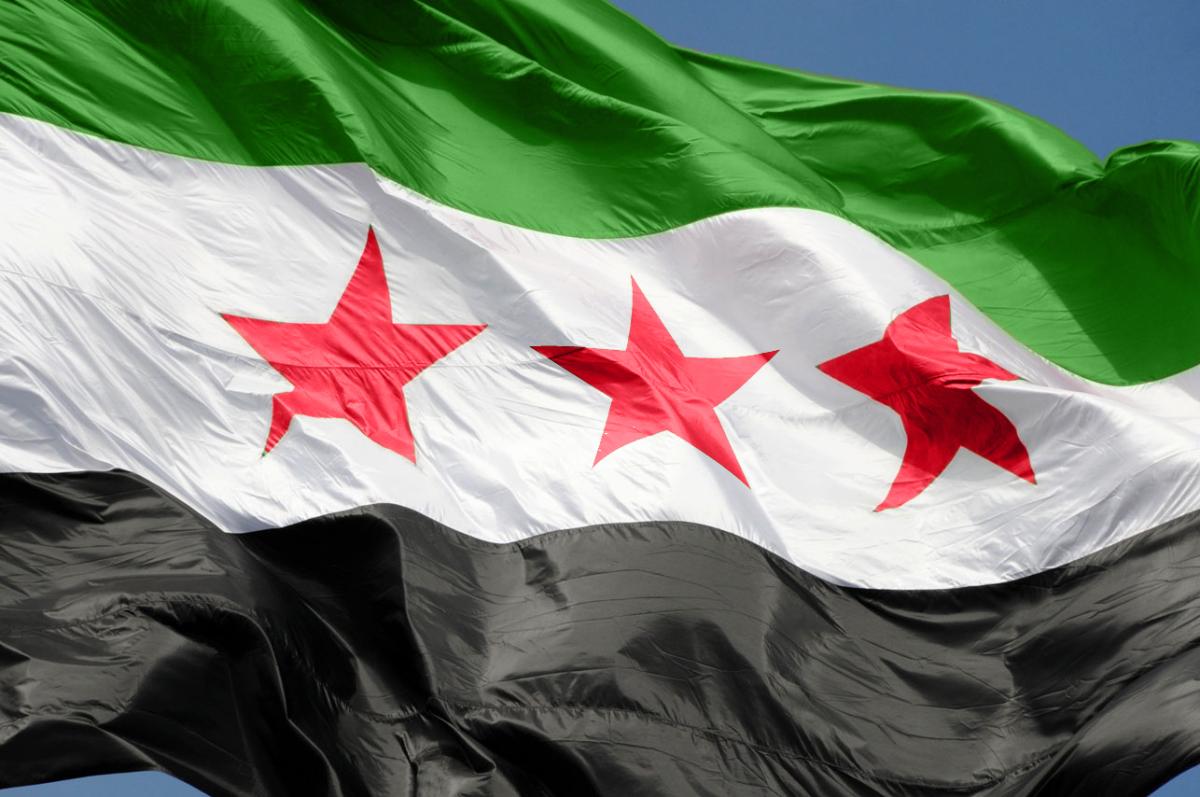
The Free Syria flag again flew high in villages, towns and cities across the country, as thousands filled the streets, reviving the chants of the revolution. Protests first erupted in the regime-held south of the country, especially the Druze-majority city of Suwayda. They were triggered by a recent increase in fuel prices as the regime has yet again cut subsidies. But the protests soon escalated to renewed calls for the downfall of the Bashar Assad dictatorship, and spread to other regime-held cities—including Aleppo, the country’s largest, which was savagely bombarded by regime and Russian warplanes in 2015-6. Demonstrations in support of the new uprising were also mobilized in the opposition-held northern pocket of the country. (Photo of Idlib demonstration by Omar Albam, via Leila’s blog)

Greater Middle East

MENA Jews: Zionism or indigeneity?

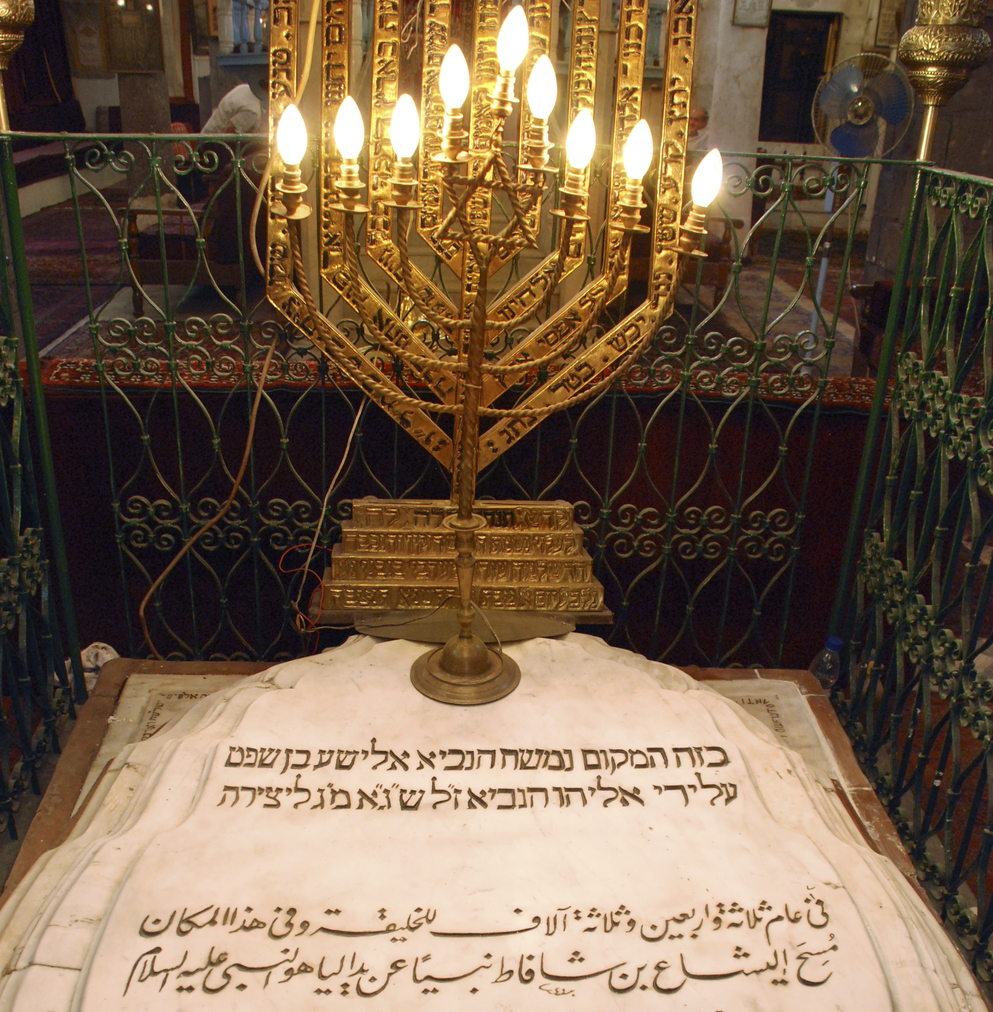
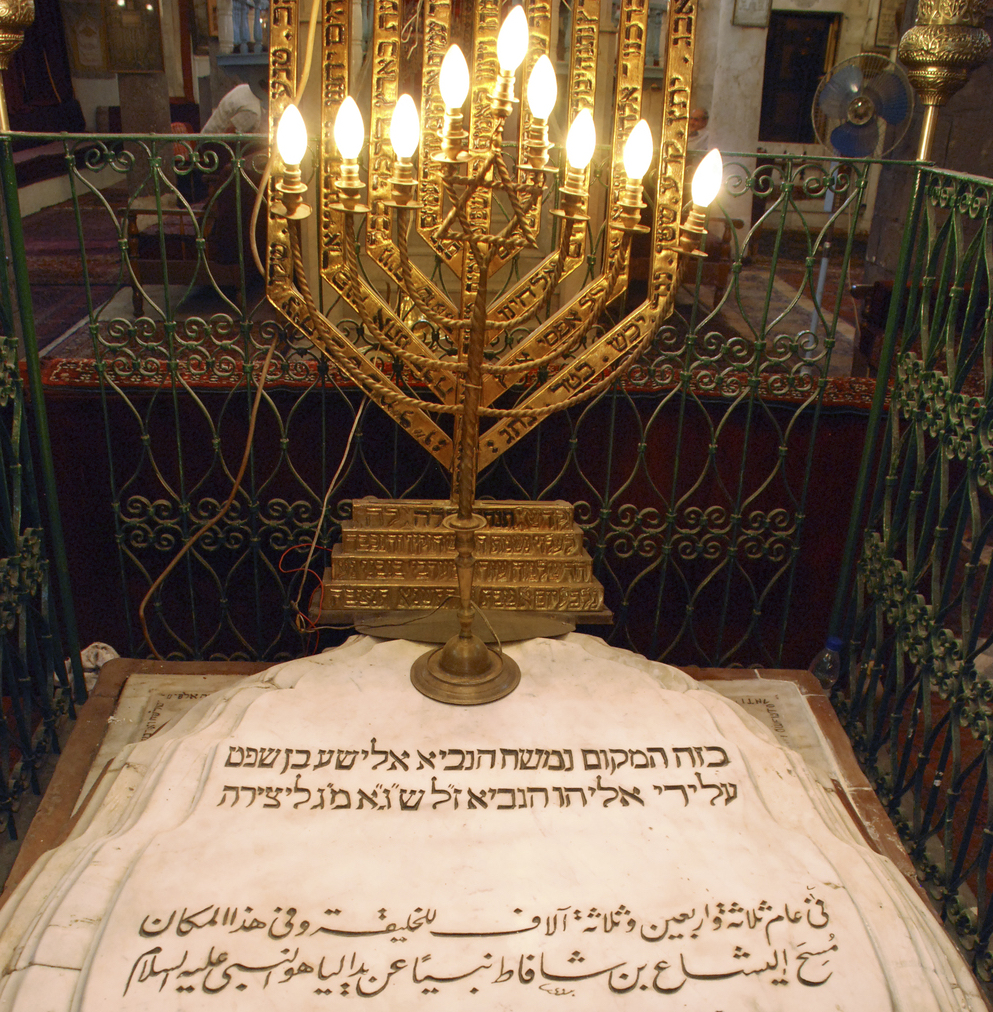
Amid deadly Israeli air-raids on Gaza, a terror attack targets the ancient Ghriba Synagogue in Djerba, Tunisia. The attack came as Jews from throughout the Mediterranean world gathered at Ghriba in the annual pilgrimage for the Lag B’Omer festival. In Episode 173 of the CounterVortex podcast, Bill Weinberg recalls how the Jews of Djerba have been repeatedly targeted over the past generation, with this latest attack coming in the context of a reconsolidating dictatorship in Tunisia and a harsh crackdown on the opposition. Yet the Tunisian Jews continue to resist Zionist pressure to emigrate to Israel, instead embracing their North African indigeneity. This embrace is overwhelmingly returned by the country’s Arab and Muslim majority, in repudiation of extremists who would target Tunisian Jews to avenge Israeli crimes. Prominent Tunisians were among the Muslims who sheltered Jews during the World War II Axis occupation of North Africa. Listen on SoundCloud or via Patreon. (Photo: Rabbis at Djerba synagogue, 1940, via Beit Hatfutsot)

Syria
syria

Syria: regime ‘normalization’ —amid war and hunger

At a closed meeting in Cairo, Arab League foreign ministers approved a measure to readmit Syria after more than a decade of suspension—a critical victory for the normalization of Bashar Assad’s genocidal regime. This diplomatic coup, however, cannot mask the reality that Syria’s war is not over. Assad may have retaken most of the country, but various rebel and Kurdish forces still control much of the north. Civilians are still being killed in shelling and other violence. Even before earthquakes devastated large parts of northern Syria three months ago, continuing conflict and a debilitating economic crisis meant deepening hunger. Humanitarian needs in Syria were already at a record high. But amid mounting global crises, the UN-coordinated appeal for Syria in 2023 is only eight percent funded. And food prices are still rising, making it harder still for aid groups to meet the urgent and growing needs of millions of Syrians. (Photo: Giovanni Diffidenti/UNICEF via UN News)

Africa
RSF

Russian ‘fingerprints’ on Sudan coup attempt

As fighting continues in Sudan, derailing a transition to democratic rule that was slated for this month, commentators note Russia’s connection to the paramilitary Rapid Support Forces (RSF) that sparked the crisis by attempting a coup d’etat. The Kremlin’s notorious mercenary force, the Wagner Group, is said to be engaged in illegal gold mining operations in Darfur and Kordofan regions in collaboration with the RSF. Operations at a Wagner-protected mine owned by RSF warlord Mohammed Hamdan Dagolo AKA “Hemeti” in the Nuba Mountains of South Kordofan have sparked protests by locals over land-grabbing and pollution. The arrangement points to a Kremlin-backed design to make the RSF economically independent of the Sudanese state in preparation for a seizure of power. (Photo via Dabanga Radio)

Africa
Sudan

‘Civil war’ fears as RSF attempts coup in Sudan

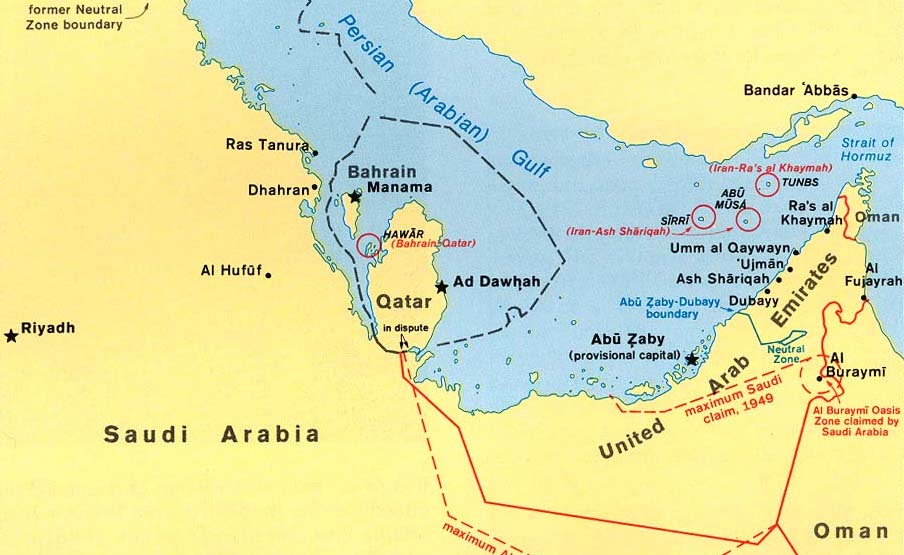
Fierce clashes broke out between the Sudan Armed Forces (SAF) and the paramilitary Rapid Support Forces (RSF), with at least 56 civilians and dozens of fighters reported dead across Sudan. The fighting began in the capital Khartoum, as the RSF attempted to seize control of the presidential palace and international airport. The RSF was driven back from the airport with air-strikes. Fighting quickly spread to other cities, as the two forces attacked each other’s installations and positions. Tensions had been building over plans to incorporate the RSF into the SAF as a condition of Sudan’s pending democratic transition. The Sudan Policy & Transparency Tracker (STPT) has called for an emergency session of the UN Security Council, warning of an imminent risk of “civil war.” (Map: PCL)

Syria
ssnyc

Syria: reject ‘normalization’ of Assad regime

Syrian dictator Bashar Assad arrived in the United Arab Emirates for an official visit—another advance in the attempt to normalize his genocidal regime. The trip was accompanied by more pomp than Assad’s visit to the UAE last year, his first to an Arab state since the Syrian revolution began in March 2011. The UAE trip follows a visit to Oman last month. Days before the UAE visit, Assad was in Moscow for a meeting with Vladimir Putin at the Kremlin. In addition to voicing support for Putin’s war in Ukraine, Assad told Russia state media that he welcomes any expansion of Moscow’s military bases in Syria. Meanwhile, opposition activists held a demonstration in Idlib, within Syria’s diminished pocket of rebel control, marking the 12th anniversary of the revolution. Thousands gathered under the Free Syria flag in the city’s center, to proclaim that the revolution survives and to oppose normalization of the regime. (Photo: Syrian Revolution commemoration in Times Square, NYC. Via Syria Solidarity NYC)