

Israeli air-strike destroys Tehran synagogue
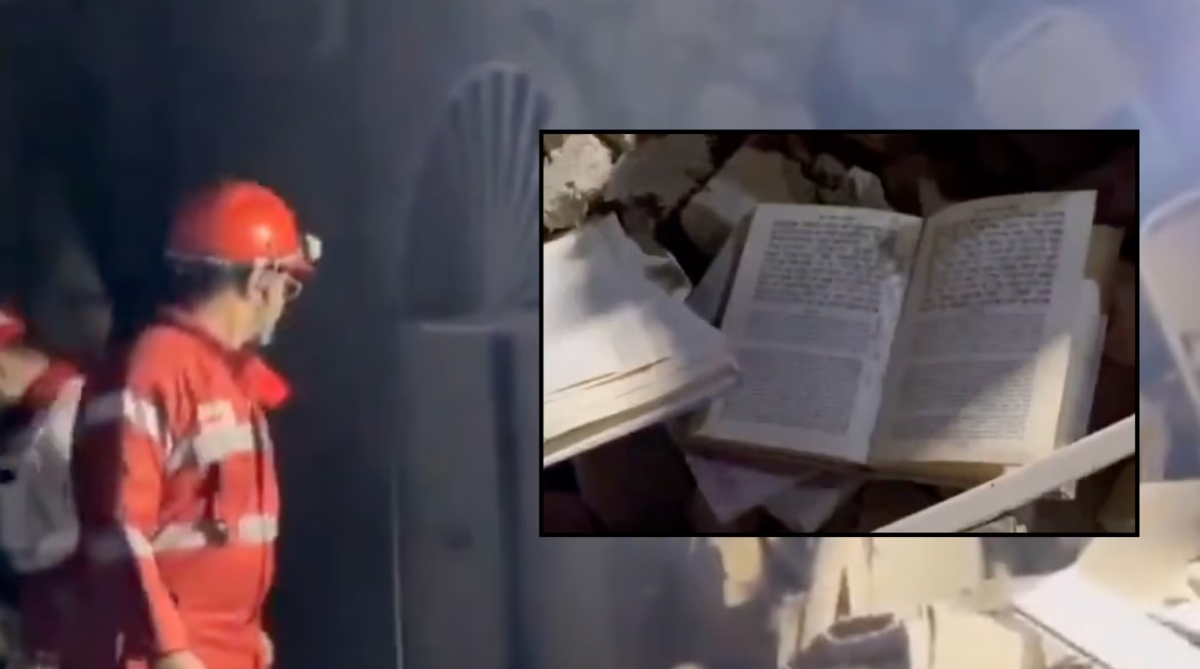
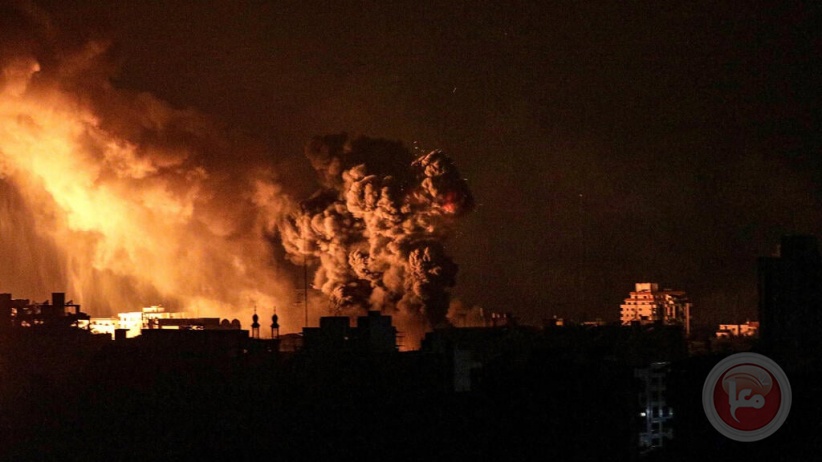
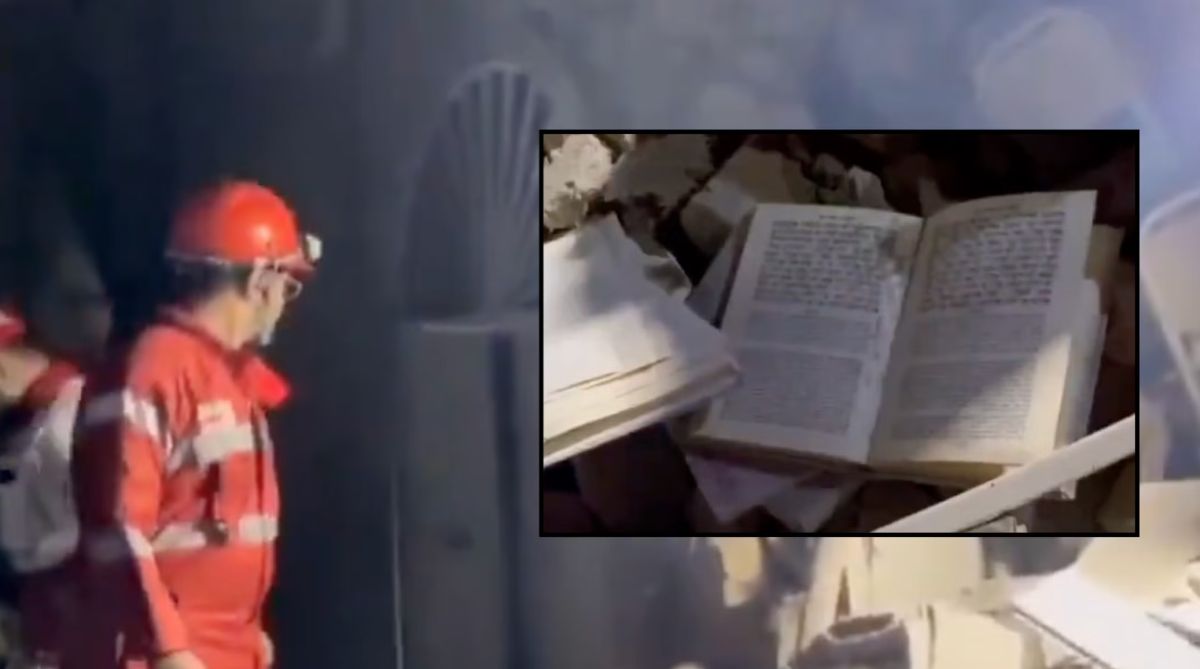
synagogueAn apparent Israeli air-strike on the Iranian capital Tehran "completely destroyed" one of the city's synagogues, according to local media. Footage appeared to show rescue workers searching through the rubble of the ruined Rafi-Nia synagogue, with Hebrew liturgical texts strewn on the ground. The strike came during the Jewish holiday of Passover. There was no immediate report of casualties. A statement from the local Jewish community said: "We, the Jews of Iran, condemn the brutal attacks carried out by the American-Zionist enemy against our dear homeland and the Rafi-Nia synagogue." The the Israel Defense Forces (IDF) said that the IDF "regrets the collateral damage to the synagogue and emphasizes that the strike was targeted at a senior military target within the regime's armed forces, not at any place of worship." (Screenshot via JTA)
Syria

Renaissance for Syrian Jews?

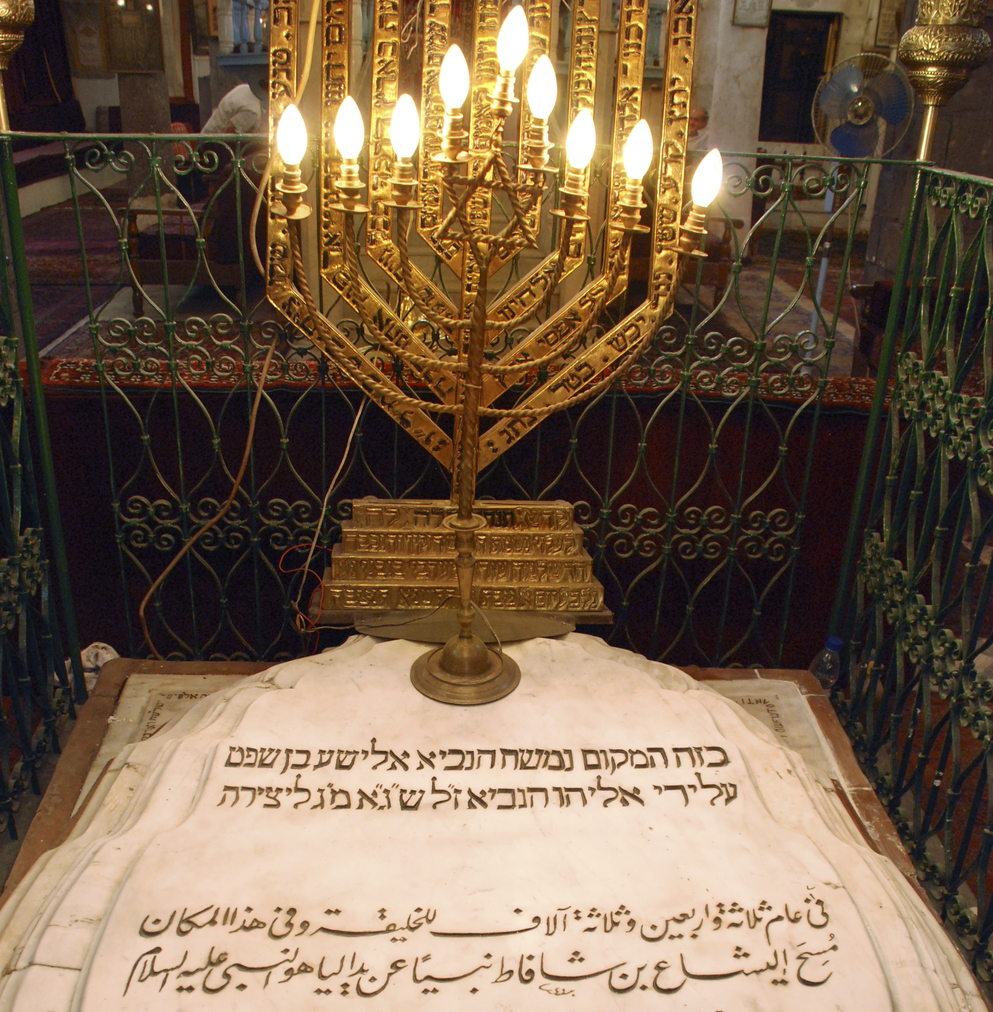
JobarIn a video published on social media, a representative of the new transitional government in Syria spoke with Bakhour Chamntoub, head of Damascus' small remnant Jewish community, promising "peace and security" and even calling on Syrian Jews abroad to return to the country. Said the representative, Mohammad Badarieh: "Good evening everyone… from the home of the head of the Jewish community in Damascus, Bakhour. Reassure us that you're alright." Replied Chamntoub: "Thank God, all is well." Referring to Syrian Jews outside the country, Chamntoub acknowledged: "They don’t believe there will be peace, and that they can return home." But, addressing the diaspora, he echoed the pledge of the transition government: "You will be safe, there will be peace and quiet, and God willing, you'll return, everyone to his house, to his neighborhood, and to his people…." Chamntoub added that he hopes for the restoration of the city's ancient Jobar synagogue, which was badly damaged in shelling by the Assad regime. (Photo: Chrystie Sherman)

Israel uses AI to expand Gaza targeting: report

GazaThe Israel Defense Forces' expanded authorization for bombing non-military targets, the loosening of constraints regarding expected civilian casualties, and the use of artificial intelligence to generate more potential targets than ever before, appear to have contributed to the destructive nature of the current war on the Gaza Strip, an investigation by progressive Israeli website +972 reveals. These factors, as described by current and former Israeli intelligence officials, have likely played a role in producing what has been one of the deadliest military campaigns against Palestinians since the Nakba of 1948. (Photo: Maan News Agency)

Jewish-Arab solidarity meetings held in Haifa

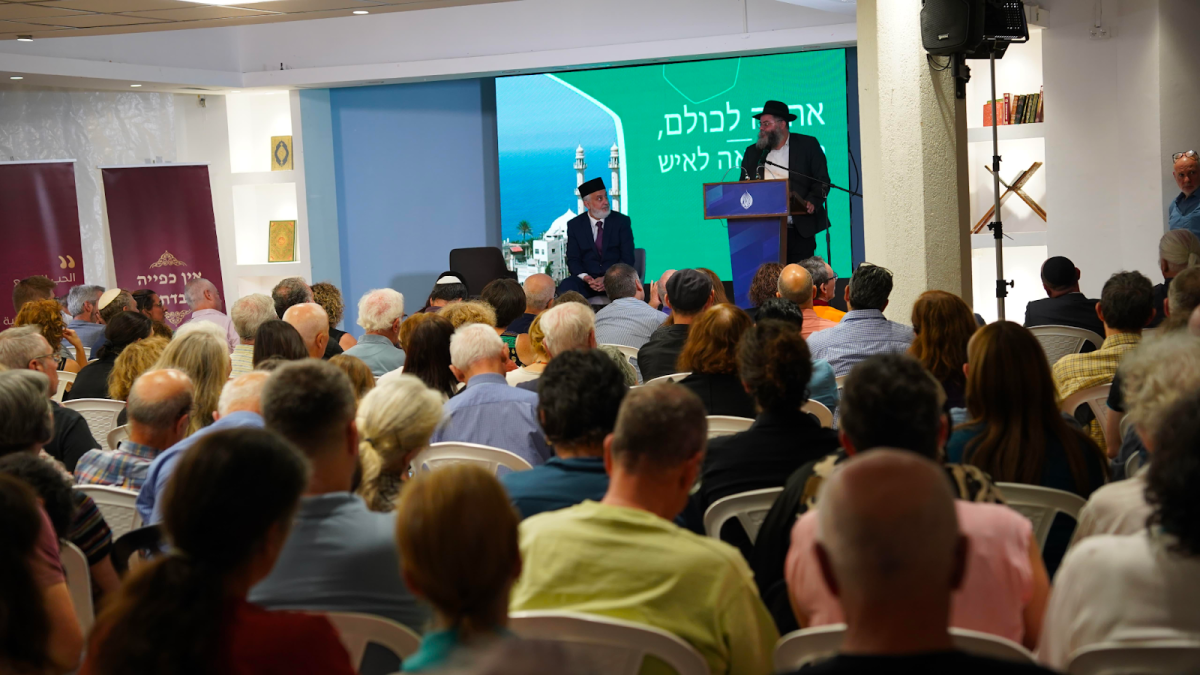
HaifaSince the Gaza bombardment began, three joint Jewish-Arab gatherings for coexistence and mutual solidarity have been held in Haifa, hosted by the Israeli city's Ahmadiyya Mahmud Mosque. The Ahmadiyya Muslim Community convened meetings, bringing together representatives from various faiths, including Jewish rabbis, Christian pastors, Muslim and Druze imams, and even a Buddhist monk. The meetings have drawn up to 600 attendees. The Ahmadiyya amir of the Holy Lands, Muhammad Sharif Odeh, urged Jewish guests not to justify collective retaliation: "It is haram [unlawful] to kill civilians and innocent people—this is not the right way, there are other solutions, without weapons. Muslims and Jews have lived together for more than 1,300 years, and Jews were given their rights under the Muslim rule… Muslims and Jews should know that not speaking up in the face of oppression destroys the human feelings in our hearts, and stops us from feeling empathy towards the pain and suffering of each other." (Photo: Al Hakam. Banner reads: "We are allies, not adversaries")

New Israeli admin in West Bank propaganda ploy

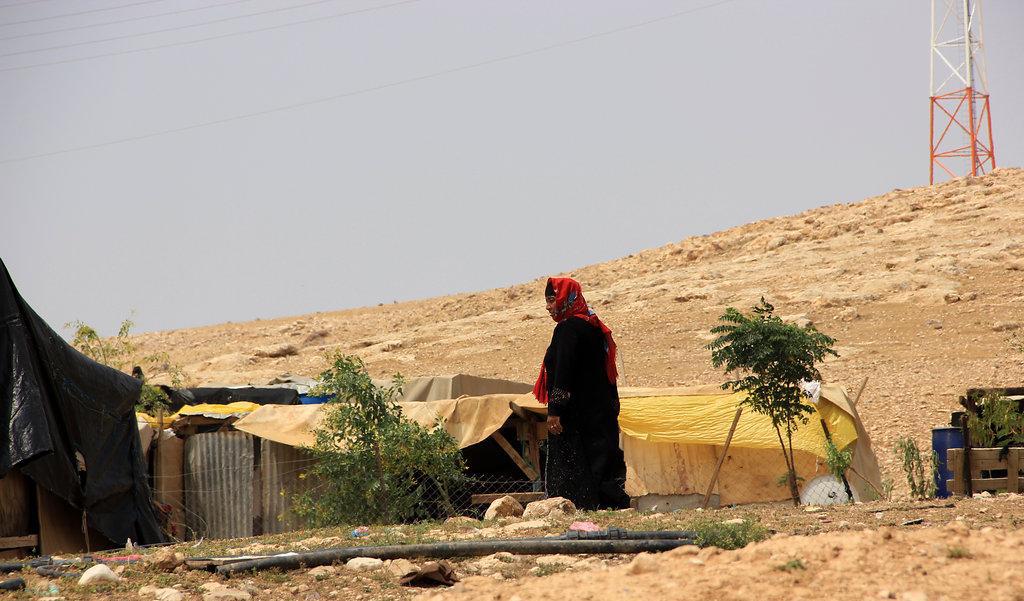
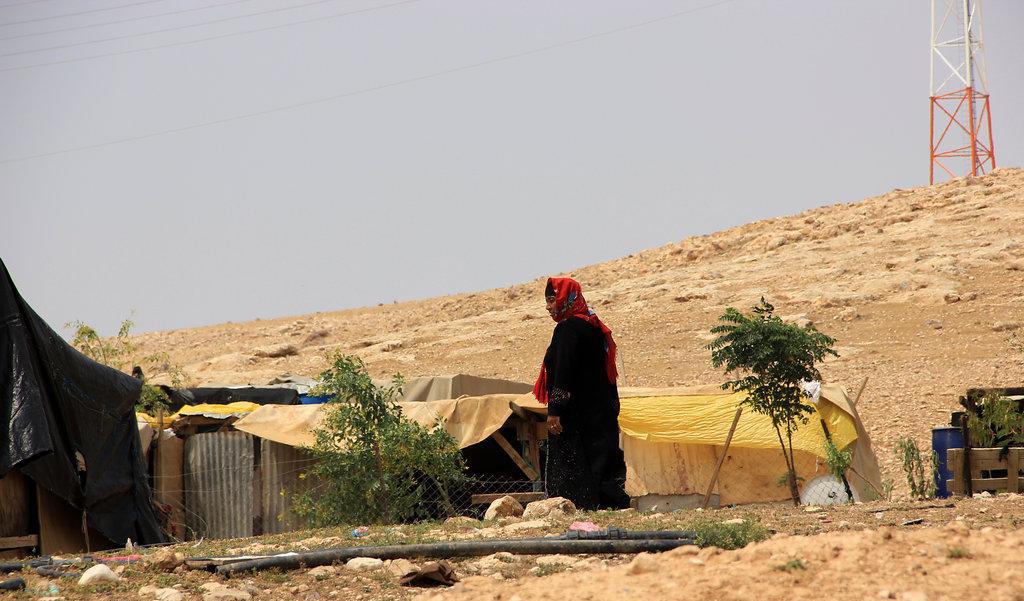
Khan al-AhmarUS National Security Adviser Jake Sullivan met in Jerusalem with President Isaac Herzog, signaling continued US support for Israel's new far-right government—despite the Biden administration's supposed opposition to its policies such as settlement expansion and annexation of the West Bank. The trip coincided with Israel's eviction of a wildcat settler outpost in what Israeli authorities call the "Samaria" region of the West Bank. Simultaneously, the Israeli government announced it is preparing to demolish the Bedouin village of Khan al-Ahmar on the eastern outskirts of Jerusalem, home to at least 180 people. Khan al-Ahmar lies within a key corridor stretching to the Jordan Valley, where Israel aims to expand and link settlements, effectively cutting the West Bank into two. (Photo: B'Tselem)

Israel: protests mount against far-right government

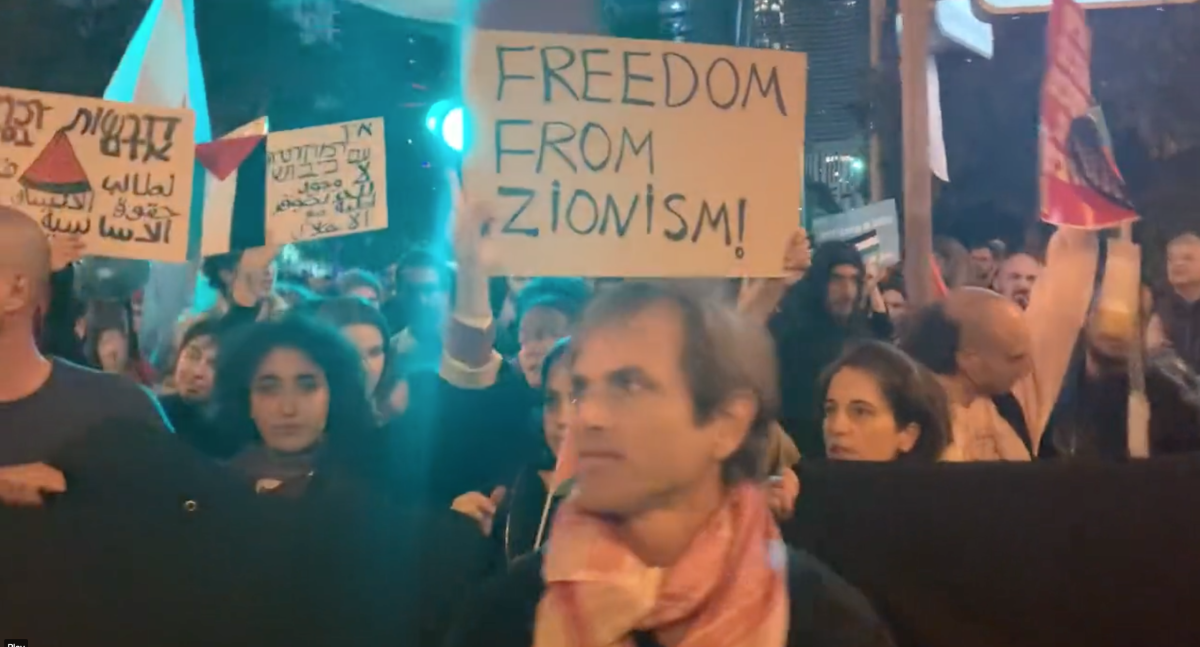
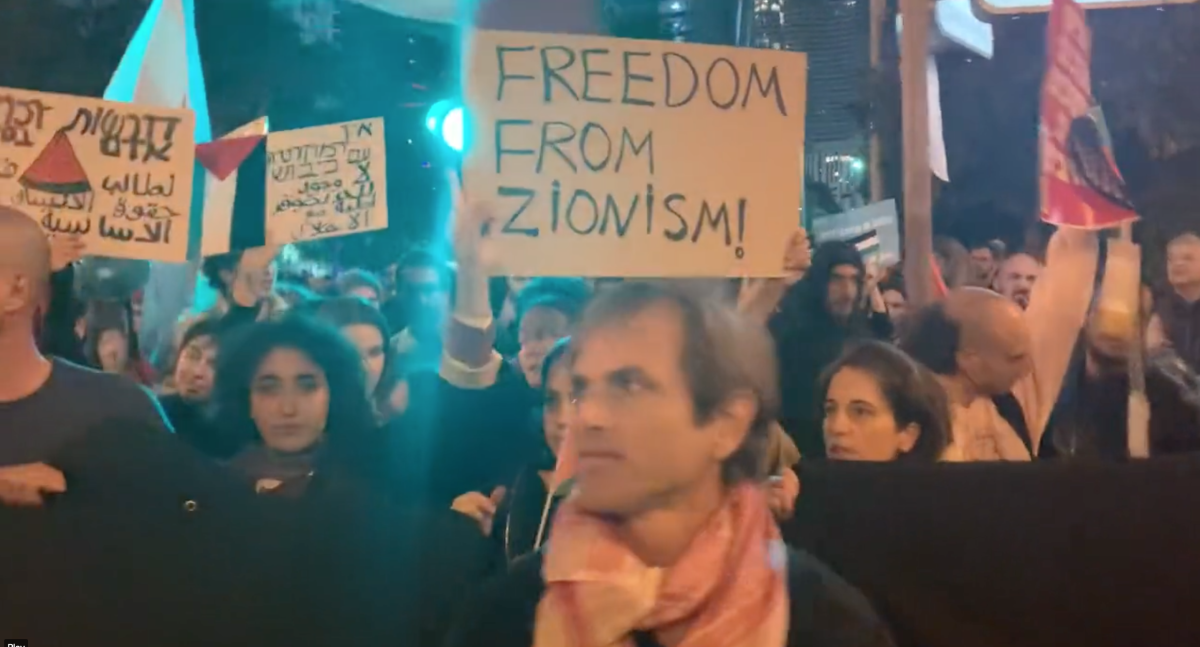
Tel AvivAnti-government protests have mounted in Israel each week since the new far-right administration led by Benjamin Netanyahu government took power at year's end. The most recent saw over 100,000 march in Tel Aviv, while thousands more filled the streets in Jerusalem, Haifa and other cities. The protests have won support from Israel's traditional political establishment as well as the left opposition. While Israeli flags and slogans such as "Israel, we have a problem" predominate, some demonstrators have raised the Palestinian flag in defiance of an order from new National Security Minister Itamar Ben-Gvir to remove all Palestine flags from public places. The demonstrations have included an "anti-apartheid bloc" calling for a secular state and decolonization of Palestinian lands. (Photo via Twitter)

Political archaeology amid Jerusalem tensions

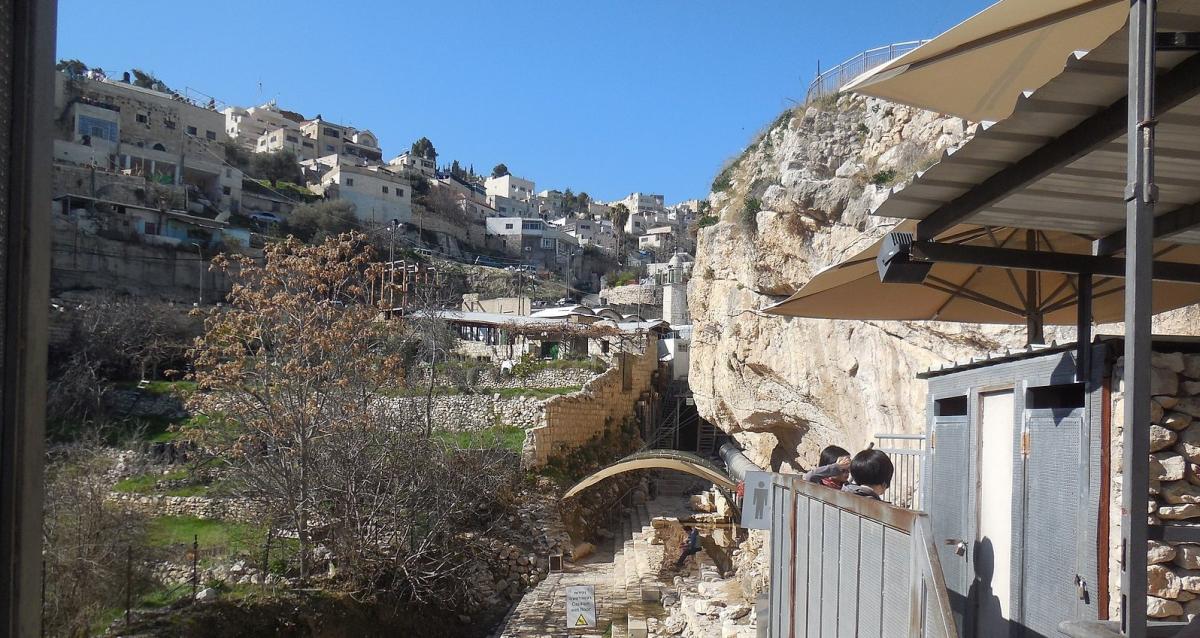
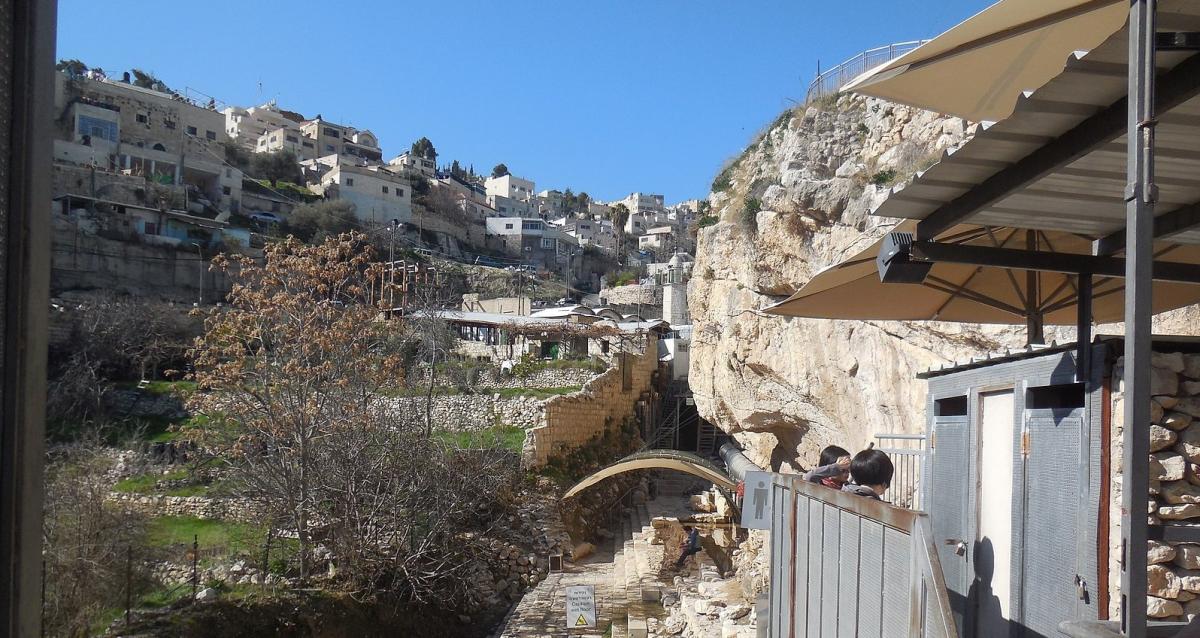
SilwanIsrael's new National Security Minister Itamar Ben-Gvir made a visit to al-Aqsa Mosque compound in Jerusalem, flanked by a heavy security detail—eliciting outrage from the Palestinian leadership. The Palestinian Authority called the move "an unprecedented provocation," with Prime Minister Mohammad Shtayyeh accusing Ben-Gvir of staging the visit as part of an agenda to turn the site "into a Jewish temple." The fracas comes as Israeli authorities have launched another supposed archaeological project in East Jerusalem which critics say masks an ongoing program of "Judaization" of the Old City. This concerns the Pool of Siloam, a small reservoir believed to have served Jerusalem in biblical times. In making the announcement, officials from the Foundation visited the site, accompanied by a large detachment of police—sparking a spontaneous protest from local Palestinian residents. Three members of a Palestinian family that claim rights to the land in question were detained. (Photo: Купальня Силоам, Иерусалим via Wikimedia Commons)

Robo-Zionist policing of West Bank

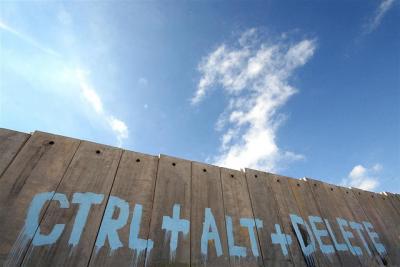
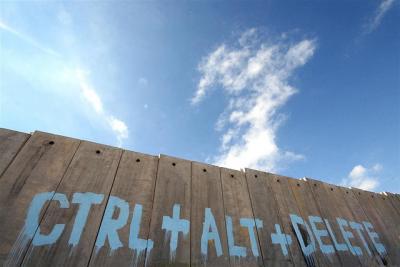
apartheid wallThe Israeli military has installed robotic weapons that can fire tear-gas, stun-grenades and "non-lethal" bullets in two volatile locations on the West Bank. One is atop a turret at al-Aroub refugee camp; the other in the nearby city of Hebron, where soldiers often clash with Palestinian residents. When young protesters pour into the streets hurling rocks and improvised firebombs at Israeli soldiers, the robotic weapons unleash gas and projectiles on them, according to witness accounts. The robo-weapons, produced by Israeli firm Smart Shooter, use artificial intelligence to track targets. Israel says the technology saves lives—both Israeli and Palestinian. But, as YNet states in its report on the installation, "critics see another step toward a dystopian reality in which Israel fine-tunes its open-ended occupation of the Palestinians while keeping its soldiers out of harm’s way." (Photo: Filippo Minelli)