Planet Watch
refinery

Will COVID-19 mean oil industry bailout?

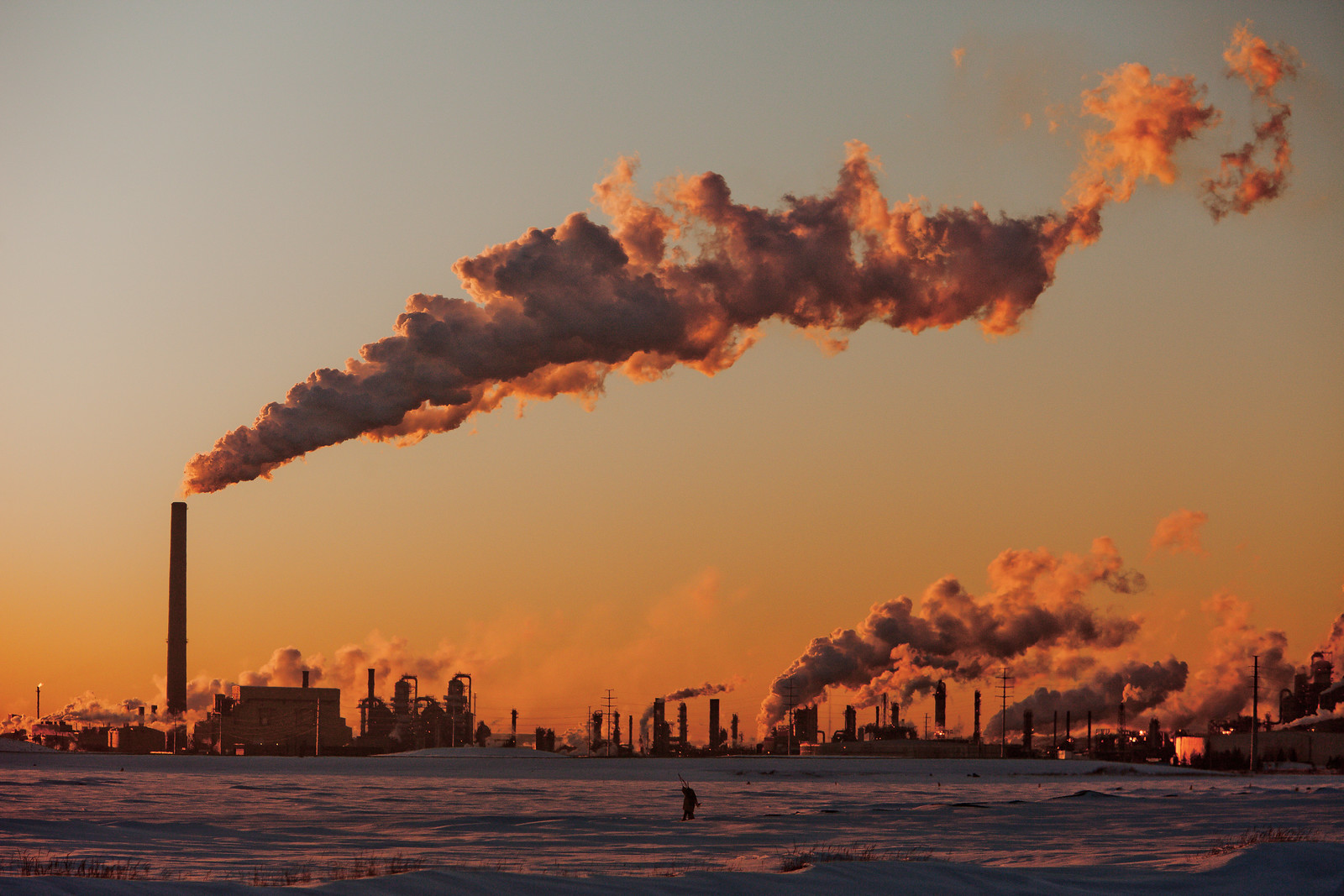
Already depressed oil prices are now plummeting in response to COVID-19 pandemic. Global oil consumption is said to be in “free-fall,” now predicted to lead to the largest “annual contraction in history.” Canada’s federal government is preparing a bailout package for the oil and gas sector, with a possible value of $15 billion. Among the proposals is a share buyout along the lines of the US Troubled Asset Relief Program (TARP) for banks and automotive companies during the 2008 financial crisis. (Photo: kris krüg)

Watching the Shadows
Coronavirus

Podcast: COVID-19 and impending bio-fascism

In Episode 49 of the CounterVortex podcast, Bill Weinberg discusses the grim political implications of the COVID-19 outbreak and resultant hysteria. Even before the outbreak, China had detained perhaps upwards of a million ethnic Uighurs in concentration camps as a “counter-terrorist” measure. Under emergency measures imposed in response to the outbreak, a staggering half-billion people have been placed under lockdown in Hubei and surrounding provinces. Italy has now just imposed a similar lock-down, affecting 16 million people in the country’s north. Here in the United States, where Trump is building an incipient concentration camp system for detained migrants, the White House has thus far been trying to downplay the COVID-19 threat—as Xi Jinping did before the depth of the crisis became inescapable. If such a point is reached here as well, the posture of the Trump administration could change fast—with potential for sweeping lockdowns, mass internment of targeted populations, and even exploitation of the crisis as a “Reichstag Fire” to throw or suspend the 2020 elections. The coronavirus hysteria could be a terrifying advance for the global detention state, and progressives must urgently formulate a response. Listen on SoundCloud, and support our podcast via Patreon. (Photo: Chinese police demonstration video, via Twitter)

Planet Watch
Cumbre de los Pueblos

Madrid climate talks a total bust

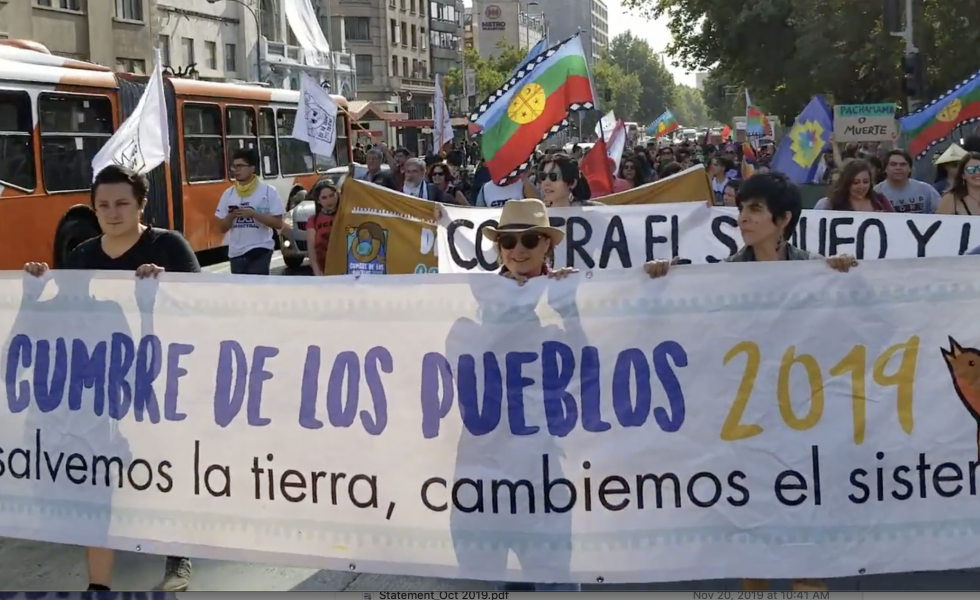
Nearly half a million demonstrators gathered in Madrid as the UN Climate Change Conference (COP25) opened more than two weeks ago, with young Swedish activist Greta Thunberg the star of the show at a mass rally. But despite being the longest climate summit yet, the affair ultimately amounted to little. Nearly 27,000 delegates came together with the supposed aim of finalizing the “rulebook” of the Paris Agreement, which is to officially take effect in 2020—settling mechanisms for international cooperation under Article 6 of the deal. But, unable to agree on terms, delegates finally invoked “Rule 16” of the climate process—allowing them to put off the critical decisions for another year. This means there will have been no progress when COP26 is convened in Glasgow in November 2020. UN Secretary General António Guterres tweeted that he was “disappointed” with the results of COP25, and that “the international community lost an important opportunity.” (Photo: Global Justice Ecology Project)

Planet Watch
Chile protester

Podcast: world revolution in 2020?

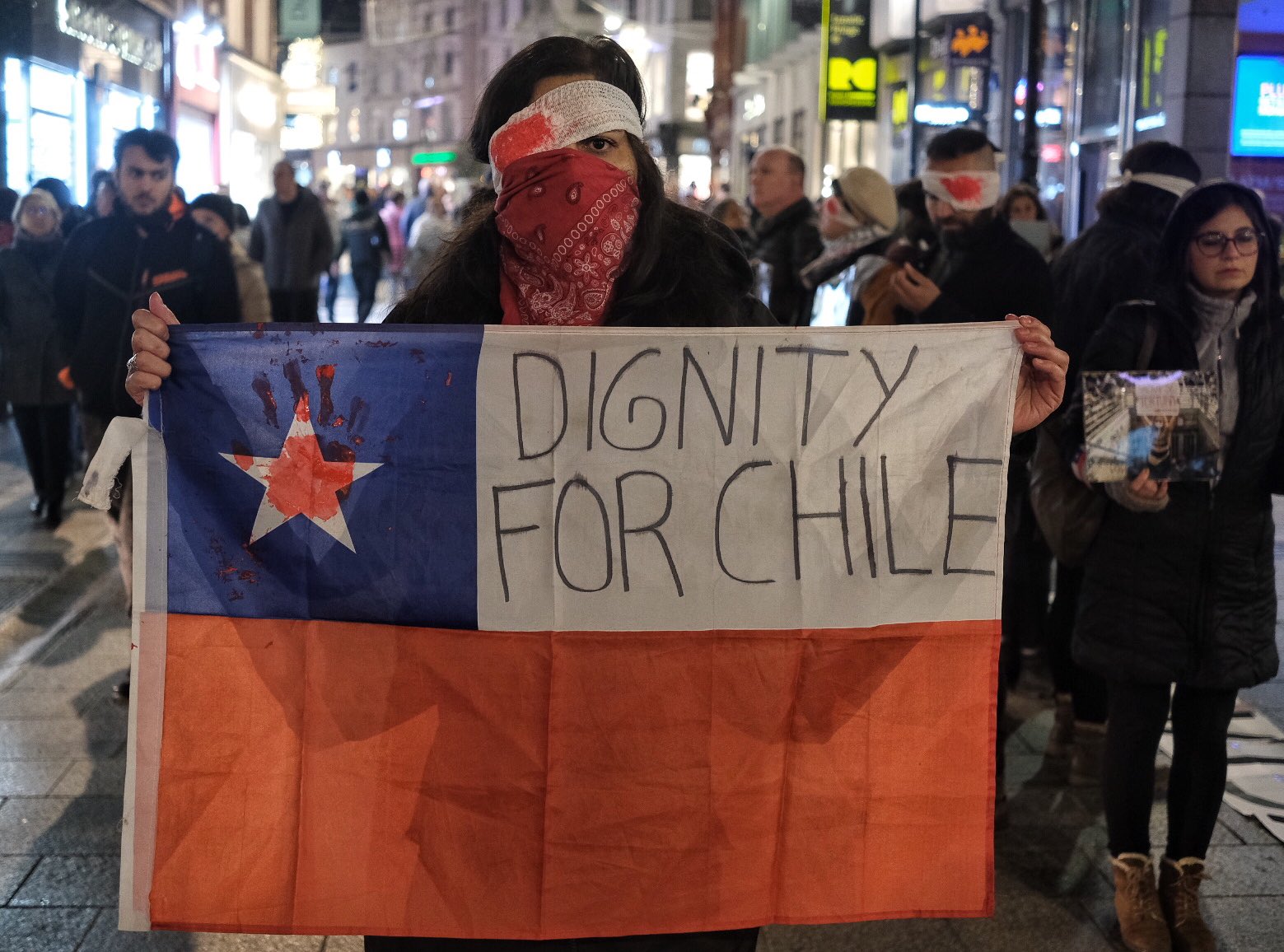
In Episode 43 of the CounterVortex podcast, Bill Weinberg takes stock of the current wave of popular protest and uprisings around the world, and asks if the planet is approaching another moment of revolutionary possibilities, such as was seen in 2011. He examines the prospects for these disparate movements to build solidarity across borders, repudiate ethnic and national divide-and-rule stratagems, and recognize the enemy as transnational capital and the authoritarian states that serve it. With discussions of Hong Kong, mainland China, Indonesia, Bolivia, Chile, Ecuador, Peru, Uruguay, Honduras, Costa Rica, Haiti, Puerto Rico, Iraq, Lebanon, Turkey Iran, Egypt, Algeria, Sudan, Uganda, Ethiopia and Guinea. Listen on SoundCloud, and support our podcast via Patreon. (Photo: David Lynch via Twitter)

Planet Watch

Dorian’s devastation portends climate disaster

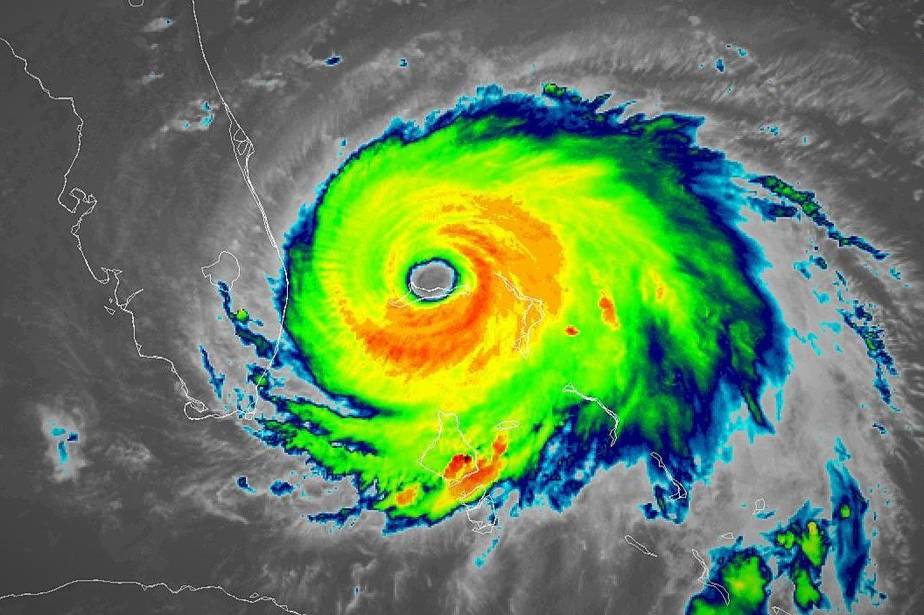
Hurricane Dorian’s slow, destructive track through the Bahamas fits a pattern scientists have seen in recent decades, and expect to continue as the planet warms: hurricanes stalling over coastal areas, bringing extreme rainfall. Research shows that more North Atlantic hurricanes have been stalling as Dorian did. Their average forward speed has also decreased by 17%—from 11.5 mph to 9.6 mph—between 1944 and 2017, according to a study by NASA and NOAA. Researchers think the stalling is caused by a general slowdown of atmospheric circulation—in turn caused by global climate change. The temperature contrast between the Arctic and equator is a main driver of wind, and this contrast decreases as the Arctic warms. (Photo: NOAA via Inisde Climate News)

Planet Watch
Africa fires

Central African forests burning faster than Amazon

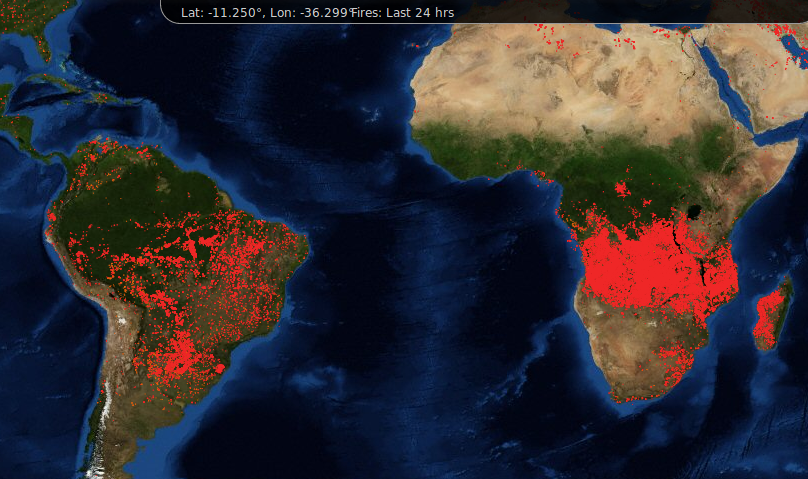
Central Africa’s rainforests are currently being consumed by a vast system of forest fires dwarfing even those that are ravaging the Amazon. Hundreds of thousands of hectares have been engulfed by flames over the past weeks—to comparatively little notice in the world media. French newspaper La Voix du Nord states, “In Angola, the Congo, the Democratic Republic of Congo, Tanzania and Zambia, thousands of fires consume phenomenal amounts of vegetation.” Since the beginning of 2019, it is the DRC that has recorded the most fires, far ahead of Brazil. NASA attributes the fires to “widespread agricultural burning,” as farmers employ slash-and-burn methods to clear land for crops. (Photo: FIRMS)

Planet Watch

UN report: ‘unprecedented’ biodiversity collapse

Biodiversity is declining globally at rates “unprecedented” in human history, and the rate of species extinction is accelerating, warns a landmark report from the UN Intergovernmental Science-Policy Platform on Biodiversity and Ecosystem Services (IPBES). The Global Assessment, approved at the 7th session of the IPBES in Paris, foresees grave impacts for people around the world. “The overwhelming evidence of the IPBES Global Assessment, from a wide range of different fields of knowledge, presents an ominous picture,” said IPBES chair Sir Robert Watson. “The health of ecosystems on which we and all other species depend is deteriorating more rapidly than ever. We are eroding the very foundations of our economies, livelihoods, food security, health and quality of life worldwide.” (Photo: Wikipedia)

Planet Watch

Podcast: paradoxes of anarchism and nationalism

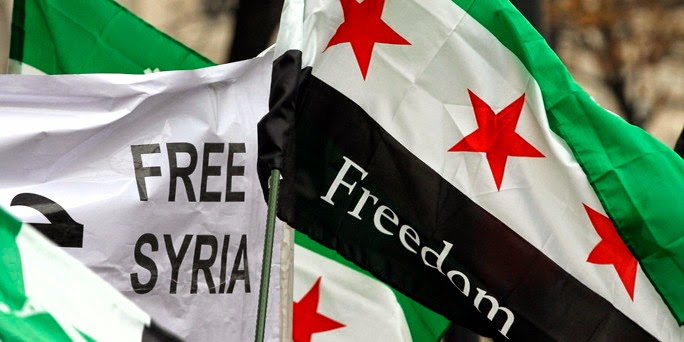
In Episode 32 of the CounterVortex podcast, Bill Weinberg reads from George Orwell’s 1945 essay “Notes on Naitonalsim,” and explains why despite his anarchist politics he is willing to march under the Mexican flag but not “Old Glory,” under the Palestinian flag but not the Israeli, under the Tibetan flag but not that of the People’s Republic of China—and under the Free Syrian flag but not that of the Assad dictatorship. The Free Syrian flag flown by the rebels and opposition is the original flag of an independent Syria, and now represents the struggle to free the country from a one-family dynastic dictatorship massively propped up by foreign powers. Weinberg especially calls out the depraved Max Blumenthal for purveying a version of events in Syria starkly at odds with reality. Weinberg invites listeners to join the Syria Solidarity NYC contingent at New Yorkl’s May Day march, gathering 5 PM at the Sixth Ave. entrance to Central Park. Listen on SoundCloud, and support our podcast via Patreon. (Photo: SHAML)

Planet Watch

Podcast: from Crimea to Venezuela

In Episode 26 of the CounterVortex podcast, Bill Weinberg notes contradictions and complexities in two world crises depicted in polarized terms by left, right and center alike. The indigenous Tatar people of Crimea, their autonomy and rights abrogated by the illegal Russian occupation, have been drawn into an alliance with Ukraine's ultra-nationalist Right Sector based on their mutual opposition to Putin's annexation of the peninsula. Ukrainian anarchists are meanwhile facing repression for their opposition to Right Sector. Putin, who is cracking down on Russian anarchists who oppose his own ultra-nationalist imperial agenda, has just sent a detachment of Cossack mercenaries to Venezuela to serve as a Praetorian Guard for the embattled Nicolás Maduro. In addition to being opposed by the right-wing pretender Juan Guaidó, Maduro faces a challenge from an independent left that rejects his undemocratic rule as well as US imperial designs on Venezuela. Indigenous peoples such as the Pemón of the Orinoco Basin are also mounting resistance to extractive designs on their territory—regardless of who holds power in Caracas. Can anarchists and the independent left in Ukraine, Russia and Venezuela unite with indigenous peoples such as the Tatars and Pemón to defend freedom and autonomy, and repudiate reactionaries and imperialists on all sides? Listen on SoundCloud, and support our podcast via Patreon. (Photo: EcoPolitica Venezuela)

Planet Watch
cannabis

Podcast: the dialectics of cannabis liberation

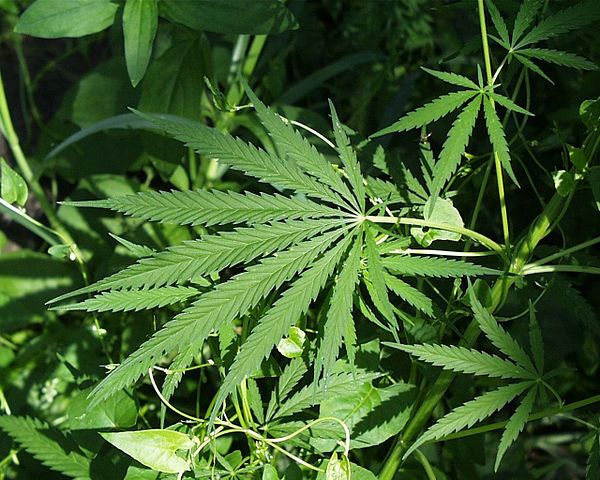
In Episode 24 of the CounterVortex podcast, Bill Weinberg notes the historic strides toward liberation of the cannabis plant in 2018, from the four corners of the Earth. Yet under capitalism, every advance also opens new contradictions. With the rise of “corporate cannabis,” traditional small growers in places like California’s Emerald Triangle stand to be pushed off the market as Central Valley agribusiness gets in on the act. Burdensome regulations and heavy taxation have kept some growers on the black market—and big police raids in the Emerald Triangle have continued even after “legalization.” High taxes on cannabis have also actually closed the legal space for California’s “compassionate care” providers—those who make free or discounted medical marijuana available to the ailing. There are concerns about the corporate privatization of ancient cannabis landraces long grown by small cultivators around the world. Meanwhile, even as overall cannabis arrests have dropped under more tolerant laws and enforcement policies in many states and localities, the racial disparity in those arrests that continue (e.g. for public use) is unabated. In a positive development, California has passed a “cannabis equity” law to address such concerns. But even the federal Farm Bill that just legalized industrial hemp and cannabinoids derived from it irrationally keeps cannabinoids derived from “marijuana” (high-THC strains) illegal. Weinberg calls for challenging the “marijuana” stigma, recognizing that cannabis liberation is an urgent question of human rights and racial justice, and adopting a stance of permanent struggle in fighting for it. Listen on SoundCloud, and support our podcast via Patreon. (Photo via Wikimedia Commons)

Planet Watch

Podcast: Libertarian Socialism—not an oxymoron

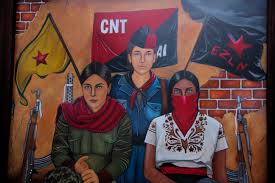
In Episode 20 of the CounterVortex podcast, Bill Weinberg discusses the forgotten legacy of libertarian socialism—considered by many today a contradiction in terms. While the word “socialism” is suddenly viewed as legitimate in American political discourse again for the first time in generations, the word “libertarian” continues to be associated with the free-market right—despite its origins on the anarchist left. Weinberg discusses his own involvement in New York’s Libertarian Book Club—founded by anarchist exiles from Europe in the 1940s, to keep alive their ideals and pass the torch to a new generation. Libertarian socialists seek inspiration in such historical episodes as the Zapatistas in Mexico (1910-19), Makhnovists in Ukraine (1917-21), Spanish anarchists in Catalonia (1936-7), and Zapatistas in Mexico again (1994-date)—peasants and workers who took back the land and the factories, building socialism from below, without commissars or politburos. Other movements inspired by this vision on the world stage today include anarchist-influenced elements of Syria’s civil resistance, and the autonomous zone of northern Syria’s Rojava Kurds. Far from being an irrelevant anachronism, a libertarian socialist vision is neccessary for human survival. Listen on SoundCloud, and support our podcast via Patreon. (Image: Dissent! Sans Frontières)

Planet Watch

Canada’s high court deals blow to treaty rights

The Supreme Court of Canada ruled that the federal government does not have a responsibility to consult with First Nations before introducing legislation, even in cases when it would impact their lands and livelihood. The 7-2 ruling ends a challenge by the Mikisew Cree First Nation of Alberta to a 2013 reform of Canada’s environmental laws by the administration of then-prime minister Stephen Harper. The reform altered the Canadian Environmental Assessment Act, the Fisheries Act, the Species at Risk Act, and the Navigable Waters Protection Act, reducing the number of projects that require environmental assessment studies and narrowing the scope of those assessments. The Mikisew Cree contended that the reform violated constitutionally-protected treaty rights of Canada’s indigenous First Nations. (Photo of Mikisew Cree Chief Archie Waquan via CBC)