Afghanistan
afghanistan

Afghanistan: no, the war is not over

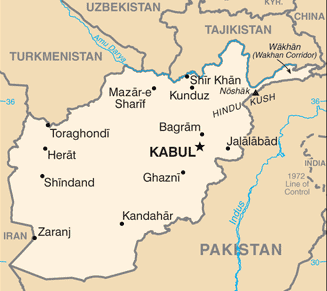
With absurd hubris, Biden in his speech as the last US troops left Kabul declared that “the United States ended 20 years of war in Afghanistan.” It’s perverse enough that he called the US evacuation of some 120,000 Afghans and Americans an “extraordinary success”—despite the fact that more than 100 US nationals and many thousands of desperate Afghans were left behind. But this reality-denying “ended the war” rhetoric is being uncritically echoed by media accounts. The war in Afghanistan began in 1979, with the massive Soviet military intervention to put down the Mujahedeen, and the country hasn’t seen a moment of peace since then. Nor is there much prospect for peace any time in foreseeable future. This is the same imperial narcissism we heard with the much-hyped US “withdrawal” from Afghanistan in 2014, and the “withdrawal” from Iraq in 2011. But this time, Afghanistan is essentially being turned over to the Taliban as a US-collaborationist or even near-proxy force to fight ISIS. The Taliban remain a brutal, intolerant and ultra-reactionary Islamist entity, but are now baited as co-opted moderates by the even more extremist ISIS. (Map: Perry-Castañeda Library)
Afghanistan
Andarabi

Afghan folksinger executed by Taliban

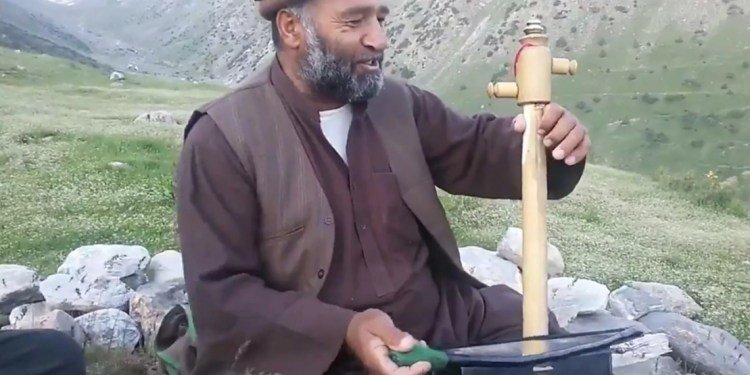
The Taliban killed an Afghan folk musician  days after stating that they would ban music from being played in public places. Fawad Andarabi was shot dead by Taliban fighters who arrived at his farm in Andarab district, Baghlan province. The district is near the Panjshir Valley that harbors a resistance force rejecting Taliban rule. Four days earlier, Taliban spokesperson Zabihullah Mujahid told the New York Times: “Music is forbidden in Islam, but we’re hoping that we can persuade people not to do such things, instead of pressuring them.” Andarabi played the ghichak, a bowed lute, and sang traditional songs about his birthplace and people. Former Interior Minister Masoud Andarabi (presumably no relation but from the same district) tweeted that the musician had recently sung that “our beautiful valley, land of our forefathers” would not submit to Taliban rule. (Photo via Digital Music News)

Afghanistan
Aleppo

Podcast: humanitarian intervention reconsidered II

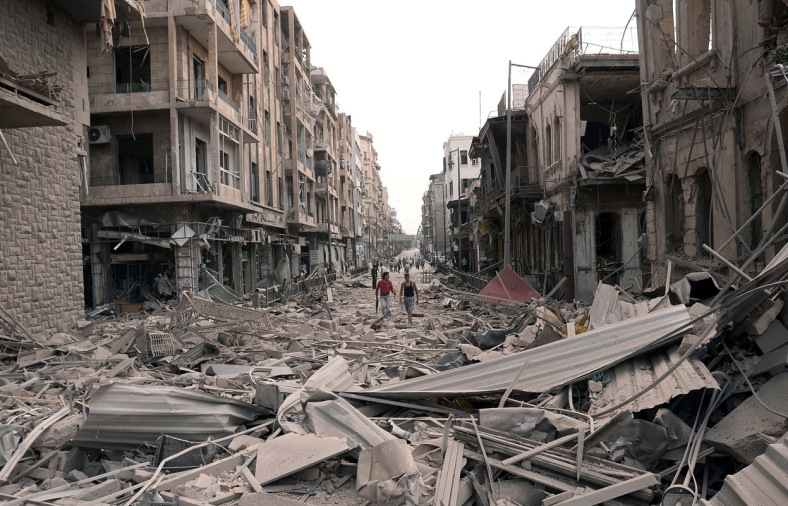
In Episode 86 of the CounterVortex podcast, Bill Weinberg returns to the book The Responsibility to Protect in Libya and Syria: Mass Atrocities, Human Protection, and International Law by Syrian American legal scholar Yasmine Nahlawi, exploring applicability of its analysis to the current disaster in Afghanistan. This discussion is taken up at the request of Eric Laursen, author of The Duty to Stand Aside: Nineteen Eighty-Four and the Wartime Quarrel of George Orwell and Alex Comfort. Laursen is the first to take up the CounterVortex special offer, by which new Patreon subscribers get to choose a topic for exploration on the podcast. When do we have a responsibility to protect, and when do we have a duty to stand aside, and how can these imperatives be reconciled? Listen on SoundCloud or via Patreon. (Photo: Destruction of Aleppo, via 7ee6an)

Oceania
rapanui

Inter-American panel to hear Rapa Nui land claim

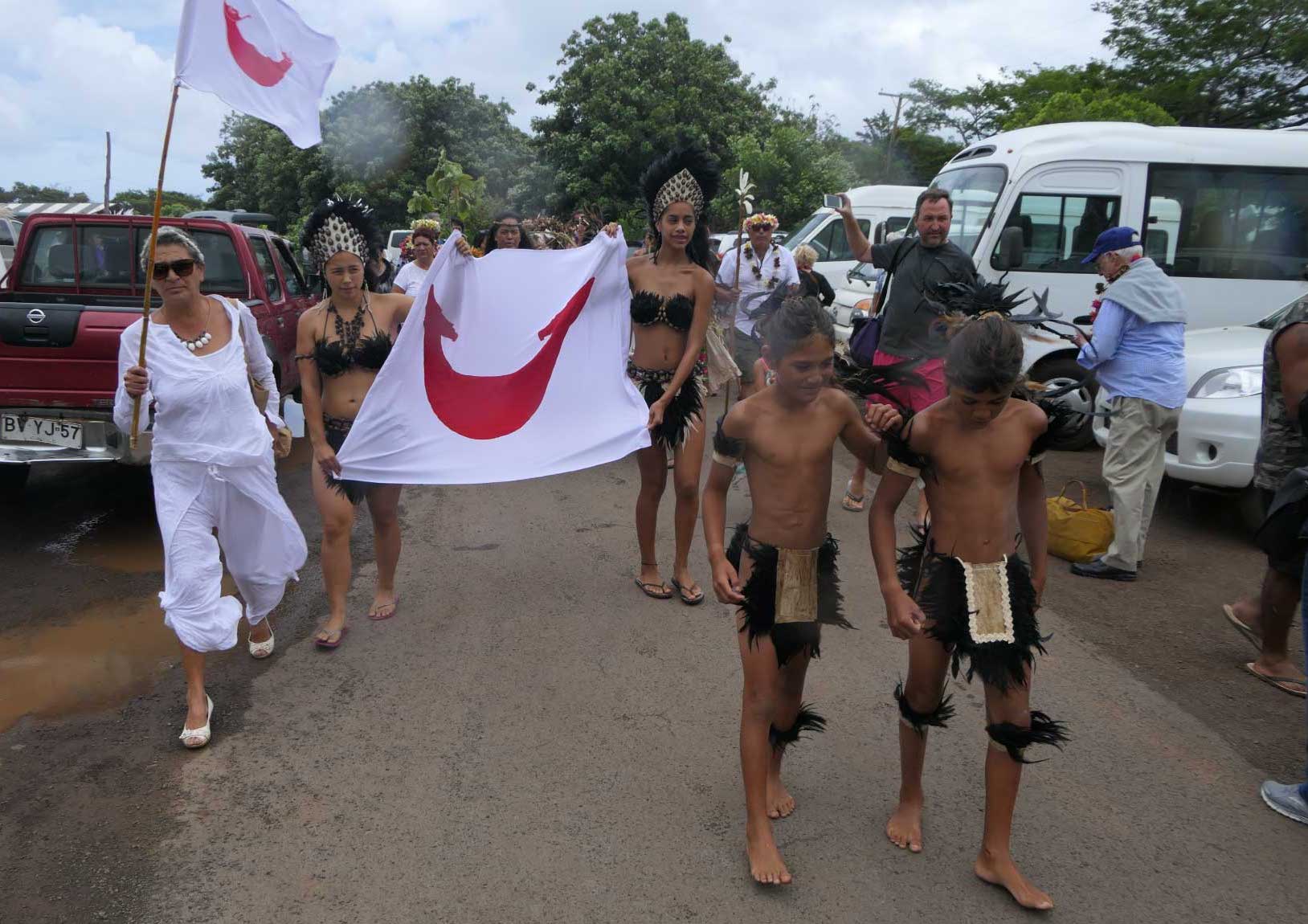
The Inter-American Commission on Human Rights (IACHR) agreed to hear a complaint against the state of Chile brought by the Rapa Nui indigenous people of Easter Island, demanding recovery of their ancestral lands. The complaint accuses Chile of numerous violations of the American Convention on Human Rights, citing Article 4 on the right to life, Article 12 on freedom of conscience and religion, Article 21 on property rights, and Article 25 on judicial protection. More than 70% of traditional Rapa Nui lands are now classified as “state lands,” from which the island’s indigenous inhabitants are effectively excluded—causing “irremediable damage” to their way of life and autonomy. The complaint charges that this constitutes a violation of the 1888 Acuerdo de Voluntades (Consent Agreement), under which the Rapa Nui accepted Chilean sovereignty. (Photo: DebatesIndigenas)

Syria
Syria Oil

Rojava Kurds sell oil to Assad regime: report

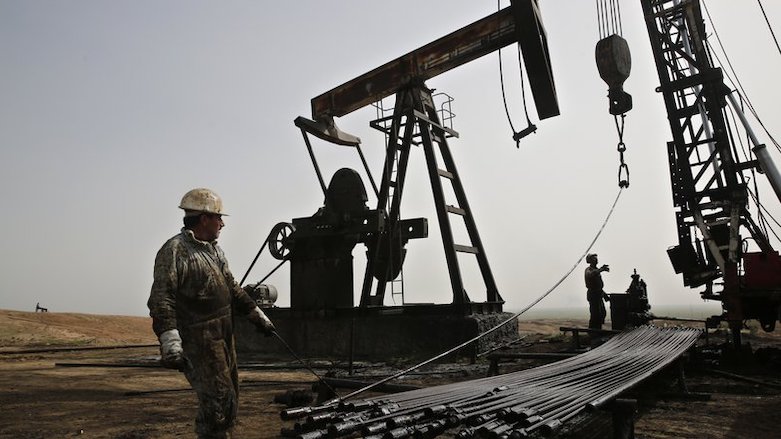
The Syrian Network for Human Rights (SNHR) charges in a new report that the Kurdish-led Syrian Democratic Forces (SDF) are violating US sanctions imposed under the Caesar Syria Civilian Protection Act by supplying oil and gas to the Bashar Assad regime. The report claims the sales come to some six million barrels of oil annually, amounting to profits of $120 million. The report asserts that the oil has enabled “perpetration of atrocious violations” by the regime. The report also warns of toxic pollution caused by primitive oil extraction methods used at the SDF-held oil-fields. (Image: Kurdistan24)

Afghanistan
ISIS-K

US collaborates with Taliban against ISIS: it’s official

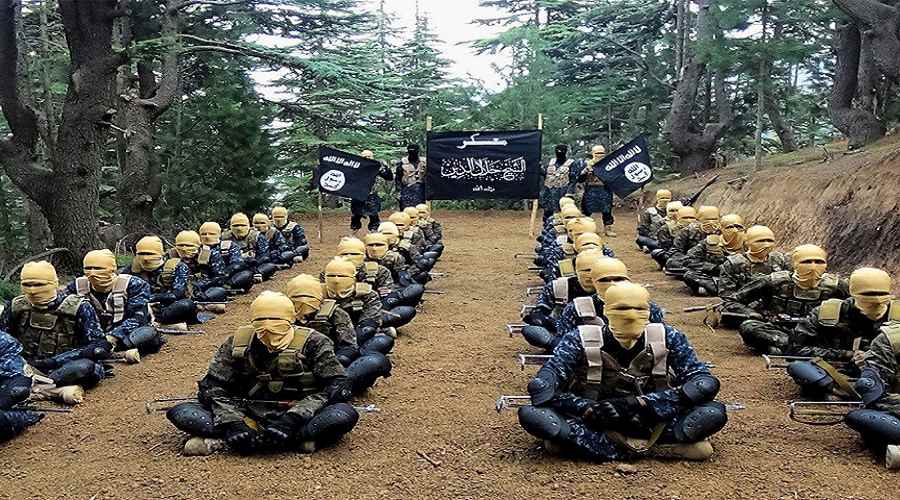
At least 12 US service members were killed in a combined bomb attack and armed assault at a gate to the Kabul airport, where throngs fleeing the Taliban were desperately crowding. Up to 100 Afghan civilians were also killed, including children. US Central Command chief Gen. Frank McKenzie told a press briefing at the Pentagon that the US is coordinating with the Taliban in the effort to maintain “security” in Kabul, saying: “They’ve been useful to work with.” It was also revealed that days earlier CIA director William J. Burns met face-to-face in Kabul with the top Taliban leader Abdul Ghani Baradar. The “secret” meeting was reported in the Washington Post. (Photo via Future Center)

Europe
Crimea protest

Putin rejects Ukraine law on indigenous rights

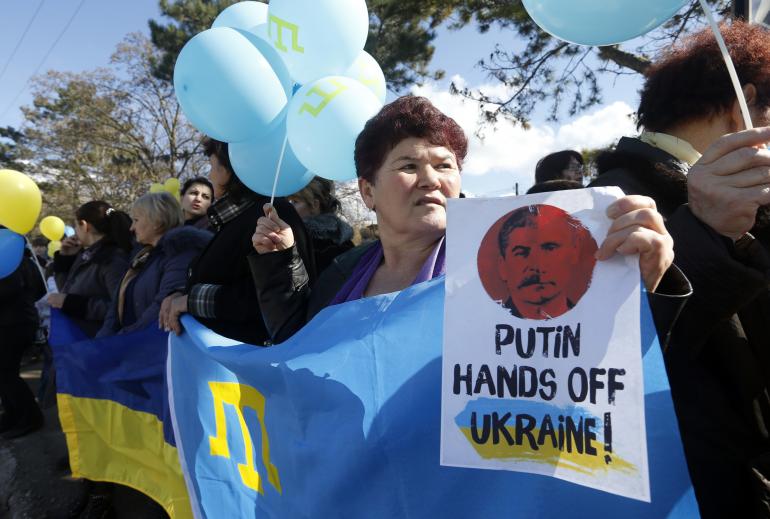
A Law on Indigenous Peoples passed last month by Ukraine’s parliament is aimed at protecting the culture, language and autonomy of the Tatars in Russian-occupied Crimea. Putin in an interview after passage of the law asserted that the present leaders of Ukraine are clearly hostile to Russia. “Otherwise, how can you explain a law where Russians are a non-indigenous people? What will this lead to? Some people will simply leave.” He then compared these imagined “consequences” with the effects of a “weapon of mass destruction.” In another interview, he said that the bill “reminded” him of Nazi Germany, as it divides people into “indigenous, first-class and second-class people and so forth.” (Image: One of the last demonstrations in Crimea in March 2014, before the Russian occupiers crushed almost all protest. Via Kharkiv Human Rights Protection Group)

North Africa
kabylia fire

Algiers plays politics with Morocco as Kabylia burns

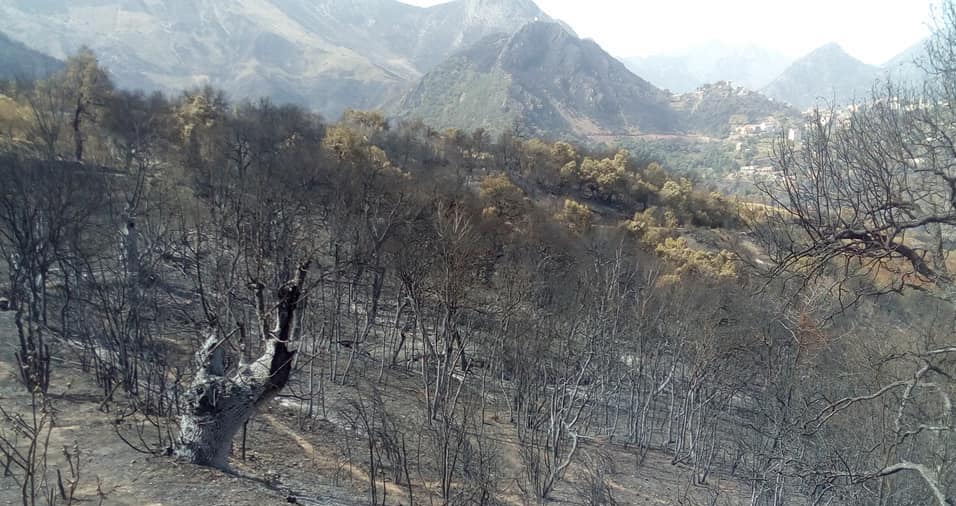
At least 90 people have been killed in wildfires that have swept through northern Algeria over the past weeks. The blazes have consumed some 100,000 acres, mostly in the northeastern Kabylia region. While remaining silent on the role of climate change, the Algerian government is exploiting the disaster for political purposes. President Abdelmadjid Tebboune said the fires were “criminal” in origin, and blamed them on regional rival Morocco. Authorities have arrested several presumed members of the Kabylia Self-Determination Movement (MAK), a civil organization seeking independence for the predominantly Berber region. The DGSN security agency said the suspects were part of a “terrorist organization.” Last month, Algiers recalled its ambassador in Rabat in protest of Moroccan diplomatic statements in support of self-determination for the Berbers of Kabylia. (Photo via Twitter)

Afghanistan
afghanistan

Podcast: Afghanistan and the Great Game

In Episode 85 of the CounterVortex podcast, Bill Weinberg discusses the implications for world peace and the prospects for survival of basic freedoms as the Taliban consolidate their second period of rule in Afghanistan. There are already signs that Russia and China are seeking to groom the Taliban as proxies against the US and the West, with (inevitably) the dream of a trans-Afghanistan pipeline route still a part of the agenda. The US, in turn, could start backing the incipient armed resistance, already organizing in the Panjshir Valley. The task for progressives in the West now is to loan what solidarity we can with the civil resistance—the secularists and feminists who are already defying Taliban rule on the ground across Afghanistan. Listen on SoundCloud or via Patreon. (Map: Perry-Castañeda Library)
Africa
Sahel

Mounting massacres across Africa’s Sahel nations

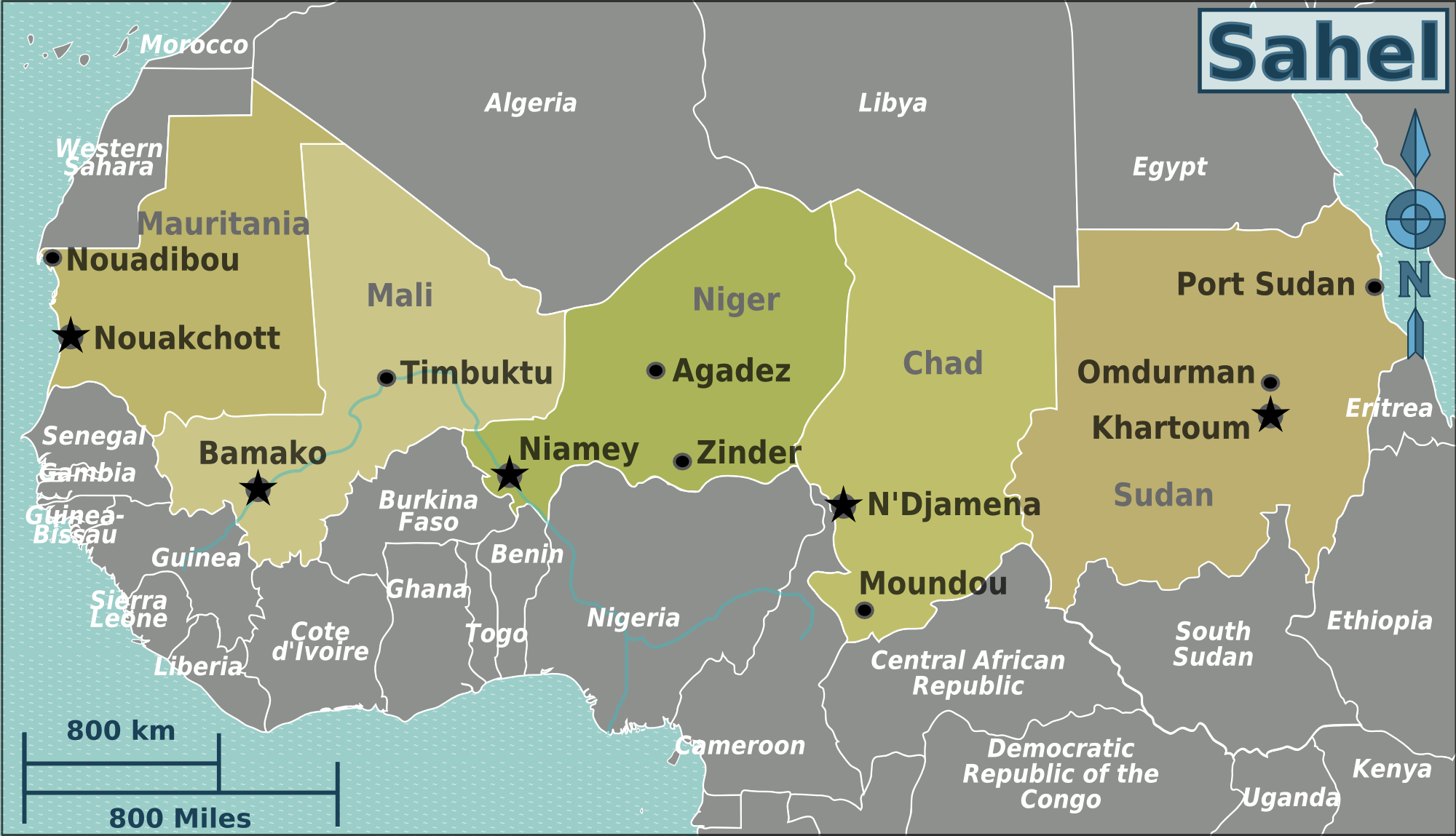
The tri-border region where the Sahel countries of Niger, Mali and Burkina Faso come together is the scene of fast-mounting massacres by presumed Islamist militants. Attacks on civilians and security forces alike have left hundreds dead this month. In Niger, peasants were gunned down while working their fields in Banibangou village—an attack attributed to a local ISIS franchise. In Mali, ongoing deadly attacks have caused a massive population exodus in several regions of the country, including Menaka, Mopti, Gao, Timbuktu and Sikasso. “Violence is spreading so rapidly across Mali that it threatens the very survival of the state,” said UN human rights expert Alioune Tine after a visit to the country. (Map: Wikivoyage)

Afghanistan
kabul protest

Afghanistan: Taliban unleash first terror

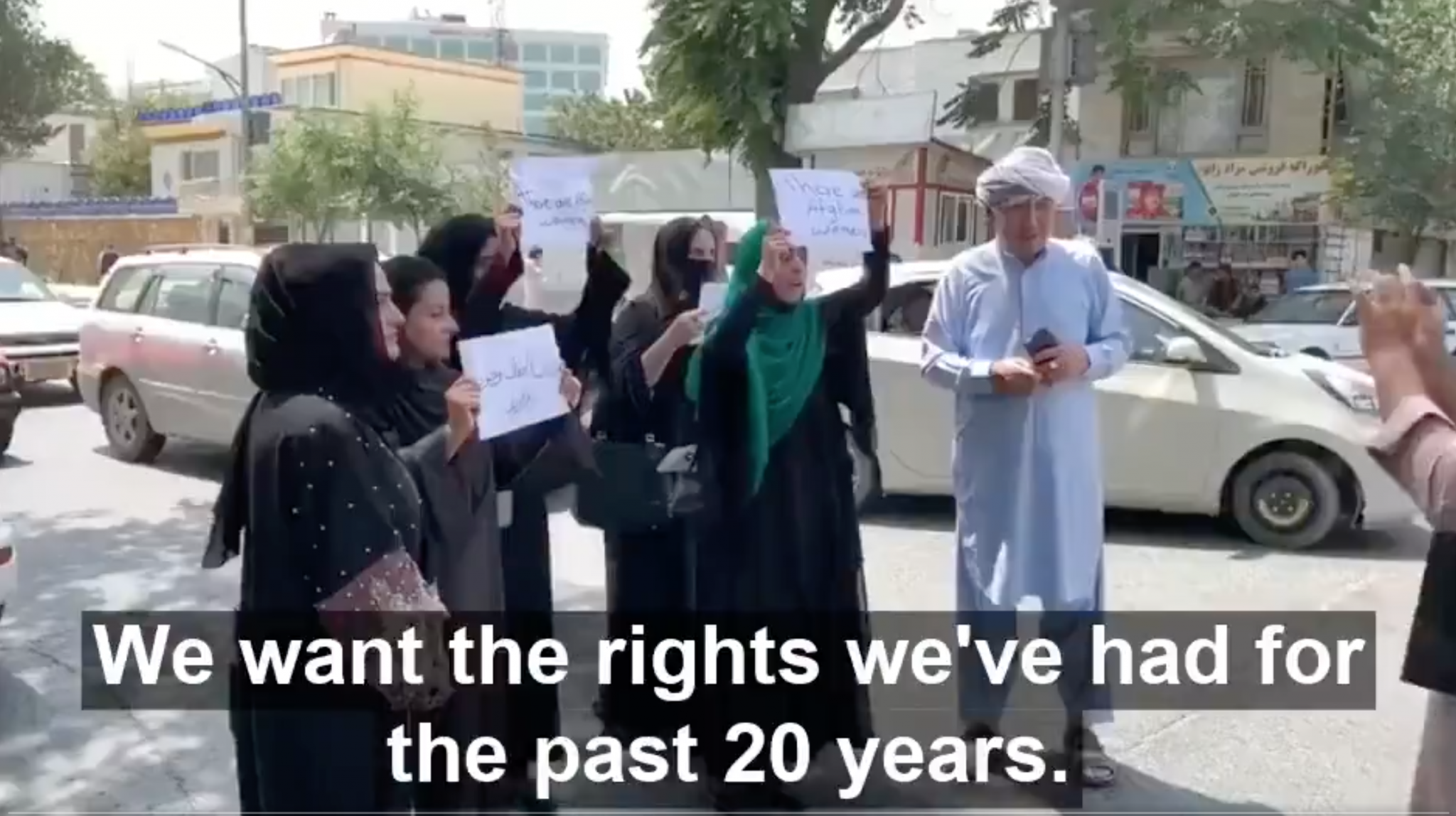
As the Taliban, now in full control of Kabul, pledge an “inclusive” Afghan government in prepared press statements, deadly repression against anti-Taliban protesters is reported from the eastern city of Jalalabad. The day before Afghanistan’s independence day, protesters took to the streets of Jalalabad waving the black, red and green national flag—and tearing down the white and black Tawhid flag of the Taliban. Witnesses said Taliban fighters fired on protesters indiscriminately, and at least three were killed. On the day that Afghanistan won full independence from Britain in 1919, a similar protest was held in Khost, where social media videos again show Taliban fighters firing on demonstrators. No casualties were reported, but the city has been placed under a 24-hour curfew. A small demonstration by women demanding that their rights be respected was held  outside a police precinct in Kabul. “We want the rights we’ve had for the past 20 years,” signs read.  (Photo via Twitter)

Afghanistan
afghanistan

Afghanistan: ousted VP launches resistance

The first vice president of Afghanistan under the government just ousted from Kabul by the Taliban, Amrullah Saleh, has taken refuge in the Panjshir Valley north of the capital and declared himself the country’s legitimate president. Defense Minister Bismillah Mohammadi has reportedly joined Saleh in the Panjshir Valley, as has Ahmad Massoud—son of the martyred resistance commander Ahmad Shah Massoud. Many ethnic Tajiks in the Afghan army are said to have arrived with their equipment, including armed vehicles and tanks, after withdrawing from the nearby frontlines. Ethnic Hazara families have reportedly walked 200 kilometers to reach the Valley, fearing persecution as the Taliban seize their homeland in Bamiyan province. (Map: Perry-Castañeda Library)