Planet Watch
baffinland

Nunavut hunters blockade Baffin Island mine

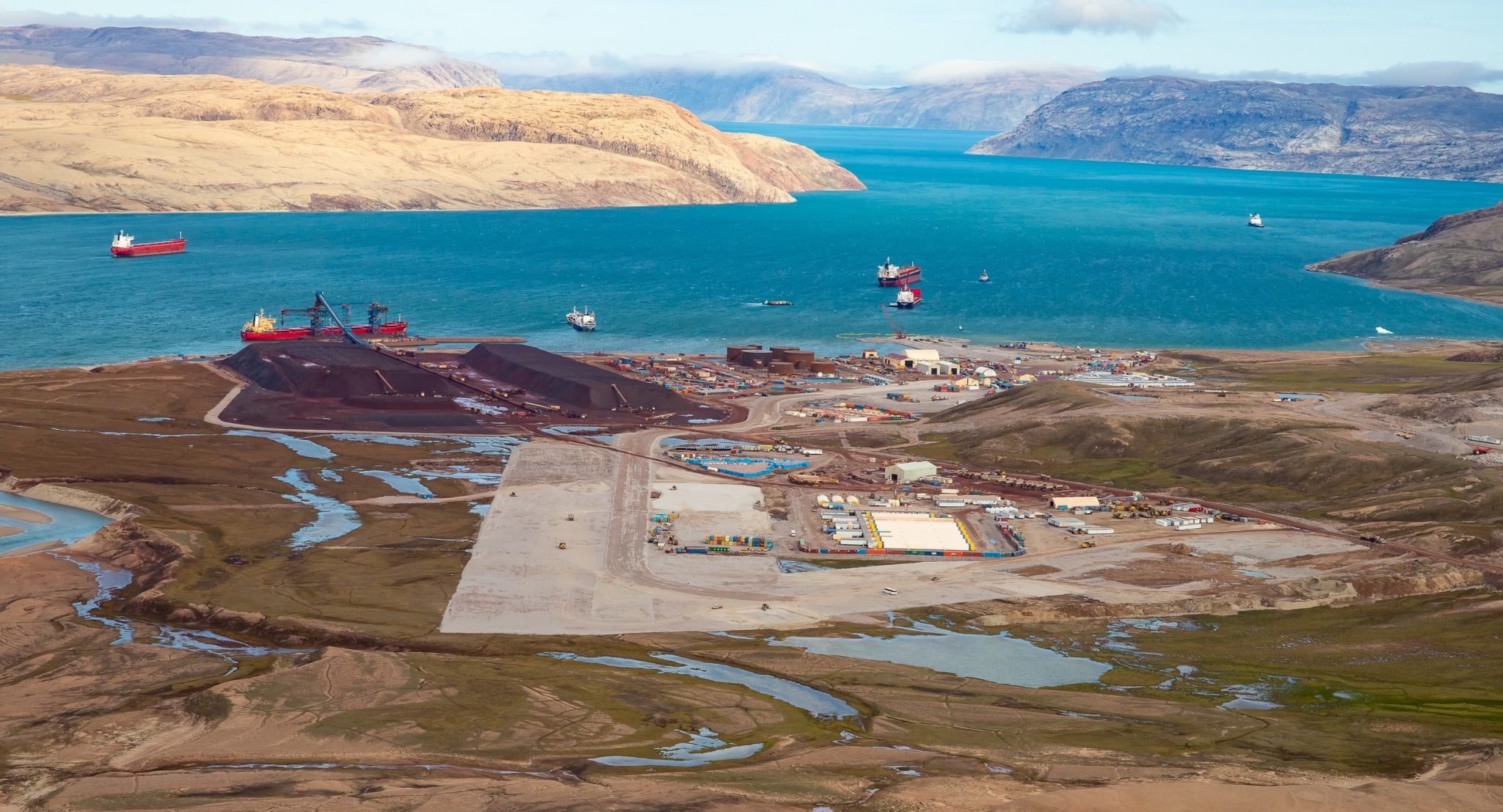
After a week of blockading an airstrip and road to an iron mine on north Baffin Island, a small group of Inuit protesters packed up their tents, agreeing to give dialogue with authorities a chance after the mining company won an injunction ordering them to disband their encampment. The self-declared Nuluujaat Land Guardians began blocking access to Baffinland Iron Mines Corp’s Mary River mine to oppose a proposal for expansion that would see its output of iron ore double to 12 million tons per year, as well as construction of a 110-kilometer railway to the facility. The Land Guardians say the expansion would drive caribou away and harm other wildlife in the area, including narwhal, upon which their communities depend for subsistence. (Photo: Baffinland Iron Mines Corp via Nunatsiaq News)
Iran
Mount Gare

Turkey, Iran in synchronous attacks on Iraqi Kurdistan?

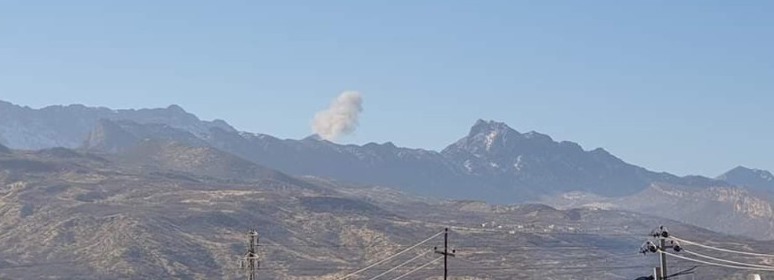
Iraqi Kurdistan saw simultaneous air attacks—from Turkish warplanes on a mountain supposedly harboring PKK guerillas, and (in a far more audacious move) from an Iran-backed militia on the regional capital Erbil. In the latter attack, a barrage of rockets targetted a US airbase outside Erbil’s airport. Awliya al-Dam (Guardians of the Blood) claimed responsibility for the attack, saying it was in revenge for the deaths of “the martyred leaders”—an apparent reference to the paramilitary commanders killed in the US drone attack on the Baghdad airport in January 2020. The Turkish strikes targeted Mount Gare, where PKK militants supposedly killed 13 captive Turkish soldiers being held in a cave complex. The PKK, however, said the captives had been killed in earlier Turkish air-strikes on the position. The affair sparked diplomatic tensions between Ankara and the new Biden administration in Washington, which initially refused to accept Turkey’s version of events. (Photo: Kurdistan24)

Iran
Iran-Missiles

Can Iran nuclear deal be salvaged?

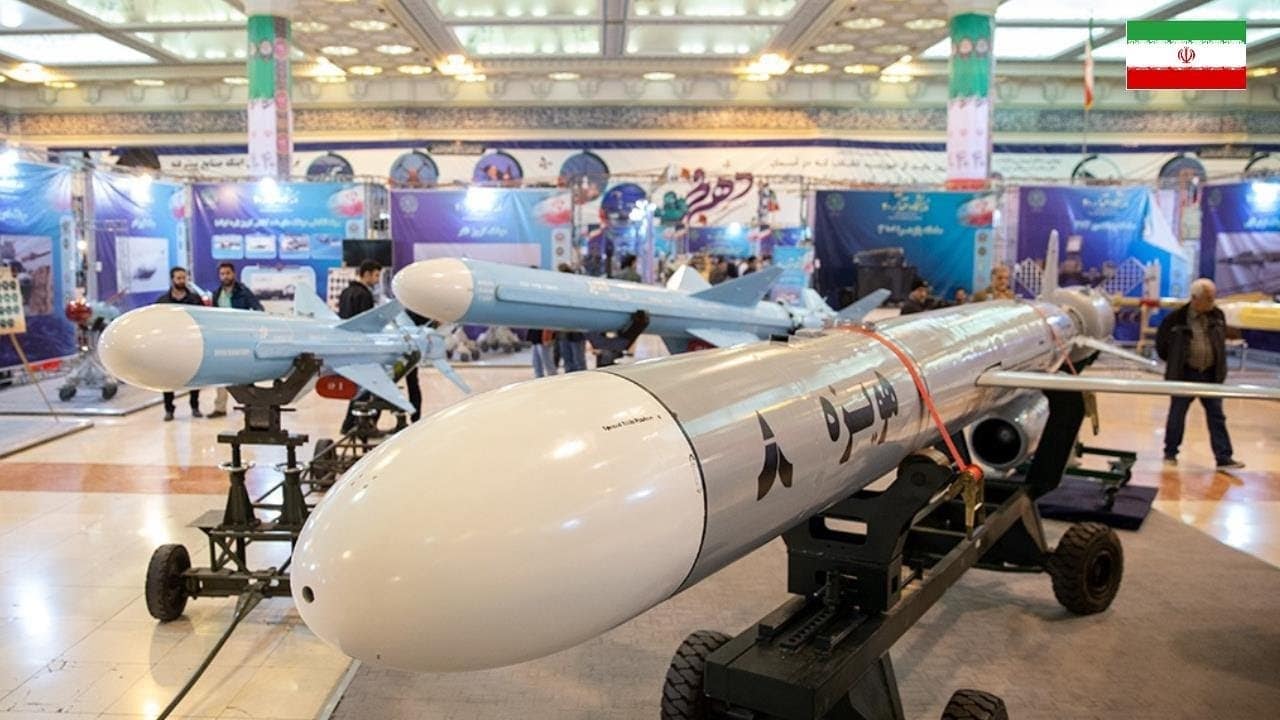
President Joe Biden’s pledge to rebuild the Iran nuclear deal is already deteriorating into a deadlock—a testament to the effectiveness of the Trump-era intrigues that sabotaged the agreement, officially known as the Joint Comprehensive Plan of Action (JCPOA). Biden and Iran’s Supreme Leader Ayatollah Khamenei have each traded “You Go First” statements—the White House demanding Tehran return to compliance with the JCPOA and Khamenei insisting the US lift the sanctions that were re-imposed by Trump. There is indeed a case that the US, having abrogated the pact first, should now be the party to “blink” in the stand-off, and lift the sanctions as a good-faith measure. (Image via Wikipedia)

Syria
Aleppo

End impunity for chemical weapons use in Syria

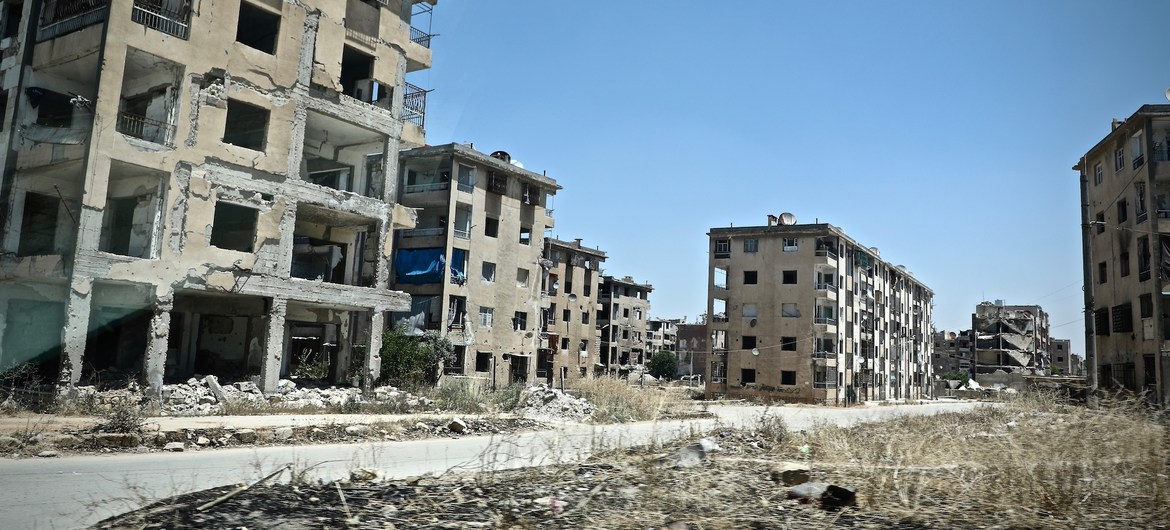
The United Nations’ top disarmament official stressed the urgent need to identify those who have used chemical weapons in Syria, and hold them accountable for their deeds. “Without such an action, we are allowing the use of chemical weapons to take place with impunity,” Izumi Nakamitsu, UN High Representative for Disarmament Affairs, told the Security Council in a virtual briefing. Nakamitsu was briefing Council members on implementation of Resolution 2118, in which unanimous agreement was reached in 2013 to condemn “in the strongest terms” any use of chemical weapons in Syria. Yet the country has seen continued chemical attacks since then. In a new report, the Organization for the Prohibition of Chemical Weapons (OPCW) summarized 19 “outstanding issues” that remain, six-and-a-half years after the Bashar Assad regime claimed that it had handed over all chemical agents and destroyed all facilities. The OPCW expressed concern that at least one chemical weapons production facility in the country remains operational. (Photo of ruins of Aleppo, where chemical weapons were used in 2017: OCHA/Halldorsson via UN News)

The Andes
yaku

Indigenous candidate upsets Ecuador elections

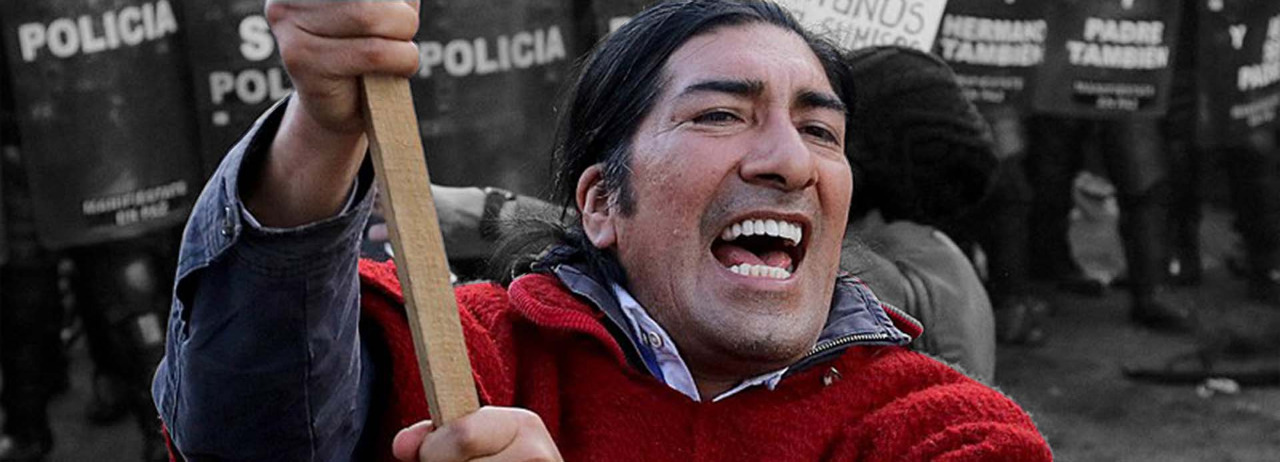
Ecuador is heading to a run-off presidential race in April after leftist candidate Andrés Arauzof the Union of Hope (UNES) coalition won a first-round victory, following years of economic austerity made more painful by the pandemic. However, in a surprise development, his rival leftist Yaku Pérez Guartambel of the indigenous-based Pachakutik party emerged neck-to-neck with conservative banker Guillermo Lasso of the right-wing Creating Opportunities (CREO) party. The vote is still too close to call which challenger Arauz will face in the April run-off. Pérez portrays UNES and CREO alike as parties of the right that have embraced an economic model based on resource extraction. (Photo: Revista Crisis)

East Asia
Free Taiwan

Taiwan & Puerto Rico: forbidden symmetry

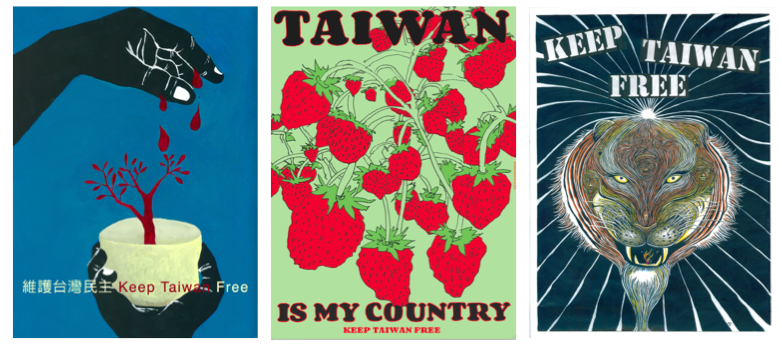
In Episode 63 of the CounterVortex podcast, Bill Weinberg draws a parallel between the self-determination struggles in Taiwan and Puerto Rico. Each is an island nation in the “backyard” of an imperial power, struggling for independence. Taiwan is de facto independent from China, with a movement to make it official. Puerto Rico is a de facto colony (officially an “unincorporated territory”) of the United States, with a movement for independence. Taiwan is being particularly threatened at this moment by the imperial power that covets it; Puerto Rico is being particularly fucked over at this moment by the imperial power that controls it. Yet the emergence of Taiwan-Puerto Rico solidarity is held back by the fact that their respective imperial metropoles are rivals on the geopolitical chassboard—another illustration of how a global divide-and-rule racket is the essence of the state system. Listen on SoundCloud or via Patreon. (Image: Wang LeWei, Josh MacPhee, Mac McGill via Art for a Free Taiwan)

Greater Middle East
yemen

Biden pledges end to US support for Yemen war —almost

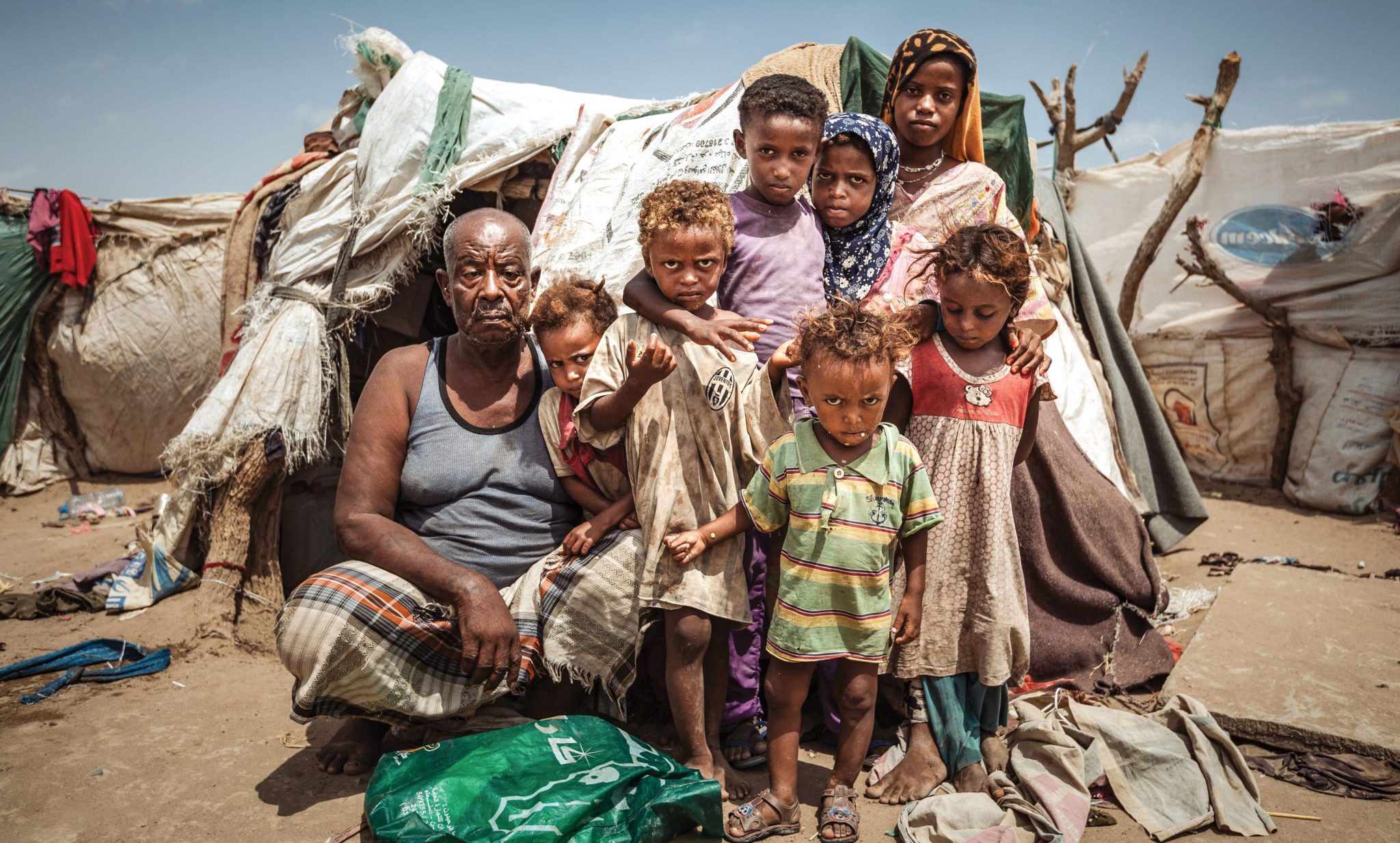
President Joe Biden announced the United States will end support for the Saudi-led military campaign in Yemen that has deepened suffering in the Arabian Peninsula’s poorest country. “This war has to end,” Biden told diplomats in his first visit to the State Department as president, saying the conflict has created a “humanitarian and strategic catastrophe.” Biden pledged an end to “relevant” US arms sales, while giving no immediate details on what that would mean. However, National Security Adviser Jake Sullivan was quick to add that an end to US support for the Saudi war against the Houthi rebels will not affect US operations against al-Qaeda in the Arabian Peninsula (AQAP). (Photo: OCHA)

Southeast Asia
burma coup

Military re-seizes power in Burma

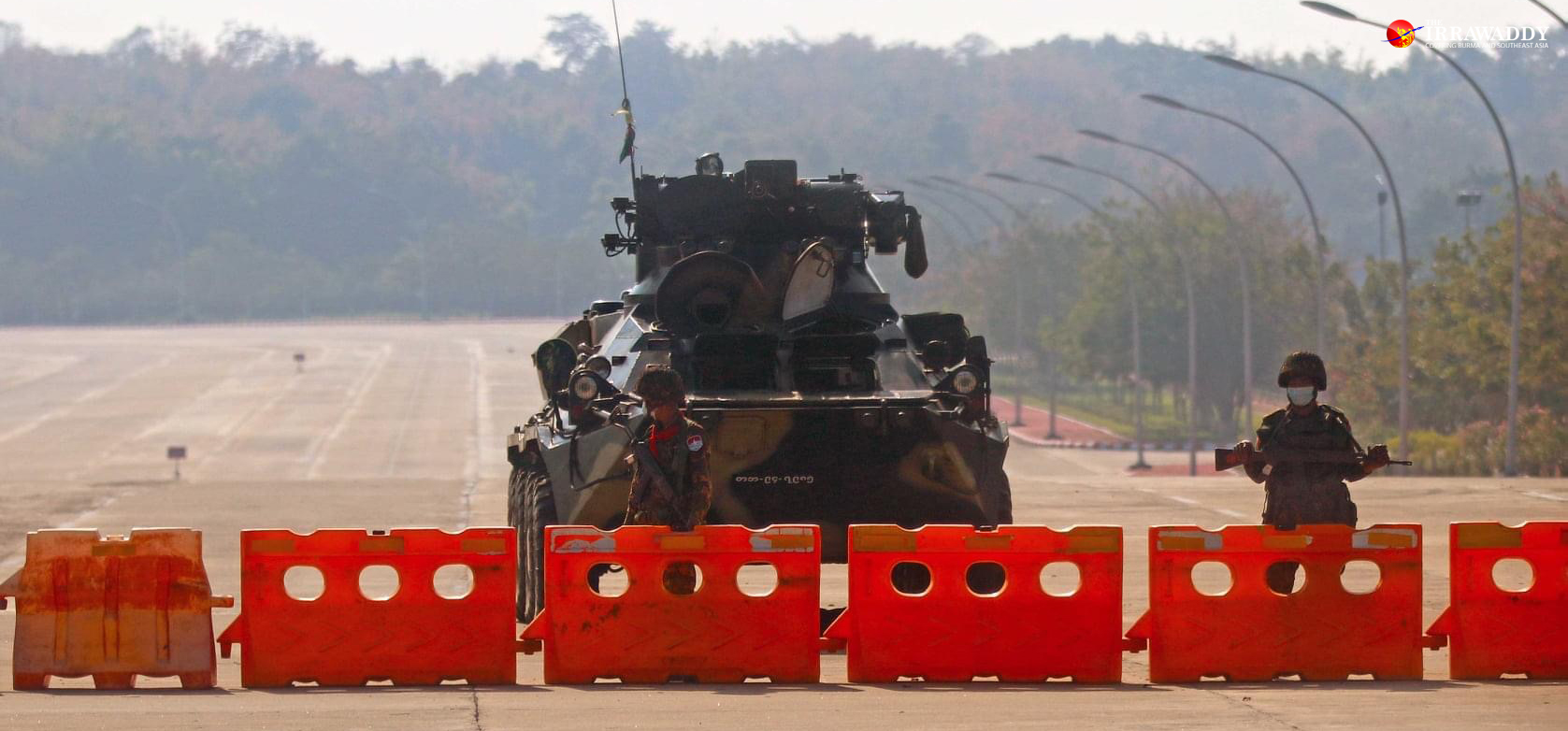
Burma’s military announced that it has taken control of the country and imposed a state of emergency. The country’s civilian leader Aung San Suu Kyi was detained in an early morning raid along with President U Win Myint and other figures associated with the ruling National League for Democracy (NLD). Although the internet was cut off by the military, Suu Kyi managed to get out a statement to social media calling on Burma’s people to “protest against the coup.” The military, officially known as the Tatmadaw, said the state of emergency will last for a year, during which time armed forces chief Gen. Min Aung Hlaing will rule. The Tatmadaw is justifying the move by asserting that there was voter fraud in the November parliamentary elections, in which the military-linked Union Solidarity Development Party (USDP) suffered a crushing defeat to the NLD. No official election observers had made any claims of fraud. (Photo: The Irrawaddy)

East Asia
Guo Feixiong

China: another human rights lawyer ‘disappeared’

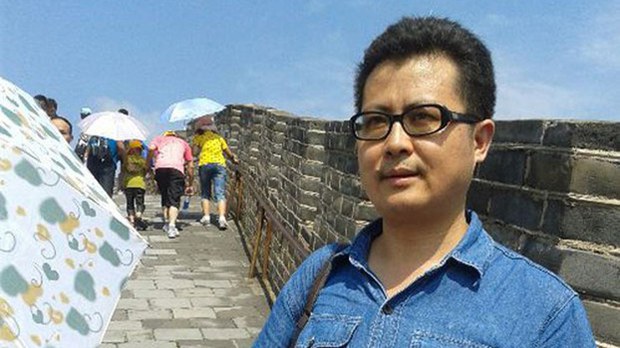
Chinese rights activist and attorney Guo Feixiong was detained at Shanghai’s international airport after border police prevented him from boarding a flight to visit his ailing wife, Zhang Qing, who is being treated for cancer in the Washington DC area. Guo had time to get out a text message saying he was accused of “endangering national security,” and announcing that he would immediately begin a hunger strike in protest, before his phone went silent. Family and friends have not heard from him since. He was at the Shanghai airport for a connecting flight from Guangzhou, where he had spent the previous weeks, and reported that he was being followed by plainclothes police. (Photo: New Citizens’ Movement via RFA)

Syria
Derik

US forces sent back in to northern Syria?

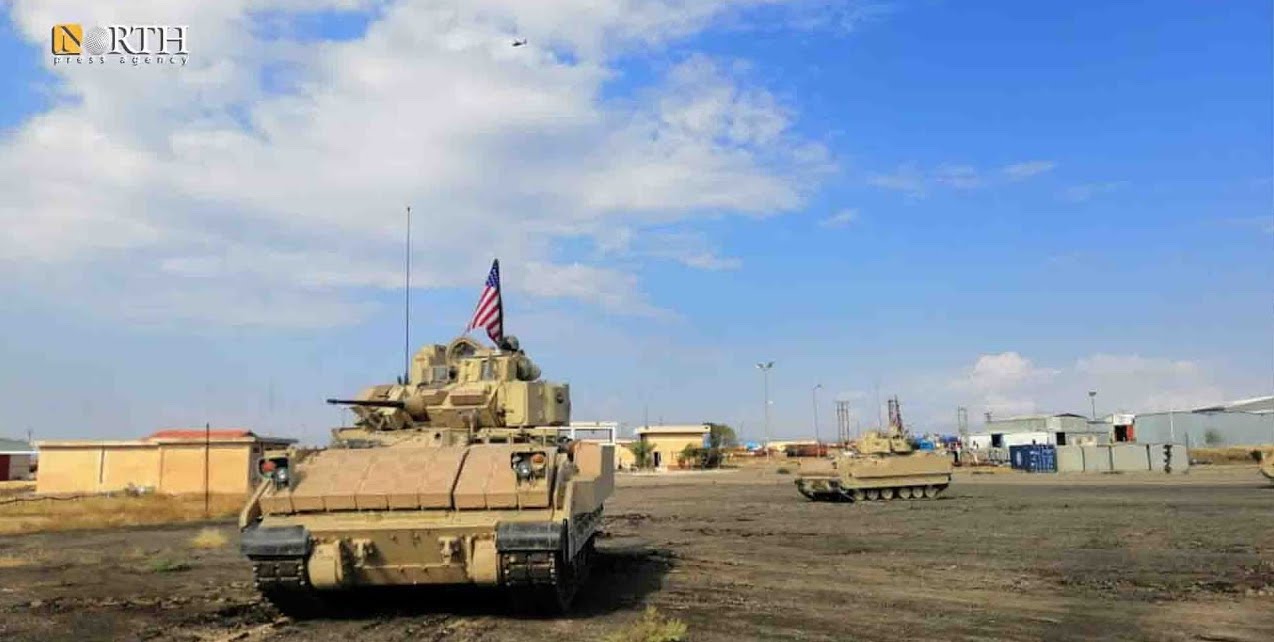
Two days after President Biden’s inauguration, a large convoy of US military vehicles reportedly entered northern Syria from across the Iraqi border. The convoy, consisting of some 40 trucks and armored vehicles accompanied by helicopters, was reported by Syrian state media, citing sources on the ground. The putative sighting raises speculation that Biden is reversing the withdrawal of US troops from northern Syria, which had been ordered by Trump in 2019. The report comes as the uneasy peace between Kurdish forces in the region and the Assad dictatorship is breaking down, with new fighting in the town of Qamishli, shattering a de facto power-sharing arrangement. (Photo: North Press Agency)

The Andes
comunes

Colombia’s ex-FARC rebranded —again

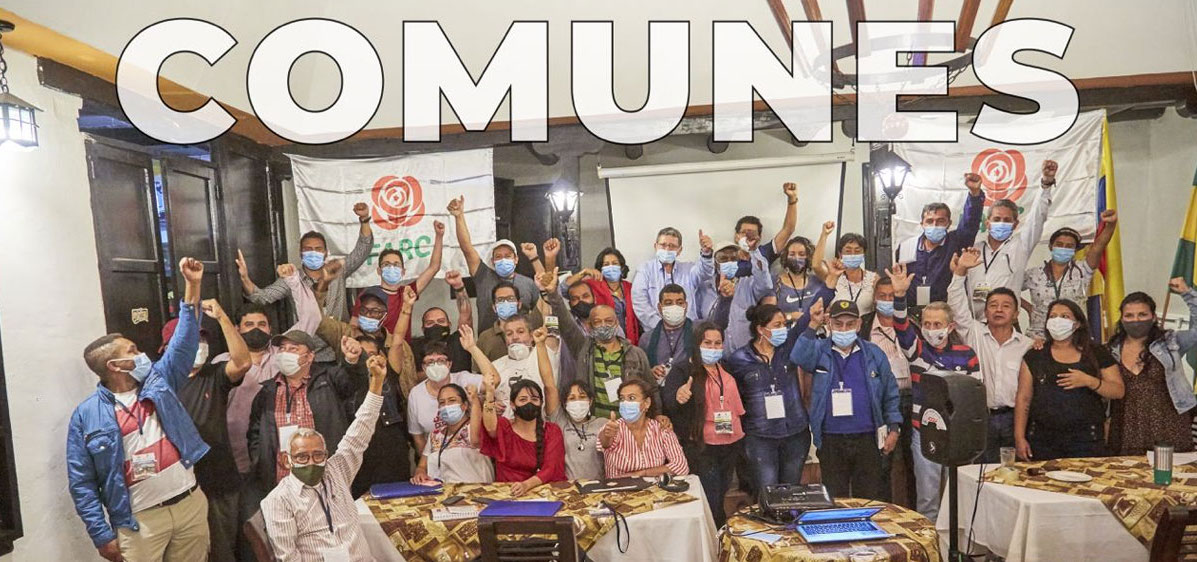
Colombia’s former FARC rebels voted to no longer use the acronym of their now-defunct guerilla army as that of their new political party. The change in name was proposed by the FARC’s former military commander Rodrigo Londoño AKA “Timochenko,” ahead of the leftist party’s Second Extraordinary Assembly. It was approved by a majority vote of 250 participating delegates at the assembly, which was held via video link at several points around the country. Delegates agreed to change the party’s name to Comunes (Commons). The former Revolutionary Armed Forces of Colombia originally re-branded in 2017 as the Revolutionary Alternative Forces of the Commons. The full name and associated acronym were dropped to disassociate the party from the former guerilla army, which remains listed as a “foreign terrorist organization” by the US State Department, as well as from “dissident” guerilla factions that have remained in arms. The acronym dates to the founding of the guerilla army in 1964. (Photo via Colombia Reports)

North America
detrumpification

Podcast: for total de-Trumpification

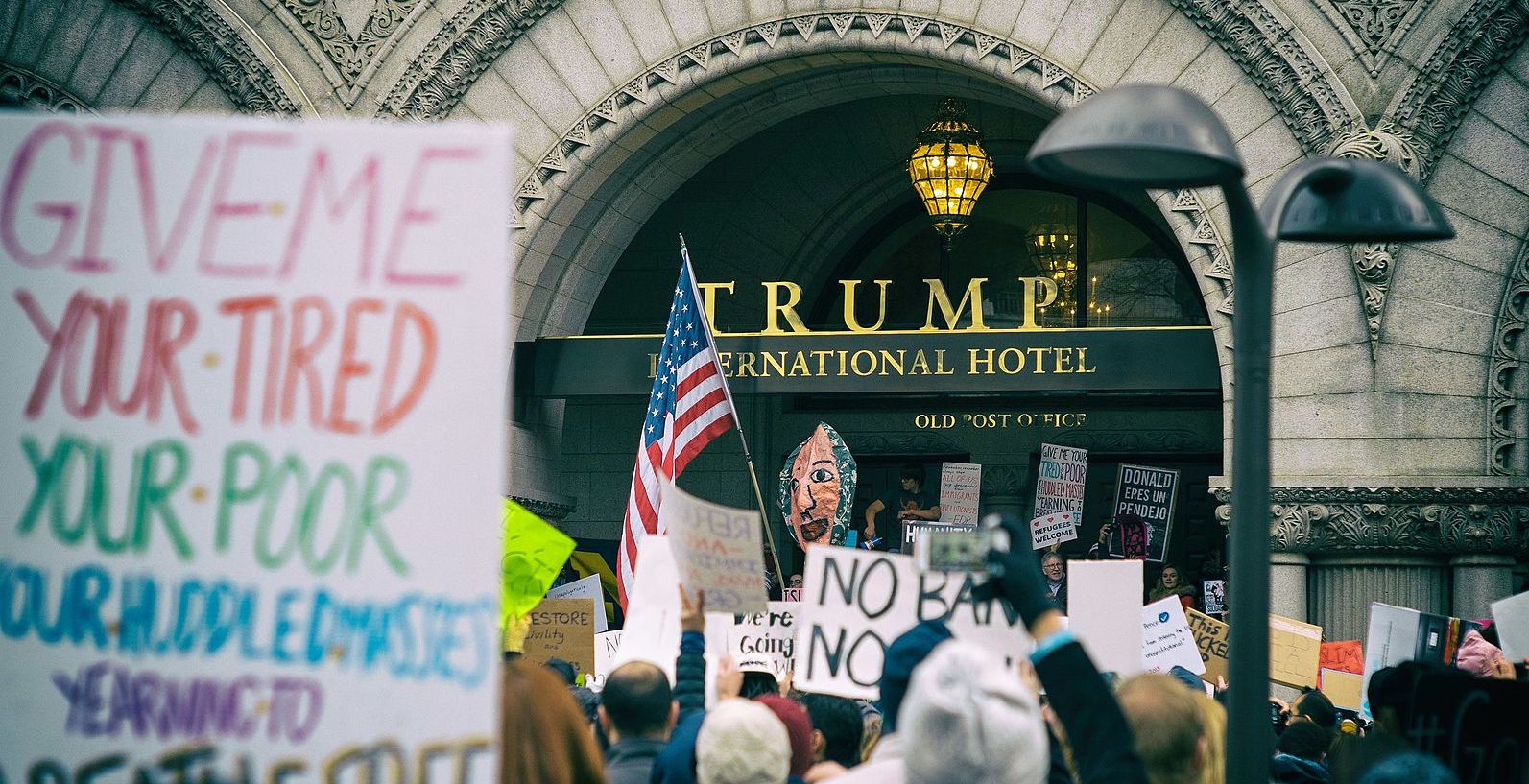
In Episode 62 of the CounterVortex podcast, Bill Weinberg grimly notes that, even with 400,000 Americans dead to COVID-19, the worst potentialities of the Trump presidency were not realized. Trump never (quite) established a dictatorship, and we didn’t (quite) go over the edge into civil war. The critical task now for the country’s progressive forces is to push for a maximal and thoroughgoing detrumpification—akin to the denazification of Germany after World War II. We may truly hope that the Capitol insurrection will prove to have been the last gasp of Trumpism. However, it may have been his Beerhall Putsch—and, as last time, there could be a second act. The more thoroughly Trumpism is reversed, the more likely it will be defeated and broken politically—especially given its glorification of “winning” and denigration of “weakness.” The risk of sparking a backlash is not to be dismissed, but the greater risk is that of appeasement. Listen on SoundCloud or via Patreon. (Photo: Mike Maguire/WikiMedia)