Africa
Central African Republic

CAR: accused war criminal runs for president

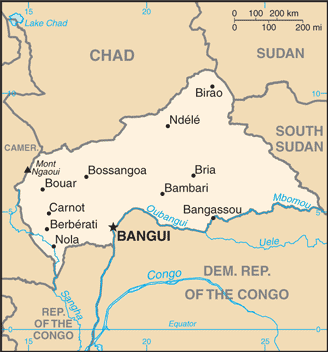
Amid rising tensions and insecurity in the Central African Republic, deposed former president François Bozizé has announced his candidacy for the upcoming presidential elections, scheduled for December. Bozizé is currently under UN sanctions and subject to an arrest warrant issued by the government for “crimes against humanity and incitement to genocide.” He is accused of having backed a brutal rebel movement after his ouster in 2013, fueling a civil war that has left millions displaced. However, authorities show little sign of moving to execute the warrant, and Bozizé has been openly working for a political comeback since returning to the country last year. (Map via Perry-Castañeda Library Map Collection)
Africa
Sudan rebels

Troops to Darfur as war re-escalates

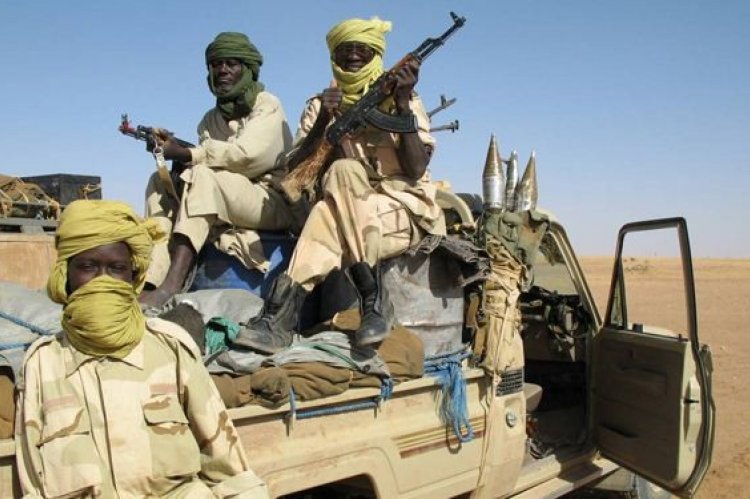
The Sudanese government is sending more forces to the restive Darfur region, following a new escalation in violence there. Prime Minister Abdalla Hamdok said the troops are to protect people during the farming season. Dozens have been killed and several villages destroyed in Darfur over the past weeks, even as the UN Security Council discusses an “exit strategy” for the peacekeeping force. Ironically, efforts to instate the peace implementation process in Darfur may have contributed to the new surge in violence. With government encouragement, those displaced by the conflict finally started returning home in time for this year’s planting season. But this has led to new disputes between returnees and people who took over their lands in the intervening years. (Photo: Libya Observer)

The Andes
COB cabildo

Bolivia: general strike to protest postponed elections

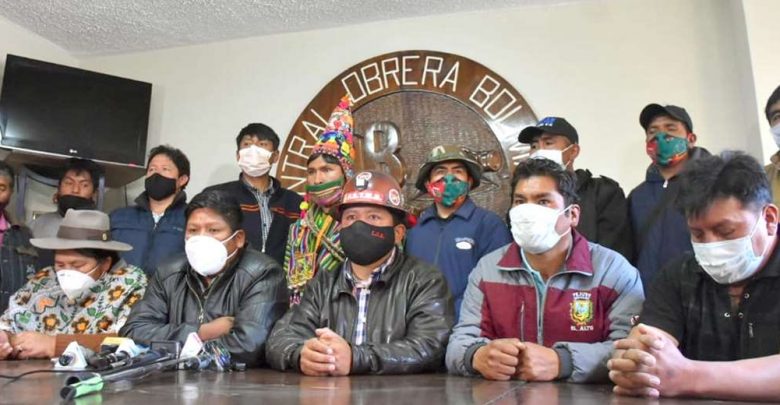
A thousands-strong march through the Bolivian highland city of El Alto was followed by a cabildo, or mass meeting, in which unions and popular organizations agreed to immediately begin an “indefinite” general strike, demanding that new elections be held on schedule. The country’s first elections since the ouster of president Evo Morales last year were slated for Sept. 6, but the government of interim president Jeanine Añez has postponed them to Oct. 18, citing the COVID-19 pandemic. The cabildo was called by the Bolivian Workers Central (COB), the country’s main trade union bloc, and included representation from campesino organizations and El Alto’s powerful alliance of working-class neighborhood organizations. COB leader Juan Carlos Huarachi affirmed: “If we join together as miners, campesinos, the middle class and El Alto, we can be dynamite.” (Photo: ERBOL via Opinión)

The Andes
Totumito

Colombia: massacre sparks mass displacement

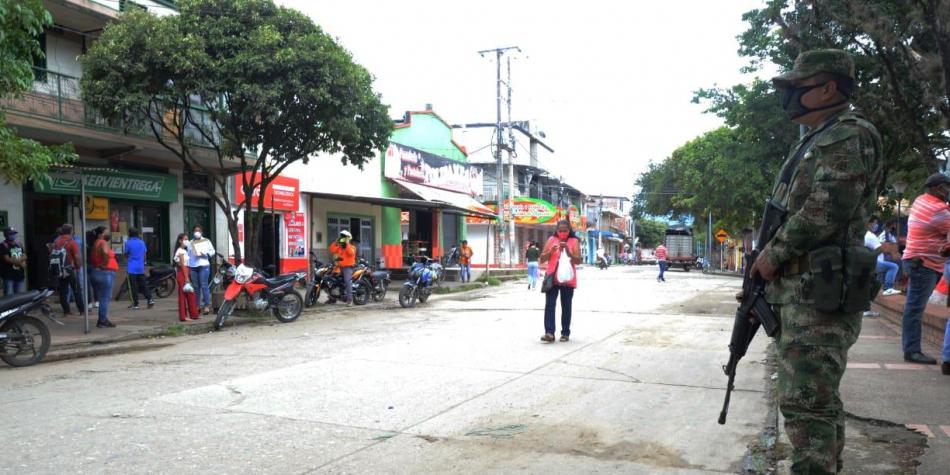
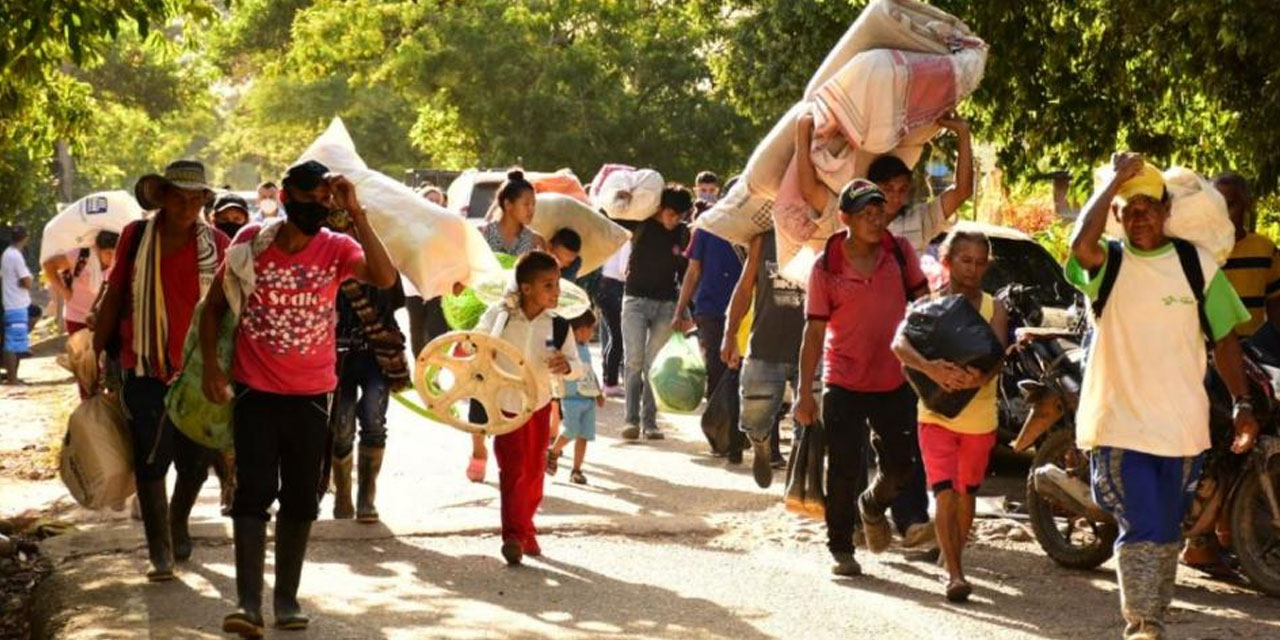
A massacre that left eight campesinos dead in northeast Colombia’s Catatumbo region spurred the forced displacement of some 450 people, local authorities report. The massacre at Totumito vereda (hamlet) in Tibú, a rural municipality on the border with Venezuela, took place amid a territorial dispute between the ELN guerrillas and Los Rastrojos, a paramilitary network that largely controls the nearby border city of Cúcuta. According to the Catatumbo Campesino Association (ASCAMCAT), the Rastrojos carried out the attack after the ELN planted a banner with their logo in the vereda. More than 100 families have fled to the municipal centers of Tibú or Cúcuta, fearing another attack. Control of drug-trafficking routes over the Venezuelan border is said to be at issue in the conflict. (Photo via Colombia Reports)

Syria
syria refugees

Syria: controlled elections amid deepening crisis

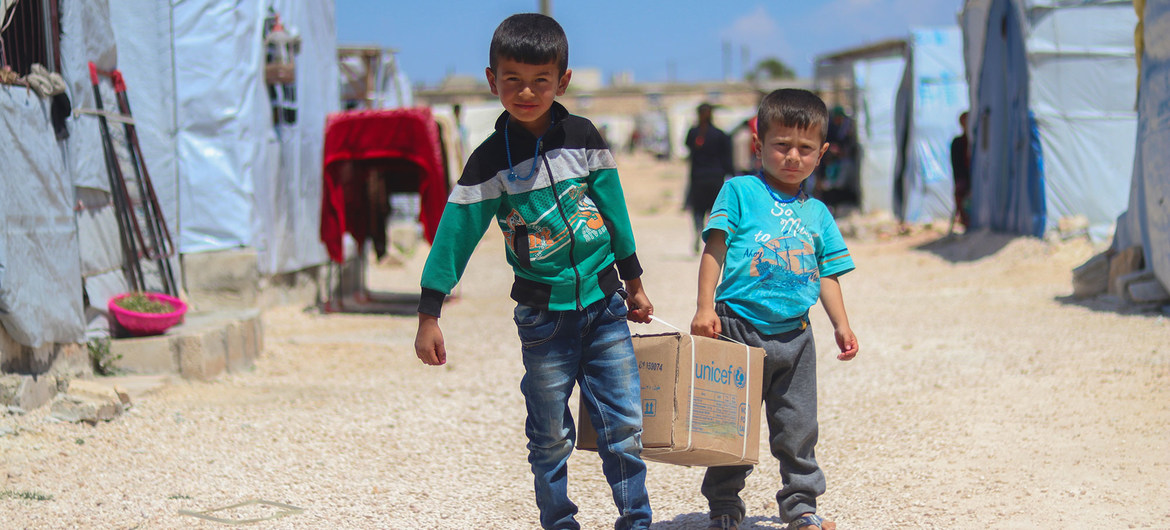
To nobody’s surprise, Syrian dictator Bashar Assad’s bloc won a majority of seats in the country’s parliamentary election, dismissed as a farce by the exiled opposition. As in the presidential elections that confirmed Assad’s hold on the presidency in 1994, millions displaced by the war were not able to vote. The elections were held amid a deepening economic crisis, with the UN noting a 200% food price hike in under a year and warning of widespread hunger. Russia and China meanwhile continue to use their veto on the Security Council to block aid deliveries to opposition-held areas. (Photo: UNICEF via UN News)

Mexico
guardianacional

Mexico: narco-dystopia amid Trump-AMLO schmooze

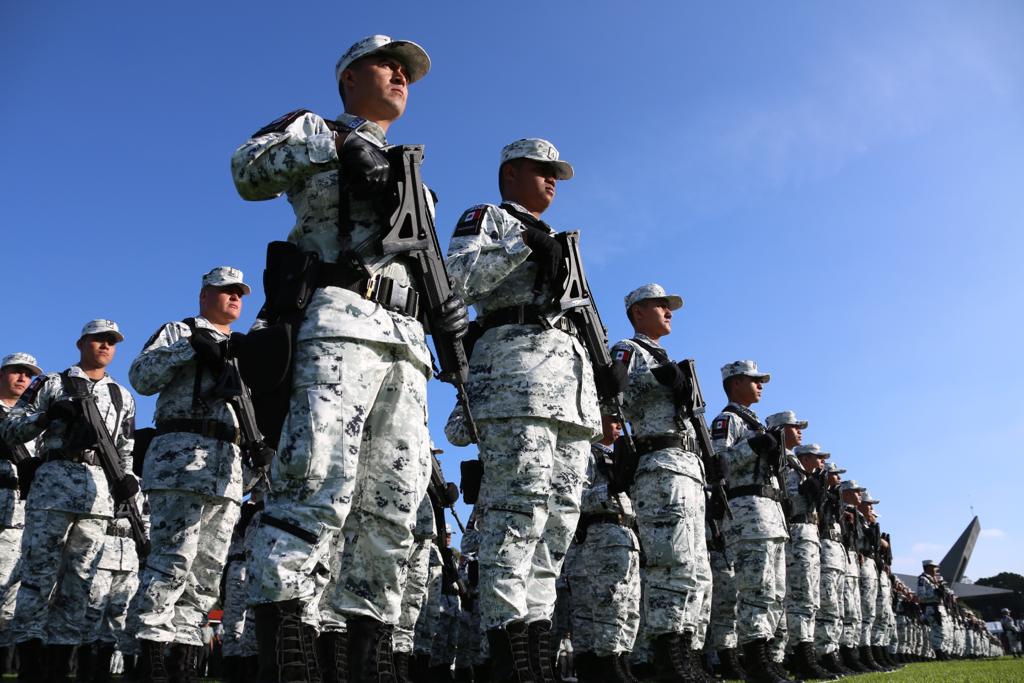
Mexico’s President Lopez Obrador met with Trump at the White House to inaugurate the new trade treaty that replaces NAFTA. Embarrassingly, the meeting was punctuated by horrific new outbursts of narco-violence in Mexico. And the country’s promised cannabis legalization—mandated by the high court and looked to as a de-escalation of the dystopian drug war—is stalled by a paralyzed Congress. (Photo: Secretaría de Seguridad y Protección Ciudadana)

Planet Watch
Bicycles

Global mayors envision car-free ‘new normal’

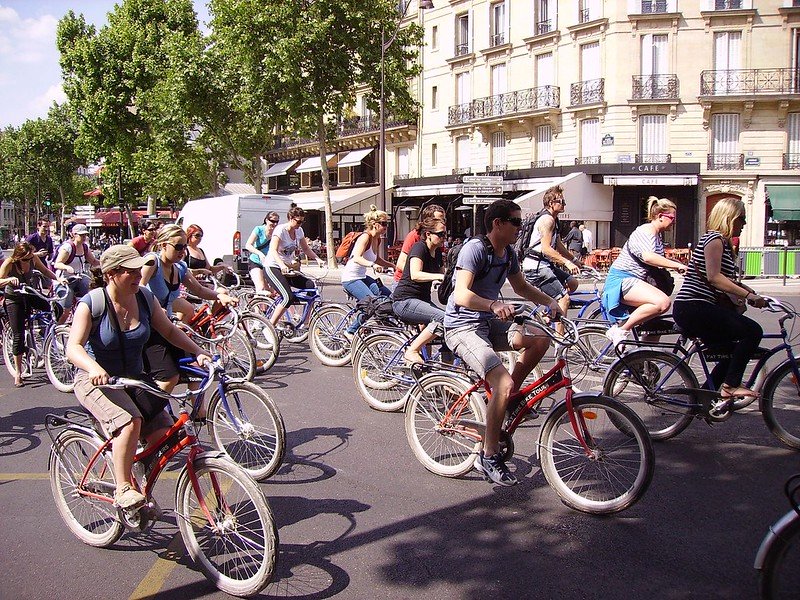
The Global Mayors COVID-19 Recovery Task Force, representing cities on every continent, announced a proposal for a post-pandemic “new normal” that will de-emphasize cars and carve out more room on the streets for bicyclists. The C40 Mayors Agenda for a Green and Just Recovery seeks to create conditions that will proactively prepare cities for future pandemics, while addressing systemic injustices and keeping global warming below the 1.5°C goal of the Paris Agreement. The Agenda calls for substantial investments in affordable housing and public transportation, the permanent banning of cars from many thoroughfares, an end to public investment in and subsidies for fossil fuels, and an embrace of the “15-Minute City” paradigm now being pioneered by Paris. (Photo: JPC24M)

Syria
Khan Sheikhoun

OPCW condemns Assad regime over chemical attacks

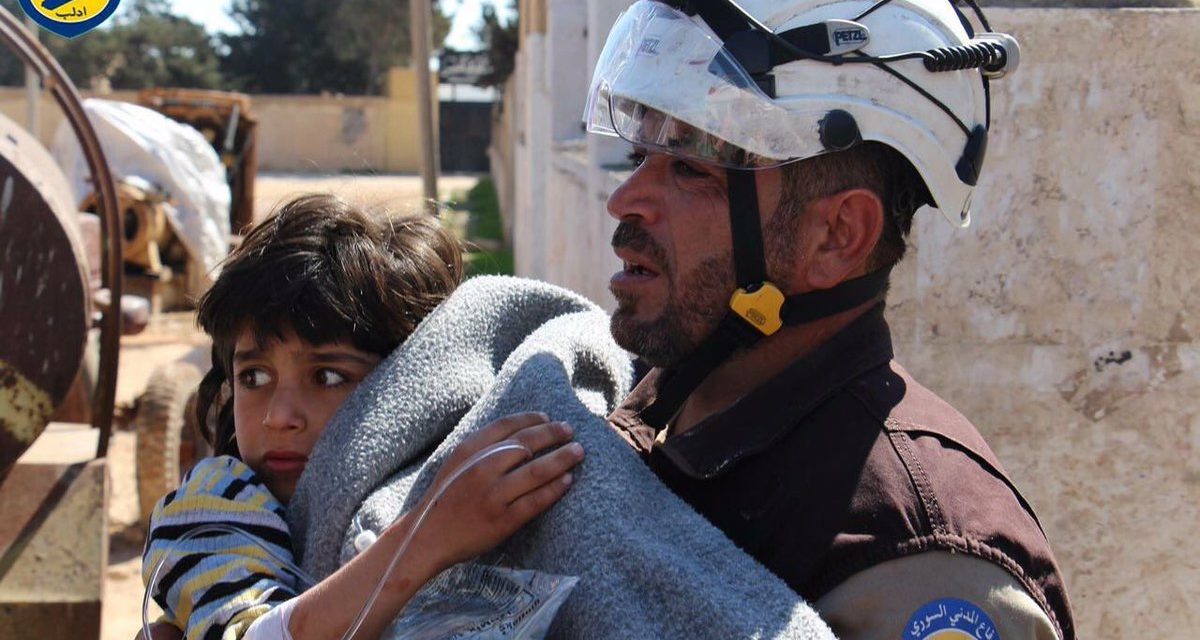
Member states of the Organization for Prohibition of Chemical Weapons (OPCW) voted 29-1 to condemn Syria’s Bahsar Assad regime over chemical attacks on civilians in opposition-held areas. Overriding a sustained propaganda campaign by Russia, the regime and their supporters, the member states endorsed the conclusions by the OPCW Investigation & Identification Team that regime forces used sarin and chlorine in attacks on al-Lataminah, Hama governorate, in March 2017. Russia and Iran, the primary backers of the Assad regime since the Syrian uprising began in 2011, voted no, joined by China. There were nine abstentions. (Photo from April 2017 Khan Sheikhoun attack via EA Worldview)

The Andes
huila

Colombia: campesinos massacred in Huila

A band of armed men in trucks and on motorcycles invaded two veredas (hamlets) in the rural zone of Algeciras municipality, in Colombia’s central-south department of Huila, terrorizing local residents. The armed men entered homes, menacing the families at gunpoint, before identifying one family they had apparently marked for death. Four family members were killed, and two more wounded, including an eight-year-old boy. The gunmen fled before they could be identified. However, both “dissident” elements of the FARC guerillas who remain in arms in defiance of the peace deal and right-wing paramilitary groups are active in the area. Ex-FARC combatants are being especially targetted by the paramilitaries. (Photo via El Tiempo)

Africa
Sudan

Sudan reforms harsh Islamist legal code

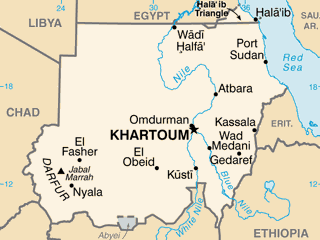
After more than 30 years of Islamist rule, Sudan’s interim Sovereignty Council has unveiled a sweeping reform of the sharia-based legal code. The revisions aim to bring Sudan’s laws in line with the Constitutional Declaration that established the country’s transitional government a year ago, and included guarantees for basic rights and freedoms. Most significantly, the amendments abolish the crime of “apostasy”—meaning conversion from Islam, which had carried the death penalty and was widely used to target political opposition. (Map: Perry-Castañeda Library Map Collection)
Inner Asia
Uzbek migrants

Migrants stranded on Russian-Kazakh border

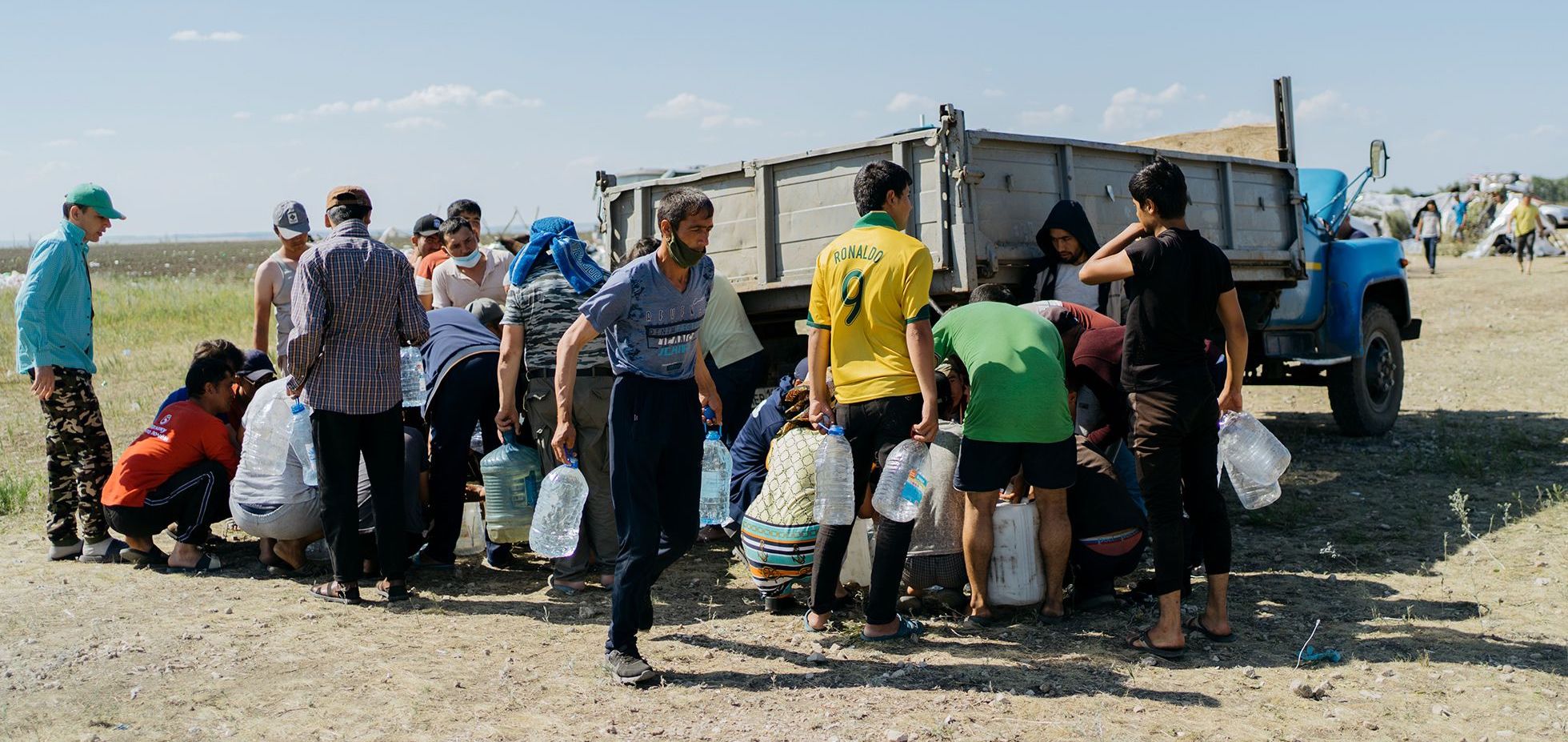
Thousands of migrant workers from Uzbekistan have been stranded for weeks at the Russia-Kazakhstan border. Left without work in Russia amid the COVID-19 pandemic, they sought to make their way home by land through Kazakhstan—only to find the border closed by Kazakh authorities. The migrants have set up a makeshift camp in an open field, where they are struggling without adequate food, water or supplies in severe summer heat. (Photo: Meduza)

The Caucasus
tovuz

Armenia-Azerbaijan border as regional flashpoint

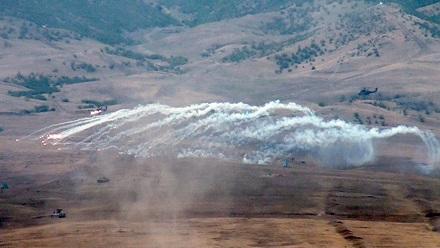
Several have been killed in ongoing clashes that broke out along the border of Armenia and Azerbaijan. An Azerbaijani general is among the dead in the heaviest fighting between the two nations in years. Villages in Azerbaijan’s northern Tovuz rayon (district) have come under artillery fire by Armenian forces, causing property damage. Officials in both countries blamed each other for starting the fighting. But some see an Armenian design to involve Russia in the conflict. This time the fighting is not in the contested enclave of Nagorno-Karabakh, where Armenia does not have internationally recognized sovereignty. An attack there would fall outside the purview of the Russian-led Collective Security Treaty Organization (CSTO), of which Armenia is a member. Under Article 4 of the CSTO Charter, an attack on a member state is considered an attack against all members. (Photo: Axar.az)