New York City
Fifth Estate

Fifth Estate Live with Bill Weinberg

Portland-based musician and vlogger David Rovics interviews CounterVortex editor Bill Weinberg for Fifth Estate Live. The two discuss Weinberg’s upcoming story for the anarchist journal Fifth Estate on the “two faces of fascism” the US confronts at this moment—a Trumpian dictatorship or a post-pandemic “new normality” of complete surveillance and social control. But the moment is also pregnant with possibility, witnessing the mainstreaming of anarchist ideas such as abolishing the police. Initiatives such as cannabis legalization as a first step toward this aim are gaining ground nationally. Looking back, they draw lessons for the current revolutionary moment from the Tompkins Square Park uprising on Manhattan’s Lower East Side in the 1980s, and the rebellion of the Zapatistas in Mexico in the 1990s—who continue to hold liberated territory in the southern state of Chiapas even today. Watch the video archive on YouTube or listen to the audio version on SoundCloud.
The Amazon
Manuin

Peru: Bagua survivor succumbs to COVID-19

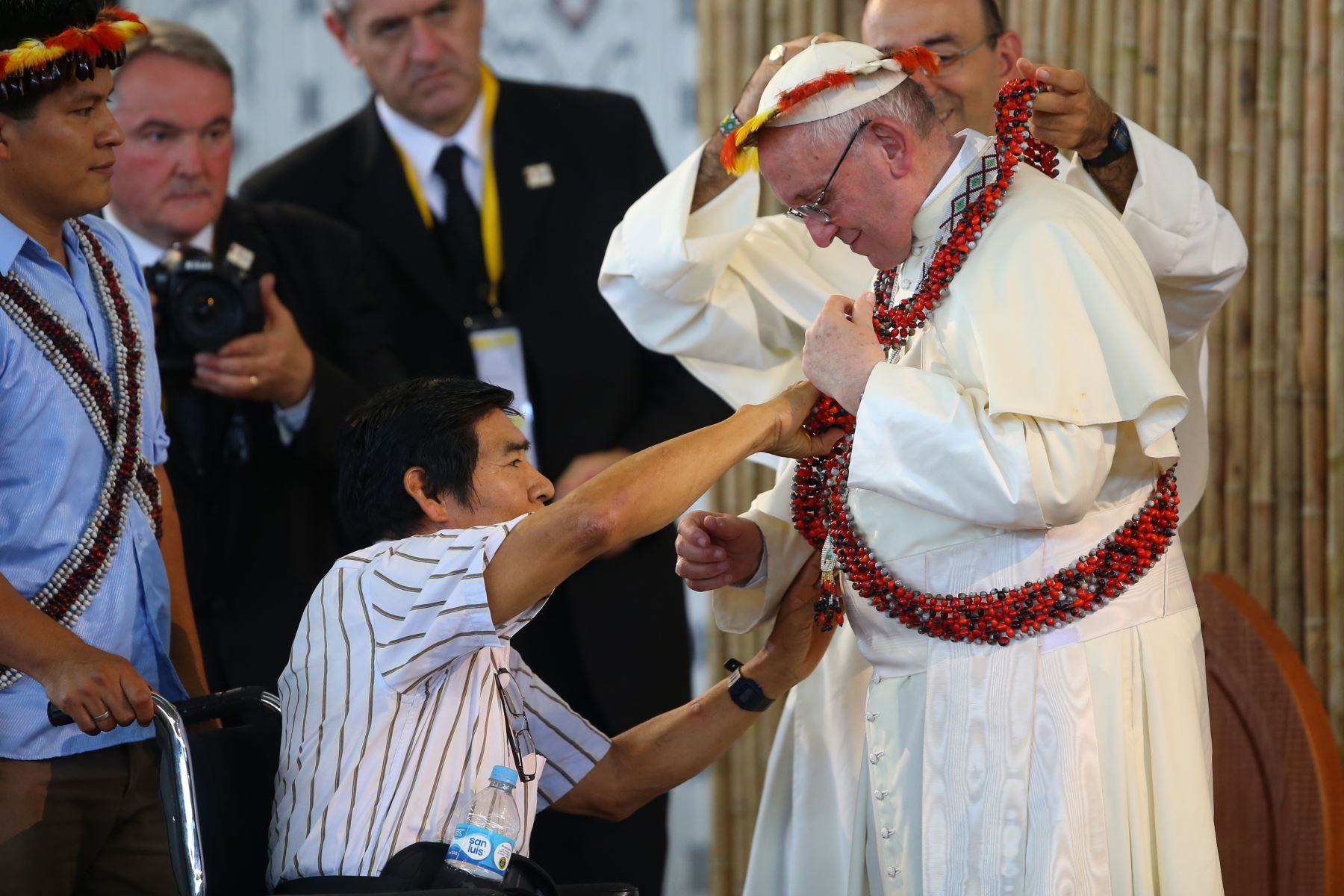
A revered leader of Peru’s Awajún indigenous people, Santiago Manuin Valera, 63, died of COVID-19 at a hospital in the coastal city of Chiclayo. Head apu (traditional chief) of Santa María de Nieva in Amazonas region, Manuin was gravely wounded in the Bagua massacre of June 2009, when National Police opened fire on indigenous protesters. Hit with eight bullets, he was left for dead. Against all expectations, he recovered—although he had to use crutches or a wheelchair for the rest of his life. He continued to be an outspoken advocate for the territorial rights of the Awajún and other indigenous peoples of rainforest. His daughter, Luz Angélica Manuin, warned of a dire situation in the Awajún communities and across the Peruvian Amazon, with COVID-19 taking a grave toll. “There are many dead,” she said. “We keep vigil over them and we bury them. The government has forgotten us.” (Photo: Andina)

Africa
ISIS Nigeria

ISIS franchise claims attack on Nigerian military

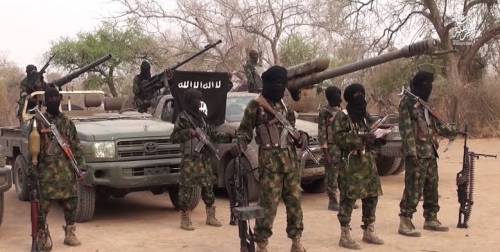
The self-proclaimed Islamic State West Africa Province (ISWAP) issued a statement claiming its fighters killed 40 Nigerian soldiers in an ambush along the Damboa-Maiduguri highway in northern Borno state. The statement said ISWAP fighters captured five all-terrain vehicles, weapons and ammunition, and burned an armored vehicle during the attack. The Nigerian military confirmed the attack but said only two soldiers were killed. Boko Haram has now split into two factions. One, under longtime leader Abubakar Shekau, is notorious for suicide bombings and indiscriminate killings of civilians. Shekau pledged allegiance to ISIS leader Abu Bakr al-Baghdadi in 2015, but ISIS only recognizes the rival faction, which calls itself ISWAP. (Photo: Sahara Reporters)

Inner Asia
ET-Gulag-Archipelago

Uighurs charge China officials with ‘genocide’ at ICC

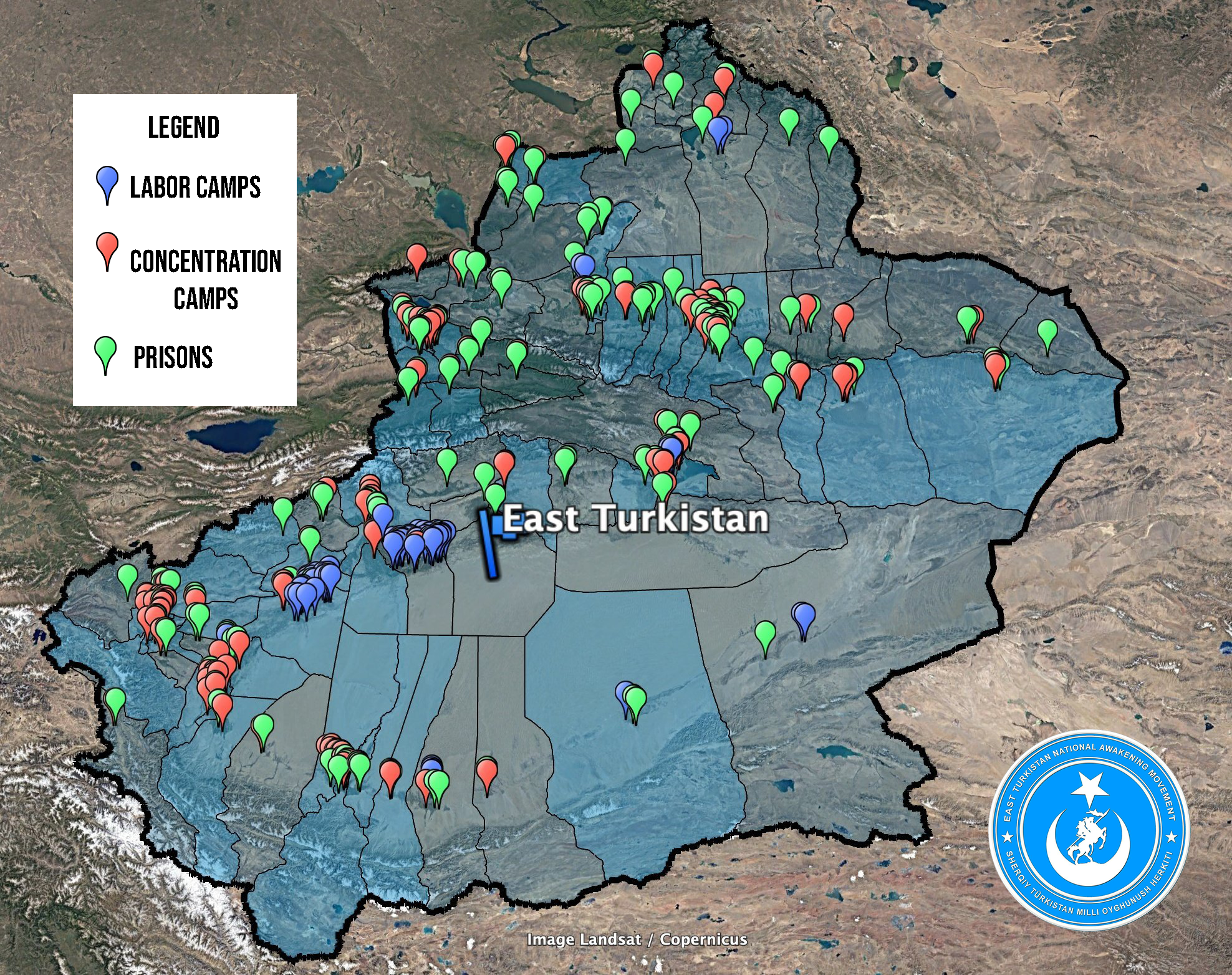
Lawyers submitted a complaint to the International Criminal Court (ICC), demanding that an investigation be opened into senior Chinese leaders for genocide and crimes against humanity, allegedly committed against the Uighurs and other Turkic peoples. The complaint was filed on behalf of the East Turkistan Government in Exile (ETGE) and the East Turkistan National Awakening Movement (ETNAM). China is not a signatory to the Rome Statute, but the lawyers argue that the ICC can exercise jurisdiction over these crimes because part of the criminal conduct occurred within the territory of two signatory states—Tajikistan and Cambodia. The complaint asserts that Uighur victims have been unlawfully deported to the People’s Republic of China from Tajikistan and Cambodia to face abuses including murder, unlawful imprisonment, torture, forced sterilization, and forced marriages. (Photo: ETNAM)

Syria
White Helmets

UN Rights Council sees Russian ‘war crimes’ in Syria

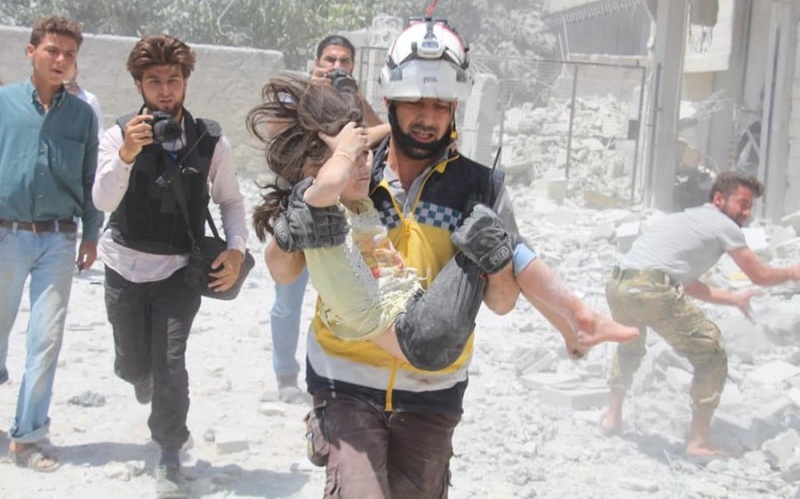
A UN Human Rights Council report concludes that air-strikes on civilian infrastructure by Syrian government and Russian forces in Idlib and Aleppo provinces amounted to war crimes. The report assessed incidents that occurred from November 1, 2019, to June 1, 2020. The Syrian government and Russian Aerospace Forces carried out both land and air attacks, which destroyed civilian infrastructure. The report documented 52 “emblematic attacks” that led to civilian casualties or damage to civilian infrastructure. These included 17 attacks on hospitals and medical facilities as well as 14 attacks on schools. (Photo via EA Worldview)

Africa
Misau

Nigeria: Fulani conflict upends traditional rule

The ongoing conflict between settled farmers and Fulani herdsmen in northern Nigeria again exploded into violence in Bauchi state. The clash at Zadawa village left nine dead and several injured on both sides. The village is part of the Misau Local Government Area, a traditional emirate recognized by the state and national authorities. In the aftermath of the communal violence, Bauchi Gov. Bala Mohammed officially suspended the powers of the emir of Misau, Alhaji Ahmed Suleiman, finding that he had taken actions that led to the escalation. At issue were lands owned by the emirate on the periphery of the village that had long been used for grazing by Fulani herders, but which were turned over to local farmers. Restoration of the emirate’s powers are pending, based on the findings of a commission called by the governor to investigate the matter. (Photo: Sahara Reporters)

The Andes
Colombia military

Colombia: court orders suspension of US military ops

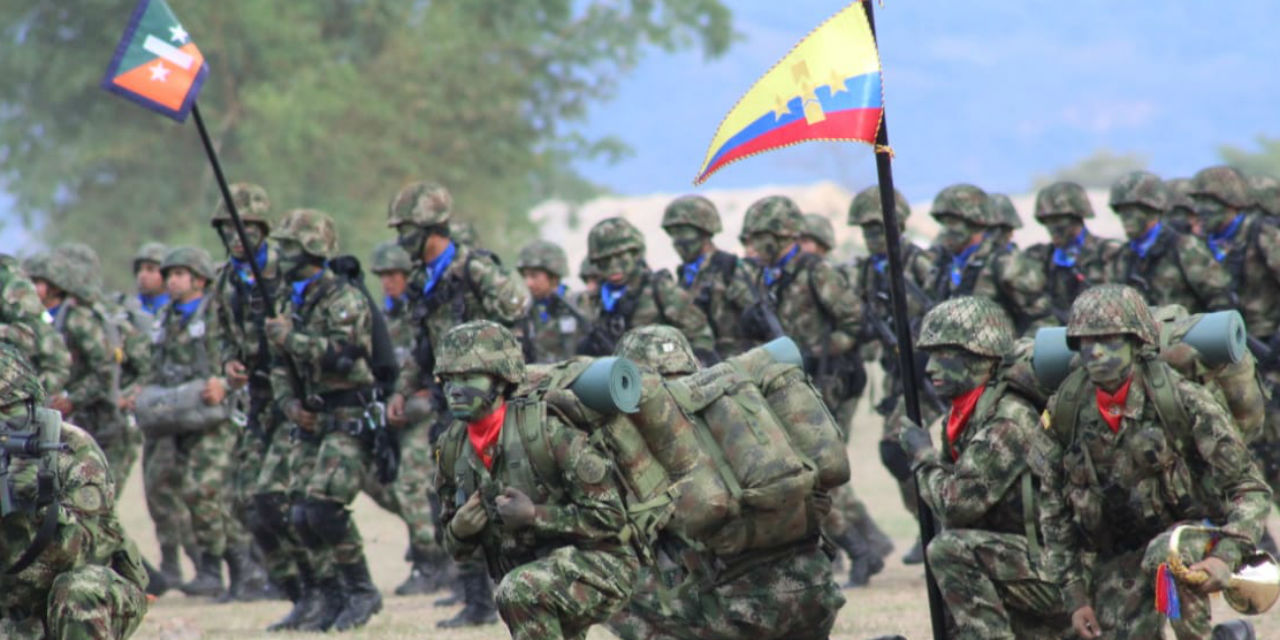
In an unprecedented move, a Colombian judge gave President Ivan Duque 48 hours to suspend the participation of US troops in counternarcotics operations. The legal challenge was brought after 53 soldiers from the Pentagon’s Southern Command arrived as part of a “Security Force Assistance Brigade.” When opposition lawmakers protested that they had not been consulted, Defense Minister Carlos Holmes Trujillo told Congress he didn’t need their permission. Left-opposition Sen. Ivan Cepeda responded by taking the matter to the Cundinamarca Administrative Tribunal. The judge ruled that if Trujillo wants the US troops to continue their operations he must either receive permission from Congress or successfully appeal the ruling within 72 hours. (Photo via Colombia Reports)

The Amazon
TIPNIS

Bolivia: IACHR to hear TIPNIS case

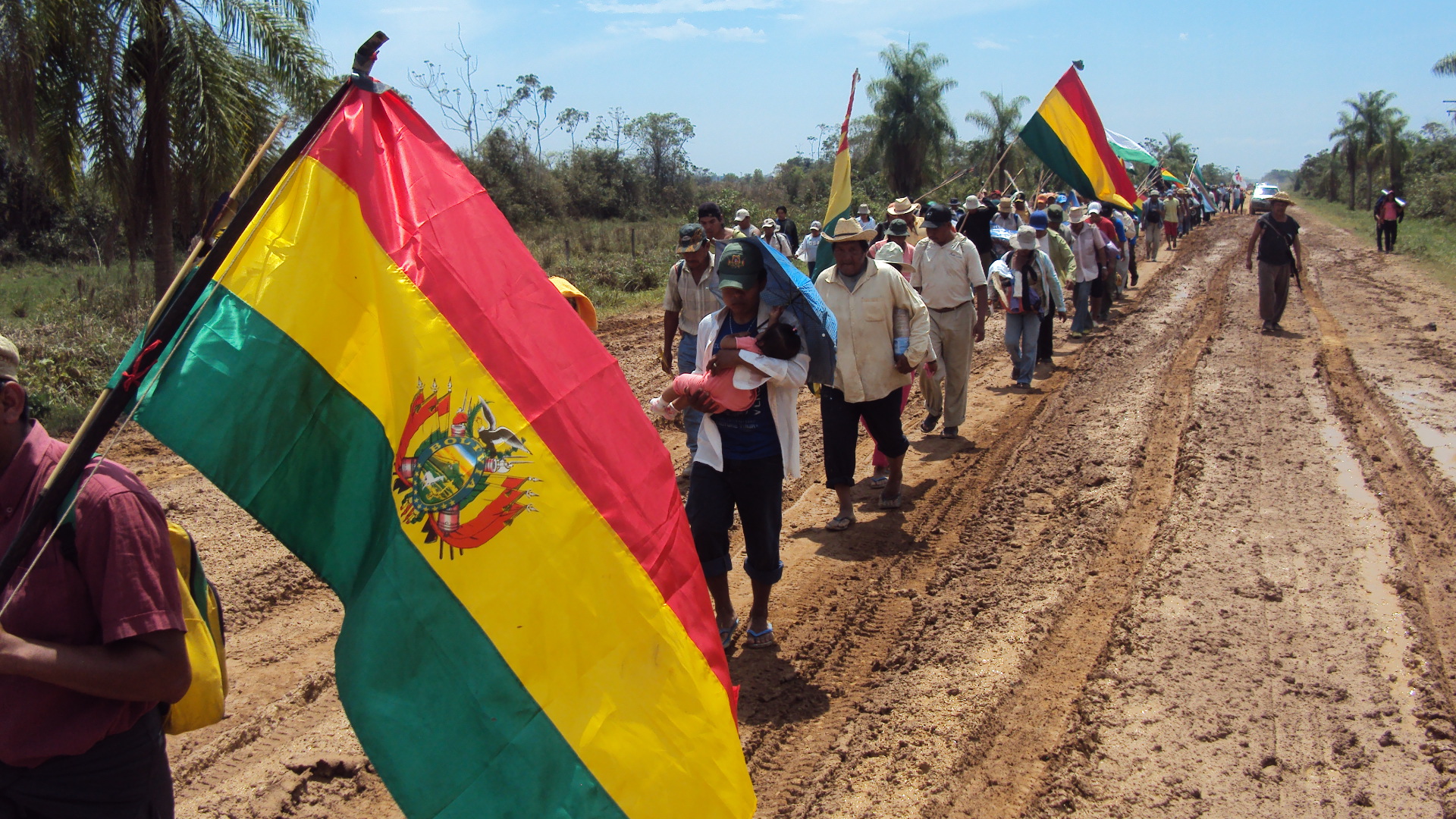
The Inter-American Commission on Human Rights (IACHR) formally agreed to hear a complaint filed by 64 indigenous communities in Bolivia’s eastern rainforest, accusing the Bolivian state of violating their territorial rights under the administration of ousted president Evo Morales. The complaint charges that Bolivian authorities undertook to build a highway through the Isiboro-Sécure National Park & Indigenous Territory (TIPNIS) without consulting or obtaining the consent of indigenous inhabitants. It also alleges that the government illegally used force to break up the cross-country “VIII Indigenous March” that was called to protest the road construction in 2011. (Photo via Bolivia Diary)

Africa
Hachalu

Ethiopia: slaying of musician sparks Oromo uprising

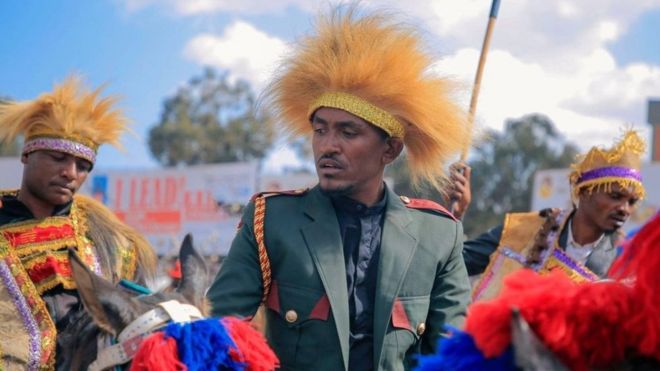
The military has been deployed in the Ethiopian capital amid a general uprising by the Oromo people that broke out after the assassination of a popular singer. Hachalu Hundessa, shot while driving on the outskrits of Addis Ababa, was an icon of the Oromo protest movement that has been mounting since 2015. His songs have been hailed as the “soundtrack of the Oromo revolution,” and he was named “Oromo Person of the Year” by cultural advocates in 2017. Two have been arrested in the killing, but rebellion continues to spread across Central Ethiopia. At least 80 have been killed and many detained. Oromo leader Jawar Mohammed is among those arrested. (Photo: DAGI Pisctures via BBC News)

East Asia
Demosisto

Hong Kong pro-democracy groups ‘dissolve’

Hong Kong pro-democracy group Demosisto announced it will disband following China’s enactment of a “National Security Law” that extends Beijing’s control over the semi-autonomous city. The decision to disband came hours after three of the group’s leading activists, Joshua Wong, Nathan Law and Agnes Chow, issued statements saying they were stepping down from the organization under threat of “political imprisonment.” (Photo: ANSA)

Watching the Shadows
neo-Nazis

State Department sees global ‘white supremacist’ threat

The US State Department’s newly released “Country Reports on Terrorism 2019” makes special note for the first time of an international white supremacist threat. The report states that the Department’s Counterterrorism Bureau “increased its efforts to combat racially or ethnically motivated terrorism (REMT). REMT, in particular white supremacist terrorism, continues to be a threat to the global community, with violence both on the rise and spreading geographically.” Given that this report is released just as Trump is becoming more blatant than ever in his own espousal of white supremacy, we must ask if this is not another example of the “Deep State” (read: those elements of the bureaucracy not completely co-opted by his dictatorial agenda) acting independently of the White House—or even, as the deplorables love to fear, actually seeking to subvert it. (Photo via Germ)

Planet Watch
landgrab

Destruction of nature linked to new pandemics

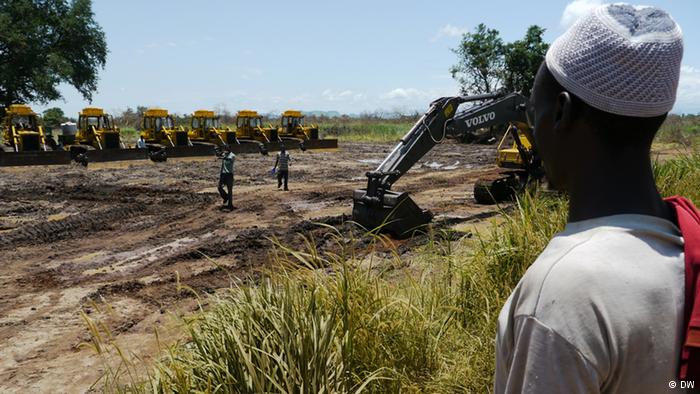
Leaders from the UN Convention on Biological Diversity, the World Health Organization and the World Wide Fund for Nature joined to issue a stark warning that pandemics such as COVID-19 are a direct result of the destruction of nature caused by human activity. In an op-ed published by The Guardian, top figures from each organization state that the destruction of forests and other habitats, coupled with trafficking in wildlife, is causing a growing number of animal diseases to migrate to human hosts. In a call to action ahead of the UN Biodiversity Summit, the three representatives cite prior examples of environmental destruction that triggered new virus outbreaks in humans. (Photo: Schadomski/DW, used with permission)