Syria
syrian refugees

Lebanon: halt ‘refoulement’ of Syrian refugees

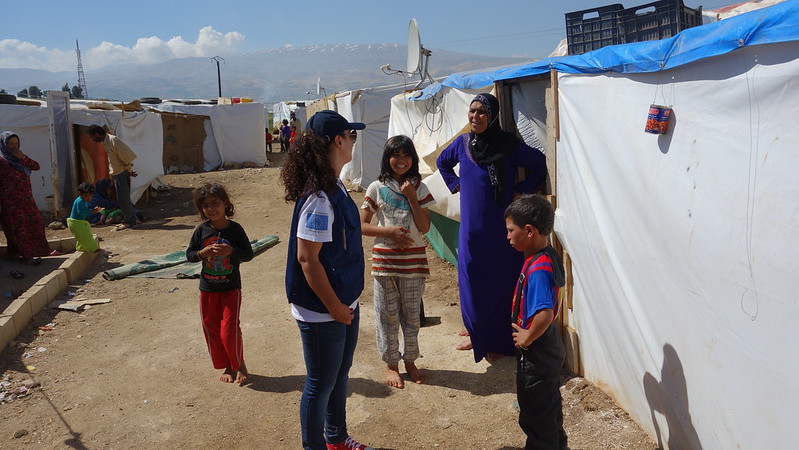
The Syrian Network for Human Rights (SNHR) joined with 20 other human rights organizations to issue a joint statement protesting Lebanon’s summary deportation of Syrian refugees. The rights organizations say the deportations violate the international law principle of non-refoulement, which protects individuals from being returned to a country where they may face torture, cruel or degrading treatment, or other irreparable harm. “The Lebanese Armed Forces have recently summarily deported hundreds of Syrians back to Syria, where they are at risk of persecution or torture,” the statement charges. “The deportations come amid an alarming surge in anti-refugee rhetoric in Lebanon and coercive measures intended to pressure refugees to return.” (Photo: EU Civil Protection & Humanitarian Aid via Flickr)
Europe
Red Square

Russia withdraws from Conventional Forces Treaty

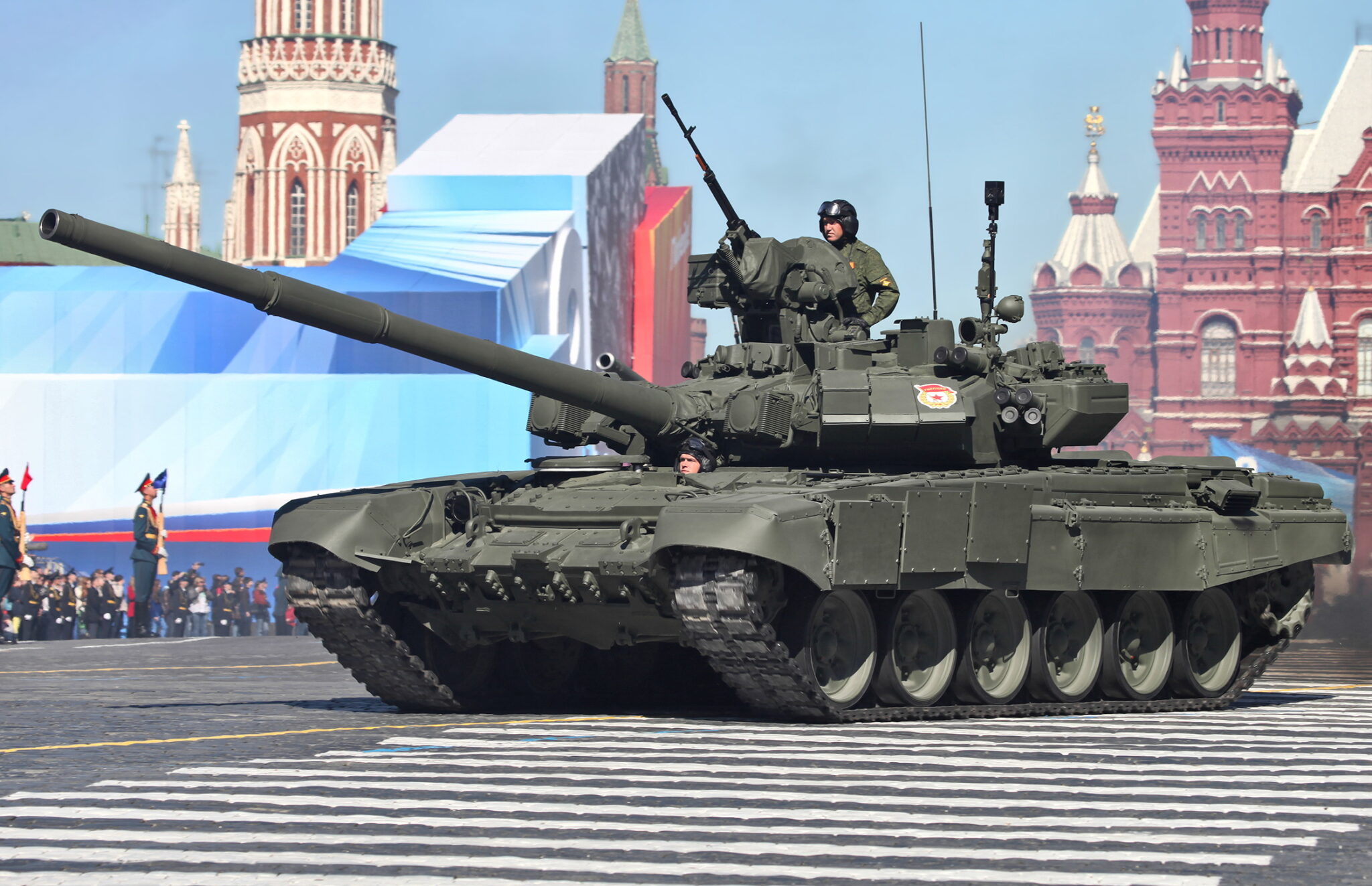
In a declaration signed by President Vladimir Putin, Russia announced its withdrawal from the Treaty on Conventional Armed Forces in Europe, the 1990 pact hailed as the “cornerstone of European security.” The treaty limits the contracting parties, including most European powers and the United States, to no more than 20,000 tanks, 20,000 artillery units, 30,000 armored vehicles, 6,800 warplanes and 2,000 attack helicopters. This marks a further development in Russia’s divergence from international norms since launching its war in Ukraine. This February, exactly a year since the start of the invasion, Moscow announced its withdrawal from the New Strategic Arms Reduction Treaty (New START), the last remaining nuclear arms pact between Russia and the US. (Image: Vitaly Kuzmin via CBRNPro.net)

Greater Middle East

MENA Jews: Zionism or indigeneity?

Amid deadly Israeli air-raids on Gaza, a terror attack targets the ancient Ghriba Synagogue in Djerba, Tunisia. The attack came as Jews from throughout the Mediterranean world gathered at Ghriba in the annual pilgrimage for the Lag B’Omer festival. In Episode 173 of the CounterVortex podcast, Bill Weinberg recalls how the Jews of Djerba have been repeatedly targeted over the past generation, with this latest attack coming in the context of a reconsolidating dictatorship in Tunisia and a harsh crackdown on the opposition. Yet the Tunisian Jews continue to resist Zionist pressure to emigrate to Israel, instead embracing their North African indigeneity. This embrace is overwhelmingly returned by the country’s Arab and Muslim majority, in repudiation of extremists who would target Tunisian Jews to avenge Israeli crimes. Prominent Tunisians were among the Muslims who sheltered Jews during the World War II Axis occupation of North Africa. Listen on SoundCloud or via Patreon. (Photo: Rabbis at Djerba synagogue, 1940, via Beit Hatfutsot)

Europe
ICC

Zelensky: send Putin to The Hague

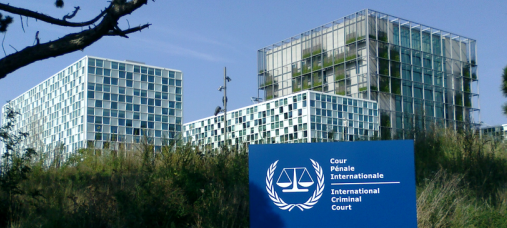
Ukrainian President Volodymyr Zelensky told international jurists that Russian President Vladimir Putin must be brought to justice for his war in Ukraine. Zelensky was addressing The Hague during a visit to the International Criminal Court (ICC), calling for a new international tribunal to prosecute the crime of aggression. Zelenski stressed: “We all want to see Vladimir here, in the Hague… and I am sure we will see that happen when we win. And we will win.” The ICC issued an arrest warrant for Putin in March over the forced deportation of children from Russian-occupied areas of Ukraine. Revelations of Russian war crimes in Ukraine have continued to mount since then. (Photo: OSeveno/WikiMedia)

Syria
syria

Syria: regime ‘normalization’ —amid war and hunger

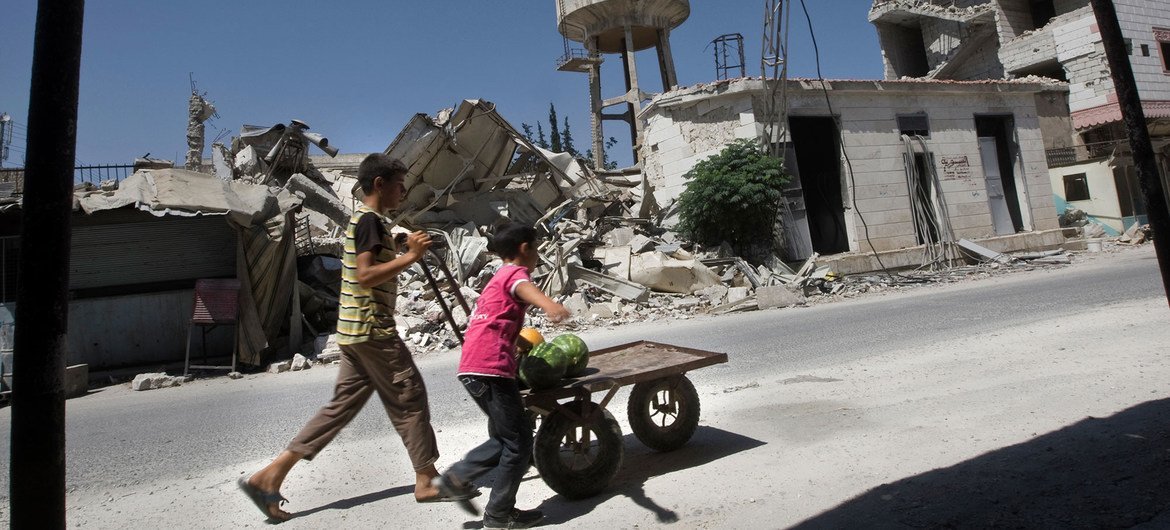
At a closed meeting in Cairo, Arab League foreign ministers approved a measure to readmit Syria after more than a decade of suspension—a critical victory for the normalization of Bashar Assad’s genocidal regime. This diplomatic coup, however, cannot mask the reality that Syria’s war is not over. Assad may have retaken most of the country, but various rebel and Kurdish forces still control much of the north. Civilians are still being killed in shelling and other violence. Even before earthquakes devastated large parts of northern Syria three months ago, continuing conflict and a debilitating economic crisis meant deepening hunger. Humanitarian needs in Syria were already at a record high. But amid mounting global crises, the UN-coordinated appeal for Syria in 2023 is only eight percent funded. And food prices are still rising, making it harder still for aid groups to meet the urgent and growing needs of millions of Syrians. (Photo: Giovanni Diffidenti/UNICEF via UN News)

Africa
RSF

Podcast: Russia and the Sudan crisis II

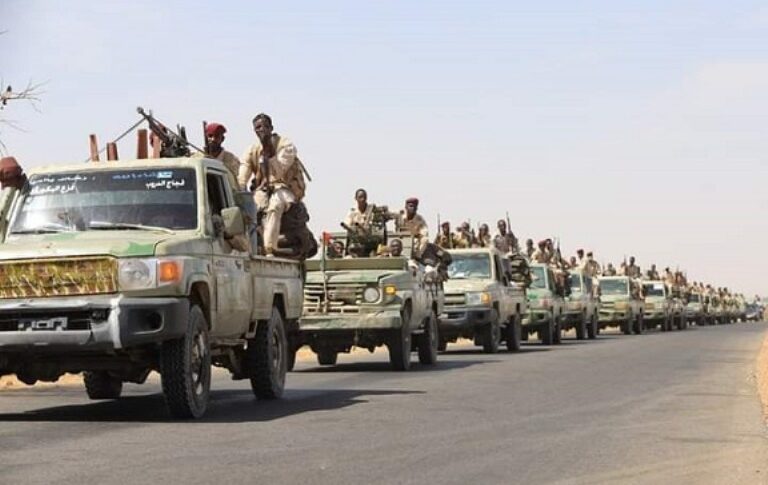
In Episode 172 of the CounterVortex podcast, Bill Weinberg continues to document Russian support for the attempted coup that plunged Sudan into crisis and derailed a scheduled transition to civilian rule last month—as well as ongoing Russian armed support to the Rapid Support Forces (RSF), the paramilitary faction that led the attempted coup and is now battling for control of the country. CNN and Deutsche Welle have reported claims of Russian weapons drops to the RSF, even as the UN pleads with the warring factions to come to the table. The RSF and Moscow’s Wagner Group mercenary outfit have established a power base in Sudan through their joint control of mineral resources in Darfur and Kordofan—even as they put down the self-determination struggle of these regions’ indigenous peoples. Listen on SoundCloud or via Patreon. (Photo of RSF forces in Darfur via Sudan Tribune)

The Andes
Lima

Peru: ‘egregious abuses’ by security forces

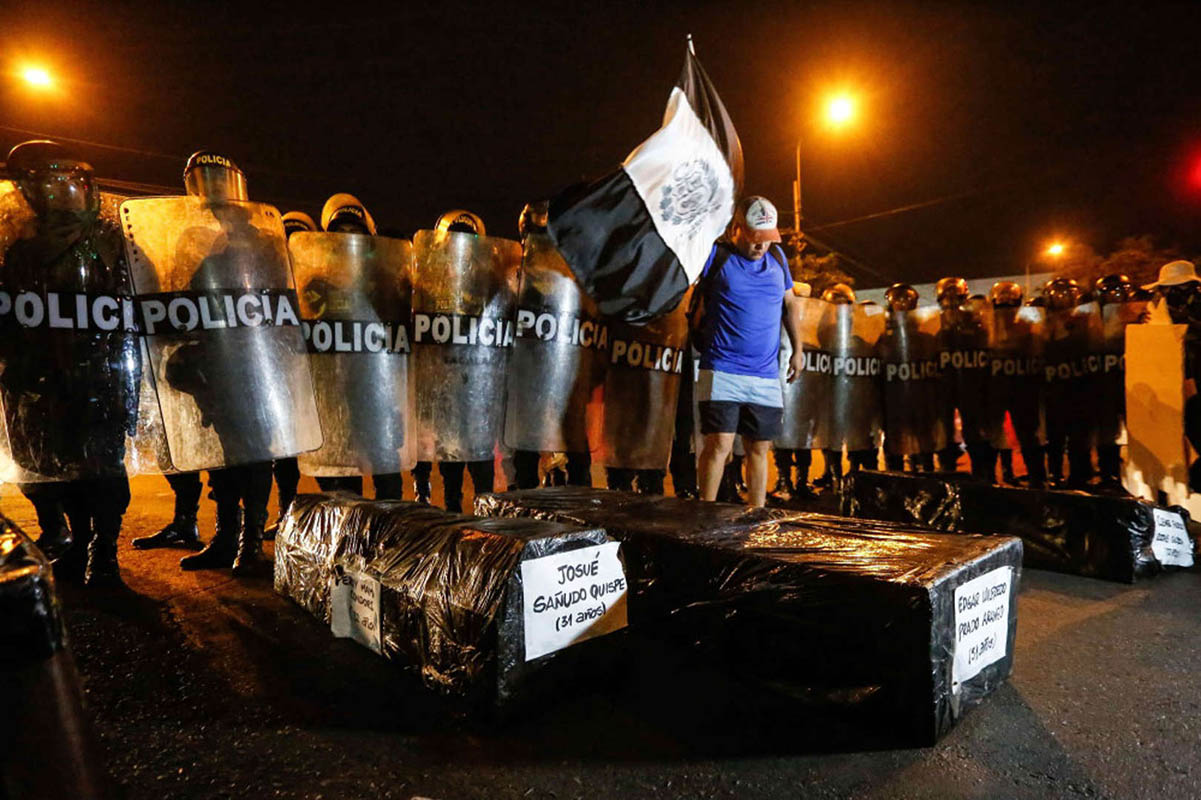
Peru’s military and police likely carried out extrajudicial or arbitrary killings and committed other “egregious abuses” against demonstrators as well as bystanders during protests that swept the country from late last year through February, Human Rights Watch says in a new report. While some protesters were responsible for acts of violence, security forces responded with “grossly disproportionate” force, including with assault weapons. Forty-nine protesters and bystanders, including eight children, were documented as killed in the unrest. The report emphasizes “the entrenched political and social crisis that is eroding the rule of law and human rights” in the Andean country. The administration of President Dina Boluarte “seems to have looked the other way for weeks as security forces killed protesters and bystanders,” HRW said. (Photo: Renato Pajuelo via Indymedia Argentina)

Greater Middle East
Border wall

Turkish border guards torture, kill Syrians: report

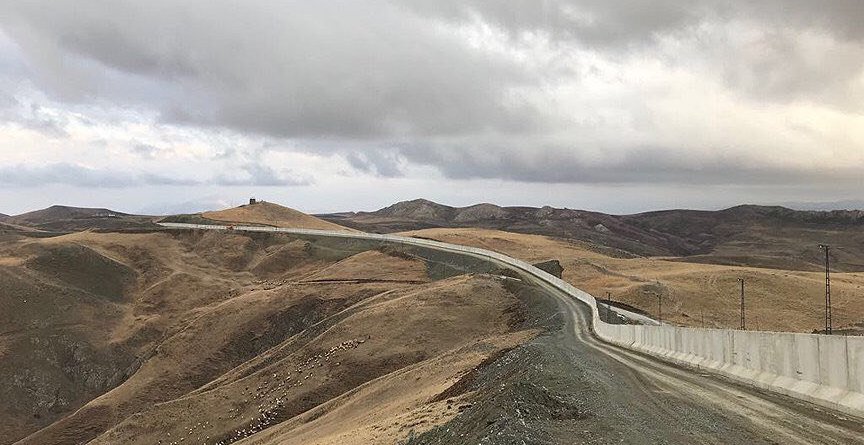
Turkish border guards are indiscriminately shooting at Syrian civilians on the border with Syria, as well as using excessive force and even torture against asylum-seekers and migrants trying to cross into Turkey, Human Rights Watch charges. A new report cites hundreds of deaths along the border in recent years, with several killings and abuses this year. Since the beginning of 2023, the Syrian Observatory for Human Rights has recorded 11 deaths and 20 injuries along the frontier caused by Turkish border guards. Human Rights Watch independently documented and verified two such incidents. (Photo: Wikimedia Commons)

Europe
Budapest

Hungary dictatorship consolidates; Putin pleased

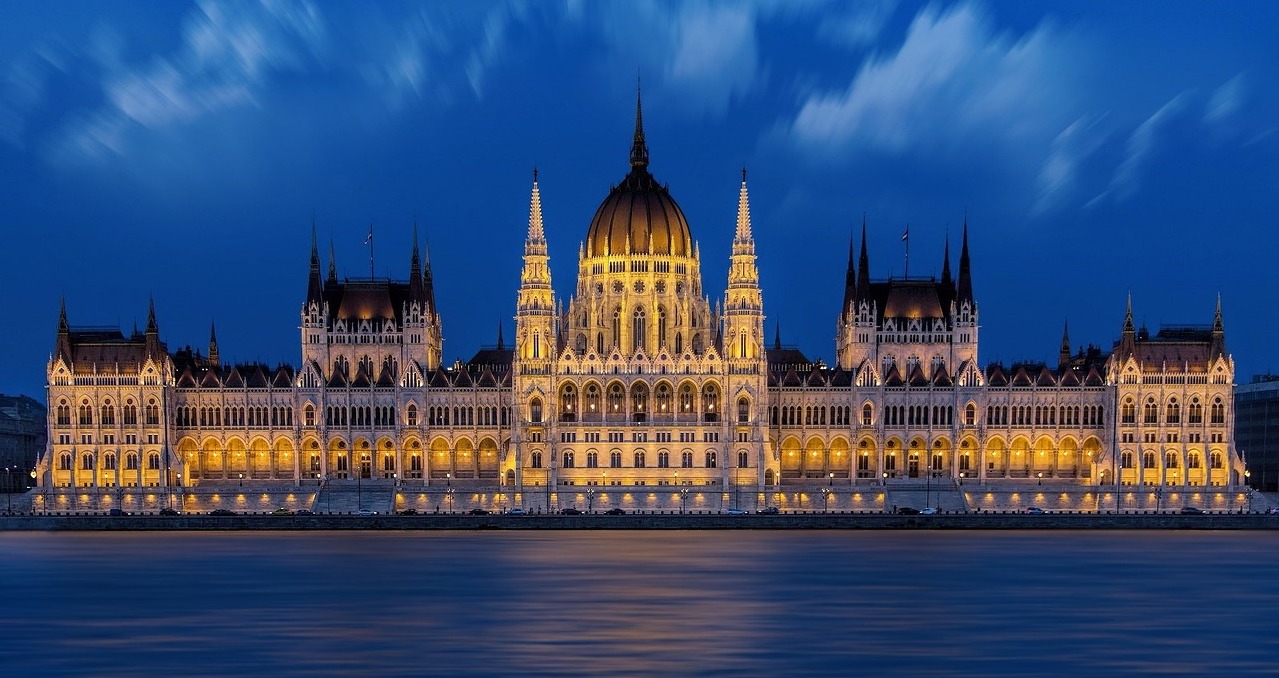
Hungarian Prime Minister Viktor Órban declared a state of emergency, citing threats originating from the war in Ukraine. The declaration, allowing him to rule by decree, came days after his Fidesz party used its supermajority to pass a constitutional amendment allowing the government to impose a state of emergency in the event of war in a neighboring country. Órban declared a similar emergency in response to the COVID-19 pandemic in 2020, and those assumed special powers, having been extended by the National Assembly multiple times, were set to expire just days before the new declaration. The declaration also came days after Tucker Carlson and friends from the American far right attended the Conservative Political Action Conference in Budapest. It also comes as Hungarian officials are blocking a European Union plan for an embargo of Russian oil, and calling for removal of the question from the agenda of an imminent EU summit. (Photo: Pixabay)

Inner Asia
xinjiang

Leaked documents reveal abuse of Uyghurs

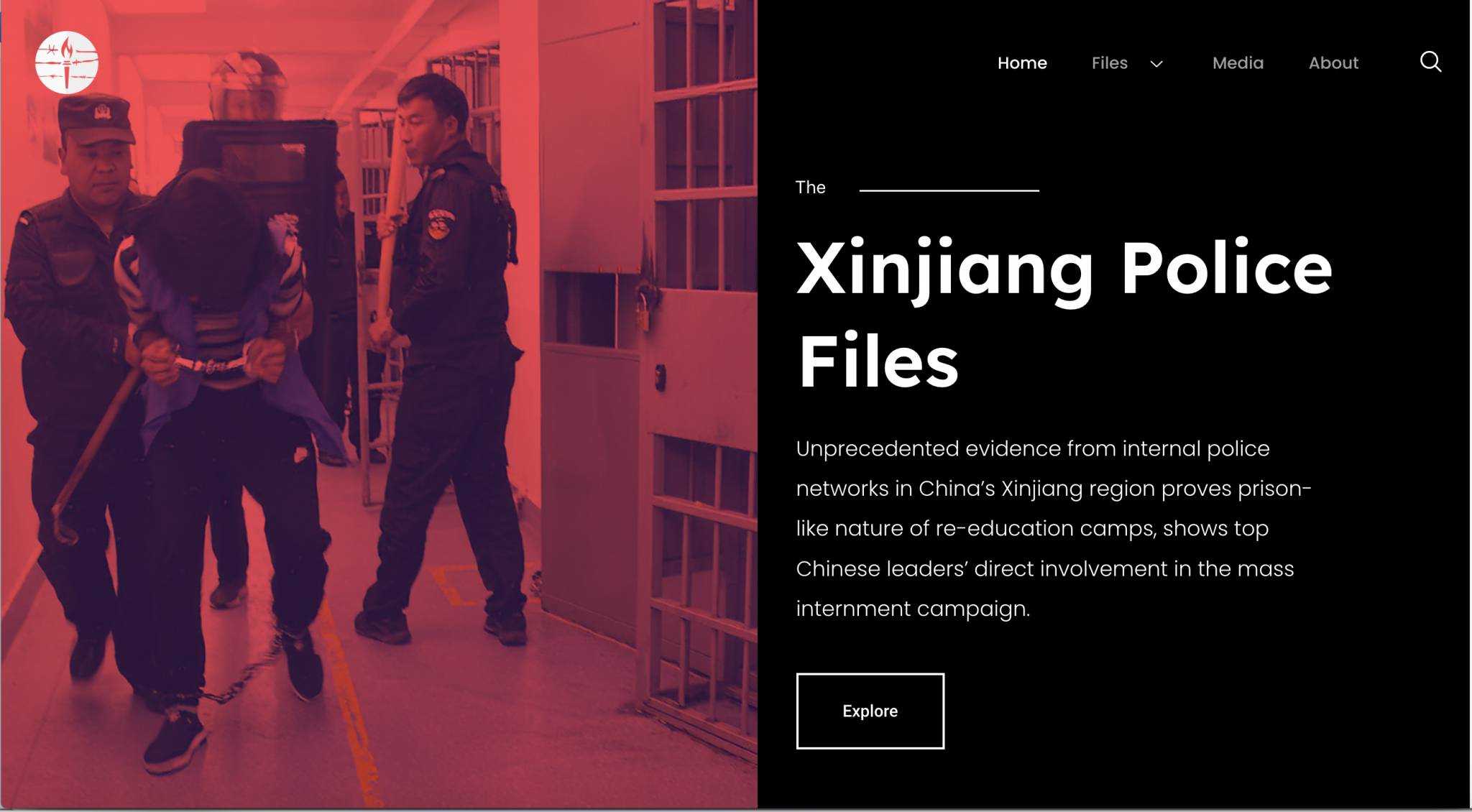
China’s President Xi Jinping held a video call with UN human rights commissioner Michelle Bachelet during her visit to Xinjiang. But Bachelet’s fact-finding tour co-incided with new evidence of crimes against the Uyghur people of the province. A hacker broke into a computer network in Xinjiang’s so-called “Vocational Skills Education & Training Centers,” releasing a cache of files that document significant abuses. The Xinjiang Police Files, published by the Journal of the European Association for Chinese Studies, include images from inside the camps, as well as thousands of detainee records. The records indicate that 12% of the 2018 adult Uyghur population of some counties was in camps or prisons. The files also include a 2017 internal speech by Chen Quanguo, then Communist Party secretary for Xinjiang, in which he apparently ordered guards to shoot to kill anyone who tried to escape the camps, and called for officials to “exercise firm control over religious believers.” (Image: Xinjiang Police Files)

Watching the Shadows
Chomsky Kissinger

Chomsky and Kissinger: paradoxical unity

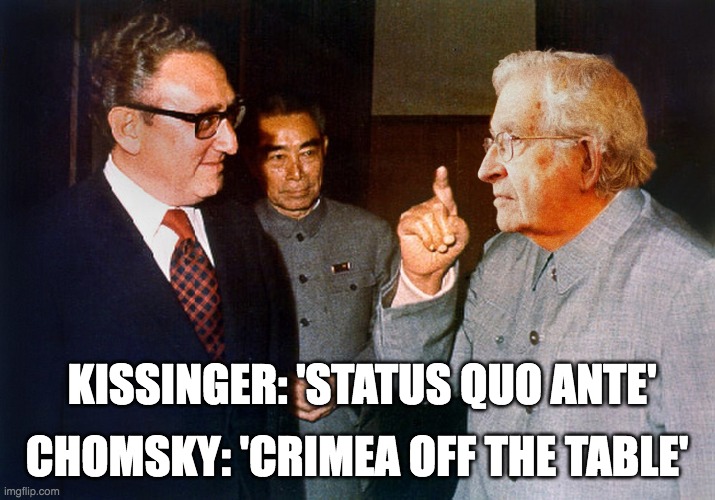
In Episode 125 of the CounterVortex podcast, Bill Weinberg continues his deconstruction of the increasingly sinister, aggression-abetting politics of Noam Chomsky. In his recent interview with Current Affairs, Chomsky echoes Henry Kissinger‘s lecturing to the Ukrainians that they must capitulate to Russian aggression in the interests of global stability—a directive promptly repudiated by Ukrainian President Volodymyr Zelensky. Chomsky has long been peddling historical revisionism on Ukraine, but his current convergence with Kissinger is a case study in imperial narcissism—an internalization of the imperialist perspective he has ostensibly dedicated his life to opposing. Fortunately, there is growing dissent on the left to Chomsky’s paradoxical Kissingerian line, including from Ukrainian-American scholars—and from Chomsky’s own Ukrainian translator, Artem Chapeye. Listen on SoundCloud or Patreon. (Altered photo from Kissinger’s 1973 meeting with Mao Zedong. Fair use rights asserted.)