The Andes

Oil intrigues behind Ecuador auto-golpe

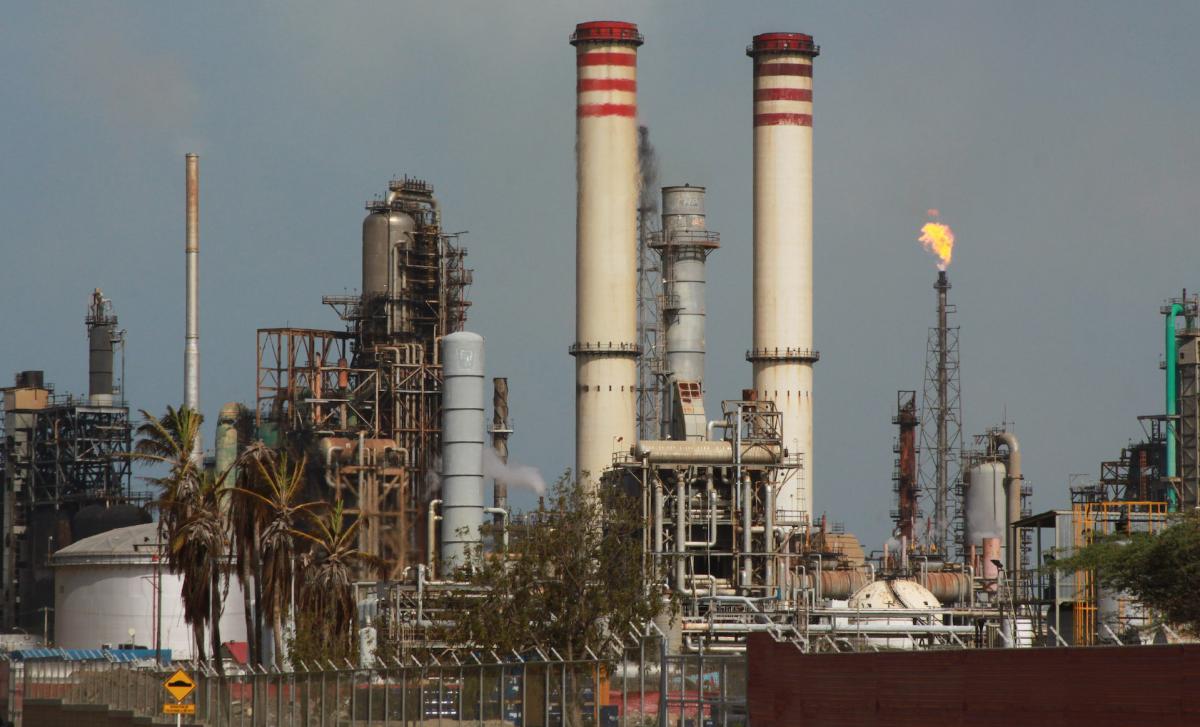
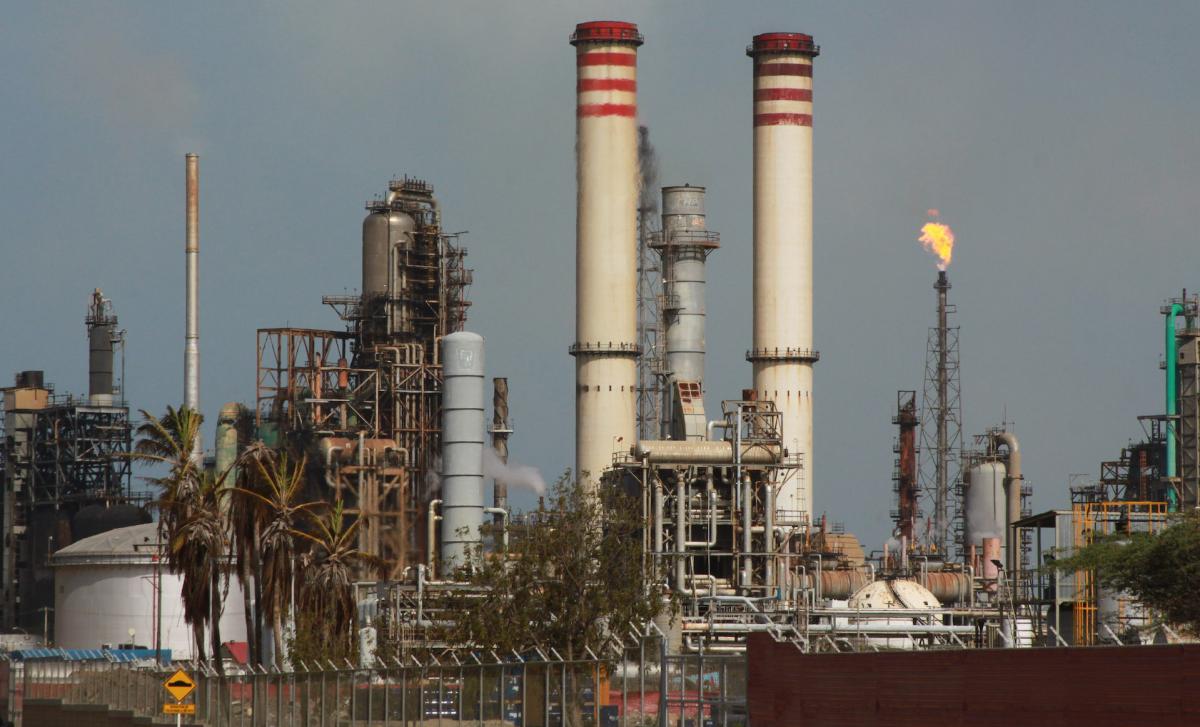
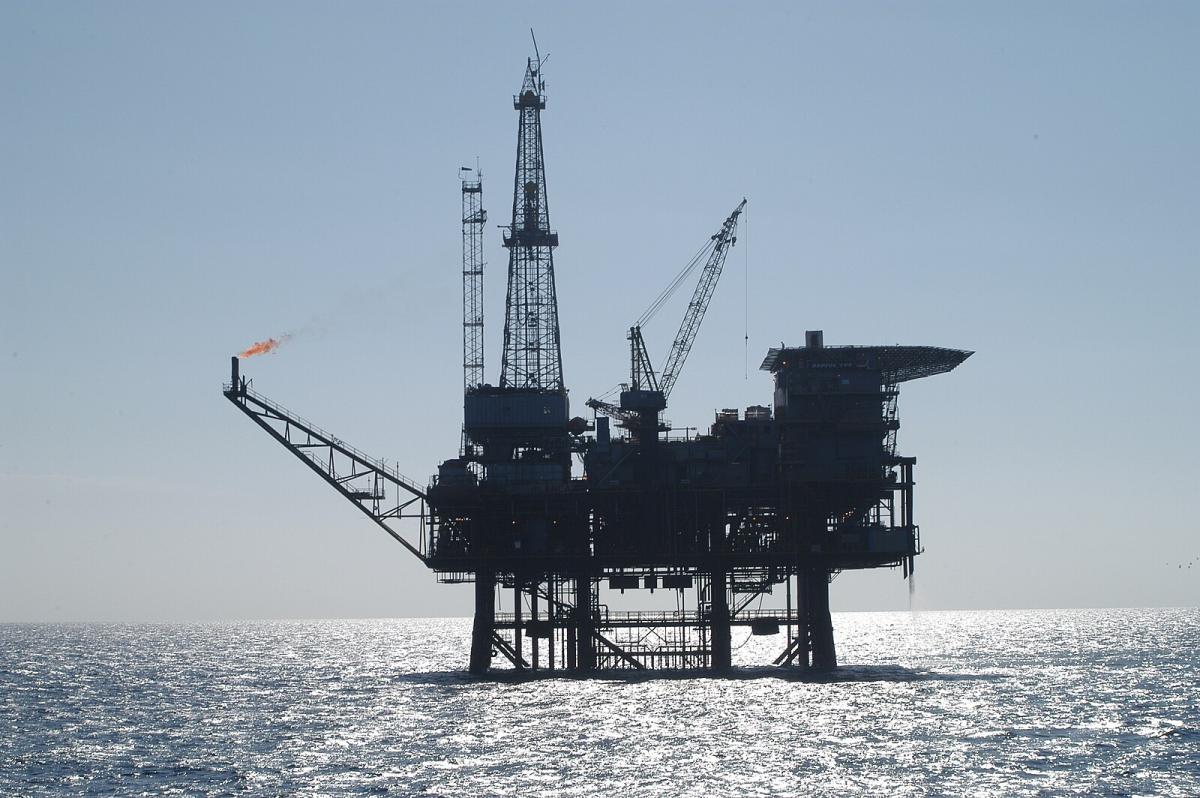
President Guillermo Lasso dissolved Ecuador’s opposition-controlled National Assembly—just one day after his impeachment trial began. Lasso is to rule by decree until new elections are held. In the impeachment proceeding, Lasso stood accused of extortion and embezzlement related to alleged corruption at parastatal oil company Petroecuador and hydrocarbons transporter Flopec, allowing unprofitable contracts to benefit “third parties.” The country’s oil industry has been in crisis for nearly a year, repeatedly placed under force majeure by protests and sabotage of the trans-Andean pipeline. (Photo: Wikimedia Commons)

Inner Asia
Kashagan

Kazakhstan: environmental suit against Caspian consortium

The government of Kazakhstan has brought a legal action for violation of environmental protection laws against the North Caspian Operating Company (NCOC), the consortium leading development of the country’s massive Kashagan oil field, seeking $5.14 billion in fines. In the complaint, the Ministry of Ecology & Natural Resources cites storage of sulfur on site in excess of permitted limits, burning of crude gas on flares without a permit, improper discharge of wastewater, and other violations. Kashagan is one of the largest oil-fields discovered on Earth over the past 40 years, with recoverable reserves estimated at up to 13 billion barrels. The consortium includes the Italian Eni, French Total, US-based ExxonMobil, Anglo-Dutch Shell, Chinese CNPC, Japan’s Inpex, and KazMunayGas, the Kazakh national operator. (Map: US Energy Information Administration via Jurist)

Africa
Somaliland

Oil contracts at issue in Somaliland conflict?

Fighting continues in Somalia’s northern breakaway state of Somaliland, where three administrative regions—Sool, Sanaag, and Aynaba—have taken up arms in a bid to rejoin the internationally recognized Mogadishu government. Somaliland accuses the government of Ethiopia (which is officially attempting to broker a dialogue in the conflict) of intervening on the side of the re-integrationist rebels, headquartered in the town of Las Anod, Sool region. Somaliland has been effectively independent since 1991, and has seen a more stable and secular social order than the regions controlled by the Mogadishu government. But now Mogadishu is asserting its right to grant oil contracts to foreign companies within Somaliland’s territory. Local media note that the new conflict erupted just after Mogadishu announced the issuing of an exploration lease to Turkish Genel Energy in Somaliland—indeed, within Aynaba, one of the contested regions. The move was protested as “illegal” by the Somaliland government, based in the city of Hargeisa. (Map: Siirski via Ethiopia Insight)

Europe
Nordstream

Nord Stream pipeline sabotage: rush to judgment

Ukraine is denying involvement in September’s attack on the Nord Stream pipelines following a New York Times report citing anonymous US officials to the effect that an unnamed “pro-Ukrainian group” was to blame. Russia’s online partisans are meanwhile hyping a piece by Seymour Hersh, similarly citing anonymous officials to the effect that the attack was a US covert operation. Rarely has there been a more blatant case of the cyber-commentariat deciding what to believe on the basis of political convenience. (Map: Wikipedia)

Planet Watch
Chiquitania

Podcast: climate change and the global struggle III

In Episode 151 of the CounterVortex podcast, Bill Weinberg notes a tellingly ironic juxtaposition of simultaneous news stories: the COP27 global climate summit in Egypt and the World Cup games in Qatar—where mega-scale stadium air-conditioning betrays the fundamental unseriousness of our civilization in addressing the impending climate apocalypse. The COP27 agreement for a “loss and damage” fund stopped short of demands for climate reparations—a critical question for island nations that stand to disappear beneath the waves, flood-devastated Pakistan, and indigenous peoples of the fire-ravaged Bolivian Amazon. Petro powers like Russia and Saudi Arabia formed a bloc to bar any progress on limiting further expansion of oil and gas exploitation, while the Ukrainian delegation called for a boycott of Moscow’s hydrocarbons, and pointed to the massive ecological toll of Russia’s war of aggression. Meanwhile, the world population reached 8 billion, providing an excuse for groups like PopulationMatters to proffer the Malthusian fallacy even as the rate of population growth is actually slowing. Worldwide indigenous and peasant resistance to hydrocarbon exploitation points to a revolutionary answer to the crisis. Listen on SoundCloud or via Patreon. (Image: Bolivian campesino volunteer fire-fighter. Credit: Claudia Belaunde via Mongabay)

Planet Watch
COP27

COP27: progress on ‘loss and damage,’ not mitigation

The 27th UN Climate Change Conference (COP27) closed with what was hailed as a breakthrough agreement to establish a “loss and damage” fund for vulnerable countries on the frontlines of climate disasters. Yet no action was taken to stop oil and gas expansion from fueling further disasters. India had pushed a proposal to extend to all fossil fuels the agreement to “phase down” coal reached last year at COP26 in Glasgow. A broad coalition of more than 80 countries took up the call, but host country Egypt, holding the presidency of the conference, was able to block the measure, acceding to powerful opponents prominently including Saudi Arabia and Russia. It should be noted that while Saudi Arabia and Russia are key oil and gas producers, India is a major coal producer—and fought for weaker language on the coal “phase down” at Glasgow. So the battle lines seem to reflect competition between different sectors of the hydrocarbons industry. (Photo: Tribal Army)

Planet Watch
Chad

Podcast: climate change and the global struggle II

In Episode 147 of the CounterVortex podcast, Bill Weinberg notes the recent statement from the UN Environment Program that “only a root-and-branch transformation of our economies and societies can save us from accelerating climate disaster.” Studies from similarly prestigious global bodies have raised the prospect of imminent human extinction. An International Energy Agency report released last year warned that new fossil fuel exploration needed to halt by 2022 in order to keep warming within the limits set by the 2015 Paris Agreement. Adoption of new technologies and emissions standards does mean that CO2 emissions from energy generation (at least) are likely to peak by 2025. But the IEA finds that this would still lead to global temperatures rising by 2.5 C above pre-industrial levels by century’s end—exceeding the Paris Agreement limits, with catastrophic climate impacts. And the catastrophic impacts, already felt in places like Chad and Cameroon, win but scarce media coverage. Climate-related conflict has already escalated to genocide in Darfur. Climate protests in Europe—at oil terminals and car shows (as well as, less appropriately, museums)—do win some attention. But the ongoing resistance to oil mega-projects in places like Uganda and Tanzania are comparatively invisible to the outside world. The dire warnings from the UN and IEA raise the imperative for a globalized resistance with an explicitly anti-capitalist politics. Listen on SoundCloud or via Patreon. (Photo of Tantaverom region of Chad via UNDP)

Afghanistan
kunar

Pipeline plans threatened by Af-Pak border clashes

Afghanistan authorities say some 60 civilians, including five children, were killed as Pakistan launched air-strikes across the border on Khost and Kunar provinces. The strikes follow a series of attacks on security forces by the Tehreek-e-Taliban Pakistan (TTP) in Pakistan’s borderlands. The escalation was harshly condemned both by the Taliban regime and the Afghan permanent mission in the United Nations—the loyalty of which remains unclear more than six months after the Taliban takeover. The new tensions come a week after top diplomats from China, Pakistan, Turkmenistan and other regional states met for a summit in China’s Anhui province on reviving the long-stalled Turkmenistan-Afghanistan-Pakistan-India (TAPI) pipeline, which would deliver Central Asian gas to world markets through Afghan territory. (Photo via Khaama Press)

Planet Watch
fracking

Ukraine war windfall for US fracking industry

US President Joe Biden and European Commission president Ursula von der Leyen announced a joint Task Force to reduce Europe’s dependence on Russian hydrocarbons and “strengthen European energy security as President Putin wages his war of choice against Ukraine.” The press release states: “The United States will work with international partners and strive to ensure additional LNG volumes for the EU market of at least 15 bcm [billion cubic meters] in 2022, with expected increases going forward.” This means liquified natural gas from the US fracking industry. Environmental group Global Witness reacted with alarm to the announcement, stating: “If Europe truly wants to get off Russian gas the only real option it has is phasing out gas altogether.” (Image: FracTracker)

Planet Watch
Tengiz

Ukraine war portends new oil shock

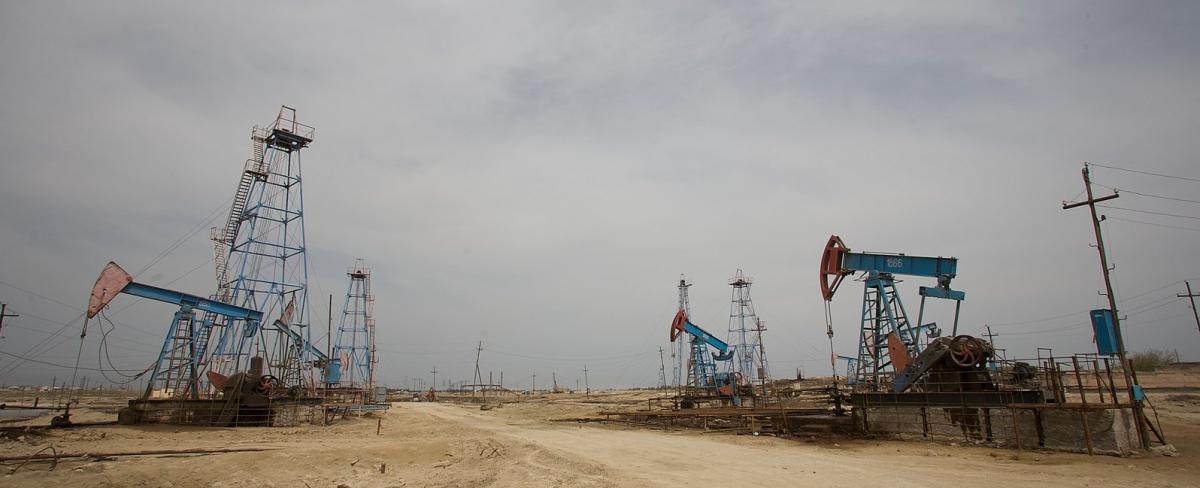
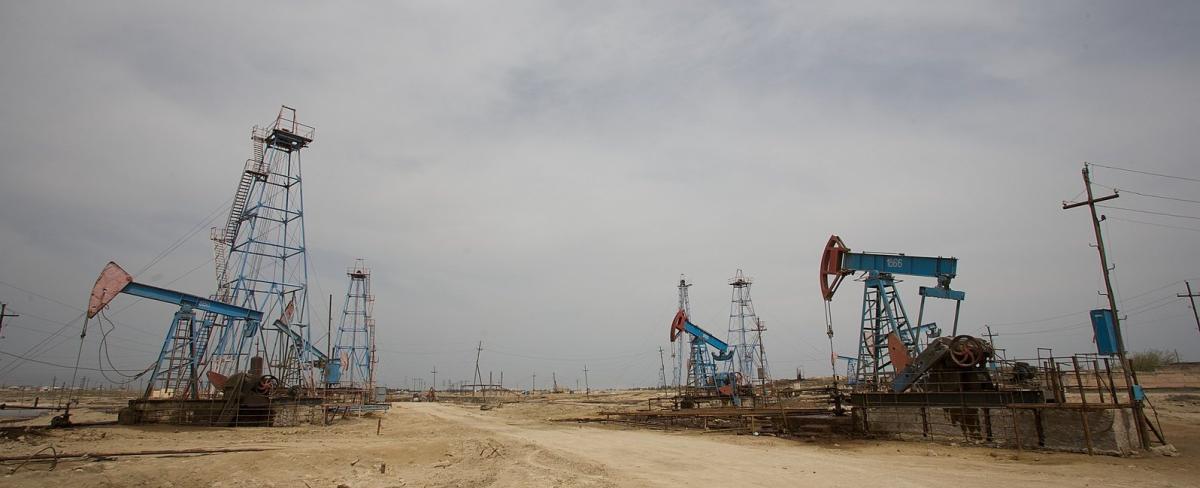
Long-depressed oil prices are suddenly soaring in response to the Russian invasion of Ukraine, with impacts already being felt globally. Exports from Kazakhstan and the Caspian Basin are virtually paralyzed, as the Black Sea pipeline terminal delivering the crude to Western markets is incurring a prohibitive “war risk insurance premium.” Berlin has suspended the Nord Stream 2 pipeline, which is to carry Russian gas under the Baltic Sea to Germany—and Russia has retaliated by threatening to cut gas supplies to Europe via the Nord Stream 1 line. In his executive order barring Russian oil and gas imports to the US, President Biden issued a warning to the oil companies, urging that the war should not serve as an excuse for price-gouging. But it is actually the oil futures market that plays a determinant role in fixing the international price. There’s a big psychological element involved, which is why every escalation in the Middle East (without fail) jacks up oil prices. A war in Europe will almost certainly mean another oil shock, with grim implications for the world economy and Biden’s political chances. (Photo of Kazakh oil-field via Wikimedia Commons)

The Andes
Lima

Peru: police pop presidential palace in petro-corruption probe

Special anti-corruption prosecutors backed up by National Police troops raided 15 properties around Peru’s capital Lima—including the presidential palace. The raids came as part of Megaoperation Resplandor 2022, an investigation into alleged irregularities in tenders for the purchase of biodiesel between parastatal PetroPerú and private firm Heaven Petroleum Operators. Also raided were the homes of PetroPerú director Hugo Ángel Cháves Arévalo, HPO manager Samir Abudayeh, and prominent entrepreneur Karelim López. The administration of President Pedro Castillo, a populist political outsider, has been wracked by repeated crises and scandals since he took office last July. (Photo: Wikipedia)

Mexico
Pemex

Control of oil behind Mexico-Spain tensions

Mexico’s President Andrés Manuel López Obrador called for a “pause” in relations with Spain, in a speech that explicitly invoked the legacy of colonialism going back to the Conquest. But the speech was aimed principally at Spanish oil company Repsol, which had been favored during the presidential term of Felipe Calderón. Specifically, López Obrador questioned the granting of gas contracts in the Burgos Basin, in Mexico’s northeast. He charged that Repsol operated the fields less productively than the state company Pemex had. “In the end, less gas was extracted than Pemex extracted” before the contracts, he charged. Repsol is meanwhile under investigation by Spanish prosecutors on charges of graft related to the company’s efforts to fend off a take-over bid by Pemex. (Photo via Digital Journal)