Europe
Urengoy-Pomary-Uzhgorod pipeline

Ecological devastation in Great Game for Russian oil

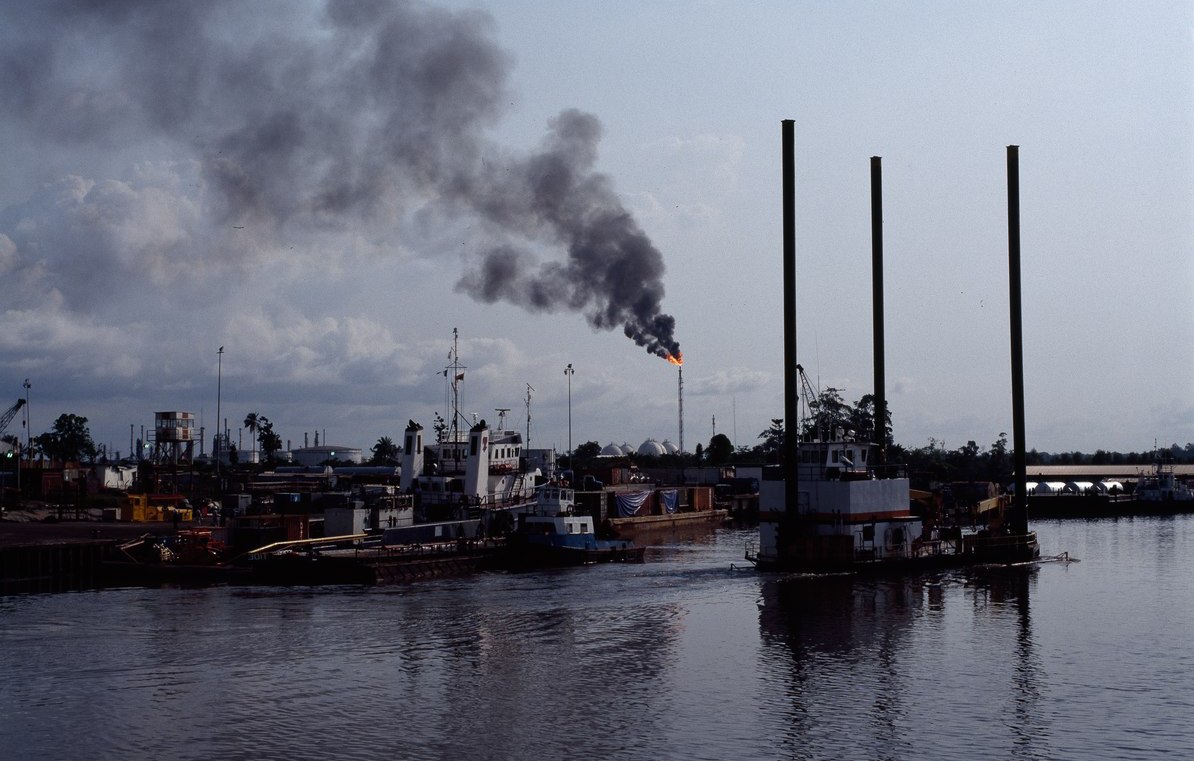
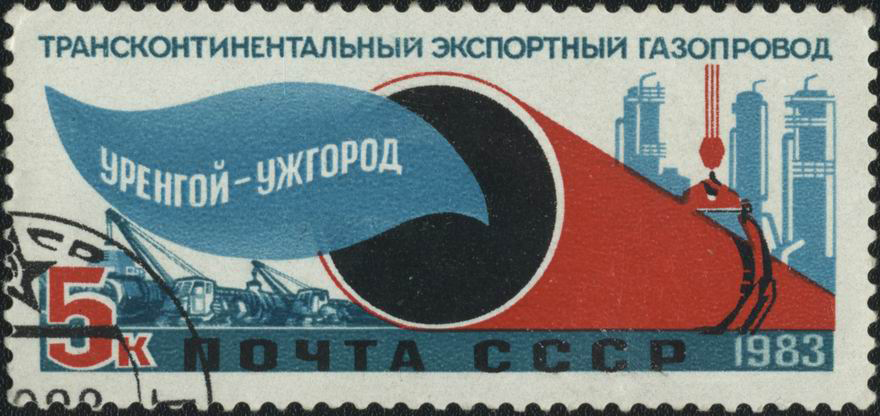
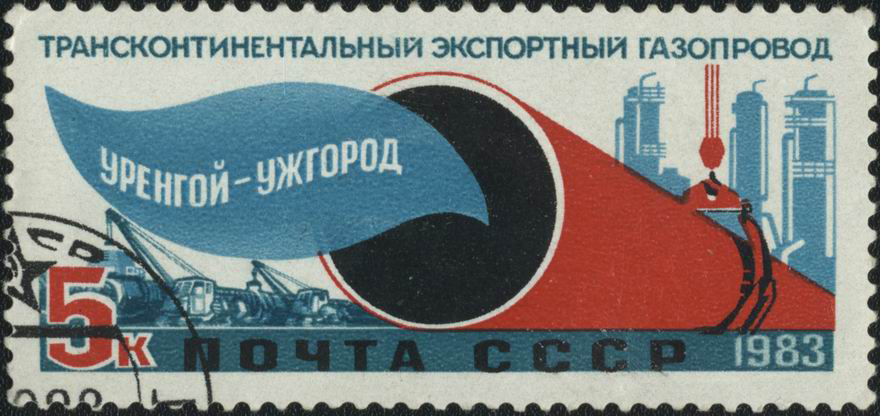
A $106 billion EU emergency loan is now on its way to Ukraine, following the fall of Hungary’s strongman Viktor Orban, who was holding it up. However, as a condition of the loan, Kyiv is obliged to re-open the war-damaged Druzhba pipeline, which sends Russian oil through Ukrainian territory to Hungary, Poland and Germany. Kyiv is cooperating in getting the pipeline operational again—but is meanwhile drone-bombing Russian oil facilities on the Baltic and Black seas, in hopes of diminishing how much petrol Moscow will have to export through that pipeline. The strikes have caused “apocalyptic scenes” in the Black Sea port of Tuapse—air thick with toxic fumes, a huge column of smoke blotting out the sun, black rain falling from the sky. Russia, unwilling to sacrifice its own oil revenues but seeking to punish Europe for backing Ukraine, has announced that it will cut off the flow of oil from Kazakhstan through the Druzhba pipeline. (Image: Soviet postage stamp celebrating oil pipeline. Via Wikipedia)

East Asia
Rosneft

Chinese workers protest in Russia’s Far East

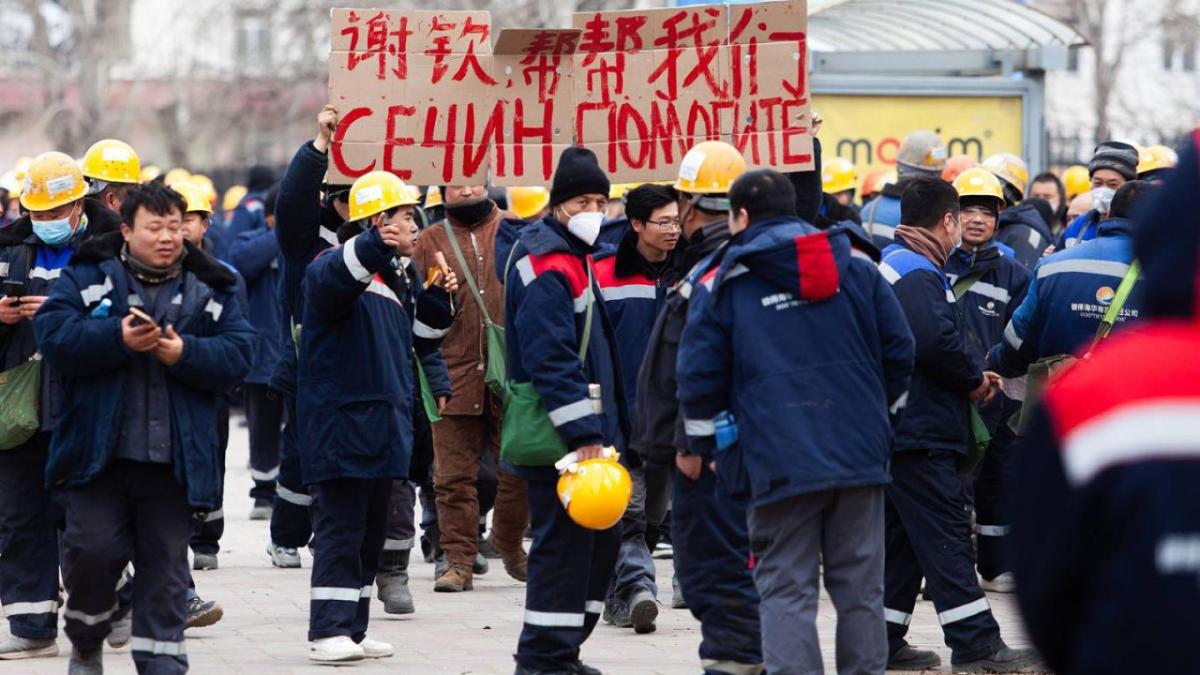
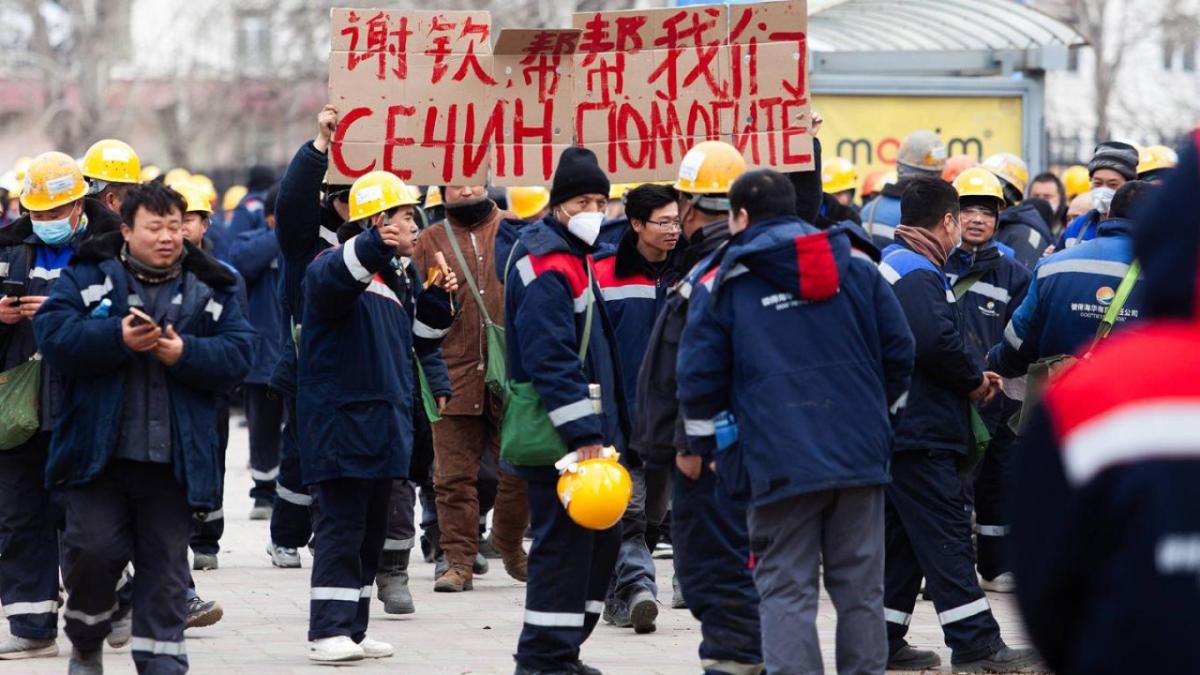
Chinese construction workers building a fuel-production unit at a Rosneft refinery in Far East Russia’s Khabarovsk krai took to the streets to protest unpaid wages, regional authoritiessaid. At least 200 employees of the Russian-Chinese contractor Petro-Hehua marched through the city of Komsomolsk-na-Amure demanding back payments and help from both the Russian government and Rosneft in returning to China. After the march, some workers staged a sit-in at a nearby park. Following the protest, the Komsomolsk-on-Amur prosecutor’s office said it had opened an inquiry into possible labor law violations, but at least four protesters were fined for illegal assembly. (Photo: The Moscow Times)

Watching the Shadows
Aegis

‘Donroe Doctrine’ threatens hemisphere

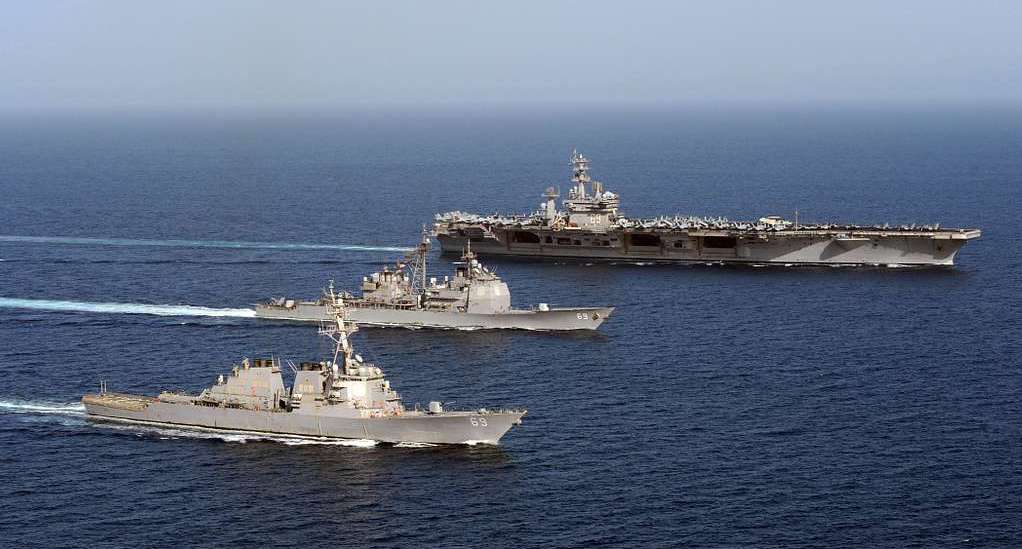
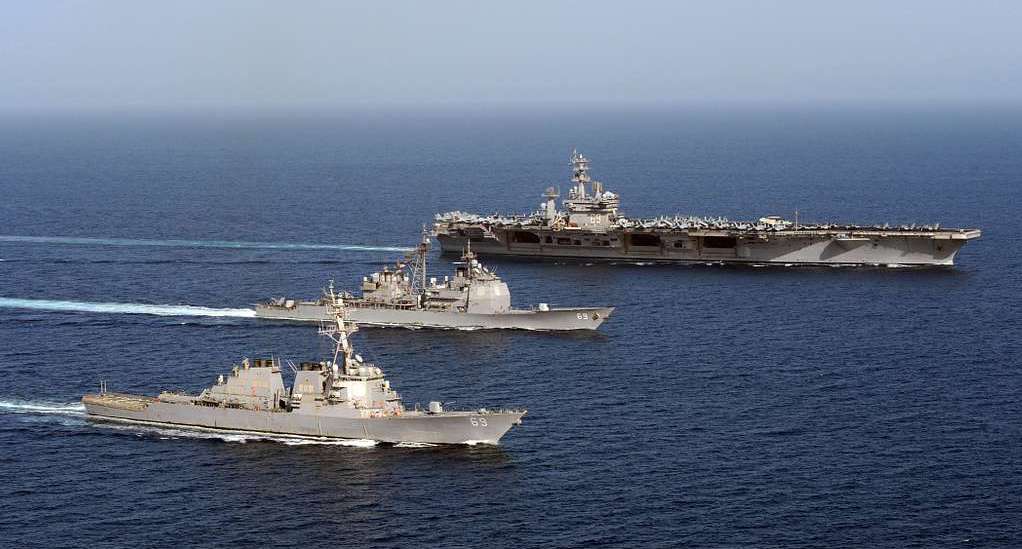
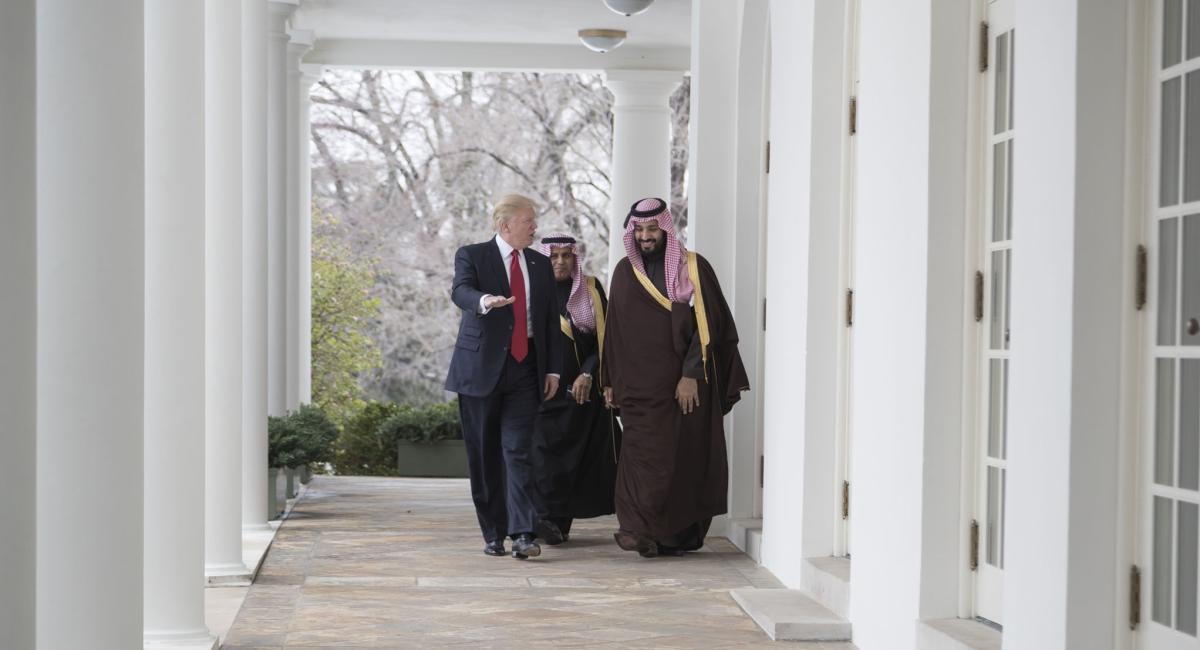
As Nicolás Maduro appeared in federal court in New York, Trump made explicit military threats against Colombia, Mexico, Cuba and Greenland—prompting protests from those countries’ leaders. In defense of his bellicosity, Trump invoked the notion of Latin America as a US influence sphere that was articulated in his recent National Security Strategy, calling it the “Donroe Doctrine.” (Photo: US Navy via Latin America Reports)

Planet Watch
ANWR

Trump opens entire ANWR Coastal Plain to drilling

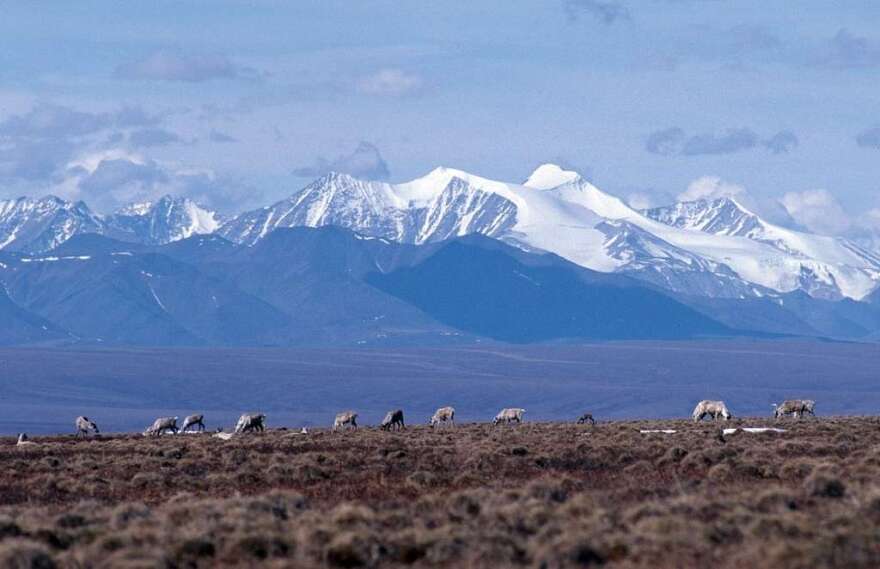
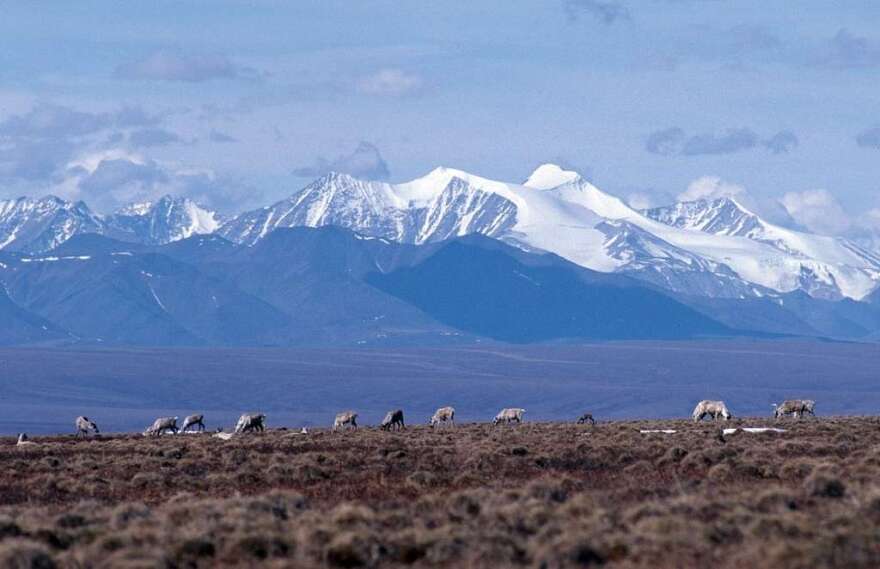
Secretary of the Interior Doug Burgum announced that he will open the entire 1.56 million acres of the Coastal Plain of the Arctic National Wildlife Refuge (ANWR) to oil and gas leasing. These lands are sacred to the Gwich’in Nation, home to irreplaceable wildlife, and have never seen industrialization. This was one of a series of resource development actions taken by the Interior Department during a government shutdown, aimed at opening up Alaska for the benefit of corporate interests. (Photo: USFWS via KALW)

The Andes
Venezuela

Trump officials push Venezuela regime change

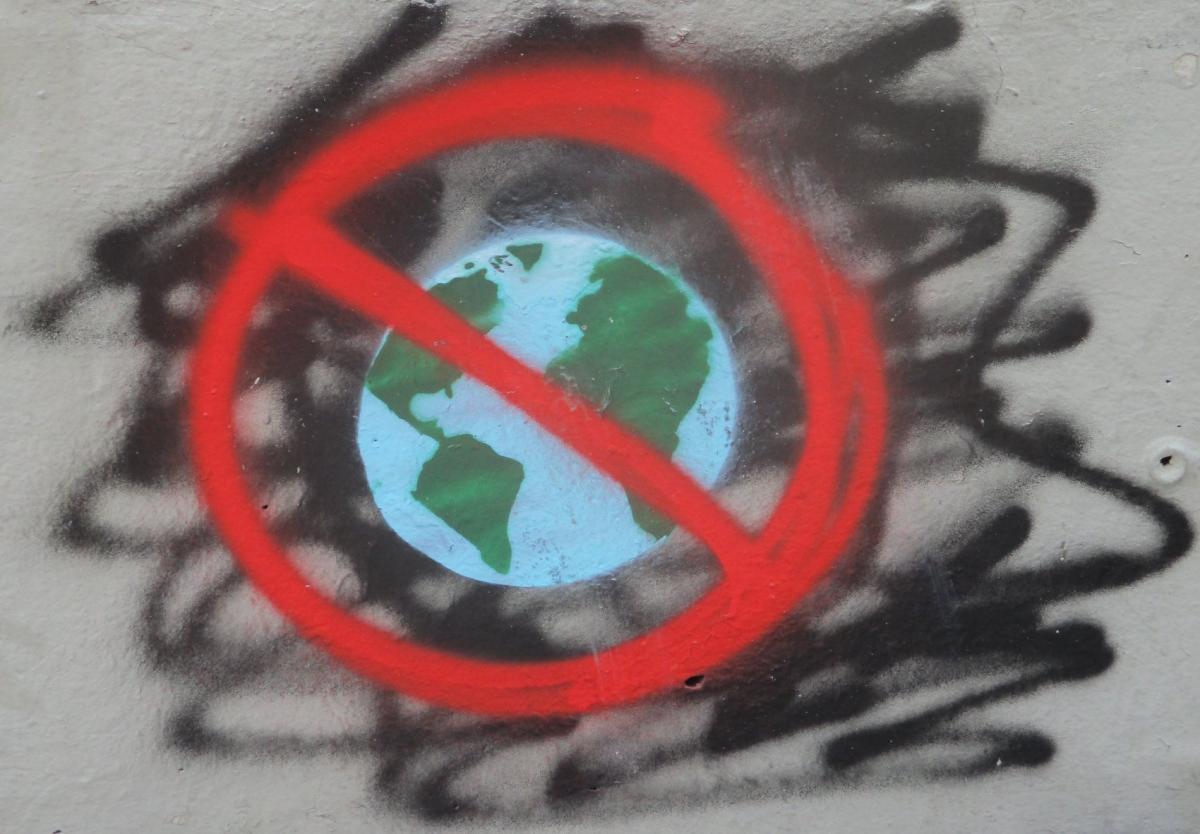
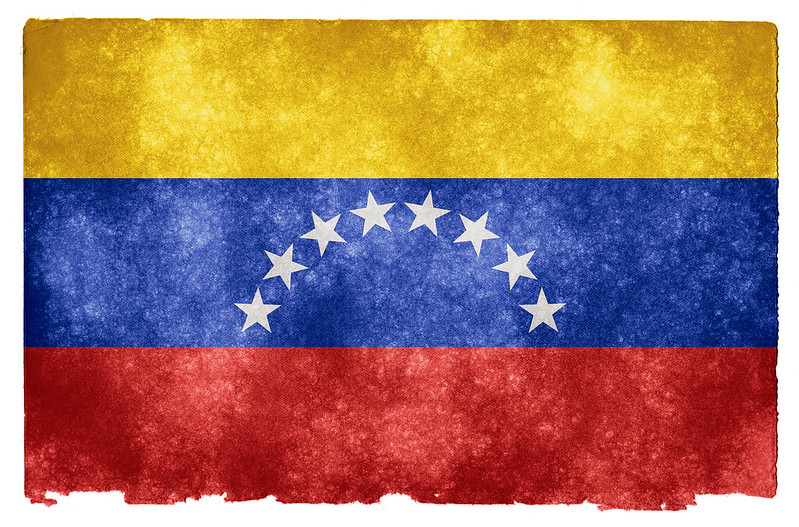
Venezuelan President Nicolás Maduro announced that he is ready to declare a state of emergency in response to aggression by the United States. Such a declaration would give the army control over public services and the country’s oil industry, which Venezuelan leaders say the US is preparing to grab. US officials, led by Secretary of State Marco Rubio and CIA director John Ratcliffe, are reported to be pushing plans to overthrow Maduro. The US has increased its naval presence in the Caribbean and launched repeated deadly strikes on civilian vessels in international waters off Venezuela. President Trump has claimed, without evidence, that the vessels were carrying drug traffickers. Rubio recently described Maduro as a “fugitive from American justice” who leads a terrorist and criminal organization bringing narcotics into the US, posing an “imminent, immediate threat.” (Image: Grunge Love via Flickr)

Iraq
KRG

Iraq: mysterious drone strikes on Kurdistan oil-fields

Three days of drone attacks on oil-fields in Iraq’s autonomous Kurdistan region have brought operations at several facilities to a halt and slashed crude output. The targeted sites include fields at Zakho, operated by Norway’s DNO; the Sarsang field, operated by US-based HKN Energy; and the Ain Sifni field, operated by Hunt Oil, all in Dohuk governorate. Kurdistan authorities also said a drone was downed near Erbil airport, which hosts US troops. Nobody has claimed responsibility for the attacks, but Kurdish authorities blamed the Hashd al-Shaabi, or Popular Mobilization Units, a paramilitary network aligned with the Baghdad government and backed by Iran. The attacks come amid renewed dispute between Baghdad and the Kurdistan Regional Government over whether the KRG may enter into hydrocarbon contracts with foreign firms. In May, the central government filed a complaint against the KRG for signing gas contracts with two US companies, including HKN Energy, asserting that all oil and gas deals must go through Baghdad. (Map: UNHCR via ReliefWeb)

North America
Canada

Podcast: MAGA-fascism and the struggle in Canada

Trump’s annexationist designs on Canada were the central issue in the country’s elections this past week, which saw a victory for the intransigently anti-Trump candidate, Mark Carney. While this seems surreal after a generation of economic integration under NAFTA, the vast resources of Canada—especially hydrocarbons, water and energy—provide a long-term goad of conflict between the two giants of North America. The Pentagon does in fact have a contingency plan for an invasion of Canada, dating back to the 1930s. In Episode 276 of the CounterVortex podcast, Bill Weinberg explores the strategic and corporate agendas behind Trump’s bellicose bluster. (Image: source unknown, lifted from Art & Architecture, Mainly)

The Andes
PDVSA

Venezuela: Trump restores sanctions on Chevron operations

President Donald Trump announced that the US government is revoking a special permit granted to energy giant Chevron to pump and export Venezuelan oil. The move, which reverses a 2022 decision by Biden to allow the company to bring Venezuelan oil to US markets by exempting it from economic sanctions, removes one of the South American country’s few economic lifelines at a time of deepening crisis. In his post on TruthSocial, Trump claimed that the Venezuelan government had failed to keep up its side of the original bargain to meet “electoral conditions.” He also charged that the “regime has not been transporting the violent criminals they sent into our Country…back to Venezuela at the rapid pace that they had agreed to.” (Photo: Luis Ovalles via Dialogo Americas)

Planet Watch
Azerbaijan

Global carbon emissions hit record high in 2024

Global carbon emissions from fossil fuels have hit a record high in 2024, with still no sign that they’ve peaked, according to a “carbon budget” assessment by the UK-based Global Carbon Project. Researchers found that burning of oil, gas and coal emitted 41.2 billion tons of carbon dioxide into the atmosphere in 2024, a 0.8% increase over 2023. When added to emissions generated by land-use changes such as deforestation, a total of 45.8 billion tons of CO2 was emitted in 2024. At this rate, the researchers see a 50% chance that global warming will exceed the 1.5 Celsius warming target set by the Paris Agreement within six years. The findings come as the UN climate talks open in Azerbaijan, where the parties are ostensibly negotiating ways to meet the Paris targets. But the leaders of the biggest carbon emitters—those nations responsible for 70% of 2023 emissions—did not bother to attend the gathering. (Photo of Azerbaijan oilfields: Indigoprime via Wikimedia Commons)
Planet Watch
air pollution

Lower emissions from US power grid (at least)

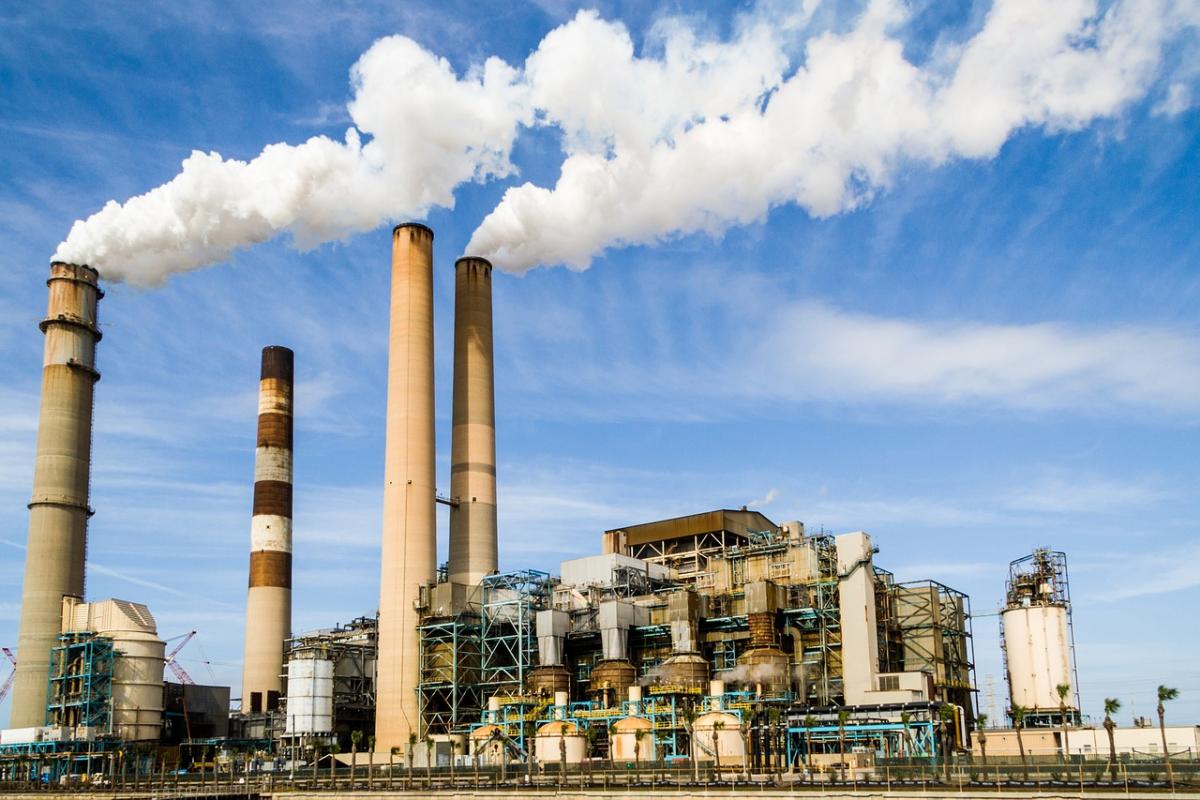
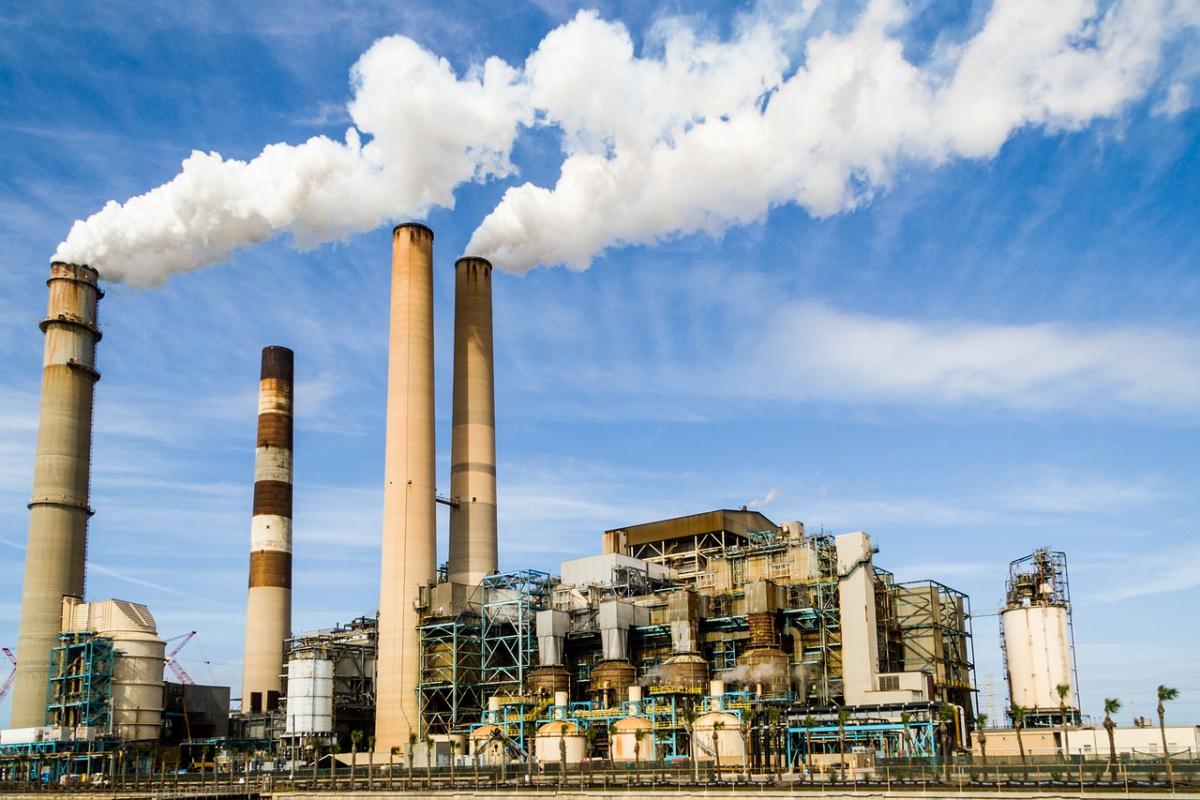
The US Department of Energy released its preliminary estimate for the nation’s carbon emissions in the previous year. While falling far short of the kind of drop needed to meet the Paris Agreement goals, a dip in emissions was recorded—almost entirely due to changes in the electric power sector. US carbon emissions have been trending downward since 2007, when they peaked at about six gigatonnes. The COVID-19 pandemic produced a dramatic drop in emissions in 2020, bringing the yearly total to below five gigatonnes for the first time since before 1990, when DoE monitoring began. Carbon releases rose after the return to “normalcy“; 2023 marked the first post-pandemic decline. The drop is largely due to the phase-out of coal-burning power plants. However, electricity generation remains the second source of emissions, behind transportation. (Photo: Ralf Vetterle, Pixabay)

The Caribbean
Esequibo

Podcast: geopolitics of the Essequibo dispute

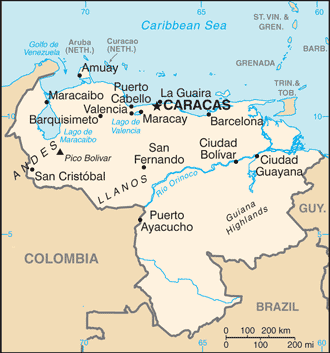
In Episode 205 of the CounterVortex podcast, Bill Weinberg looks at the recent re-escalation and (hopefully) denouement of the dispute over Esequibo—an oil-rich territory controlled by Guyana and claimed by Venezuela. Ironically, this claim was first asserted by the conservative, anti-communist Venezuela of the 1960s to help destabilize the anti-imperialist Guyana of Cheddi Jagan. Today, the left-populist but increasingly nationalistic regime of Nicolás Maduro even entertains hubristic claims to sovereignty over Venezuela’s other much larger neighbor, Colombia. But this revanchism appears to mask the fact that “revolutionary” Venezuela largely remains a petro-state with a rentier economy, vulnerable to drops in the global oil price, even if Chinese corporate exploiters have been replacing gringo ones. With the recent easing of sanctions, US giants like Chevron have even returned to Venezuela—while the extractivist model results in indigenous resistance. Contrary to the dogmas of left and right alike, the real root of the Venezuelan crisis is that the country is insufficiently socialist. Listen on SoundCloudor via Patreon. (Map: SurinameCentral via Wikimedia Commons)

Greater Middle East
UAE

‘Repressive petro-state’ UAE to host climate summit

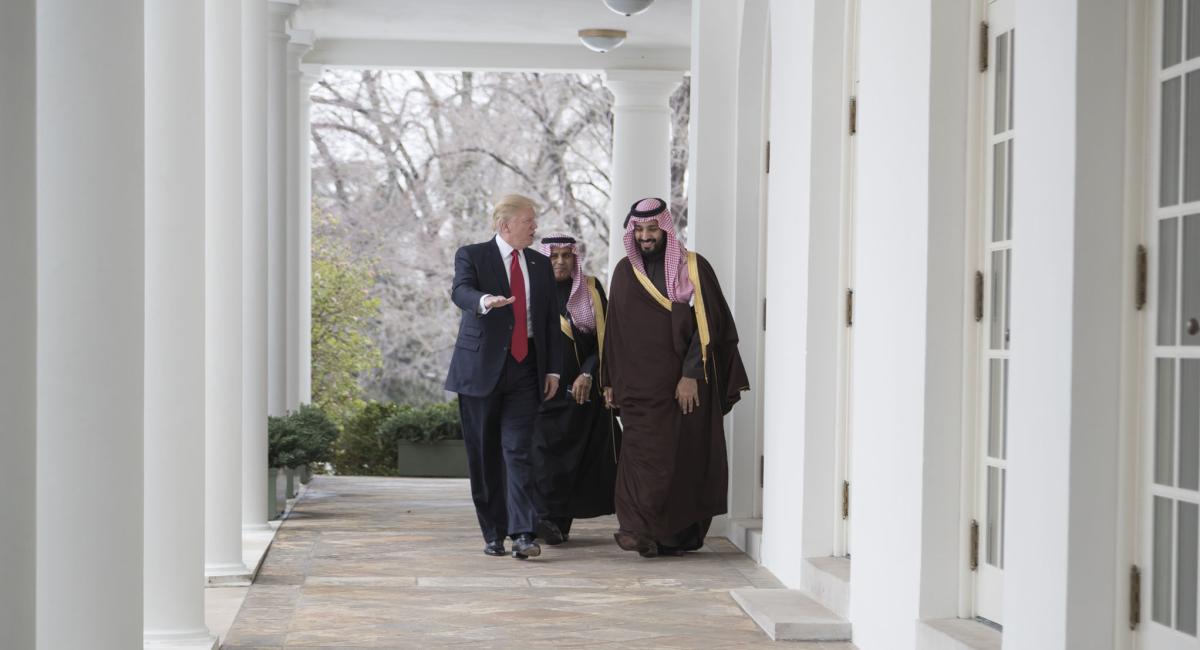
Amnesty International joined with over 200 civil society organizations to call upon participating governments of the 28th Conference of the Parties (COP28) to address the human rights record and climate policies of the United Arab Emirates. The COP, the annual conference of governments from around the world to discuss climate policy, is to be held in the UAE in December—convened by Sultan al-Jaber, CEO of the Abu Dhabi National Oil Company (ADNOC). The open letter states: “We support the concerns expressed by climate justice movements that allowing COP28 to be held by the rulers of a repressive petrostate, and overseen by an oil executive, represents a blatant conflict of interest, and threatens the legitimacy of the whole process.” (WildPixar via Jurist)