

Southern Cone
Salar de Atacama

Chile: lithium interests under pressure by uprising

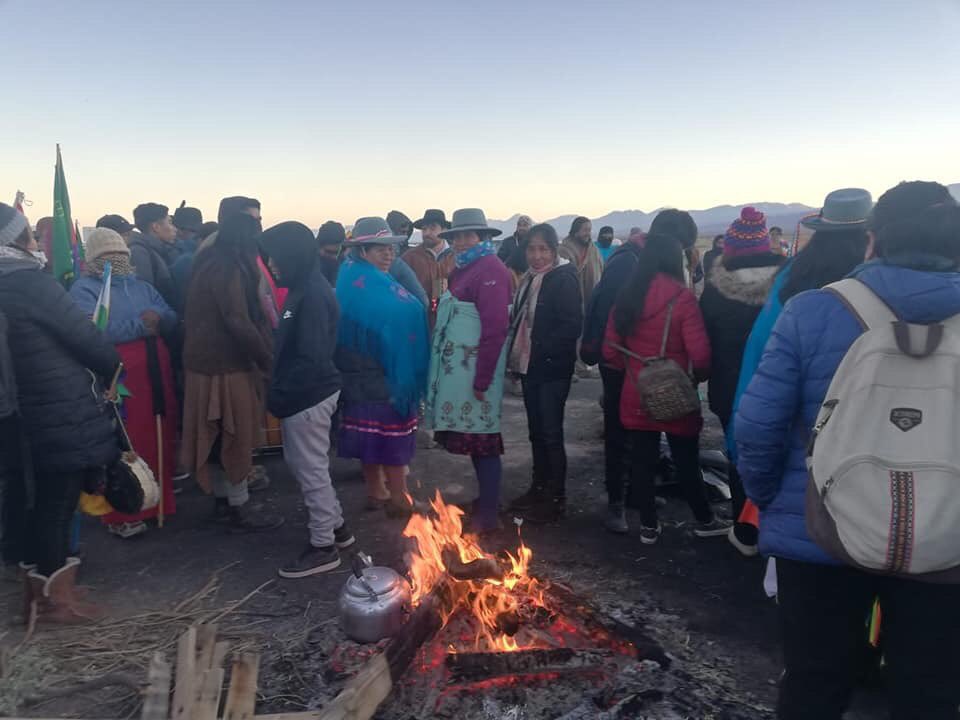
Chilean company Sociedad Quimica y Minera (SQM), under pressure from the government amid falling prices and rising protests, committed to define by year’s end the destination for lithium from its lease area at the Salar de Maricunga. SQM, one of the world’s top producers, already has a larger lithium mine in production at another area of salt-flats, the Salar de Atacama—but operations there were suspended for several days as campesinos blocked roads to the site as part of the popular uprising in Chile. Leaders of the Consejo de Pueblos Atacameños, representing 18 indigenous communities, pledged to resist any expansion of lithium operations in the area, citing threats to local water sources. (Photo via El Ciudadano)
The Andes
Rafael Quispe

Bolivia: signs of de-escalation following dialogue

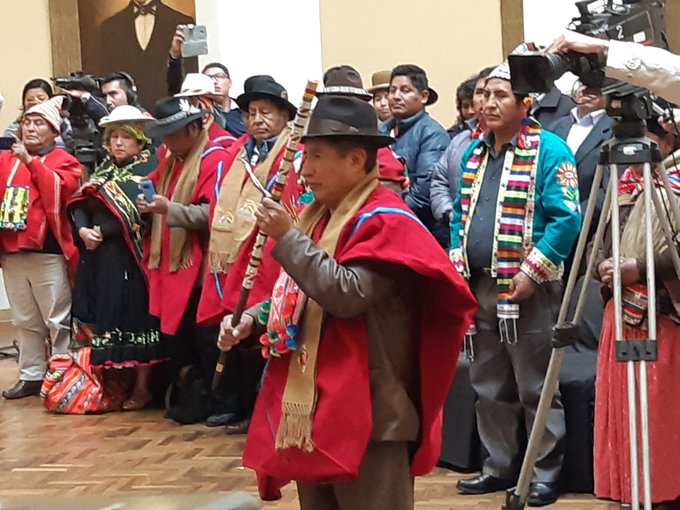
Bolivia’s Plurinational Legislative Assembly passed an “Exceptional & Transitional Regime Law” that annus last month’s contested elections and calls for new elections to be held within 120 days—without Evo Morales as a candidate. The pact follows talks mediated by the Catholic Church and the European Union between the new government of interim president Jeanine Añez and leaders of the ousted Morales’ party, the Movement Toward Socialism (MAS), which continues to hold a majority in both houses of the Assembly. As a part of the talks, Morales supporters in the countryside have agreed to dismantle their roadblocks. Rafael Quispe, a traditional Ayamara leader, was also appointed to head Bolivia’s indigenous development agency. (Photo of Rafael Quispe being sworn in via El Pais, Tarija)

The Andes
Cauca blast

War escalating in Colombia’s south

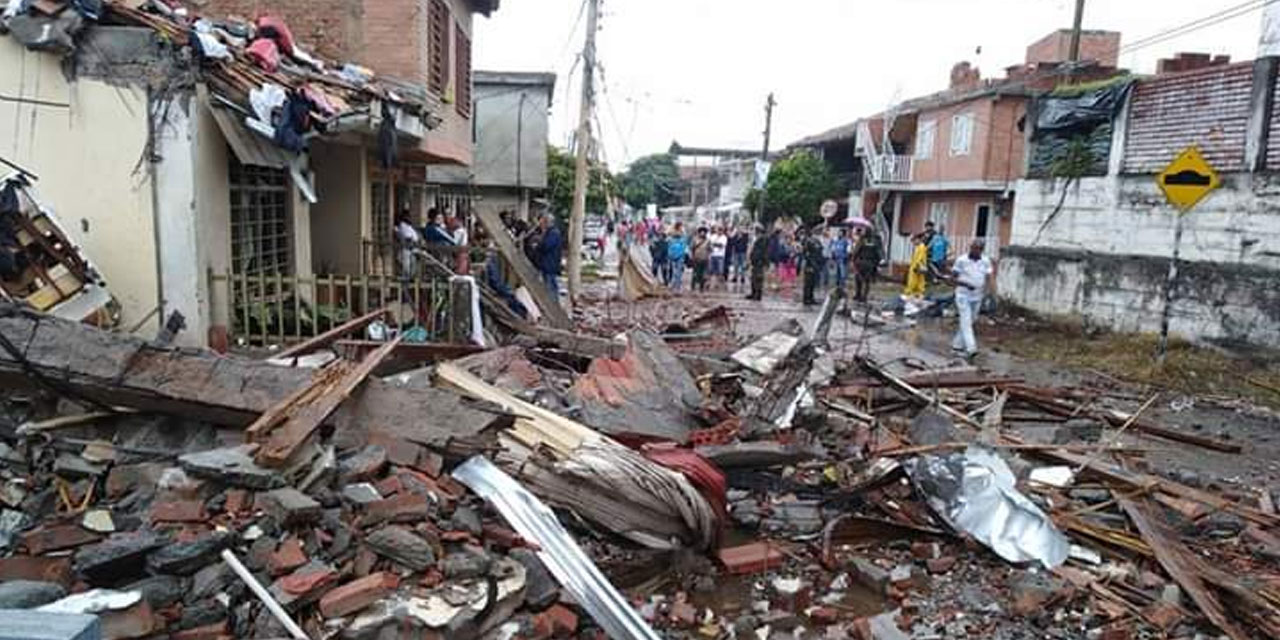
As Colombia’s major cities exploded into protest amid a national strike, a truck-bomb attack targeted a police station in the southern department of Cauca, leaving three officers dead. Authorities blamed the blast in the town of Santander de Quilichao on “dissident” elements of the FARC guerillas who have remained in arms despite the peace accords. The blast came two weeks after Colombia’s defense minister Guillermo Botero resigned amid outrage over an air-strike on a supposed guerilla camp in the neighboring department of Caquetá, in which several children were revealed to have been killed. (Photo via Colombia Reports)

The Andes
Bogota protest

Duque starts dialogue after Colombia strike

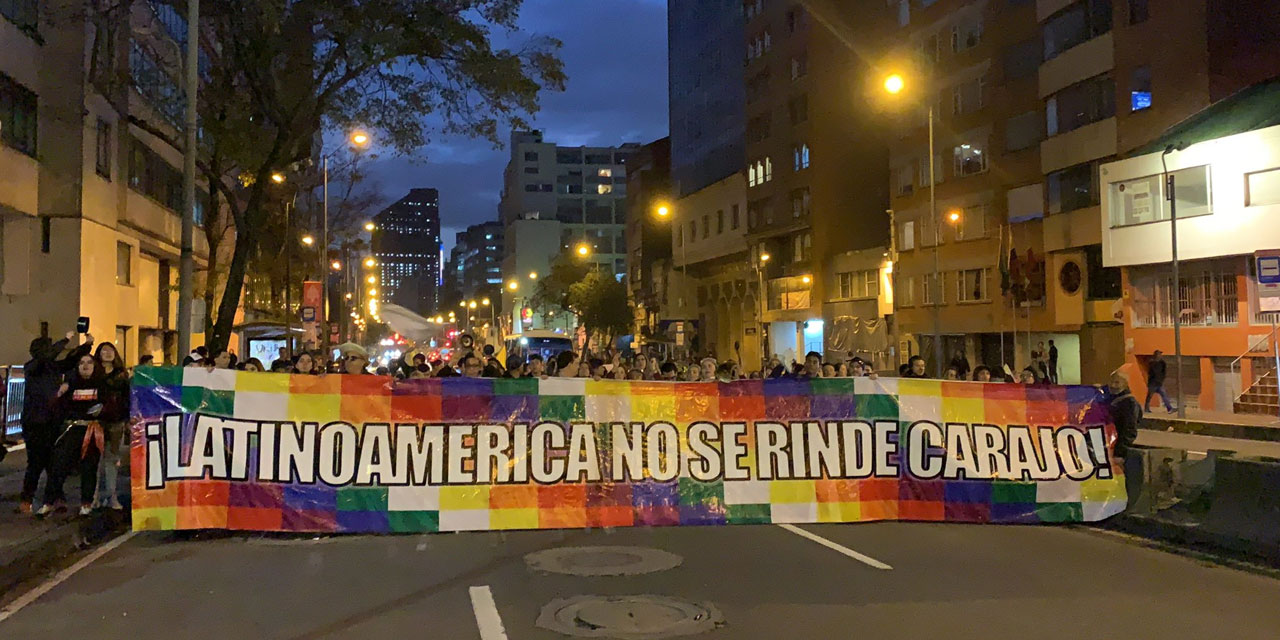
Colombia’s President Ivan Duque has convened his National Labor Concord Commission to begin the “National Conversation” he pledged this week in a bid to quell a fast-mounting anti-government protest wave. Social leaders, mayors and departmental governors from across the country are to participate in the talks. The protests escalated when trade unions, including the giant Unitary Workers Central (CUT), called a nationwide general strike, and repressive measures by the National Police only fueled the mass mobilization. (Photo: Hollman Morris via Colombia Reports)

South Asia
Kalapani

China, India border disputes spark Nepal protests

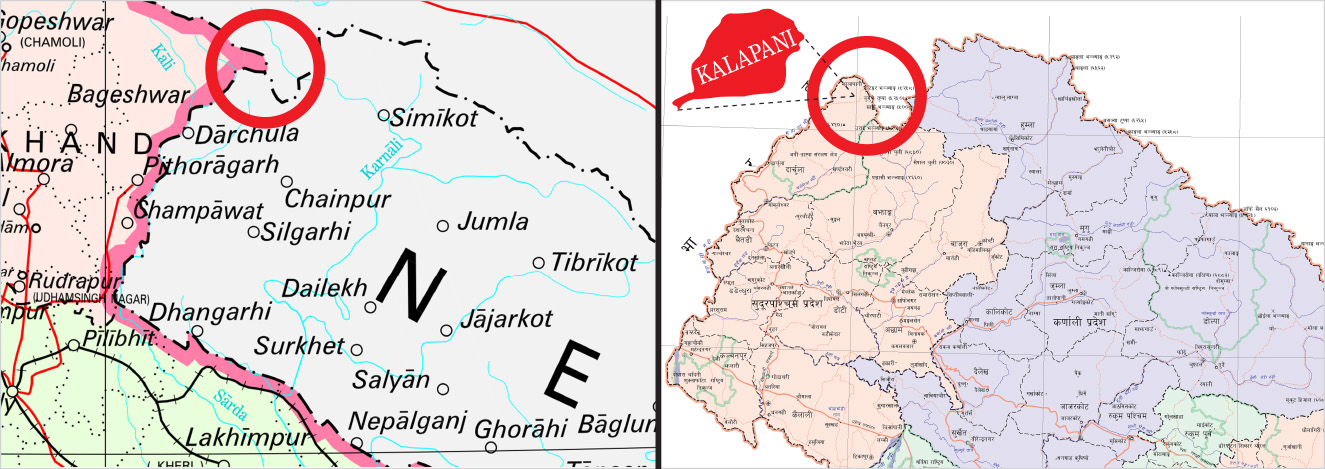
Nepal over the past weeks has repeatedly seen both anti-India and anti-China protests, concerning charges that both of the country’s giant neighbors are claiming pieces of its territory. A report released by Nepal’s Survey Department found that China has encroached upon 36 hectares of Nepalese territory, largely due to expansion of roads along the border in Chinese-administered Tibet. But the survey was undertaken in response a new map issued by Delhi with India’s change to the administrative status of Kashmir. This map showed a 35-square-kilometer area claimed by Nepal as part of India’s Uttarakhand state. This is the strategic Kalapani zone, at the juncture of the borders of China, India and Nepal, controlled by India since the Sino-Indian War of 1962. It was last at issue in 2015, when India blocked roads into the area, sparking a brief crisis with Nepal. (Map via Kathmandu Post)

Africa
Almas Elman

Somali rights activist killed in Mogadishu

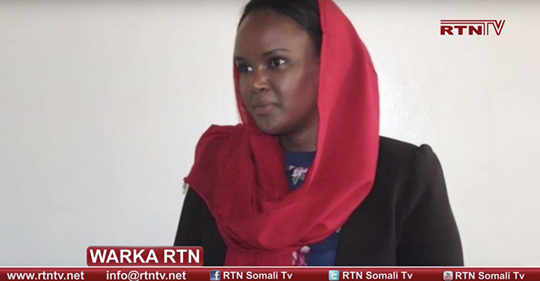
Almas Elman, a prominent Somali rights activist, was killed in Mogadishu, struck by a bullet while riding in a car. She was apparently heading to the airport after attending a meeting at the Elman Peace Centre, which was founded by her mother Fartuun Adan in 1990. Elman came from a long line of activists. She was the sister of aid worker Ilwad Elman who was recently short-listed for the Nobel Peace Prize. Her father was the respected Somali activist Elman Ali Ahmed, who was himself assassinated in Mogadishu in 1996. In recent years, the Elman Peace Centre has documented rights abuses in Somalia by government troops, Islamist insurgents, Ethiopian occupation forces, rival clan militias, (Photo: RTN-TV via OkayAfrica)

The Andes
El Alto protest

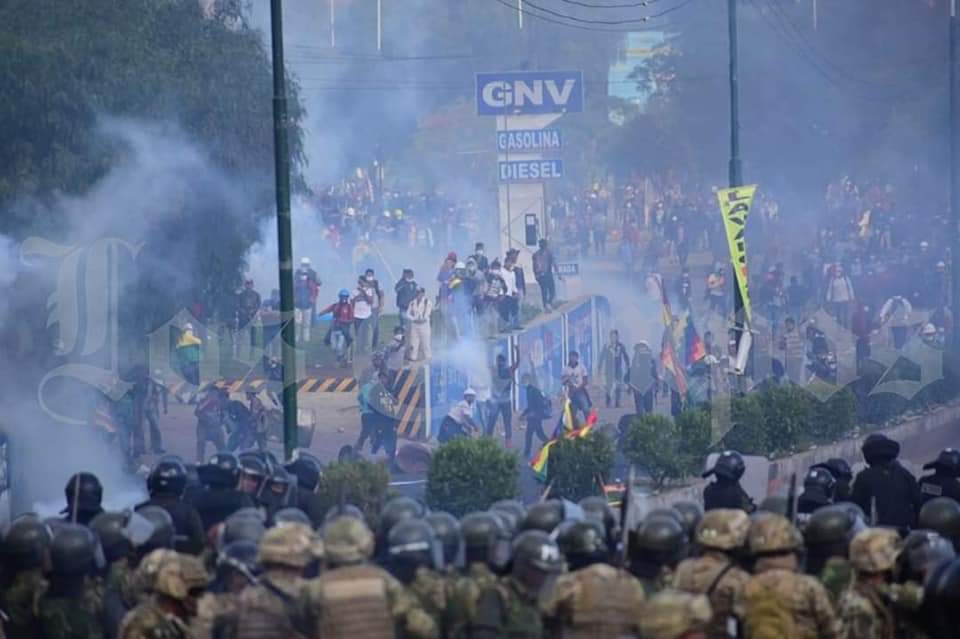
Bolivia: security forces fire on protesters —again

At least six were killed and some 20 injured when Bolivian army and National Police troops opened fire on protesters demanding the reinstatement of deposed president Evo Morales in the working-class city of El Alto. Protesters had been blockading the entrance to Senkata gasworks and oil refinery in the city for three days when troops attempted to clear the gates to allow tanker-trucks through to supply gasoline to La Paz. The blockade of the Senkata plant has caused shortages in La Paz, and cut-backs in public transport. The hydrocarbons minister, appointed by the new de facto regime, appeared to justify the violence, saying, “Except for use of the gas, we seek to avoid aggression.” (Photo via Carwil Bjork-James)

Iran
#iranprotests

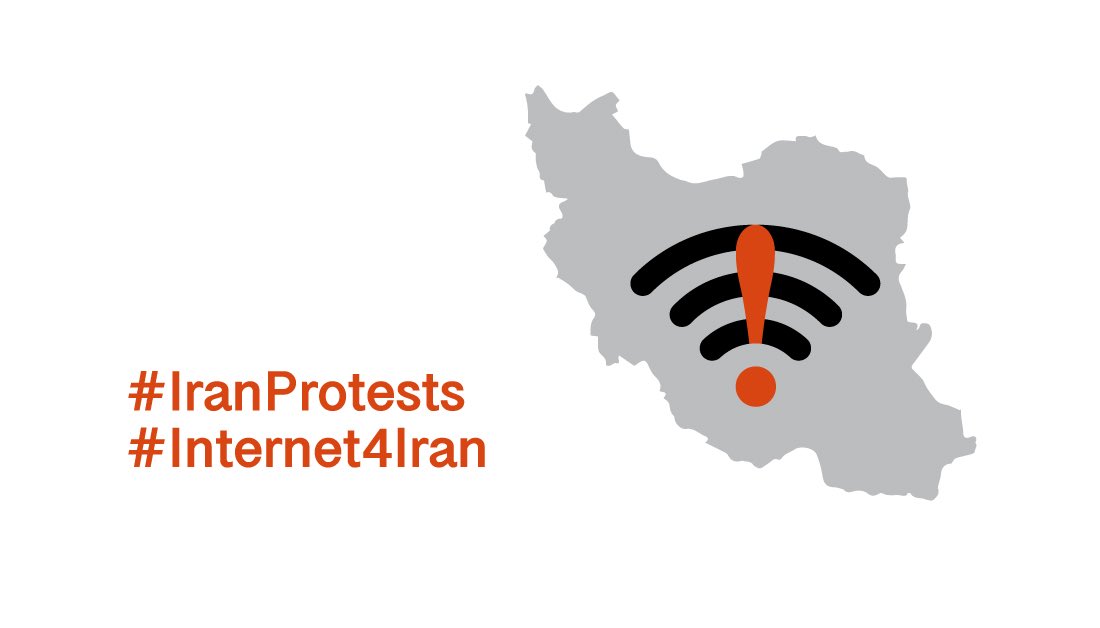
Net silence as Iran explodes into protest

Protests erupted in Iran after the government announced a 50% increase in the price of fuel, partly in response to the re-imposition of US sanctions. Spontaneous demonstrations first broke out in Sirjan, but quickly spread to several other cities, including Tehran, where petrol stations were set on fire. The regime quickly responded by imposing a near-total shut-down of the Internet and mobile data throughout the country. Security forces have already killed several protesters, and the the Islamic Revolutionary Guards Corps has warned of “decisive” action if the unrest does not cease. (Image: Hajar Morad via Twitter)

Planet Watch
Chile protester

Podcast: world revolution in 2020?

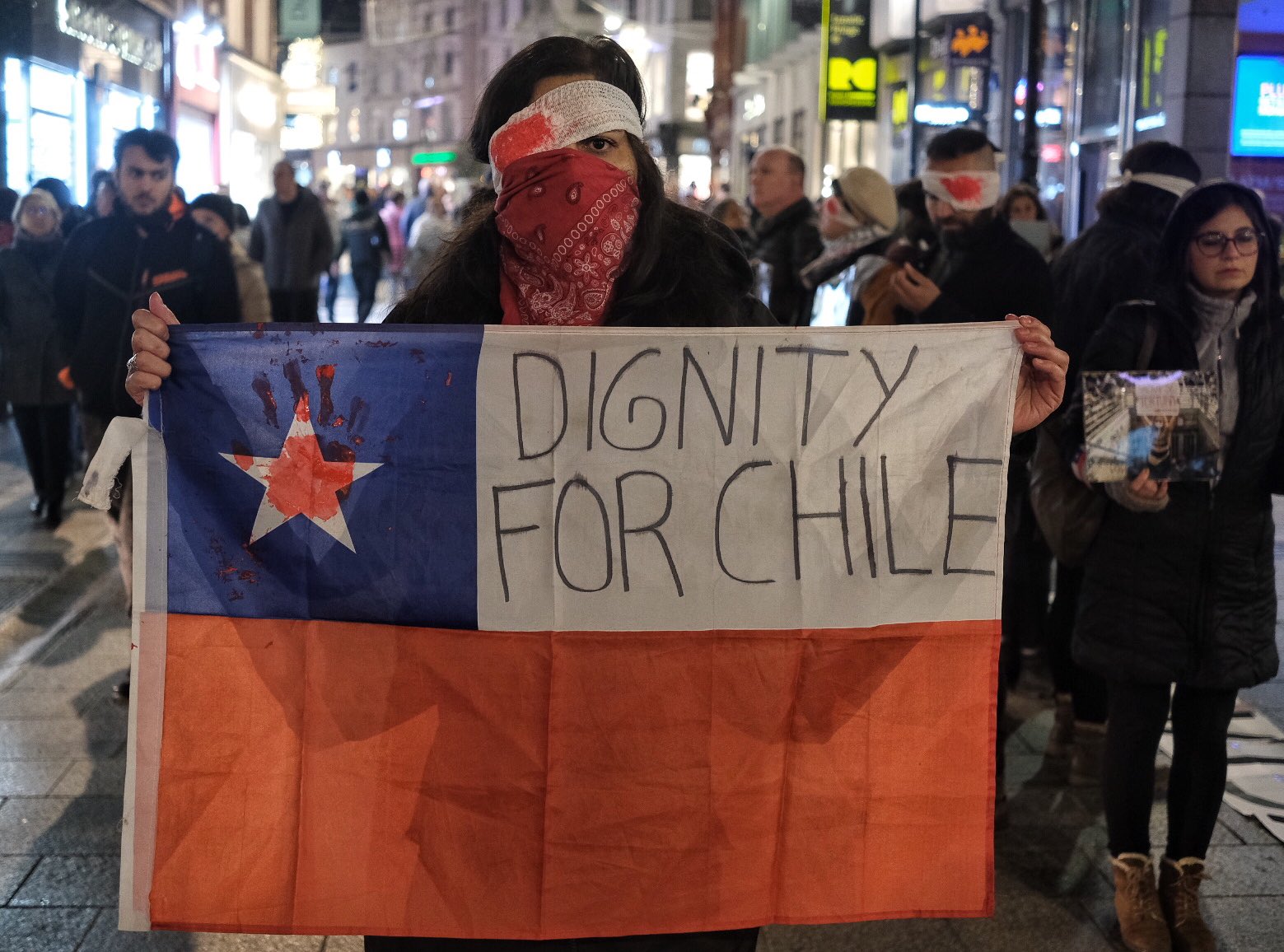
In Episode 43 of the CounterVortex podcast, Bill Weinberg takes stock of the current wave of popular protest and uprisings around the world, and asks if the planet is approaching another moment of revolutionary possibilities, such as was seen in 2011. He examines the prospects for these disparate movements to build solidarity across borders, repudiate ethnic and national divide-and-rule stratagems, and recognize the enemy as transnational capital and the authoritarian states that serve it. With discussions of Hong Kong, mainland China, Indonesia, Bolivia, Chile, Ecuador, Peru, Uruguay, Honduras, Costa Rica, Haiti, Puerto Rico, Iraq, Lebanon, Turkey Iran, Egypt, Algeria, Sudan, Uganda, Ethiopia and Guinea. Listen on SoundCloud, and support our podcast via Patreon. (Photo: David Lynch via Twitter)

The Andes
Sacaba

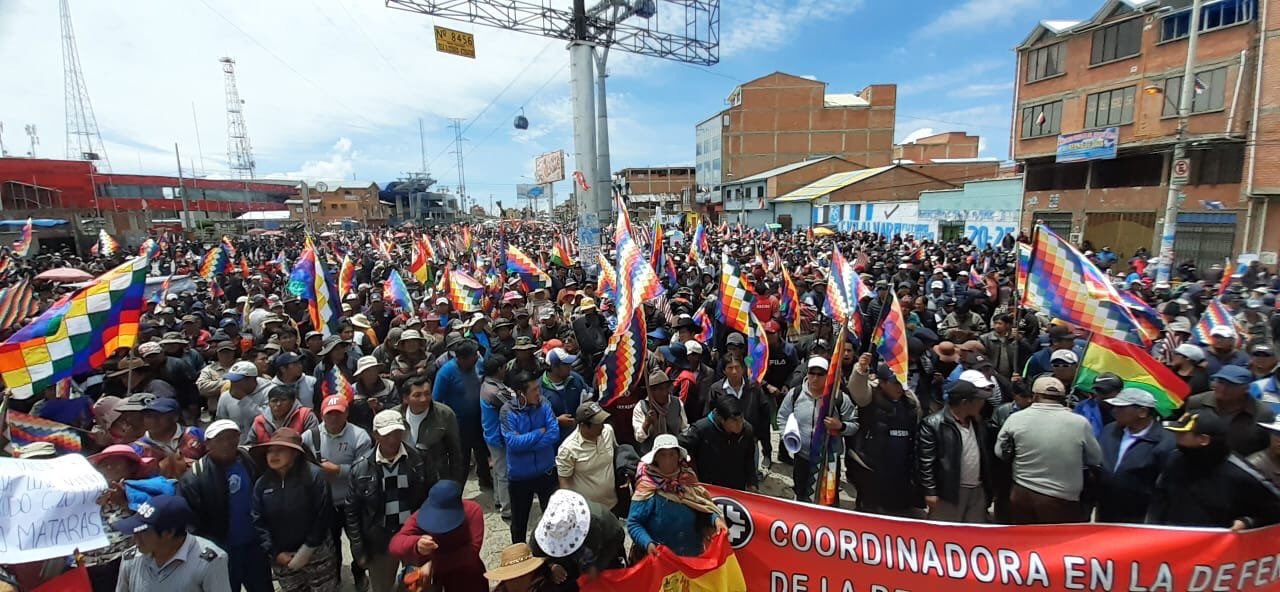
Massacre of indigenous protesters in Bolivia

Several are reported dead after National Police and army troops opened fire on indigenous demonstrators marching on the Bolivian city of Cochabamba. A march demanding the reinstatement of ousted president Evo Morales started that morning from the town of Sacaba, gateway to the Chapare region where Morales began his career as a campesino leader in the 1990s and still the heartland of his support base. When security forces attempted to block their way over a bridge, a clash ensued. The Defensoría del Pueblo, Bolivia’s official human rights office, confirmed the death of five, with 29 more injured, but local media put the death toll at nine. Some 200 were also detained. The National Police claimed on Twitter that the protesters attacked troops with “improvised firearms.” No casualties among the security forces were reported. (Image: Alba TV via Twitter)

Europe
Ayshe Seitmuratova

World Court to rule on ethnic discrimination in Crimea

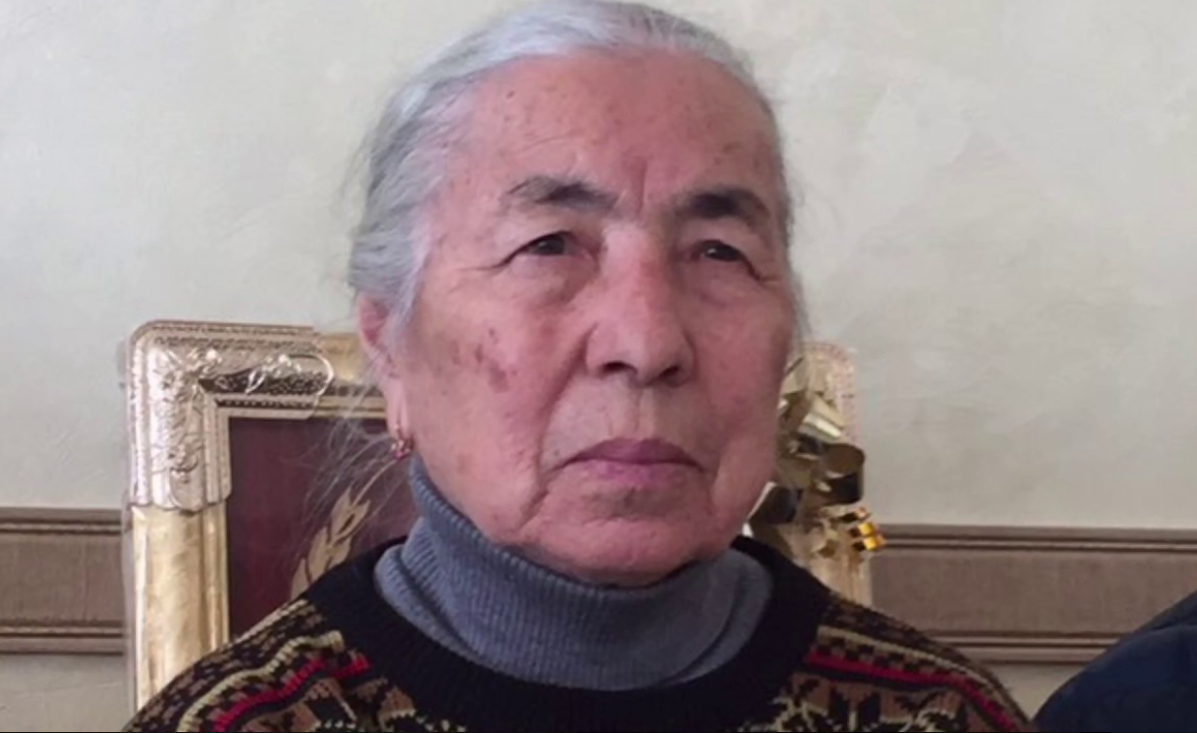
The International Court of Justice ruled that it has jurisdiction to hear a case filed by Ukraine against Russia over claims of ethnic discrimination in annexed Crimea, as well as Moscow support of pro-Russian separatists in Ukraine’s east. The case argues that Russian abrogation of the rights of the Crimean Tatars violates the International Convention on the Elimination of All Forms of Racial Discrimination. The claims concerning the eastern separatists invoke the International Convention for the Suppression of the Financing of Terrorism. On the same day as the ruling, Ayshe Seitmuratova, an 82-year-old veteran of the Crimean Tatar national movement, Soviet-era dissident, former political prisoner, and historian, was detained by Russian security forces. (Photo: Kharkiv Human Rights Protection Group)

Africa
Guinea

Guinea: deadly repression amid fear of power-grab

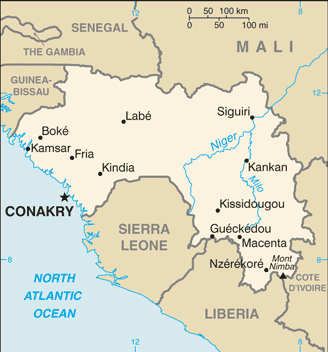
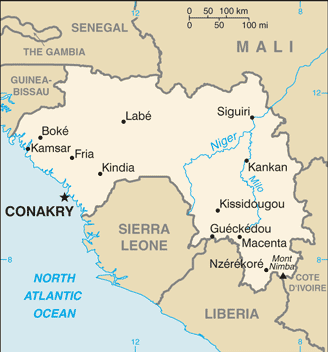
A new Amnesty International report warns of rising political violence in Guinea amid growing public concern that President Alpha Condé will amend the constitution to run for a third term. Nine protestors were killed last month alone, and scores arrested, inlcuding leaders of pro-democracy movements. Dozens of protesters have been sentenced to a year in prison for attending an “illegal assembly.” (Map: Perry-Castañeda Library Map Collection)