
Southern Cone
Chile protests

UN documents rights abuses in Chile protests

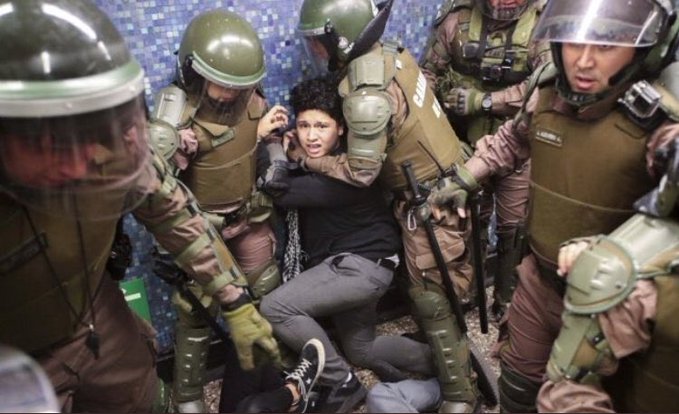
The Office of the UN High Commissioner for Human Rights (OHCHR) said in a new report that international human rights norms had been violated by both police and army personnel during the recent mass protests in Chile which led the government to declare a state of emergency. The report said that these rights violations should be prosecuted. The 30-page report, based on research during the first three weeks of November, extensively details multiple allegations, including of torture, and rape and other forms of sexual violence, against people held in detention. The leader of the OHCHR mission in Chile, Imma Guerras-Delgado, told journalists in Geneva, that the overall management of demonstrations by the police “was carried out in a fundamentally repressive manner.” (Photo: KaosEnLaRed)

South Asia
CAA

Protests sweep India over citizenship law

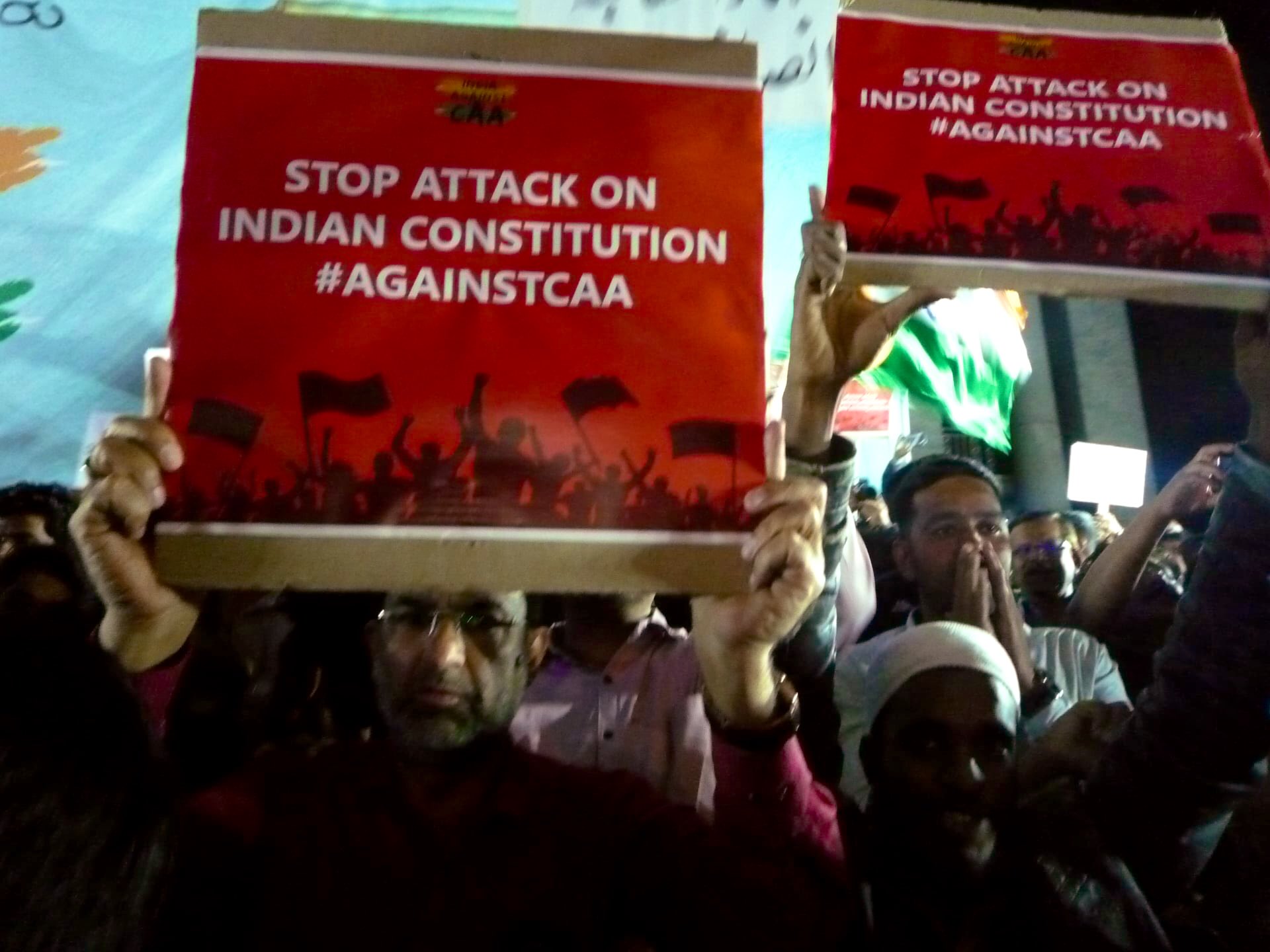
India’s northeastern state of Assam has exploded into protest over the passage of a new national citizenship law. The army has been deployed, a curfew imposed in state capital Guwahati, and internet access cut off. At least five people have been killed as security forces fired on demonstrators. The new law allows religious minorities from Pakistan, Bangladesh and Afghanistan to apply for Indian citizenship. This means it effectively excludes Muslims, and mostly apples to Hindus and Sikhs. Critics of the ruling Hindu-nationalist government say it therefore violates India’s founding secular principles. But while secularists and Muslims are protesting the Citizenship Amendment Act on this basis elsewhere in India, the biggest protests have been in Assam—motivated by fear that the state will be overrun by an influx from Bangladesh, threatening its cultural and linguistic identity. (Image: Sowmya Reddy)

Watching the Shadows
anti-semitism

Trump’s EO on anti-Semitism abets anti-Semitism

President Trump’s executive order, ostensibly extending civil rights protections to Jewish students on college campuses, is a masterpiece of propaganda and disguised motives, actually criminalizing opposition to the expropriation of the Palestinians, making a consistent anti-racist position legally impossible—and thereby, paradoxically, abetting anti-Semitism. (Image: frgdr.com)

Oceania
Bougainville

Bougainville votes for independence from PNG

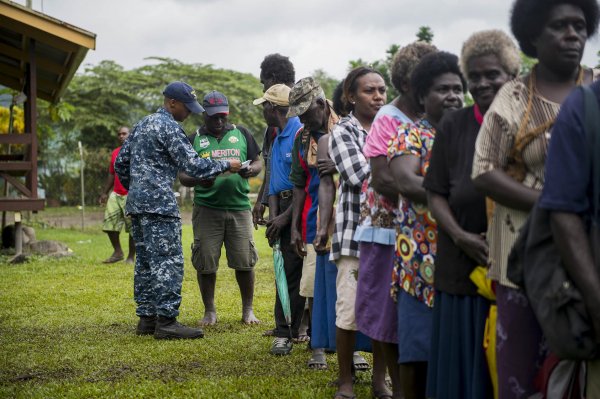
In a referendum held over two weeks, the people of Bougainville, an archipelago in the South Pacific’s Solomon Sea, voted overwhelmingly to seek independence from Papua New Guinea (PNG). The referendum was the centerpiece of the 2001 Bougainville Peace Agreement between the PNG government and Bougainville independence leaders to end a devastating decade-long war that claimed nearly 20,000 lives—nearly a tenth the territory’s total population. Negotiations between PNG and Bougainville about the road forward will now begin and could continue for years, with the PNG parliament having the final say. Control of the territory’s rich mineral resources has been a key issue in the conflcit. (Photo via UNPO)

New York City
James Bay

Podcast: the struggle for James Bay

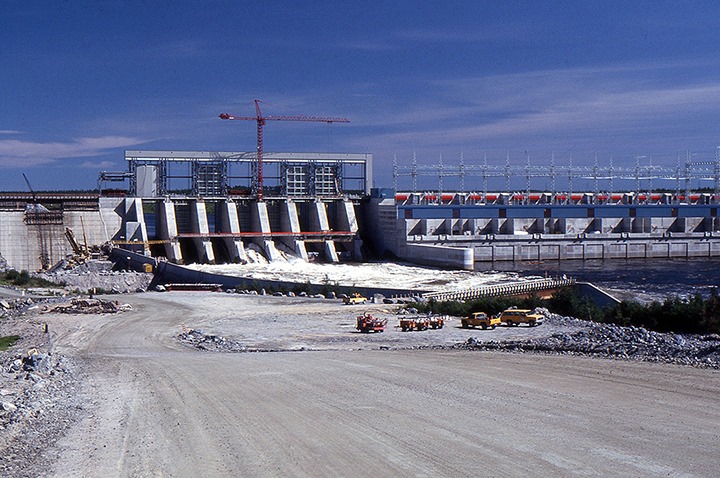
“Who is James Bay?” That’s the frequent reaction from New Yorkers when it is brought up—despite the fact that James Bay is not a “who” but a “where,” and a large portion of New York City’s electricity comes from there. In Episode 44 of the CounterVortex podcast, Bill Weinberg takes on Mayor Bill de Blasio’s so-called “Green New Deal,” and how maybe it isn’t so green after all. The mayor’s plan is centered on new purchases of what is billed as “zero-emission Canadian hydro-electricity.” But supplying this power is predicated on expansion of the massive James Bay hydro-electric complex in Quebec’s far north, which has already taken a grave toll on the region’s ecology, and threatens the cultural survival of its indigenous peoples, the Cree and Inuit. And it isn’t even really “zero-emission.” Listen on SoundCloud,and support our podcast via Patreon. (Photo: Orin Langelle)

The Andes
FELCC

‘Anti-terrorist’ militarization in Bolivia

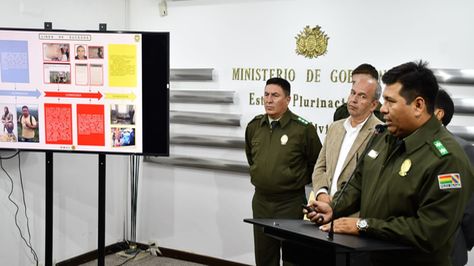
The new Bolivian regime’s Government Minister Arturo Murillo has announced creation of a special “Anti-Terrorist Group” (GAT), drawn from elite units of the National Police force, to “completely disarticulate all the terrorist cells” operating in the country. Murillo made the announcement at a meeting of the National Police Special Anti-Crime Struggle Force (FELCC) in Santa Cruz, where he charged that recent political violence in the country had been instrumented by foreign “terrorist” operatives financed by Venezuela as part of a plan to “destabilize” the countries of South America. He later told reporters that he would seek Israeli security aid for the new anti-terrorist unit. (Photo: La Razón)

North Africa
Libya migrant center

Controversy at UN migrant facility in Libya

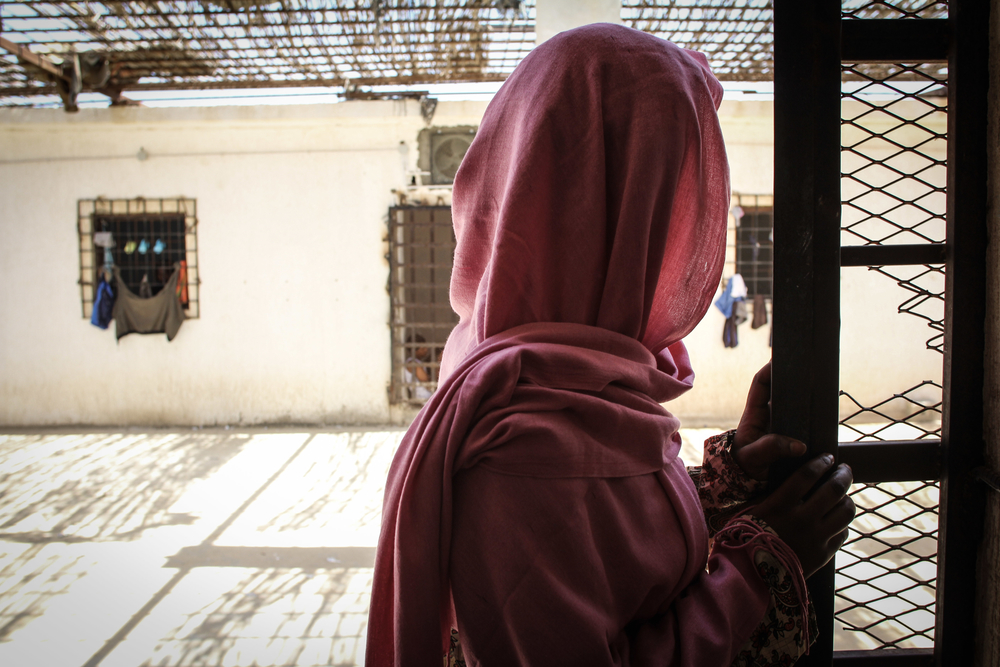
The UN’s holding facility for undocumented migrants in Libya was unveiled last year as an “alternative to detention,” but critics now say it is coming to mirror the notoriously harsh detention centers it was supposed to replace. The facility is overcrowded with nearly 1,200 migrants—about twice the number it was built for—including hundreds who fled from abuse at other detention centers in hopes of sanctuary. Conditions inside are deteriorating fast, and there are accusations that the UN refugee agency, UNHCR, is planning to force migrants, refugees, and asylum-seekers to leave by cutting off food (a claim the agency denies). The people inside are among an estimated 600,000 migrants in Libya, including more than 45,000 registered refugees and asylum-seekers. Some have come in search of work, others are hoping to make the incredibly dangerous trip to Europe. Those who risk it are often “rescued” by the Libyan coast guard and returned to land, and end up in the country’s oppressive detention centers—which is among the reasons a recent French plan to give the Libyan coast guard more boats met with strong opposition. (Photo: Sara Creta/MSF via TNH)

Syria
Syria oil map

Trump lays claim to Syrian oil

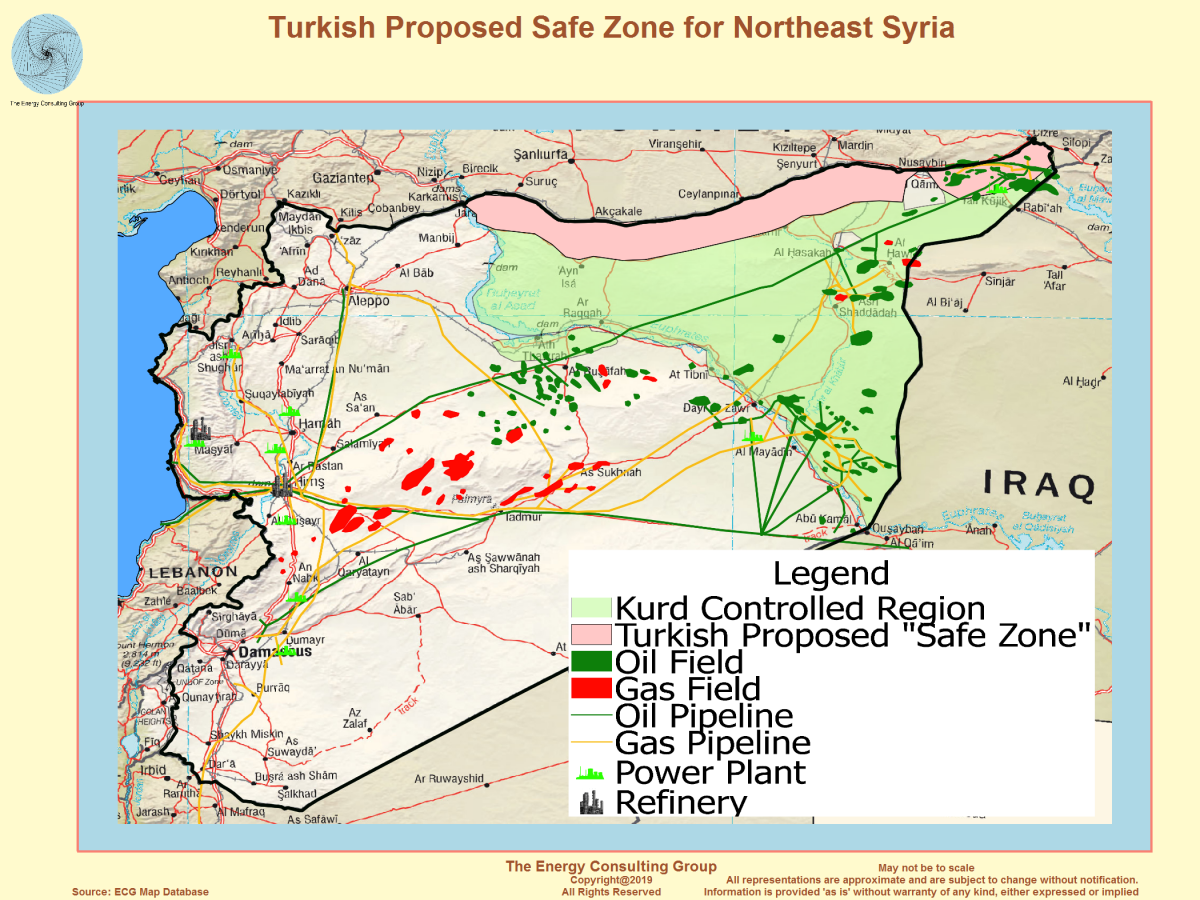
Before Donald Trump left the London NATO summit in a huff, he made the startling claim at a press conference that the US can do “what we want” with the oil-fields it now controls in northeast Syria. This faux pas, jumped on by the British tabloid press, recalls Trump’s 2016 campaign trail boast of his plans for Syria: “I’ll take the oil”—and turn the seized fields over to Exxon. A military showdown over the oil looms, as all sides to the conflict await the new order that will emerge from the current scramble for northern Syria. A contest between the US and Russian-backed Assadist forces is a terrifying possibility. One restraining factor is that the US holds the fields jointly with Kurdish forces—and Washington, Moscow and Damascus alike are attempting to groom the Kurds as proxies. (Map: Energy Consulting Group)

Europe

Russia deploys Cossacks to police Crimea

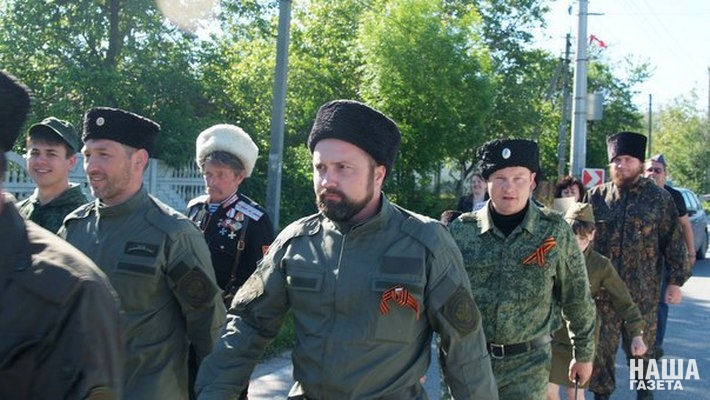
Russia’s Interior Ministry has announced that “Cossacks” will be deployed, together with thede facto police, in patrolling occupied Crimea, as well as in “carrying out anti-drug measures and educational work with young people.” So-called “Cossacks” were used, with other paramilitaries, during the annexation of the peninsula in 2014 to carry out violence that Russia did not want attributed to official security fources. The group Human Rights in Ukraine believes a similar role is planned again, and that “educational work” means propaganda for the Russian military. (Photo via Kharkiv Human Rights Protection Group)

New York City
Rupert River

NYC ‘Green New Deal’ to fund mega-hydro?

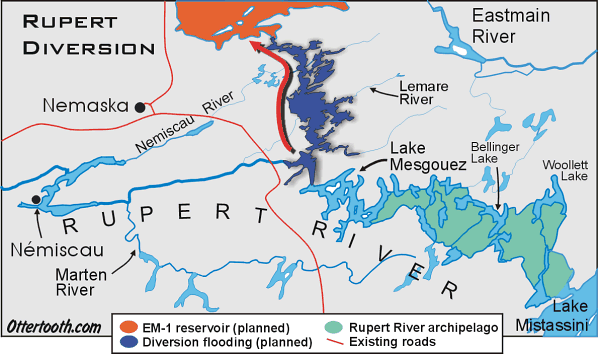
New York’s Mayor Bill de Blasio is aggressively touting his “Green New Deal,” boasting an aim of cutting the city’s greenhouse-gas emissions 40% of 2005 levels by 2030. Centerpiece of the plan is so-called “zero-emission Canadian hydroelectricity.” The city has entered into a deal to explore new power purchases from provincial utility Hydro-Quebec. But this power is predicated on expansion of the massive James Bay hydro-electric complex in Quebec’s far north, which has already taken a grave toll on the region’s ecology, and threatens the cultural survival of its indigenous peoples, the Cree and Inuit. And it isn’t even really “zero-emission.” (Map: Ottertooth.com)

Mexico
narcotanks

Corporate cannabis targets bleeding Mexico

There is a discomforting sense that Mexico is perpetually on the eve of cannabis legalization, as the country’s Congress wins a six-month extension from the Supreme Court to pass a law freeing the herb. But foreign capital is already eyeing Mexico’s emergent legal cannabis sector—even amid a terrifying escalation in the bloody cartel wars. When authorities attempted to arrest the son of “Chapo” Guzmán in Culiacán, the troops were surrounded by Cartel gunmen riding in trucks mounted with big machine-guns, and even what appeared to be improvised armored vehicles. The younger Guzmán escaped, and the Sinaloa Cartel proved it has the firepower to effectively challenge the state—at least on its home turf. (Photo via The Drive)

The Andes
sutesal

Peru next for regional protest wave?

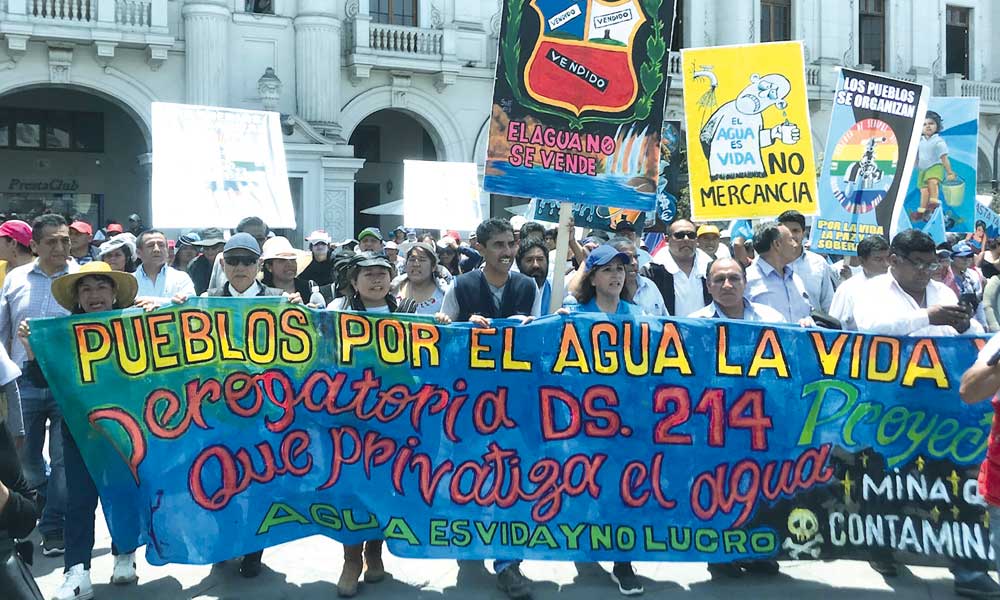
Weeks after a nationwide uprising in Chile was sparked by protests over transit fare hikes in the capital, politicians in neighboring Peru are issuing nervous warnings in the wake of days of street demonstrations in Lima. This week, students occupied Central Station on Lima’s Metro to demand subsidized transit fares, workers marched to oppose the privatization of the city’s water system, and hundreds protested the pending release of imprisoned right-wing political leader Keiko Fujimori. President Martin Vizcarra took note of the threat of widespread unrest when he told the Annual Conference of Executives that Peru “is not free of protests” and must work to fight corruption and close the wealth gap. But his prescription was for an “authentic” free market—precisely the policies now being protested. (Photo: Diario Uno)