Africa
ivorian troops

Sahel insurgency reaches Ivory Coast borderlands

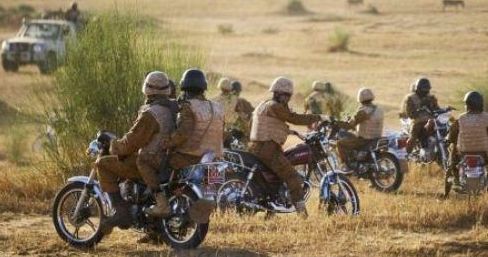
In another sign of the Islamist insurgency in the Sahel reaching West Africa’s littoral states, the armed forces of Ivory Coast announced the completion of a joint operation with the military of neighboring inland Burkina Faso, to clear out a Qaedist camp that had been established on the border between the two countries. Some 1,000 Ivorian soldiers took part in the operation, in which eight militants were reported killed and 38 others detained—24 in Burkina Faso and 14 in Ivory Coast. More are thought to have escaped on motorbikes through the bush. The militants are said to be followers of the Group for the Support of Islam and Muslims (JNIM), al-Qaeda’s West African franchise. (Photo: Ecofin Agency)
Planet Watch
warplane

Trump tears up arms control treaties

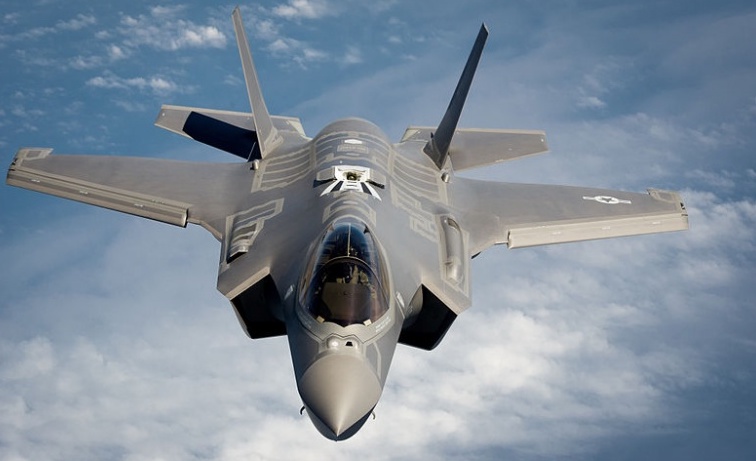
Secretary of State Michael Pompeo announced that the United States is formally withdrawing from the Treaty on Open Skies, a post-Cold War trust-building measure that allows the US and Russia to conduct unarmed reconnaissance flights over each others’ territories. Having last year withdrawn from the 1987 Intermediate-range Nuclear Forces treaty, the White House is now threatening to similarly abandon New START, the 2010 agreement that limits the US and Russia to 1,550 deployed nuclear missiles each. (Image: Lockheed Martin)

South Asia
Amphan

‘Super Cyclone’ Amphan deepens COVID-19 crisis

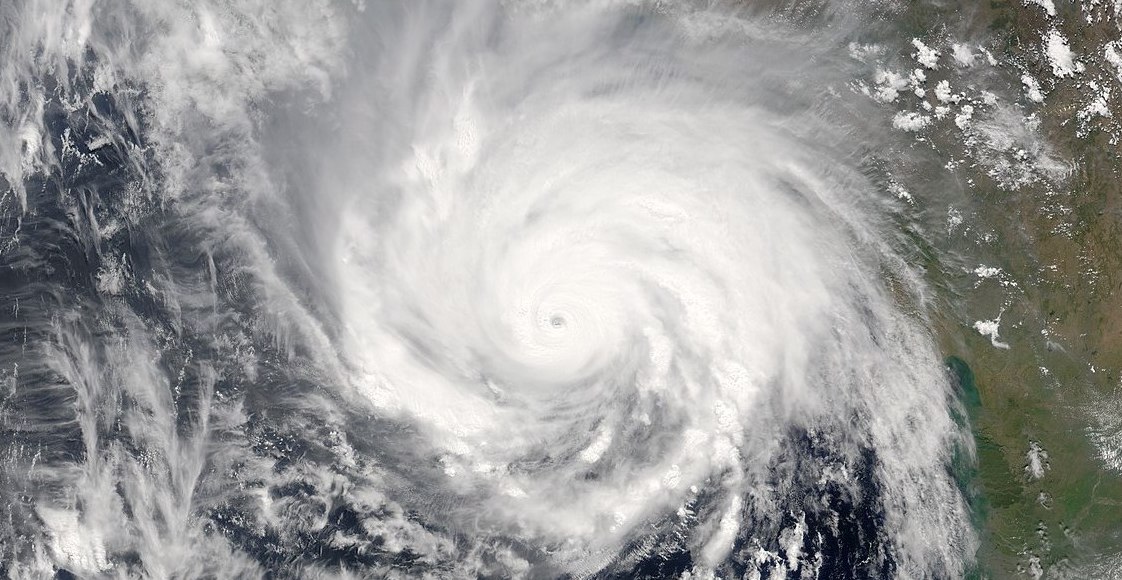
Tropical Cyclone Amphan unexpectedly intensified into a rare “Super Cyclonic Storm”—becoming the northern hemisphere’s strongest tropical cyclone yet in 2020. Amphan left a trail of destruction along coastal areas both in India and Bangladesh, impacting tens of millions of people. At least 77 deaths in India and 25 in Bangladesh have been reported so far. Over three million people in both countries remain displaced from their homes, taking refuge in community shelters—obviously placing them at risk of contracting COVID-19. In India’s West Bengal state, thousands of people evacuated from their homes are crammed inside buildings that were being used as COVID-19 quarantine centers, because there is no other shelter available. (Photo via Wikipedia)

East Asia
Wuhan police

Another independent journalist arrested in Wuhan

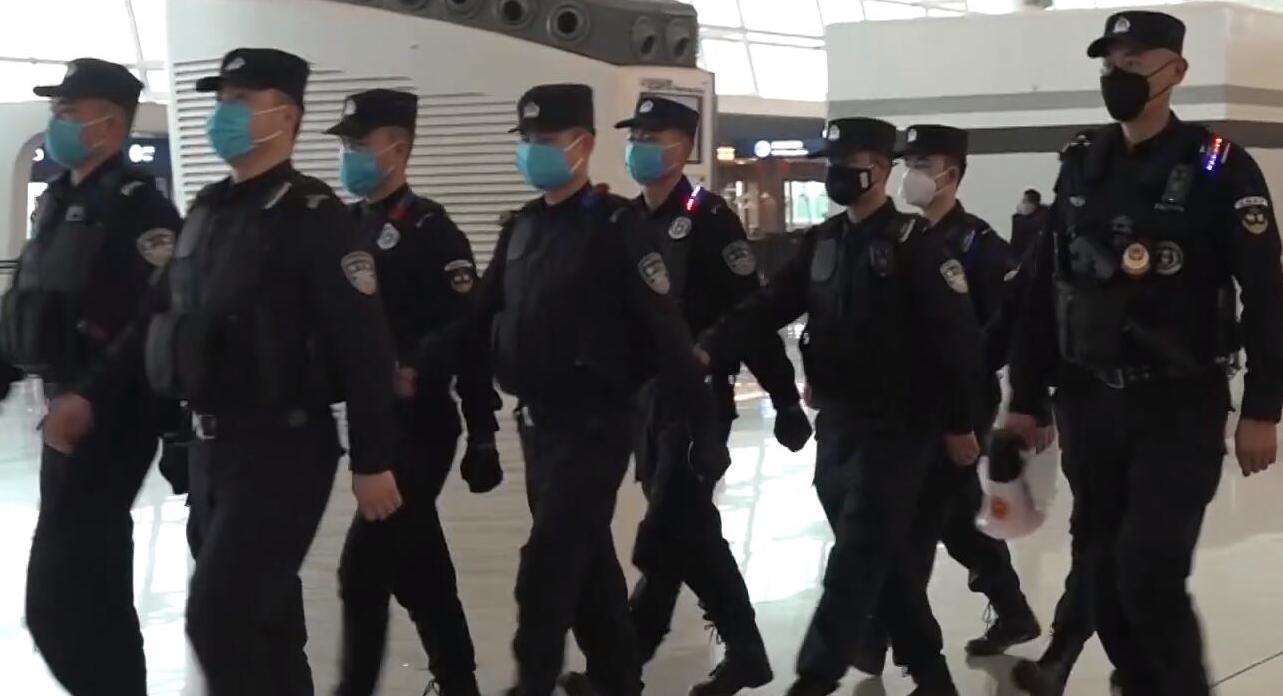
The New York-based Committee to Protect Journalists is urging Chinese authorities to immediately release journalist Zhang Zhan, drop any charges against her, and ensure that the media can cover the coronavirus pandemic without fear of arrest. Zhang, an independent video journalist who had been posting reports from Wuhan on Twitter and YouTube since early February, went missing in the city one day after she published a video critical of the government’s countermeasures to contain the virus. The Shanghai Municipal Public Security Bureau issued a notice stating that Zhang had been arrested and detained for “picking quarrels and provoking trouble.” If convicted, she could face up to five years in prison, according to the Chinese criminal code. (Photo: China News Service via Wikimedia Common)

Africa
Sudan

SCOTUS: Sudan liable for terrorism damages

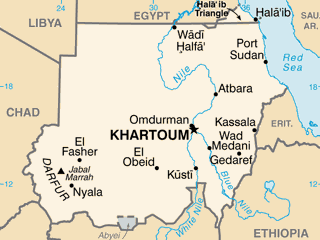
The US Supreme Court ruled in Opati v. Republic of Sudan that the Foreign Sovereign Immunities Act permits a punitive damages award against Sudan for the role it played in the 1998 bombings at the US embassies in Kenya and Tanzania. Plaintiffs in the case argued that Sudan had harbored al-Qaeda leaders who plotted the attacks, including Osama bin Laden. Officials in Khartoum have been seeking a settlement with the victims outside the court. Sudan is in a precarious economic situation following the ouster of long-ruling strongman Omer Hassan al-Bashir, now exacerbated by the COVID-19 pandemic. The Trump administration made it clear that Sudan must settle all terrorism-related claims to get off the US list of “state sponsors of terrorism”—a precondition for Washington’s support for debt relief for the African country. (Map: Perry-Castañeda Library Map Collection)

Southern Cone
santiago protest

Protests erupt in Santiago, São Paulo

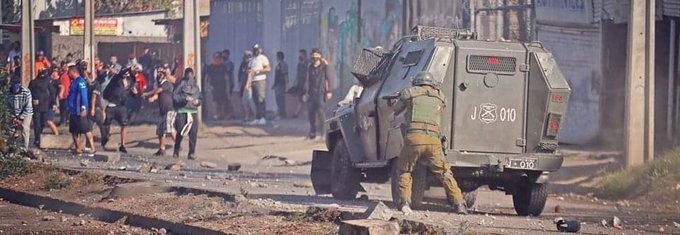
Protesters and riot police clashed on the outskirts of the Chilean capital Santiago, amid growing anger over food shortages during the lockdown imposed to halt the spread of COVID-19. Police deployed armored vehicles, water cannons and tear-gas to put down protests in the poor district of El Bosque. Residents blocked traffic and hurled stones at police in running clashes that lasted most of the day. Sporadic incidents were also reported in other parts of the city. Nightly pot-banging protests have been held for weeks in several neighborhoods, promoted under the hashtag #CacerolasContraElHambre—or, pot-banging against hunger. That same day, hundreds poured out of the favelas to fill the main streets of São Paulo, Brazil. In an audacious move, the favela residents marched on the state governor’s palace, demanding more support in the face of the lockdown. (Photo: Piensa Presna)

Planet Watch
Warsaw riot

Biological police state preparations advance

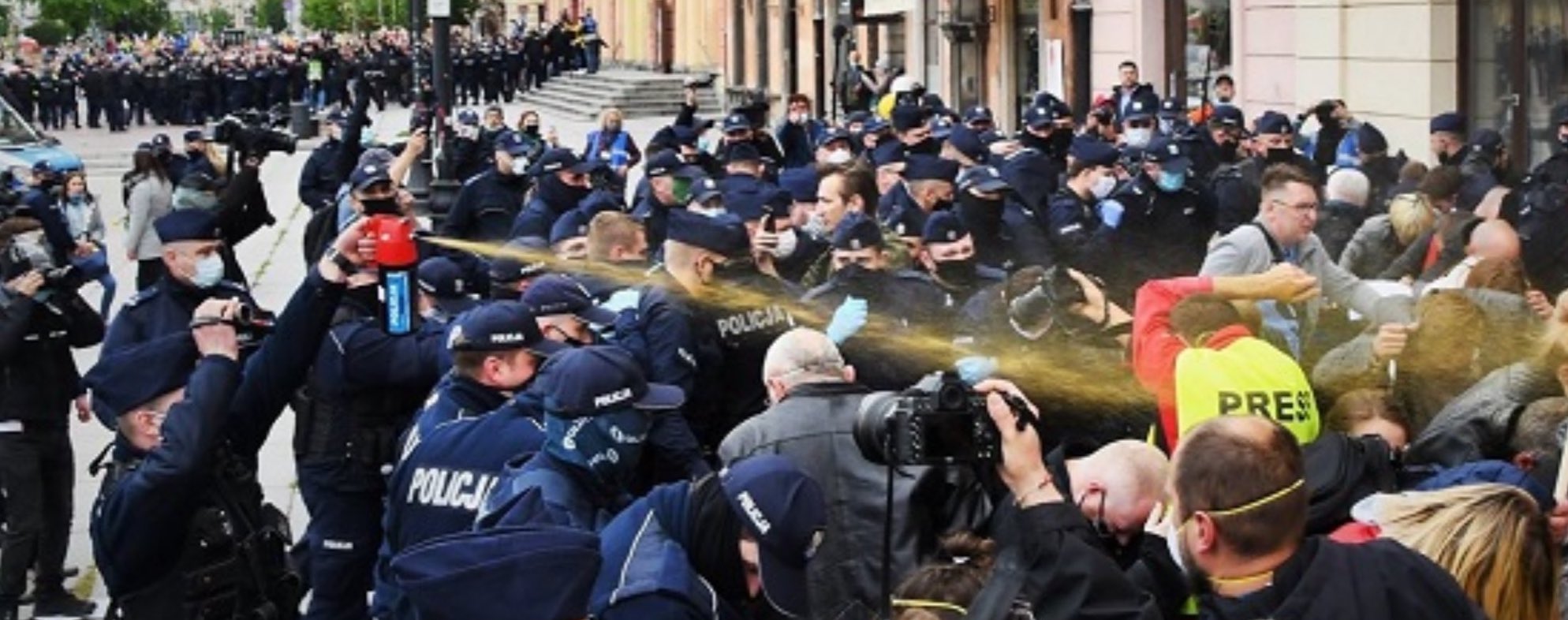
As rising strongmen in places like Poland and Ethiopia exploit the COVID-19 pandemic to postpone elections and grab extraordinary powers, even democratic countries are putting unprecedented police-state measure into place in the supposed interest of a return to “normality.” In the latter category is New Zealand, where a bill has been passed giving police sweeping powers to enter homes without warrants while enforcing new “Alert Level 2” rules. The COVID-19 Public Health Response Act creates a new corps of “enforcement officers” to track social contacts among the populace and conduct raids on the premises of suspected violators. (Photo of Warsaw police action via Twitter)

Planet Watch
iraq.pipeline

Yes, ‘peak oil’—but demand, not supply

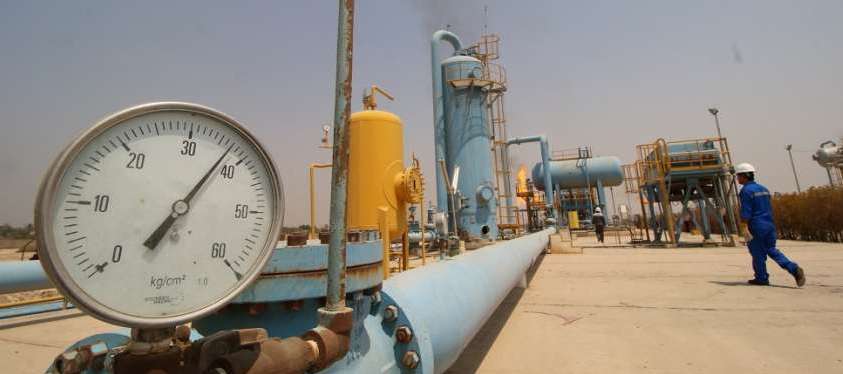
After oil prices went negative for the first time ever last month, they are now starting to rise again as lockdowns imposed by the COVID-19 pandemic are gradually lifted. US crude is now back to nearly $30 a barrel. But this is less than half what the price was a year ago, and a third what it was a dozen years ago. Iraq, OPEC’s second-largest producer, is at the forefront of the cartel’s effort to squeeze supply to consumer nations, as part of its recent deal to curb output. Baghdad just announced a 30% cut of exports to Asia. But it remains to be seen if such measures will jack up prices and ease the economic pain that has led to a remobilization of anti-regime protests, despite pandemic fears. (Photo via Iraqi News Agency)

The Andes
ELN

US move against Cuba imperils Colombia peace

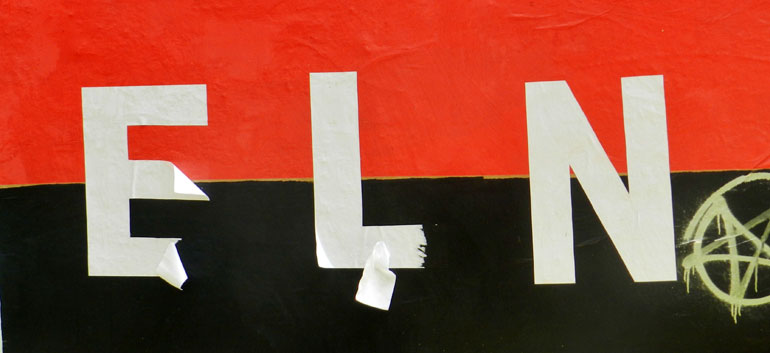
The United States government further complicated the future of peace in Colombia by adding Cuba to its list of countries that do not cooperate with counter-terrorist efforts. The State Department cited Havana’s failure to extradite leaders of the National Liberation Army (ELN), Colombia’s last active guerilla group. Colombia requested extradition of the ELN leaders after the group claimed responsibility for a deadly attack on a Bogotá police academy last year. Havana responded that the ELN leaders had been brought to Cuba for peace talks with the Colombian government, and that it was obliged to honor terms protecting them from arrest. Colombia’s government broke off the talks after the Bogotá blast; civil society groups in Colombia have since been urging both sides to return to the table. (Photo: Colombia Reports)

Syria
Idlib ruins

Amnesty sees Russian-backed ‘war crimes’ in Syria

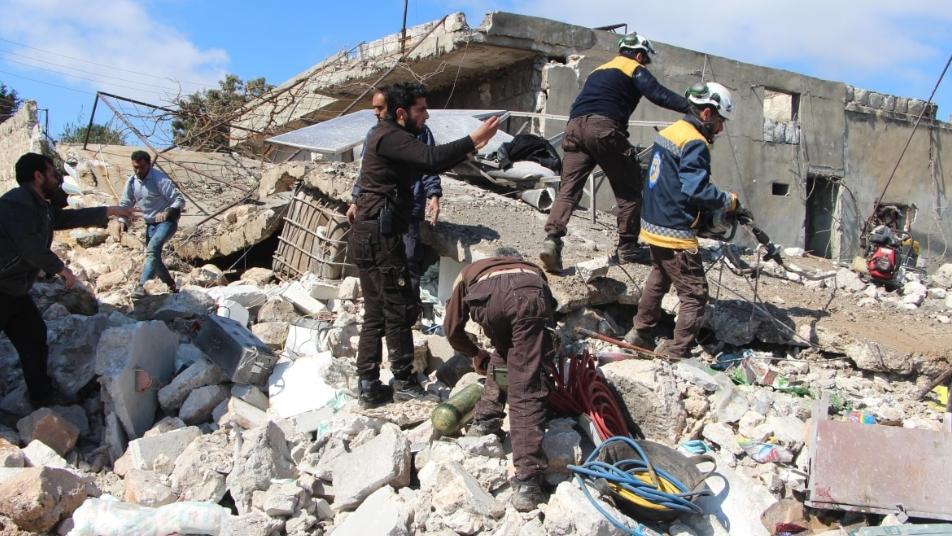
A report by Amnesty International finds that the Syrian government, supported by Russia, committed a series of war crimes in the northwest of the country in late 2019 and 2020. The report states that “attacks from the air and the ground repeatedly struck residential areas and crucial infrastructure” in opposition-held areas of Idlib, Aleppo and Hama provinces. The report documents 18 attacks on schools and medical facilities, calling them “serious violations” of international humanitarian law. (Photo: White Helmets)

East Asia
Mong Kok

Repression as Hong Kong protests re-emerge

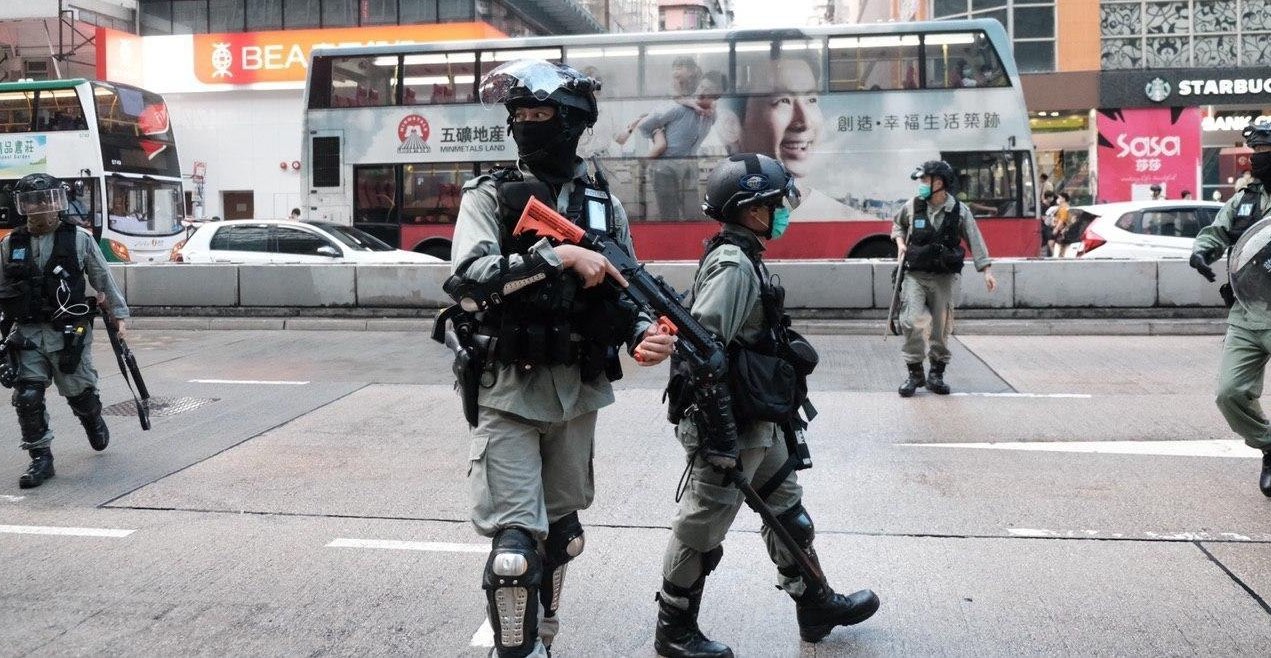
Some 230 people were arrested in Hong Kong as pro-democracy demonstrations again mobilized in the city after weeks of lockdown imposed to contain COVID-19. Following “sing-along” actions at several shopping malls, some protesters gathered on the streets of Kowloon’s Mong Kok commercial district before riot police were sent in to disperse them. Police were accused of brutality in the operation, and several demonstrators were hospitalized. Among those detained and hospitalized was lawmaker Roy Kwong of the Democratic Party, who was on hand to observe police operations. Reporters were apparently targeted by police, with the Hong Kong Journalists Association issuing a statement decrying the “abuse and detention” of media workers. (Photo: United Social Press via HKFP)

Watching the Shadows
Kremlin

Kremlin propaganda machine weaponizes Tara Reade

You don’t have to dismiss Tara Reade’s claims of sexual assault by Joe Biden to note how they are being exploited, and by whom. It is hardly surprising that her accusations are widely touted by Kremlin propaganda outlets like Sputnik. Nor that Douglas Wigdor, a prominent Trump donor, has been named as Reade’s attorney. Of greater interest to followers of Moscow propaganda efforts on behalf of Trump is a second attorney now working for Reade: William Moran—a Sputnik veteran editor who Sputnik star contributor Max Blumenthal sicced on the Southern Poverty Law Center two years ago to get them to suppress researcher Alexander Reid Ross’ exposé of Russian-lubricated fascist entryism on the American left. (Photo: Wikipedia)