

New York City
Toisan

Podcast: Cantonese & Toisan language promotion with Kim

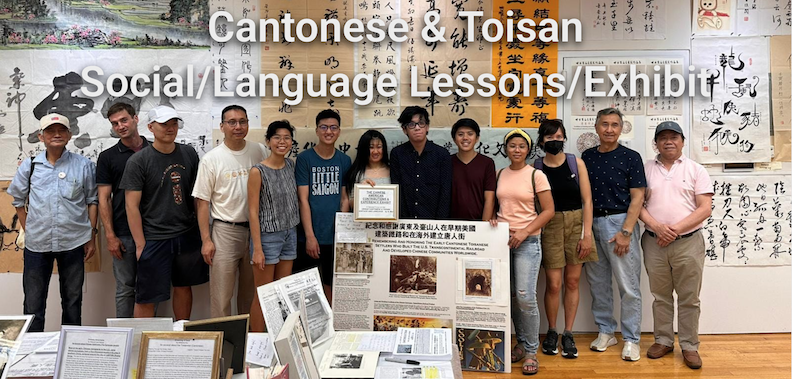
In Episode 264 of the CounterVortex podcast, Bill Weinberg interviews Kim of New York City’s Chinatown Cantonese Toisan group about her efforts to promote Cantonese and Toisan language and culture. Indigenous to China’s Guangdong province, these tongues are spoken by millions in a global diaspora. Thanks to the efforts of State Sen. Iwen Chu, Feb. 12 is now Taishan (Toisan) Day in New York state, commemorating the day in 1499, during the Ming Dynasty, that Toisan County was officially created—and honoring the contributions of Toisan immigrants, most notably in the dangerous work of building the Transcontinental Railroad. It was a Toisan man born in San Francisco, Wong Kim Ark, who won the 1898 Supreme Court case that established birthright citizenship as a constitutional right. Yet in China, Cantonese and Toisan are relegated to the status of fangyan (regional dialects) and officially discouragedin favor of Mandarin—leading to protests in provincial capital Guangzhou in 2010. Even in the US, the children’s book Coolies, about the Cantonese railroad workers, has been banned from public libraries by local forces of intolerance. Through exhibits, social gatherings and a weekly language class, Kim works to keep Cantonese and Toisan heritage and pride alive in the New York metropolitan area. Listen on SoundCloud or via Patreon.
Mexico
operativo frontera norte

Mexico launches ‘Operativo Frontera Norte’

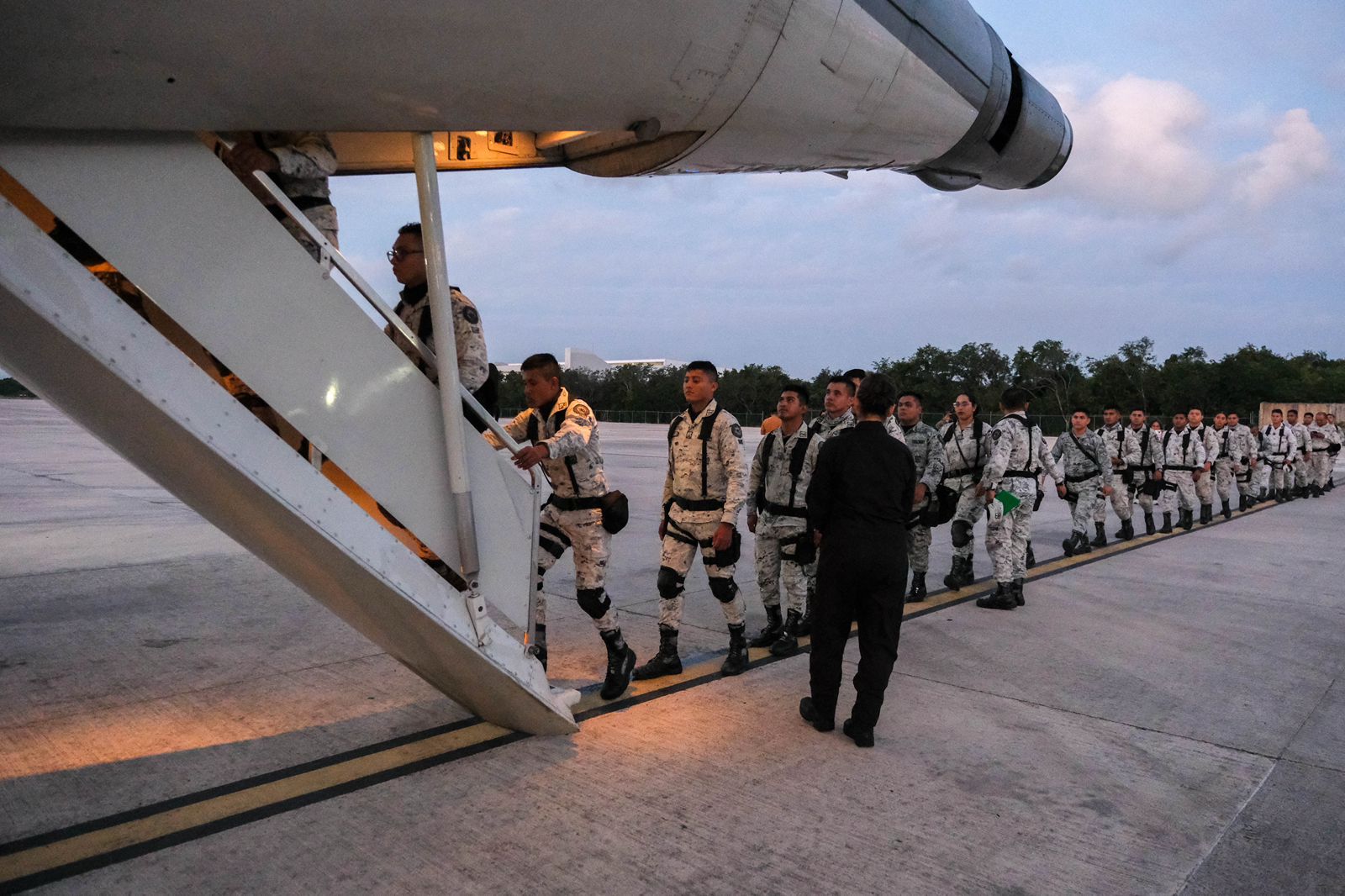
Mexico has launched a massive deployment of 10,000 troops to cities and towns on the border with the United States. Videos and photos posted on social media by Mexico’s Secretariat of National Defense (SEDENA) showed military and National Guard troops lined up boarding transport planes and rows of army trucks rolling out from bases in Mexico City, Tlaxcala and other cities. The response—dubbed “Operativo Frontera Norte”—is part of an agreement reached between US President Donald Trump and Mexican President Claudia Sheinbaum postponing trade tariff threats for a month. (Photo: SEDENA via Peninsula360)

Africa
ISIS

Trump’s first air-strikes hit ISIS base in Puntland

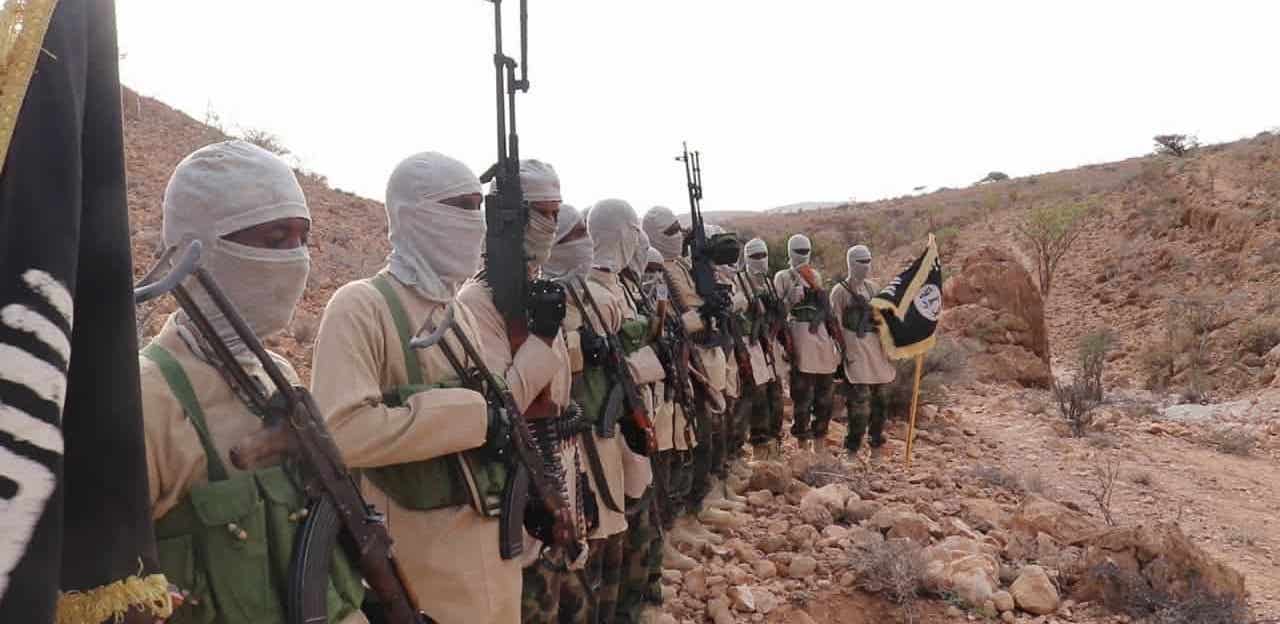
US fighter jets launched from the USS Harry Truman in the Red Sea struck a hidden base of the local ISIS franchise in the interior mountains of Somalia’s northern autonomous enclave of Puntland. Defense Secretary Pete Hegseth said the “initial assessment is that multiple operatives were killed” in these first US air-strikes under the new Trump presidency. The strikes were carried out with the cooperation of the governments of both Puntland and Somalia, whose President Hassan Sheikh Mohamud expressed his “deepest gratitude.” The Puntland Dervish Forces have for some five years been fighting the self-declared “Islamic State Somalia” in the enclave’s Cal Miskaad mountains. (Photo via Garowe Online)

North America
antifa

Podcast: Is it fascism yet?

In Episode 263 of the CounterVortex podcast, Bill Weinberg deconstructs the moves by the unconstitutional Trump regime to consolidate a dictatorship over the United States—attempting to seize autocratic control over the bureaucracy, and (in a case of fascist pseudo-anti-fascism) weaponizing concern with anti-Semitism to suppress free speech while institutionalizing indifference to (and consciously enflaming) all other forms of racism. And this as Elon Musk (a private-sector oligarch given extra-legal power over government functions) tells a rally of the Nazi-adjacent Alternative für Deutschland that Germany has “too much of a focus on past guilt.” It took Hitler mere weeks to establish a dictatorship after coming to power, whereas with Mussolini it took some three years. We shall soon find out how long it will take in the United States—unless the country can find the wherewithal to resist. Listen on SoundCloud or via Patreon. (Photo via CEPR)
Greater Middle East
Yemen

Ecological disaster looms after Houthi ship attack

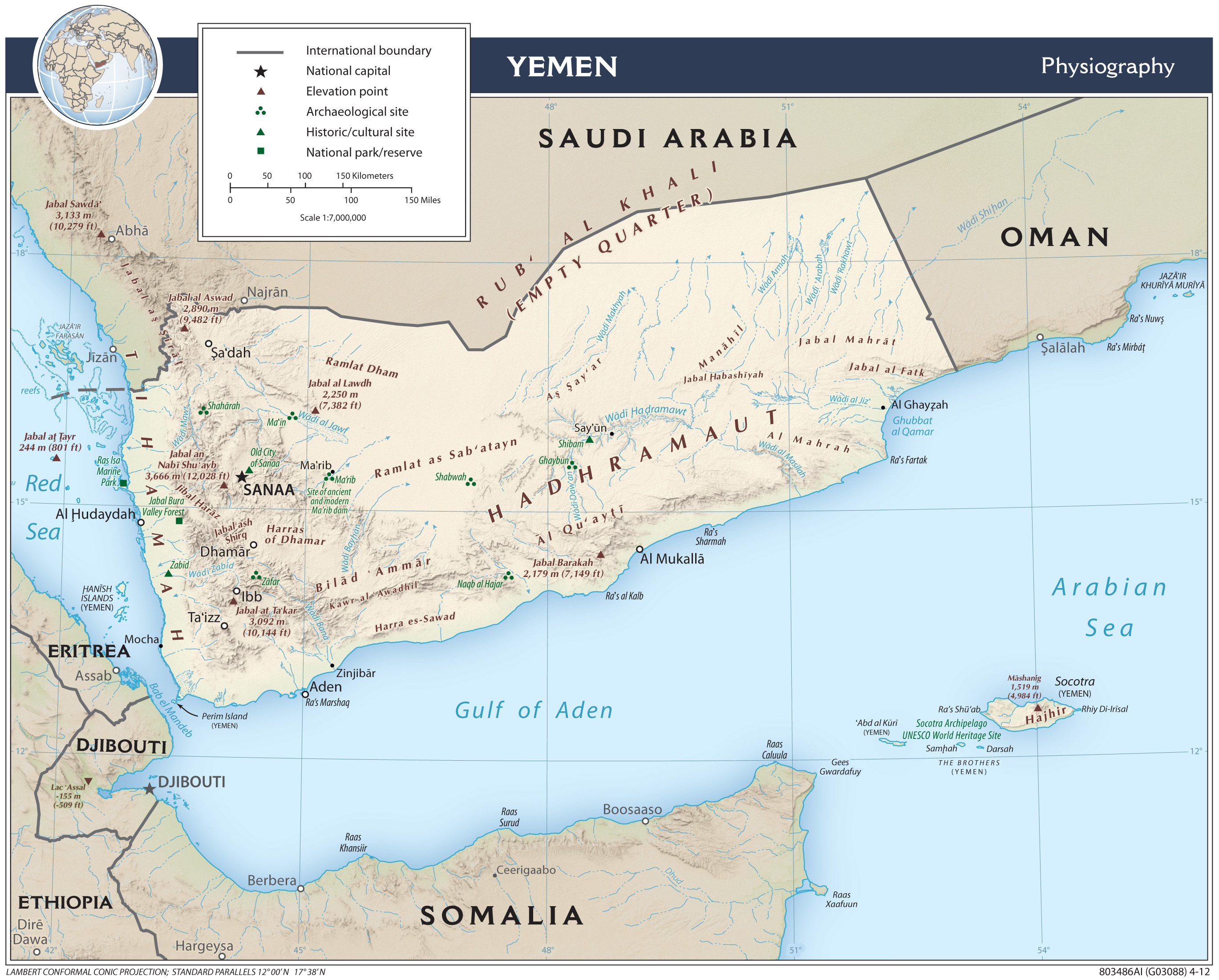
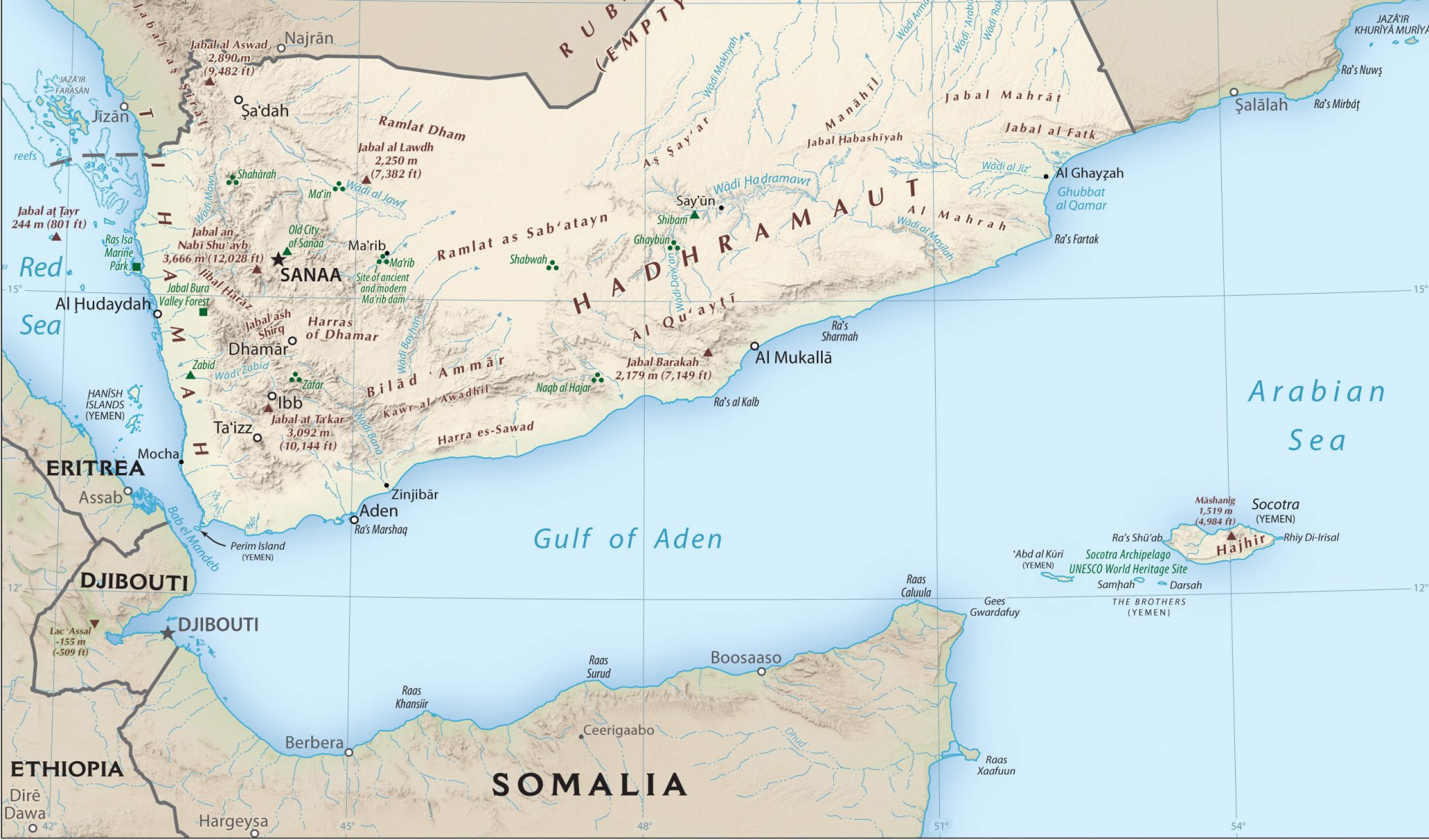
The internationally recognized Yemeni government issued an urgent plea to the international community following a Houthi attack on the Rubymar, a British-owned cargo ship carrying hazardous materials through the Red Sea. The attack has raised fears of an imminent environmental disaster due to the potential leakage of fertilizer and oil from the abandoned and damaged vessel. Yemen has formed an emergency committee tasked with crafting a plan to mitigate the threat. But the Houthis, who control much of Yemen’s territory, say they will only allow salvage or mitigation efforts in exchange for entry of relief aid into the Gaza Strip. US Central Command reports that a a 30-kilometer oil slick is already spreading from the stricken vessel, foreboding a significant ecological crisis in the area. (Map via PCL)

Planet Watch
Daouda Diallo

Frontline fighters (and martyrs) for free speech

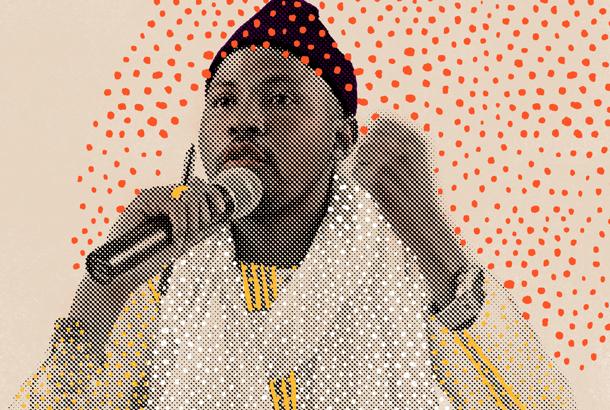
In Burma, the mutilated body of independent journalist Myat Thu Tan was found at the military base where he had been detained, after the camp was overrun by rebels of the pro-democratic resistance. In Kazakhstan, detained activist Aqylbek Muratbai is fighting extradition to Uzbekistan, where he had been speaking out against bloody repression faced by his Karakalpak ethnic minority. And in Burkina Faso, human rights defender Daouda Dialloremains missing months after he was “disappeared,” presumably at the hands of the ruling military junta. Yet neither the mainstream media nor “progressives” in the West pay heed to these cases—while the reactionary and Kremlin-coopted Julian Assange is a cause célèbre. In Episode 214 of the CounterVortex podcast, Bill Weinberg asks: Why is that? Listen on SoundCloud or via Patreon. (Image: CISC via OHCR)

Inner Asia
Karakalpakstan

Karakalpak activist detained in Kazakhstan

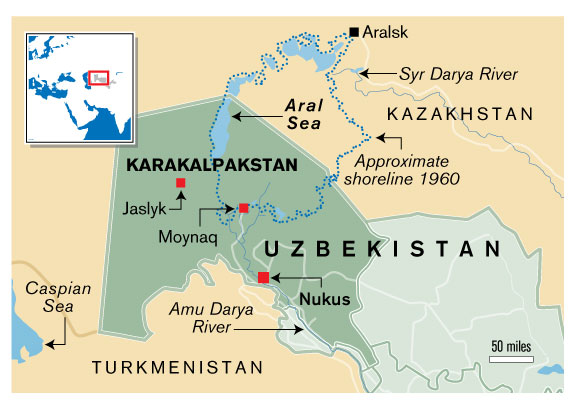
Police in Almaty, Kazakhstan, detained Aqylbek Muratbai, an activist who has been working to raise international awareness about the bloody crackdown on a mass protest in his native Karakalpakstan, an autonomous region of western Uzbekistan, last July. It is feared that Kazakh authorities intend to deport him to Uzbekistan, where he could face a severe prison sentence. (Map: Wikipedia)

Palestine
Uighur

Podcast: for Palestinian-Uyghur solidarity

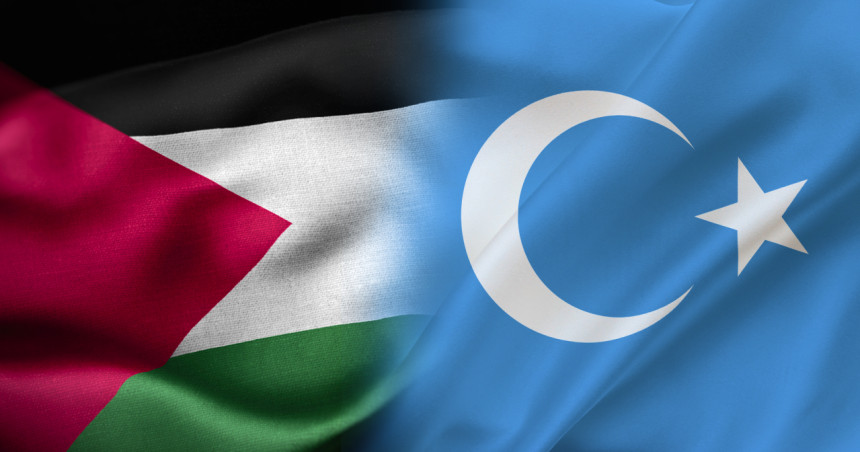
In Episode 213 of the CounterVortex podcast, Bill Weinberg notes how divergent responses to the ethnic cleansing of the Palestinians and mass internment of the Uyghurs reveal the West’s shifting definition of genocide. Tragically, elements of the Palestinian leadership merely reverse the double standard, causing elements of the exiled Uyghur leadership to balk at supporting the Palestinians. Yet another example of how a global divide-and-rule racket is the essence of the state system. Illustrating the irony, the same corporate nexus is involved in putting in place the surveillance state that monitors the Uyghurs for China and the Palestinians for Israel. Fortunately, principled voices of dissent among both the Palestinians and the Uyghurs are calling for Palestinian-Uyghur solidarity. Listen on SoundCloud or via Patreon. (Image: Hasbi Sahin & Tatohra/Shutterstock via Islam21c)
Africa
Wagner

Russia creates new Africa Corps

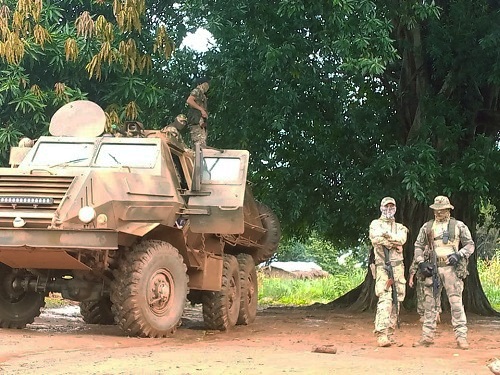
Following the death of Wagner Group leader Yevgeny Prigozhin, the Russian ministries of defense and foreign affairs quickly moved to reassure African client states that business as usual would continue—meaning that Moscow’s unofficial boots on the ground would keep operating in these countries. Now reports indicate a transformation, with Wagner’s estimated force of 5,000 troops—deployed from the Sahel to Libya to Sudan—to be brought under Defense Ministry command as a new Africa Corps. (Photo: Russian mercenaries in the Central African Republic. Credit: Corbeau News Centrafrique via Wikipedia)

Afghanistan
afghanistan

China moves toward recognition of Taliban regime

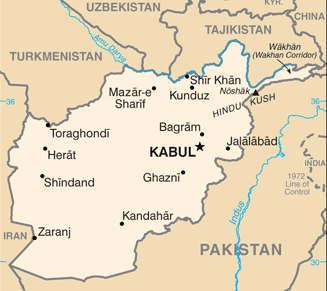
Chinese President Xi Jinping officially accepted the credentials of the envoy to Beijing from Taliban-ruled Afghanistan—a clear step toward recognition of the regime. A month before that, Wang Yi, the Chinese foreign minister, visited Kabul to meet with Taliban foreign minister Amir Khan Muttaqi—the highest-level meeting between China and the Taliban regime since its return to power in 2021. China has already struck hydrocarbon deals with the Taliban, and has been eyeing Afghanistan’s lithium, copper and rare-earth metal mines. This is in line with Beijing’s perceived design to establish control over the planet’s rare earth minerals. (Map: Perry-Castañeda Library)

Southeast Asia
South Thailand

Thailand: southern insurgency accepts peace plan

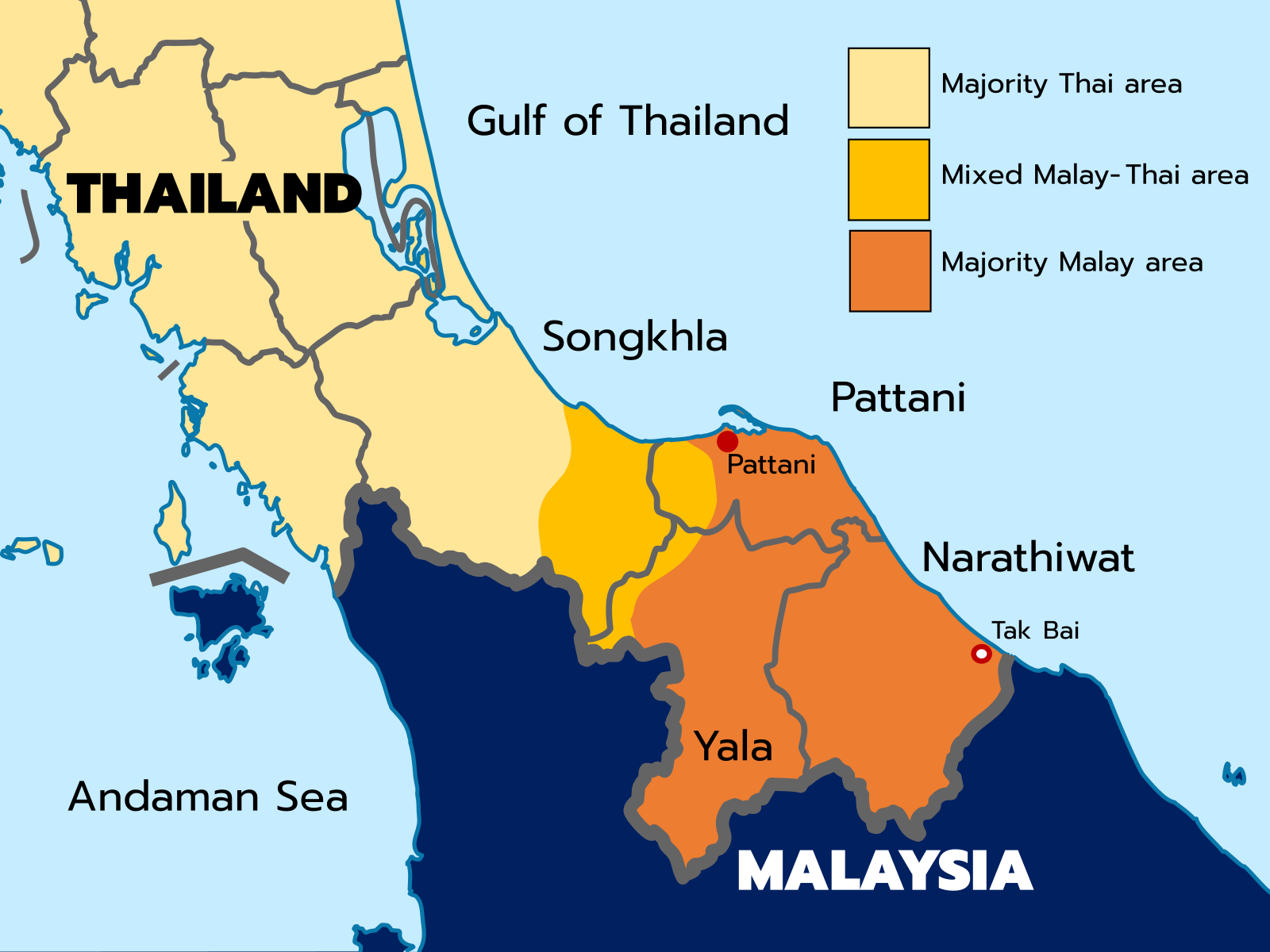
Muslim separatists in Thailand’s Deep South agreed in principle  to an “improved” peace plan with the government. The agreement, facilitated by Malaysia, follows years of abortive talks. The Barisan Revolusi Nasional (BRN), the main separatist organization, announced a unilateral ceasefire in 2020 in response to the COVID 19 pandemic. More than 7,000 people have been killed in 20 years of intermittent fighting between government forces and separatists in the country’s three southernmost provinces of Pattani, Yala and Narathiwat, whose populations are overwhelmingly Malay Muslim. (Map: Wikipedia)

Greater Middle East
Iran

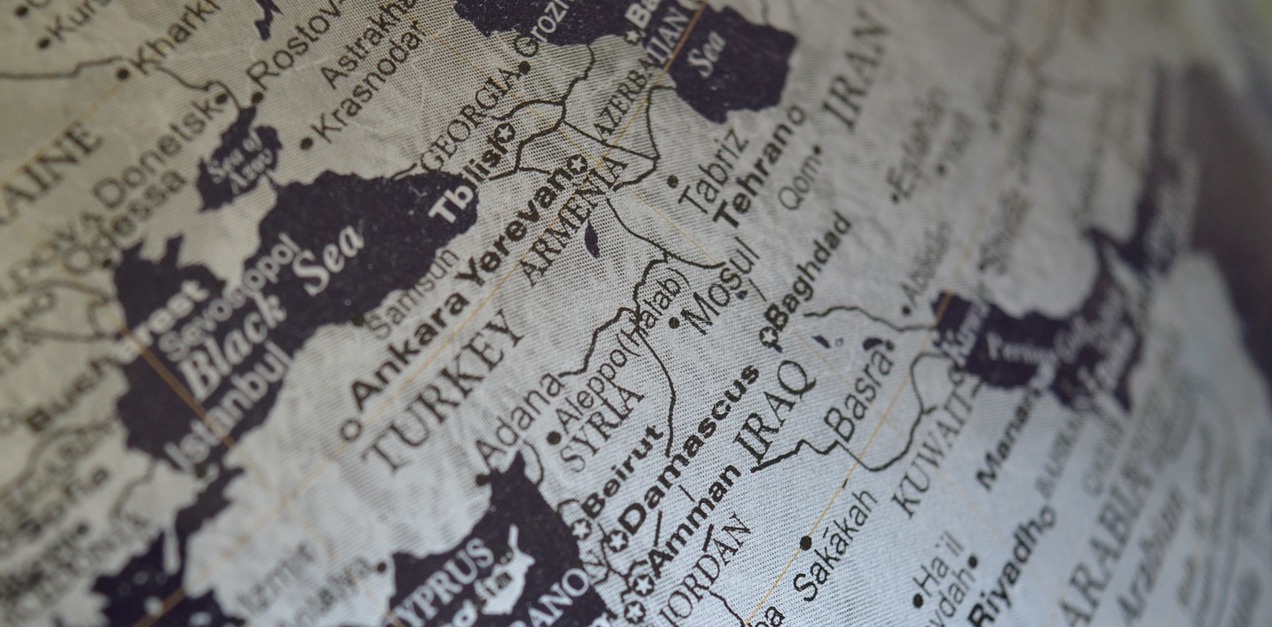
Podcast: Iraq, Palestine, escalation and errata

In Episode 212 of the CounterVortex podcast, Bill Weinberg takes stock of the latest escalation in the Middle East—and continues to note discrepancies in the reportage. US air-strikes on Iraq are said to have targeted the self-declared Islamic Resistance in Iraq, and its constituent militias such as Kataib Hezbollah. But some reports indicate the actual target has often been the Popular Mobilization Forces, a paramilitary network integrated into Iraq’s official security services. Meanwhile, insufficiently noted media accounts report “no evidence” to back up Israeli claims of Hamas co-optation of UNWRA, which has led to a devastating cut-off of funds to the UN agency by the Western powers. Listen on SoundCloud or via Patreon. (Image: Pixabay)