Europe

Russian repression mounts against Crimean Tatars
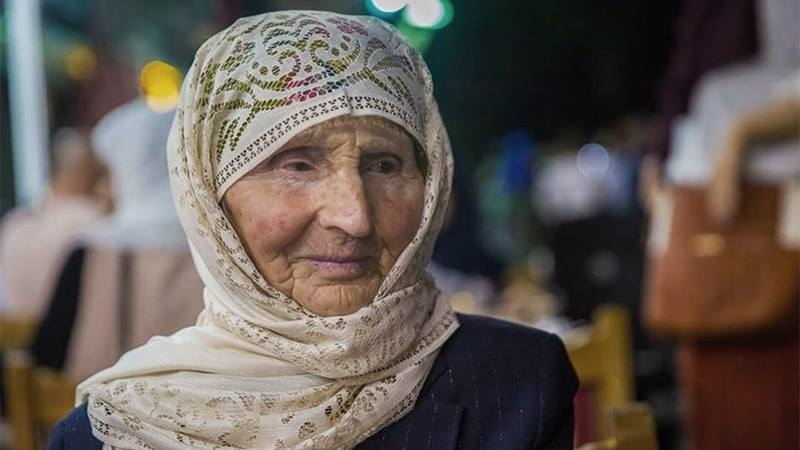
Four years after Russia's annexation of Crimea, repression is mounting against the peninsula's Tatar people—whose autonomous powers, officially recognized under Ukrainian rule, have been unilaterally revoked. The group Human Rights in Ukraine is demanding that Russian authorities provide details on the death at the hands of Russian agents of Vedzhie Kashka, an 83-year-old veteran of the Crimean Tatar national movement. Last November, a team of Russian National Guard troops  and FSB secret police carried out raids in which five Tatar leaders were detained while their homes were searched. Kashka was among those targeted, and died during the operation. An initial report said Kashka had died of natural causes, but an investigation carried out after her family had contracted a lawyer revealed that she had suffered several broken ribs. Kashka was a survivor of Stalin's 1944 deportation of the Crimean Tatars to Uzbekistan. She had been agitating for greater political rights for the Tatar people since they were allowed to return to Crimea in 1954. (Photo: Crimean News Agency)

Inner Asia

China: anti-Islam police state —and Muslim protest

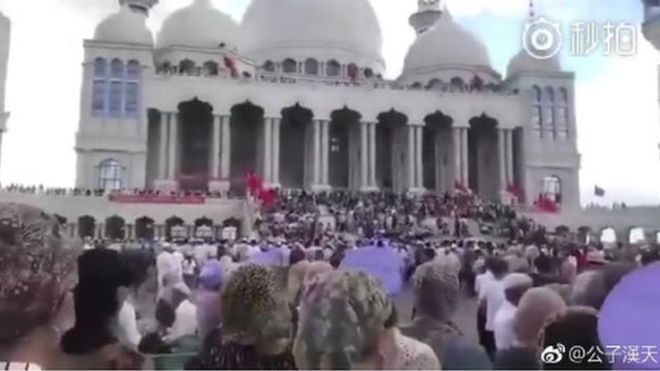
China is denying claims aired by the UN Committee on the Elimination of Racial Discrimination that up to a million Muslim Uighurs have been detained in “re-education camps” in Xinjiang region. But Beijing appears to be imposing harsh surveillance and restrictions on freedom of worship on Muslims throughout China, even requiring those making the pilgrimage to Mecca to be fitted with GPS tracking devices. Yet such methods almost always prove counter-productive, leading to resentment that only fuels the unrest that Chinese authorities are responding to. This week saw mass protests in Weizhou, Ningxia province, after authorities attempted to demolish a newly built mosque which they said had not received construction permits. After days of protest, authorities backed down and agreed to postpone the demolition. (Photo of protest at Weizhou Grand Mosque from Weibo via BBC News)

Mexico

Will AMLO fight for Mexico’s indigenous peoples?

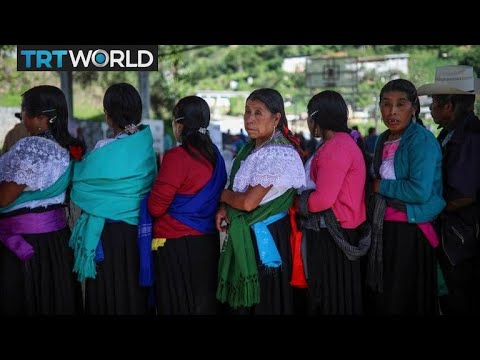
Turkey’s TRT World runs a report recalling the Chontal Maya blockades of the Pemex oil installations in Mexico’s southern state of Tabasco in 1996, to protest the pollution of their lands and waters. This is a struggle that is still being waged today by the Chontal of Tabasco, but back in 1996 the figurehead of the movement was Andrés Manuel López Obrador (known as AMLO)—now Mexico’s left-populist president-elect. The report asks if AMLO as president will remain true to the indigenous struggle that first put him on Mexico’s political map. In a segment exploring this question, TRT World speaks with Melissa Ortiz Massó of the Business and Human Rights Resource Centre and CounterVortex editor Bill Weinberg

Syria

Afrin and Raqqa: fearful symmetry

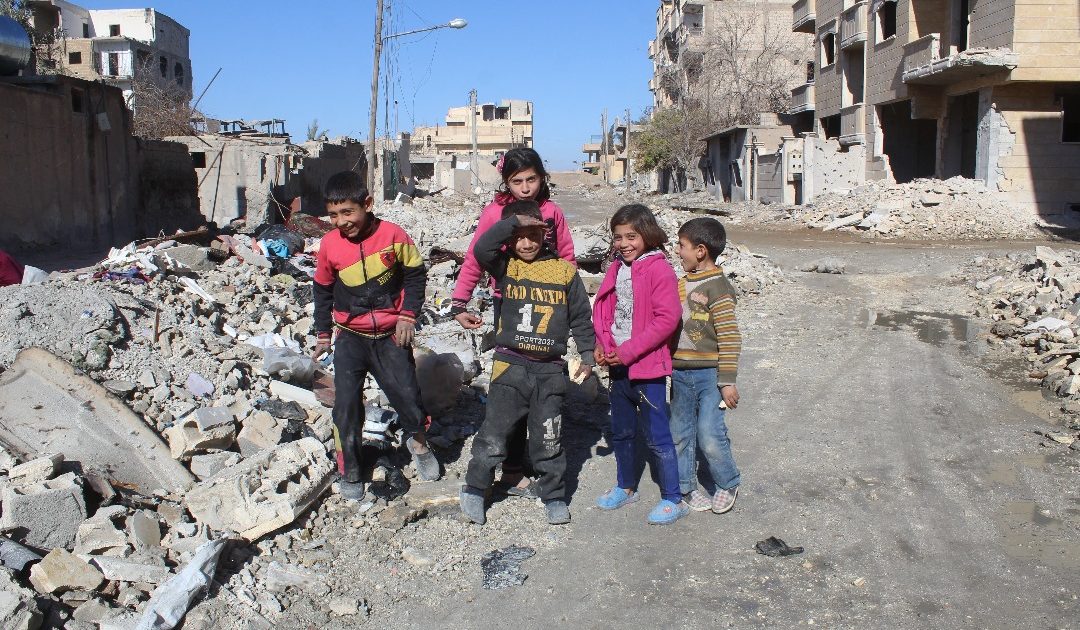
Reports of rights abuses in the north Syrian enclave of Afrin, taken by Turkish forces and rebel allies from Kurdish defenders in March, continue to mount. Amnesty International charges that Afrin residents have been arbitrarily detained and tortured, with houses and businesses looted and confiscated, and schools destroyed or taken over by militia forces. Meanwhile the Syrian opposition cited sources on the ground accusing the Kurdish militia that was driven out of Afrin, the People’s Protection Units (YPG), of press-ganging youth for compulsory military service in Raqqa. Afrin is a formerly Kurdish-majority city where displacement of Kurds and an influx of Arabs under Turkish occupation is affecting a demographic shift. Raqqa is an Arab-majority city which has been under occupation by Kurdish-led forces since it was liberated from ISIS last October. This situation obviously further heightens the risk of Kurdish-Arab ethnic war in northern Syria. (Photo: SDF)

Planet Watch

Global revolt against automotive terror

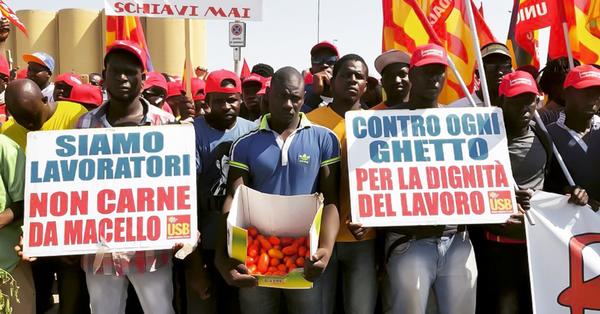
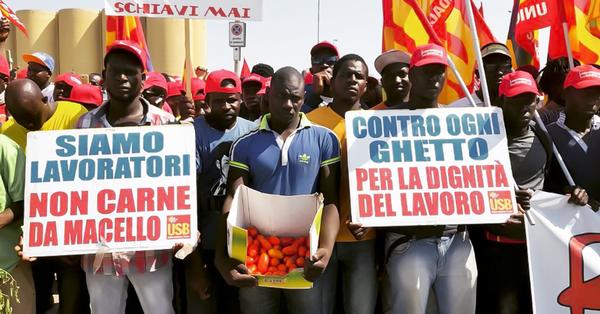
Bangladesh has seen huge demonstrations over the past week, as tens of thousands of university students and schoolchildren protest lax traffic enforcement after two young students were killed by a speeding bus. The protests have for days paralyzed Dhaka, with roadblocks erected on major thoroughfares. Meanwhile, in southern Italy's Puglia region, hundreds of African farmworkers downed tools and marched from the fields after 16 migrant workers were killed when their vans were hit by trucks hauling produce. Authorities pledge a crackdown on the "mafia" that controls agribusiness in Puglia, but the farmworkers have continued to press their protests. (Photo:  Dinamopress via El Salto)

The Amazon

Ecuador top court: Chevron must pay for pollution

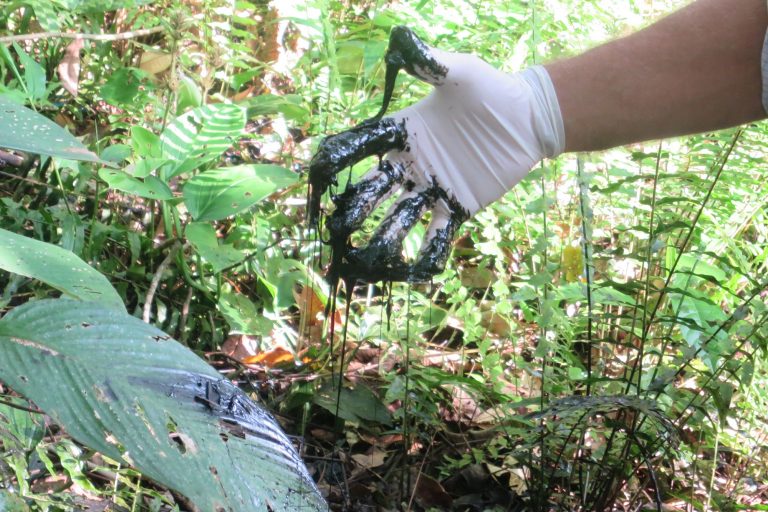
The Constitutional Court of Ecuador issued a long-awaited ruling in favor of those affected by the transnational oil company Chevron, which operated through its subsidiary Texaco in Ecuador between 1964 and 1990. Chevron will now have to pay $9.5 billion for the repair and remediation of social and environmental damage that, according to audits and expert reports, were a result of oil company operations in the Amazonian provinces of Sucumbíos and Orellana. The court found that Chevron deliberately dumped billions of gallons of toxic oil waste on indigenous lands in the Amazon rainforest. (Photo via Mongabay)

Central America

Nicaragua ‘witch-hunt’ against dissent: UN experts

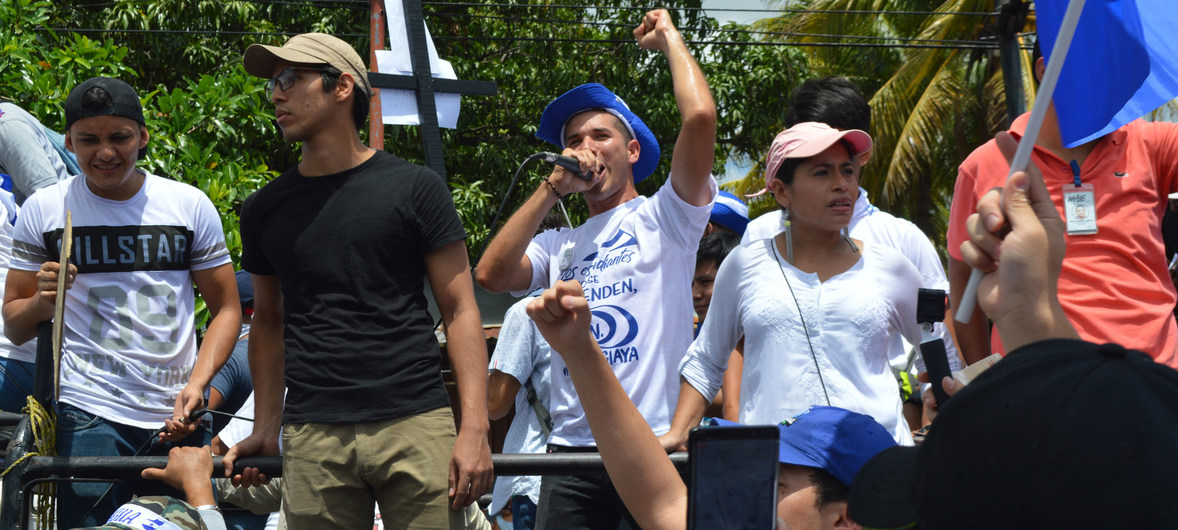
A group of UN human rights experts, including the special rapporteurs on freedom of assembly, freedom of expression and extrajudicial exections, issued a statement urging the government of Nicaragua to "stop the repression" following 100 days of unrest in which at least 317 have been killed and 1,830 injured. "Reports indicate that there has been an increase in targeted repression, criminalization and alleged arbitrary detention, which is creating an atmosphere of fear," the statement said. "We are appalled that many human rights defenders, journalists and other opposition voices are being criminalized and accused of unfounded and overly punitive charges such as 'terrorism'." (Poto via Noticiias ONU)

The Andes

Colombia: Duque sworn in amid terror, massacre

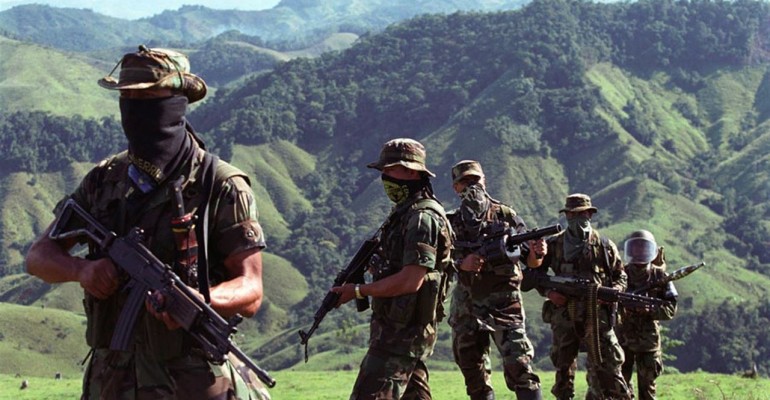
Colombia's newly-elected right-wing President Iván Duque took office pledging to unite the country. As he was sworn in, thousands marched in Bogotá to demand that Duque respect the peace pact with the FARC, and address the ongoing assassination of social leaders—thought to number 400 since the peace deal was signed in November 2016. Exemplifying the depth of the crisis, days before the inauguration armed men opened fire in broad daylight at a pool hall in the town of El Tarra, near the Venezuelan border. Among the slain were at least two demobilized FARC fighters and a local community leader. (Photo via Contagio Radio)

Syria

Propaganda and the accounting of death in Syria

The US State Department harshly condemned the Syrian regime over thousands of death notices it has released in recent weeks, saying they confirm suspicions of mass detentions, torture and murder. The State Department said that over 117,000 are believed to have been detained or forcibly disappeared in Syria since the conflict began in 2011, “the vast majority” by the regime. Amnesty International meanwhile issued a statement protesting the US-led Coalition’s “flurry of responses” rejecting the findings of its recent report on devastation wrought by the aerial bombardment of Raqqa last year, revealing “how deeply in denial the Coalition leadership is about its failure to protect civilians caught in conflict.” (Photo: SDF)