Southeast Asia

Arakan Army escalates insurgency in Rakhine state

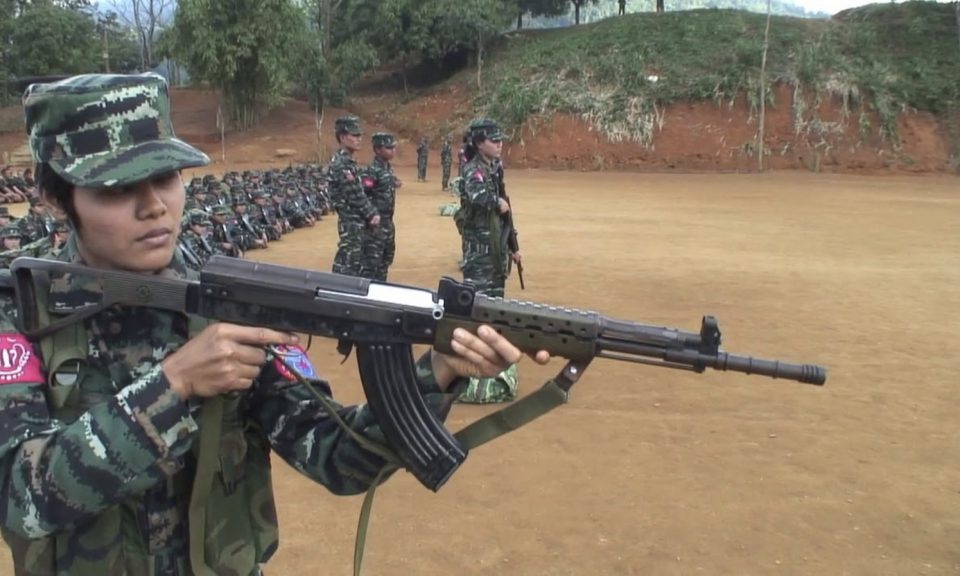
Over 700,000 Rohingya Muslims have been driven from Burma's northern Rakhine state into neighboring Bangladesh by the Burmese army's brutal "clearance operations," ostensibly launched in response to attacks by the Arakan Rohingya Salvation Army (ARSA) in August 2017. But over the past weeks, the state has seen a new outbreak of attacks—this time by the Arakan Army, an ethnic Rakhine insurgent group opposed to the central government's Burman-centric rule. Ambushes by Arakan Army fighters have targeted both the Burmese army, or Tatmadaw, and the Border Guard Police. Fighting in several townships has left some 2,500 displaced. Last month, the Tatmadaw announced a four-month ceasefire in Burma's north to facilitate peace talks with multiple armed groups fighting for local autonomy, but that announcement excluded Rakhine state. (Photo via Asia Times)
The Amazon

US accuses Peru of violating FTA forestry provisions

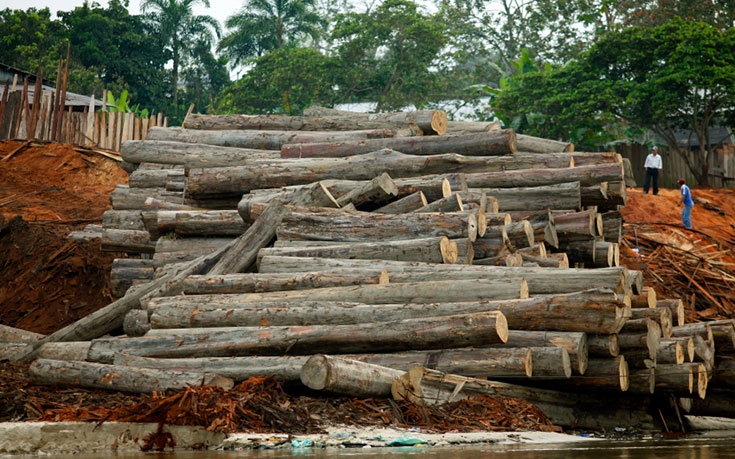
The White House is accusing Peru of violating its commitment to protect the Amazon rainforest, threatening to hold Lima in violation of the US-Peru Free Trade Agreement . Robert Lighthizer, President Trump's top trade negotiator, announced that he is seeking consultations with Lima to address concerns about its recent move to curtail the authority of Peru's auditor for timber exports, the Organism for the Supervision of Forestry Resources (OSINFOR), established as a provision of the trade agreement. The move move had been demanded by Peru's logging industry following an OSINFOR seizure of illegal timber. The White House needs support from congressional Democrats to pass the pending US-Mexico-Canada Agreement, Trump's replacement for NAFTA, which is supposed to have tougher labor protections. The forestry annex in the Peru agreement was conceived as a model for a new inspection system that could include confiscation at the border of goods found to violate treaty provisions, and the prosecution of companies that import noncompliant products. (Image via Sierra Club)

Mexico

Zapatistas vow to oppose López Obrador

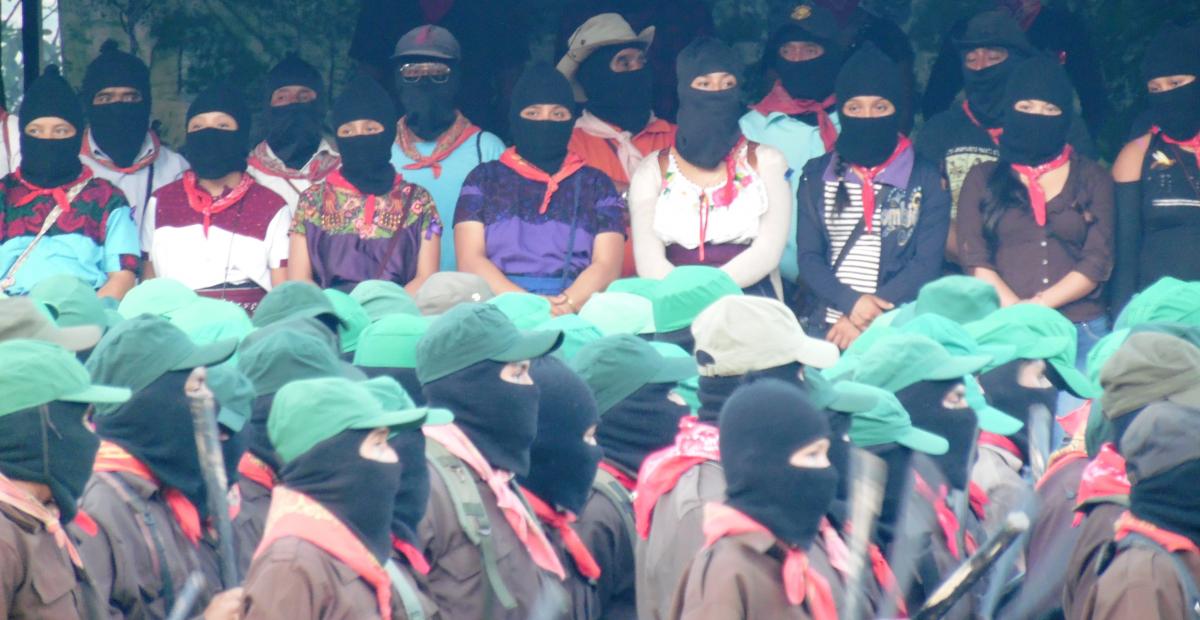
Speaking at a ceremony marking the 25th anniversary of their New Year's Day 1994 uprising in Mexico's southern state of Chiapas, leaders of the Zapatista rebels pledged their opposition to Mexico's new left-populist president, Andrés Manuel López Obrador. Anger was particularly directed at the planned "Maya Train" project, which would link the tourist resort of Cancún on the Caribbean coast with the Palenque archeological site in Chiapas, spearheading a new thrust of tourism mega-development. At the ceremony, held at the rebel-controlled settlement of La Realidad and dubbed the "Meeting of the Networks of Resistance and Rebellion," thousands of supporters from across Mexico gathered to watch Zapatista troops march in formation—although wielding symbolic bastónes (staffs) rather than rifles. (Photo: Pozol)

The Amazon

Bolsonaro starts term with assault on indigenous

On his first day in office, President Jair Bolsonaro issued a measure taking away responsibility for indigenous land demarcation from the indigenous affairs agency, FUNAI, and handing it over to the Agriculture Ministry. In the same decree, Bolsonaro shifted authority over regularization of quilombos (Afro-Brazilian collective lands) from the agrarian reform institute, INCRA, to the Agriculture Ministry. The measure greatly weakens FUNAI, taking away its most important function. In practice, key areas of indigenous and quilombo policy will now be in the hands of agribusiness advocates—a long-time demand of the Bancada Ruralista (agribusiness lobby) in Congress. Bolsonaro is openly calling for abolition of Brazil's large indigenous reserves, a move with grave implications for the Amazon rainforest and global climate. (Photo: Kayapo women in Brazilian Amazon, via FUNAI)

Africa
Fulani

Fulani herders massacred in Mali

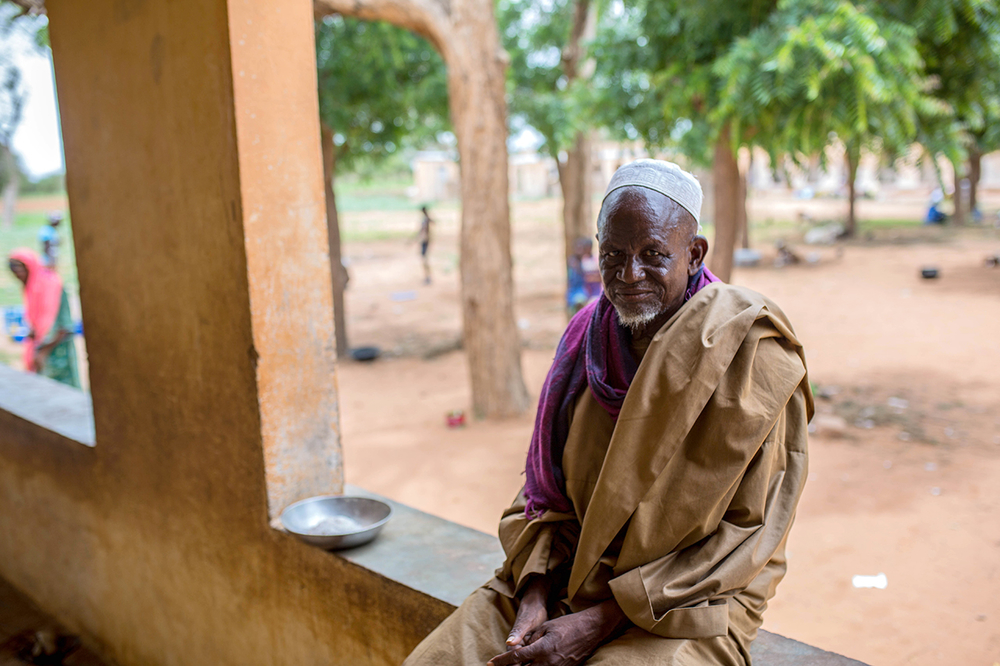
A village of semi-nomadic Fulani herders was attacked  in Mali New Years Day, with at least 33 residents slain and several homes set aflame. Survivors said the attackers were traditional Dogon hunters, known as dozos. The army was rushed to Koulogon village in central Mopti region to control the situation. But the perpetrators may have been assisted by the armed forces. Dogon residents of the area have formed a self-defense militia, known as Dana Amassagou, to prevent incursions by jihadists from Mali's conflicted north into the country's central region. The militia is said to have received weapons and training from the official armed forces. However, driven by conflicts over access to land and shrinking water resources, the militia has apparently been attacking local Fulani villages. Hundreds were killed in clashes between Dogon and Fulani last year, and a Senegalese rapid reaction force under UN command was deployed to Mopti in response to the violence. (Photo of Fulani elder via IRIN)

Syria

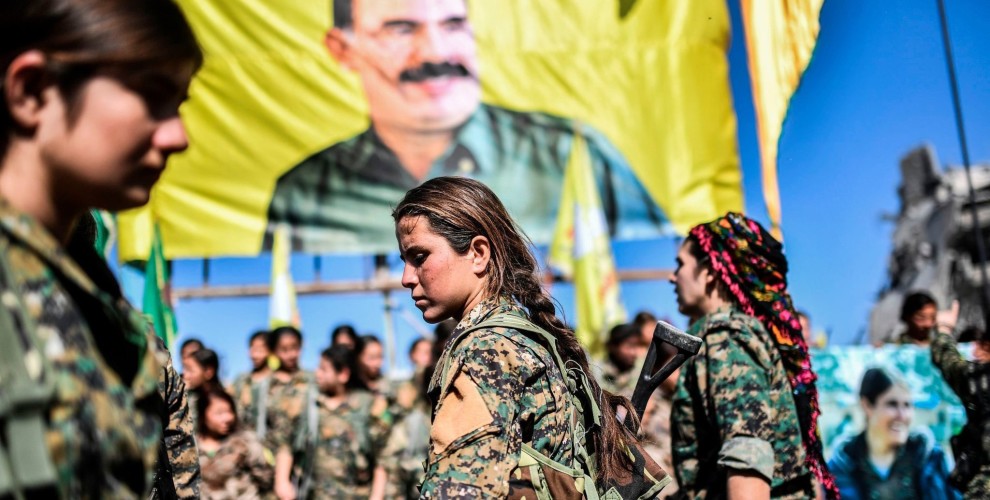
Reprieve for Rojava?

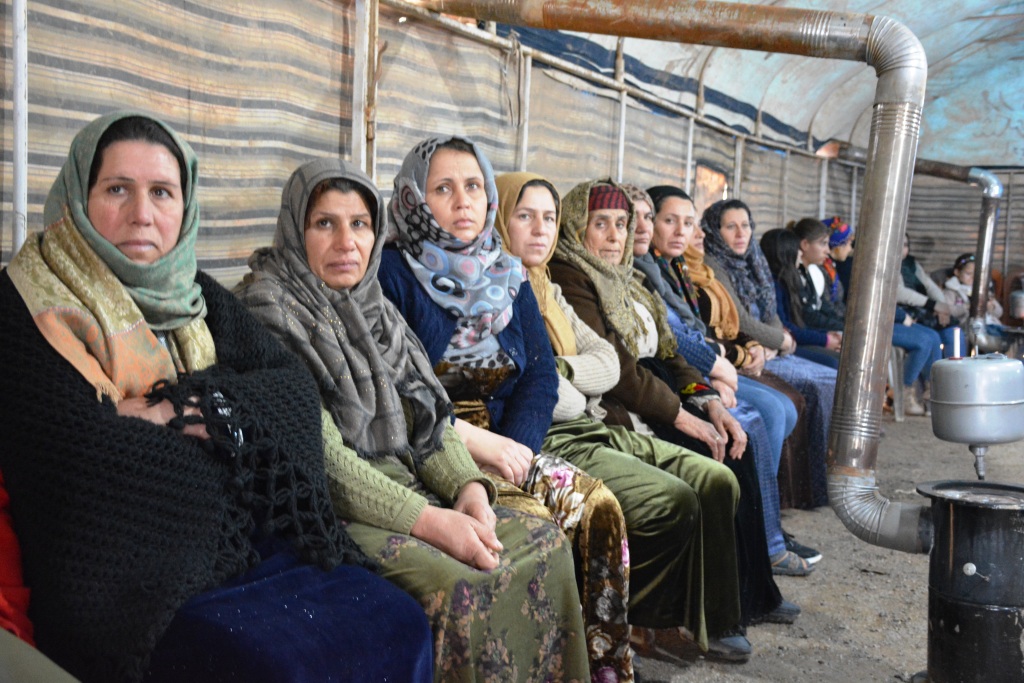
US officials say the timetable for Donald Trump’s withdrawal of all 2,000 troops from Syria has been extended from 30 days to four months. The statements came a day after Trump met with his ally Sen. Lindsay Graham, a critic of the withdrawal order, who was apparently instrumental in getting the president to blink—amid the predictable irruption of blustering and face-saving tweets. This may apply some brakes to Turkish preparations to cross the border to expunge the revolutionary Kurdish forces in northern Syria’s autonomous zone of Rojava. Residents of the Rojava town of Kobane, near the border, have launched a “human shield” encampment to block any incursion by Turkish forces. At the border village of Qeremox, the unarmed encampment was organized by Kobane’s autonomous administration, and has been joined by international supporters. (Photo of Kobani women at the Qeremox encampment via ANF)

Palestine

500-plus West Bank demolitions in 2018: report

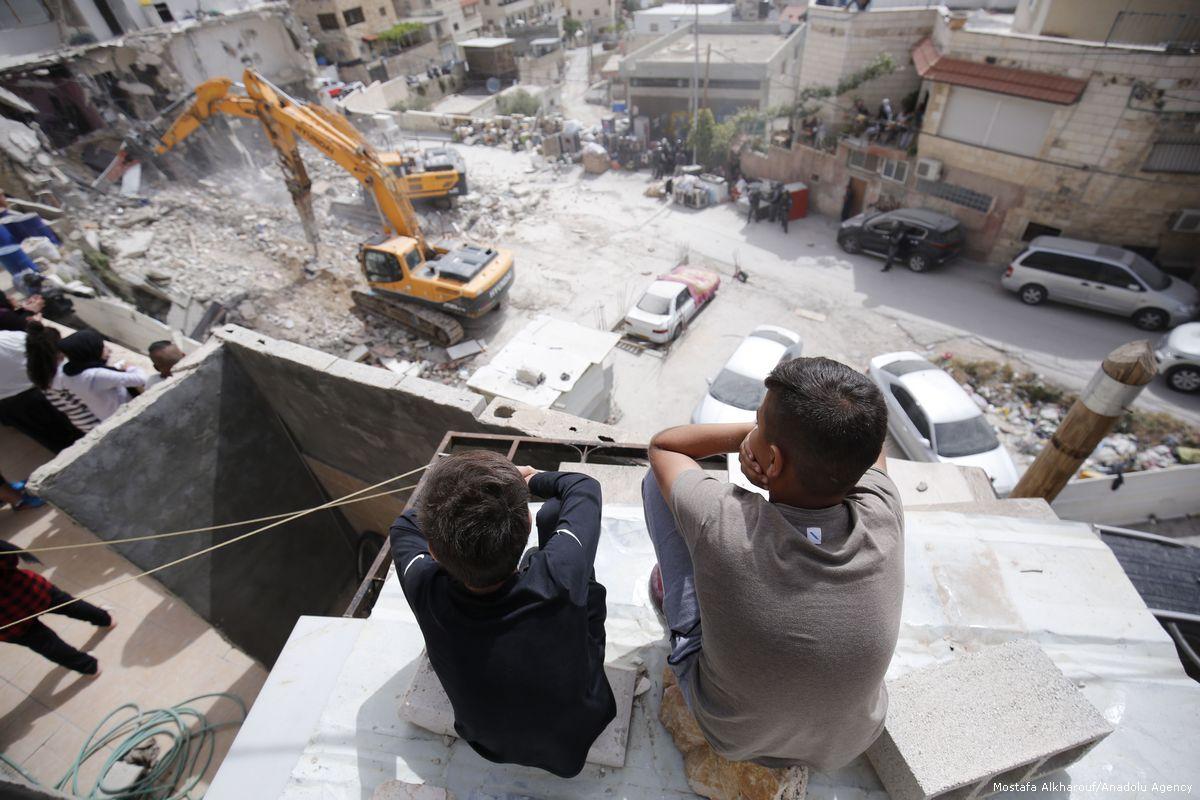
Israel demolished 538 Palestinian homes and facilities across the occupied West Bank and Jerusalem in 2018, leaving 1,300 Palestinians and 225 children homeless, according to a year-end report by the Abdullah Al-Hurani Centre, an affiliate of the Palestine Liberation Organization (PLO). The report stressed that these demolitions were carried out in violation of the Fourth Geneva Convention and other international norms. It charged that Israel "continues its policy of ethnic cleansing against the Palestinians in the occupied West Bank and Jerusalem," pointing out that, in addition to the demolitions, Israel had issued 460 "stop-building orders" during the same period. (Photo via Middle East Monitor)

Syria

Kurdish forces turn Manbij over to Assad: report

Following the announcement of a US withdrawal of its troops embedded with Kurdish forces in Syria, the Kurds are again making overtures for a separate peace with the Assad regime. Kurdish fighters of the People’s Protection Units (YPG) are reported to have turned over the flashpoint town of Manbij to regime forces—marking the first time that the Assad regime’s flag has flown over the northern town for more than six years. “The aim is to ward off a Turkish offensive,” said Ilham Ahmed, an official of the Kurdish autonomous administration. “If the Turks’ excuse is the [YPG], they will leave their posts to the government.” However, a Kurdish deal with Assad could cement the split between the Syrian rebels and the YPG, and holds risk of opening an Arab-Kurdish ethnic war in northern Syria. (Photo via Kurdistan24)

The Andes

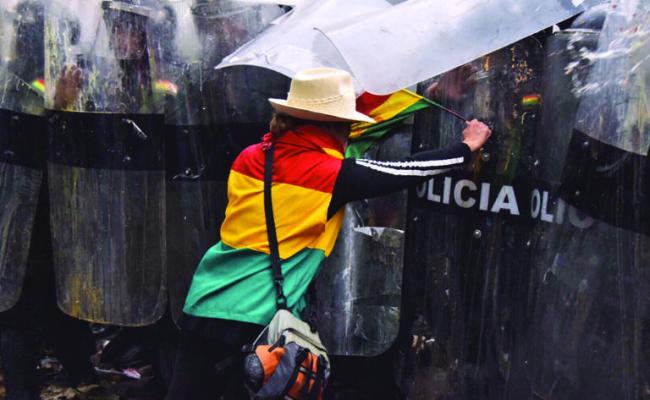
Protests over re-election broil Bolivia

Bolivia has seen strikes and protests since the ruling by the Supreme Electoral Tribunal allowing President Evo Morales to run for a fourth consecutive term in the 2019 election. The ruling was met with marches, road blockades and work stoppages that caused varying degrees of disruption in eight of Bolivia's nine departments. A student mobilization in the hydrocarbon-rich eastern department of Santa Cruz, heart of anti-Morales sentiment, ended in violence, with the regional offices of the electoral tribunal burned to the ground. Hunger strikes were launched in six cities, with at least 20 still ongoing. (Photo via NACLA)

Europe

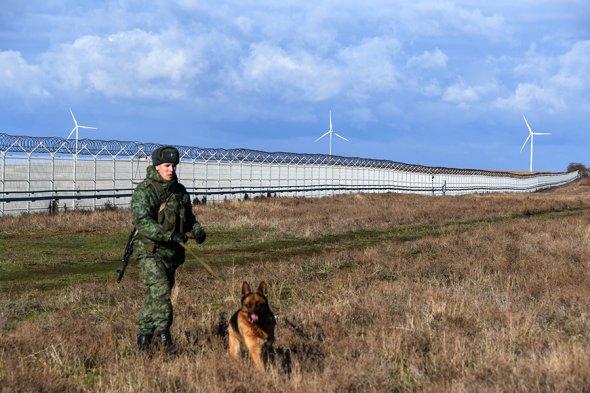
Russia completes Crimea-Ukraine border wall

Russia completed a high-tech security fence along annexed Crimea’s border with mainland Ukraine. The fence, more than 60 kilometers long, is topped with barbed wire and equipped with hundreds of sensors. Russia’s FSB security agency called the fence a “boundary of engineering structures,” and said it is necessary to prevent “infiltration attempts by saboteurs,” also citing traffic in drugs, arms and other contraband. The statement boasted of “the most complicated system of alarm sensors in the Isthmus of Perekop,” the stretch of land where annexed Crimea borders the Ukrainian mainland. (Photo via РИА Новости)

Syria

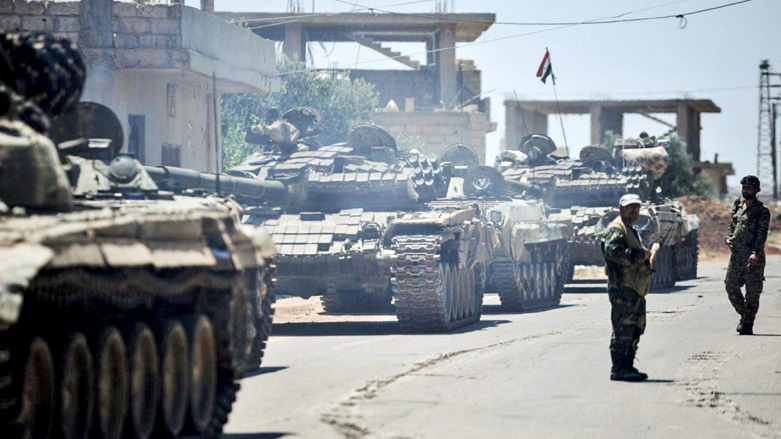
Turkey preparing assault on Rojava

Days after Trump’s announced imminent withdrawal of US troops from Syria, Turkey has started massing tanks and troop carriers on its southern border, preparing to move into the Kurdish autonomous zone of Rojava once American soldiers have left. Turkish forces are reported arriving in the border towns of Kilis and al-Rai, after Ankara’s foreign minister said they will push into Syria as soon as possible. Mevlut Çavusoglu told reporters that “if Turkey says it will enter, it will.” He said the government of Recep Tayyip Erdogan is “determined” to move against the People’s Protection Units (YPG), the Kurdish militia that is the central pillar of the (heretofore) US-backed Syrian Democratic Forces (SDF). (Photo: ANF)

Please support CounterVortex!

CounterVortex needs your support! This is the first time we have asked our readers for money in a year, and three of you have responded for a total of $55—just over one-tenth of the way to our modest goal of $500. We think we have more than three readers. And $500 is just a quarter of our annual operating costs. Last year, we were able to raise $500, and we are depending on you again. As most of the American left succumbs to abject glorification of reactionary dictators, we think it is more vital than ever to keep alive one an intransigently dissident voice that still has fundamental anti-fascist principles intact—CounterVortex. If you don't think the pro-dictatorship position has become hegemonic on the "left," the latest example comes from the holiday statement just issued by Veterans for Peace (sic!) hailing the genocidal regime of Bashar Assad as the "secular, multi-religious Syrian state." Somebody needs to forthrightly repudiate this repugnant jive, and that responsibility falls to us. We are also the only website on the American left that provides ongoing, serious coverage of under-reported or downright forgotten wars in places like Chechnya, Mali, the Philippines and Colombia. Please give what you can to sustain our efforts.