

Watching the Shadows
Verizon

Podcast: fascism and the digital dystopia II

In Episode 25 of the CounterVortex podcast, Bill Weinberg protests that he has now been deprived of phone and Internet access by Verizon for more than two months, and discusses the greater social implications of this dilemma. Donald Trump, who is a fascist by any reasonable definition, has now shut down the federal government and is threatening to declare a national emergency in order to build his border wall. Lack of other net access at this critical moment has forced Weinberg to use a cell phone in order to have any voice as a writer and activist—while cellular technology is itself inherently abetting the descent into fascism. Not only does it create a totalizing propaganda environment, but it is degrading our attention spans, literacy and critical thinking skills. It also creates a totalizing surveillance environment that can ultimately be exploited by government as well as private interests. But we accept it in the name of "convenience" and the illusion of consumer "choice," and few even recognize technological "progress" (note: propaganda word) as something that needs to be resisted. This emerging dystopia combines the worst aspects of George Orwell's 1984 and Aldous Huxley's Brave New World: we are complicit in the extinguishing of our own freedom because we have been conditioned. Weinberg calls for practical action to slow (at least) the totalizing aspect of this dystopia: keeping alive space for the print world and the meat world, and demanding that Verizon and other service providers maintain landline infrastructure. Listen on SoundCloud, and support our podcast via Patreon. (Photo: IBEW)
Iraq
Yazidi genocide

Yazidis fear renewed genocide

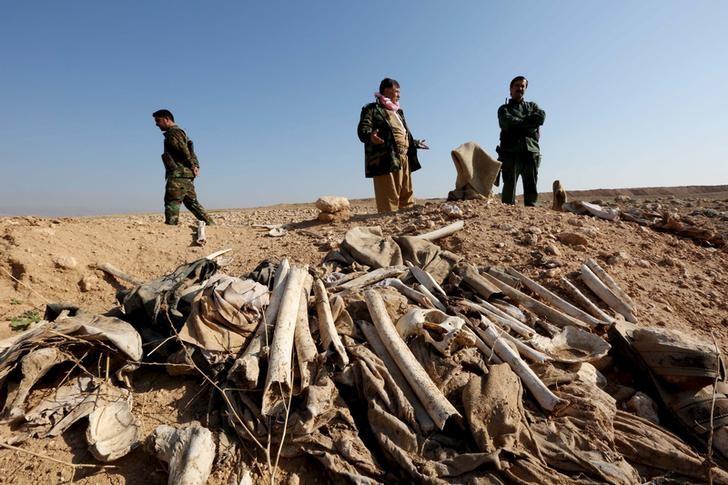
Authorities in Ezidikhan, the self-declared Yazidi autonomous homeland in northern Iraq, appointed an Investigative Team on Genocide, primarily looking at massacres and enslavement that targeted the Yazidi people when ISIS was in control of their territory. But the team will also examine possible crimes and complicity by the Iraqi national government, its allied paramilitary forces, Kurdish Peshmerga, and foreign powers such as Turkey. The body is cooperating with the UN investigative team also working in the area, with an eye toward eventual establishment of an International Tribunal on Genocide for Yezidi and Neighboring Peoples. Yazidi leaders in the international diaspora are meanwhile expressing concern that the announced US withdrawal from Syria could lead to an ISIS resurgence—potentially threatening Yazidis both sides of the border. (Photo via Ezidikhan Public Information Bureau)

Syria

Manbij blast heightens contradiction in north Syria

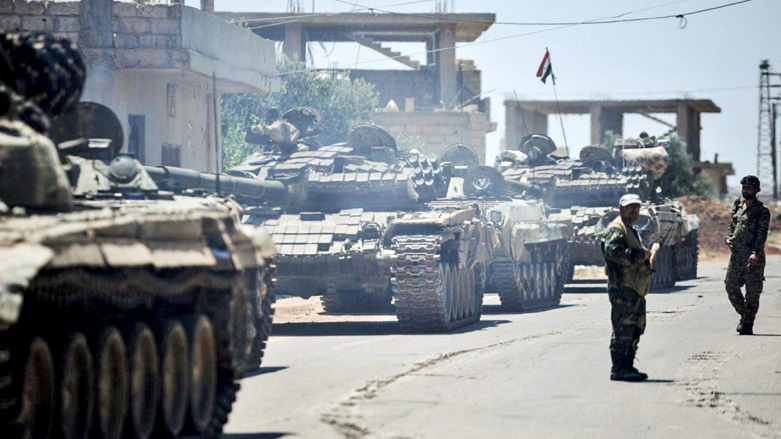
A suicide blast cliamed by ISIS killed 19 people—including four Americans—in the contested north Syrian town of Manbij, even as the Trump White House embarrassingly crows about how the Islamic State has been defeated. But an ISIS resurgence is actually a lesser concern than a US withdrawal setting off a scramble for Syria’s north—and an Arab-Kurdish ethnic war. Most or all of the Kurdish forces seem to have left Manbij, but a contingent of US troops remain in the town, forestalling a reckoning—for now. Both Assad and Free Syrian Army forces are nearby, each waiting to advance on Manbij as soon as the US withdraws. The Assad regime, FSA and Kurdish forces are all mutually hostile. A US withdrawal could mean a power vacuum that sparks a conflagration. (Photo of regime forces outside Manbij via Kurdistan24)

Africa

ICC acquits ex-leader of Ivory Coast and henchman

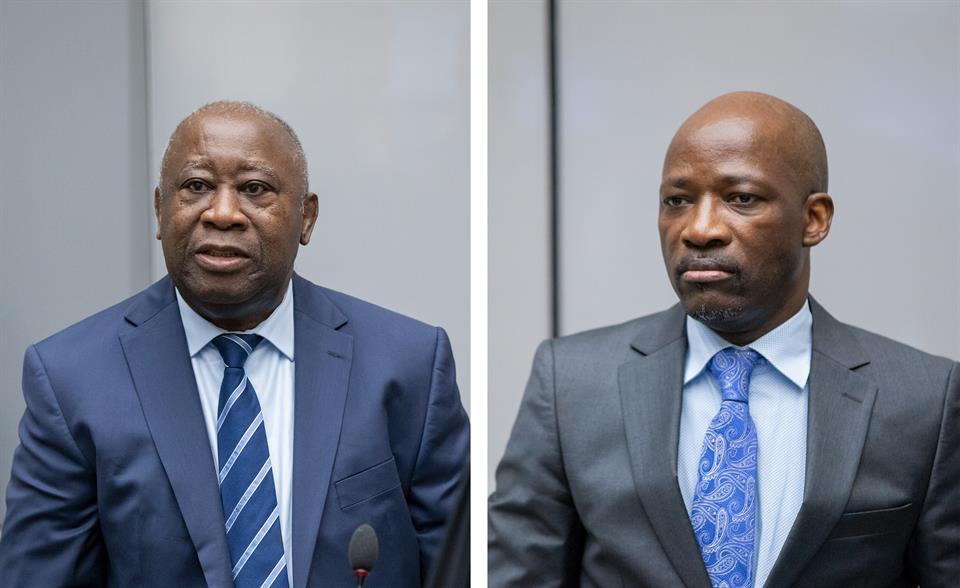
Trial Chamber I of the International Criminal Court acquitted former Côte d’Ivoire president Laurent Gbagbo and Charles Blé Goudé, his former youth minister. Gbagbo and Blé Goudé were accused of four counts of crimes against humanity related to violence following a disputed 2010 election that left 3,000 dead and 500,000 displaced. Gbagbo was arrested in 2011 in a presidential palace bunker by UN and French-backed forces supporting his rival, Alassane Ouattara. He was the first former head of state to face trial at the ICC. The Chamber ordered both accused to be immediately released. "The acquittal of Gbagbo and Blé Goudé will be seen as a crushing disappointment to victims of post-election violence in Cote d’Ivoire," said Amnesty International in a statement. (Photo: ICC)

Inner Asia

Regional reaction to mass detention of Uighurs

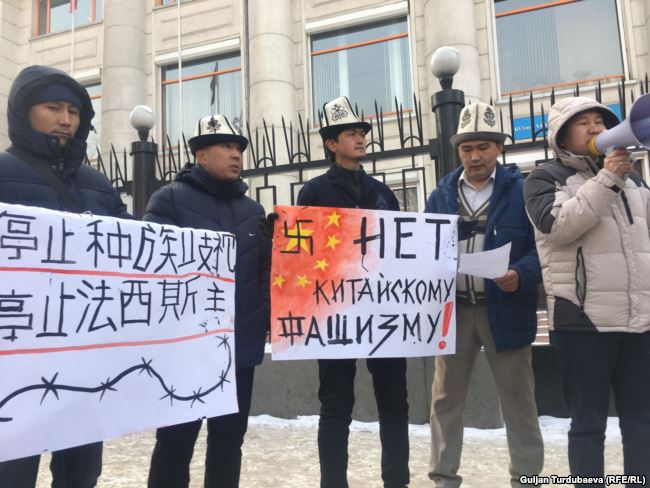
Amid the mass internment of ethnic Uighurs in China's western Xinjiang province, reaction within the greater region has been largely muted. Dolkun Isa, head of the Germany-based World Uyghur Congress, blasted the leaders of Muslim countries for being largely "silent" over the "ethnic cleansing" of the Uighurs, calling it the "shame of the Muslim world." Worse, both Pakistan and Egypt are accused of deporting Uighurs back to China—presumably to face detention. Demonstrations have been held in Kyrgyzstan against the persecution of the Uighurs and other Turkic peoples in China—but the Sinophobic ethno-nationalist posture of these protesters is clear. Ironically, among their demands is the deportation of any Chinese nationals living "illegally" in Kyrgyzstan. (Photo of Kyrgyz protesters in Bishkek via RFE/RL)

Inner Asia
China prison

US companies profit from Uighur forced labor?

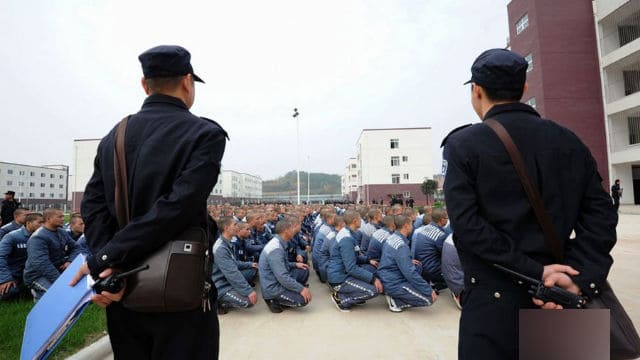
A top US sportswear company announced that it has dropped a Chinese supplier over concerns that its products were made by forced labor in detention camps in Xinjiang. Reports have mounted that the hundreds of thousands of ethnic Uighurs believed to be held in a fast-expanding system of detention camps are being put to forced labor for Chinese commercial interests. An Associated Press investigation tracked recent shipments from one such detention-camp factory, run by privately-owned Hetian Taida Apparel, to Badger Sportswear of North Carolina. After long denying that the camps exist, Chinese authorities now say they are "vocational training centers" aimed at reducing "extremism." (Photo via Bitter Winter)

Syria

Idlib still threatened as Assad escalates genocide

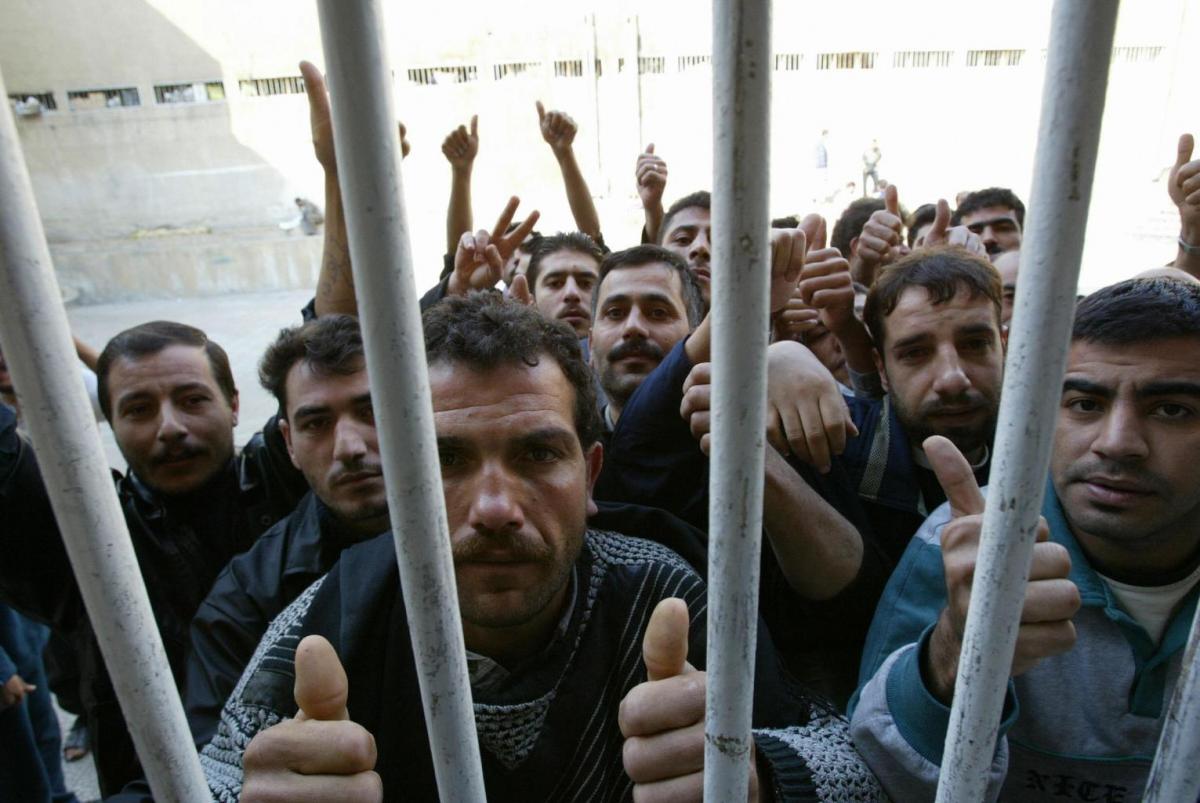
Assad regime artillery struck areas of Syria’s opposition-held Idlib province after militants allegedly tried to infiltrate regime-held areas. The shelling was reportedly focused on the town of Tamanaa, which was seized from Turkish-backed rebels by jihadist forces earlier in the week. The was apparently part of a ceasefire agreement ending an internal conflict between rival opposition forces in Idlib, which saw jihadists taking over much of the province. These ominous developments may spell an end to Idlib’s reprieve from the threatened Assad offensiive on the province since establishment of a joint Turkish-Russian buffer zone there. To make this all more sobering still, the Assad regime appears to be escalating its campaign of genocide in the areas of Syria it has re-conquered, stepping up its mass extermination of detainees. The Syrian Network For Human Rights said in a year-end report that nearly a thousand died, presumably under torture, in regime prisons in 2018.  (Photo of hunger strikers at Syrian prison via Foreign Policy. Credit: Louai Beshara/AFP/Getty Images)

Syria
Rojava

Bolton goes to bat for Rojava Kurds?

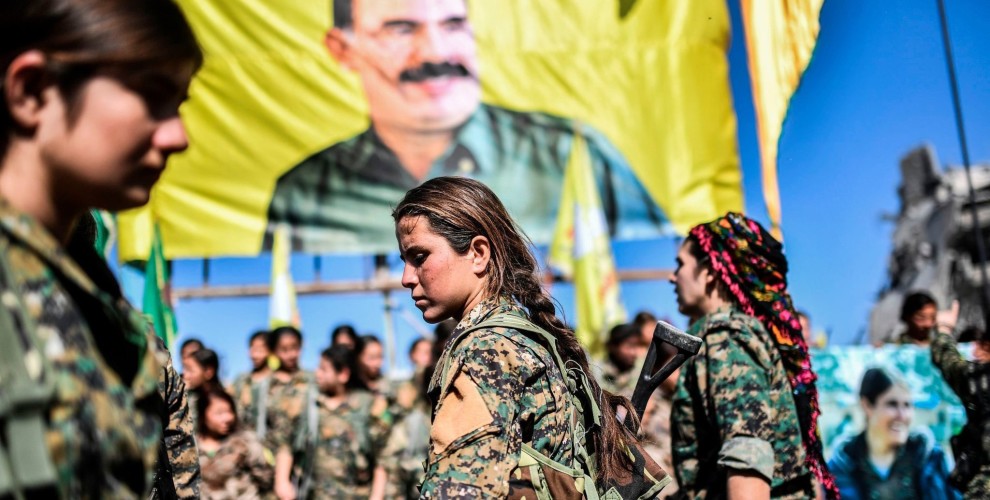
Talk about strange bedfellows! This week witnessed the surreal spectacle of US National Security Adviser John Bolton, the most bellicose neoconservative in the Trump administration, visiting Turkey to try to forestall an Ankara attack radical-left, anarchist-leaning Kurdish fighters that the Pentagon has been backing to fight ISIS in Syria. “We don’t think the Turks ought to undertake military action that’s not fully coordinated with and agreed to by the United States,” Bolton told reporters. Refering to the Kurdish YPG militia, a Turkish presidential spokesman responded: “That a terror organization cannot be allied with the US is self-evident.” Bolton left Turkey without meeting President Recep Tayyip Erdogan, who then publicly dissed the National Security Adviser’s stance as a “serious mistake.” YPG spokesman Nuri Mahmud, in turn, shot back: “Turkey, which has been a jihadist safe-haven and passage route to Syria since the beginning of the conflict, has plans to invade the region end destroy the democracy created by blood of sons and daughters of this people.” (Photo: ANF)

Iran

Iran: Ahwazi Arabs face torture at ‘black sites’

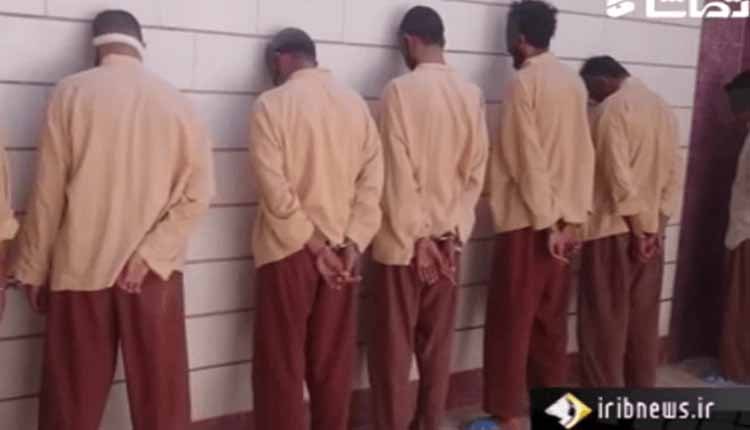
Following the mass sweeps of Ahwazi Arabs in Iran's Khuzestan province in the wake of a September terror attack in capital city Ahwaz, reports are mounting of horrific torture used against activists detained in secret prisons or "black sites." Anonymous activists on the ground in Khuzestan spoke to a researcher writing for the Canada-based Dur Untash Studies Center, which closely monitors the Ahwazi struggle. Among the cases vividly described is that of Ali Hilichi, detained by intelligence agents at the carwash where he worked in November 2018, accused of participating in public demonstrations. He was kept in solitary confinement and subject to torture for weeks before being released at the end of December. His wife said that when he was freed his body was covered in bruises and welts, adding that he could not take a shower or sleep on his back due to the pain from his injuries. He still suffers from nightmares, crying out in his sleep, "Don't beat me…give me water." (Photo: Iran Human Rights Monitor)

Oceania

Taiwan indigenous people tell Xi: hands off

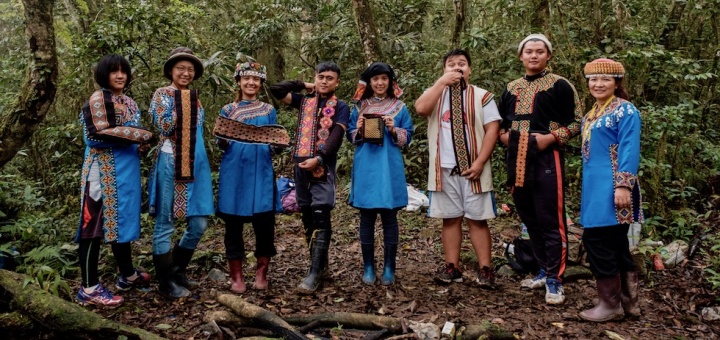
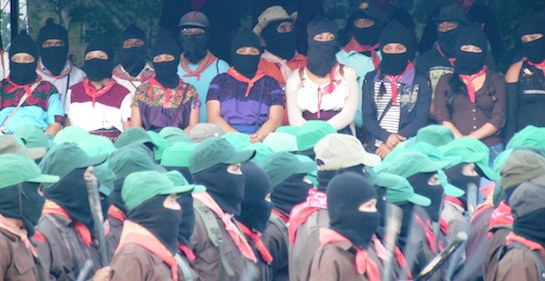
Leaders of Taiwan’s indigenous peoples issued a joint statement directed at Chinese President Xi Jinping, who said in a Jan. 2 speech that Taiwan “must and will” be united with China, and darkly alluded to the use of force. The indigenous leaders retorted that their peoples inhabited the island for thousands of years before the first Han Chinese settlers reached its shores. “We are the indigenous peoples of Taiwan and have lived in Taiwan, our motherland, for more than six thousand years,” the letter says. “We are not ethnic minorities within the so-called ‘Chinese nation.'” The statement, entitled “Indigenous Peoples of Taiwan to President Xi Jinping of China,” further asserts: “Taiwan is the sacred land where generations of our ancestors lived and protected it with their lives. It has never belonged to China… We have fought against imperialism and every foreign intruder of our land. We have suffered military suppression from colonial and authoritarian regimes… We have never given up our rightful claim to the sovereignty of Taiwan… [W]e the Taiwanese indigenous peoples will not be threatened and will make no concessions.” (Photo of Bunum people via Mata Taiwan)

Planet Watch
cannabis

Podcast: the dialectics of cannabis liberation

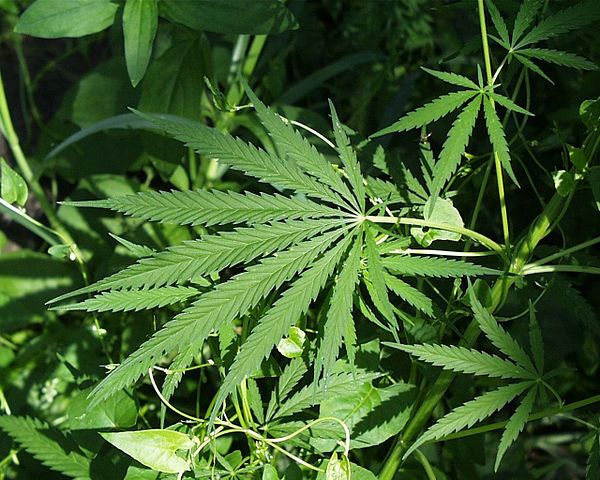
In Episode 24 of the CounterVortex podcast, Bill Weinberg notes the historic strides toward liberation of the cannabis plant in 2018, from the four corners of the Earth. Yet under capitalism, every advance also opens new contradictions. With the rise of “corporate cannabis,” traditional small growers in places like California’s Emerald Triangle stand to be pushed off the market as Central Valley agribusiness gets in on the act. Burdensome regulations and heavy taxation have kept some growers on the black market—and big police raids in the Emerald Triangle have continued even after “legalization.” High taxes on cannabis have also actually closed the legal space for California’s “compassionate care” providers—those who make free or discounted medical marijuana available to the ailing. There are concerns about the corporate privatization of ancient cannabis landraces long grown by small cultivators around the world. Meanwhile, even as overall cannabis arrests have dropped under more tolerant laws and enforcement policies in many states and localities, the racial disparity in those arrests that continue (e.g. for public use) is unabated. In a positive development, California has passed a “cannabis equity” law to address such concerns. But even the federal Farm Bill that just legalized industrial hemp and cannabinoids derived from it irrationally keeps cannabinoids derived from “marijuana” (high-THC strains) illegal. Weinberg calls for challenging the “marijuana” stigma, recognizing that cannabis liberation is an urgent question of human rights and racial justice, and adopting a stance of permanent struggle in fighting for it. Listen on SoundCloud, and support our podcast via Patreon. (Photo via Wikimedia Commons)