Planet Watch
doomsday

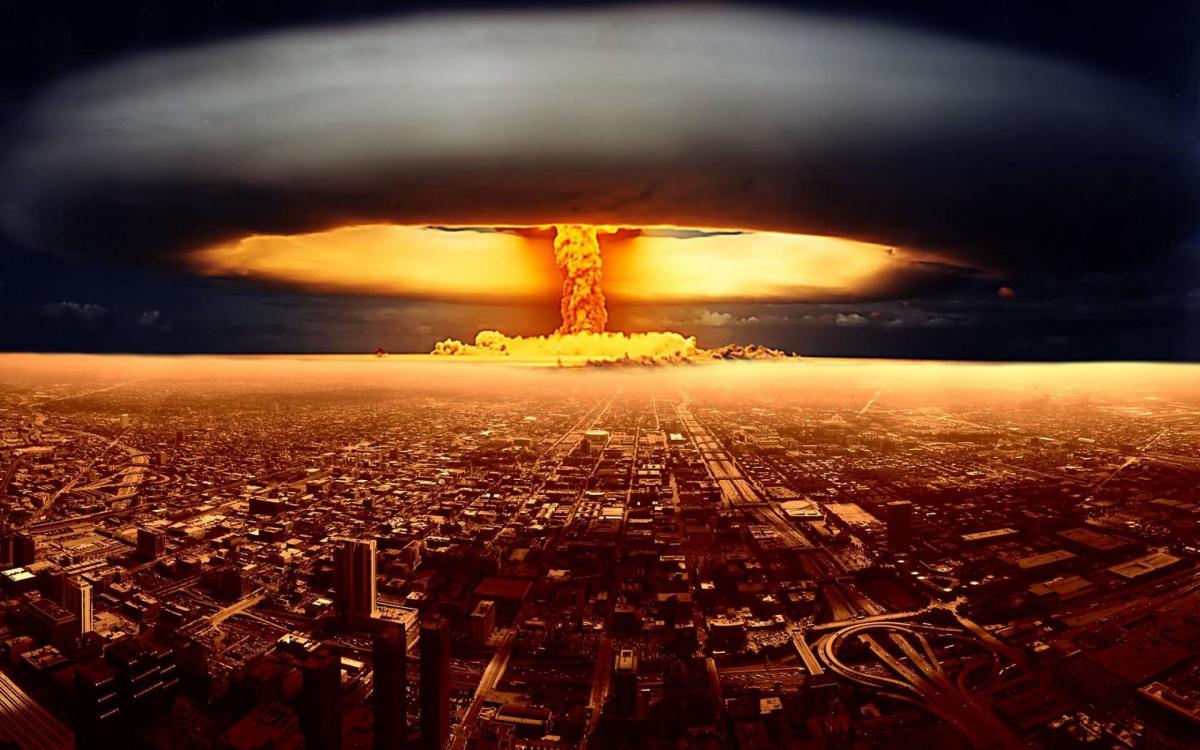
Doomsday Clock: two minutes of midnight

The Bulletin of the Atomic Scientists advanced the minute hand of its Doomsday Clock to two minutes of midnight from its previous two-and-a-half minutes. "In 2017, world leaders failed to respond effectively to the looming threats of nuclear war and climate change, making the world security situation more dangerous than it was a year ago—and as dangerous as it has been since World War II," the Bulletin said. Finding that the "greatest risks last year arose in the nuclear realm," the statement of course cited the crisis over North Korea's atomic weapons program, but also ongoing military exercises along the borders of NATO, upgrading of nuclear arsenals by the US and Russia, tensions over the South China Sea, a nuclear arms race between India and Pakistan, and uncertainty about continued US support for the Iran nuclear deal. These threats are worsened by "a breakdown in the international order that has been dangerously exacerbated by recent US actions." (Image: misucell.com)
Syria

Statement in solidarity with Afrin and Idlib

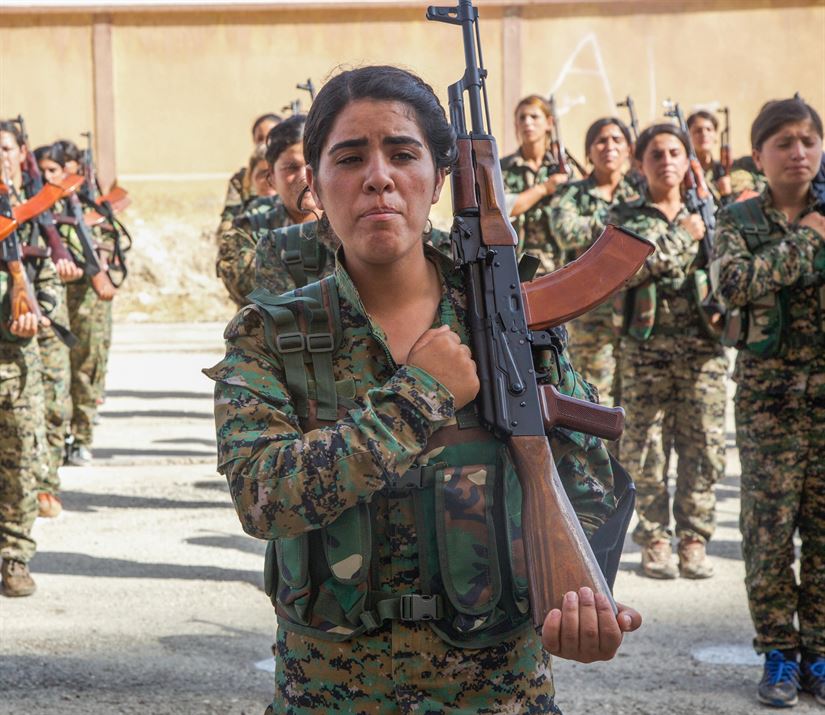
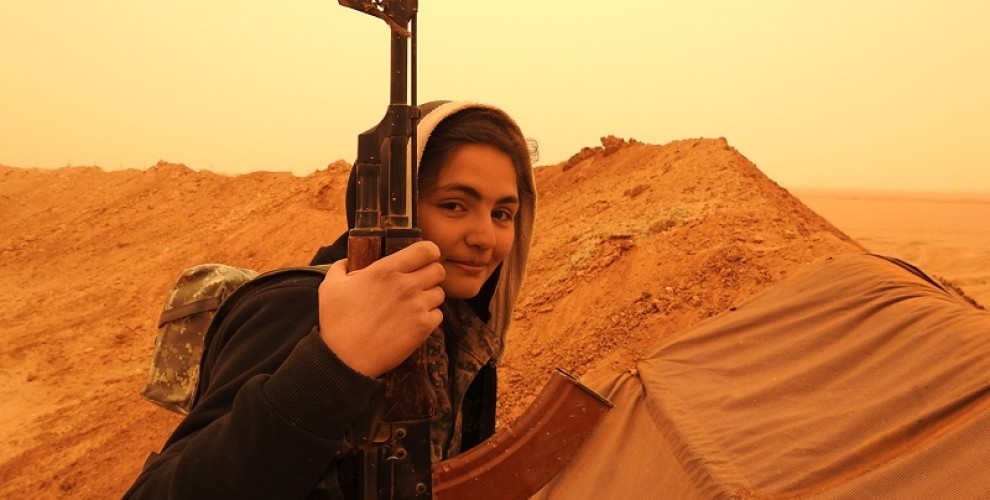
The Alliance of Middle Eastern Socialists issues a statement opposing both the Turkish military attack on Afrin and the Russian bombardment of Idlib and Eastern Ghouta. There is now a consensus among all the international and regional powers on the necessity to liquidate the revolutionary popular movements initiated in Syria in March 2011. In the face of this counter-revolutionary consensus, what is desperately needed is solidarity between all revolutionaries—Arabs and Kurds alike—who are against both the Assad regime and all the intervening imperialist powers, and who support a democratic and secular future for Syria. (Photo: Kurdish militia figher at Afrin, via ANF)

Iraq

Armenia recognizes Yazidi genocide

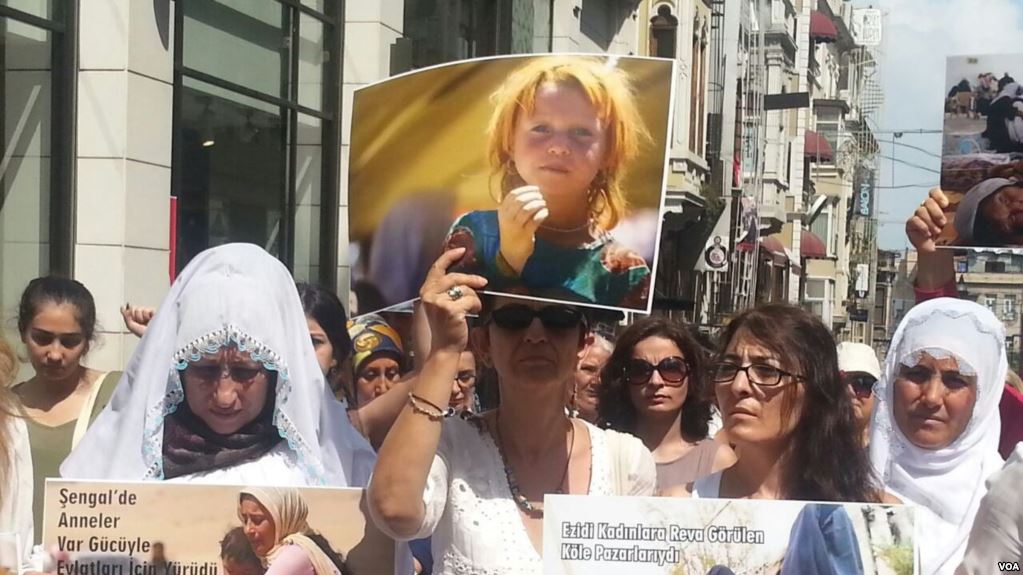
Waheed Mandoo Hammo, prime minister of Ezidikhan, the self-declared autonomous homeland of the Yazidi people in northern Iraq, issued a statement expressing his nation's appreciation and gratitude in a letter to Armenia's Prime Minister Karen Karapetyan after the Armenian National Assembly approved a resolution recognizing the Yazidi Genocide of 2014. Armenia is the first UN member state to formally recognize as genocide the mass killings and enslavement of Yazidis by "Islamic State" forces after their seizure of the Sinjar area in August 2014. Hammo's statement recalled the sheltering of Armenian refugees by the Yazidis during the Armenian Genocide of 1915 to 1917. (Photo: Istanbul march commemorating second anniversary of Yazidi Genocide, August 2016, via VOA)

Syria

Turkey attacks Afrin, Great Powers capitulate

Turkish forces, backed by allied factions of the Free Syrian Army, are pursuing their offensive on the Kurdish-held enclave of Afrin, and have captured a number of villages—despite stiff resistance from the Kurdish YPG militia. Turkish air-strikes are making the critical difference, and are taking the predictable toll in civilian casualties. In Ankara, President Recep Tayyip Erdogan said he would not “step back” in the assault, and claimed to have the support of the Great Powers—including both Russia, which supposedly had troops backing the YPG in Afrin, and the US, which has been backing the YPG against ISIS as part of the Pentagon-directed Syrian Democratic Forces. (Photo: Kurdish militia figher at Afrin, via ANF)

The Andes

Rural unrest in Colombia, despite peace process

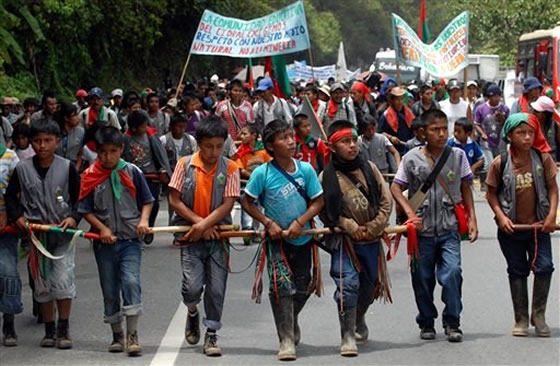
Despite the peace process with the FARC rebels, rural unrest persists across Colombia. Recent weeks have seen a wave of peasant strikes across several regions of the country to demand a voice in the peace process for campesino and indigenous communities, and attention to their demands on land restitution and rural development. The National Minga for Life, Territory and Peace was repeatedly attacked by the security forces.  (Photo: El Orejiverde)

The Andes

Colombia: demobilized guerillas targeted for terror

The United Nations condemned the assassination of two demobilized FARC members at an election campaign rally in the central plaza of Peque, a town in Colombia's Antioquia department. The UN Verification Mission noted that this was the first deadly attack within the framework of the 2018 electoral process, in which the FARC is participating as a newly formed political party. According to a December report by the UN mission, 36 demobilized FARC fighters and 13 of their family members have been killed in reprisal attacks since the peace deal with the government took effect in late 2016. The FARC’s presidential candidate and former military commander Rodrigo Londoño said members of the organization "have been the target of constant persecution by armed actors that seek to destabilize the implementation of the peace accords." (Photo: Colombia Reports)

The Andes

Colombia: popular pressure to save ELN talks

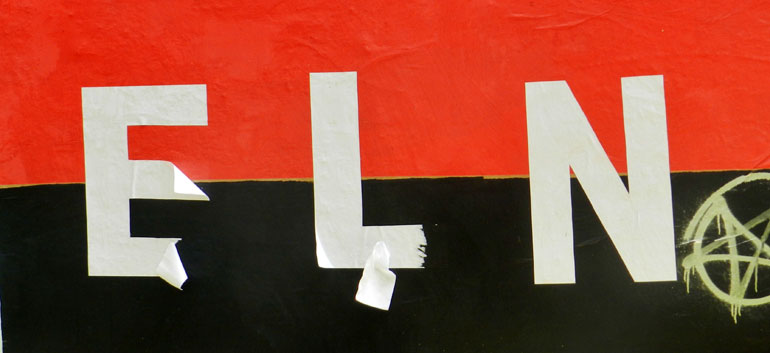
Colombia’s government is under pressure from both the United Nations and impacted communities in the conflict zones to rebuild a ceasefire with the ELN guerillas and return to the dialogue table. As a 100-day ceasefire ran out, ELN fighters attacked the Caño Limón oil pipeline, forcing a suspension of pumping operations. The guerillas also attacked a military base in Arauca department. President Juan Manuel Santos responded by recalling his peace negotiator from Quito, where a fifth round of talks with the ELN was set to begin. The ELN peace delegation reacted in a statement, pledging: “We maintain our determination, previously expressed, to agree on a new bilateral ceasefire.” (Photo: Colombia Reports)

Southeast Asia

Rohingya refugees face forced repatriation

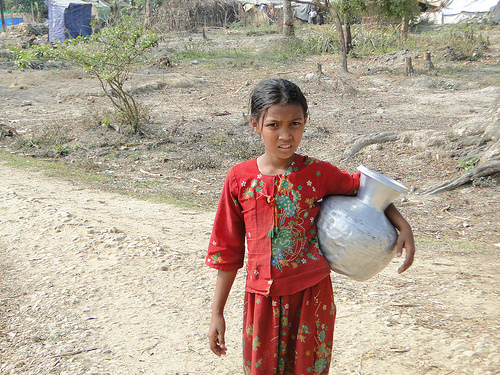
Bangladesh and Burma agreed to complete the return of hundreds of thousands of Rohingya refugees within two years, establishing a system of camps and "reception centers" along the border zone to facilitate their transfer. But humanitarian and human rights organizations are warning that this time frame is insufficient to guarantee a safe and voluntary return. A representative of the Burma Campaign UK stated: "Bangladesh and Burma are effectively playing ping-pong with the Rohingya, while the rest of the international community stands by. They will be returned to giant prison camps, have no rights, and be at constant risk of further attacks by the Burmese military." (Photo: European Commission via Flickr)

North Africa

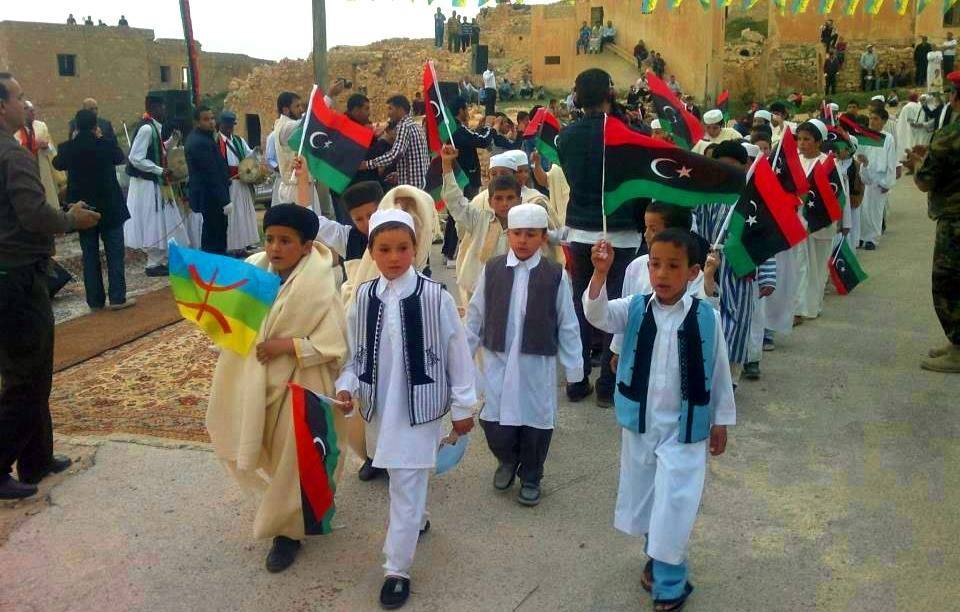
Algeria, Libya mark Berber new year —at last

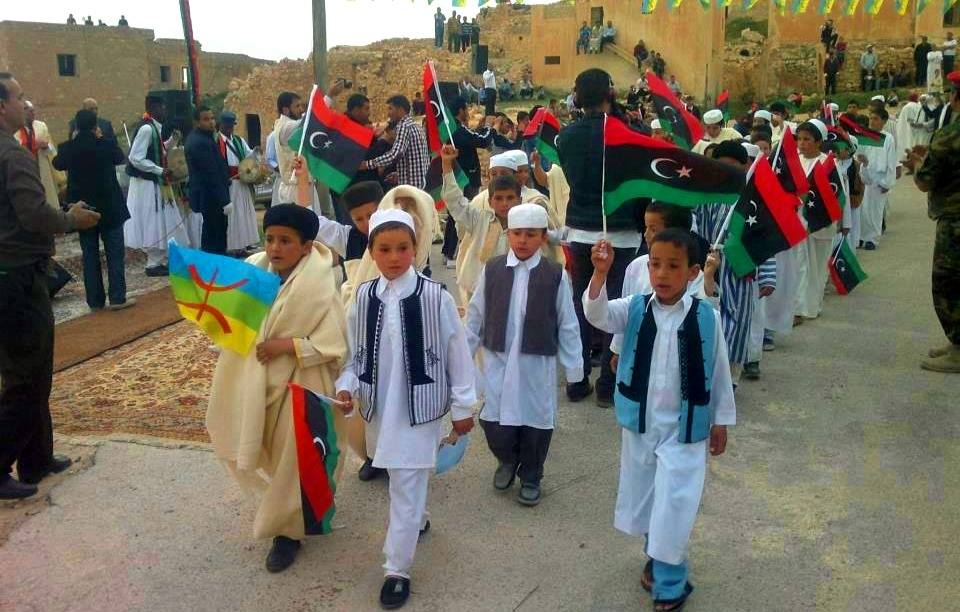
In a victory for Berber activists, Algeria officially celebrated Yennayer, the new year holiday of the Amazigh people, for the first time. The move is part of a general effort by Algeria's government to permit greater expression of Amazigh (Berber) culture in order to head off a separatist movement. Neighboring Libya also saw its first official Yennayer celebrations, although not on a national scale. The locally ruling Amazigh Supreme Council declared the holiday within the Berber self-governing zone in the country's western mountains. But elsewhere in the country there are signs of backsliding toward the intolerant stance of the Qaddafi dictatorship, when any expression of Amazigh language or culture had been strictly banned. A Berber activist in Benghazi, Rabee al-Jayash, was detained by forces of the city's reigning warlord, Khalifa Haftar, for public speaking and writing in the Amazigh tongue. (Photo: Amazigh World News)

Syria

Will US betray Rojava Kurds —or NATO ally Turkey?

The Kurdish question in northern Syria has really put US imperialism in a bind—its most effective anti-ISIS allies on the ground are the Kurdish-led Syrian Democratic Forces (SDF), regarded as “terrorists” by longtime NATO ally Turkey. Now, just weeks after the White House announced it would be demanding back the weapons it has supplied to the SDF to fight ISIS, comes the news that the Pentagon intends to train SDF fighters as a special force to control the northern border zone. Ankara reacted angrily, threatening to attack SDF-held territory. If it comes to open war between Turkey and the SDF, the US will have to stop equivocating and throw its lot in with either one or the other. (Photo: SDF fighters via CentCom)

Planet Watch

Podcast: Anti-austerity and the utopian moment

Protests against austerity and the lords of capital are erupting simultaneously in Iran, Tunisia, Sudan, Morocco, China, Peru, Honduras, Argentina and Ecuador, recalling the international protest wave of 2011. Such moments open windows of utopian possibility, but those windows inevitably seem to close as protest movements are manipulated by Great Power intrigues or derailed into ethnic or sectarian scapegoating. What can we do to keep the revolutionary flame alive, build solidarity across borders, and resist the exploitation and diversion of protest movements? Bill Weinberg explores this question on Episode One of the long-awaited CounterVortex podcast. You can listen on SoundCloud.