Africa
Madagascar

‘Gen Z’ uprisings in Morocco, Madagascar

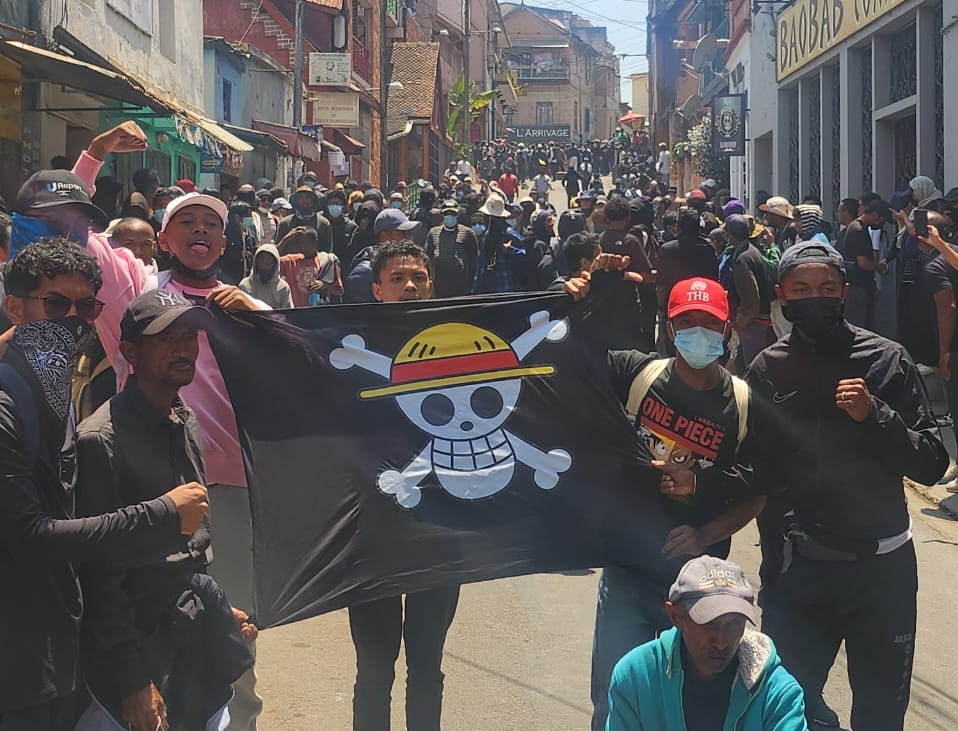
Youth-led protests demanding better education and healthcare in Morocco escalated into violent clashes with security forces. The protests were organized online by a loose network calling itself “GenZ 212,” after Morocco’s country code. In the southern cities of Tiznit, Inzegane and Ait Amira, as well as the eastern city of Oujda and Temara near the capital Rabat, hundreds of protesters hurled stones at security forces attempting to disperse the gatherings. At least two protesters were killed when police opened fire in Lqliaa, near the coastal city of Agadir. But there was far worse violence in Madagascar, where President Andry Rajoelina announced the dissolution of the government in response to youth protests over power and water shortages. The UN criticized Malagasy authorities’ response to the demonstrations, reporting at least 22 people killed and hundreds injured. The Madagascar demonstrations were also organized under the banner of “Gen Z.” (Photo via Mika R/Twitter. Madagascar protesters use appropriated image from One Piece manga series.)
The Andes
Colombia

US ‘decertifies’ Colombia as drug war partner

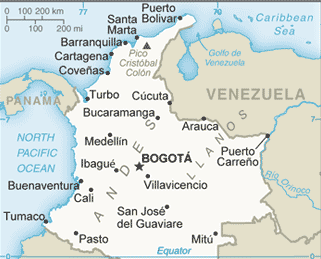
The United States decertified Colombia as a reliable partner in the War on Drugs, citing a rise in coca cultivation and cocaine production. While the White House waived the crushing sanctions that usually come with decertification, the decision underscores the strained relations between the US and Colombia under Trump. The administration was quick to blame Colombian President Gustavo Petro directly, arguing in its submission to Congress that the “failure of Colombia to meet its drug control obligations over the past year rests solely with its political leadership.” The administration also decertified Venezuela, Bolivia, Afghanistan and Burma. While these latter countries have been frequently decertified over the years, this marks the first time Colombia has been decertified since 1997. (Map: PCL)

North America
antifa

Podcast: Better anti than fa, thank you

Trump’s executive order designating Antifa a “domestic terrorist organization” was quickly followed by a mobilization of federal troops to anarchist hotbed Portland and a highly unusual call for a gathering of military brass from around the world in Quantico—to take place the day before the government will be shut down if a Congressional deal is not reached. These evident preparations for mass repression, or even an auto-golpe and establishment of a Trump dictatorship, were conveniently followed by a sniper attack on an ICE facility in Dallas. In Episode 297 of the CounterVortex podcast, Bill Weinberg argues that Trump’s attempted criminalization of anti-fascism portends an imminent consolidation of fascist rule in the United States—and asks what we’re going to do about it. (Image: Wikimedia Commons)

Syria
SDF

Syria: clashes follow al-Sharaa ultimatum to SDF

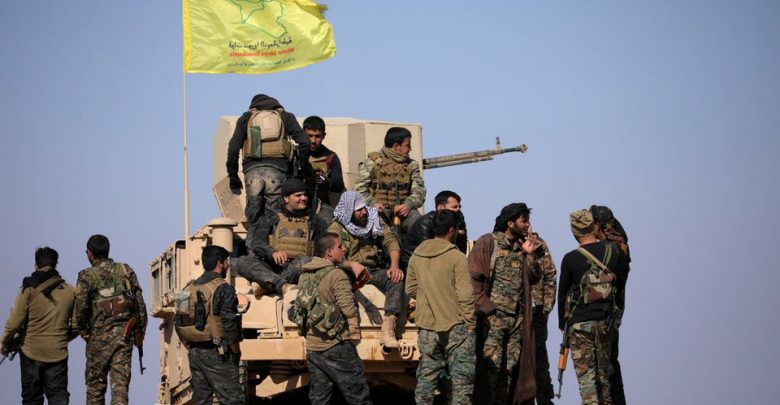
Fighting broke out in the village of Um Tineh, in Syria’s Aleppo province, between the Kurdish-led Syrian Democratic Forces (SDF) and forces aligned with the Damascus regime, leaving at least seven civilians dead. The SDF said the clashes began with a drone attack on the village, followed by artillery bombardment, damaging local homes. The violence came three days after President Ahmed al-Sharaa warned that the SDF’s failure to integrate into the Syrian Armed Forces could provoke Turkish military intervention by year’s end. Planned talks in Paris on how to incorporate the Kurdish autonomous zone into the new government were broken off by the transitional regime last month. Turkey has repeatedly bombed SDF-held territory in Syria over the past months, as the threat of Arab-Kuridsh ethnic war looms larger on the ground. (Photo: SOHR)

Syria
Syria

Syria: perilous ‘roadmap’ to reconciliation with Druze

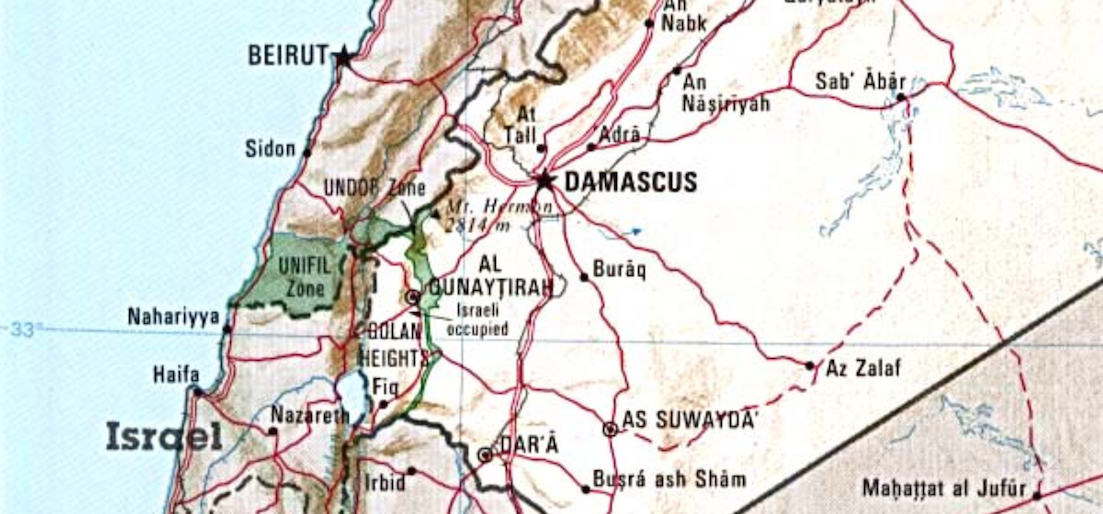
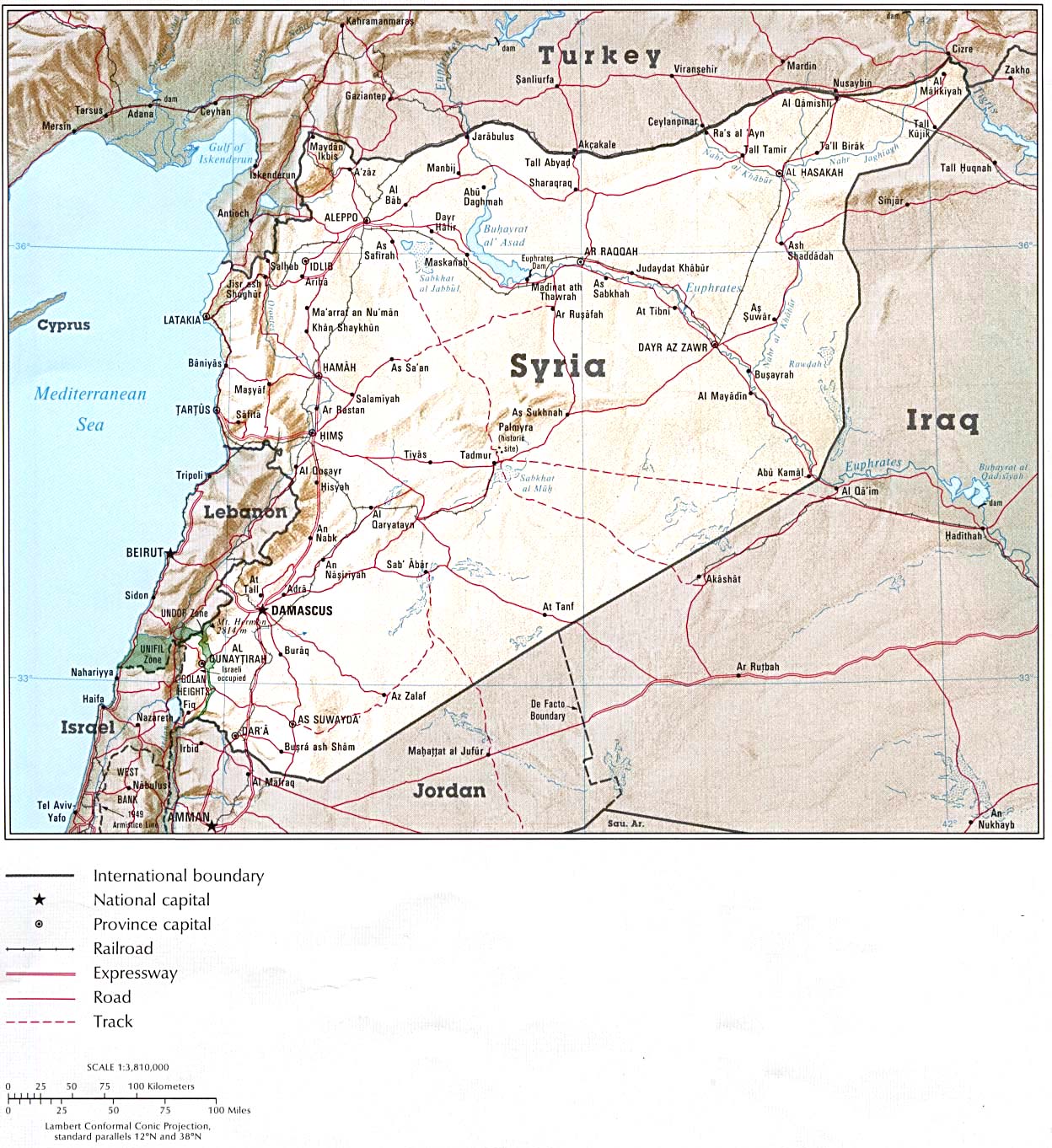
Syria, Jordan and the United States jointly announced a “roadmap” to resolve the ongoing crisis in the southern Syrian province of as-Suwayda, where July clashes between Druze and Bedouin forces escalated to sectarian killings and mass displacement. The plan seeks to strengthen a fragile ceasefire, let UN investigators look into the July events while holding perpetrators accountable under Syrian law, allow aid deliveries, and facilitate the return of some 160,000 people who remain displaced. However, some Druze leaders have rejected the plan. Sheikh Hikmat al-Hijri ruled out negotiations with the government, while adding: “I thanked Israel because it defended us and provided us with protection.” His followers have announced the creation of a “National Guard” for as-Suwayda region, which according to regional media reports has received thousands of light arms from Israel. (Map: PCL)

Watching the Shadows
Calvo Sotelo

Podcast: Charlie Kirk = Calvo Sotelo?

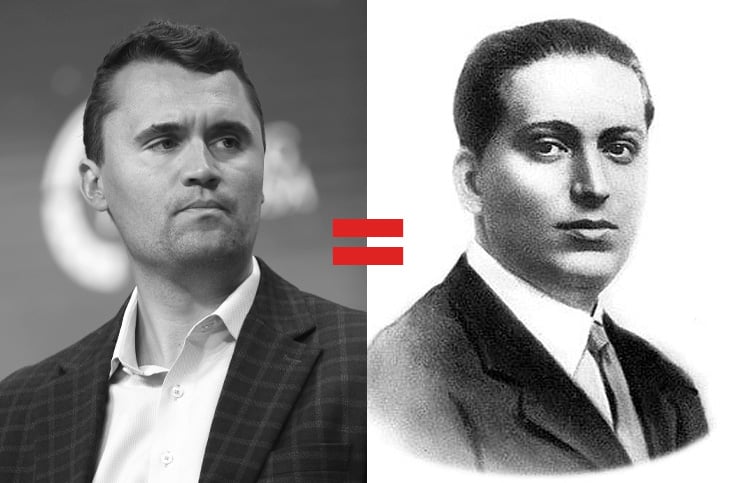
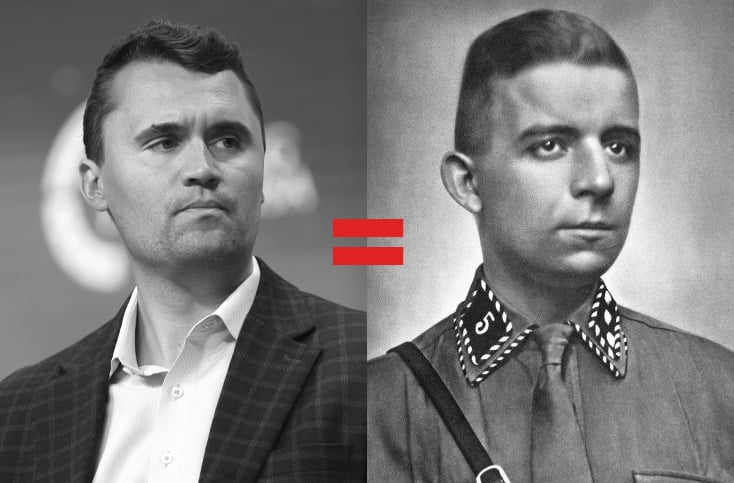
Some are drawing an ominous analogy between Charlie Kirk and Horst Wessel, the early martyr of the Nazi cause. In Episode 296 of the CounterVortex podcast, Bill Weinberg offers a more ominous analogy still: to José Calvo Sotelo, the Spanish fascist leader whose assassination in 1936 provided the expedience for Generalissimo Franco’s coup d’etat that initiated the Spanish Civil War—and ultimately brought a decades-long dictatorship to Spain. Trump’s declaration of antifa as a “terrorist organization” since Kirk’s assassination is an open acknowledgement of his fascist intent. Fortunately, anti-fascist protesters are repudiating Kirk, and the wave of racist terror and anti-left reaction now being unleashed coast to coast. (Image mash-up: CounterVortex)

The Amazon
Yavarí

Peru nixes plan for Yavarí Mirim indigenous reserve

Officials in Peru voted against a proposal to create an indigenous reserve in the country’s Amazon rainforest, where isolated tribes face threats from logging, mining and drug trafficking. The decision will likely delay efforts to protect them by several years and could lead to their displacement, critics said. The proposed Yavarí Mirim Indigenous Reserve would have protected 1.17 million hectares (2.9 million acres) of rainforest in Loreto region, an area a fifth the size of Ireland that’s home to several indigenous communities living in isolation. A commission reviewed anthropological evidence of the communities’ presence in the area but voted in line with the interests of business sectors and logging concessions. (Photo: Pieritograbriel via Wikimedia Commons)

Europe
Armata

Belarusian political prisoners as pawns in power game

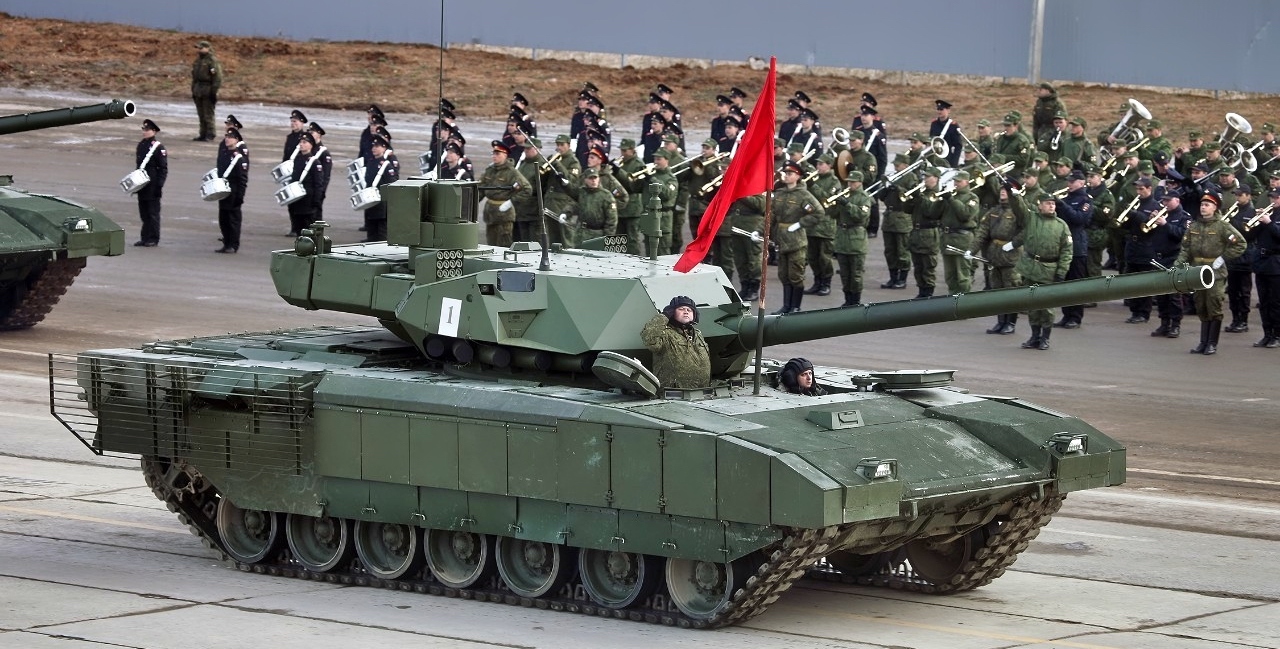
NATO launched a new exercise dubbed Eastern Sentry in response to the ongoing joint Russia-Belarus military exercise dubbed Zapad (West), which involves thousands of troops, naval maneuvers in the Baltic Sea, and simulated nuclear strikes. Yet two US military observers were invited to Belarus to observe the Zapad exercise, standing on a viewing platform to review forces from the same Russian army that is fighting in Ukraine. This appears to be part of a US rapprochement with Belarus, coming days after 52 Belarusian political prisoners were released in a US-brokered deal. However, the dissidents protest that they were expelled to Lithuania and not given the choice of remaining in their own country. One, former Belarusian presidential candidate Mikola Statkevich, has already been returned to a penal colony after refusing to accept exile. (Photo of Russian T-14 Armata tank via National Security Journal)

Watching the Shadows
Charlie Kirk = Horst Wessel

Podcast: Charlie Kirk = Horst Wessel

Charlie Kirk was not just a “conservative” but a white supremacist who denigrated the advances of the Civil Rights era and sought to impose patriarchical subjugation of all but white men. Yet he was opposed as insufficiently “pro-white” by the so-called “Groyper Army” of Nick Fuentes. This raises the possibility that the anti-fascist rhetoric of Kirk’s accused shooter, Tyler Robinson, was actually fascist pseudo-anti-fascism. In any case, those who are making the analogy to the early martyr of the Nazi cause Horst Wessel are all too likely to be vindicated: Kirk’s death could similarly be exploited to consolidate fascist rule in the United States. In Episode 295 of the CounterVortex podcast, Bill Weinberg breaks it down. (Image mash-up: CounterVortex)

Mexico
Culiacán

Mexico: march for peace in violence-torn Culiacán

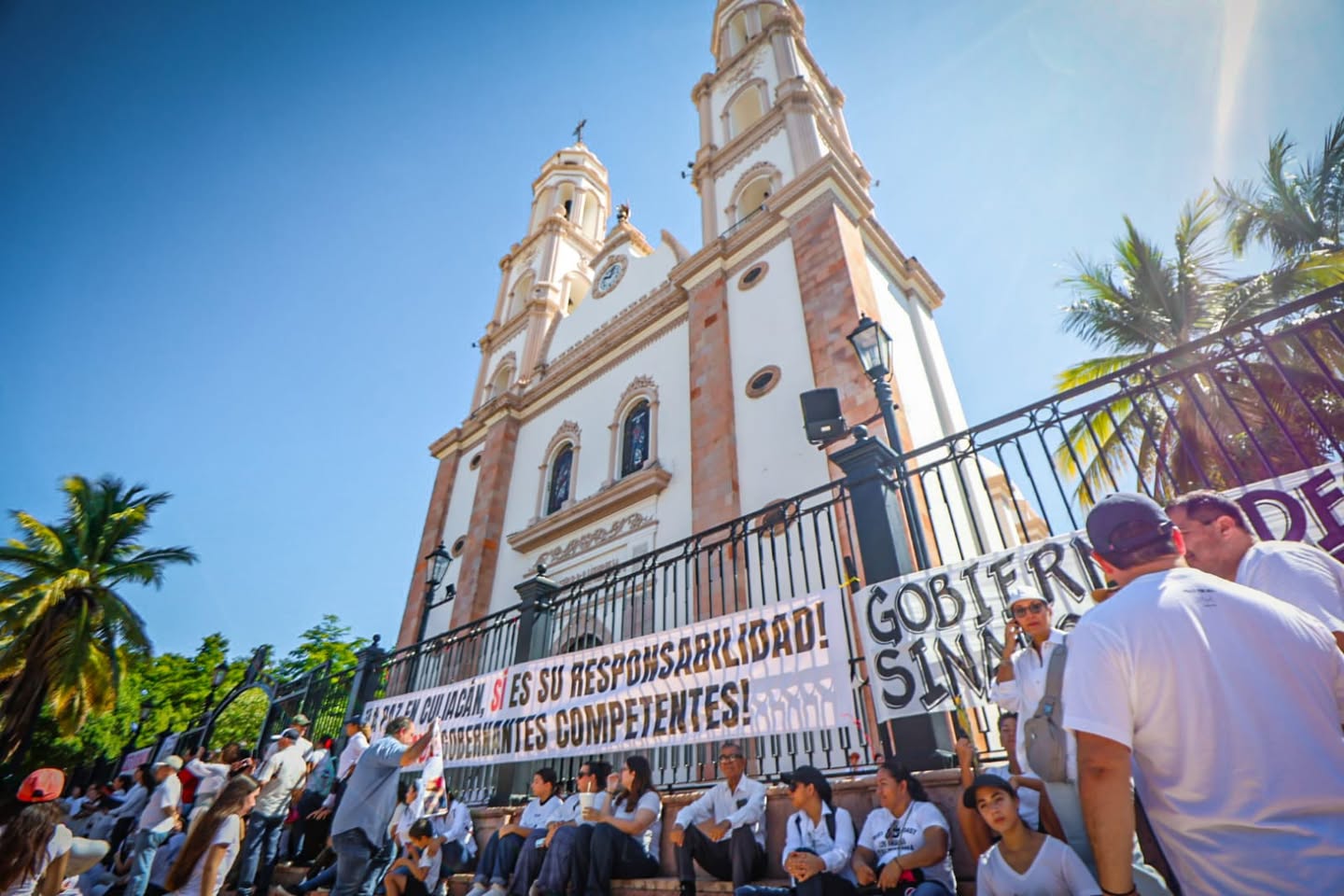
Civil society organizations in the Mexican city of Culiacán, capital of Sinaloa state, held a march for social peace that brought tens of thousands to the streets, with ongoing public vigils over the following days. Held under the slogan “Ya basta, queremos paz” (Enough already, we want peace), the mobilization was called to mark one year since an outbreak of violence in the city as rival factions of the Sinaloa Cartel vied for supremacy. The death toll in Sinaloa over the past year is said to exceed 1,800, with local activists counting another 2,800 disappeared. (Photo: Trasciende Noticias via Facebook)

Greater Middle East
Freedom Flotilla

Israeli strikes target Hamas in Qatar —and Greta Thunberg in Tunis?

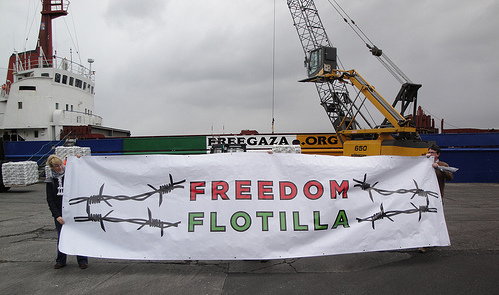
Unprecedented Israeli air-strikes on buildings in Qatar’s capital Doha apparently targeted senior members of Hamas’ external leadership—precisely those involved in ceasefire negotiations. The Israel Defense Forces confirmed the operation, with Prime Minister Benjamin Netanyahu saying that the attack was “a wholly independent Israeli operation.” He added: “Israel initiated it, Israel conducted it, and Israel takes full responsibility.” However, the White House quickly confirmed that it was informed of the operation beforehand. On the same day as the Qatar strikes, organizers of a flotilla carrying aid for Gaza said their lead ship was hit by a drone while anchored at the port of Sidi Bou Said, Tunisia. A video posted by the Global Sumud Flotilla appears to show a lit projectile falling from the sky onto the vessel before flames erupt on the front deck. The ship sustained some damage, according to later footage posted on social media. One day later, a second vessel in the flotilla was evidently struck, causing similar damage. The Global Sumud Flotilla’s most prominent member is Greta Thunberg, internationally known for her climate activism and now a leading figure in the Freedom Flotilla Coalition. (Photo: FreeGaza via Wikimedia Commons)

Watching the Shadows
Gheorghiu

Podcast: The Twenty-Fifth Hour revisited

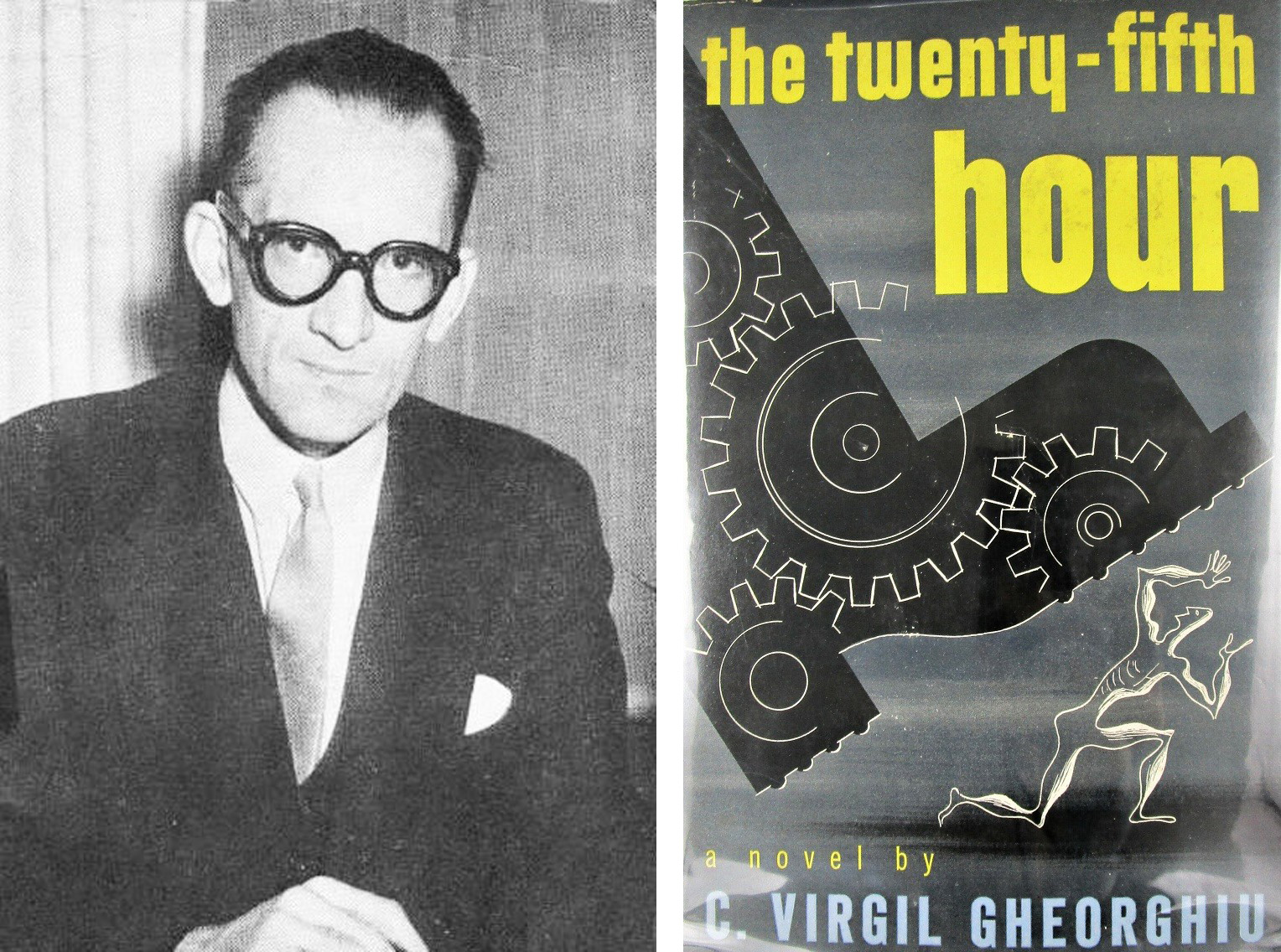
The case of Kilmar Abrego García, shunted from detention in one country to another, with no end in sight, recalls the World War II-era classic of dystopian fiction The Twenty-Fifth Hour by Romanian writer C. Virgil Gheorghiu. The wartime transnational detention system, harrowingly depicted in the novel, was seen by Gheorghiu as an inevitable manifestation of our technocratic civilization that exalts the machine above humanity, ultimately resulting in the treatment of human beings as mere cogs in the state-industrial apparatus. This process is more advanced today with the current hypertrophy of the technosphere, which is related to the re-emergence of abuses approaching those of the fascist era, and ultimately bodes poorly for humanity’s future. In Episode 294 of the CounterVortex podcast, Bill Weinberg takes an unsparing look at this grim juncture for the human race. (Image via Cocosse)