

Nord Stream pipeline sabotage: rush to judgment
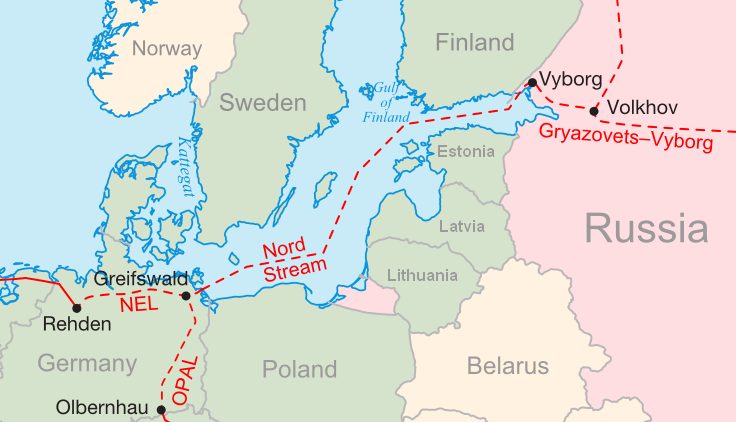
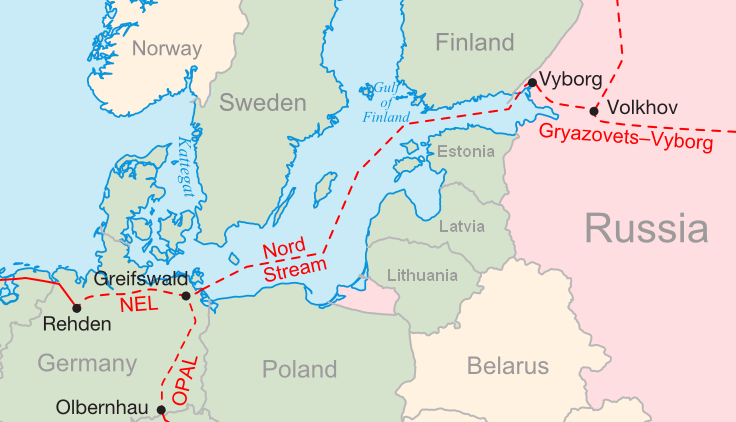
Nord StreamUkraine is denying involvement in September's attack on the Nord Stream pipelines following a New York Times report citing anonymous US officials to the effect that an unnamed "pro-Ukrainian group" was to blame. Russia's online partisans are meanwhile hyping a piece by Seymour Hersh, similarly citing anonymous officials to the effect that the attack was a US covert operation. Rarely has there been a more blatant case of the cyber-commentariat deciding what to believe on the basis of political convenience. (Map: Wikipedia)
Syria

Unnatural disaster in Syria’s northwest

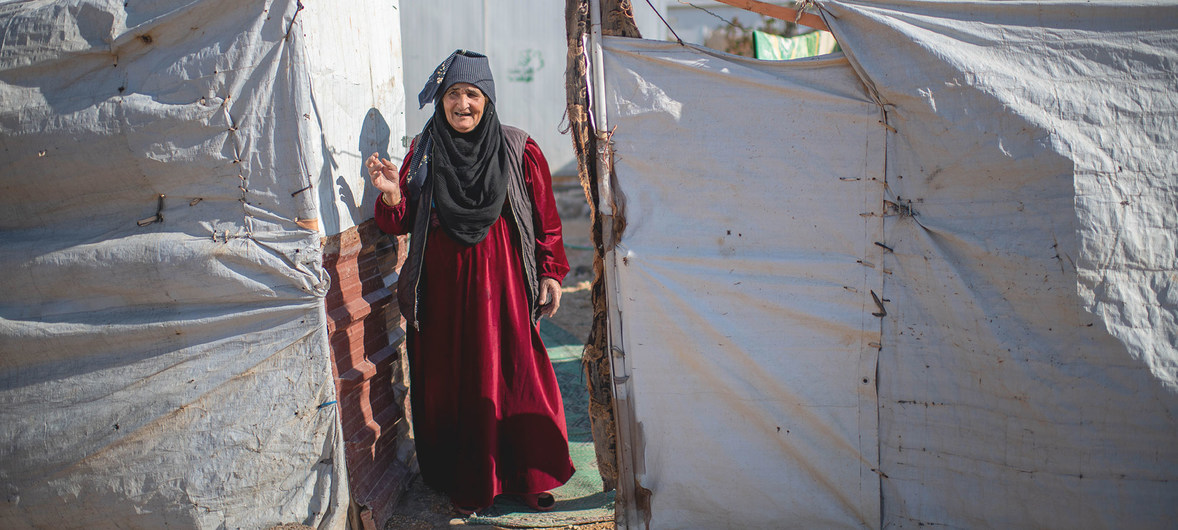
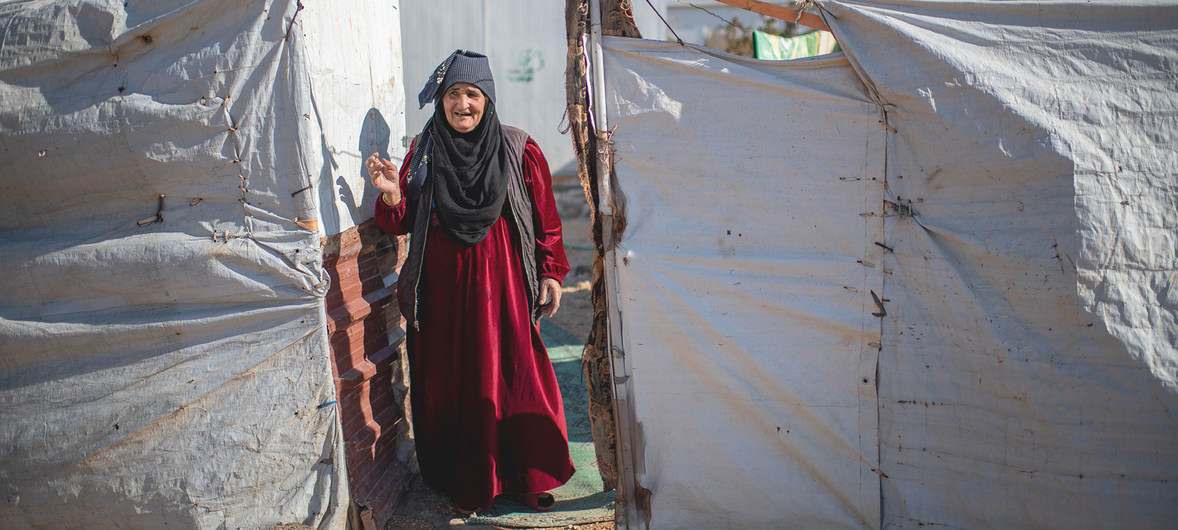
Idlib displacedIn the wake of the devastating earthquake that has killed some 15,000 in Turkey and Syria, the contested political situation in the latter country is raising particular dilemmas. Aid agencies warn of "catastrophic" implications for Syria's rebel-controlled northwest, where millions of displaced and vulnerable people were already in precarious straits and relying on humanitarian support before the quake. At least half of the estimated 2,000 dead in Syria are in the rebel-controlled area. Due to Russian influence at the UN on behalf of the Bashar Assad regime, humanitarian access is already limited to one border crossing—Bab al-Hawa. And Moscow and Damascus have been pressuring to close that one as well. (Photo: UNHCR)

Mexico: 140 missing in wake of Sinaloa violence

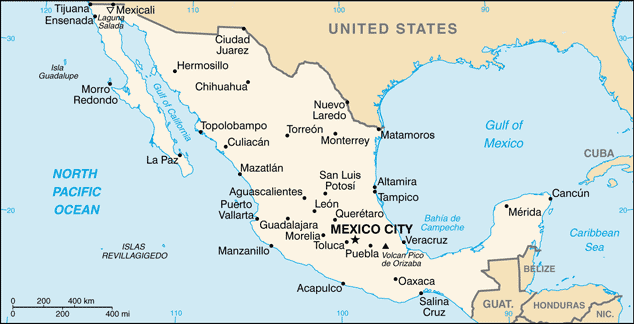
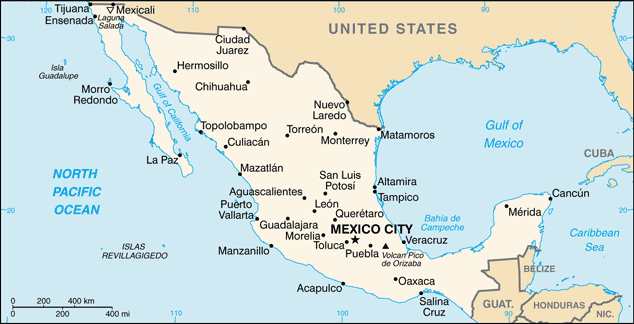
MexicoResidents of Jesús María barrio in Culiacán, capital of Mexico's Sinaloa state, marched on the governor's palace demanding action on the whereabouts of 140 community members they say have been missing since violence engulfed the city after the arrest of a top cartel kingpin. The youngest of the missing residents is said to be 12 years old. Protesters also denounced abuses by the military troops that have been patrolling Culiacán since the outburst, including illegal detentions and home searches. The arrest of Ovidio Guzmán López—son of the infamous "El Chapo" Guzmán—set off days of street-fighting between cartel gunmen and the security forces. (Map: PCL)

‘Genocidal’ massacre of protesters in Peru

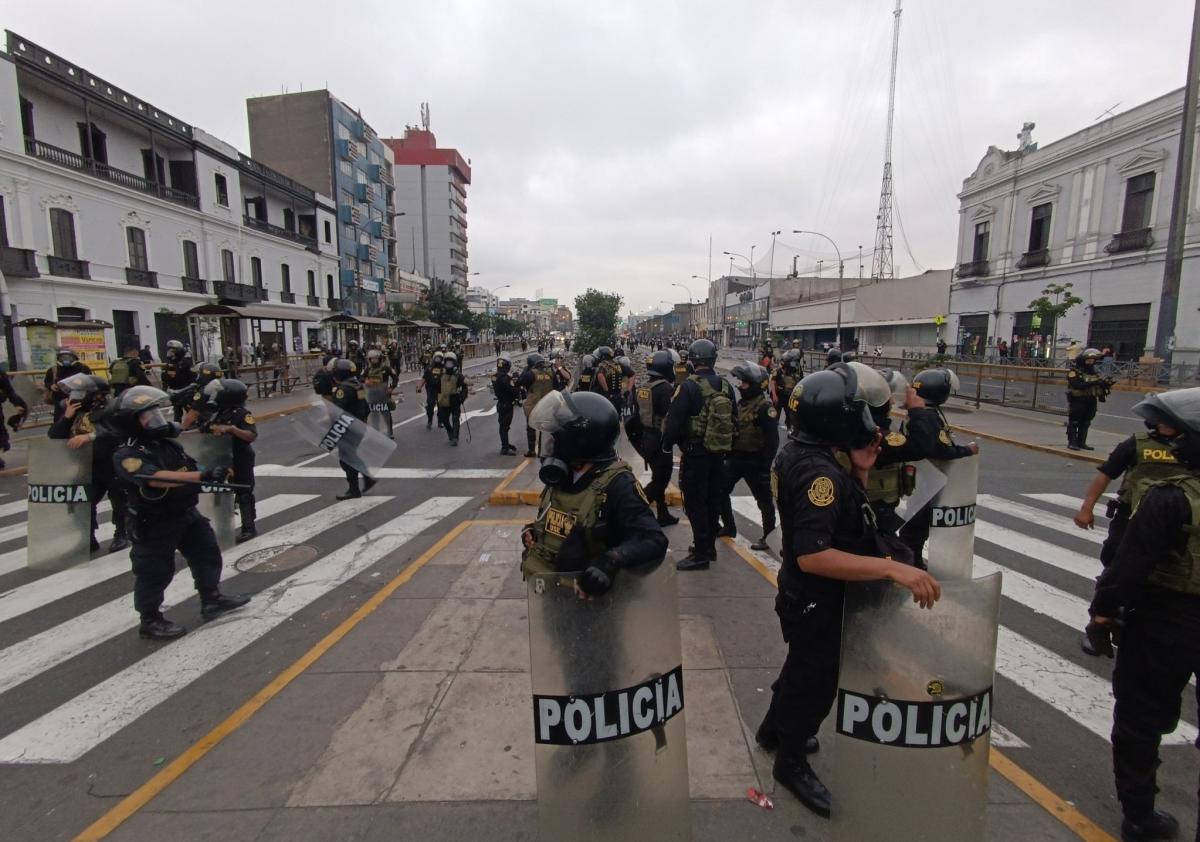
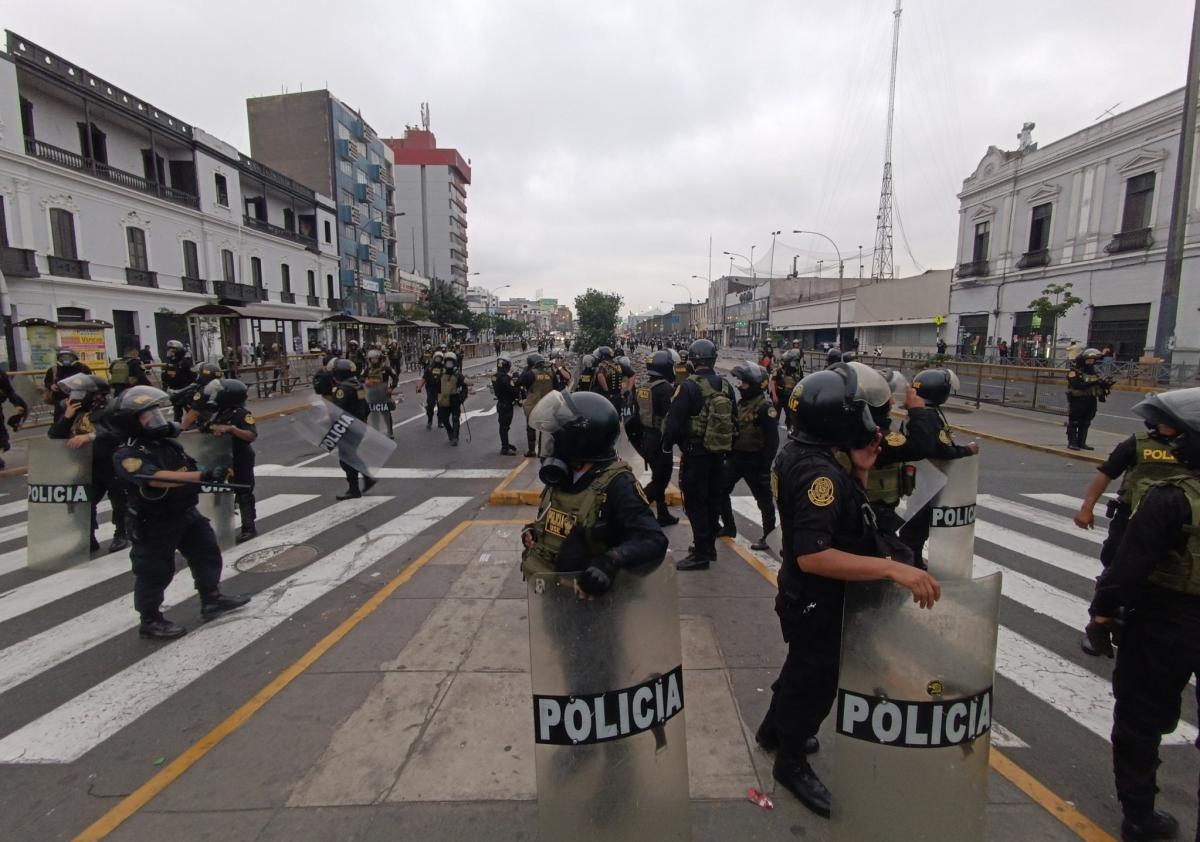
JuliacaThe prosecutor general's office in Peru, the Fiscalía, opened a preliminary investigation into President Dina Boluarte and five of her current and fomer cabinet members for possible acts of "genocide" in the repression of the mass protests sparked by the ouster of president Pedro Castillo last month. The announcement came a day after 17 were killed, including two teenagers, as protesters attempted to occupy the local airport in Juliaca, Puno region. The total death toll in the unrest since Castillo's ouster now stands at 47. Peru's southern regions of Puno, Cuzco, Arequipa and Madre de Dios have been almost entirely cut off by roadblocks since the protests remobilized with the new year. The giant Antapaccay copper mine in Cuzco region, operated by the Swiss multinational Glencore, is also under occupation by protesters, who set company vehicles on fire and clashed with police sent to remove them. (Photo: Max Nina/Pachamama Radio via Wayka)

Podcast: paradoxes of Moorish American identity

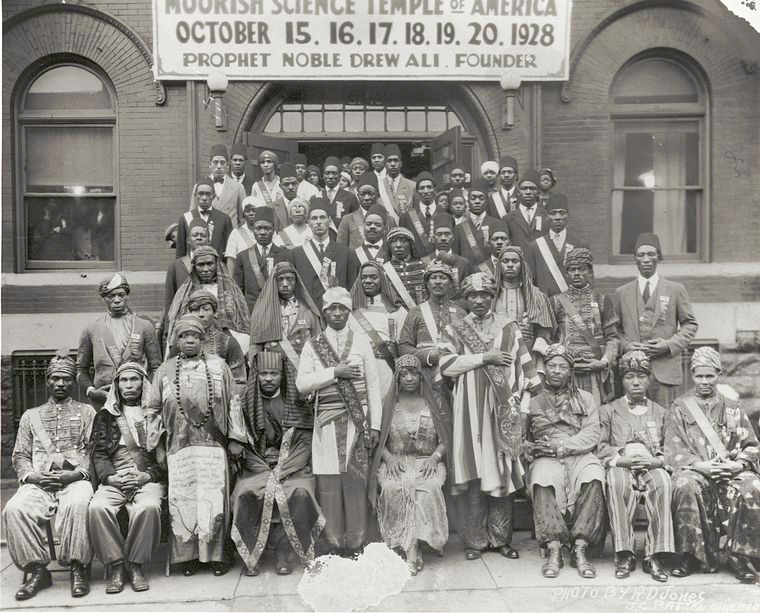
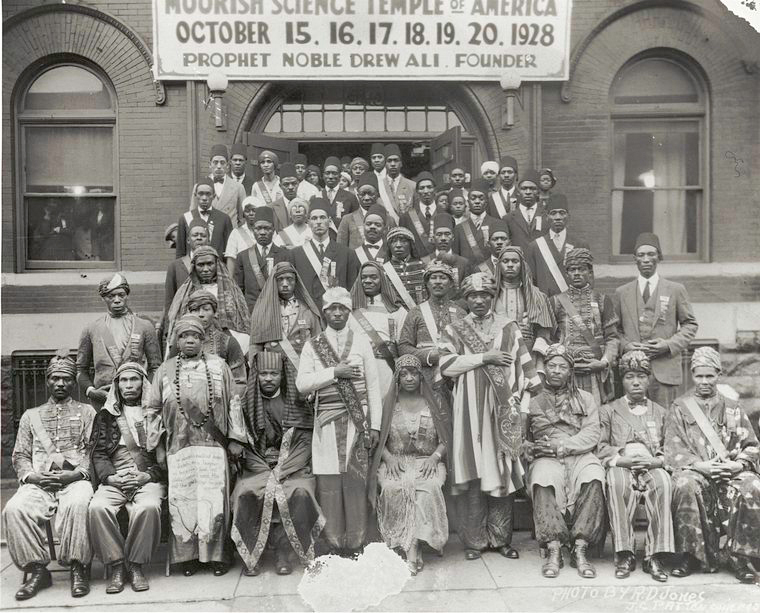
MSTAIn Episode 157 of the CounterVortex podcast, Bill Weinberg discusses the seemingly obscure subculture of Moorish Science, which has had a greater influence than is generally recognized, as an important precursor to the Black Muslim movement. The doctrine, first propagated over a century ago by the Prophet Noble Drew Ali, holds that there was in ancient times a great Moorish civilization that prospered on both sides of the Atlantic, in North Africa but also in North America, and that Black Americans are in fact Moors and the inheritors of this legacy. Contrary to official histories, Moorish Science holds that not all Black folk in the Americas are descendants of those brought over in the Middle Passage, but also of Moors who were already in America in pre-Columbian times. The book The Aliites: Race & Law in the Religions of Noble Drew Ali by Spencer Dew sheds new light on surviving exponents of this movement, including the Moorish Science Temple of America, the Washitaw Empire, and the Murakush Caliphate of Amexem. Listen on SoundCloud or via Patreon.  (Photo of Noble Drew and his followers via Wikipedia)

Campesino leaders targeted in Peru repression

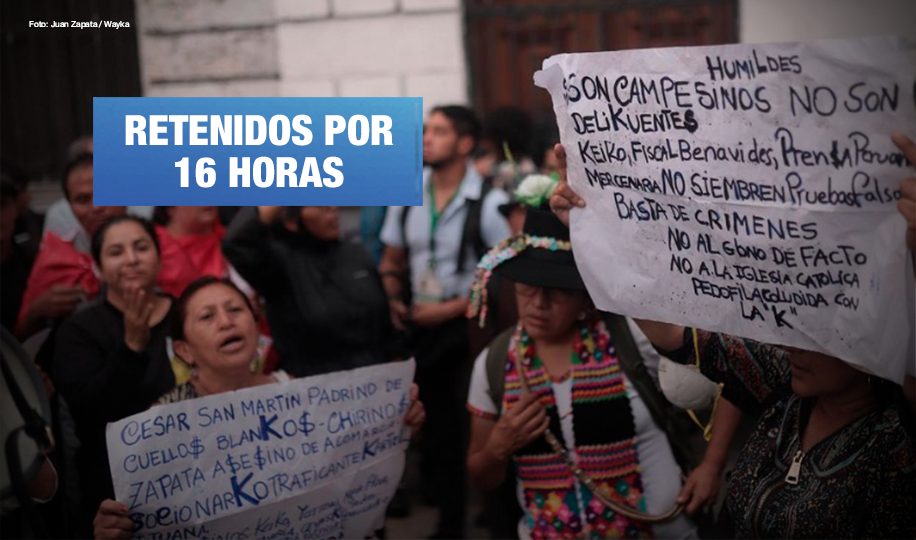
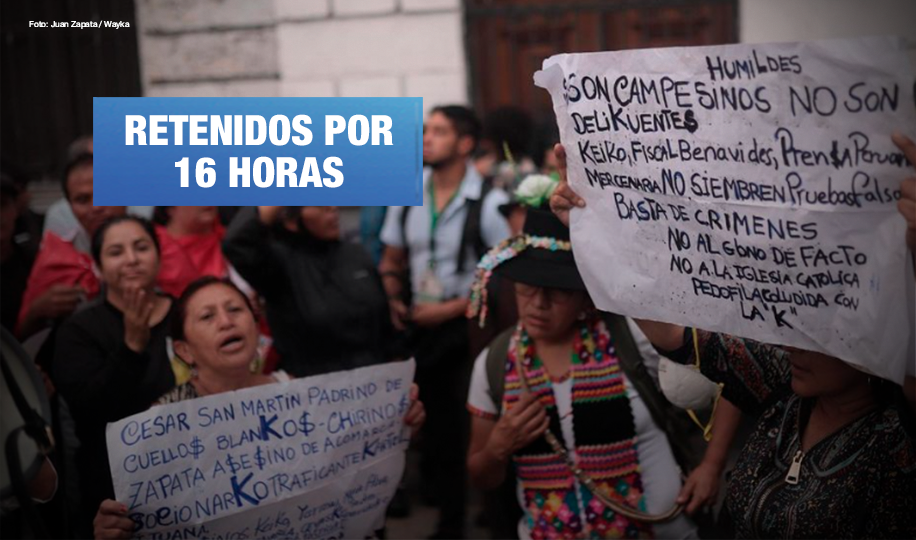
CCPAmid ongoing protests over the removal from power of president Pedro Castillo, Peru's Anti-Terrorist Directorate (DIRCOTE) raided the Lima offices of the country's main union of peasants and rural workers. Dozens on the premises were held there and interrogated, without access to legal counsel, for 16 hours. Rural leaders from across the country were gathered at the national headquarters of the Campesino Confederation of Peru (CCP) at the time of the raid to discuss coordination of protest actions. In the days immediately before and after the raid, government offices were burned by protesters in Arequipa, in Huancavelica, and in Ayacucho. (Photo: Wayka)

Reichsbürger plot: Russian ‘hybrid aggression’?

ReichsbürgerThe Brussels-based pro-EU think-tank International Foundation for Better Governance (IFBG) is calling the apparent thwarted ultra-right plot to overthrow the German government by the so-called "Reichsbürger" movement "a classic example of the hybrid aggression of the Russian Federation." The statement notes that chancellor Olaf Scholz, reportedly one of those marked for "physical elimination" in the Reichsbürger plot, is a key supporter of Ukraine among Western leaders, and was chiefly responsible for the recent German donation of Gepard mobile anti-aircraft systems to the Kyiv government. IFBG concludes: "The circumstances demand that Russia must be completely isolated, receive the maximum possible sanctions and be recognised as a terrorist state by the parliaments of Western countries." (Photo of 2013 Reichsbürger rally in Berlin via WikimediaCommons. Banner reads: "The German people, freed from Napoleon in 1813, freed from EU-fascism in 2013") 

Peru: state of emergency declared amid mass protests

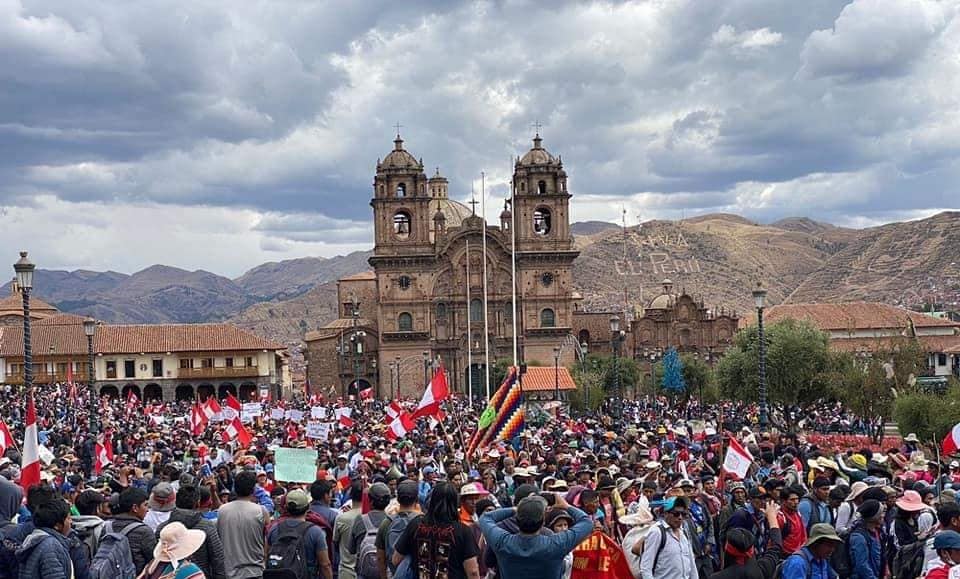
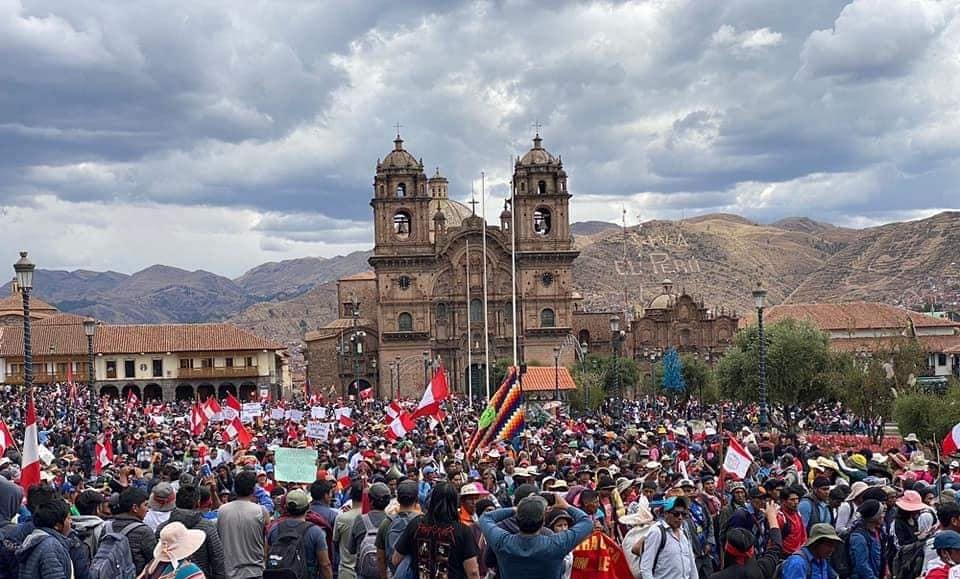
CuzcoThousands have filled the streets of cities and towns across Peru since the ousting and detention of president Pedro Castillo. Protesters occupied the airport in the southern city of Arequipa, while mass mobilizations and road blockades also continue in Cuzco and Trujillo. Protests turned violent in Andahuaylas province, where a National Police station was overrun in the town of Chincheros. At least seven are dead in the protests by official figures—six in Andahuaylas, and five under age 18. Defense Minister Alberto Otárola announced that a state of emergency has been instated nationwide. The Defense Ministry tweeted an announcement that the armed forces will take control of strategic points including airports and hydroelectric plants in the affected areas. Alarmingly, neither announcement even mentioned Peru's new president, Dina Boluarte, who was sworn in by Congress hours after lawmakers voted to remove Castillo last week. (Photo via KawsachunNews)

Peru: thwarted auto-golpe or successful coup?

auto-golpeFacing a third round of impeachment (or "vacancy") proceedings, Peru's president Pedro Castillo ordered the dissolution of Congress and announced a "government of exception" that would rule by decree. But his government immediately collapsed as protesters, many armed with clubs, filled the streets of Lima. Most of his cabinet resigned, with foreign minister César Landa tweeting: "I strongly condemn this coup d'état and call on the international community to assist in the re-establishment of democracy in Peru." Defying the dissolution order, Congress quickly approved a "vacancy" measure, calling for Castillo's immediate ouster. The Public Ministry, the government's prosecutorial body, confirmed that Castillo has been arrested, charged with "breaching constitutional order." His vice president Dina Boluarte, who also condemned Castillo's action, was sworn in as Peru's new mandatary. National Police troops have flooded the streets of Lima, which remains under curfew. (Photo via Twitter)

Syria

Propaganda exploitation of Italy neo-Nazi bust

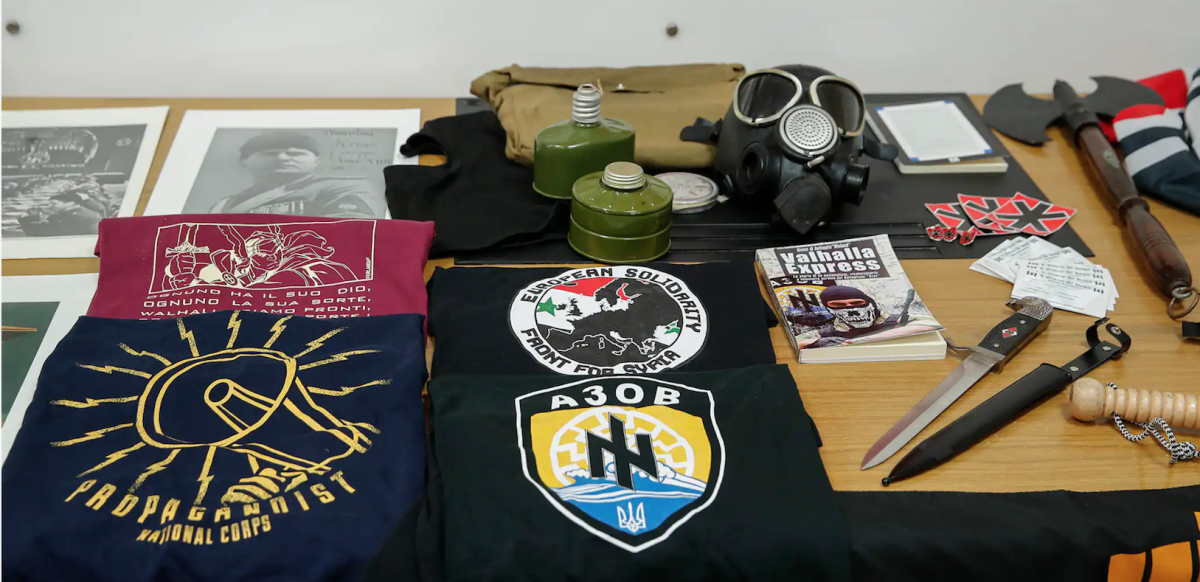
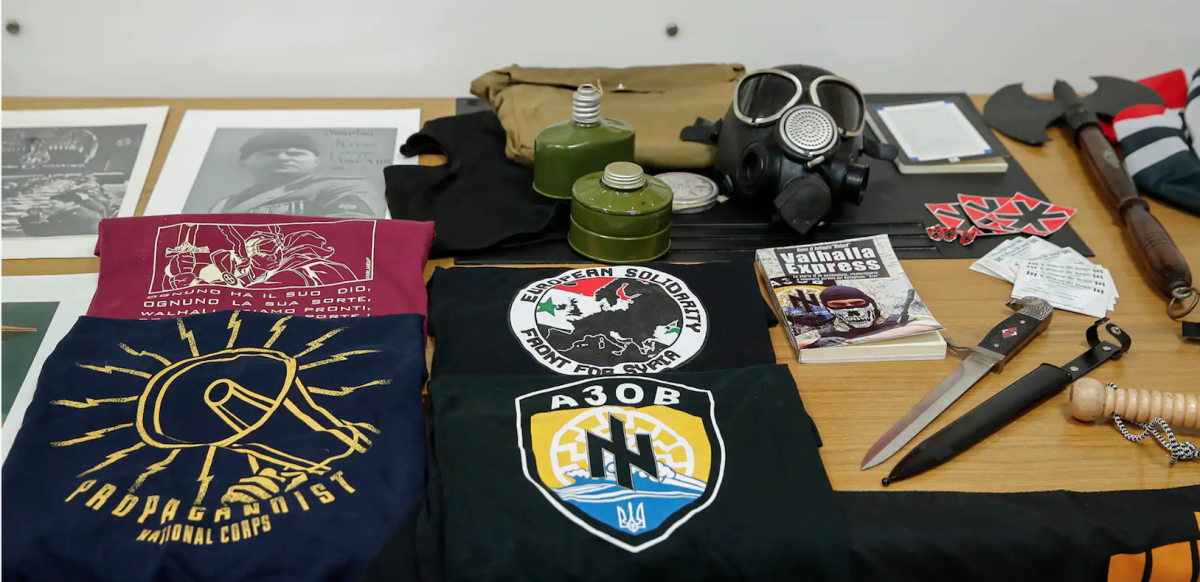
HagalItalian police carried out raids against an armed neo-Nazi network called the Order of Hagal, arresting five suspected militants. Searches in Naples and other cities turned up large caches of fascist regalia. In addition to swastika flags and Mussolini portraits was a banner of Ukraine's Azov Battalion, with whom one member of the network is said to have fought. This is avidly jumped on by Putin propaganda outlet Grayzone, under the headline: "Blowback: Italian police bust Azov-tied Nazi cell planning terror attacks." Grayzone of course fails to mention that in the press photos where the regalia is displayed, the Azov Battalion ensign appears directly below that of the European Solidarity Front for Syria, a pro-Assad formation rooted in Italy's far-right Casa Pound movement. (Photo: IPA/Fotogramma via  Sky TG24. Fair use rights asserted.)

Bolivia: soy boom fuels Santa Cruz unrest

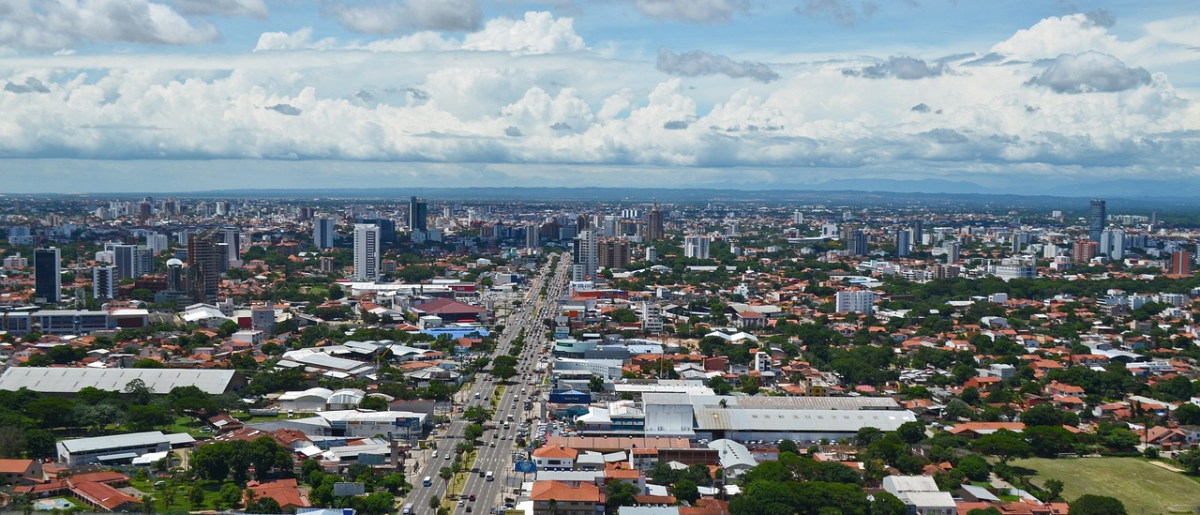
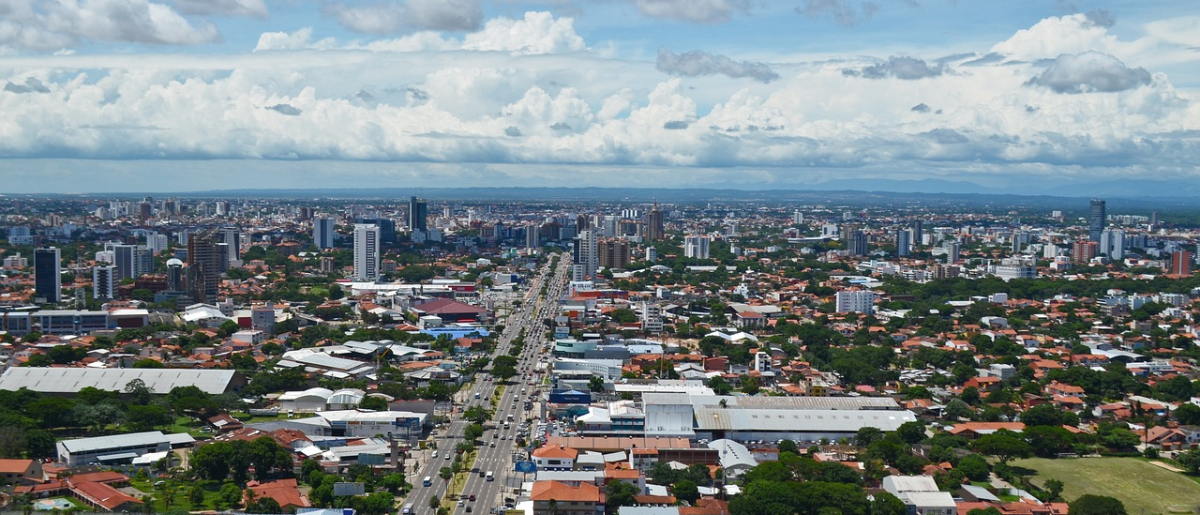
Santa CruzBolivia's eastern lowland city of Santa Cruz has been rocked by roadblocks and street clashes since an indefinite paro (civil strike) was called by right-wing opposition groups last month. With the open support Santa Cruz departmental governor Fernando Camacho, strikers are demanding that a new census be held next year rather than in 2024, as is currently scheduled. The last census was in 2012, and the region's population has swelled with an influx of migrants since then. At issue is greater funding for the department, and more slated congressional seats ahead of the 2025 elections. Resentment against the central government is in large part driven by the designs of the region's land barons to expand the agricultural frontier into the expansive terrains declared off-limits as protected areas, reserves for indigenous peoples, or the titled holdings of campesino communities. A boom in soy and beef for export is especially fueled by Chinese investment and market demand. (Photo: Pixabay)

COP27: progress on ‘loss and damage,’ not mitigation

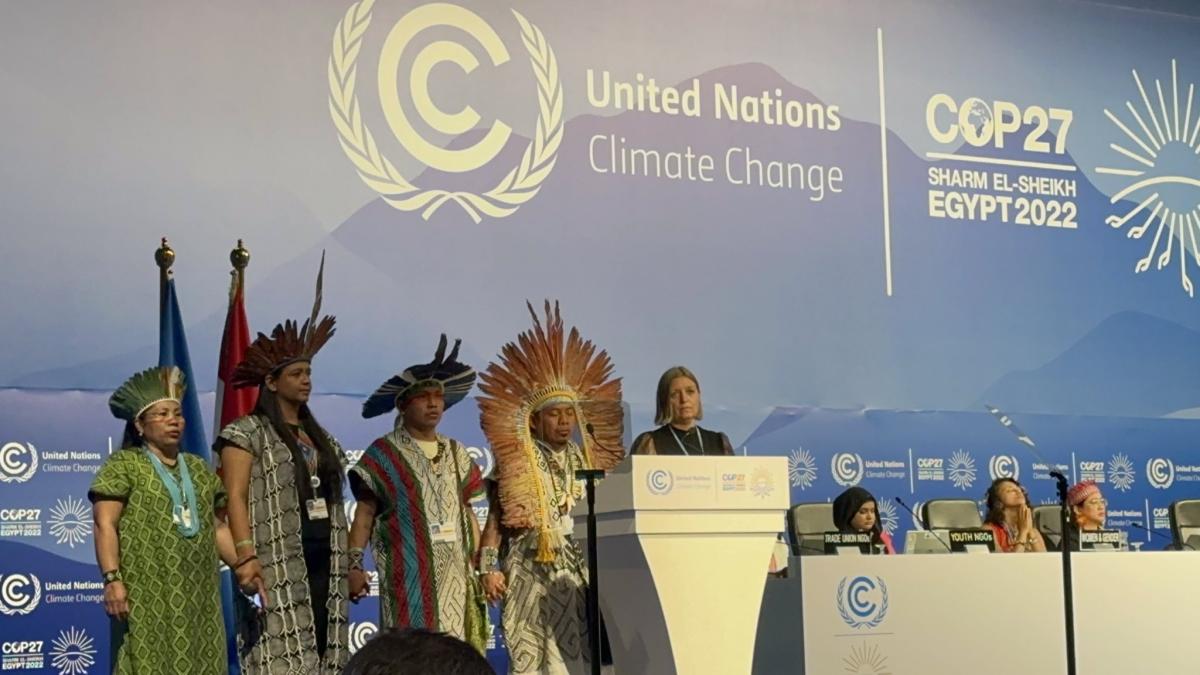
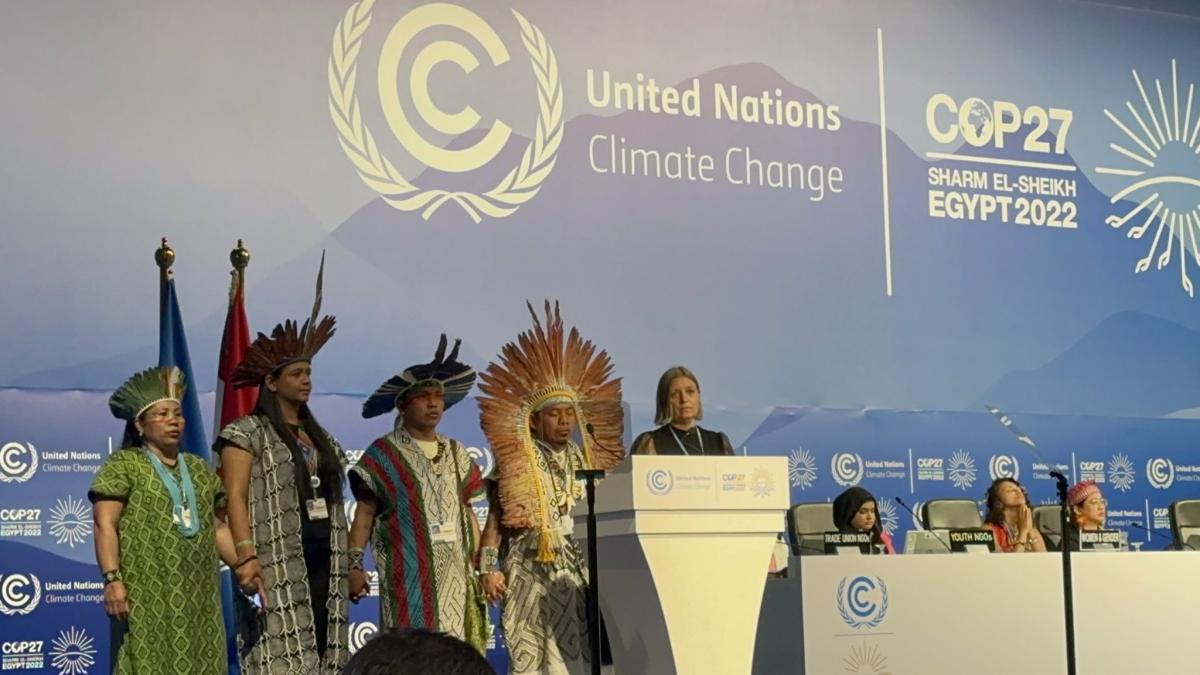
COP27The 27th UN Climate Change Conference (COP27) closed with what was hailed as a breakthrough agreement to establish a "loss and damage" fund for vulnerable countries on the frontlines of climate disasters. Yet no action was taken to stop oil and gas expansion from fueling further disasters. India had pushed a proposal to extend to all fossil fuels the agreement to "phase down" coal reached last year at COP26 in Glasgow. A broad coalition of more than 80 countries took up the call, but host country Egypt, holding the presidency of the conference, was able to block the measure, acceding to powerful opponents prominently including Saudi Arabia and Russia. It should be noted that while Saudi Arabia and Russia are key oil and gas producers, India is a major coal producer—and fought for weaker language on the coal "phase down" at Glasgow. So the battle lines seem to reflect competition between different sectors of the hydrocarbons industry. (Photo: Tribal Army)