


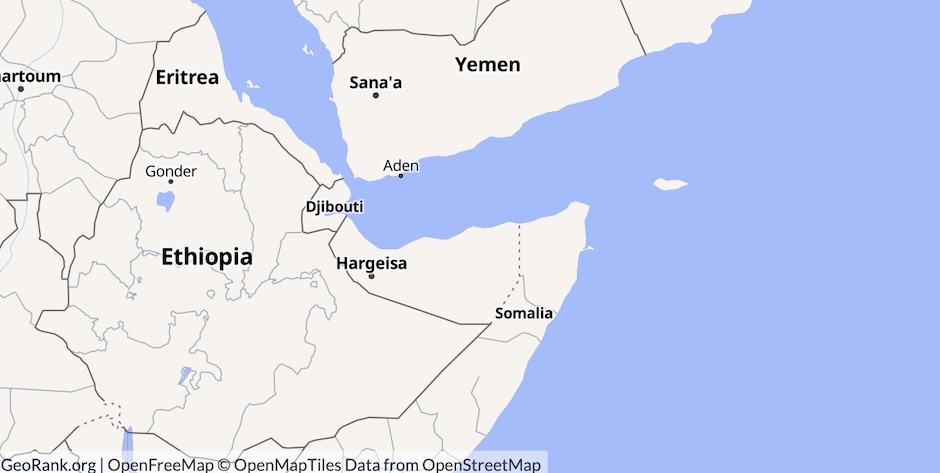
Piracy off the coast of Somalia is back, underlined by the dramatic rescue of a hijacked Iranian fishing vessel and its crew Nov. 2 by Indian naval forces. There have been at least 15 pirate attacks off Somalia since the start of the year, compared to five last year and the handful recorded annually since 2013. Piracy was kept in check for over a decade by a combination of private security forces, naval patrols, and land-based development initiatives. But it has historically thrived during periods of domestic political instability—and Somalia is in deep crisis. The conflict between the United States and Iran has added a powerful regional dimension. International naval attention is now on the Strait of Hormuz and the Red Sea, while the insecurity has re-routed maritime traffic closer to Somalia’s coastline, creating more opportunities for the hijack-for-ransom business model. Meanwhile, sharply rising inflation and cuts to aid have left many Somalis looking for new incomes, and pirate groups are known to be generous employers.
From The New Humanitarian, Nov. 6
Map: GeoRank.org


Somalia Supreme Court orders elections within 90 days
Somalia’s Supreme Court ruled Nov. 5 that the terms of President Hassan Sheikh Mohamud and the federal parliament have expired, ordering political leaders to agree on an electoral framework within 30 days and hold elections within 90 days. The five-judge panel held that constitutional changes extending presidential and parliamentary terms from four to five years did not automatically apply to officials already in office. Former president Sharif Sheikh Ahmed brought the challenge.
The attorney general’s office rejected the term-limit ruling, arguing that it had no legal effect and pledging further legal action. The office disputed the court’s jurisdiction, Ahmed’s standing, and the composition of the judicial panel.
Mohamud’s administration maintains that the constitutional changes permit him to remain in office until May 2027 as Somalia prepares to replace indirect elections with universal suffrage. Opposition leaders and the Puntland and Jubaland administrations have opposed the government’s approach to constitutional and electoral reform. (Jurist)