
Planet Watch
crop yields

UN warns of global spike in food prices

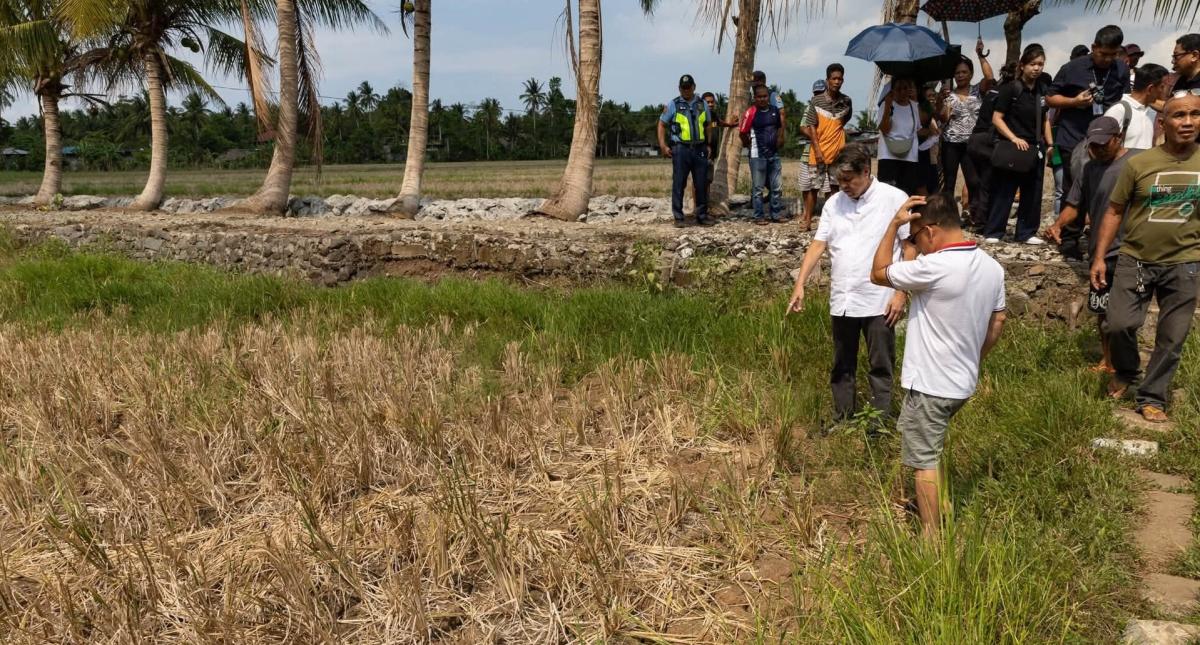
The United Nations reported that the cost of key foods increased in July as a result of searing heatwaves and ongoing geopolitical instability, which have affected crop yields and global energy prices amid persistent hunger risks in multiple countries. This situation is attributed to recurrent heatwaves, predicted effects of El Niño on this year’s harvests, and growing uncertainty resulting from geopolitical tensions that have impacted the price of oil and disrupted global supply chains. (Photo: officials inspect dry rice fields in Philippines. Credit: Sen. Kiko Pangilinan via Wikimedia Commons)

South Asia
CJP

India: emergency powers amid Cockroach protests

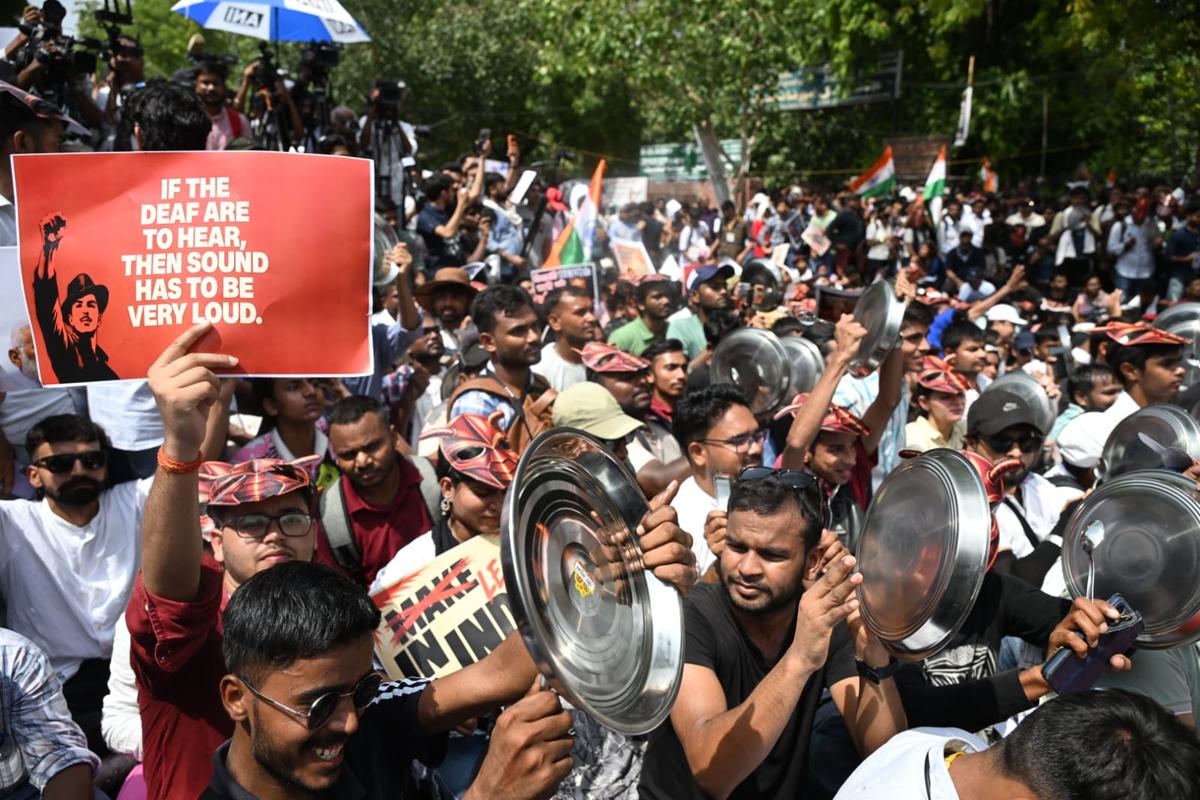
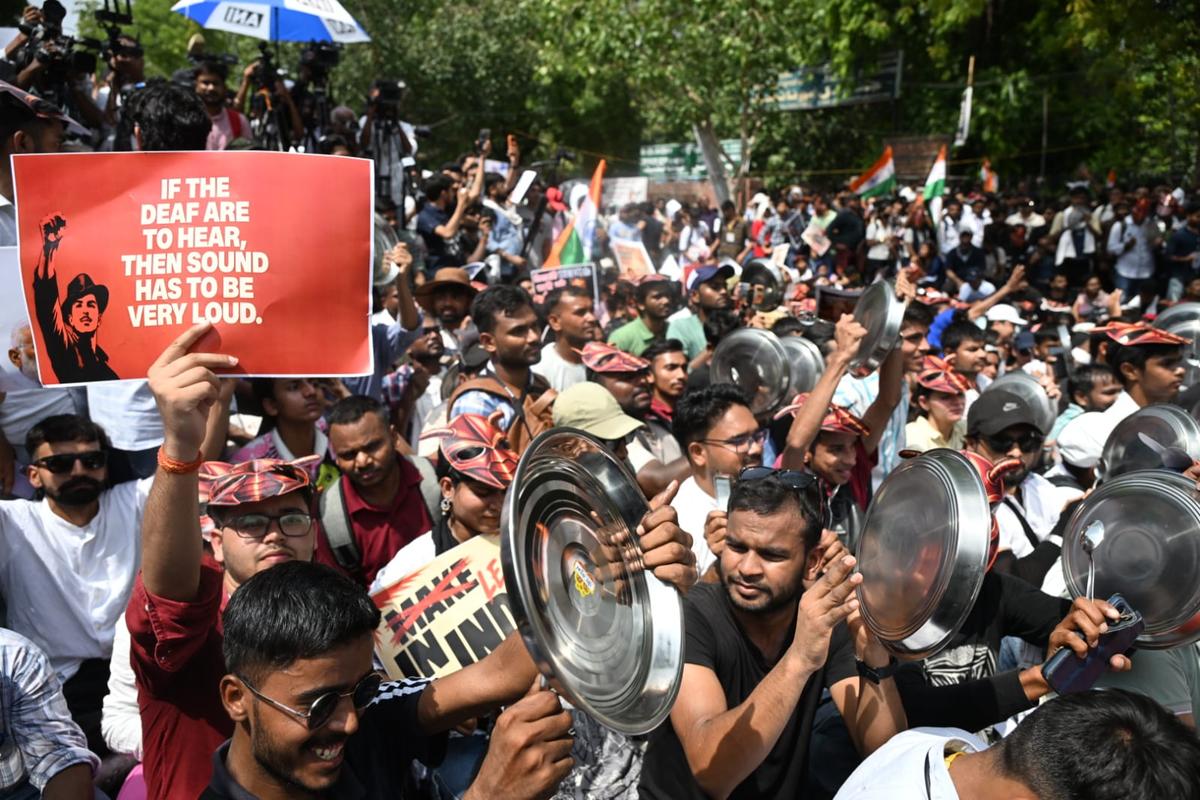
Amnesty International condemned the decision of Delhi’s lieutenant governor to invoke Section 3(2) of India’s National Security Act (NSA), which grants police the power to hold individuals in administrative detention without procedural guarantees. The move to invoke this contentious section of the NSA comes amid mass youth protests in India, led by the satirical Cockroach Janta Party, demanding accountability over apparent examination paper leaks that affected millions of students. (Photo: Pelph Hoters via Wikimedia Commons)

Greater Middle East
Gen Z

Egypt: dozens detained over Gen Z online group

Amnesty International called on authorities to immediately release dozens of people detained in Egypt over their alleged involvement with Gen Z002, a Discord-based group used to discuss political issues, criticize government policies, and host dialogue about bringing meaningful change to the country. In January, Gen Z002 organized an online poll titled “Popular Referendum to Remove El-Sisi,” which asked participants whether or not they supported removing President Abdel Fattah El-Sisi from power. Reports indicated that the poll received more than 330,000 responses and spread across social media platforms through Arabic-language hashtags. (Image via Facebook)

Planet Watch
Gen Z

Podcast: world revolution & the digital contradiction

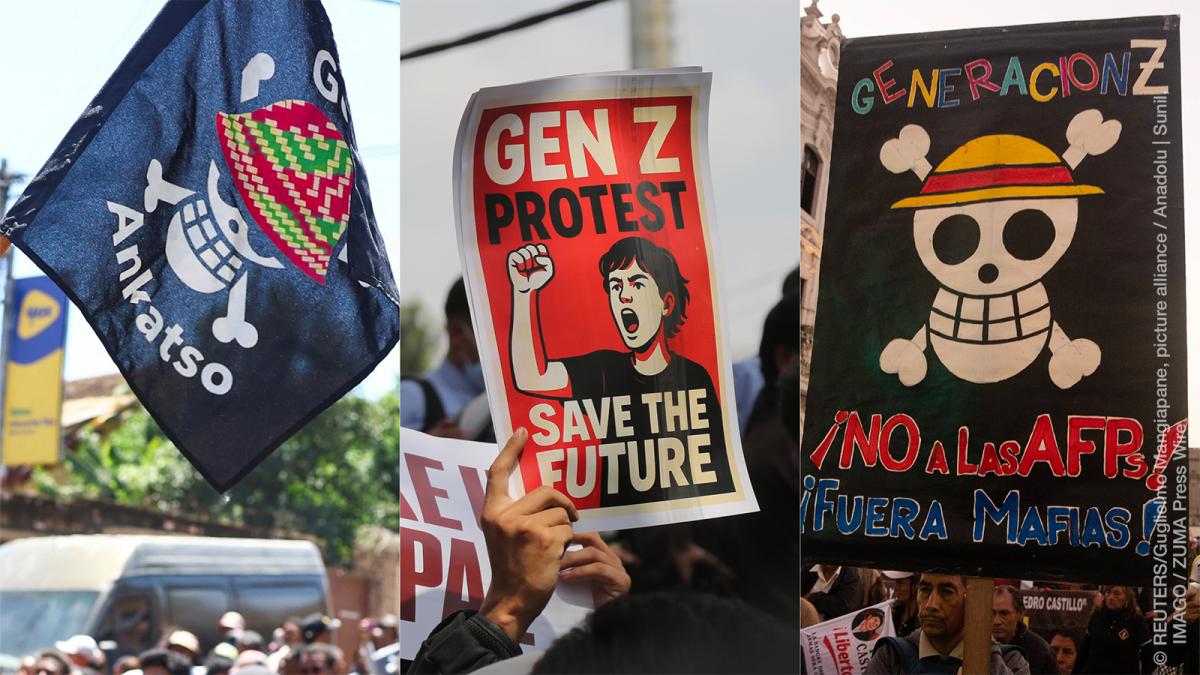
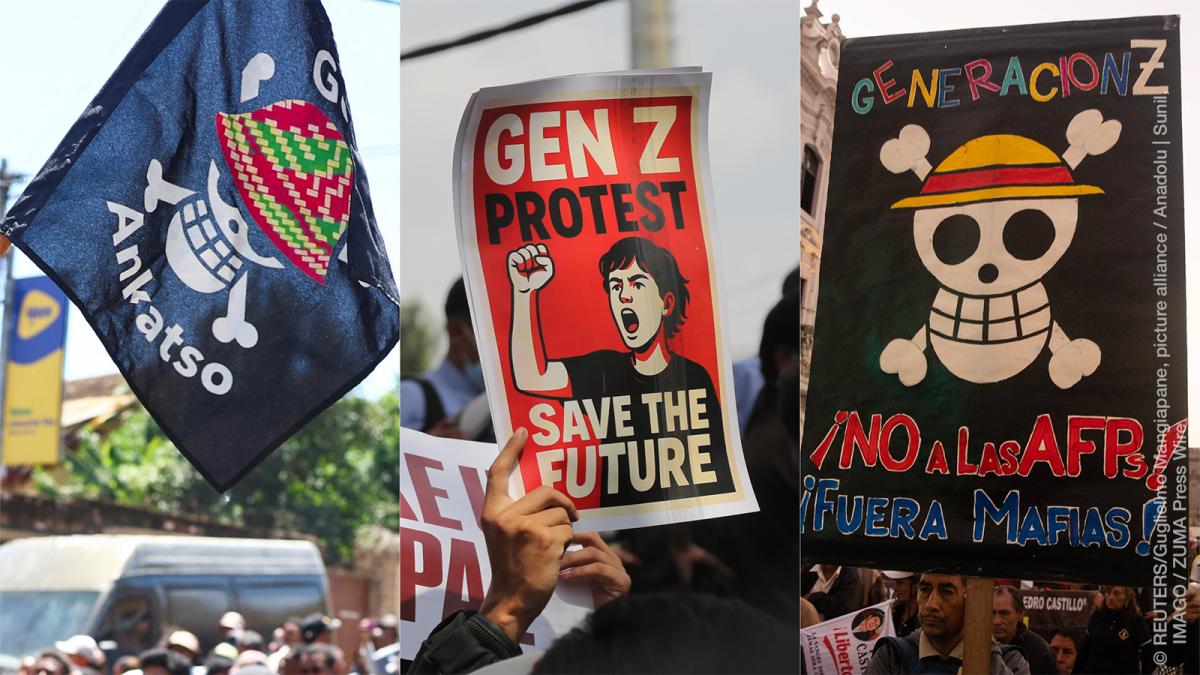
Protests break out in Russia over the new internet restrictions imposed by the Putin regime, while social media and instant messaging have become the “new public square” for the Gen Z protests that have swept the planet over the past months. Exemplifying the identification with online culture, a pirate flag from a Japanese anime series has become the global emblem of the Gen Z resistance. The new youth social media bans in a growing number of countries are opposed by human rights and civil-liberties groups for good reason. Yet the dystopian side of digital technology becomes more apparent each day—from the climate impacts of data centers, to cynical attempts to sell nuclear power as “clean energy” (sic!) to meet the surging electricity demand, to the digital colonization of human consciousness. Protests are also emerging to the new techno-fascism, and this critique must be central to any true oppositional movement. In Episode 321 of the CounterVortex podcast, Bill Weinberg grapples with the contradiction. (Composite image via GIGA. Gen Z protesters in different countries use appropriated image from One Piece manga. Fair use rights asserted.)

Planet Watch
WFP

WFP: mass food insecurity if Middle East conflict continues

The World Food Programme (WFP) warned that the escalating hostilities in the Middle East could lead to record levels of food insecurity, and the largest disruption in the global economy and humanitarian efforts since the COVID-19 pandemic. Due to the heavy reliance of food and aid distribution on energy, the skyrocketing price of oil has placed heightened strain on already over-stretched aid supply lines. WFP chief operating officer Carl Skau said: “If this conflict continues, it will send shockwaves across the globe, and families who already cannot afford their next meal will be hit the hardest.” Skau urged the international community to mount an adequately funded humanitarian response. Sudan and Somalia were named as particularly vulnerable. (Photo: Alex Blokha via Wikimedia Commons)
Europe
Paris

Arrests as French farmers protest EU-Mercosur trade deal

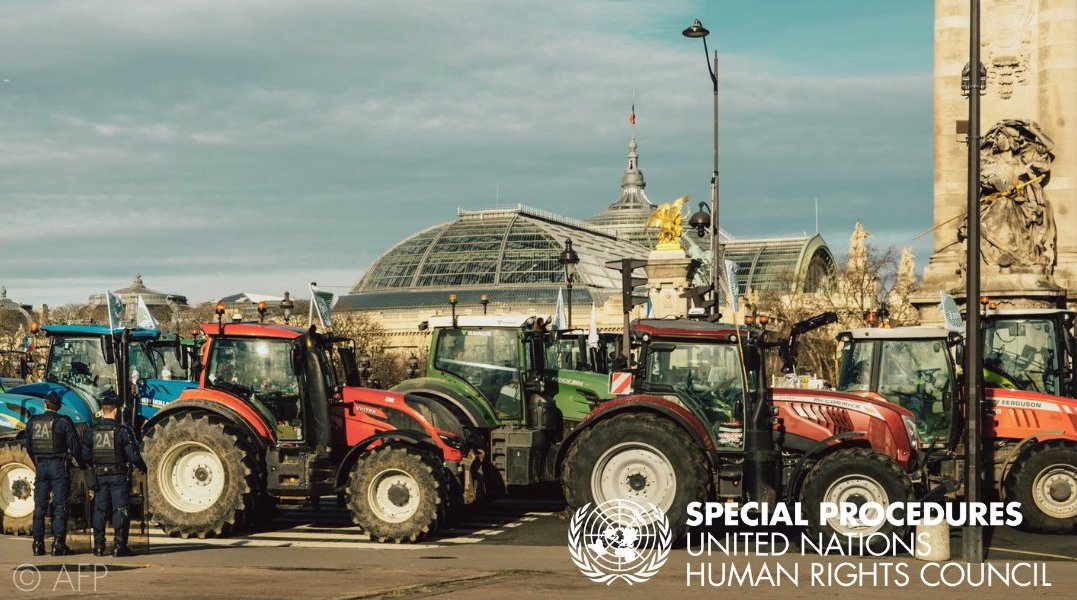
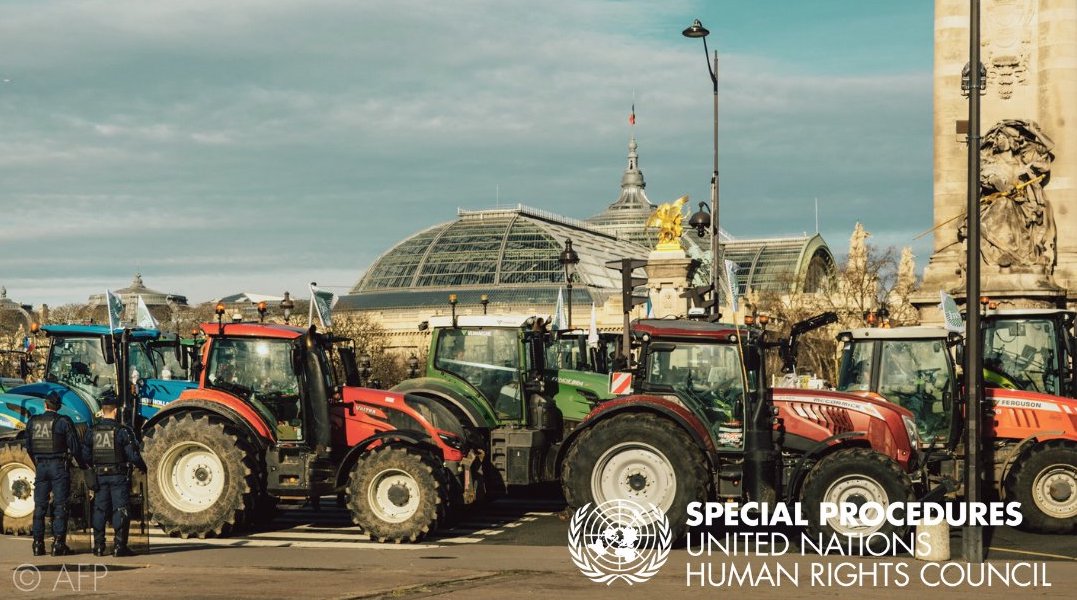
UN experts cautioned against the escalating use of arrests and criminal proceedings against agricultural trade union activity in France, after authorities detained 52 farmers during peaceful protests in Paris. Union leaders and members of the Confédération Paysanne held protests in opposition to the EU-Mercosur Deal, signed in December 2024 but still pending ratification, which would reduce tariffs and more deeply link the European market with the bloc of South American nations. Participants unfurled banners in offices of the Agriculture Ministry in protest of the agreement. Protesters included a large delegation from the French overseas regions of Guadeloupe, Martinique, French Guiana, Reunion and Mayotte, all of which have denounced unfair import costs imposed upon them by the government. Three key spokespersons were among those arrested. (Photo: UN Human Rights Council via Twitter)

Iran
ICE

Iran & Minneapolis: fearful symmetry

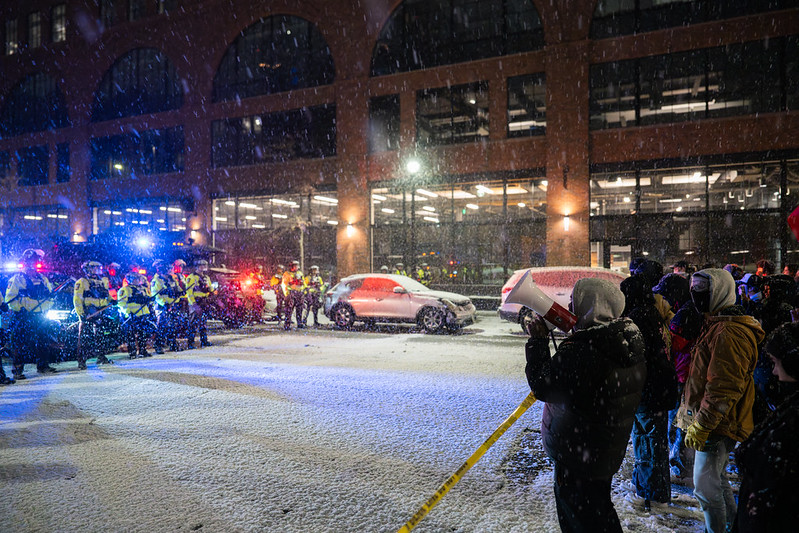
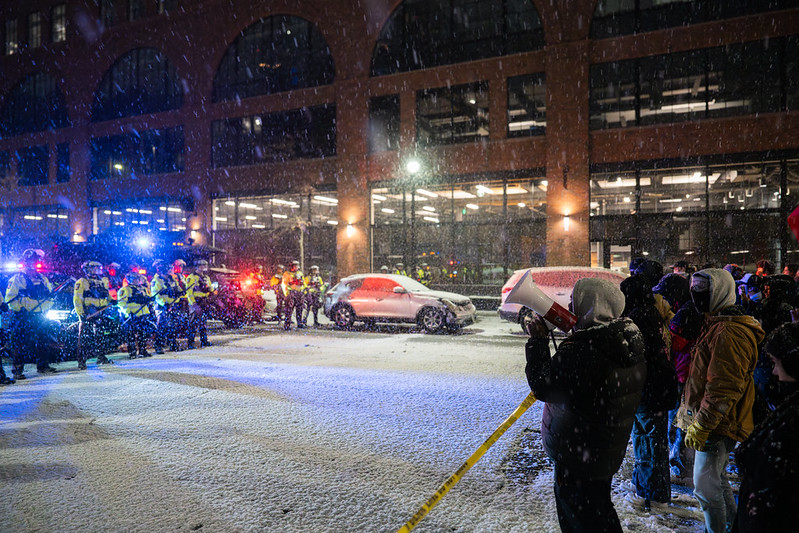
As ICE agents open fire on protesters in Minneapolis, Portland and Los Angeles, Trump frames his military threats against Iran in terms of human rights and democracy—an atypical nod back to the neocons. Following mass deadly repression, the protests in Iran appear to have abated—for now. In Minnesota, both Trump and protesters are turning up the heat. Trump’s blatant hypocrisy highlights the imperative of international solidarity. The challenge for stateside protesters is to repudiate the calumny that the Iran protests are CIA or Mossad astroturf, and recognize them as a genuine self-organized popular uprising. The challenge for Iranian protesters is to repudiate Trump’s bid to exploit them for his imperial ends, as well to reject the ambitions of the reactionary “crown prince” Reza Pahlavi to install himself as leader. In Episode 313 of the CounterVortex podcast, Bill Weinberg urges that explicit mutual support between the anti-authoritarian struggles in the US and Iran is what can move the historical process forward at this grim hour. (Photo: Chad Davis)

Iran
#iranprotests

Iran: mass repression under internet blackout

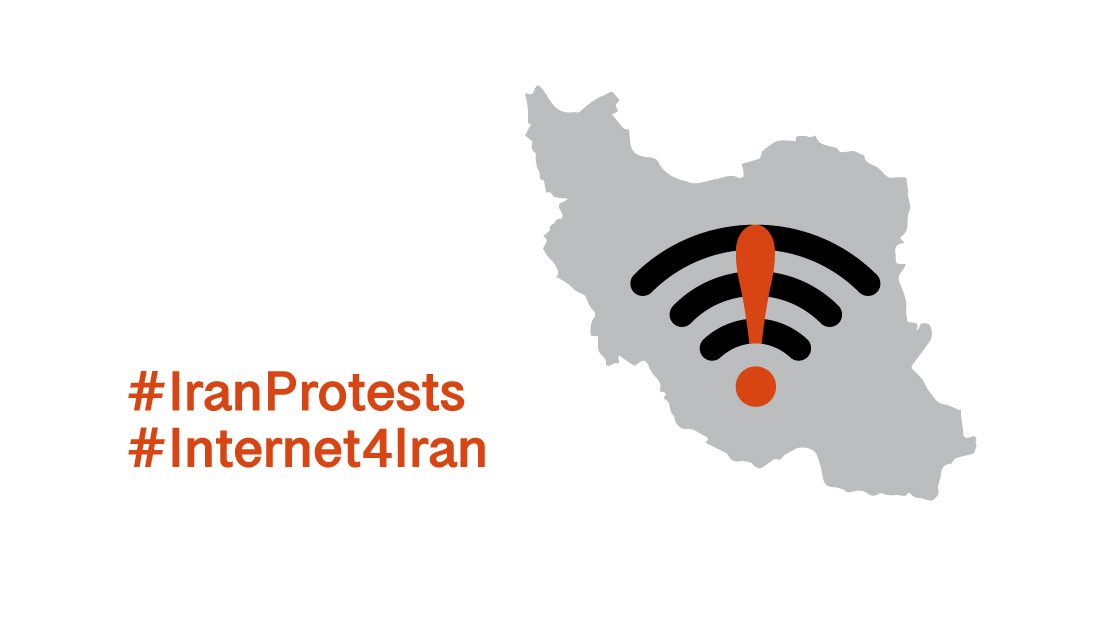
As angry protests spread across Iran, the government has shut down internet and telecommunications access across the country. Under the cloak of internet darkness, there is reason to believe a general massacre of demonstrators is underway, with reports emerging of hospitals overwhelmed with casualties. Some estimates have placed the death toll at nearly 600. The Iranian government has only intensified its rhetoric. Chief Justice Gholam-Hossein Mohseni-Ejei promised no leniency for protesters, whom he characterized as “enemies of the Islamic Republic of Iran.” (Image: Hajar Morad via Twitter)

Africa
Bobi Wine

Uganda: police repression in lead-up to elections

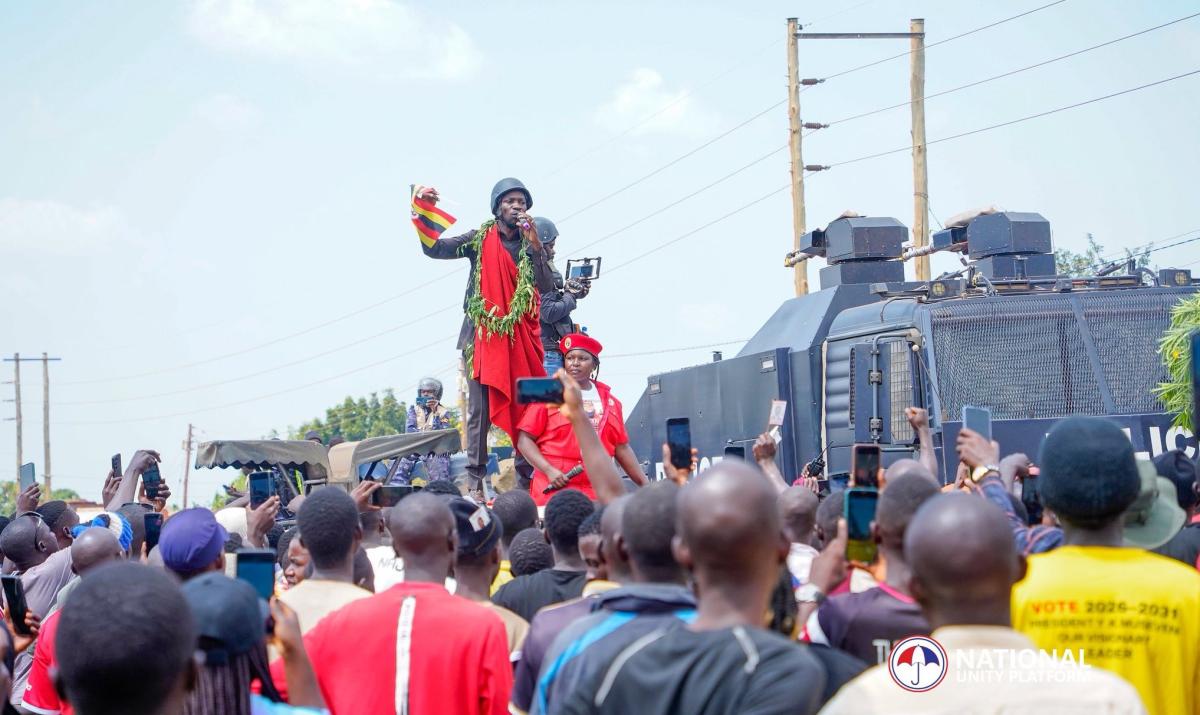
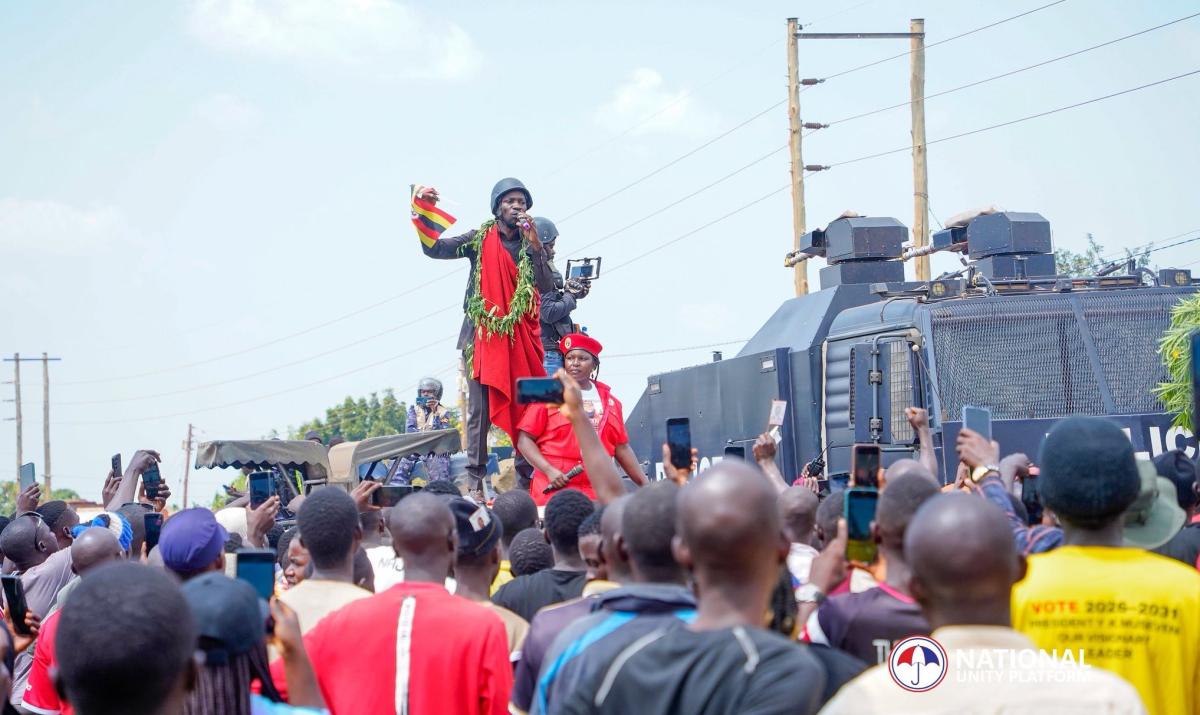
Amnesty International reported that Ugandan security forces have unlawfully targeted opposition rallies with excessive force and arbitrary arrests, with some detainees subject to torture and other mistreatment. Protests have mounted nationwide in the lead-up to this month’s election, in which President Yoweri Museveni of the long-entrenched National Resistance Movement seeks an to extend his 40-year rule. He faces a challenge in leading opposition candidate Robert Kyagulanyi Ssentamu, popularly known as Bobi Wine, of the National Unity Party. Wine has repeatedly spoken out against the repression faced by his supporters, and explicitly likened his campaign to a battle, saying: “Our campaign is not the ordinary campaign. We are almost at war. You can see the soldiers and vehicles deployed. These people even knock and kill our supporters.” (Photo: Bobi Wine campaigning in helmet and flack jacket alongside police armored vehicle. Credit: National Unity Party)

Iran
Tehran

Protest wave spreads across Iran

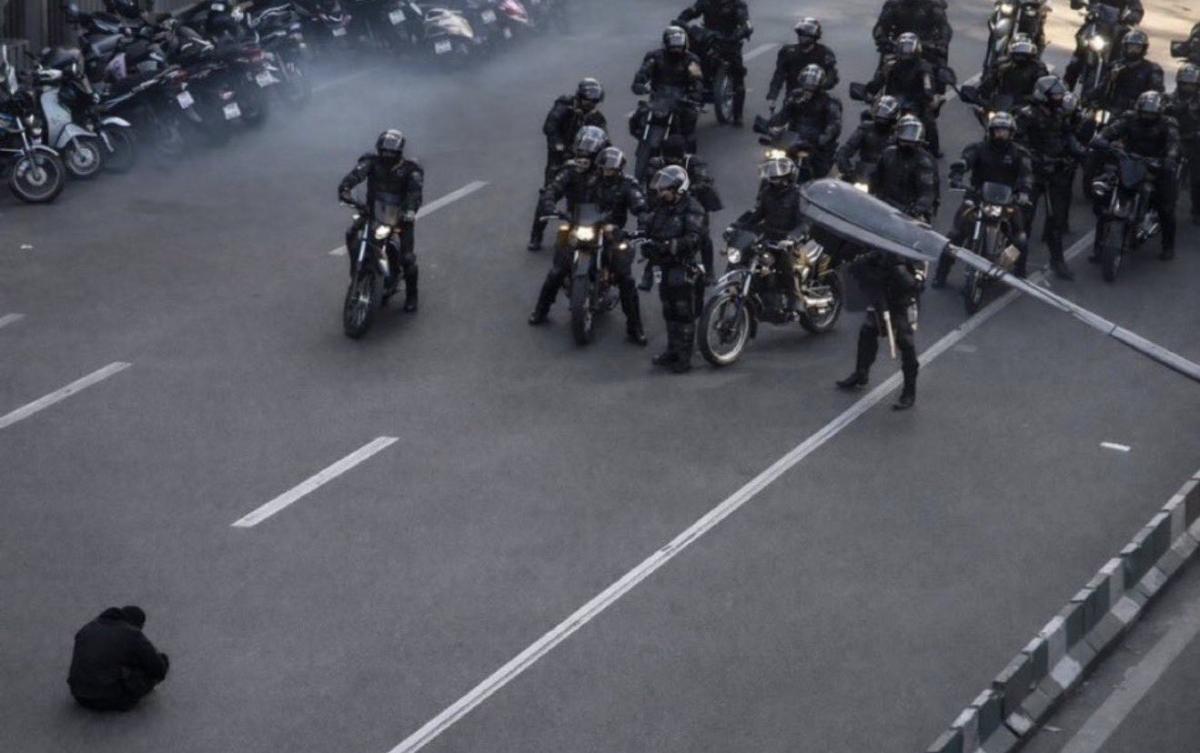
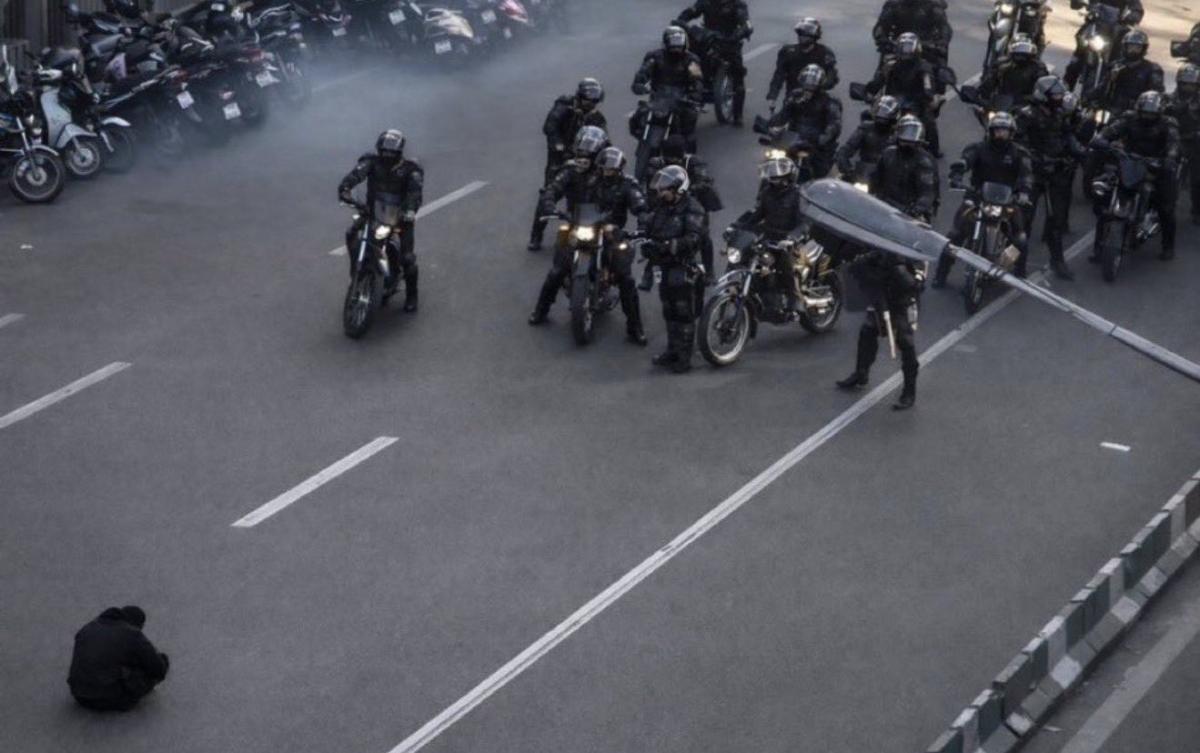
On the third day of protests by Tehran bazaar merchants in response to the dire economic situation in Iran, the strike started to spread across the country. Shopkeepers in Isfahan, Ahvaz, Shiraz, Kermanshah and Najafabad closed their stalls and held protest gatherings, where they were joined by students who walked off university campuses. Security forces responded with multiple arrests and the use of live fire and tear-gas, with one student reported severely injured in Tehran. Protest slogans escalated beyond economic grievances, openly targeting clerical rule and Supreme Leader Ayatollah Ali Khamenei. A photo of a lone protester blocking a column of police motorcycles on a Tehran freeway has gone viral, drawing comparisons to the iconic “tank man” photo from Tiananmen Square in June 1989. (Photo via Twitter)

Southern Cone
Chile

Chile’s turn to the hard right

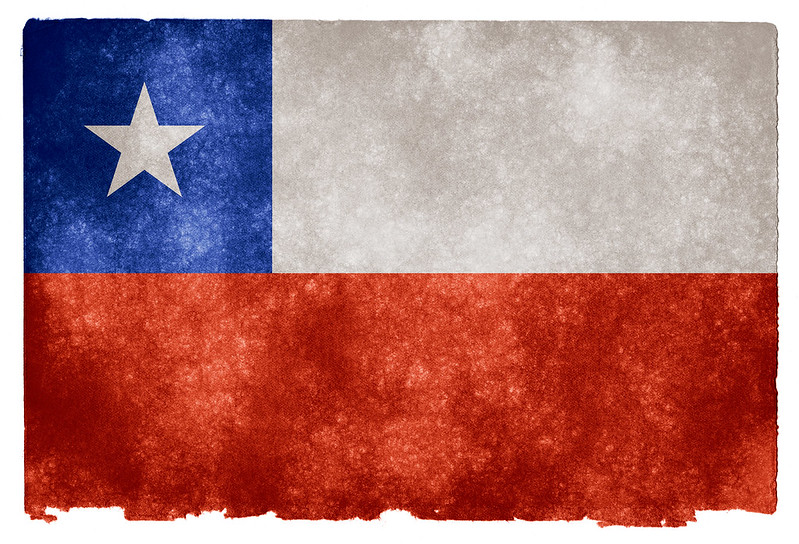
The rising wave of far-right populism has arrived in Chile with the victory in the presidential race of José Antonio Kast, an ultra-conservative who campaigned on fighting crime and carrying out mass deportations. Emulating Donald Trump, Kast exploited a backlash against migrants—especially Venezuelans—and pledged to build a separation wall on the border with Peru. His victory marks the country’s sharpest shift to the right since the restoration of democracy after the brutal dictatorship of Augusto Pinochet 30 years ago—an era and figure that Kast has openly admired. (Image: Nicolas Raymond via Flickr)

Africa
Tanzania

Post-electoral violence rocks Tanzania

Protests have escalated in Tanzania following elections widely viewed as a sham. Violence erupted on polling day over the exclusion from the ballot of President Samia Suluhu Hassan’s two biggest challengers, and increasing government repression. The protesters defied a heavy security presence to target polling stations, police vehicles, and businesses connected to the ruling party, some chanting “We want our country back!” An unknown number of people were shot dead, and Amnesty International has called for an investigation. Protests continue despite an internet blackout and the deployment of soldiers to enforce a lockdown. (Photo via Twitter)