South Asia
Tamang

Deadly Sikkim GLOF: a disaster foretold

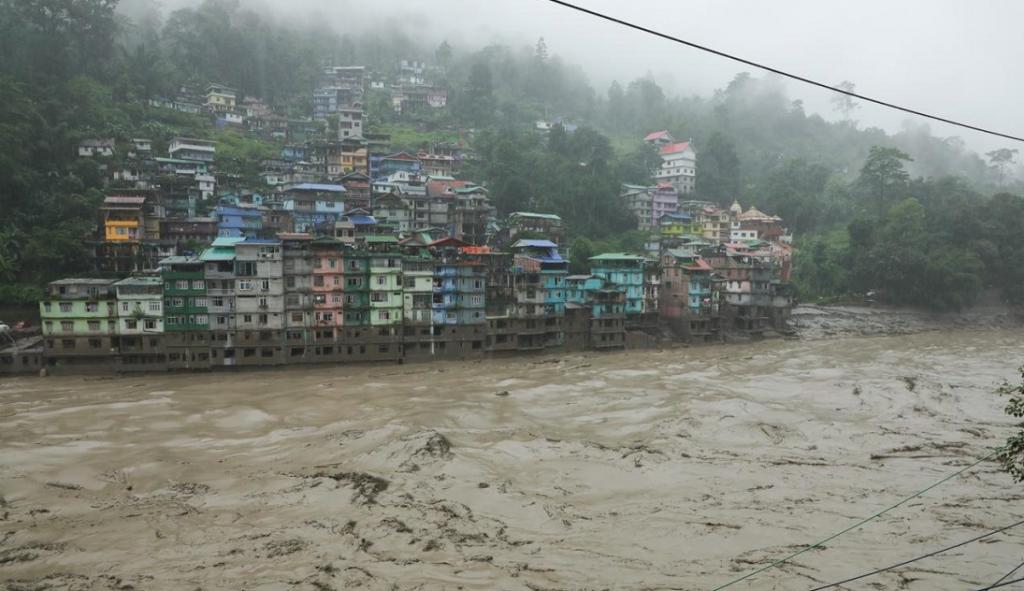
At least 14 people were killed and over 100 are missing after South Lhonak glacial lake in the Indian state of Sikkim burst due to incessant rains, inundating downstream areas. The sudden deluge on the Teesta River destroyed the Chungthang dam and flooded several districts. Many residents remain cut off. Scientists had long warned that South Lhonak lake would burst. A detailed study, Future Glacial Lake Outburst Flood (GLOF) hazard of the South Lhonak Lake, Sikkim Himalaya, was published in Geomorphology journal in September 2021. It noted that the lake had witnessed a significant increase in size over the past decades due to glacial retreat. India’s Central Water Commission had initiated an advisory to evaluate the condition of the Himalayan lake system in Sikkim. (Photo via DownToEarth)

Europe
RKAS

Ukraine: anarchists reject Moscow propaganda

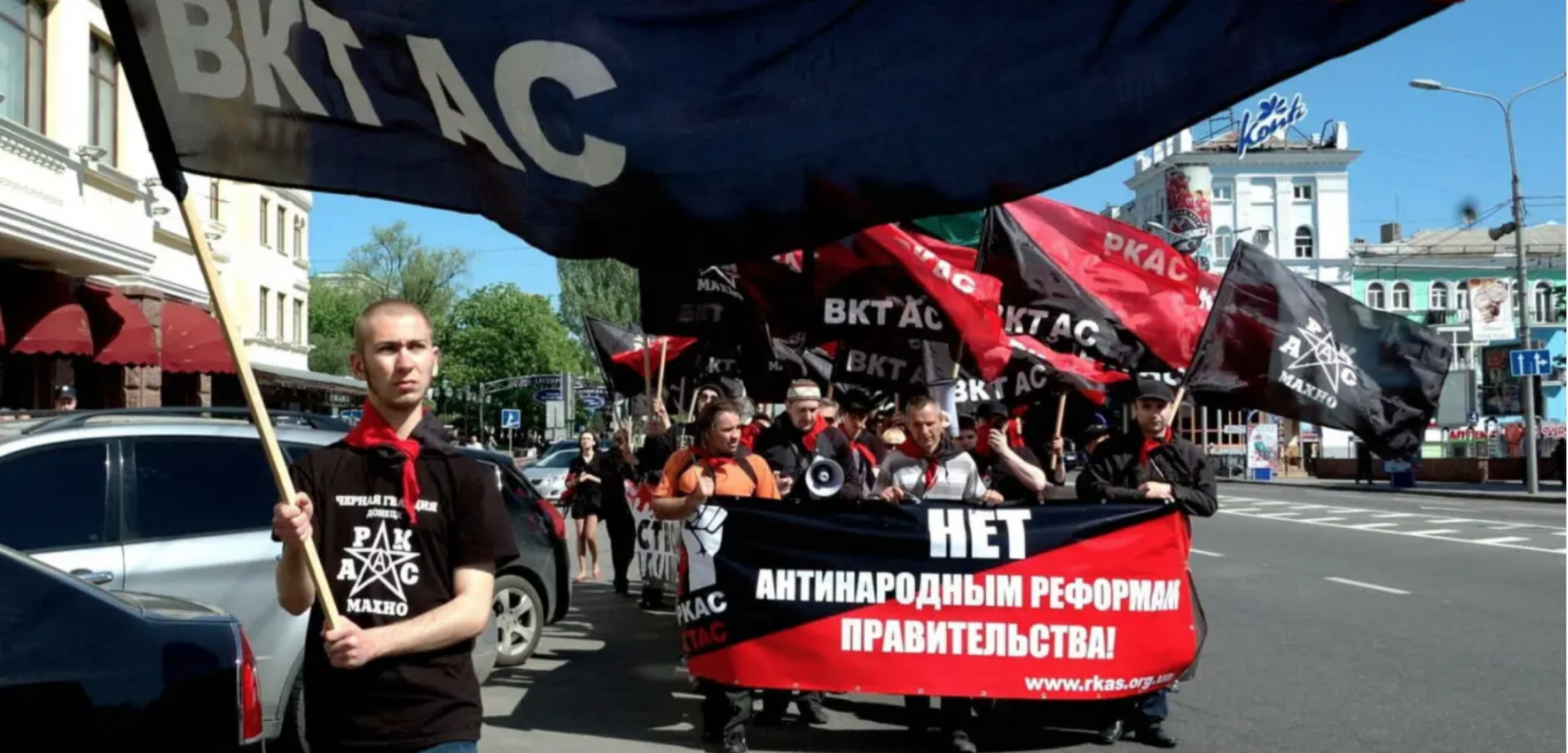
The British anarchist journal Freedom features an interview with Ukraine’s Revolutionary Confederation of Anarcho-Syndicalists (RKAS), challenging the hegemony of Russian propaganda on the supposed anti-war left in the West, entitled “‘Leftists’ outside Ukraine are used to listening only to people from Moscow.” The two longtime RKAS militants interviewed are Anatoliy Dubovik, born in Russia but now living in Dnipro, and Sergiy Shevchenko, from Donetsk but forced to relocate to Kyiv after the Russian-backed separatists seized power in Donbas. Both have been involved in protests against the Ukrainian government’s gutting of labor protections and other “neoliberal” reforms. But they strenuously reject the flirtation between elements of the international left and the authoritarian Donbas separatists and their Russian sponsors. They especially protest Western lecturing to Ukrainians that they must “negotiate”—which inevitably means ceding territory to Russia in exchange for “peace.”

Oceania
Nauru

Pact indefinitely keeps open ‘Australia’s Gitmo’

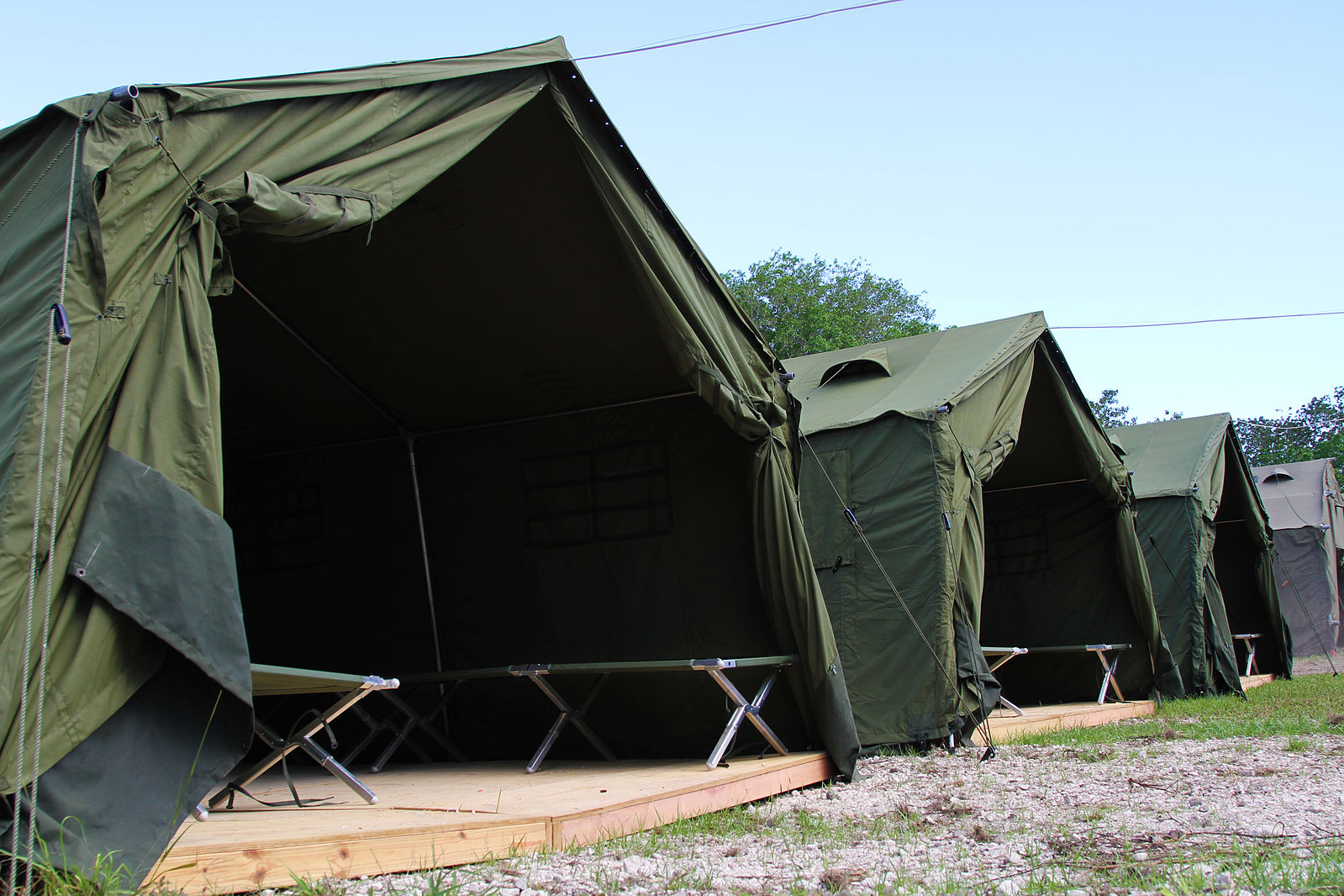
A new memorandum of understanding was signed allowing Australia to continue to indefinitely detain asylum seekers at a facility on the Pacific island of Nauru. Since 2012, asylum seekers arriving by boat have been barred from settlement in Australia and sent to offshore detention centers instead. The deal extending use of the Nauru facility comes just as the governments of Australia and Papua New Guinea (PNG) finally reached an agreement to close the contentious Manus Island Regional Processing Center, which was found to be illegal by the PNG Supreme Court in 2016. Most of those held there are now to be transferred to Nauru. Both the Manus Island and Nauru facilities have been criticized by rights groups as “Australia’s Guantánamo.” (Photo of Nauru facility via Wikipedia)

Syria
Rojava

Turkey prepares ‘humanitarian’ genocide of Kurds

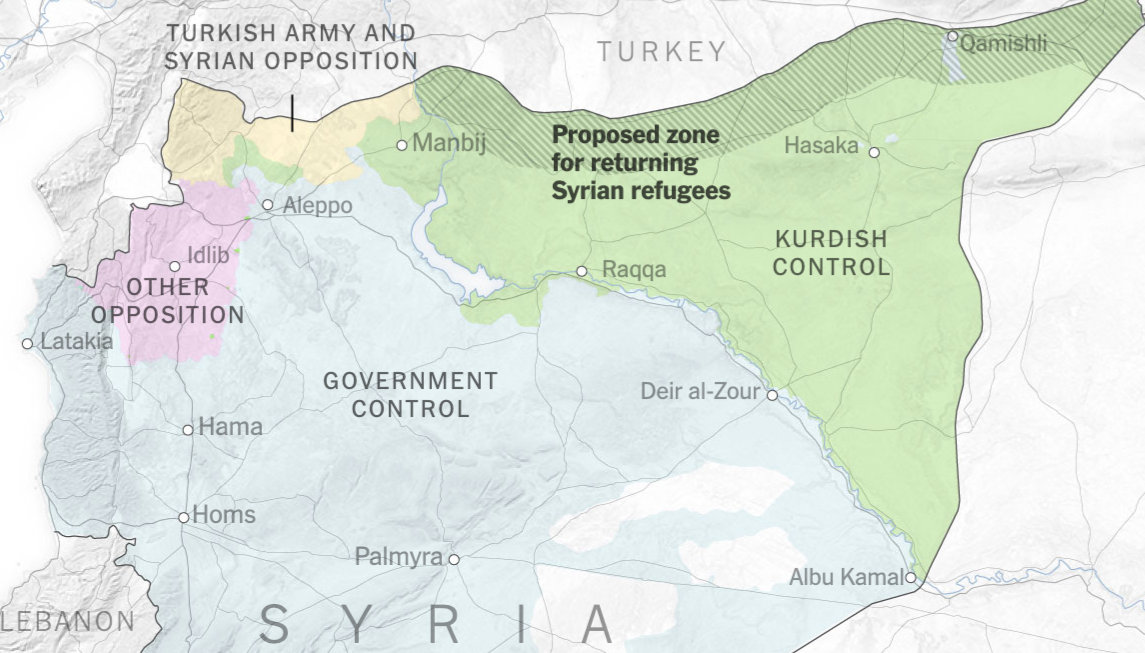
Turkey launched its assault on the Kurdish autonomous zone in northern Syria, with air-strikes and artillery pounding areas along the Syrian-Turkish border. Hundreds of civilians have fled the bombardment, headed south into areas still held by Kurdish forces. President Recep Tayyip Erdogan is cloaking this aggression in the guise of a “safe zone” for refugees, a humanitarian operation. In reality, Erdogan is exploiting the refugees as demographic cannon fodder, using them to populate areas Kurds are now to be displaced from, creating a new class of refugees, pitting Arabs against Kurds, and establishing the conditions for potentially generations of Arab-Kurdish ethnic war in northern Syria. (Map: Genocide Watch)

The Andes

Colombia: Supreme Court justice gets prison

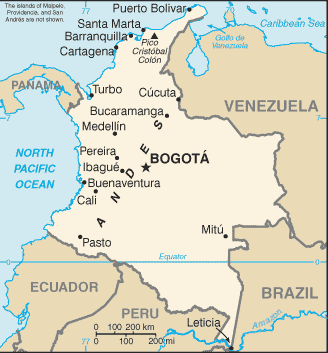
Francisco Javier Ricaurte Gómez, one of the most powerful men in Colombia's justice system for the past 15 years, is now the first former chief magistrate of the country's Supreme Court to go to prison. He is the most senior of several top judges and judicial officials convicted in accepting bribes to pervert criminal cases related to paramilitary activity and illegal resource exploitation.

The Andes

Colombians re-mobilize for peace

Thousands marched for peace across Colombia as President Manuel Santos was awared the Nobel prize for his accord with the FARC—despite its rejection in a plebiscite.

KURDISTAN’S FEMALE FIGHTERS

Kobanê Style Revolution


by Houzan Mahmoud, Huffington Post

The role of women in war, peace and revolution has long been portrayed in manifold, often contradictory ways. Images of women as victims, pacifist peace-makers, protestors, and home-makers have dominated literature. Opposed to these images we find that the male figure is represented as a fighter, the ones who take part in war and defend the motherland against the enemy. The homeland is thus a female body, a passive and defenseless geography which requires brave men to defend and protect her. It could be argued that history is written by men; therefore they narrate it in a manner that suits the usual gender stereotypes.

The Middle East, North Africa and their female populations in particular have been represented, portrayed and stereotyped in different ways, at different times and in different contexts. Take a look at the media coverage of the recent uprisings in the Middle East and North Africa region. News of the sexual harassment of women in the “Arab uprising,” brutal attacks, imprisonments and virginity tests of female protestors dominated the screens. Yet women played a significant role in these events. For them, the uprising was part of a long history of resistance to suppression and a lack of freedom in their countries. The fact is that women were fighting and have proved their existence despite the counter-revolutionary and anti-women treatment that they were receiving.

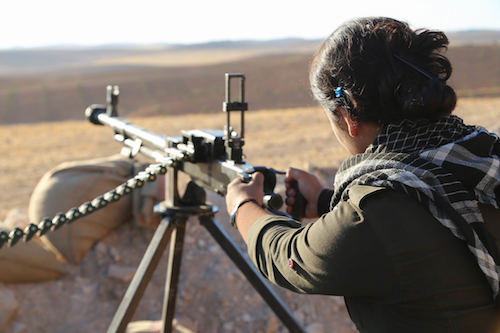
Today this portrayal is reversed. We now see photos, video footage, reports, documentaries and writing about the Kurdish female freedom fighters in Kurdistan. Kobanê, a predominantly Kurdish city in Rojava (Syrian Kurdistan) on the Syrian-Turkish border, is dominating our thoughts, our understanding and perception of the role of women in society and revolution.

Continue ReadingKURDISTAN’S FEMALE FIGHTERS 

South Asia

Climate change exacerbating Kashmir crisis?

Renewed fighting between India and Pakistan across the Line of Control in Kashmir follows devastating floods in the divided region, which have deepend local anger.