
North Africa

Podcast: Homage to Lounes Matoub

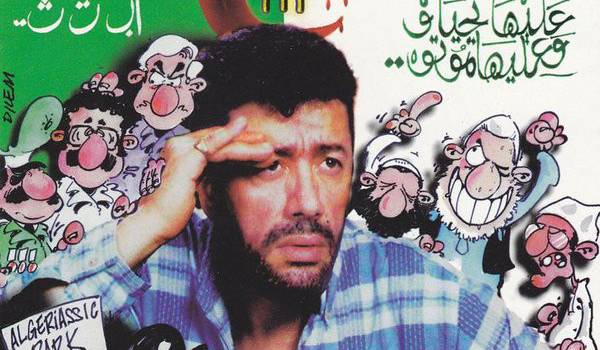
In Episode 12 of the CounterVortex podcast, Bill Weinberg pays homage to the martyred Berber singer and songrwiter Lounes Matoub on the 20th anniversary of his assassination. It remains unclear to this day if Matoub was killed by agents of the Algerian state or militants of the Islamist opposition—as both were equally opposed to the Berber cultural renaissance that he represented. The Berbers, or Imazighen (singular: Amazigh), are the indigenous people of North Africa, whose language and culture have been suppressed to varying degrees by Arab-dominated regimes from Morocco to Libya. The 1980 "Berber Spring" in the Kabylia region of Algeria was key to Matoub's politicization, and his assassination was followed by a second round of "Berber Spring" protests in 2001. This presaged the international Arab Revolution that broke out a decade later—which in North Africa was really also a Berber Revolution. The 2011 ptotests and uprisings resulted in advances for Berber cultural rights and autonomy in Algeria, Morcco and Libya alike—a sign of hope amid the current atmosphere of counter-revolution and reaction throughout the Middle East and North Africa. Listen on SoundCloud, and support our podcast via Patreon. (Image via Le Matin d'Algéria. Lounes Matoub shown accosted by Algeria's ruling generals on one side and the Islamist opposition on the other.)
North Africa

‘Disaster’ seen as Libyan oil facility burns

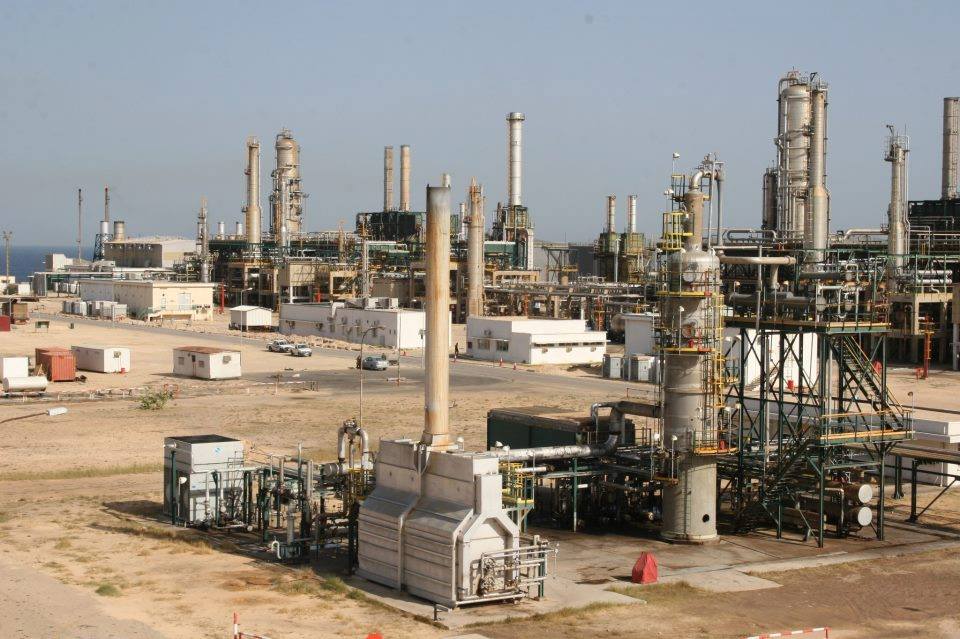
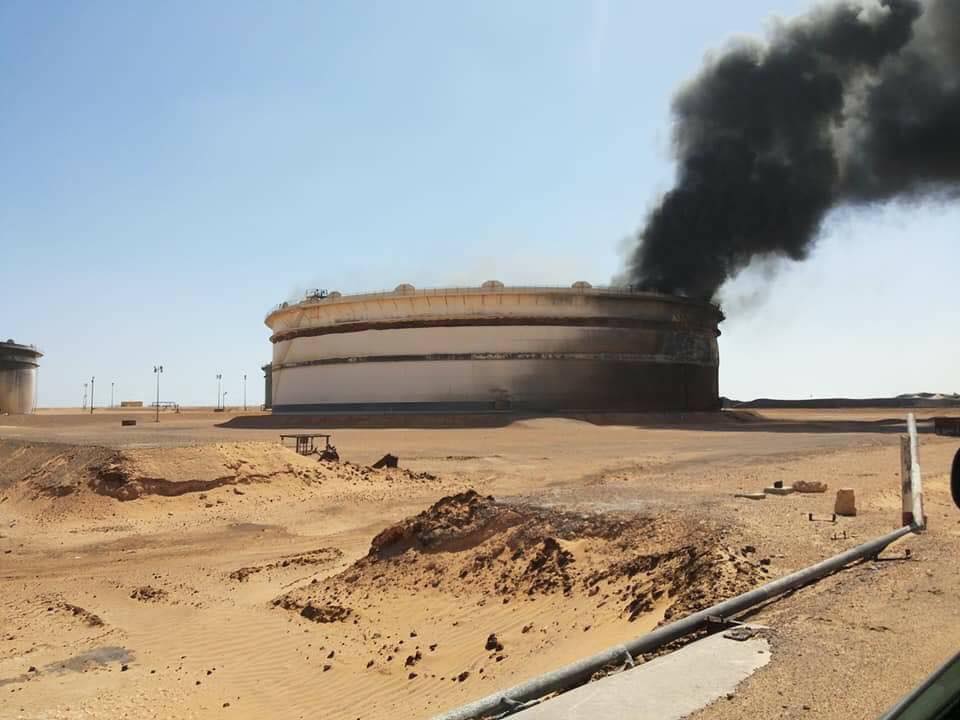
Libya's National Oil Corporation is warning of an "environmental disaster" following clashes at the country's Ras Lanuf oil terminal that set storage tanks on fire. “Further damage to these oil sites could have a huge impact on the Libyan oil sector and the national economy.," the statement said. The Petroleum Facilities Guard launched an operation in Libya's "oil crescent" last week to take the Ras Lanuf and Sidra terminals from the Operation Dignity militia alliance, which they termed a “a terrorist entity.” Operation Dignity and the affiliated "Libyan National Army," led by commander Khalifa Haftar, are loyal to Libya's unrecognized eastern government. (Photo: Libya Observer)

North Africa

Libya: protest against siege of Derna

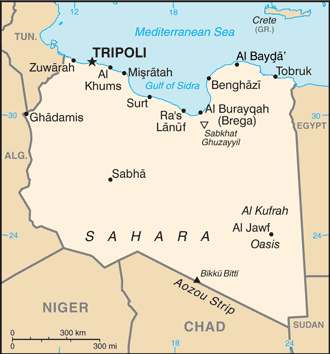
Protesters marched in Libya's capital Tripoli demanding that renegade general Khalifa Haftar lift his siege of the eastern city of Derna. Demonstrators gathered outside the headquarters of the UN mission to demand an international response. Protesters demanded UN pressure on Haftar to open a corridor at Derna to allow evacuation of the wounded and ill. Derna has been under siege for nearly two years, but the situation has worsened since Haftar launched a new offensive this month against the Islamist factions that control the city. (Map: IRIN)

North Africa

ICC to Libyan authorities: hand over ‘executioner’

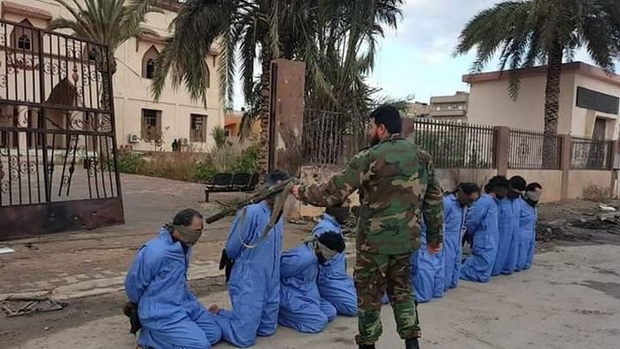
The International Criminal Court (ICC) prosecutor called upon Libyan authorities to surrender military commander Mahmoud al-Werfalli, who is accused of war crimes including mass executions and summary killings. Fatou Bensouda told the UN Security Council that Werfalli, along with Saif al-Islam Qaddafi and Al-Tuhamy Khaled (intelligence chief under the Qaddafi dictatorship), has yet to be handed over to the court. Despite the warrant out for his arrest, she said there are now "credible allegations" that he has committed further murders which may also be prosecuted as war crimes. "The Libyan people deserve answers," Bensouda said, adding that suspects cannot continue to be "sheltered." (Photo via Middle East Eye)

North Africa

Western Sahara headed back towards war?

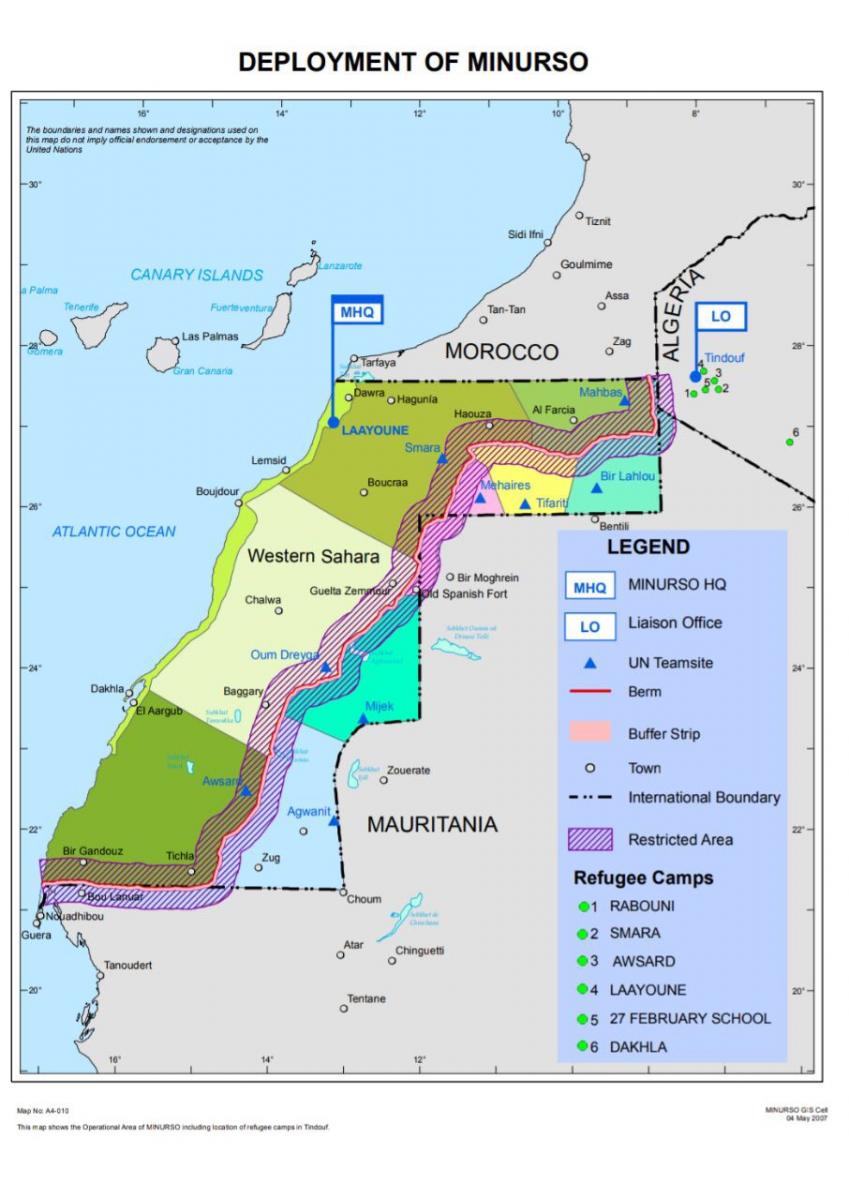
The UN Security Council extended the mandate of the peacekeeping force for Western Sahara (MINURSO) through the end of October 2018, while calling for Morocco and the Polisario Front to finally negotiate an end to the decades?old conflict. Western Sahara is claimed by Morocco, while the Polisario Front seeks independence for the territory. The territory has since the 1975-1991 war that followed its independence from Spain been divided by a series of sand berms and a "buffer zone." These separate the territory's Morocco-occupied west and a Polisario-controlled eastern strip. Recent months have seen growing tension between Morocco and Polisario over the borders of the buffer zone, with Polisario seeking to expand control into contested areas. (Photo: MINURSO via Yabiladi)

North Africa

Environmental protester shuts Libyan oil-field

The company operating Libya's biggest oilfield, Sharara, announced that it had been shut down after a citizen closed the pipeline that pumps the field's oil. The field is run by a joint venture between Libya's National Oil Corporation and several multinationals. The individual claimed the pipeline caused environmental damage to his lands, and had also closed the pipeline last year to press his demands for a clean-up. With this latest closure, Libya's oil output dropped to a six-month low of 750,000 barrels per day. National Oil Corporation chairman Mustafa Sanallah described those who shut down oil-fields as "terrorists." (Photo: Libya Observer)

North Africa

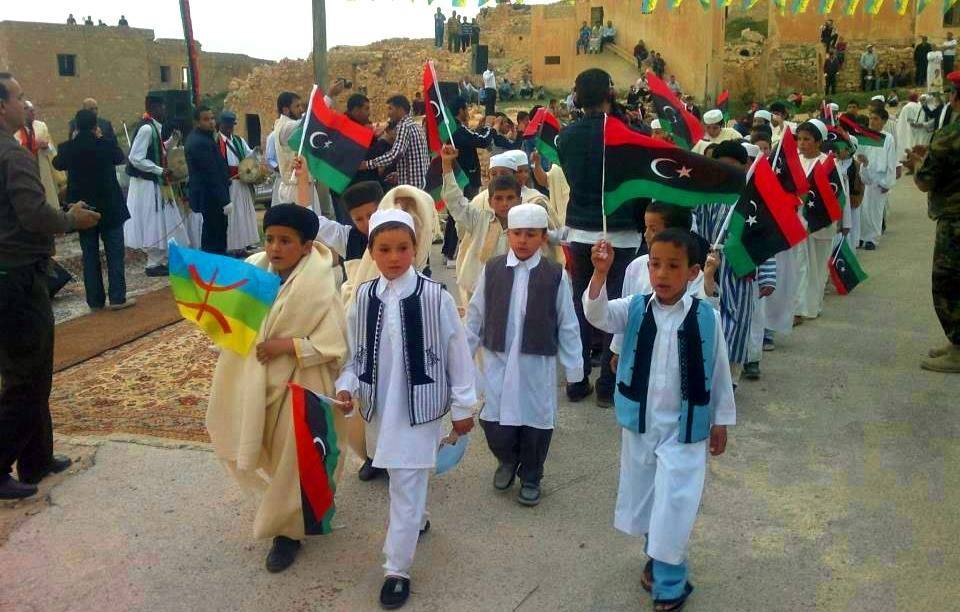
Algeria, Libya mark Berber new year —at last

In a victory for Berber activists, Algeria officially celebrated Yennayer, the new year holiday of the Amazigh people, for the first time. The move is part of a general effort by Algeria's government to permit greater expression of Amazigh (Berber) culture in order to head off a separatist movement. Neighboring Libya also saw its first official Yennayer celebrations, although not on a national scale. The locally ruling Amazigh Supreme Council declared the holiday within the Berber self-governing zone in the country's western mountains. But elsewhere in the country there are signs of backsliding toward the intolerant stance of the Qaddafi dictatorship, when any expression of Amazigh language or culture had been strictly banned. A Berber activist in Benghazi, Rabee al-Jayash, was detained by forces of the city's reigning warlord, Khalifa Haftar, for public speaking and writing in the Amazigh tongue. (Photo: Amazigh World News)

North Africa

Anti-austerity protests rock Tunisia

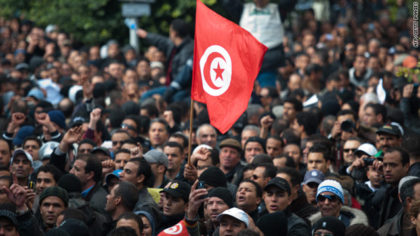
At least one is reported dead as angry protests have spread across Tunisia in response to an austerity package imposed by the government under pressure from the International Monetary Fund. Under the new budget, which took effect Jan. 1, fuel prices are hiked, and new taxes imposed on housing, cars, phone calls, Internet services, and several other items. Hamma Hammami, leader of the opposition Popular Front, pledged to keep up the pressure, telling reporters: "We will stay on the street and we will increase the pace of the protests until the unjust financial law is dropped." (Photo: North Africa Post)

North Africa

Morocco: mass protest against ‘mines of death’

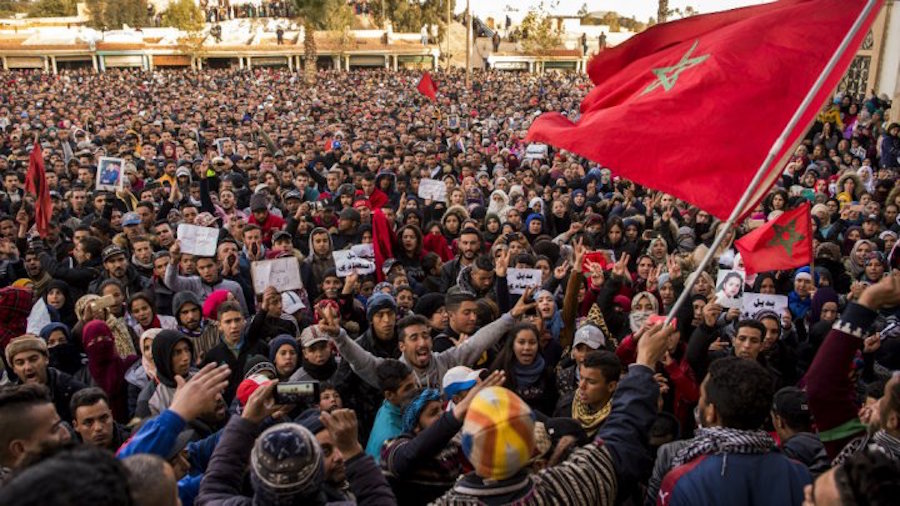
Thousands have repeatedly filled the streets of Jerada, in northeastern Morocco, as a mounting protest movement demanding jobs and social development for the marginalized region was further fueled by a mining disaster that left two young brothers dead. Mining was for decades Jerada's economic lifeline, employing more than 9,000. Since operations closed in the late 1990, locals have been struggling to survive—often by illegally taking coal from the abandoned pit, and selling it on the black market. Protesters accuse officials of turning the blind eye to the pirate mining despite the growing number of deaths in the improvised operations. They are demanding economic alternatives for the region, and government intervention to close "the mines of death." (Photo: @Riffijnsleed)

North Africa
Libya

Libya: Europe ‘complicit’ in horrific abuses

European governments are knowingly "complicit" in the torture, abuse and exploitation of tens of thousands of refugees and migrants detained by the Libyan immigration authorities or criminal gangs in appalling conditions, Amnesty International charges in a new report.  Dozens of migrants and refugees told Amnesty about collusion between detention center guards, the Libyan Coast Guard and smugglers. European countries and especially Italy have been aiding Libyan authorities in migrant interception, as well as striking deal with local militias.

North Africa

Libya slave trade becomes political football

Propagandists of the isolationist right and anti-war “left” alike are exploiting the chilling emergence of a slave trade in abducted Black African migrants in Libya’s remote desert south as evidence that the NATO intervention of 2011 only led to nightmares. The popular uprising that ousted Qaddafi is invisible to them—as is the dictator’s own culpability in the social collapse that followed his rule.

North Africa

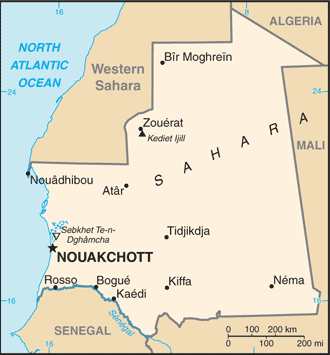
Mauritania: press crackdown amid political crisis

Authorities in Mauritania ordered the country's five privately owned news stations off the air. The move is the latest sign of a crackdown on the independent press following a controversial referendum called by President Mohamed Ould Abdelaziz in August. The opposition-boycotted vote abolished Mauritania's Senate after it blocked an expansion of presidential powers.