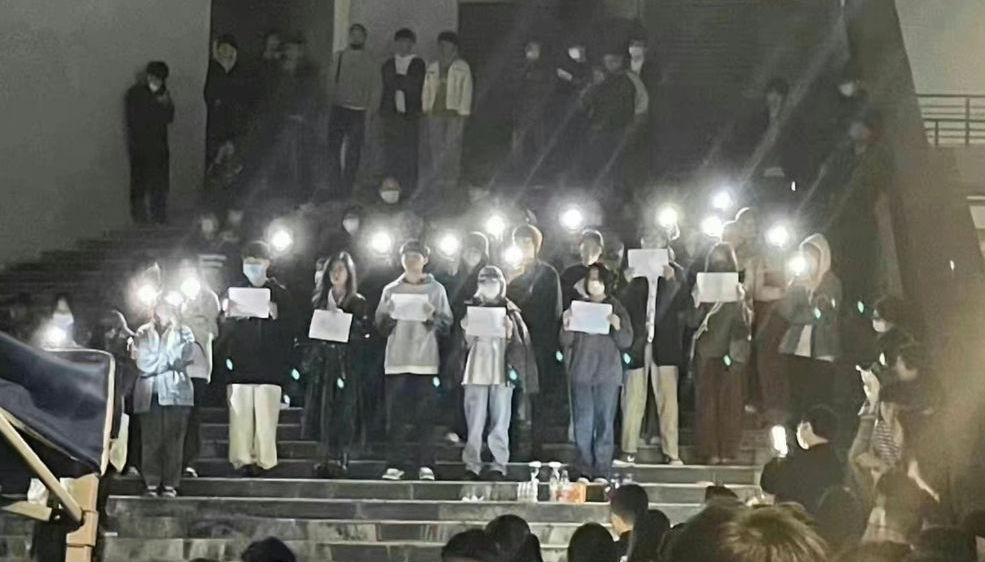
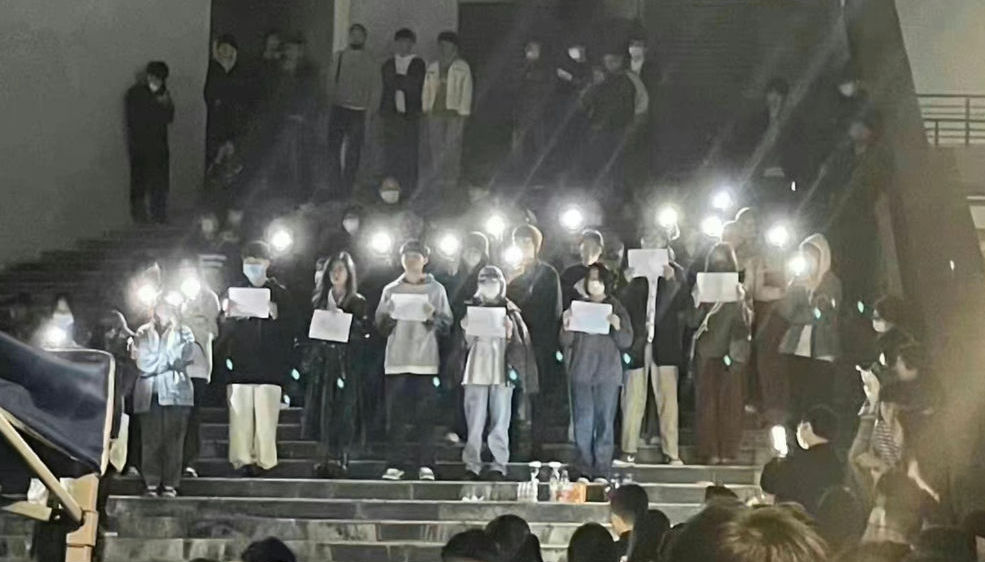
 Following weeks of sporadic protests against the recurrent draconian COVID-19 lockdowns in China, spontaneous demonstrations broke out in cities across the country. Street demos were reported from Shanghai, Nanjing, Chengdu and Wuhan as well as Beijing. In addition to slogans against the lockdowns and for freedom of speech and assembly, such verboten chants were heard as "Xi Jinping, step down" and "Communist Party, step down." The spark was an apartment block fire in Urumqi, capital of western Xinjiang region, that killed at least 10 who were under lockdown orders and unable to flee. Hong Kong-based Borderless Movement left-dissident website has issued a list of "Demands from Chinese and Hong Kong Socialists" in response to the outburst, calling for an end to lockdowns and forced testing, provision of multiple vaccines, and the right to citizen and worker self-organization. The statement calls for "marginalized groups in the mainland and abroad, including Hongkongers, Taiwanese, Uyghurs and Tibetans to continue building a long-term strategic program for democratic struggle in China." (Photo of student protest in Nanjing via Twitter)



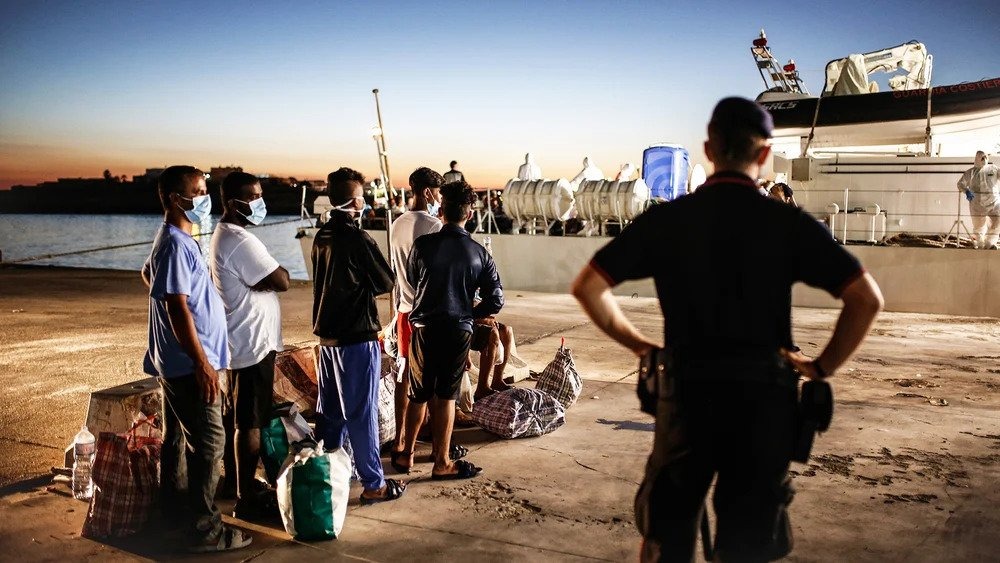
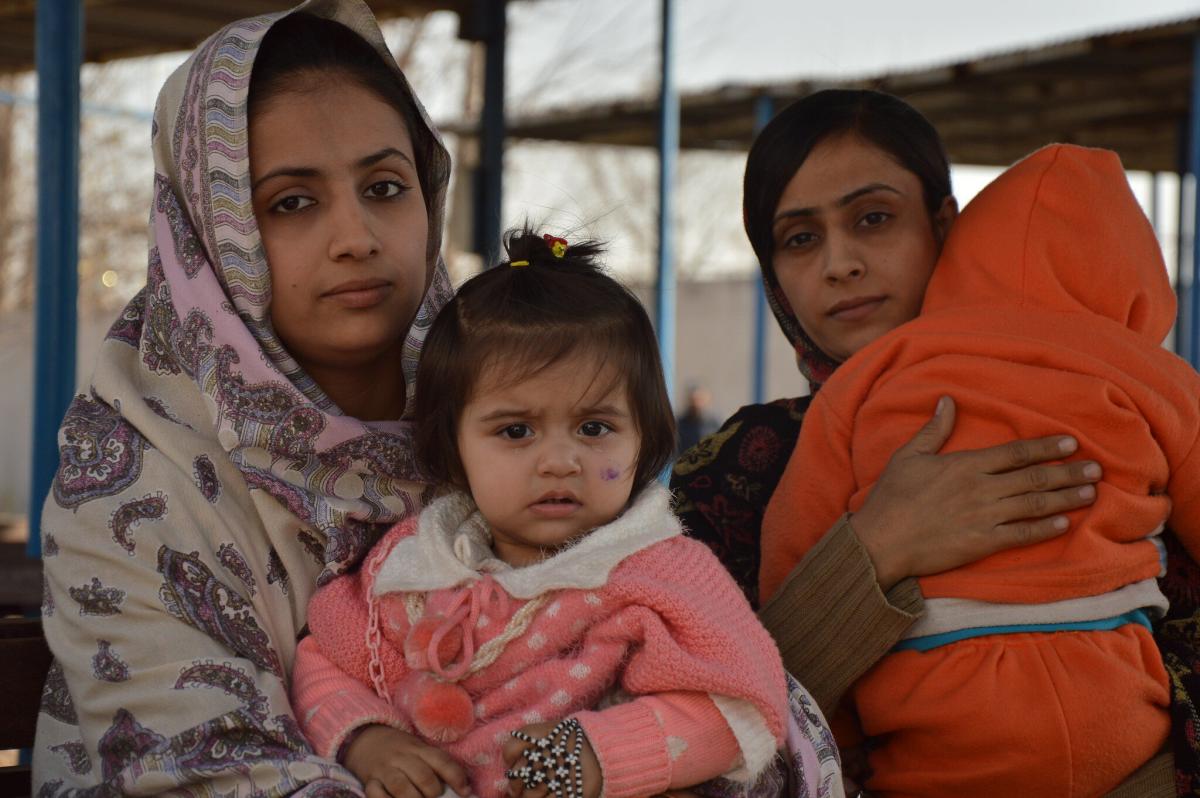
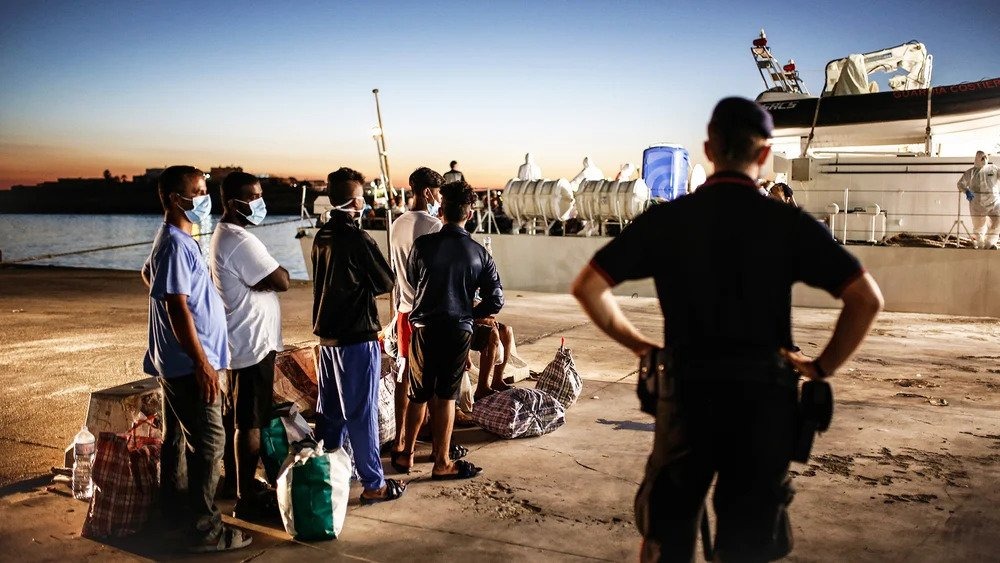 Human Rights Watch (HRW) warned that Italy's newly passed Cutro law will have "devastating impacts" on migrants' rights, threatening their ability to seek protection, access fair asylum procedures, and move freely throughout the country. Ironically, the law was passed in response to a February shipwreck on the coast of southern Italy that left more than 80 migrants dead. HRW called upon Italy to "reverse course and ensure a humane and rights-respecting response to sea crossings." (Photo: Sara Creta/TNH)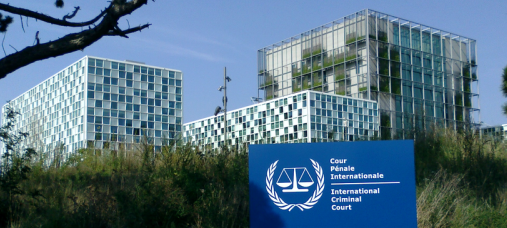
_in_The_Hague.png)