

Afghanistan
Badakhshan

Did China plan ‘false flag’ attacks in Afghanistan?

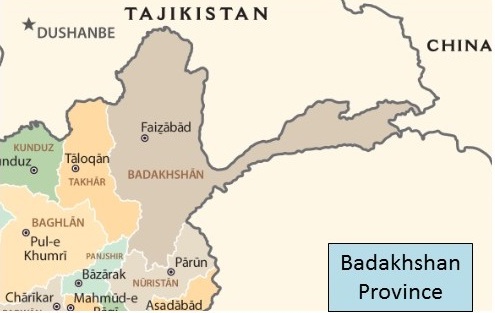
India’s Hindustan Times reports that Afghanistan has busted a conclave of 10 Chinese espionage agents that was supposedly “operating a terror cell” in Kabul. Citing unnamed diplomats and security officials, the account claims the spies were in contact with the Haqqani Network, now the inner core of the Taliban insurgency, and were gathering information on the activities of Uighur militants in Badakhshan province. Badakhshan includes Afghanistan’s eastern “panhandle” that extends to the border with China’s Xinjiang region, and has been named before as a stronghold of Uighur militancy. The account states: “One view within the Afghan security establishment is that the detainees were creating a fake East Turkestan Islamic Movement (ETIM) module in Afghanistan to entrap ETIM operatives in Afghanistan.” ETIM is the supposed Uighur network blamed by Chinese authorities for sporadic armed attacks within the People’s Republic over the past generation, although there is skepticism that it actually exists in any organized sense. (Map via Afghan War Blog)
Afghanistan
Afghan army

Iraq and Afghanistan: US troops out, Chevron in?

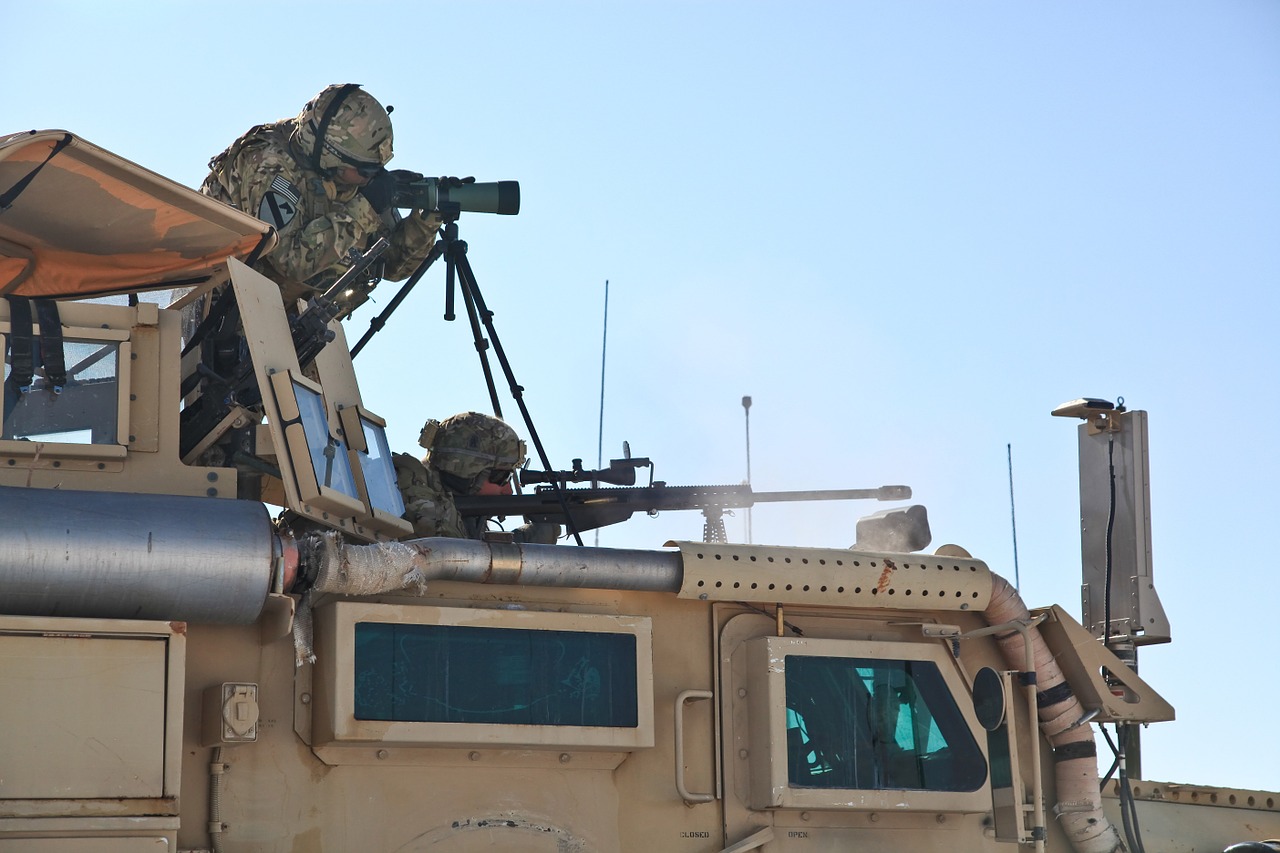
Playing to anti-war sentiment just in time for the election, the Trump administration announces a draw-down of thousands of troops from Iraq and Afghanistan. This comes as Chevron has quietly signed an agreement with Iraq for the development of the massive Nassiriya oil-field. Chevron has also announced a new initiative with Kazakhstan, with an eye toward oil exports through a trans-Afghan pipeline. We’ve been hearing talk of a US “withdrawal” from Iraq and Afghanistan for years—but military advisors and contractors have always remained, and ground troops have always been sent back in again as soon as things start to get out of hand. And as long as oil money follows the military, that will always be the case. Don’t be fooled. (Photo: Army Amber via Pixaby)

Afghanistan
Afghanistan

Is Russia really backing the Taliban?

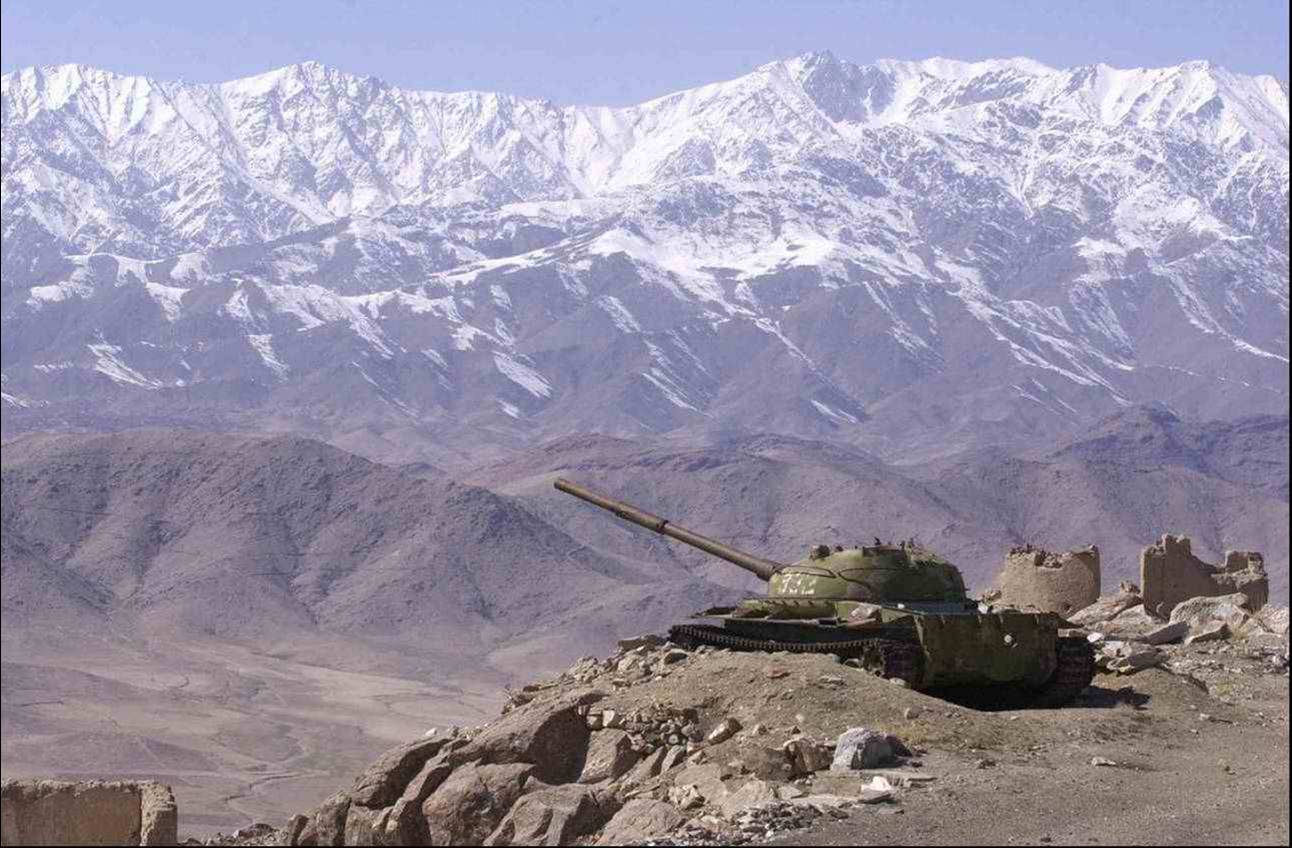
The kneejerk squawking of “McCarthyism” any time new revelations of Moscow misdeeds emerge is tiresome and dangerous. But there is reason for skepticism about the claims that Russia is arming the Taliban in Afghanistan, and offering them a bounty to kill US troops. This makes little sense in terms of the regional alliances: US ally Pakistan has been the traditional patron of the Taliban, while Russia’s closest ally in the region is Iran, which opposes the Taliban on sectarian grounds. The notion that Moscow would do anything to strengthen the hand of Sunni extremism in a country where it faced its own counterinsurgency quagmire in the ’80s, and which still borders its “near abroad,” stretches credulity. (Photo of abandoned Soviet tank in Afghanistan via Wikimedia Commons)

Planet Watch
Idlib displaced

UN: world refugees break record —again

An unprecedented one percent of the world’s population has been forced to flee their homes due to war, conflict and persecution to seek safety either somewhere within their country or across borders, according to the latest annual report by the UN Refugee Agency. At the end of 2019, there were 79.5 million people around the world who had been forcibly displaced, up from 70.8 million the year before. The rise was in part due to new displacements in places such as the Democratic Republic of the Congo, the Sahel region of Africa, Yemen and Syria. It also reflected the inclusion for the first time of 3.6 million Venezuelans who have been displaced outside their country but who have not sought asylum. (Photo: UNHCR)

Afghanistan
Hazara ceremony

Massacre at Hazara ceremony in Kabul

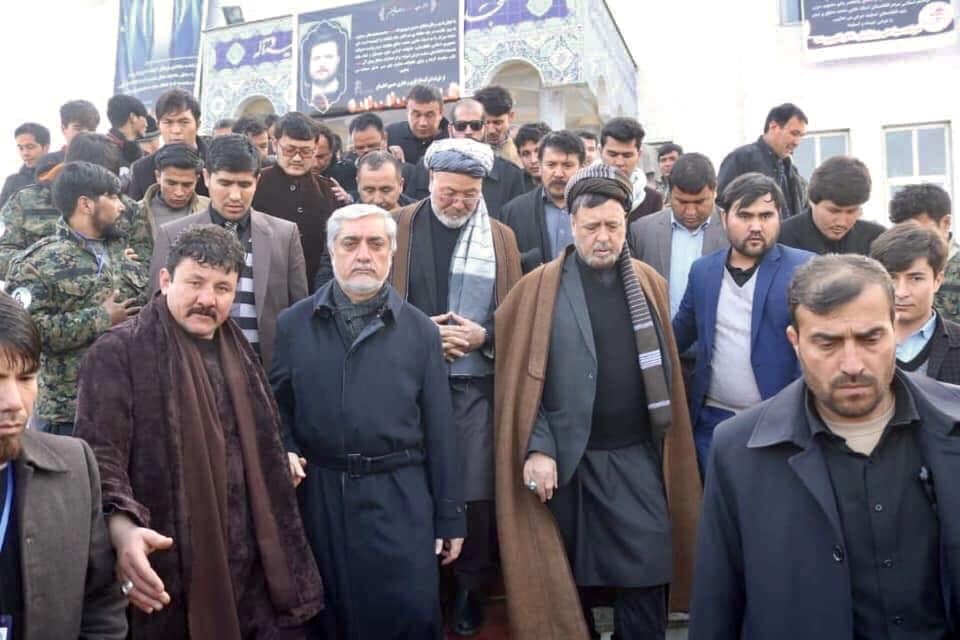
Gunmen stormed a memorial ceremony honoring a martyred leader of the Hazara Shi’ite minority in Afghanistan’s capital. Key politicians including chief executive Abdullah Abdullah were on hand for the commemoration of the Hazara Mujahedeen commander Abdul Ali Mazari, who was assassinated by the Taliban in 1995. At least 27 people were killed in the attack, and some 30 more wounded. Soon after the massacre, the Taliban issued a statement denying responsibility. Shortly after that, the Islamic State-Khorasan Province (ISKP) claimed the attack in a communique, and also asserted that the actual death toll was 150. An ISIS-claimed attack on the same ceremony last year saw a barrage of mortar fire that killed at least 11 people. The new attack comes just as a tentative “peace deal” with the Taliban is raising concerns for the fate of Afghanistan’s ethnic and religious minorities. (Photo of ceremony just before attack via Khaama Press)

Afghanistan
Afghanistan

Will human rights be betrayed in US-Taliban deal?

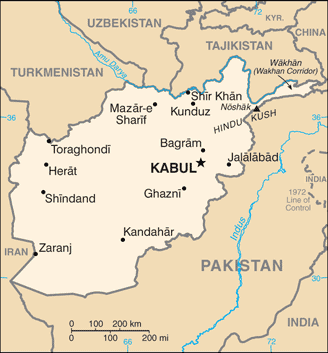
More than a year of US-Taliban negotiations bore formal fruit with the signing in Doha of what is being called a “peace deal” by Washington’s envoy Zalmay Khalilzad and Mullah Abdul Ghani Baradar. The pact calls for the US to withdraw its forces from Afghanistan in 14 months if the Taliban fulfills its commitments under the agreement. “Intra-Afghan” talks are to follow, with the aim of negotiating a permanent ceasefire. Amnesty International, however, raised concerns about what the  deal could mean for Afghanistan’s women and religious minorities, urging: “Any peace process involving the parties to the conflict in Afghanistan must not ignore the voice of victims.” (Map: Perry-Castañeda Library)

Afghanistan
Kunar

Afghanistan headed for four-way war?

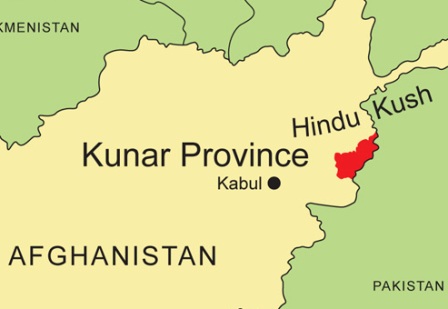
Five months after Afghanistan’s presidential elections, a winner has finally been declared—the incumbent, Ashraf Ghani. But hours after the announcement, rival Abdullah Abdullah declared himself the victor, claiming irregularities in the vote and calling the results “national treason.” The showdown portends a divided government just as US is attempting to broker a withdrawal agreement with the Taliban, ostensibly to be followed by “intra-Afghan talks” between the Taliban and the government in Kabul. In addition to the ongoing war with the Taliban, NATO-backed government forces are continuing to battle the Islamic State’s “Khorasan Province” in Afghanistan. Following a long offensive, President Ghani in November triumphantly declared that ISIS had been “obliterated.” However, air-strikes continue against the group in its remaining stronghold in the Spin Ghar mountains of eastern Kunar province. (Map via Khaama Press)

Afghanistan
warplane

UN report: air-strikes on Afghan drug labs illegal

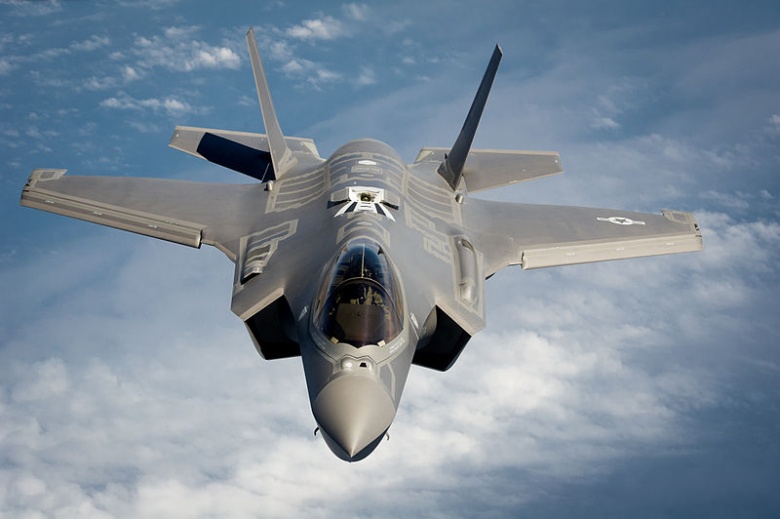
US air-strikes in Afghanistan this May resulted in civilian casualties and violated international humanitarian law, the UN Assistance Mission to Afghanistan (UNAMA) reported. On May 4 the US Forces-Afghanistan carried out air-strikes on buildings located in Bakwa district, Farah province, and neighboring Delaram district of Nimroz province. The air-strikes were aimed at potential drug facilities in the area but resulted in 39 civilian casualties, including 14 children. In a press release, UNAMA stated, “The report, jointly produced by UNAMA and the UN Human Rights Office, concludes that drug facilities and associated workers may not be lawfully made the target of attack and should be protected.” (Photo: USAF)

Afghanistan

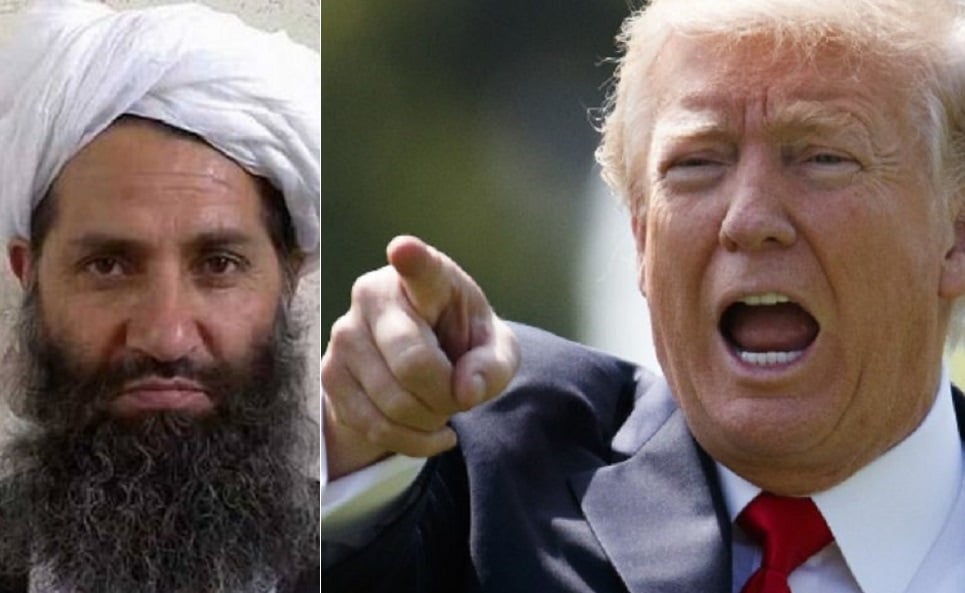
Trump-Taliban schmooze: don’t call it ‘peace’

The utterly surreal news that Taliban leaders were invited to Camp David—a week before the 9-11 commemoration, no less!—will further fuel the perverse fantasy that Trump is a hippie pacifist. But the supposed “peace” talks with the Taliban completely sidelined Afghanistan’s actual government and civil society alike—and were bitterly protested by Afghan women and their advocates. It was to be a “peace” crafted by genocidal clerical-reactionaries and imperialists, with the actual aim to prosecute a war on their mutual enemy, the ISIS insirgency that has now emerged in the country.  ISIS are now the “bad” (undomesticated) clerical reactionaries, who will not abandon their ambitions to attack the West. This only sends the message (entirely accurate, from the imperial persepctive) that Western lives matter, and Afghan lives do not.  (Photo: Khaama Press)

Afghanistan

Afghanistan: pilgrims slain in Kandahar attack

In the latest of mounting attacks across Afghanistan, an bomb blast near Kabul University left eight people dead and some 30 wounded. Days earlier, a roadside bomb killed at least 11 pilgrims riding a truck in the southern province of Kandahar, headed for the shrine that houses the tomb of Sufi Shah Agha, a companion and relative of the Prophet Mohammad. No group immediately claimed responsibility for the bombing, but Kandahar authorities blamed the Taliban, which often uses roadside bombs to target security forces in the province. Days before that, at least six people were killed and 14 wounded when a suicide bomber targeted a wedding celebration in Nangarhar province. Paradoxically, the escalating violence comes just after Afghan officials met face-to-face with Taliban leaders as well as US negotiators at the peace talks in Doha, Qatar. (Photo of Shah Agha shrine via Geoview)

Afghanistan
warplane

US allies overtake Taliban in Afghan civilian deaths

Afghan government and NATO forces killed more civilians in the first three months of this year than the Taliban and other insurgent groups, according to the latest UN report on casualties in the conflcit. The findings from the UN Assistance Mission in Afghanistan (UNAMA) indicate that at least 305 civilians were killed by pro-government forces between January and March, constiuting 52.5% of total civilian deaths in this period. “UNAMA notes with concern that Pro-Government Forces were responsible for more civilian deaths than Anti-Government Elements during the first quarter of 2019,” the report states. (Photo: USAF)

Afghanistan

Hazaras targeted with relentless terror

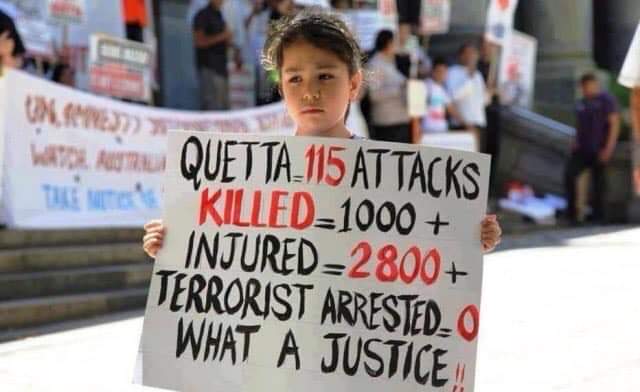
In Quetta, capital of Pakistan’s restive Baluchistan province, at least 16 were killed and over two dozen injured in a blast that targeted members of the Shi’ite Hazara community. Eight of those killed in the blast at a crowded vegetable market were Hazara. This was the latest in a relentless wave of terror against the Hazara people in both Pakistan and Afghanistan. In March, three were killed and some 20 injured when a mortar attack struck a gathering in Kabul commemorating the death of Abdul Ali Mazari, leader of the Hazaras’ Hizb-e-Wadhat Party and a key figure in the Mujahedeen resistance movement of the 1980s. Assassinated in 1995 by the Taliban, he was recently awarded the title of “Martyr of National Unity.” The Kabul ceremony was attended by high officials and billed as a step toward national reconciliation. ISIS took credit for the attack, but the ongoing terror campaign leaves many Afghan Hazaras concerned about the current peace talks with the Taliban.