

Syria
Syria

US strikes Uyghur militants in Syria

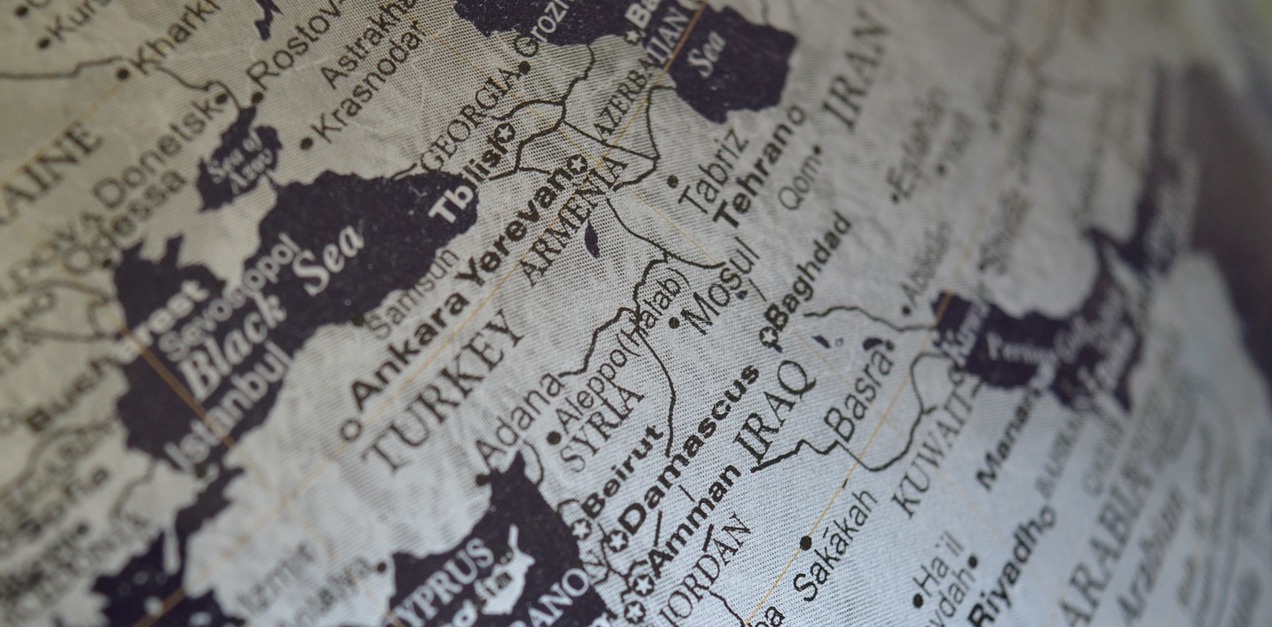
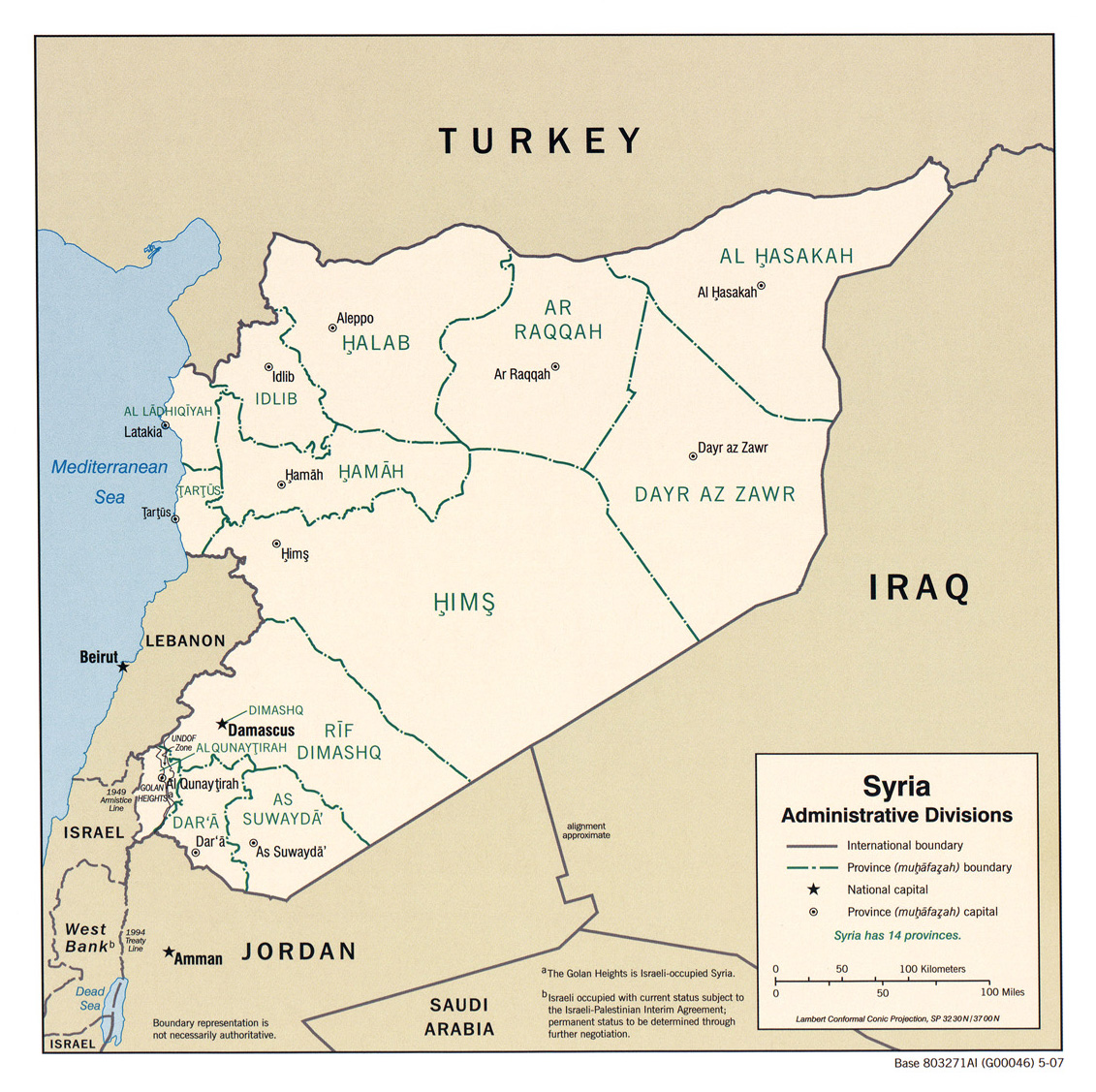
A suspected US-led coalition strike on a site used by Uyghur militants in Syria’s Idlib province has renewed debate over the future of foreign fighters under the country’s post-Assad government. Sources told The New Arab on that an aircraft targeted a compound used by a faction formerly known as the Turkistan Islamic Party, in al-Zainiya area near Jisr al-Shughourin western Idlib. While no confirmed information has emerged regarding casualties from the strike, preliminary reports suggested that a leader of Hurras al-Din, a former al-Qaeda affiliate which formally dissolved in January, may have been killed. (Map: PCL)
Africa
Nigeria

Trump again intervenes in crisis-torn Nigeria

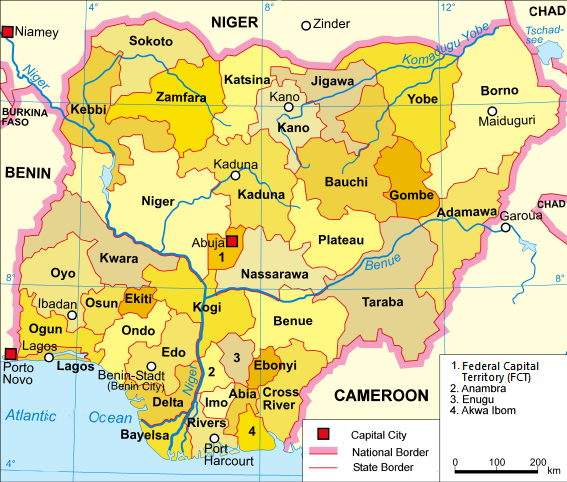
US and Nigerian forces jointly conducted a raid that killed one of the Islamic State’s highest-ranking leaders in the country. Abu Bilal al-Minuki was said to be a commander of the Islamic State West Africa Province (ISWAP). The strike took place in the Lake Chad area in Nigeria’s northeast. Meanwhile, dozens of Nigerian fishermen are feared dead after Chadian forces struck alleged Boko Haram strongholds along Lake Chad, which straddles the border of the two countries. Additionally, at least 100 civilians were killed in a Nigerian government air-strike on a crowded market in bandit-affected northwest ​Zamfara state, according to Amnesty International. Nigerian authorities have denied the report, but if confirmed, it would be thesecond air-strike to kill scores of people in a northern Nigerian market in a month. (Map: Wikipedia)

Iran
ICE

Iran & Minneapolis: fearful symmetry

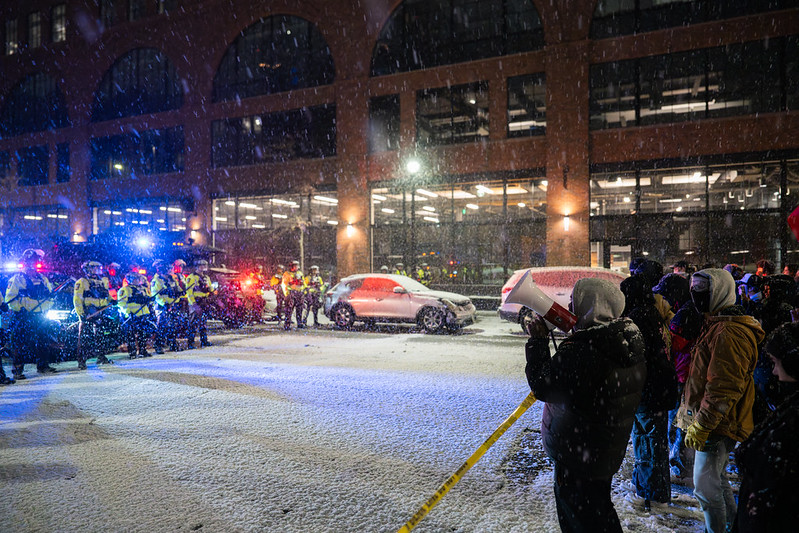
As ICE agents open fire on protesters in Minneapolis, Portland and Los Angeles, Trump frames his military threats against Iran in terms of human rights and democracy—an atypical nod back to the neocons. Following mass deadly repression, the protests in Iran appear to have abated—for now. In Minnesota, both Trump and protesters are turning up the heat. Trump’s blatant hypocrisy highlights the imperative of international solidarity. The challenge for stateside protesters is to repudiate the calumny that the Iran protests are CIA or Mossad astroturf, and recognize them as a genuine self-organized popular uprising. The challenge for Iranian protesters is to repudiate Trump’s bid to exploit them for his imperial ends, as well to reject the ambitions of the reactionary “crown prince” Reza Pahlavi to install himself as leader. In Episode 313 of the CounterVortex podcast, Bill Weinberg urges that explicit mutual support between the anti-authoritarian struggles in the US and Iran is what can move the historical process forward at this grim hour. (Photo: Chad Davis)

Syria
Iran

Multiple foreign powers still bombing Syria

The Pentagon said US and allied forces carried out a wave of air-strikes against ISIS targets across Syria, although accounts were unclear as to which other countries were involved or what casualties resulted. The raids came as part of Operation Hawkeye Strike, launched in response to the deadly ISIS attack on US and Syrian forces in Palmyra last month. The past week also saw joint British and French strikes on supposed ISIS targets near Palmyra. And Jordan carried out strikes supposedly targeting drug traffickers in Syrian territory. Turkey’s Defense Ministry meanwhile said it stands ready to help Syria’s interim government in its ongoing “counter-terrorism” operation against Kurdish fighters in Aleppo. (Image: Pixabay)

Watching the Shadows
Aegis

‘Donroe Doctrine’ threatens hemisphere

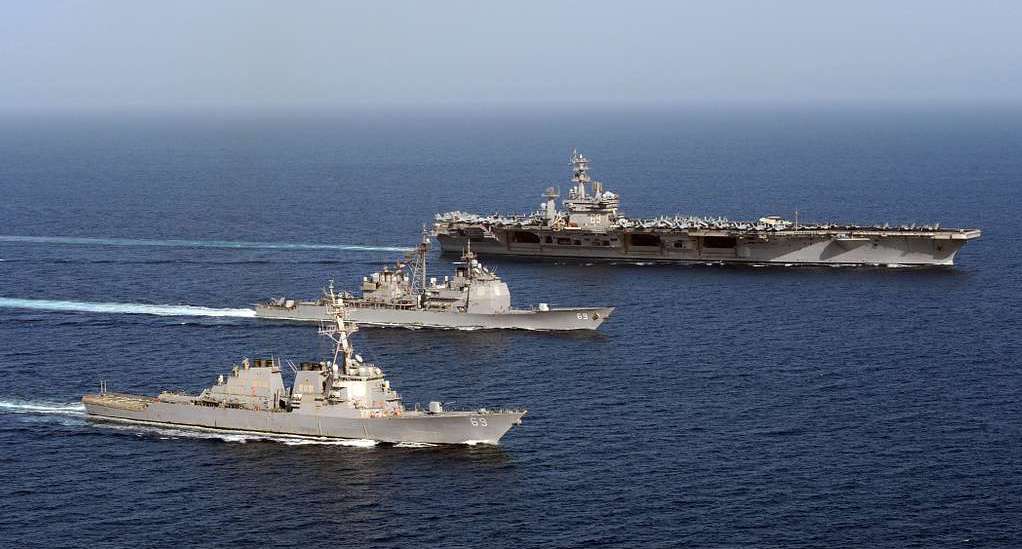
As Nicolás Maduro appeared in federal court in New York, Trump made explicit military threats against Colombia, Mexico, Cuba and Greenland—prompting protests from those countries’ leaders. In defense of his bellicosity, Trump invoked the notion of Latin America as a US influence sphere that was articulated in his recent National Security Strategy, calling it the “Donroe Doctrine.” (Photo: US Navy via Latin America Reports)

Africa
Tomahawk

Podcast: MAGA-fascism and the struggle in Nigeria

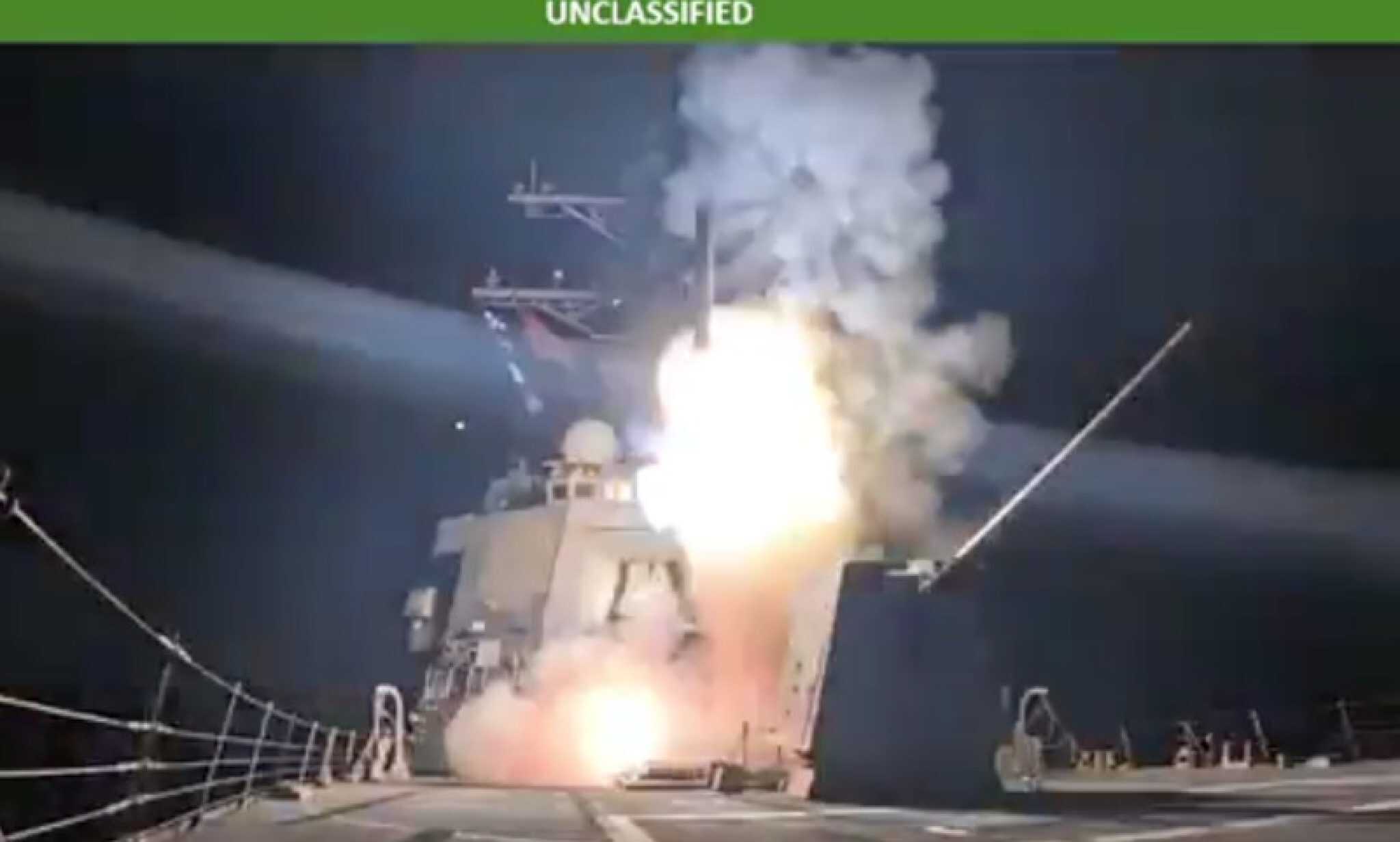
With his Christmas air-strikes on Nigeria, Trump is blundering into a conflict fundamentally driven by desertification related to the very climate change that he denies, and which now threatens democratic rule throughout the West African region. And while the Muslim-Christian sectarian strife that Trump hypes is a large element of the situation, the violence has gone both ways. Furthermore, making Christians the perceived beneficiaries of imperialist intervention is only likely to exacerbate the tensions and make Christians more of a target. In Episode 310 of the CounterVortex podcast, Bill Weinberg takes an in-depth and unsparing look. (Photo: AFRICOM via Long War Journal)

Africa
Sokoto

US strikes supposed ISIS targets in Nigeria

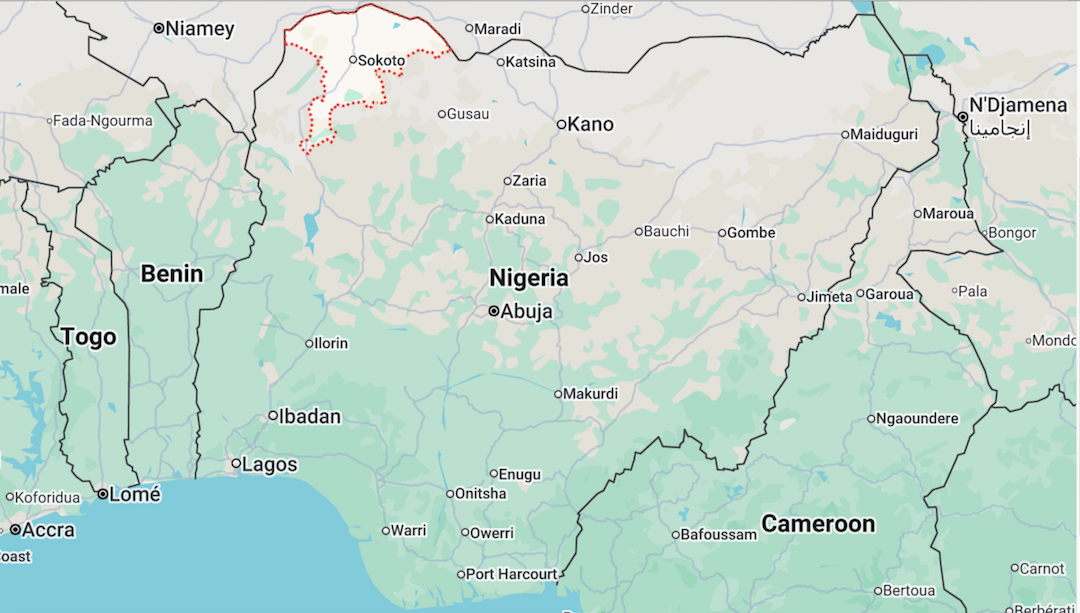
Following through on threats made last month, President Donald Trump announced on social media Christmas Day that he had ordered air-strikes against Islamic State targets in Nigeria, ostensibly in retaliation for the group’s targeting of Christian communities. Trump’s post did not specify where the military action took place, though the Pentagon’s Africa Command later stated that the strikes were in “Soboto State” —an obvious misspelling of Sokoto state, in Nigeria’s northwest. The Nigerian government confirmed the bombings, stating that they were conducted in a “joint operation” —but added that the strikes had “nothing to do with a particular religion.” (Map: Google)

Watching the Shadows
NSS

Trump Corollary: spheres of influence, white supremacy

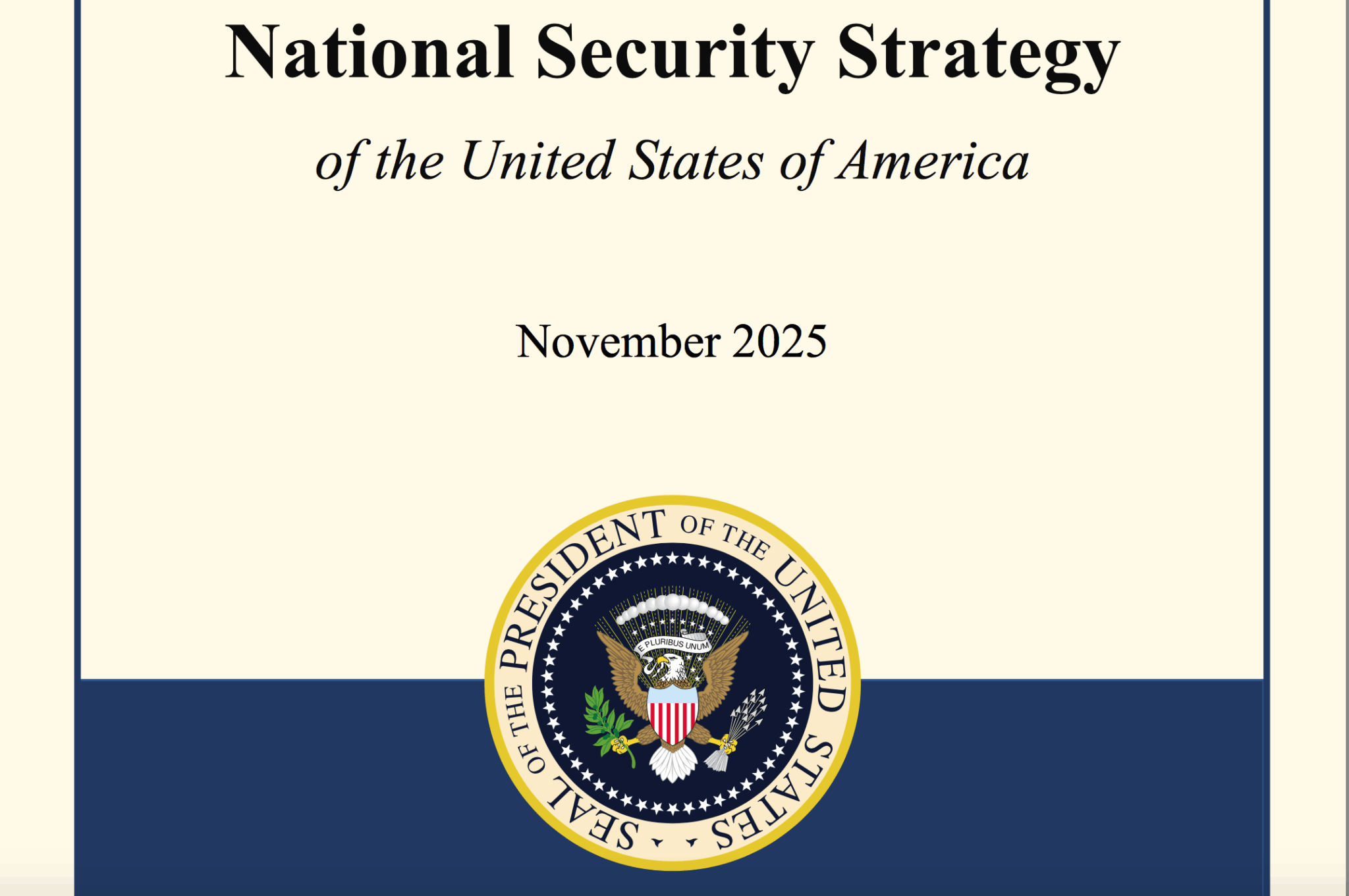
Donald Trump’s new National Security Strategy instates a “Trump Corollary” to the Monroe Doctrine. Like the Roosevelt Corollary of 1904, which was used to justify the “gunboat diplomacy” of that era, this new corollary openly calls for dividing the world into spheres of influence—with the Western Hemisphere assigned to the US. Russia is obviously pleased as punch over this, as it implicitly gives Moscow a free hand in Ukraine—and Putin will likely consider this an acceptable pay-off for his betrayal of Venezuela. However, China is less likely to surrender its massive investments and mega-projects in Latin America in exchange for a free hand to take over Taiwan. The document’s text on Europe is even more sinister, revealing a white supremacist agenda that looks not to Washington’s traditional allies to counter Russia, but to the continent’s Russian-backed far-right movements to counter Washington’s traditional allies. In Episode 308 of the CounterVortex podcast, Bill Weinberg exposes the NSS as a further step toward consolidation of a Fascist World Order. (Image: White House)

Syria
Iran

Podcast: the new Syria in the Great Game

Syrian interim president Ahmed al-Sharaa’s White House meeting with Donald Trump followed the removal of his Hayat Tahrir al-Sham (HTS) from the list of designated “terrorist organizations” both at the State Department and at the UN. It also coincided with raids against ISIS by his security forces, raising the prospect of his government being invited to join the US-led Global Coalition to Defeat ISIS. The Washington visit also came just a month after al-Sharaa’s similar trip to meet Vladimir Putin in Moscow, where a deal was brokered allowing Russia to keep its military bases in Syria. Amid all this, Syria continues to see forced disappearances and other abuses targetting Druze, Alawites and Kurds—pointing to the looming threat of an ethnic or sectarian internal war. The US troop presence in Syria is largely embedded among the Kurdish forces in the east. As al-Sharaa becomes a new “anti-terrorist” partner (or proxy) for the Great Powers, will these troops be withdrawn—providing a “green light” for Damascus to attack the Kurdish autonomous zone? In Episode 305 of the CounterVortex podcast, Bill Weinberg weighs the risks at this critical moment in Syria’s transition process, nearly one year after the fall of the Assad dictatorship. (Image: Pixabay)

Mexico
Manzo

Mexico: specter of US strikes amid cartel terror

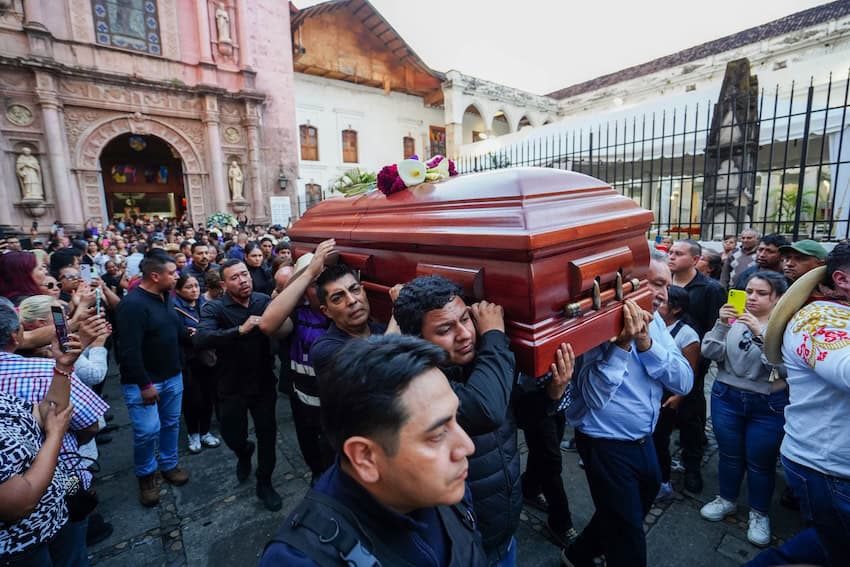
Mayor Carlos Alberto Manzo Rodríguez was assassinated during a Day of the Dead celebration in the main square of Uruapan, in the violence-torn Mexican state of Michoacán. He had been an outspoken opponent of the drug cartels and their reign of terror in the state, and his death sparked protests across Michoacán. The US State Department said in response to the killing that the United States is ready to “deepen security cooperation with Mexico to wipe out organized crime on both sides of the border.” But this comes as the specter of unilateral US intervention has been raised. NBC News reports that the White House has started planning a “potential mission” involving US troops and intelligence officers to target the cartels on Mexican soil. (Photo: Juan José Estrada Serafín/Cuartoscuro.com via Mexico News Daily)

Central America
PNC Guatemala

Anti-mara militarization in Guatemala

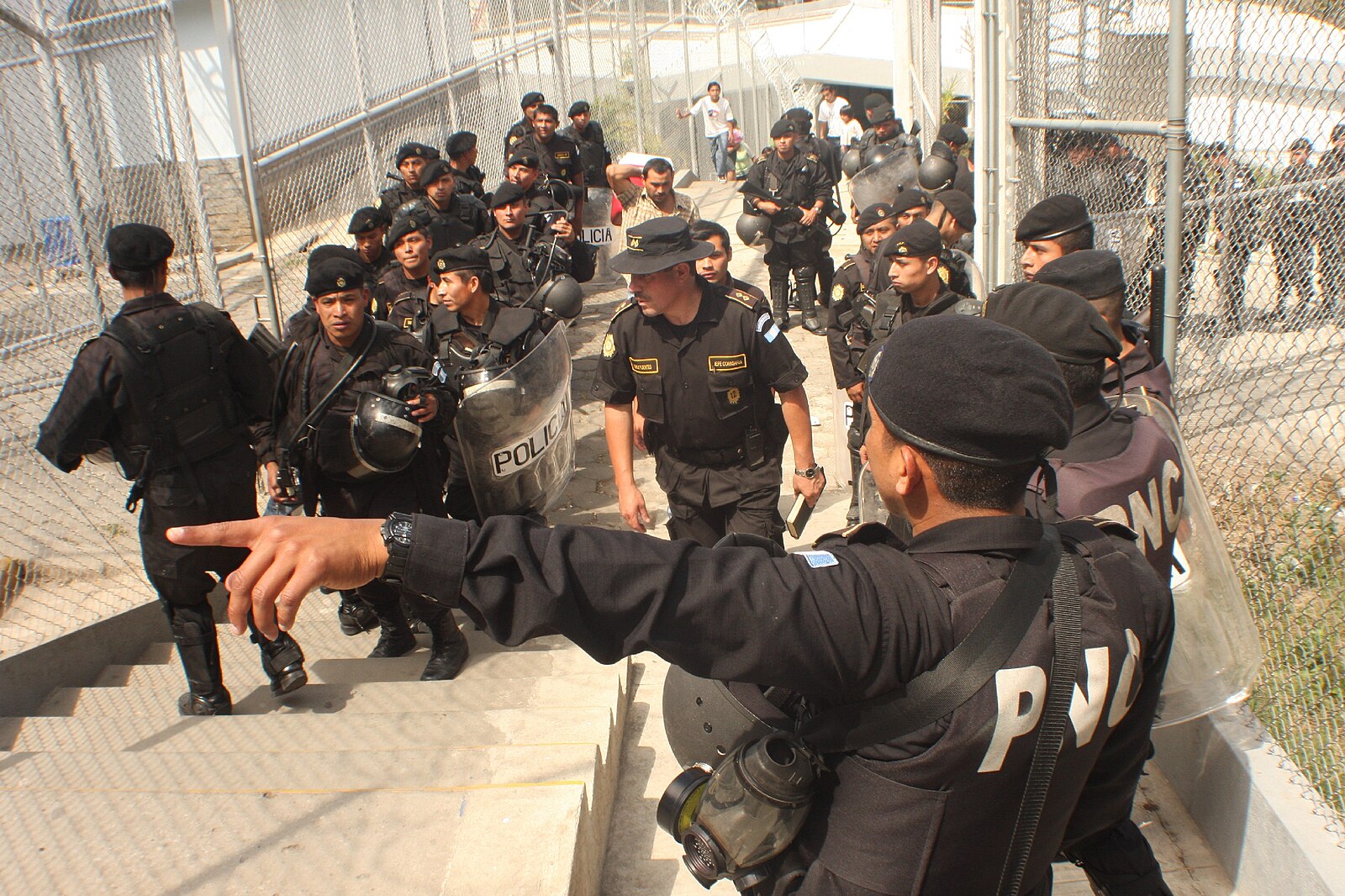
Guatemala’s Congress passed a law designating the Barrio 18 and MS-13 gangs as “terrorist organizations.” The move came days after 20 Barrio 18 convicts broke out of the maximum-security Fraijanes II prison outside the capital. The new “Ley Anti-pandillas” provides for heavier sentences for gang members convicted of crimes such as extortion or recruitment of minors, and calls for the construction of more-maximum security prisons. (Photo: Danilojramirez via Wikimedia Commons)

Iraq
Ain al-Asad

US troops to remain at Iraq air base

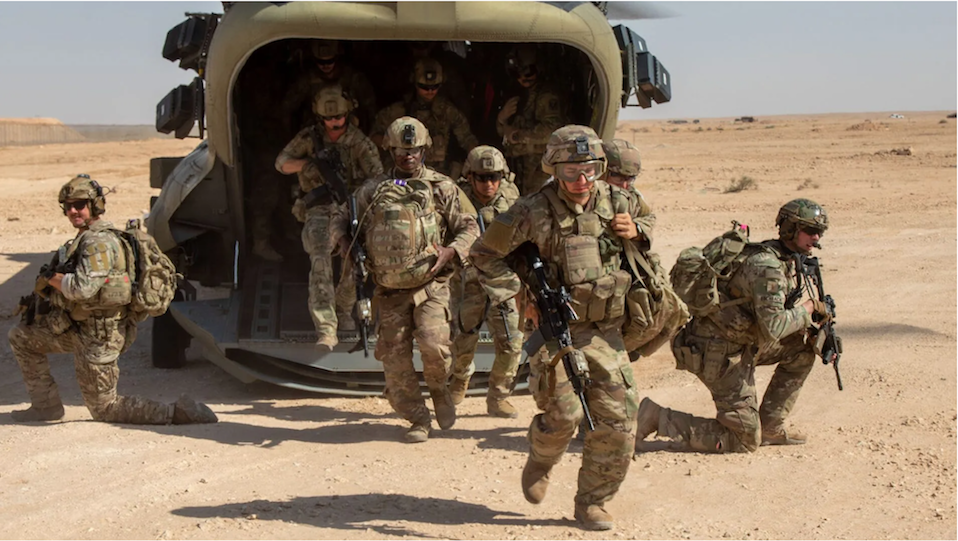
A “small force” of US troops will remain at Iraq’s Ain al-Asad air base in order to fight ISIS, the Baghdad government announced. The decision reverses plans for a full withdrawal of US forces from the base. Prime Minister Mohammed Shia al-Sudani said that a force of up to 350 Pentagon advisors and support personnel would stay at the base in western Iraq, as well as al-Harir base in Iraqi Kurdistan. The decision to allow the US troops to stay was made in response to “developments in Syria,” al-Sudani said. This presumably refers to the fall of the Assad regime in December 2024, after the draw-down agreement between the US and Iraq was reached. (Photo: Spc. Timothy VanDusen/US Army via Task & Purpose)