

The Andes
CONAIE

Popular protests turn deadly in Ecuador

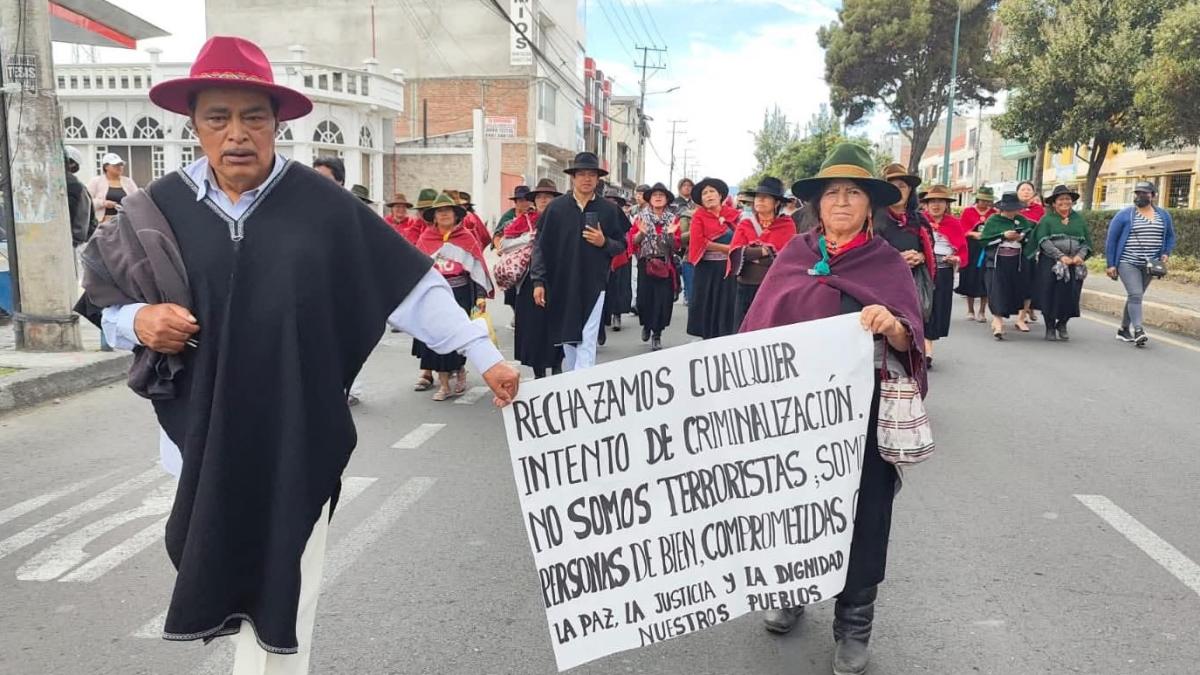
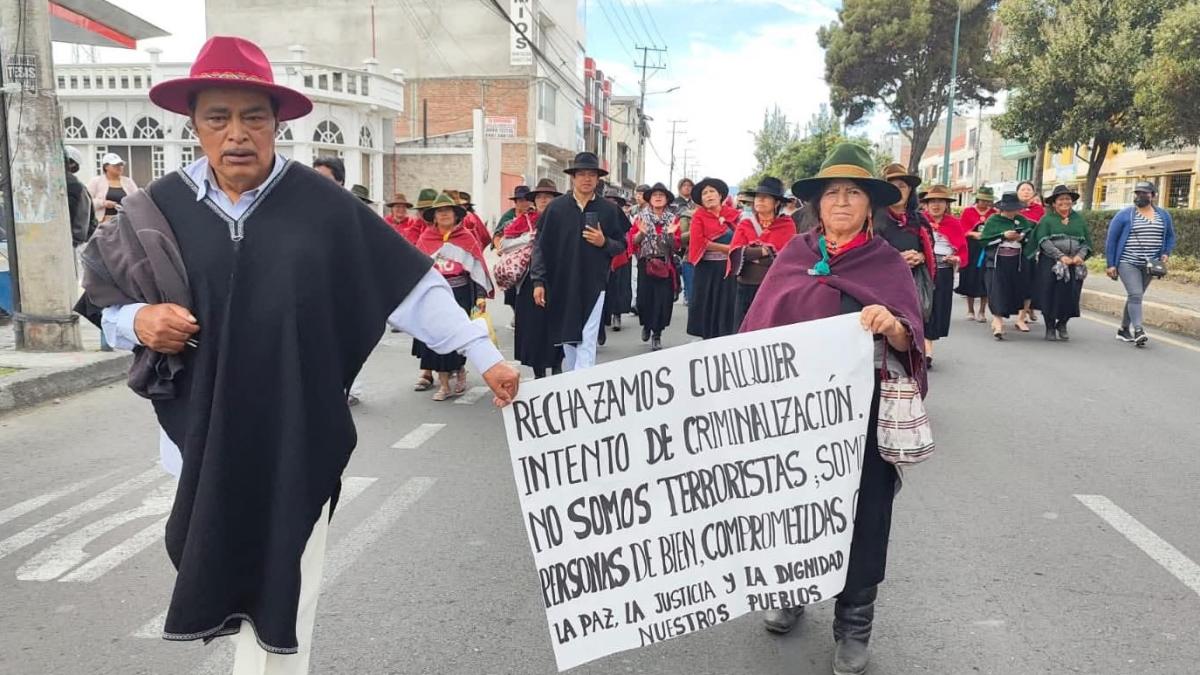
Widespread protests in Ecuador, sparked by cuts to fuel subsidies, reached a boiling point, as an indigenous land defender was killed by the armed forces, a government aid convoy was reportedly attacked by protesters, and 12 soldiers went missing. Meanwhile, the government continued to advance its plan to rewrite the constitution—an initiative that has further intensified public anger. Undeterred, the powerful Confederation of Indigenous Nationalities (CONAIE), which initiated the nationwide strike, announced that it would extend the action. (Photo: CONAIE via Peoples Dispatch)

Syria
ISIS

Syria: ISIS launches attacks on ‘apostate regime’

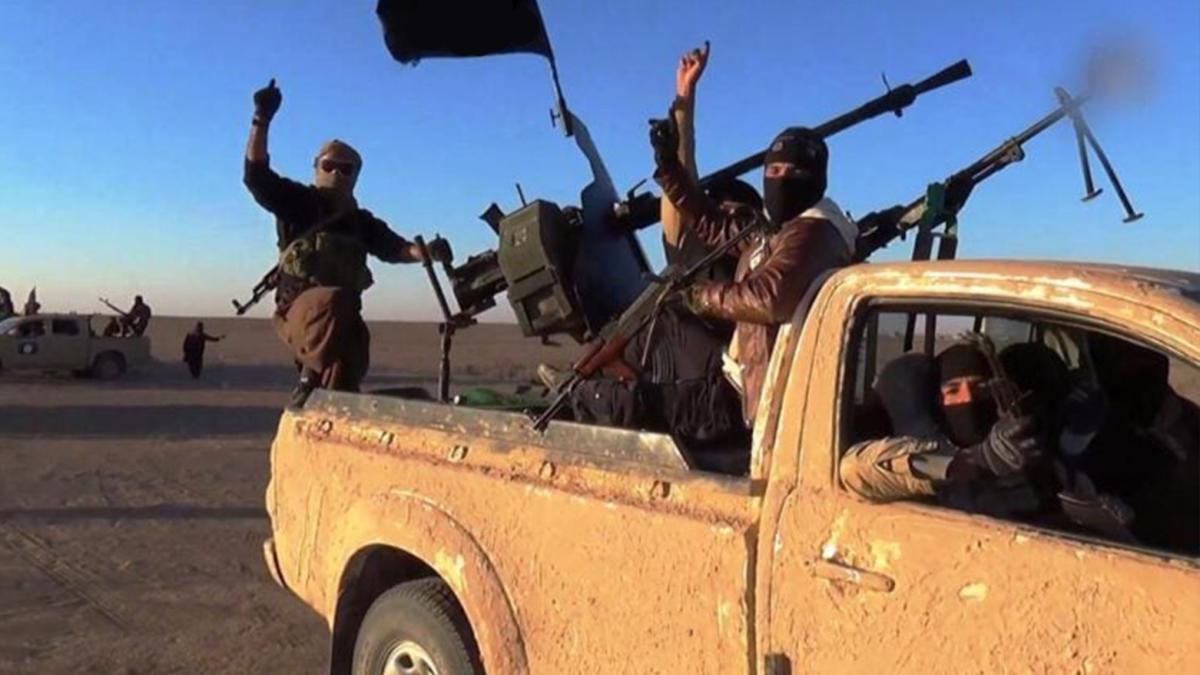
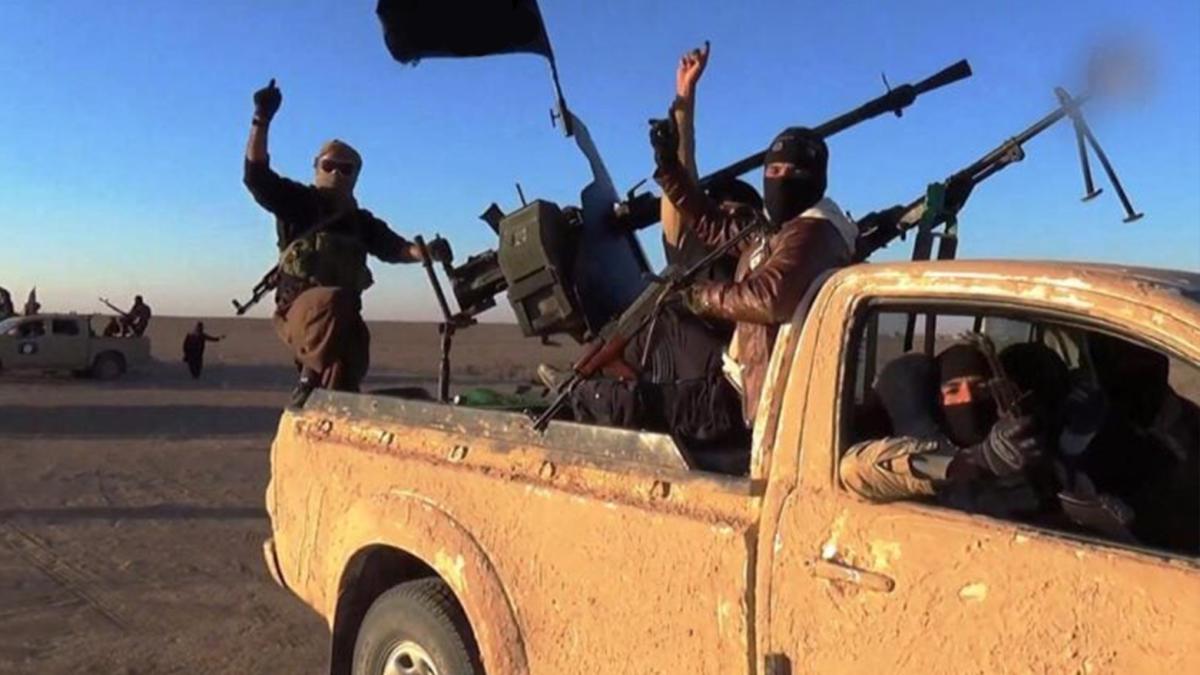
Presumed ISIS militants attacked a police station of the Kurdish autonomous administration at al-Sabha in Syria’s eastern Deir ez-Zor province. The attack with grenades and small arms was repulsed by the local police force without loss of life. But this was only the latest in a spate of new ISIS attacks in Syria. In a first attack on central government forces since the ouster the Assad dictatorship last December, ISIS boasted in a communique last week that its fighters had killed several soldiers of the “the apostate Syrian regime” at a road checkpoint in Talul al-Safa, in southern Suwayda province. One member of the Free Syrian Army faction was also killed in an ambush by ISIS militants on an FSA patrol in al-Tanf Deconfliction Zone, a US military outpost near the Jordan border. (Photo: SOHR via Kurdistan4)

Greater Middle East
warplanes

Trump launches air-strikes on Yemen, Iraq

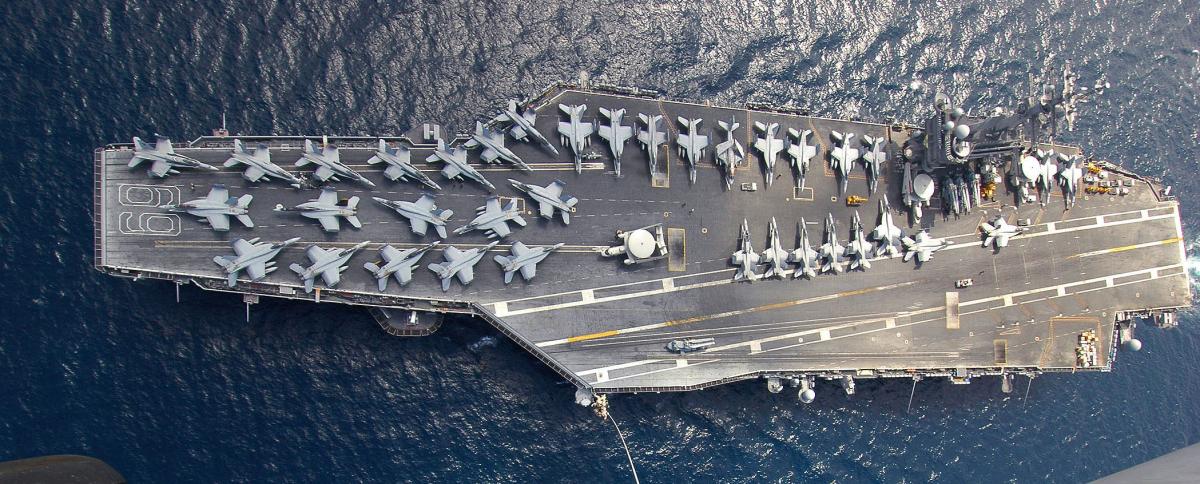
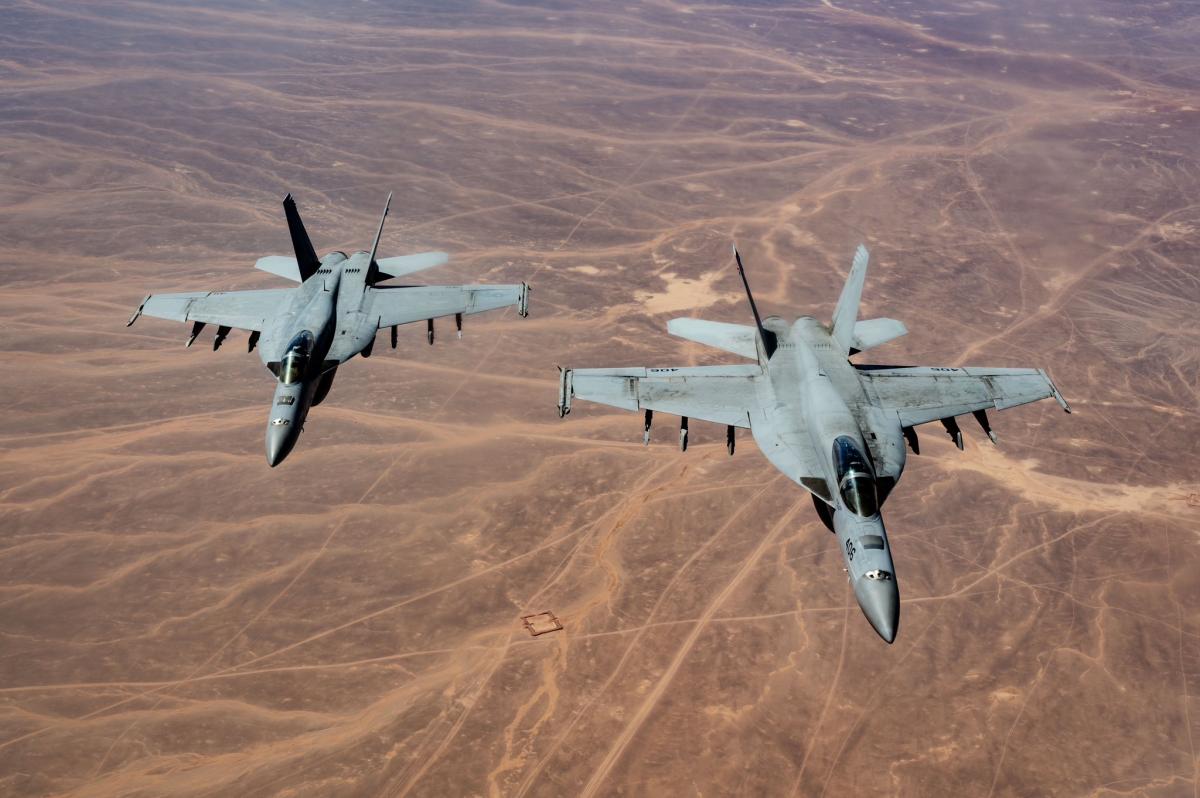
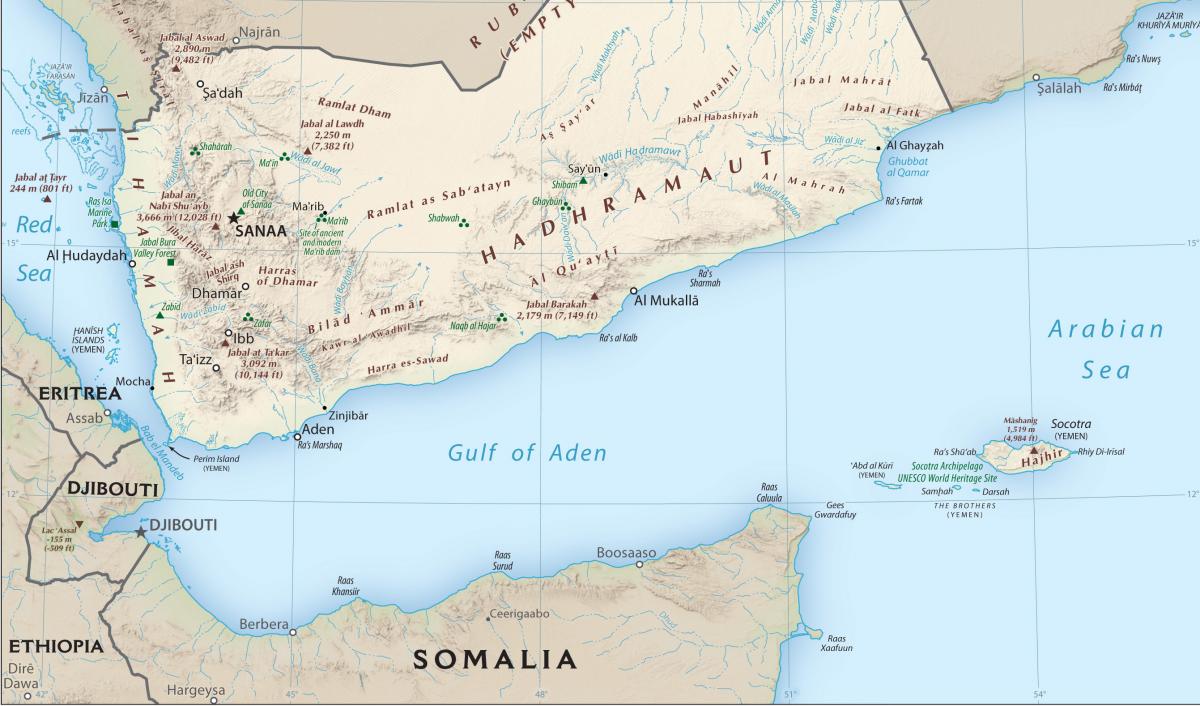
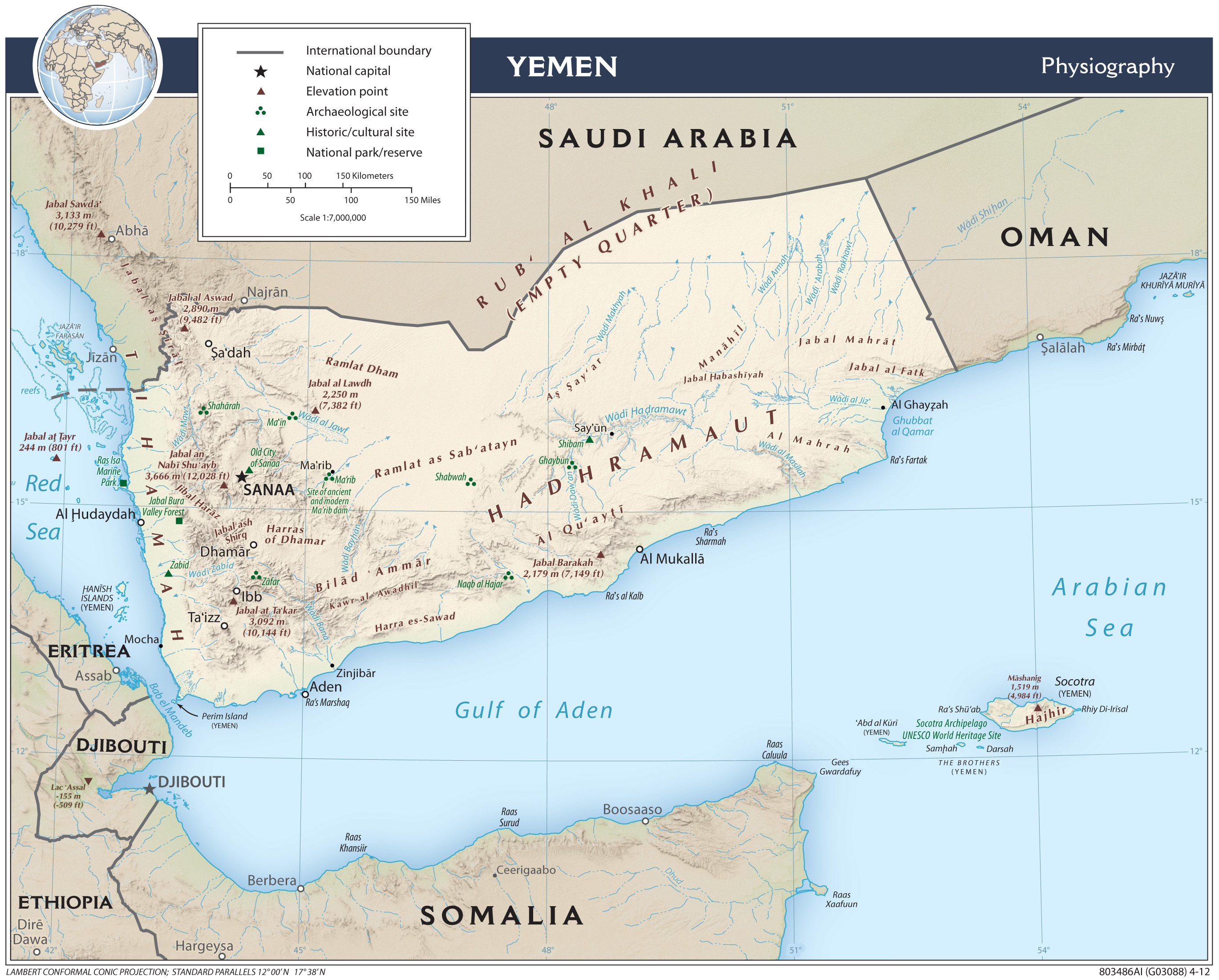
President Donald Trump ordered a series of air-strikes on Yemen’s capital, Sanaa, promising to use “overwhelming lethal force” until the Houthi rebels cease their attacks on shipping along a vital maritime corridor. Houthi authorities said 13 civilians were killed in the strikes. Yemen’s Houthi rebels, who control the capital, have said they will resume attacks on ships in the Red Sea in response to Israel’s renewed blockade on aid to Gaza. Following the January Hamas-Israel ceasefire, the Houthis had paused their campaign of attacks on shipping, which they depict as a gesture of solidarity with the Palestinians (although many targets are not linked to Israel). Days before the strikes on Sanaa, a US air-raid in Iraq’s Anbar province reportedly killed Abdallah Makki Muslih al-Rifai, the second-highest ranking ISIS leader. (Photo: CENTCOM)

Syria
Syria

External, internal challenges for Syrian Revolution

Apparent Assad loyalists have taken up arms against Syria’s transitional government in the Alawite heartland of Latakia on the Mediterranean coast. Fighting meanwhile continues between the Turkish-backed Syrian National Army (SNA) and Kurdish-led Syrian Democratic Forces (SDF) in the northeast, while Israel grabs a “security zone” in the south and continues intermittent air-strikes. Elsewhere in the south, the Druze of Suweida protest their perceived exclusion from the transition process. All this as Russia opens talks with the new authorities in a bid to keep its military bases in Syrian territory. (Map: PCL)

Africa
ISIS

Trump’s first air-strikes hit ISIS base in Puntland

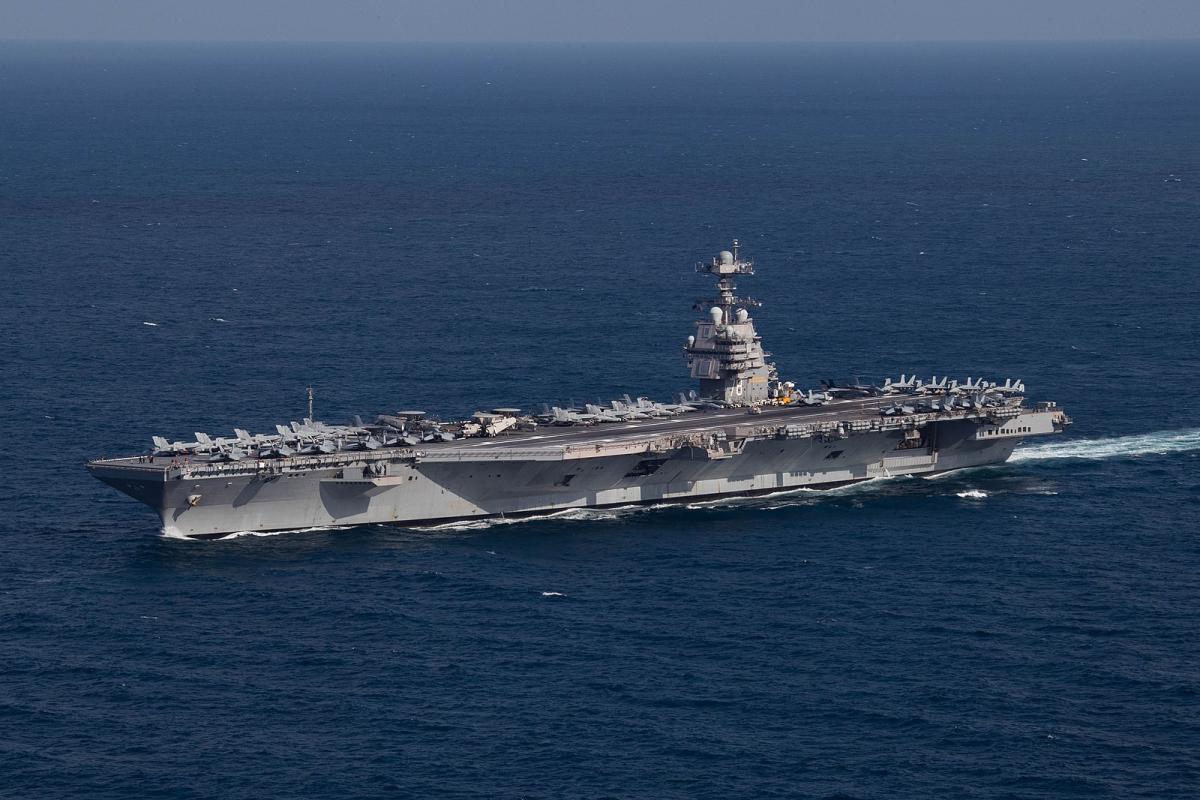
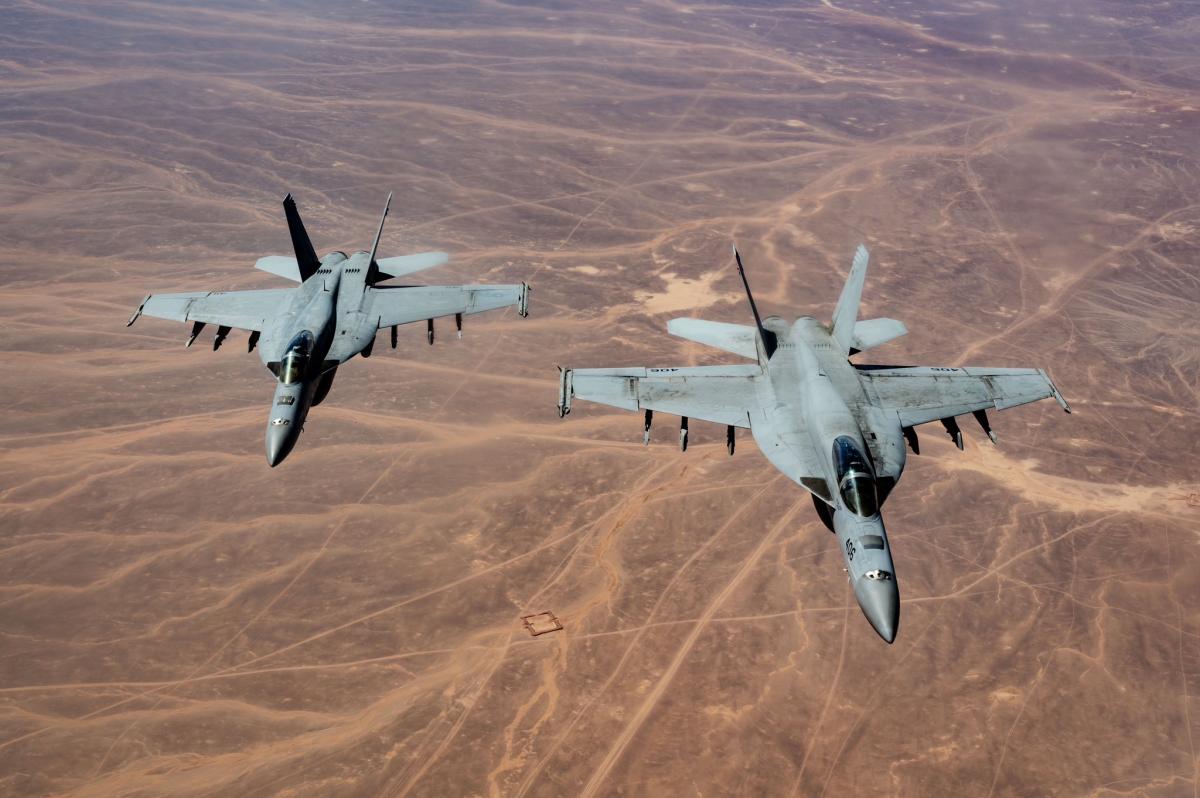
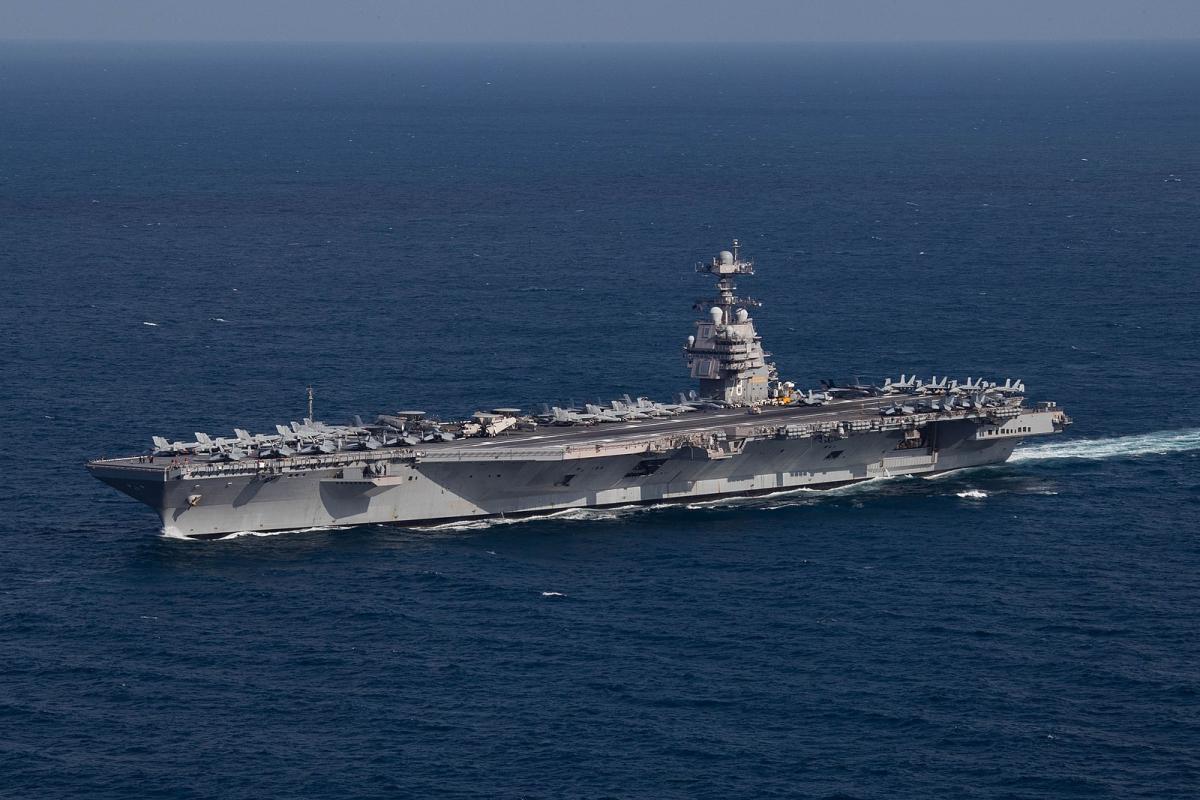
US fighter jets launched from the USS Harry Truman in the Red Sea struck a hidden base of the local ISIS franchise in the interior mountains of Somalia’s northern autonomous enclave of Puntland. Defense Secretary Pete Hegseth said the “initial assessment is that multiple operatives were killed” in these first US air-strikes under the new Trump presidency. The strikes were carried out with the cooperation of the governments of both Puntland and Somalia, whose President Hassan Sheikh Mohamud expressed his “deepest gratitude.” The Puntland Dervish Forces have for some five years been fighting the self-declared “Islamic State Somalia” in the enclave’s Cal Miskaad mountains. (Photo via Garowe Online)

The Caribbean
Havana

Will US-Cuba deal survive Trump?

Outgoing President Joe Biden informed Congress in his final days in office that he would lift the US designation of Cuba as a State Sponsor of Terrorism (SSOT), as part of a deal facilitated by the Catholic Church to free political prisoners on the island. The Cuban government announced it would release 553 prisoners who had been jailed in connection with the 2021 protests on the island. However, the durability of the deal was immediately cast into doubt. Just one day after the policy change, Republican Senator Marco Rubio, Trump’s pick for Secretary of State, said during his Senate Confirmation hearing that Cuba belongs on the SSOT list. (Photo: Falkenpost/Pixabay)

South Asia
Kurram

Pakistan: truce follows weeks of sectarian clashes

A ceasefire agreement was reached between two warring tribes in Pakistan’s restive Khyber Pakhtunkhwa province following weeks of clashes that left 130 people dead in Kurram district, along the border with Afghanistan. A Grand Jirga of tribal leaders was called to mediate the truce. The violence exploded when a convoy of Shi’ite pilgrims traveling to a shrine in Peshawar was ambushed by armed assailants, killing at least 42. The ensuing clashes pitted members of the mostly Shi’ite Bagan tribe against their Sunni neighbors, the Alizai, with shops and homes ransacked and whole villages displaced. A land dispute between the two tribes had also caused clashes that led to 50 fatalities in September, and ended when some 100,000 local residents marched for peace. (Map: USAID via ReliefWeb)

North America
#ElectoralNullification

Podcast: nullify the election! II

As the Trump team’s plans fall into place for mass detention of millions of undocumented immigrants—perhaps even naturalized citizens—and establishment of a concentration camp system, invocation of the Insurrection Act to mobilize the army for the round-ups has been broached. Sending National Guard troops from red states into blue states to carry out round-ups and put down protests—over the objections of governors who have refused to cooperate—could portend civil war. There is still time to invoke the 14th Amendment to bar Trump from the presidency—just as Brazil’s Jair Bolsonaro, indicted for leading a Trump-style attempted auto-golpe in 2022, has been barred from office. And just as the Congressional Black Caucus sought to bar Dubya Bush from office over considerably lesser matters on Jan. 6, 2001. In Episode 253 of the CounterVortex podcast, Bill Weinberg continues to make the case for mass pressure to demand nullification of the election. (Image: CounterVortex)

Africa
west africa

Uranium at issue in Great Game for West Africa

The ruling junta in Niger revoked the operating license of French nuclear fuel producer Orano at one of the world’s largest uranium mines. Russian companies have meanwhile indicated interest in picking up the lease for the giant Imouraren mine. However, exports are stalled by closure of the border with Benin, the vital sea corridor for landlocked Niger, as tensions mount between the two countries. The uranium dispute comes as French and US troops have been forced to withdraw from Niger, and Russian forces have moved in. The Pentagon’s AFRICOM commander Gen. Michael Langley has acknowledged that the US is seeking to establish new bases in neighboring West African countries, including Benin. (Map: World Sites Atlas)

Greater Middle East
Iran

Gaza: flashpoint for regional war? (redux)

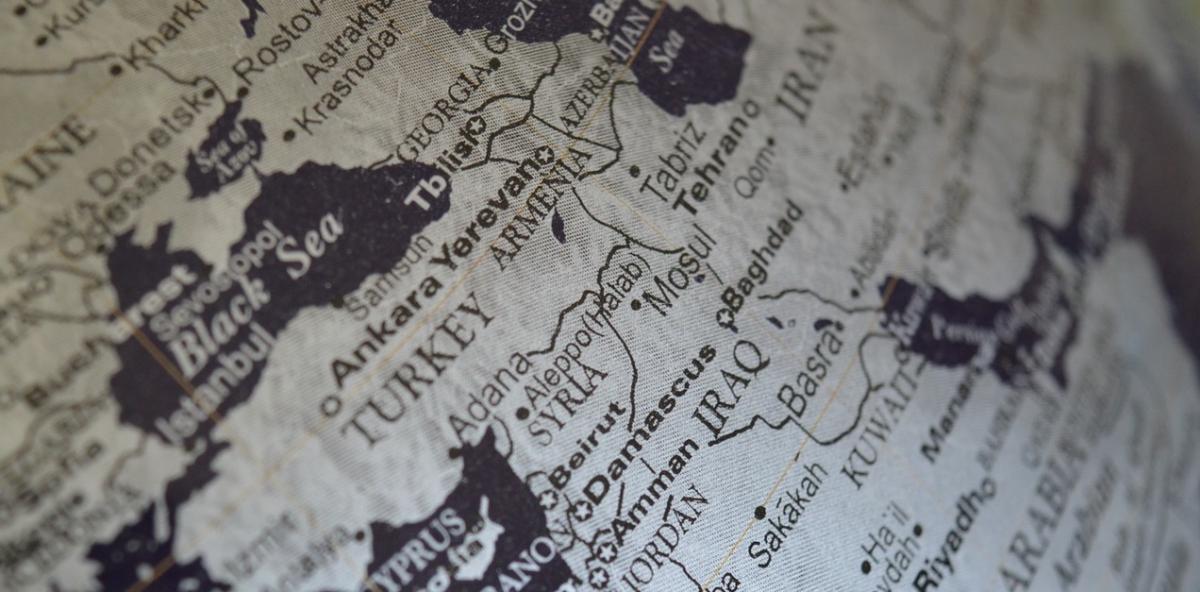
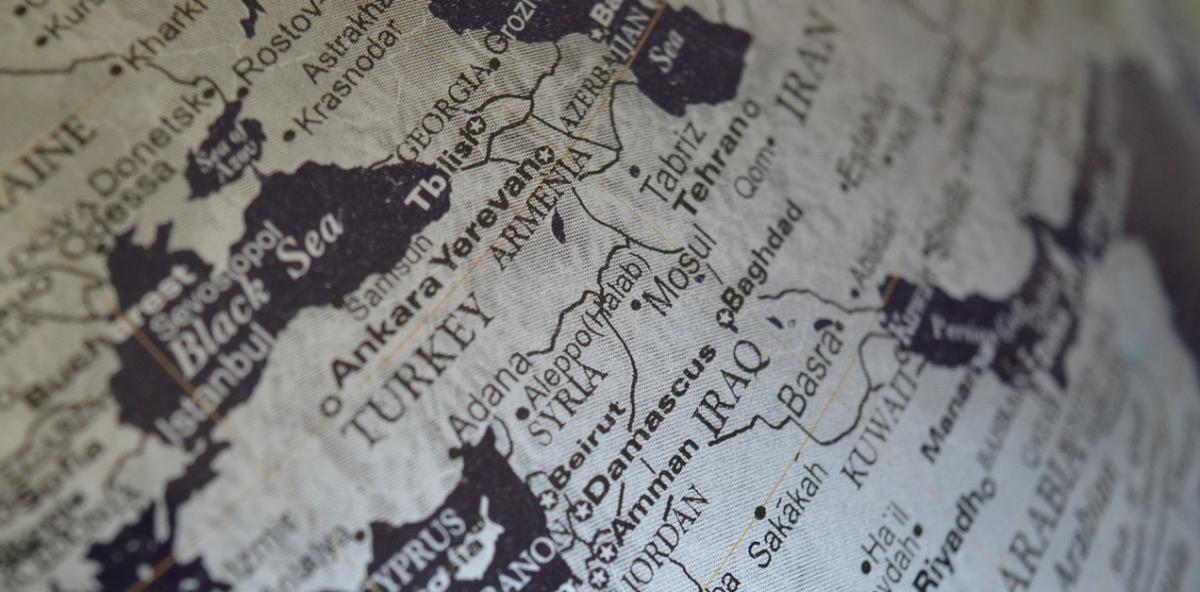
The Pentagon carried out air-strikes on Iran-backed militia forces in Iraq in retaliation for a drone attack on a US airbase in Erbil, while a senior commander of Iran’s Islamic Revolutionary Guards Corps was killed in a presumed Israeli strike in Syria. Israel continues to trade cross-border fire with Lebanon’s Hezbollah, while Yemen’s Houthi armed movement claimed responsibility for drone attacks targeting the Israeli port city of Eilat. Israeli Defense Minister Yoav Gallant said that Israel is now fighting on “seven fronts”—Gaza, the West Bank, Lebanon, Syria, Iraq, Iran and Yemen. (Image: Pixabay)

Africa
Niger

Podcast: flashpoint Niger

In Episode 186 of the CounterVortex podcast, Bill Weinberg examines the coup d’etat in Niger, which now threatens to plunge West Africa into regional war—with potential for escalation involving the Great Powers. Lines are drawn, with the Western-backed ECOWAS demanding the junta cede power, and Russian-backed Mali and Burkina Faso backing the junta up. Pro-junta demonstrators in Niger’s capital, Niamey, wave the Russian flag—probably to express displeasure at US and French neo-colonialism. The Wagner Group, which already has troops in Mali and Burkina Faso, has expressed its support for the junta, and offered fighters to help stabilize the regime. Elements of the tankie pseudo-left in the West are similarly rallying around the junta. Amid this, leaders of the Tuareg resistance in Niger have returned to arms to resist the new regime, and the country’s mine workers union is also demanding a return to democratic rule. Listen on SoundCloud or via Patreon. (Map: PCL)