Palestine
Gaza

Podcast: humanitarian intervention for Gaza?

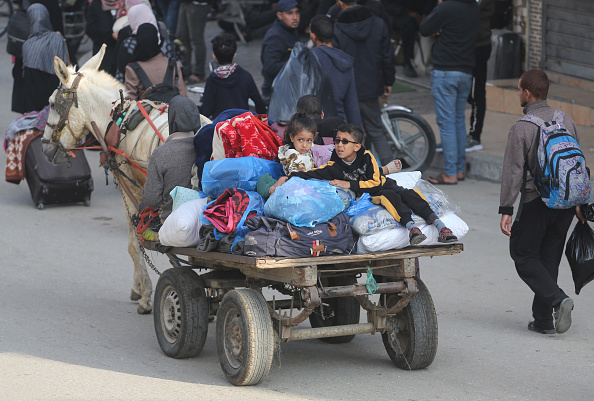
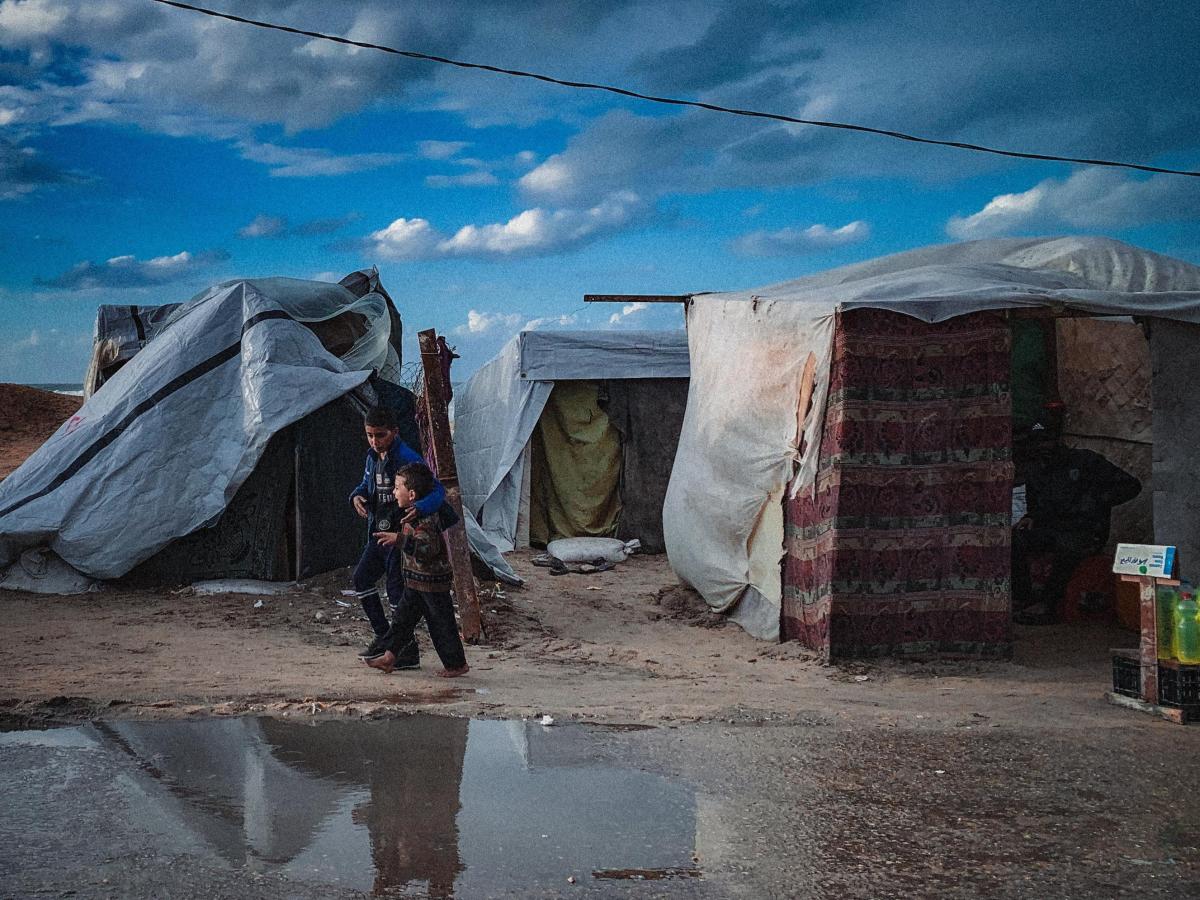
As Israel escalates its genocide in Gaza and prepares to execute its final cleansing or “transfer” of the populace of the Strip, calls are mounting for humanitarian intervention to protect the Palestinians. In Episode 280 of the CounterVortex podcast, Bill Weinberg explores the concrete steps already taken by elements of the international community to implement the “Responsibility to Protect” doctrine in the Gaza Strip—as well as exploring the critique of humanitarian intervention repeatedly raised in other contexts by Noam Chomsky and the anti-imperialist left. (Photo: Jaber Jehad Badwan via Wikimedia Commons)

Palestine
Philadelphi

Israel seizes ‘buffer zone’ on Gaza-Egypt border
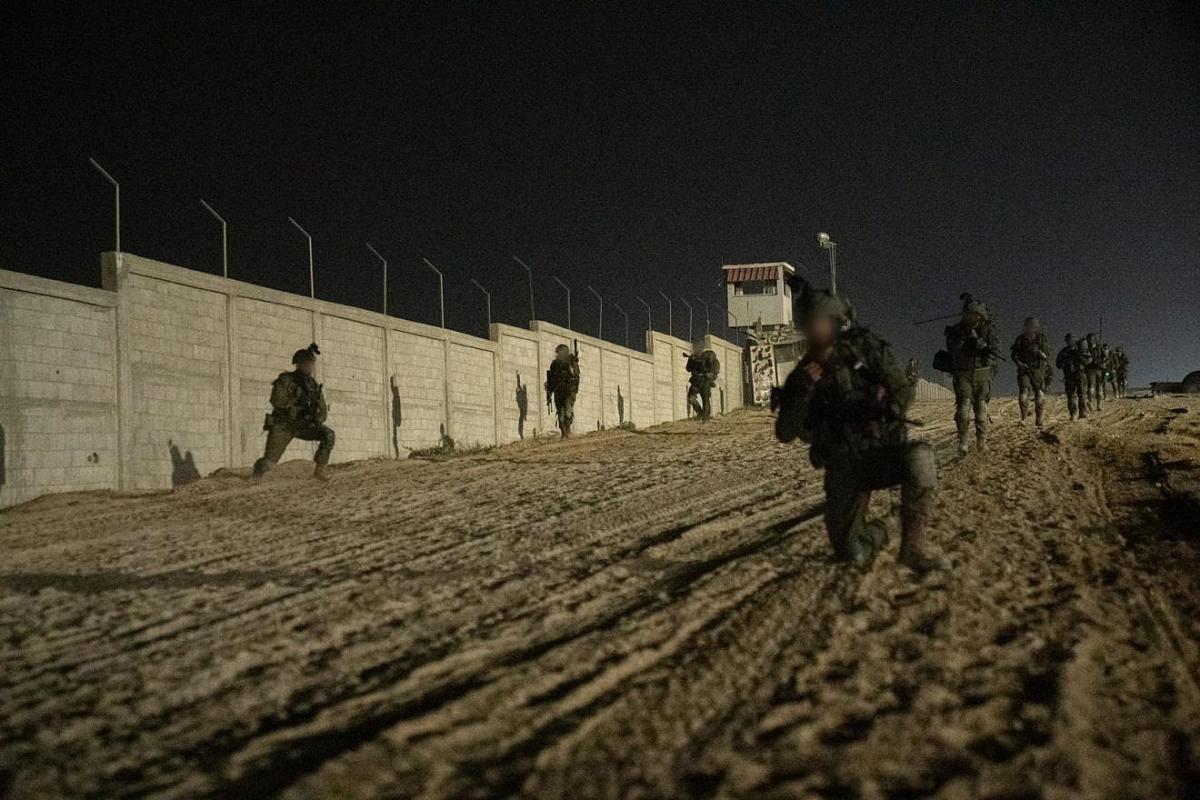
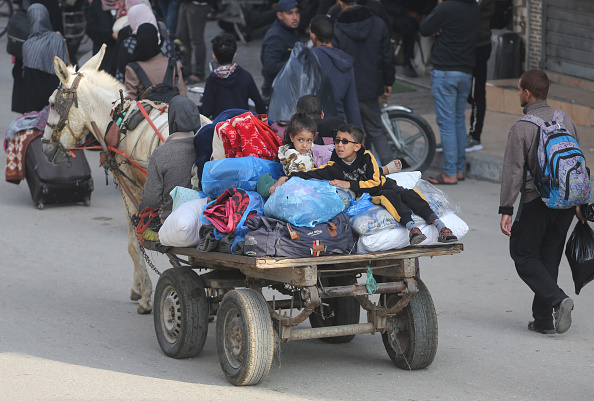
The Israel Defense Forces took “operational control” of the Philadelphi Corridor, the strip of territory running along the border between Egypt and Gaza, claiming it was being used by Hamas to traffic weapons into the Strip. In the operation, the IDF’s 162nd Division said it uncovered dozens of rocket launchers in a network of tunnels under the Corridor. The Corridor, known to the Egyptians as Salah al-Din, had been established as a demilitarized zone under the 1978 Camp David Accords, and its re-occupation by Israel as led to fears that Egypt will “tear up the peace treaty” between the two countries. (Photo: IDF via JNS)
Palestine
Gaza

Egypt fears Israel pushing Palestinians to Sinai

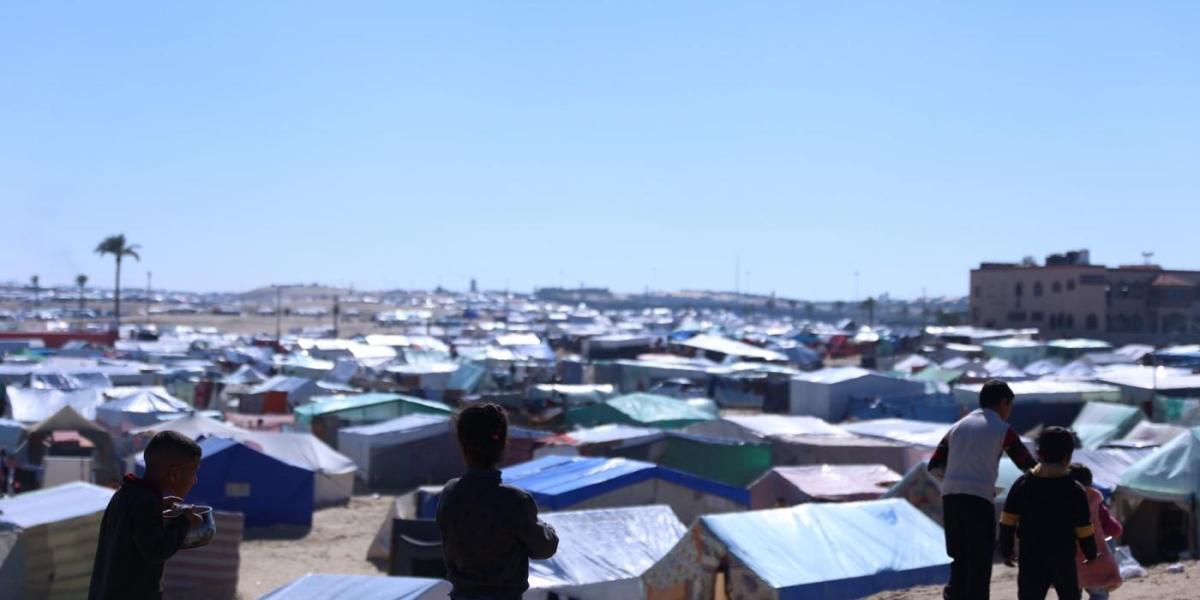
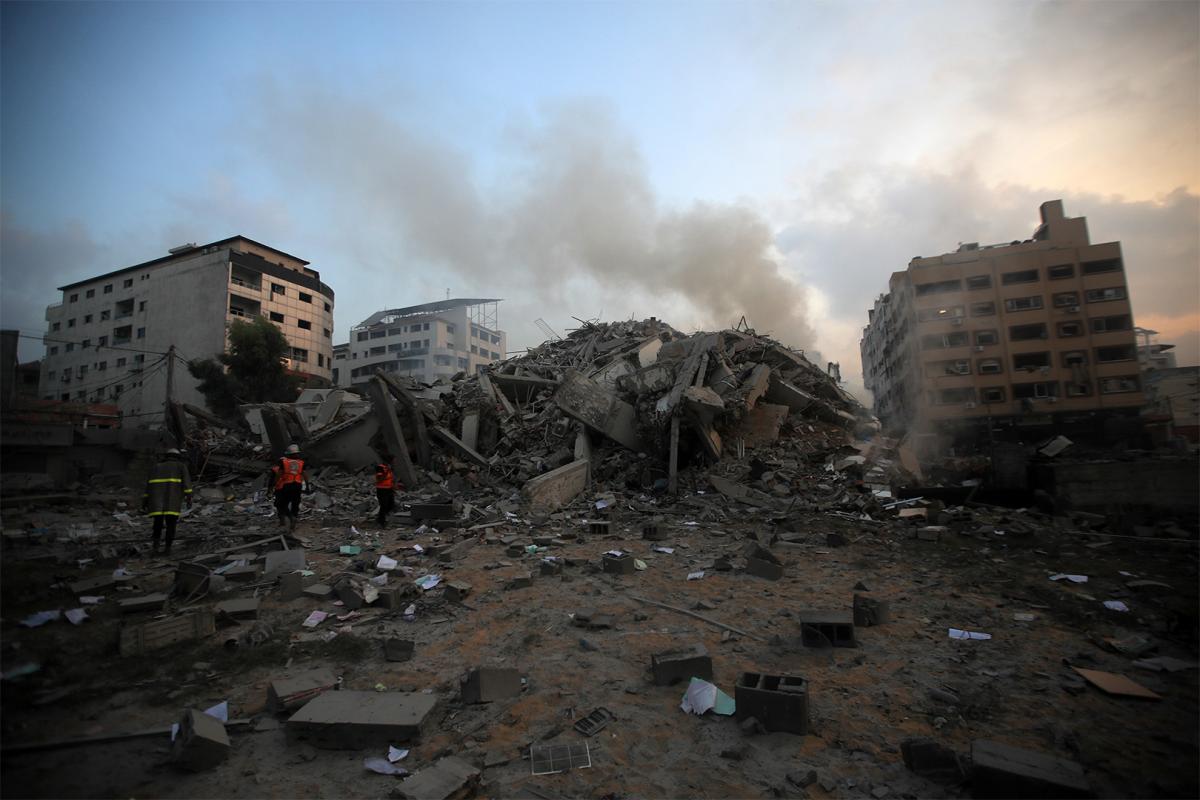
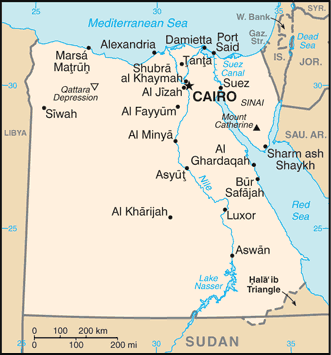
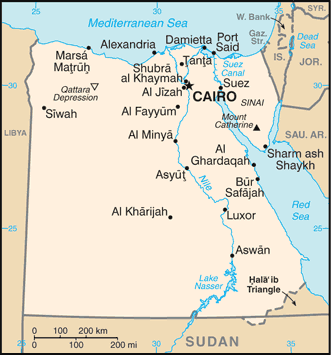
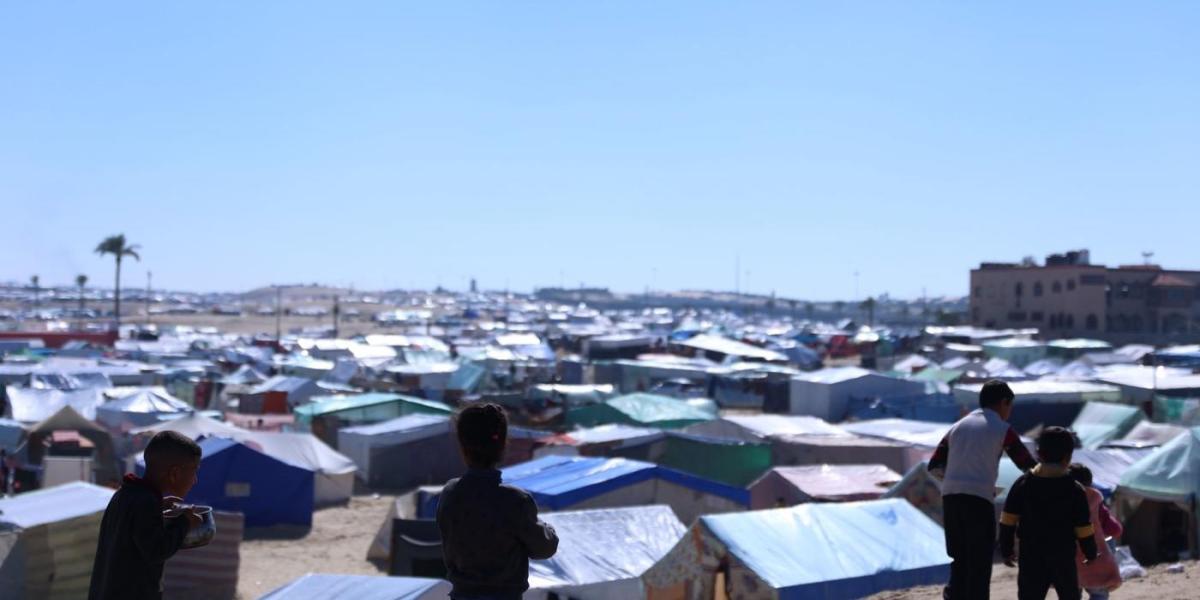
Since the “humanitarian pause” ended, Israel has focused its air-strikes on Gaza’s southern city of Khan Younis—now swelled with hundreds of thousands displaced from the north of the Strip. Along with the strikes, Israeli planes are dropping leaflets on the city, warning the populace to flee further south to Rafah on the Egyptian border—despite having earlier declared the southern Strip a “safe zone.” Most of the Strip’s 2.3 million population has already fled to the south, and Egyptian officials believe that Israel is preparing to next drive them across the border into the Sinai desert. The aim of the Khan Younis strikes is to “disrupt the mass of the population from the south and push it towards Egypt,” one Cairo official told Al-Araby Al-Jadeed. President Abdel Fattah el-Sisi has categorically rejected a forced resettlement, and the idea is generating anger among Egyptians. (Photo via The New Arab)

Palestine
Jabalia

Expel Palestinians from Gaza: Israeli intelligence ministry

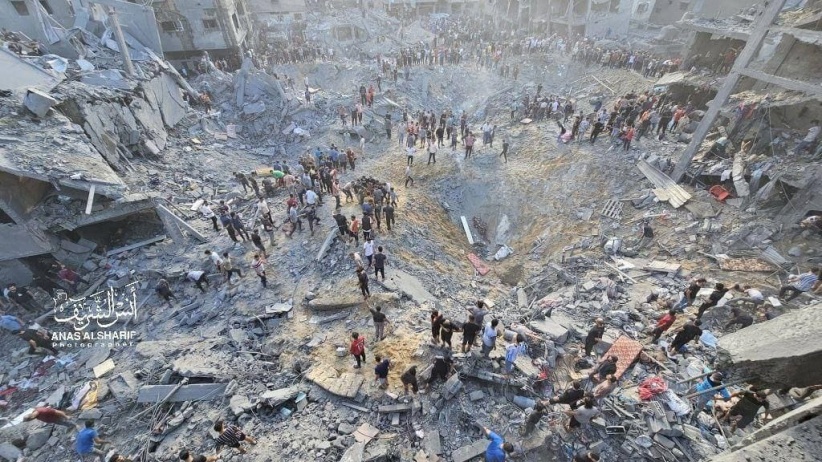
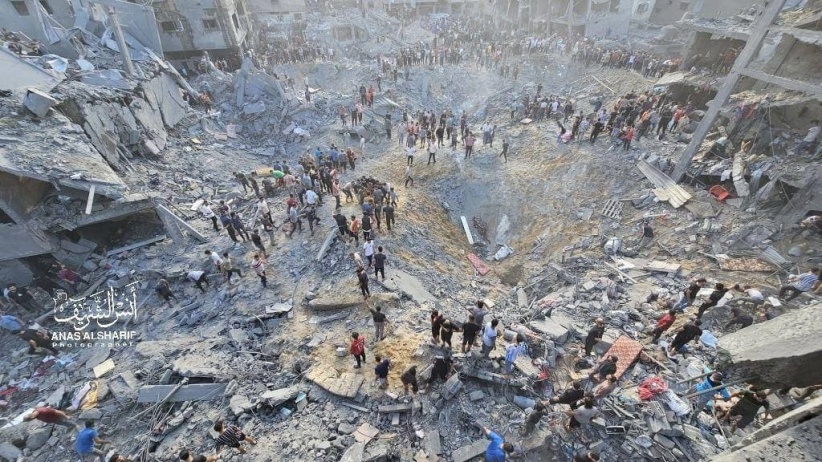
The Israeli Ministry of Intelligence is recommending the forcible and permanent transfer of the Gaza Strip’s 2.2 million Palestinian residents to Egypt’s Sinai Peninsula, according to an official document revealed in full by progressive Israeli website Local Call, and acknowledged by the ministry as authentic. The document, which has been translated into English, recommends that Israel act to “evacuate the civilian population to Sinai” during the course of the conflict; establish tent cities and later more permanent settlements in the northern Sinai that will absorb the expelled population; and then create “a sterile zone of several kilometers…within Egypt, and [prevent] the return of the population to activities/residences near the border with Israel.” (Photo of bombed Jabalia refugee camp via Maan News Agency)

Greater Middle East
suez

ISIS militants ‘besiege’ targets near Suez Canal

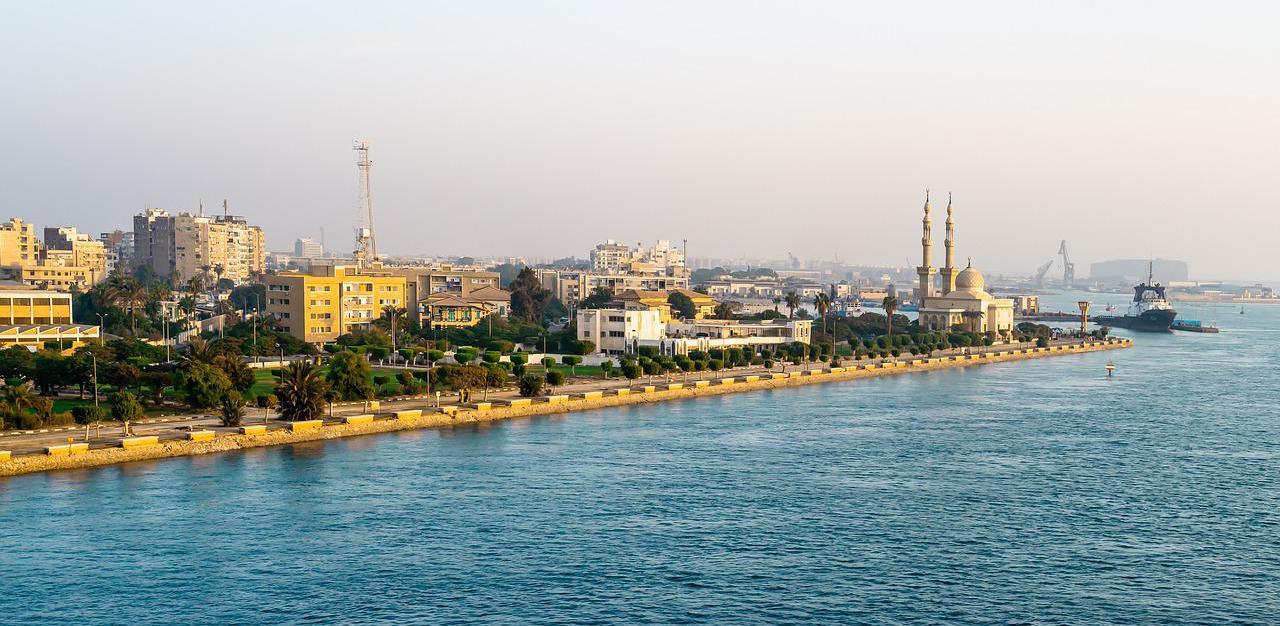
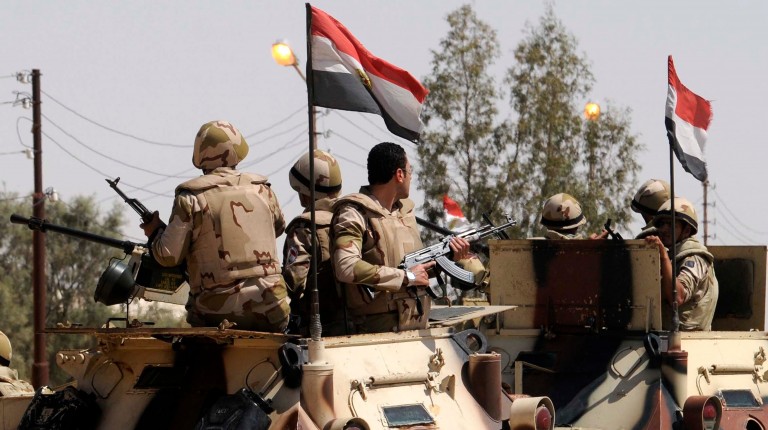
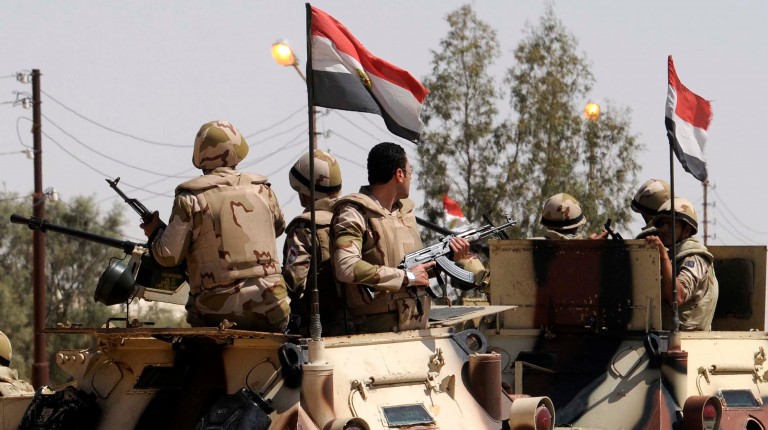
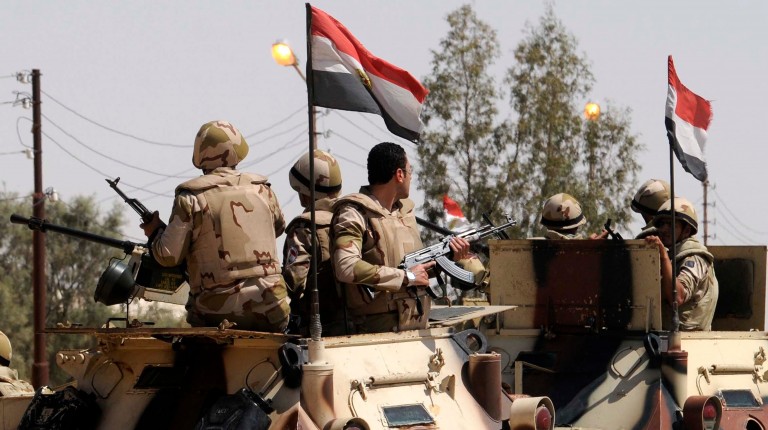
Dozens of militants believed to be associated with the Islamic State’s “Sinai Province” (Wilayat Sinai) attempted to besiege targets including power transformers and railway facilities in the city of El Qantara Sharq, on the eastern bank of Egypt’s Suez Canal. The militants barred access to the sites, but dispersed as security forces advanced. Attacks by the ISIS affiliate have been mounting in the Sinai Peninsula. In May, militants attacked a water station near the Canal, killing 16 members of the military force guarding it. (Photo: Pixaby)

Greater Middle East
egypt police

State of emergency lifted in Egypt —charade?

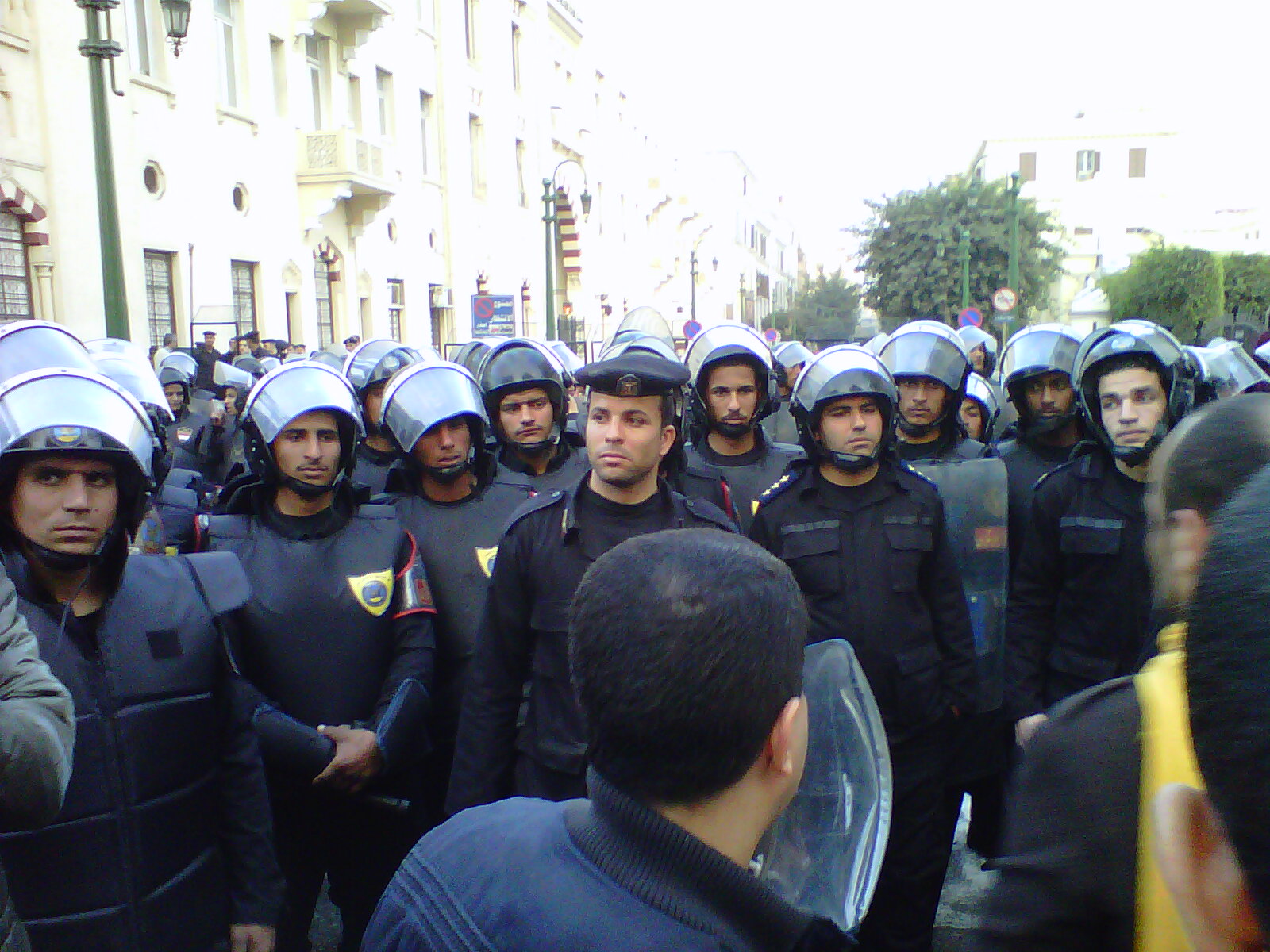
The ending of Egypt’s nearly four-year state of emergency, announced by President Abdel Fattah al-Sisi, was hailed by international human rights groups as a positive step. But Sisi is now trying to make permanent a more recent, and officially temporary, national security law that would give the military powers normally used during a state of emergency. The amendments to the national terrorism law, which have been approved by the House of Representatives, would give the president the authority to take “measures necessary to preserve security and public order,” including the ability to impose curfews. It would also expand the purview of military courts, giving them power over any crimes concerning “public infrastructure.” A related measure passed by the House would impose penalties for conducting “research” on the military. (Photo via Wikipedia)

Afghanistan
ground zero

Podcast: 9-11 and the GWOT at 20

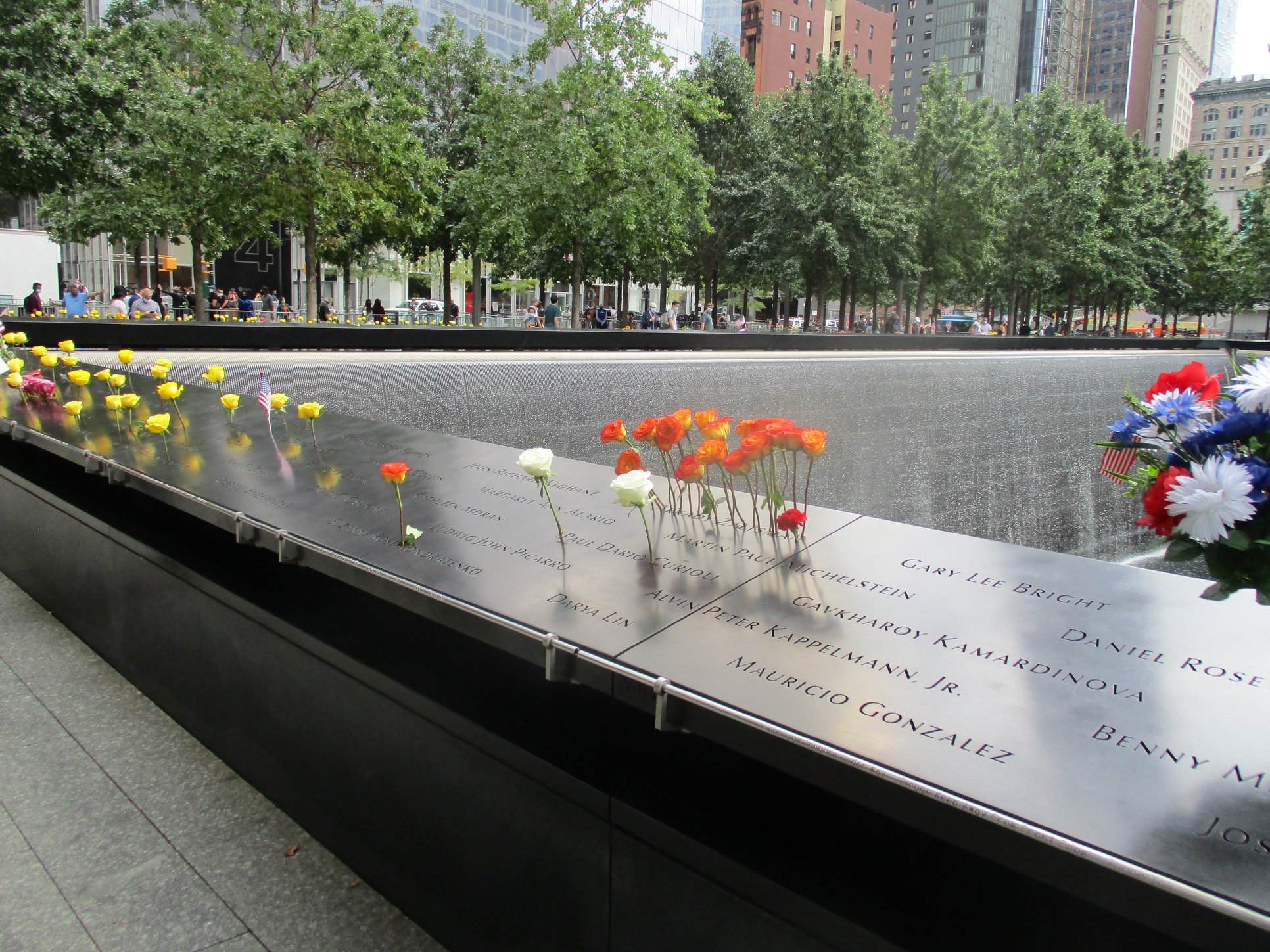
In Episode 88 of the CounterVortex podcast, Bill Weinberg revisits his predictions from 20 years ago and from a month ago about what the world would look like on the 20th anniversary of 9-11. The attack, and Dubya Bush’s Global War on Terrorism, did not lead to a wave of new attacks within the US, as the jihad has proved more concerned with the struggle within Islam. But this has meant an invisible catastrophe for the Muslim world. The ongoing wars in Afghanistan, Iraq, Syria and Yemen get at least some international media attention. There are many more nearly forgotten wars and genocides: the serial massacres in Pakistan, the insurgency in Egypt’s Sinai Peninsula, the Boko Haram war in Nigeria that is now spilling into Cameroon, the mounting massacres in the Sahel nations. Even the insurgency in Somalia, where the US has had a military footprint, wins little coverage—despite the fact that it is spilling into Kenya. The insurgency in Mozambique has now prompted an African-led multinational military intervention. The insurgency on the Philippine island of Mindanao has been met with air-strikes. All waged by entities claiming loyalty to either al-Qaeda or ISIS. The new imperial doctrine appears to be that this violence is acceptable as long as it is not visited upon the West. Listen on SoundCloud or via Patreon. (Photo: CounterVortex)

Greater Middle East

Egypt: Sufis targeted in Sinai mosque massacre

At least 235 were killed and over 100 wounded in a suicide attack as people gathered for Friday prayers at a mosque in Egypt's North Sinai. Women and children are among the dead. The mosque is said to be run by adherents of a local Sufi order, and includes a zawiya—a lodge used by order members for prayer and chanting. Although no group has yet claimed responsibility for the massacre, followers of Sufi Islam have faced numerous attacks by ISIS cells operating in the Sinai Peninsula.

Greater Middle East

Egypt: ISIS claims attack at historic monastery

ISIS militants attacked a security checkpoint near the gates of the 6th century St. Catherine's Monastery in Egypt's Sinai peninsula, as draconian emergency measures take effect.

Greater Middle East

Suez Canal expansion amid regional war

Egypt formally opened an expansion to the Suez Canal amid pomp, spectacle—and a massive troop presence. The new trade hub opens as a jihadist insurgency mounts in the Sinai.