Africa

Woman fights for chieftaincy in Lesotho

Under tradition, only men can inherit the chieftaincy title in Lesotho, the land-locked mountain kingdom of southern Africa, Now, one woman, Senate Masupha, is seeking to change this. Masupha is the only child of David Masupha, former chief of several villages and direct descendant of Moshoeshoe I, founder of the kingdom. When her father died in 1996, her mother took up the position, as tradition allowed widows of chiefs to become custodians of the title until a male heir is ready. But when her mother died in 2008, the title went to her uncle. Masupha challenged the kingdom's Chieftainship Act, but the courts ruled the law could only be changed by parliament—which has refused to act. Mamathe continues to assert her claim, and campaign for the rights of women in Lesotho. (Photo: Face2FaceAfrica)

Syria

Syria: reprieve for Idlib; flashpoint at al-Tanf?

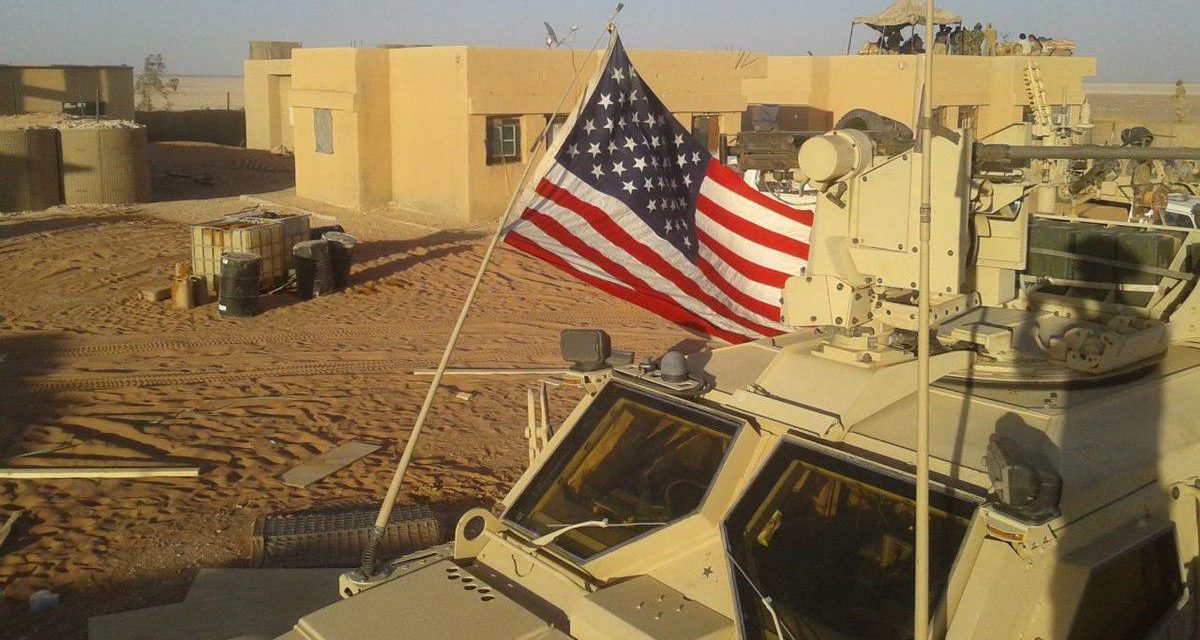
The long-feared Assad regime offensive on Idlib province appears to have been called off—for now. After meeting in Sochi, Russian President Vladimir Putin and his Turkish counterpart Recep Tayyip Erdogan reportedly agreed to a “buffer zone” in Idlib—a strip some 25 kilometers wide to separate regime forces in south from rebel and opposition forces in the north. Although it is being called a “demilitarized” zone, it will in fact be jointly patrolled by Russian and Turkish troops. Meanwhile, a secondary small pocket of rebel control in Syria’s south, where US forces have established a position, is shaping up as a potential flashpoint. US Marines held unprecedented joint exercises with rebel forces in the pocket of al-Tanf, and Russia responded by threatening to attack it—despite the fact al-Tanf is one of the so-called “de-escalation zones” declared last year.  (Photo via EA Worldview)

Inner Asia

Podcast: Legacy of Kazakh-Shoshone solidarity

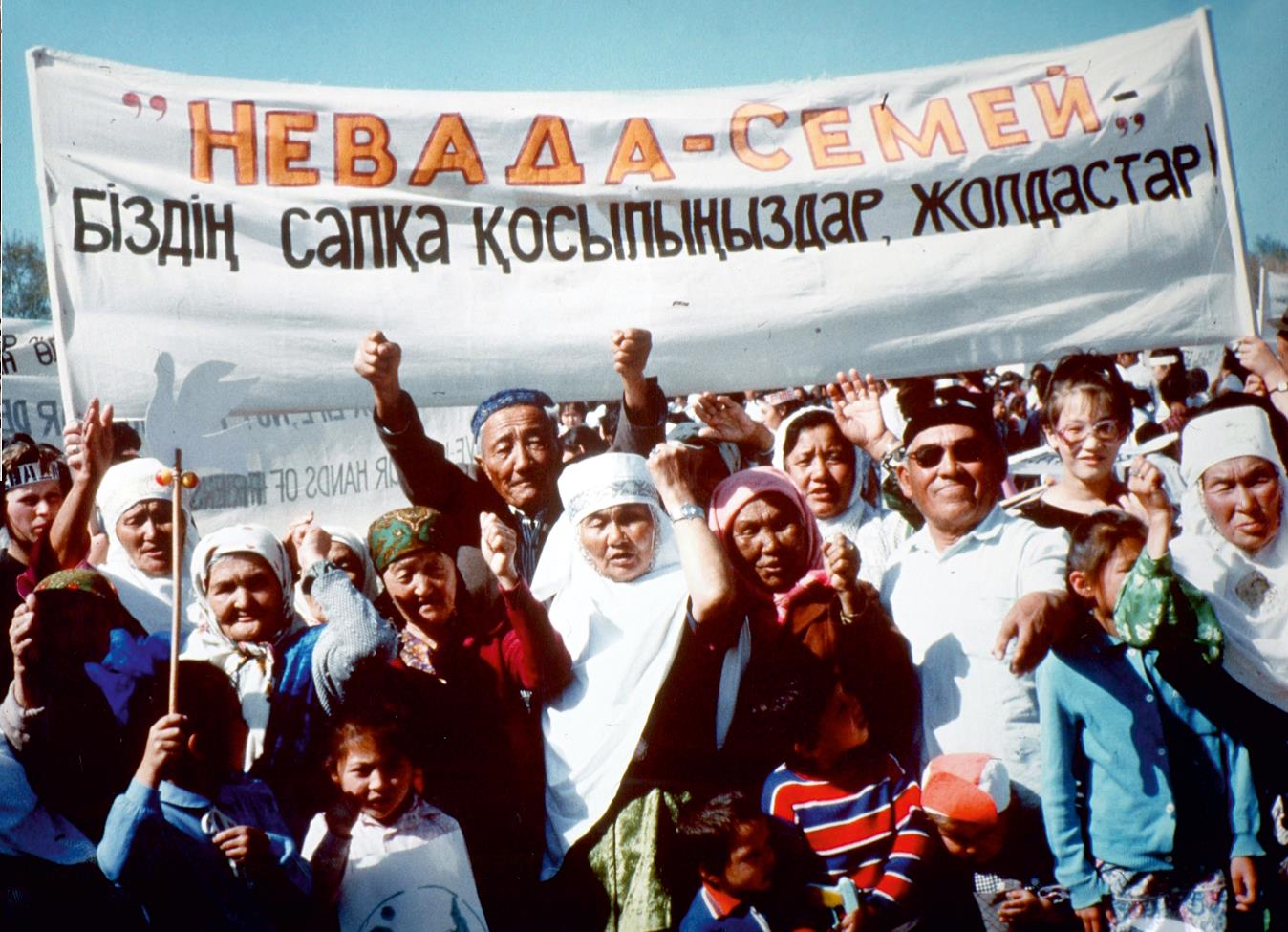
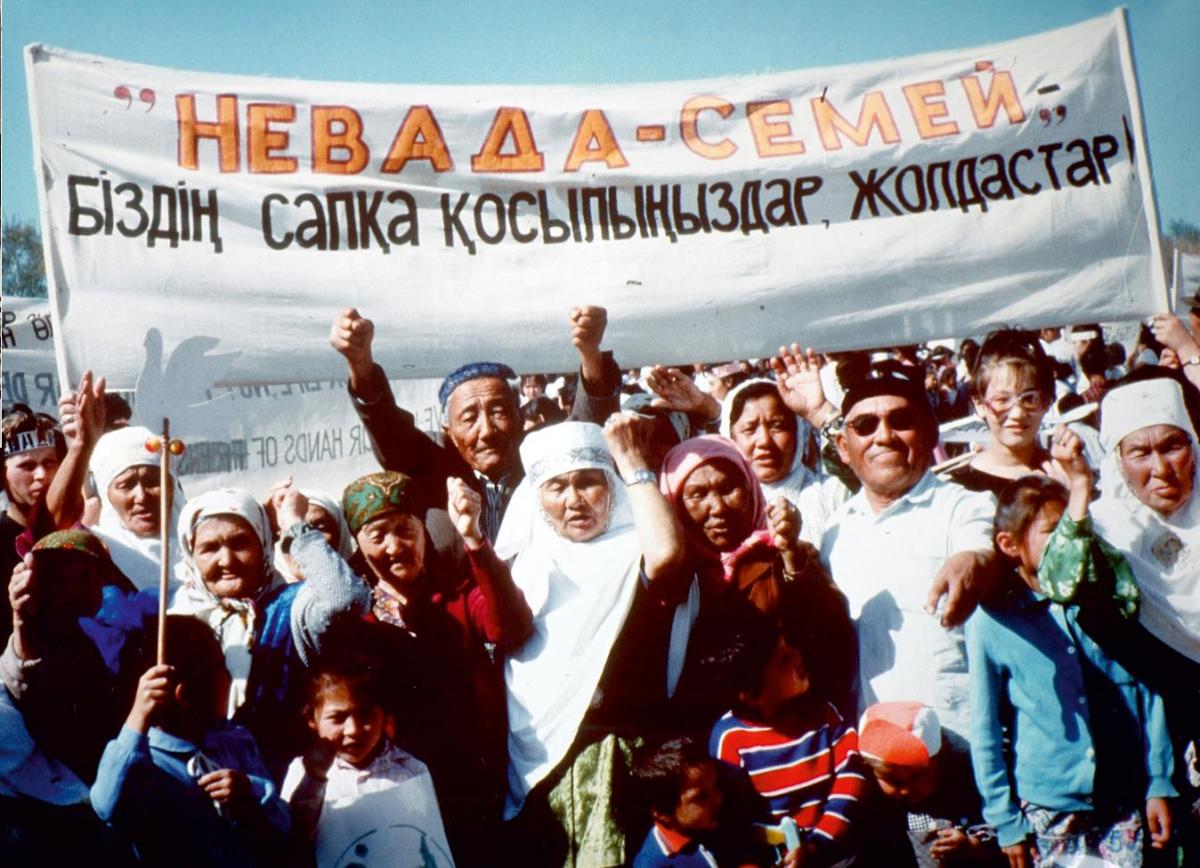
In Episode 18 of the CounterVortex podcast, Bill Weinberg looks back at the Nevada-Semipalatinsk movement of the closing years of the Cold War, when the Western Shoshone people, whose traditional lands were being contaminated by the nuclear blasts at the US government's Nevada Test Site, made common cause with the Kazakh people of Central Asia who opposed Soviet nuclear testing at the Semipalatinsk site. Kazakh activists travelled to Nevada to join protests at the Test Site, while Western Shoshone leaders travelled to Kazakhstan to join protests at Semipalatinsk. This initiative eventually evolved into the Abolition 2000 Global Network to Eliminate Nuclear Weapons, which as recently as 2016 held an International Conference on Building a Nuclear-Weapon-Free World in Astana, Kazakhstan, again attended by Western Shoshone leaders. The Nevada-Semipalatinsk movement provides an inspiring example of indigenous peoples and their supporters building solidarity across hostile international borders and superpower influence spheres. Listen on SoundCloud, and support our podcast via Patreon. (Photo: National Digital History of Kazakhstan. Banner from protest at Semipalatinsk declares solidarity with anti-nuclear protesters in Nevada.)

The Andes

Venezuela re-privatizing oil resources

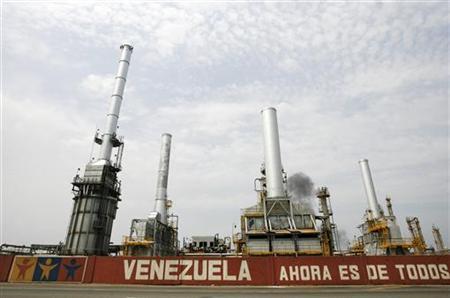
Faced with declining production and economic chaos, Venezuela is again opening its oil-fields to private companies—reversing much of the progress in asserting state control of the hydrocarbons industry that was made under Hugo Chávez. Just after a series of new contracts with private firms was announced, President Nicolás Maduro flew to Beijing for a meeting with Xi Jinping. The two leaders announced further deals to open Venezuela’s Orinoco Belt to Chinese companies. This comes a decade after Exxon withdrew from the Orinoco Belt, unable to come to terms with the Chávez government. (Photo via OilPrice.com)

Syria

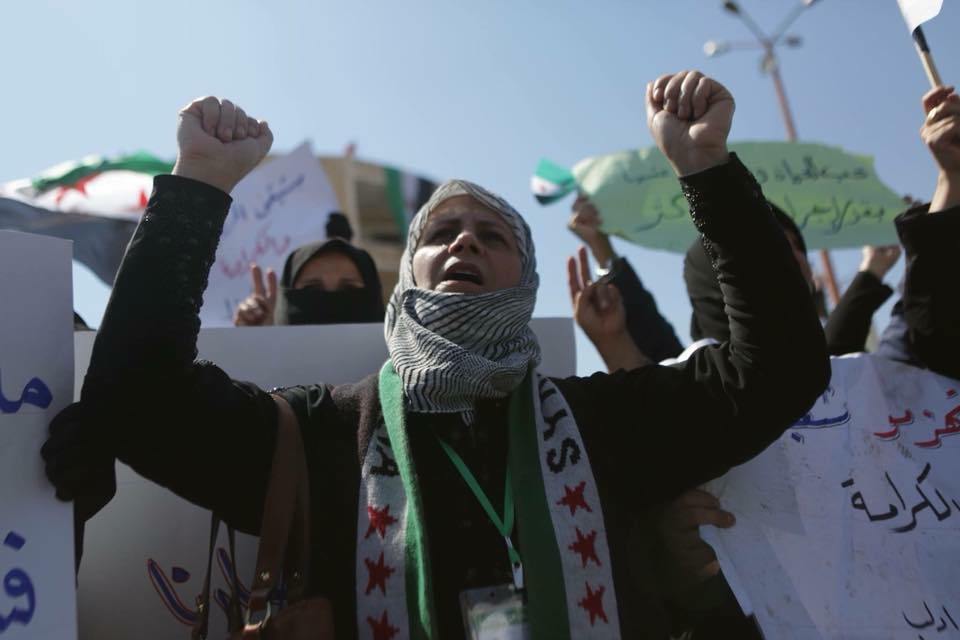
Thousands rally in Idlib as Assad offensive looms

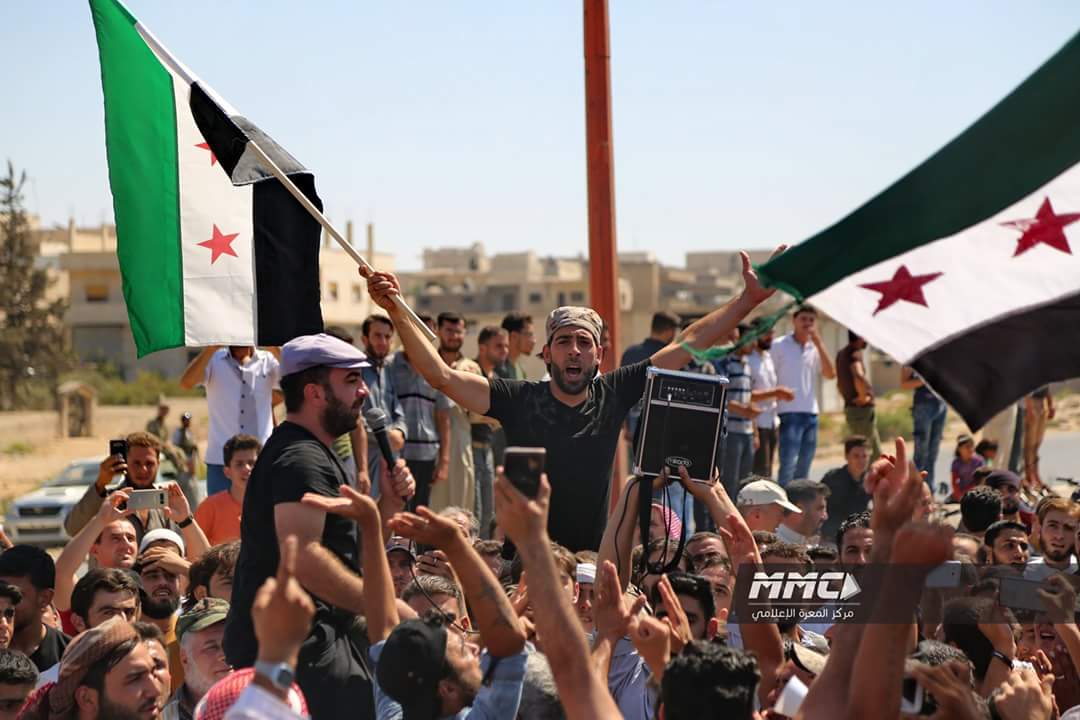
In the latest of ongoing weekly demonstrations in Syria’s besieged Idlib province, thousands took to the streets after Friday prayers, calling on the world to act to prevent the impending massacre there. One of the biggest demonstrations was held in the city of Maarat al-Nouman in central Idlib, where some 25,000 gathered for the march called by the civil resistance. “There will be no solution in Syria without Assad’s fall,” read one prominent banner. Russian-led air-strikes have already opened on Idlib ahead of the anticipated offensive by the Assad regime and its allies to take the province, now the last significant area of Syria still controlled by the opposition. Air-strikes last week reportedly destroyed a hospital run by the White Helmets in the town of Hass. The UN has provided Russia with the GPS coordinates of 235 schools, hospitals and other civilian sites in Idlib, in the hope the move will help protect them from being attacked. But Russia and Assad have been repeatedly accused of intentionally bombing hospitals over the course of the Syrian war. (Photo: Freedom)

Iran

Iran: general strike shuts down Kurdish region

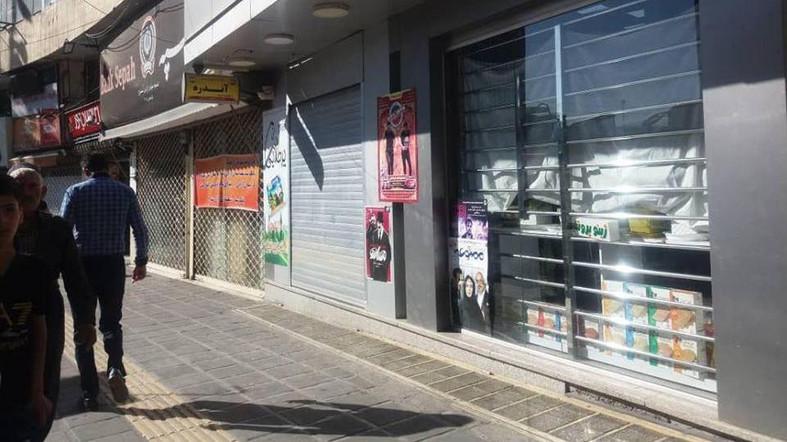
Iran's northern Kurdish region was effectively shut down by a civic strike, with most businesses and markets closed. The strike was called to protest the executions of six Kurdish militants and air-strikes on the headquarters of Iranian-Kurdish opposition parties across the border in Iraq. The missile strikes on the headquarters of the Kurdistan Democratic Party of Iran (KDPI) and Democratic Party of Iranian Kurdistan (PDKI) in Erbil left at least 15 dead and several wounded. The air-strikes were claimed by the Islamic Revolutionary Guards Corps in a statement that called the parties "terrorist" groups. The civic strike was called by the Coordination Center of Rojhelat, an umbrella group of Iranian Kurdish opposition parties. "The criminal regime of the Islamic Republic added a new black page of its history of crimes and barbarism against the Kurdish nation," read the statement by the Coordination Center. Rojhelat (East) is the Kurdish word for Iranian Kurdistan. (Photo via PDKI)

The Andes

Colombia: will Duque resume talks with ELN?

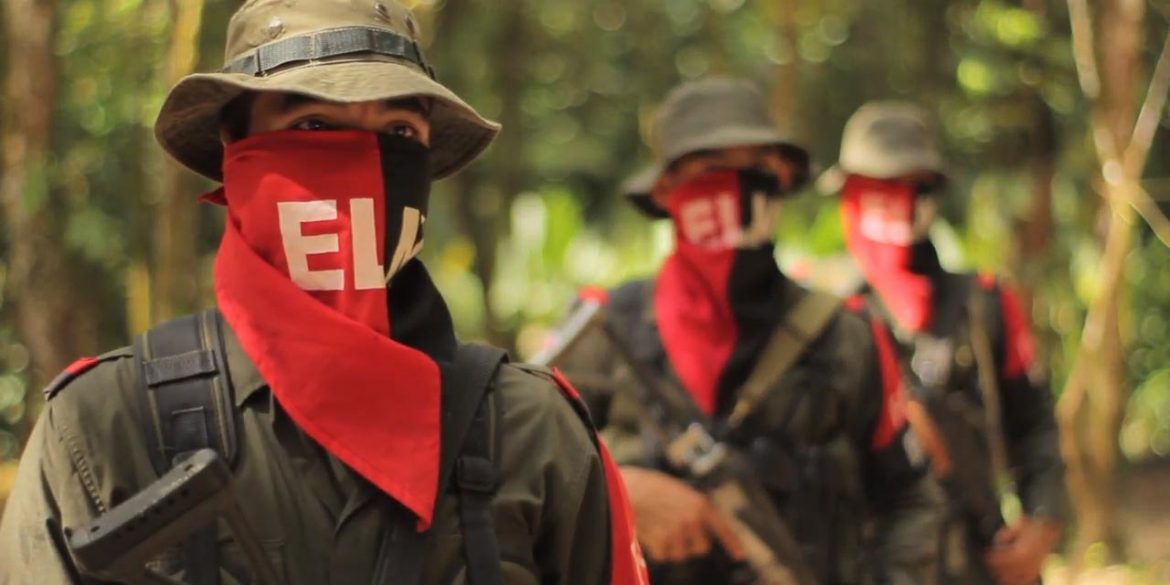
Following up on his pledge to address the matter within 30 days of taking office, Colombia's new right-wing President Iván Duque spoke about his conditions for resuming his predecessor's peace dialogue with the National Liberation Army (ELN), the country's last significant guerilla group that remains in arms. Duque listed three conditions: the concentration of guerilla fighters in pre-determined areas (akin to the "concentration zones" used in the FARC demobilization), the liberation of all captives held by the guerillas, and a firm time-table for the dialogue process. The president spoke days after the ELN freed three soldiers who had been taken captive the same week Duque was inaugurated last month in Arauca department. But some 20 other captives remain in the guerillas' hands, including six soldiers who were also seized a month ago in Chocó department. (Photo: Colombia Reports)

Syria

Syria: Kurds to join regime offensive on Idlib?

As the Assad regime and its Russian backers prepare an offensive to take Idlib, the last area of opposition control in Syria, the people of the northern province have been holding demonstrations, organized by the civil resistance, waving the Free Syria flag and calling on the world to act to prevent the impending massacre there. But dozens of Kurdish fighters who had fought in the Syrian Democratic Forces (SDF), in the US-backed campaign against ISIS, are now reported to have joined the regime offensive on Idlib. The SDF’s civilian wing, the Syrian Democratic Council, has sent a delegation to Damascus to open talks on coming to accommodations with the Assad regime. Despite these overtures, the regime continues to reject any recognition of the Kurdish autonomous zone of Rojava. The Rojava Kurds have had to make very hard decisions. Despite their leftist politics, they allied with US imperialism against ISIS. They now appear to be closing ranks with the Assad regime—because Turkey, which wants to crush them, is backing the Free Syrian Army. Kurds and Arabs have been pitted against each other by the Great Powers. But just as the Kurds are likely to be betrayed by the US in a carve-up deal with Turkey now that ISIS is effectively defeated, they may similarly be betrayed by Assad once the FSA is defeated. (Photo: EA Worldview)

North Africa

Libya: ‘official’ regime to lose control of Tripoli?

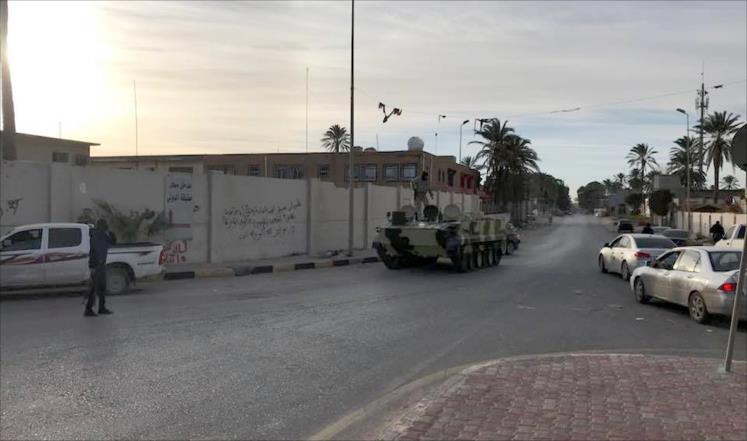
Armed street clashes have rocked Tripoli over the past week, as militias linked to the UN-backed Government of National Accord (GNA) have vied for control of the Libyan capital with rival militias that have launched an offensive on the city from the southeast. The most significant of these is the 7th Brigade from the town of Tarhuna, which has rejected a truce, vowing to continue fighting until it "cleanses Tripoli of militias." The city's electricity has intermittently gone out amid the fighting, and access to Facebook—the only news source for most Libyans—has been blocked, although it is unclear by whom. The GNA has declared a state of emergency in the city, and Prime Minister Fayez al-Sarraj has formed a "crisis committee" to try to broker peace. But warlord Khalifa Haftar in Benghazi, who is loyal to Libya's unrecognized eastern government, anticipated the fall of Tripoli, saying that "liberating the Libyan capital is inevitable." (Photo: Libya Observer)