Planet Watch
EZLN

Zapatistas: ‘nation-state under attack’

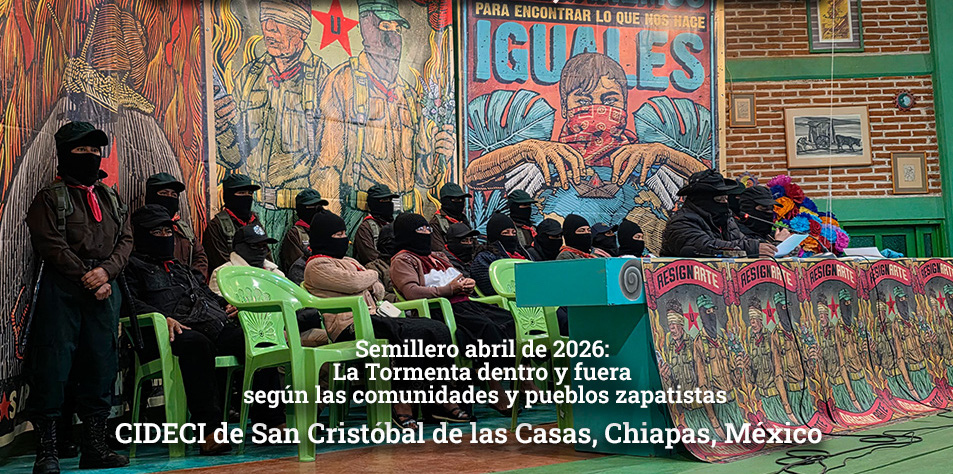
Mexico’s Zapatista rebels—who have observed a long ceasefire but still have a zone of control in the back-country of Chiapas state—held an international gathering in the highland city of San Cristóbal de Las Casas. Featured speaker was a ski-masked “Captain Marcos,” presumably the same charismatic spokesman once known as “Subcommander Marcos.” He delivered an exegesis entitled “A Peephole into the Storm in the World: Nation-States Under Attack” (Una mirilla a la Tormenta en el Mundo: Los Estados-Nación bajo ataque). Marcos portrayed a supra-national imperialism under Donald Trump, in which “the nation-state has no decision-making power.” Marcos decried the “kidnapping” of Nicolás Maduro from Venezuela, and the US oil blockade on Cuba, noting that Mexico has been effectively barred from shipping oil to the Caribbean island nation. He also asserted that in the US-Israeli war against Iran, the big oil companies are the ones who benefit, as the price of oil rises. “That’s what needs to be discussed: who is profiting from these wars?” (Image: Enlace Zapatista)
Iran
ICC

Podcast: Trump to The Hague!

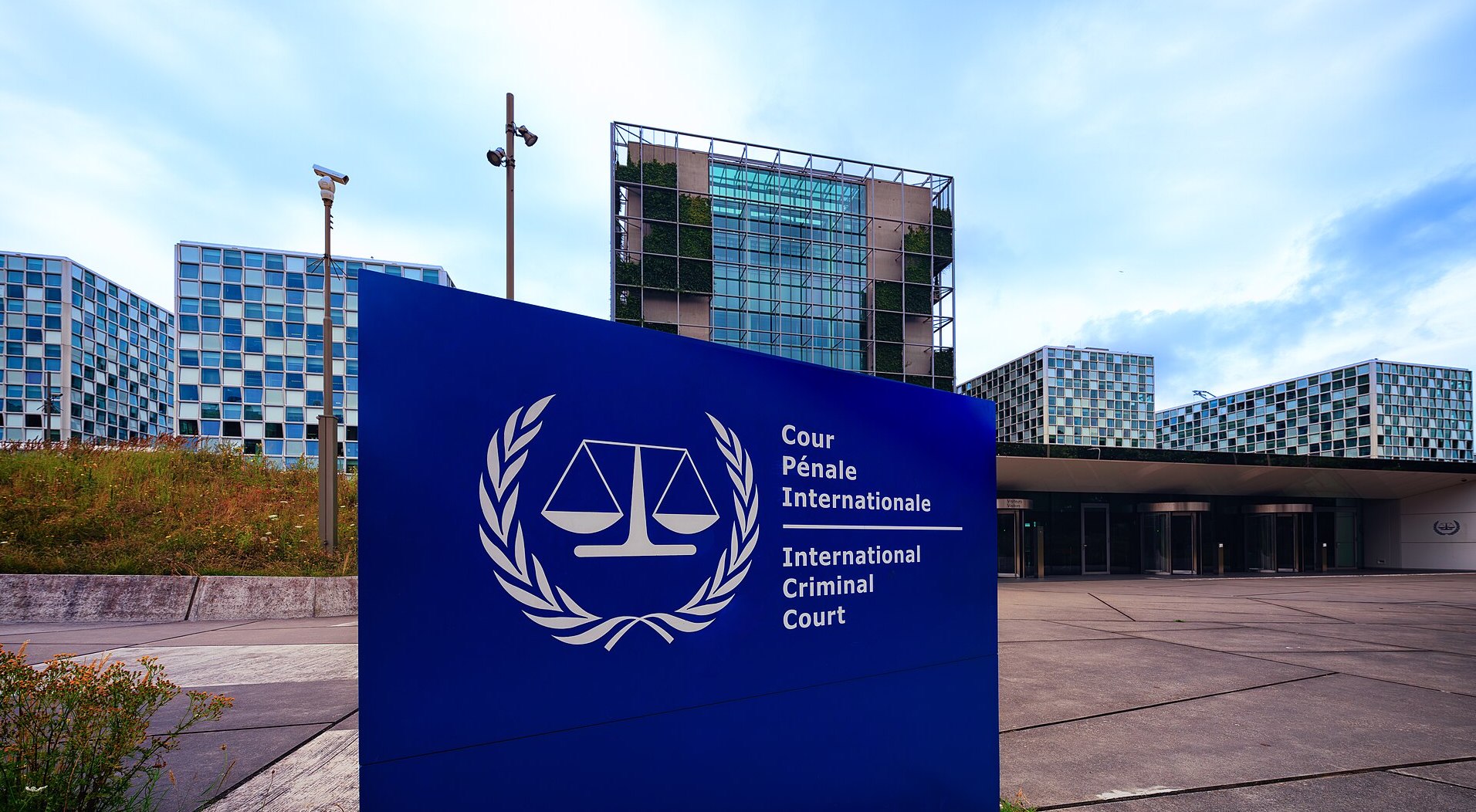
The exterminationist rhetoric that has accompanied Trump’s massive bombardment of civilian infrastructure in Iran is condemned by Amnesty International as possible incitement to genocide—itself a crime under international law. Can Trump join Benjamin Netanyahu and Vladimir Putin as the next world leader to face charges before the International Criminal Court? Yes, if Iran follows Palestine and Ukraine in granting jurisdiction to the ICC for crimes committed on its territory. This is legally valid, despite intransigence from the United States, Israel and Russia alike. The next three convictions by the ICC could be the first of figures from outside the African continent—undermining accusations of a double standard that have hindered the Court’s effectiveness. In Episode 322 of the CounterVortex podcast, Bill Weinberg makes the case—politically and practically—for sending Trump to a prison cell at The Hague. (Photo: Tony Webster via Wikimedia Commons)

Europe
Lampedusa

EU expands migrant detention and deportation rules

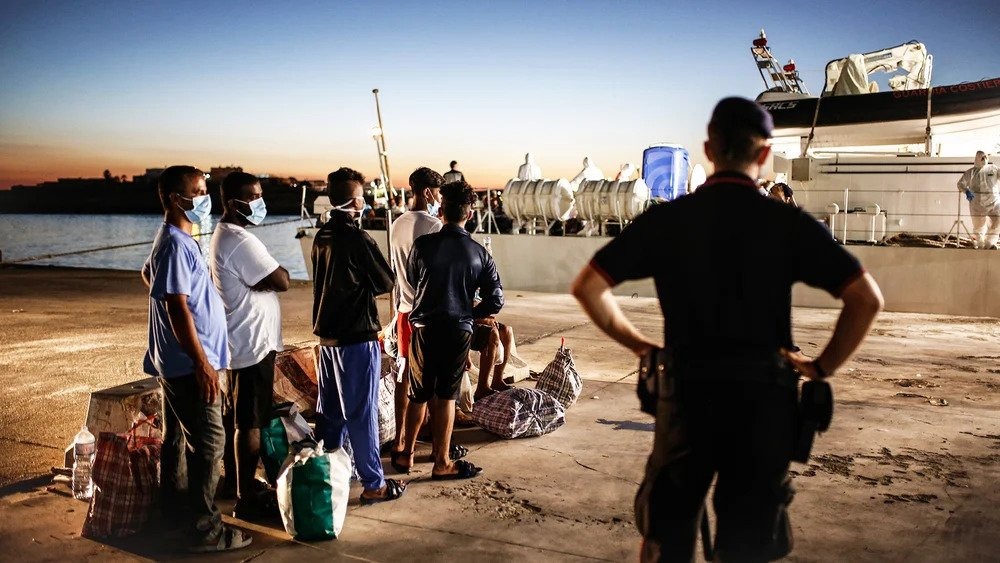
The European Union took a significant step toward adopting a Trump-like approach to migration when the EuroParliament approved a new law expanding the power of security agencies to track, detain and deport migrants. Amnesty International criticized the revised “Return Regulation” as “punitive” and a threat to fundamental rights. The law also allows for people to be deported to countries other than their country of origin—a controversial policy used by the Trump administration. Greece, an EU member, is even working directly with US officials to ramp up deportations. (Photo: Sara Creta/TNH)

Iran
PJAK

Iranian Kurds deny receiving US weapons

Leaders of all the major Kurdish opposition parties in Iran denied that they have received weapons from the United States, after President Donald Trump said that Washington had sent arms to the Iranian protesters through the Kurds. “We sent guns to the protesters, a lot of them,” Trump told Fox News. “And I think the Kurds took the guns.” This was immediately refuted by leaders of the the Democratic Party of Iranian Kurdistan (PDKI), the Kurdistan Democratic Party of Iran (KDPI), the Kurdistan Freedom Party (PAK) and the Kurdistan Free Life Party (PJAK). (Image: Middle East Forum via Wikimedia Commons)

Planet Watch
Gen Z

Podcast: world revolution & the digital contradiction

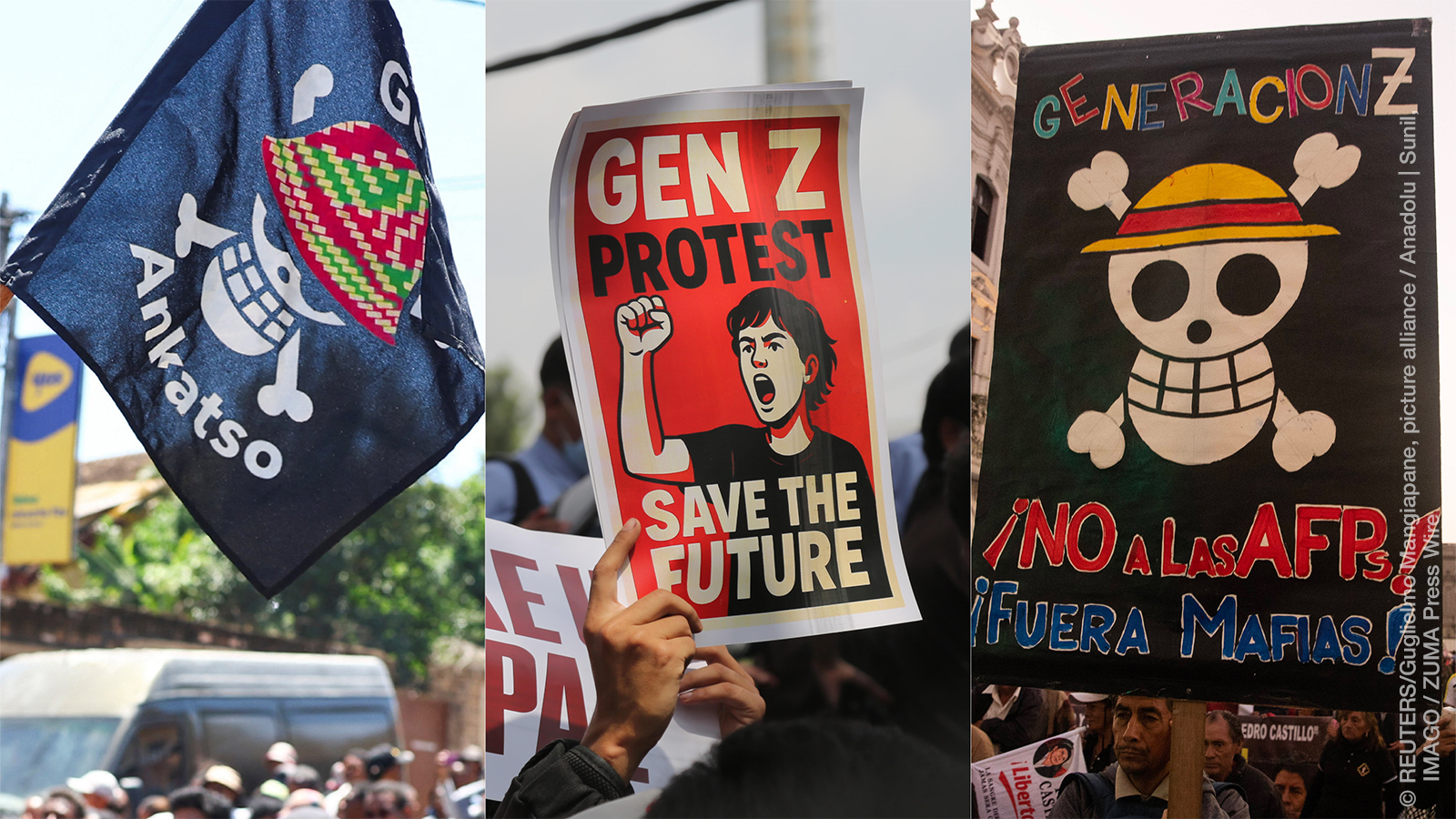
Protests break out in Russia over the new internet restrictions imposed by the Putin regime, while social media and instant messaging have become the “new public square” for the Gen Z protests that have swept the planet over the past months. Exemplifying the identification with online culture, a pirate flag from a Japanese anime series has become the global emblem of the Gen Z resistance. The new youth social media bans in a growing number of countries are opposed by human rights and civil-liberties groups for good reason. Yet the dystopian side of digital technology becomes more apparent each day—from the climate impacts of data centers, to cynical attempts to sell nuclear power as “clean energy” (sic!) to meet the surging electricity demand, to the digital colonization of human consciousness. Protests are also emerging to the new techno-fascism, and this critique must be central to any true oppositional movement. In Episode 321 of the CounterVortex podcast, Bill Weinberg grapples with the contradiction. (Composite image via GIGA. Gen Z protesters in different countries use appropriated image from One Piece manga. Fair use rights asserted.)

Africa
Turkey-Somalia

Turkey in oil-for-security deal with Somalia

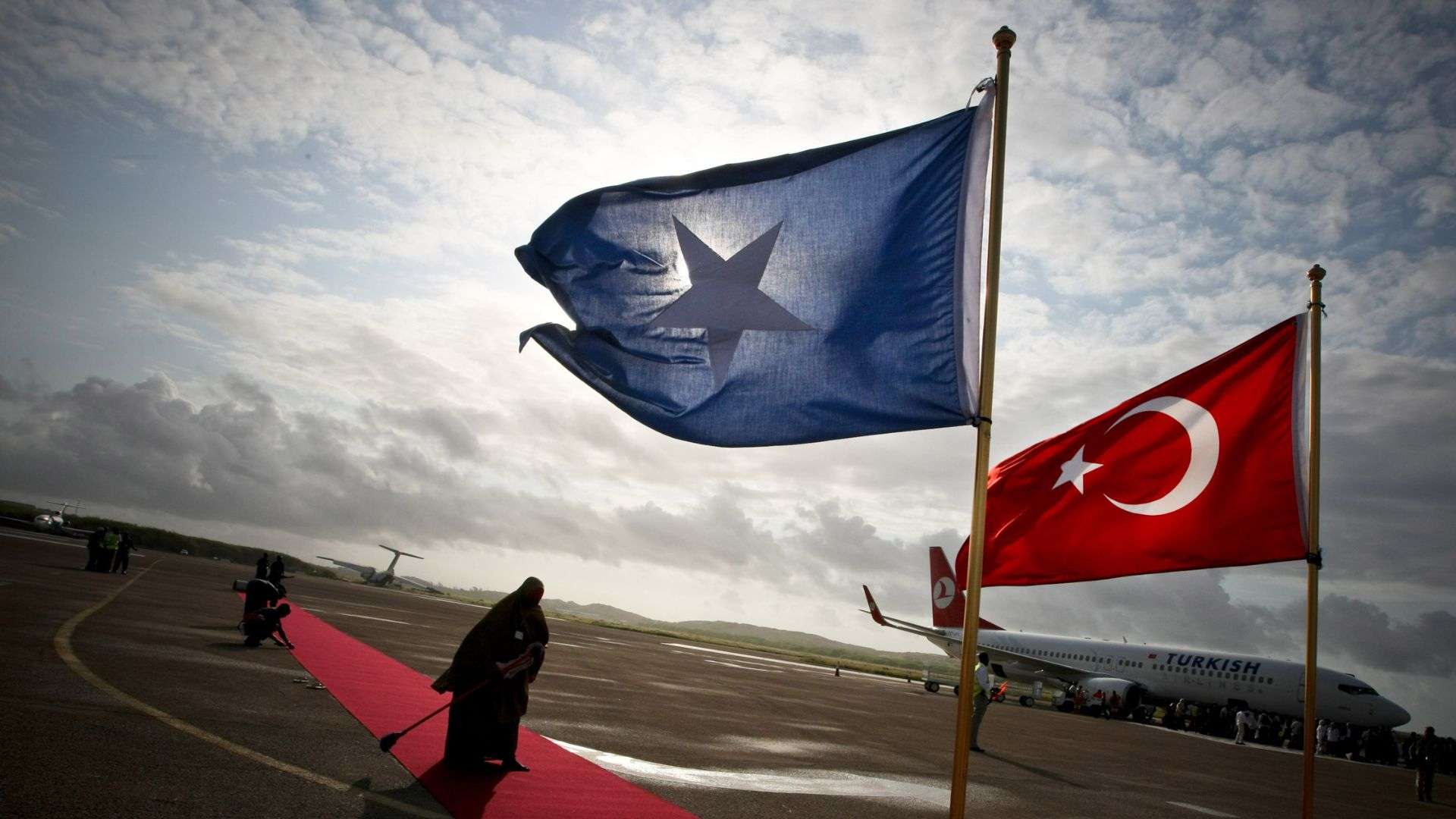
Turkey has sent 500 troops to the Somali capital Mogadishu, the first phase of a planned 2,500-strong deployment to bolster the government against recent advances by the insurgent group al-Shabaab. Turkey already has 300 soldiers in Mogadishu, primarily to train the elite Gorgor brigade. Meanwhile, Turkey has also struck a controversial oil and gas exploration deal with the government in which it will receive 90% of all future revenues as a cost-recovery mechanism. Somalia will earn just 5% in royalties. (Photo: United Nations via Globely News)

Africa
WAP

Qaeda franchise takes war to Benin

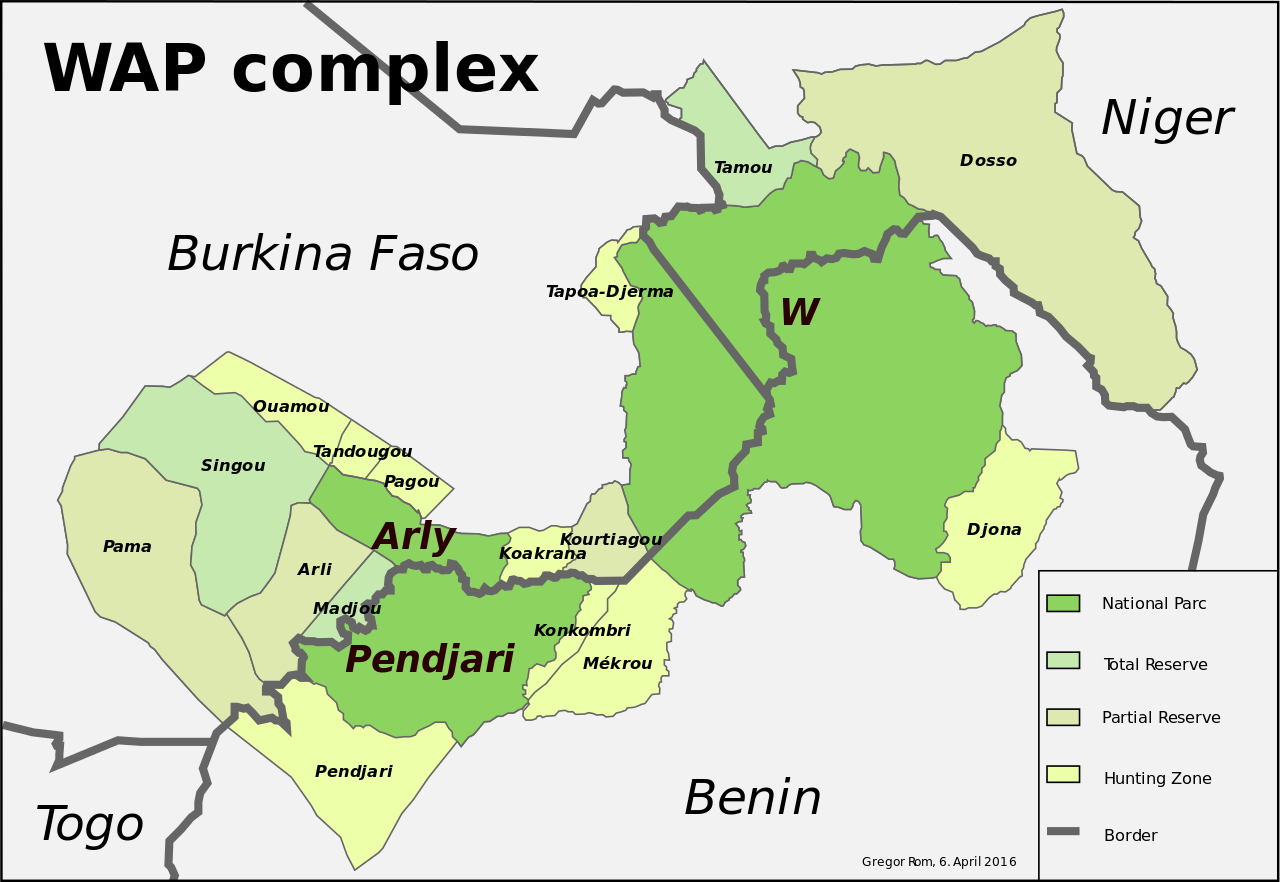
The government of Benin announced that 54 soldiers were killed in attacks by jihadists on military positions in a national park near the borders with Burkina Faso and Niger. The attacks in Park W, claimed by al-Qaeda-affiliated JNIM, are the deadliest yet in Benin. JNIM attacks in Benin have now caused more fatalities so far in 2025 (157) than they did in the entirety of 2024 (103), according to the conflict monitoring group ACLED. National Park W, where the attacks took place, is part of the WAP complex (made up of W, Arly and Pendjari national parks) straddling Benin’s northern borders. The park complex has become heavily militarized in recent years in response to jihadist infiltration. (Map: Gregor Rom/Wikimedia Commons)

Central America
salvador

MAGA-fascism and the struggle in El Salvador

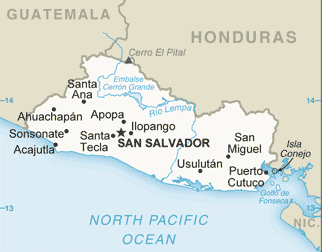
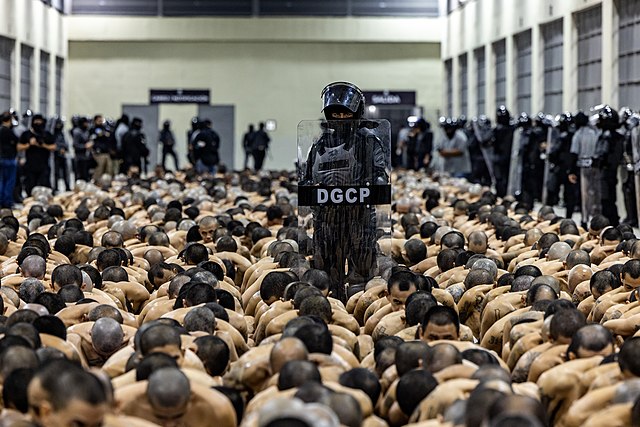
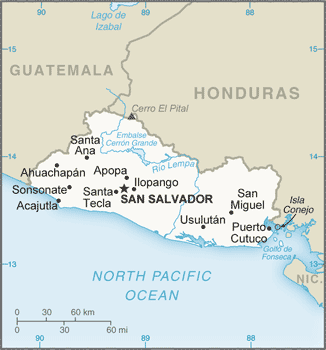
US-directed repression and counter-insurgency in El Salvador in the 1980s allowed the imposition of “free trade” or “neoliberal” regimes in the generations since then—ultimately culminating in the adoption of CAFTA. This, in turn, has exacerbated the expropriation of the traditional lands of the peasantry by the agro-export oligarchy. It also led to the hypertrophy of the narco economy and a new nightmare of violence, which Nayib Bukele has exploited to establish a new dictatorship. This dictatorship is now openly in league with Donald Trump, and has in fact become critical to his fascist agenda. In Episode 275 of the CounterVortex podcast, Bill Weinberg breaks down El Salvador’s historical role as a laboratory of genocide and police-state methods for US imperialism, and the imperative of trans-national resistance. (Map: University of Texas)

Europe
Mejlis

Tatar Mejlis opposes betrayal of Crimea

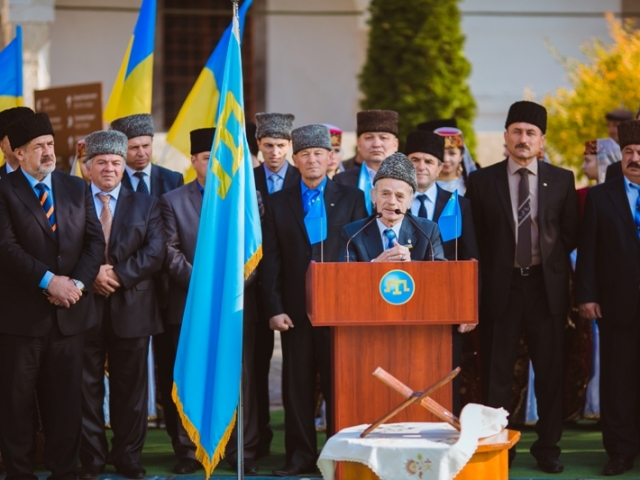
The representative body of the Crimean Tatar people has vowed to oppose any international recognition of Russia’s annexation of the Crimean Peninsula. The Tatar Mejlis, now sitting in exile in Kyiv, said that any move to recognize Crimea as Russian territory would violate international law. Refat Chubarov, the body’s chairman, asserted in a statement: “Crimea is the homeland of the indigenous Crimean Tatar people and an integral part of Ukraine. Accordingly, no one can decide the fate of Crimea under any circumstances, except for the Ukrainian state and the Crimean Tatar people.” The statement comes amid reports that the Trump White House is pressuring Kyiv to accept a peace formula that includes formal US recognition of Russian sovereignty over Crimea. (Photo: Crimean Tatar Mejlis)

Africa
DRC

Trump prepares arms-for-minerals deal with DRC

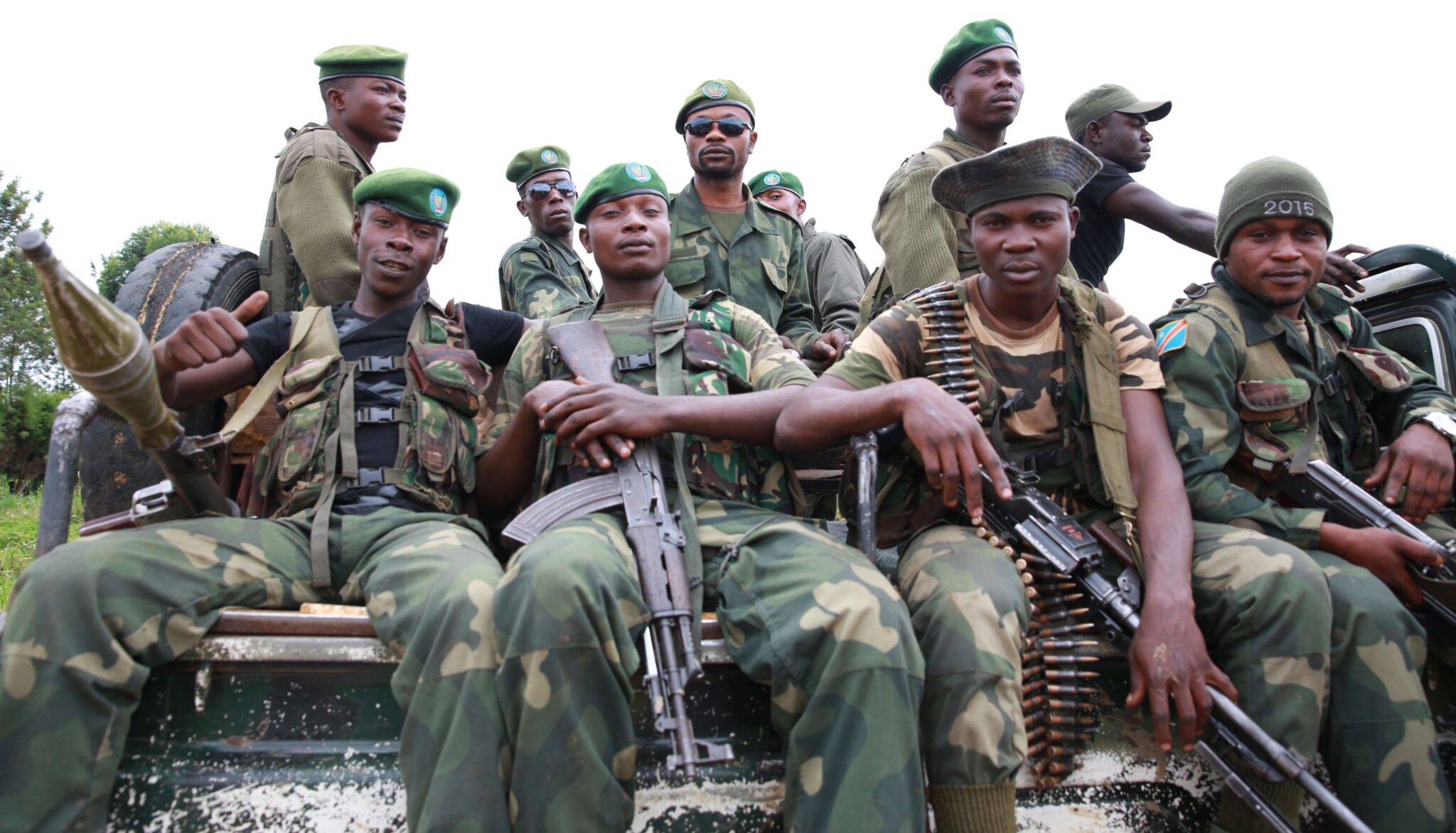
Former Blackwater CEO and and mercenary boss Erik Prince is to lead a team helping the Democratic Republic of Congo (DRC) secure and tax its extensive mineral wealth, news reports reveal. The deal, reached before the M23 rebels launched a major offensive in January, was just confirmed to Reuters by Congolese officials and diplomats. M23 has since January seized the eastern DRC’s two largest cities, Goma and Bukavu, and is threatening to march on Kinshasa, the capital. The Prince-led initiative runs parallel to a broader minerals-for-security deal being negotiated between the DRC and the Trump White House. (Photo: Abel Kavanagh/MONUSCO via Wikimedia Commons)

Africa
Plateau

Massacres mount in Nigeria’s Plateau state

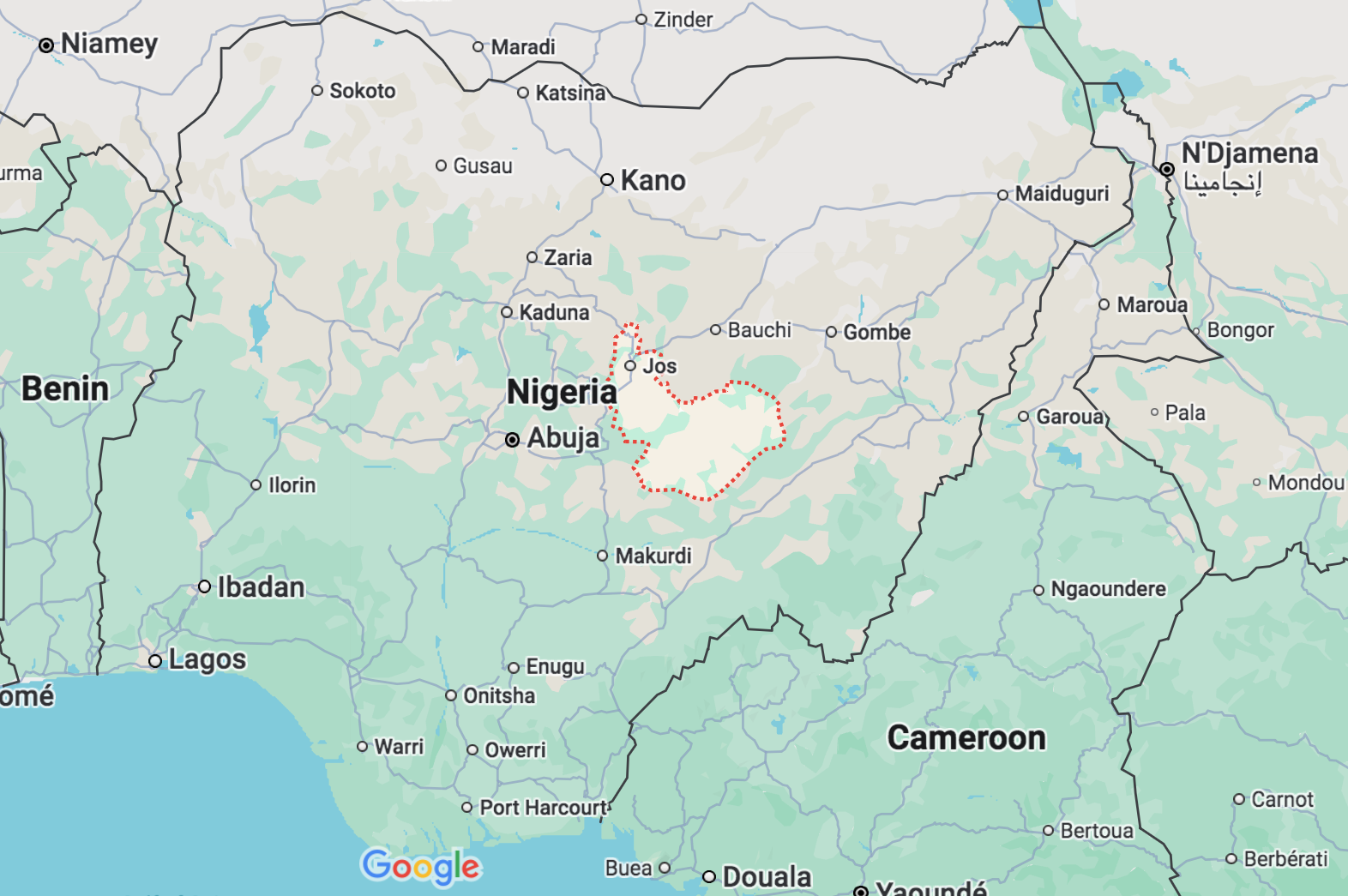
Communal violence in Nigeria’s troubled north-central state of Plateau has killed more than 100 people in just under two weeks. Plateau has a history of tensions between Muslim pastoralists and mostly Christian farmers over access to land. The state governor described the latest killings as “coordinated acts of terror” and has blamed armed Fulani herders for the violence. In what seems like an abdication of responsibility for security by the police—a trend across much of Nigeria—he said every community “must defend itself.” (Map: Google)

Watching the Shadows
Salvador

Trump-Bukele detention deal heads for clash with courts

The Trump administration’s deportation policies took center stage this week as Salvadoran President Nayib Bukele visited the White House, courts continued challenging the legality of the deportations, and a Maryland senator travelled to El Salvador in an attempt to make contact with a man known to have been wrongfully deported. With Trump now openly defying the federal courts—and, in fact, seeking to expand indefinite detention of deportees in El Salvador’s prison system—the long-awaited showdown between the executive and judiciary appears to have arrived. (Photo: WikiMedia via Jurist)