

Africa
Mali

Shock rebel offensive driven back in Mali

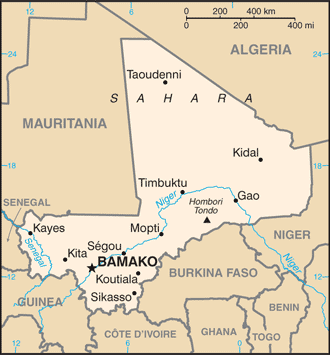
Russia’s Africa Corps launched air-strikes and helicopter assaults to drive back a dramatic rebel advance on Mali’s capital Bamako. Former rival insurgent groups, the jihadist Jama’at Nusrat al-Islam wal-Muslimin (JNIM) and the Tuareg separatist Front de Libération de l’Azawad (FLA), came together for the joint offensive against the ruling military government, with simultaneous attacks on Mopti, Gao and Kidal as well as the capital. Mali’s defense minister, Lt. Gen. Sadio Camara, the key liaison between the army and Russian mercenary forces, was killed in an apparent suicide truck bombing on his residence outside Bamako. (Map: PCL)
Iran
ICC

Podcast: Trump to The Hague! III

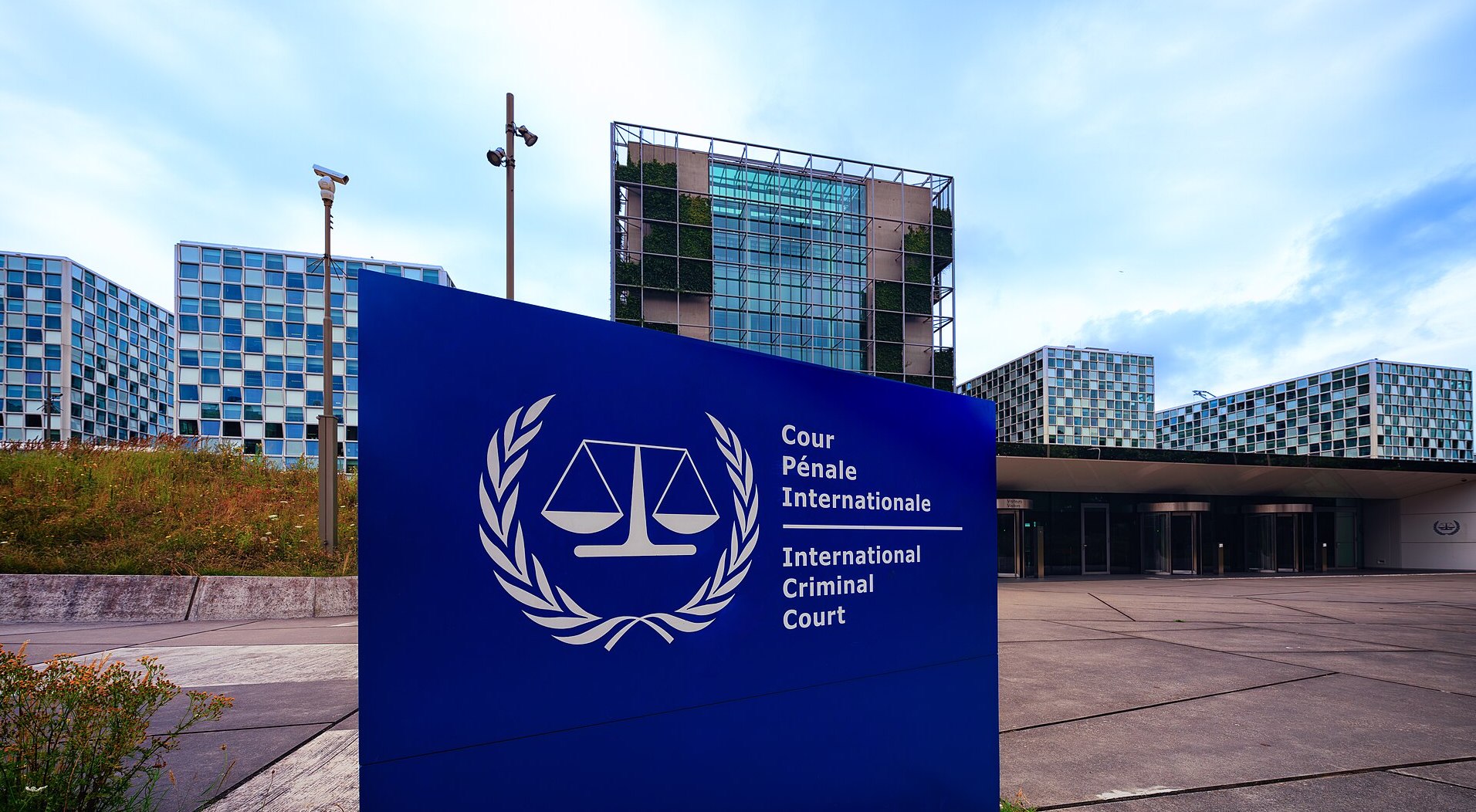
In Episode 325 of the CounterVortex podcast, Bill Weinberg continues to make the case—political, legal and practical—for sending Trump to a jail cell at The Hague to face war crimes charges before the International Criminal Court (ICC). Actual precedent refutes the conventional wisdom that this demand is “unrealistic.” Serbia’s long-ruling strongman Slobodan Milosevic died in a cell at The Hague while awaiting trial before the International Criminal Tribunal for the former Yugoslavia, while Philippines ex-president Rodrigo Duterte is currently in a cell at The Hague awaiting trial before the ICC. The Court just confirmed that it has jurisdiction in the Duterte case despite the Philippines’ withdrawal from the ICC. Contrary to the dogma of “American exceptionalism,” such an outcome for Trump is within the realm of possibility. (Photo: Tony Webster via Wikimedia Commons)

Europe
Chernobyl

Ukraine: fund launched to repair drone-damaged Chernobyl shield

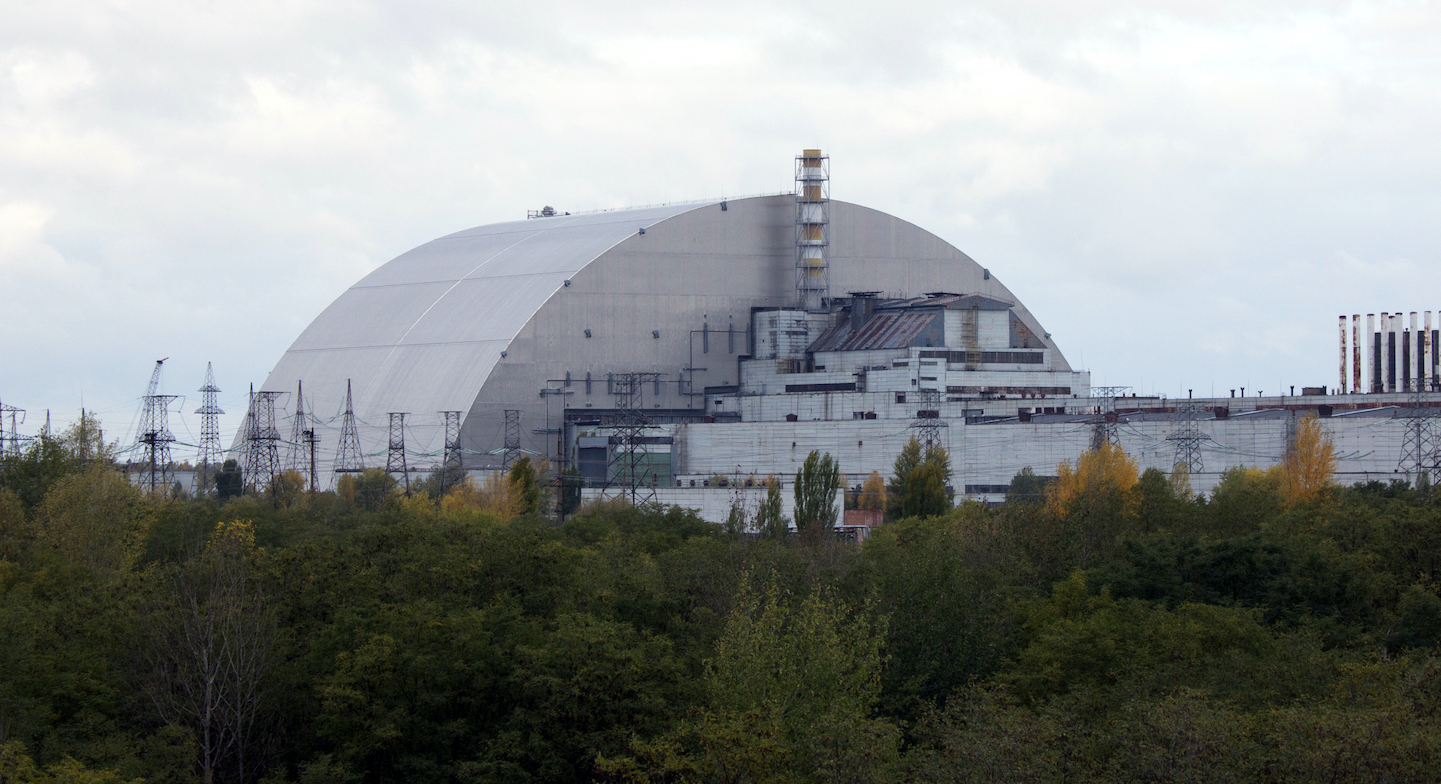
With aid from the European Bank for Reconstruction & Development (EBRD), Ukraine has opened a special fund for the restoration of the protective structure over the entombed reactor at the Chernobyl nuclear power plant. The €30 million agreement was signed on April 26 during a Chernobyl International Conference on Recovery & Nuclear Safety, actually held at the site of the disaster that took place on that date in 1986. The “New Safe Confinement” structure has since 2016 provided a second layer of protection over the “sarcophagus” that Soviet authorities built to entomb the exploded reactor after the disaster. It was breached by a Russian drone strike on the site in February 2025. (Photo: Wikipedia)

Europe
Urengoy-Pomary-Uzhgorod pipeline

Ecological devastation in Great Game for Russian oil

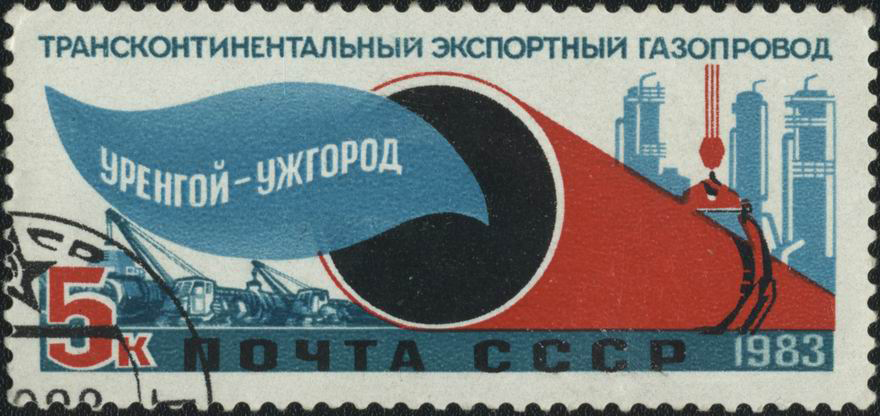
A $106 billion EU emergency loan is now on its way to Ukraine, following the fall of Hungary’s strongman Viktor Orban, who was holding it up. However, as a condition of the loan, Kyiv is obliged to re-open the war-damaged Druzhba pipeline, which sends Russian oil through Ukrainian territory to Hungary, Poland and Germany. Kyiv is cooperating in getting the pipeline operational again—but is meanwhile drone-bombing Russian oil facilities on the Baltic and Black seas, in hopes of diminishing how much petrol Moscow will have to export through that pipeline. The strikes have caused “apocalyptic scenes” in the Black Sea port of Tuapse—air thick with toxic fumes, a huge column of smoke blotting out the sun, black rain falling from the sky. Russia, unwilling to sacrifice its own oil revenues but seeking to punish Europe for backing Ukraine, has announced that it will cut off the flow of oil from Kazakhstan through the Druzhba pipeline. (Image: Soviet postage stamp celebrating oil pipeline. Via Wikipedia)

The Andes
Lima

Peru: US arms deal behind cabinet shake-up

Peru’s government made a $462 million payment to US defense contractor Lockheed Martin for purchase of 12 ‌F-16 fighter jets, the first installment in a controversial multi-billion-dollar deal that triggered the resignation of two top ministers. In stepping down, Defense Minister Carlos Díaz and Foreign Minister Hugo de Zela cited their opposition to interim President José Balcázar’s attempt to delay the deal. The payment came days after a $2 billion contract for the F-16s was signed by an official in Peru’s Air Force—over the head of Balcázar, who was informed of finalization of the deal only after the fact. (Photo: Wikipedia)

Mexico
Chihuahua

CIA operation in northern Mexico revealed

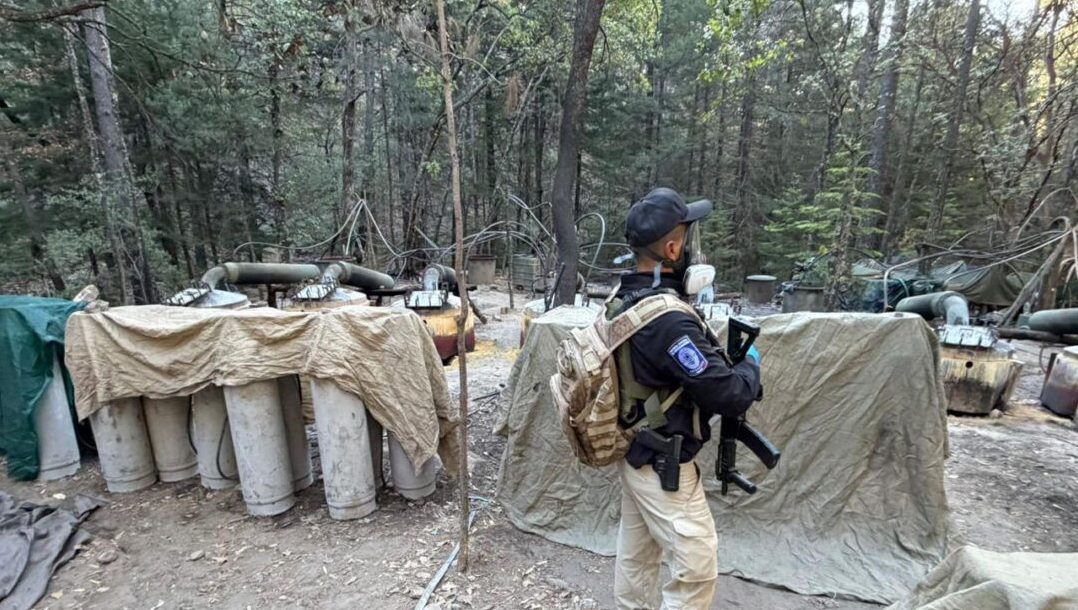
Two US embassy “instructors” killed when the vehicle carrying them plummeted down a mountain ravine in northern Mexico’s Chihuahua state were actually CIA officers, according to a Washington Post report. The revelation contradicts initial claims by Chihuahua Attorney General Cesar Jauregui denying that there was “any involvement of any foreign agent” in the raid on a methamphetamine lab raid in the remote southwestern corner of the state. The names of the two US personnel have not been revealed, but Chihuahua State Investigations Agency (AEI) director Pedro Román Oseguera Cervantes and one of his agents were also killed in the crash that took place during the operation. President Claudia Sheinbaum said after the revelation of apparent CIA involvement that she is considering sanctions against the government of Chihuahua, asserting that any security collaboration with the US must be approved by Mexico’s federal government. (Photo: AEI via CBS News)

Greater Middle East
Yemen

Yemen: Houthis threaten to close Bab al-Mandab Strait

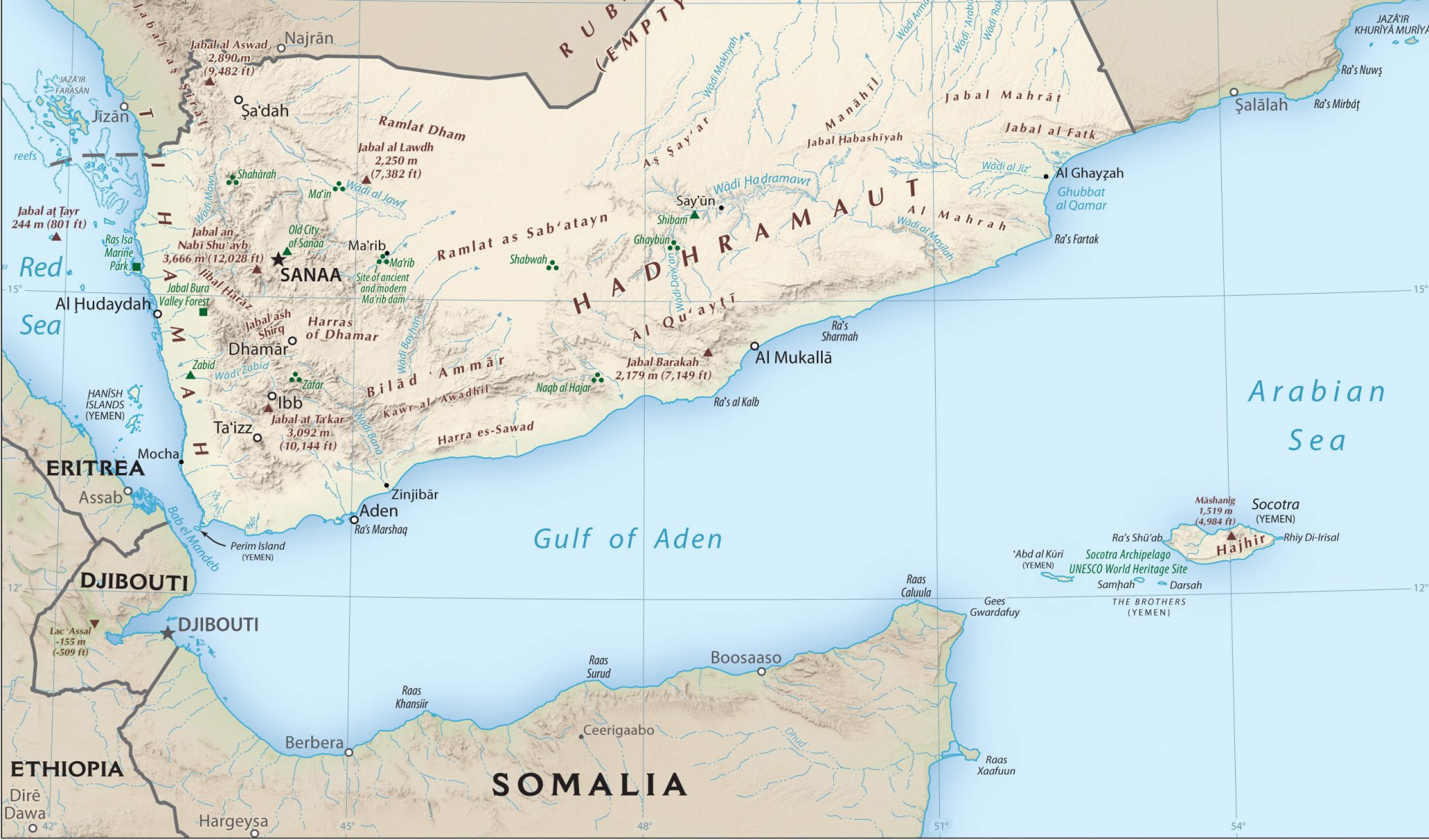
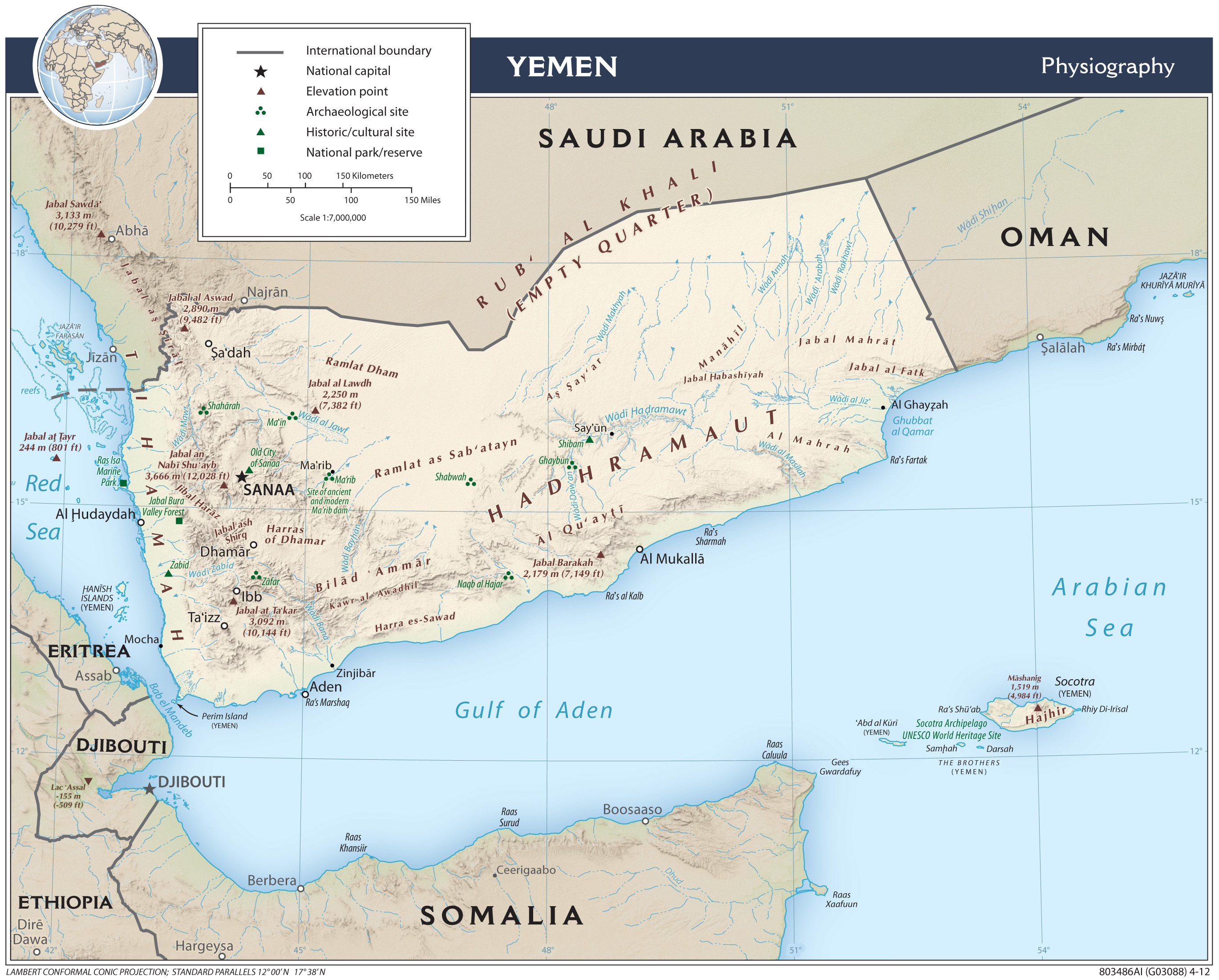
Yemen’s unrecognized Houthi administration warned that they are prepared to close the strategic Bab al-Mandab Strait, mouth of the Red Sea. This is a second maritime chokepoint for oil from the Arabian Peninsula after the Strait of Hormuz, now effectively closed due to Washington’s conflict with Iran. In a post on X, Houthi deputy foreign minister Hussein al-Ezzi said: “If Sana’a decides to close the Bab al-Mandab, then all of mankind and jinn will be utterly powerless to open it.” In a speech, Houthi leader Abdel Malek al-Houthi subsequently warned, “Sanaa will not remain neutral,” framing the current maritime tensions as part of a wider conflict targeting the “Islamic nation.” He said that any further military escalation would be met with an “equivalent response,” calling for increased coordination among members of the “axis of resistance” (meaning Iran, the Houthis and Hezbollah). (Map via PCL)

Iran
ICC

Podcast: Trump to The Hague! II

International law scholars are warning that Trump may have committed war crimes in Iran, and that his ongoing threats to bomb civilian targets may constitute self-incrimination—by the same standards that US prosecutors used to gather evidence against Russia in Ukraine (before Trump suspended cooperation). Additionally, his exterminationist rhetoric may represent a step on the ladder of escalation toward genocide. In Episode 324 of the CounterVortex podcast, Bill Weinberg continues to make the case—political, legal and practical—for sending Trump to a prison cell at The Hague. (Photo: Tony Webster via Wikimedia Commons)

Planet Watch
Roberto Sánchez

Podcast: Hungary, Peru & the electoral struggle

In Episode 323 of the CounterVortex podcast, Bill Weinberg offers a comparison of the simultaneous elections in Hungary and Peru—in which questions of democratic norms versus authoritarian rule both stood in the balance. The defeat of long-ruling quasi-dictator Viktor Orbán is being hailed as a blow to the emerging authoritarian bloc in Europe. But the incoming center-right prime minister Péter Magyar may not mean a complete de-Orbánification. In Peru, the outcome is still pending, as the perennial candidate of the hard right, Keiko Fujimori, faces a run-off with a contender from the populist left, Roberto Sánchez. Keiko is the unapologetic daughter of the late ex-dictator Alberto Fujimori; her victory could mean a re-Fujimorification of the country, and a fatal blow to Peru’s deeply troubled democracy. A Sánchez victory, meanwhile, would heighten the social contradictions in Peru—with both opportunities for a more meaningful democracy, and dangers of a backlash from the conservative establishment. (Photo: Anali Marquez Huanca via Facebook)

Planet Watch
Lima

Reversal for hard right in Hungary; Peru in the balance

The defeat of Hungary’s quasi-dictator Viktor Orbán in the recent elections has heartened progressive forces around the world—despite the fact that the victorious Péter Magyar is a creature of the center-right. A more stark contest is emerging in Peru, where the right-wing authoritarian presidential candidate Keiko Fujimori faces a run-off with a contender from the populist left, Roberto Sánchez, who has broad support from the traditionally excluded campesinos of the country’s Andean interior. (Photo: Wikipedia)

East Asia
Rosneft

Chinese workers protest in Russia’s Far East

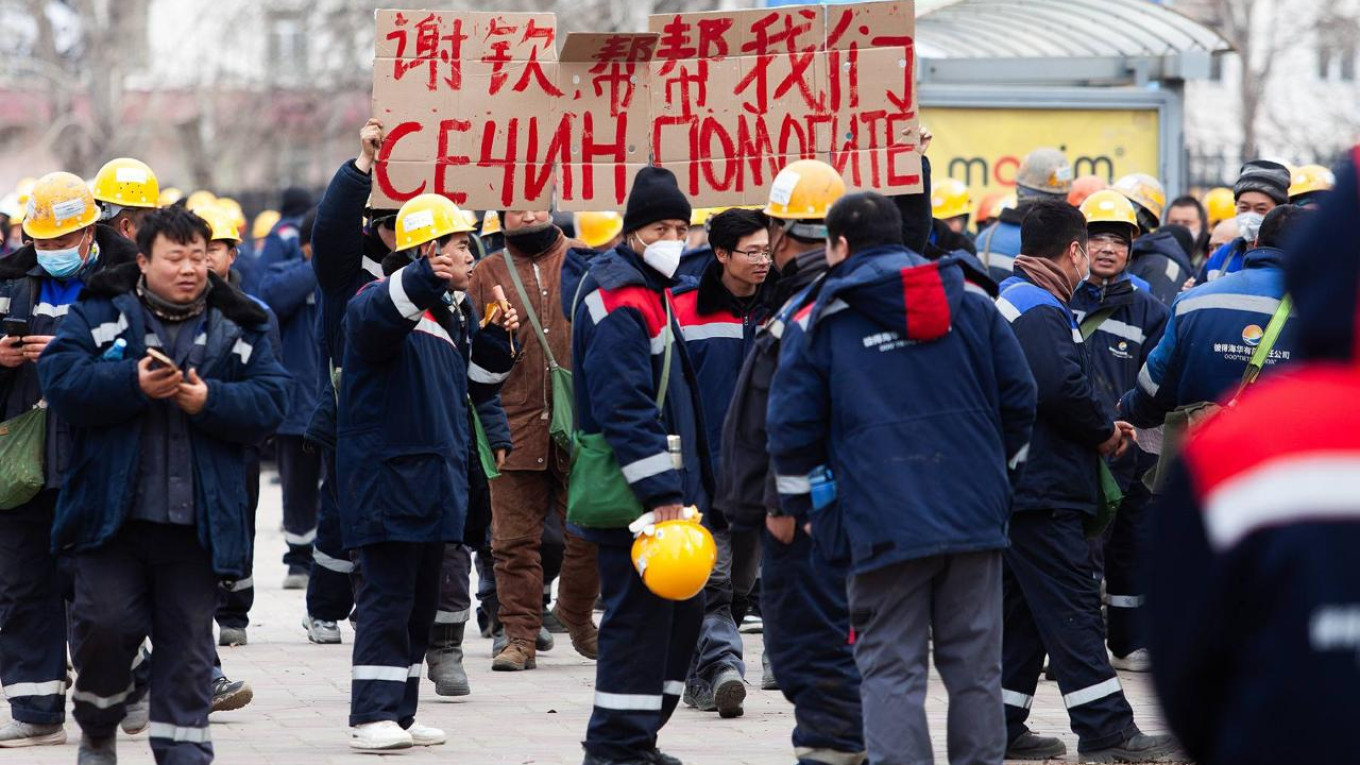
Chinese construction workers building a fuel-production unit at a Rosneft refinery in Far East Russia’s Khabarovsk krai took to the streets to protest unpaid wages, regional authoritiessaid. At least 200 employees of the Russian-Chinese contractor Petro-Hehua marched through the city of Komsomolsk-na-Amure demanding back payments and help from both the Russian government and Rosneft in returning to China. After the march, some workers staged a sit-in at a nearby park. Following the protest, the Komsomolsk-on-Amur prosecutor’s office said it had opened an inquiry into possible labor law violations, but at least four protesters were fined for illegal assembly. (Photo: The Moscow Times)

Europe
UGV

Ukrainian robots break through Russian lines

Ukrainian forces have captured a Russian position using only drones and unmanned ground vehicles (UGVs), President Volodymyr Zelensky boasted, describing the operation as a milestone in the evolution of modern warfare. “For the first time in the history of this war, an enemy position was taken exclusively by unmanned platforms—UGVs and drones. The occupiers surrendered, and this operation was carried out without the participation of infantry and without losses on our side,” Zelensky said in a video statement. The video showed Zelensky speaking in a room full of various drones and UGVs. He did not give a precise location for the territory taken in the operation. (Photo via Nashaniva.com)