Europe
russia

Podcast: the looming breakup of Russia

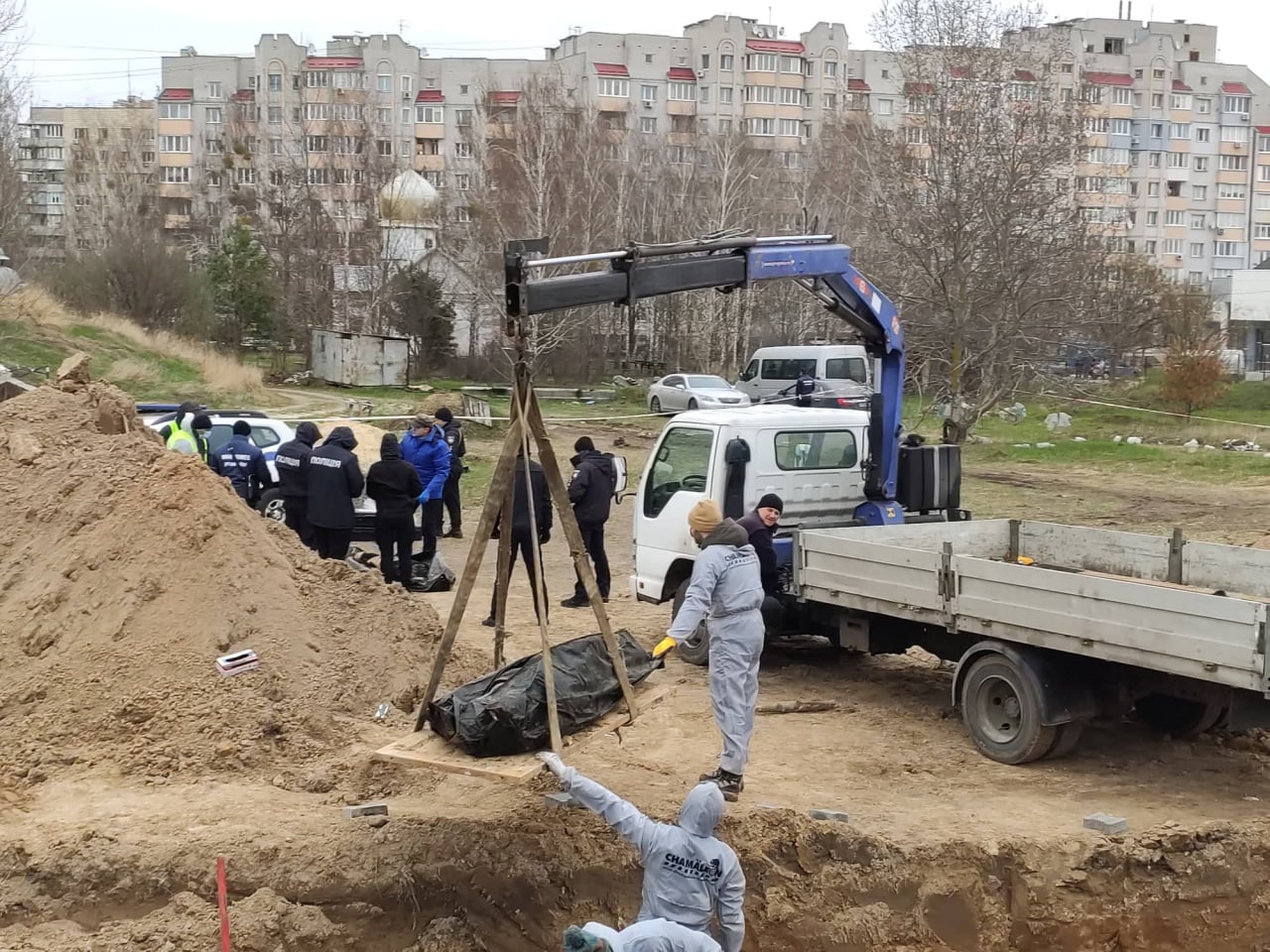
In Episode 118 of the CounterVortex podcast, Bill Weinberg explores the possibility that Putin’s criminal adventure in Ukraine could backfire horribly, actually portending the implosion of the Russian Federation into its constituent entities, the “autonomous” republics, oblasts and krais. Troops from Russia’s Far East were apparently involved in the horrific massacre at the Kyiv suburb of Bucha. But indigenous leaders from Siberia and the Russian Arctic are breaking with Moscow over the Ukraine war. Rumblings of separatist sentiment are now heard from Yakutia (Sakha), Khabarovsk, Kalmykia, Kamchatka, Tatarstan, Tuva, the Altai Republic, and the entirety of Siberia. China, which controlled much of what is now the Russian Far East until the 1850s, has its own expansionist designs on the region. Frederick Engels called for the “destruction forever” of Russia during the Crimean War, but it may collapse due to its own internal contradictions rather than Western aggression. Listen on SoundCloud or via Patreon. (Map: PCL)

Planet Watch
fracking

Ukraine war windfall for US fracking industry

US President Joe Biden and European Commission president Ursula von der Leyen announced a joint Task Force to reduce Europe’s dependence on Russian hydrocarbons and “strengthen European energy security as President Putin wages his war of choice against Ukraine.” The press release states: “The United States will work with international partners and strive to ensure additional LNG volumes for the EU market of at least 15 bcm [billion cubic meters] in 2022, with expected increases going forward.” This means liquified natural gas from the US fracking industry. Environmental group Global Witness reacted with alarm to the announcement, stating: “If Europe truly wants to get off Russian gas the only real option it has is phasing out gas altogether.” (Image: FracTracker)

Planet Watch
motin

Sri Lanka to Lima: ripples from Ukraine storm

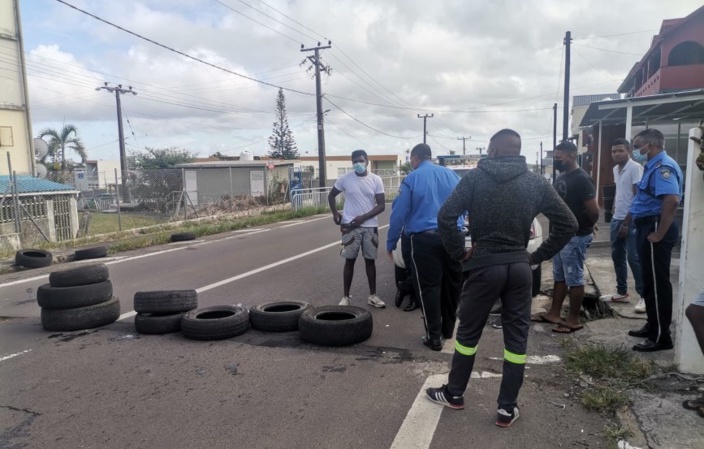
Sri Lanka’s President Gotabaya Rajapaksa declared a nationwide state of emergency as angry protests over fuel shortages and power cuts erupted in the capital Colombo. When police repression failed to quell the protests, Rajapaksa sought to appease demands for his resignation with a purge of his cabinet. Peru’s President Pedro Castillo meanwhile imposed a curfew in Lima and its port of Callao in response to an eruption of protests over dramatic fuel price hikes. As street clashes broke out in the cities, farmers outraged at a jump in fertilizer costs blocked highways at several points around the country—including Ica, where a toll-booth was set on fire. The world has seen an oil price surge to $100 a barrel in the wake of Russia’s invasion of Ukraine. (Photo: Twitter via La Tercera)

Europe
Crimea

Tatars demand return of Crimea to Ukraine

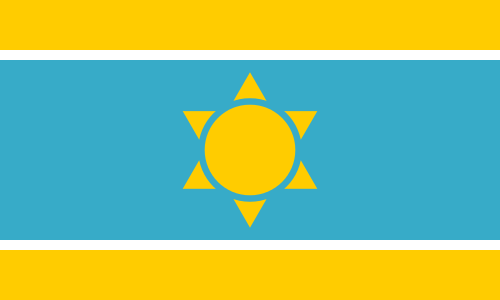
Crimean Tatar community leaders issued a demand that return of the Crimean Peninsula, unilaterally annexed by Russia in 2014, be a condition imposed by Kyiv in its talks with Moscow to end the war in Ukraine. The decision to adopt this demand was taken in a virtual meeting of the Mejlis—the traditional assembly of the Crimean Tatars, which has now been suppressed within Crimea by the Russian occupation forces. “The re-establishment of the territorial integrity of Ukraine within its internationally recognized borders, including the republic of autonomous Crimea and Sevastopol, should be an obligatory condition for official negotiations between Ukrainian representatives and the aggressor state,” said the chief of the Mejlis, Refat Chubarov. The online meeting of the Mejlis took place ahead of a new round of talks between Russia and Ukraine in Istanbul. (Map via Wikimedia Commons)

Europe
stalin

Podcast: is ‘Neither East Nor West’ still possible?

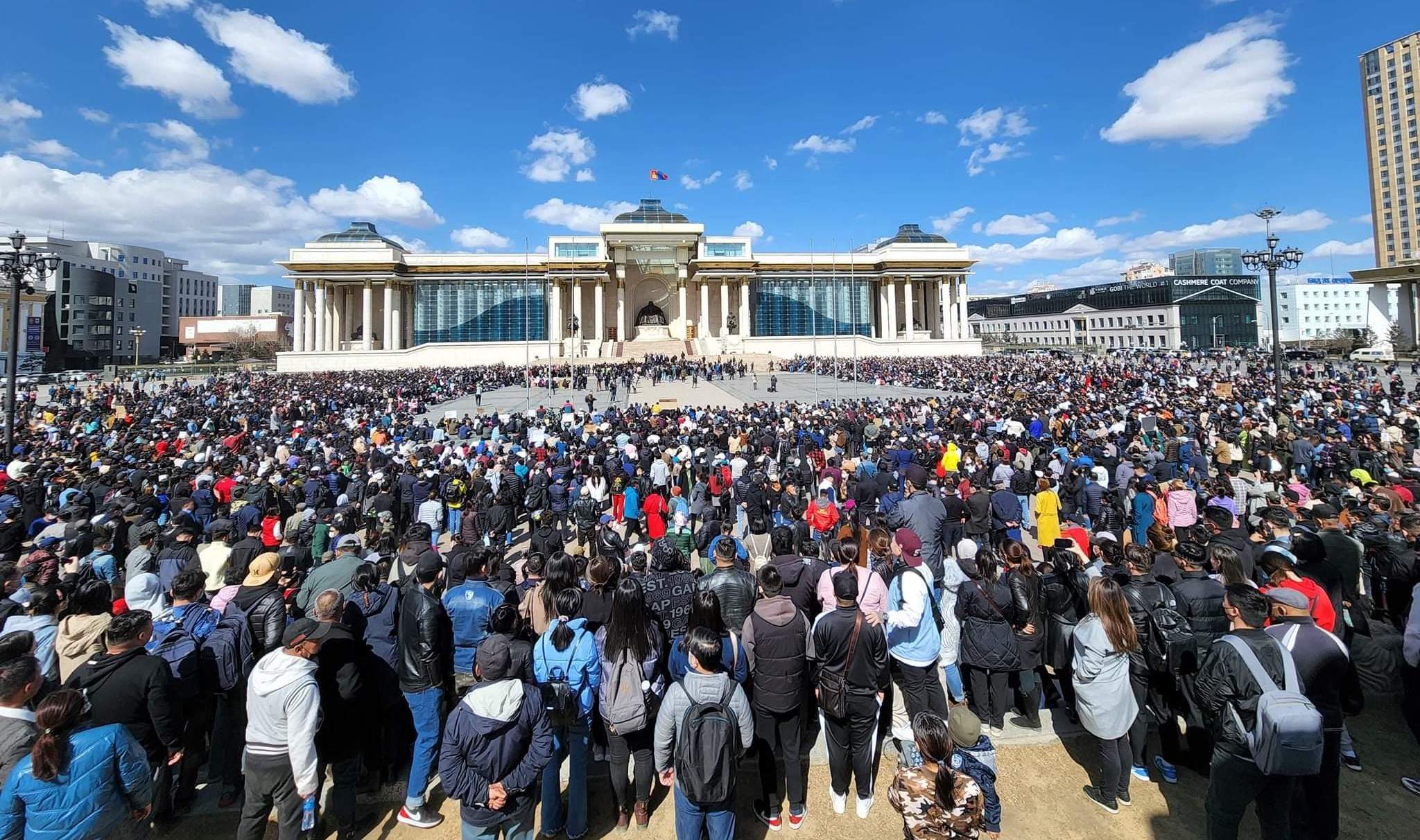
In Episode 117 of the CounterVortex podcast, Bill Weinberg recalls the history of the Neither East Nor West position taken by anarchists and anti-authoritarians in the Cold War—seeking to build solidarity between anti-war and left-libertarian forces on either side of the East-West divide. With the world now arguably closer to military confrontation between nuclear-armed powers than it ever was in the (first) Cold War, is such a position still possible? The recent controversy surrounding a planned art show in New York City featuring the work of Russian anti-war artists crystalizes the dilemma. Weinberg also explores the paradoxically parallel thoughts of democratic socialist George Orwell and conservative moralist CS Lewis, both writing in the era of fascism, on the dangers of a “pacifist” position that abets aggressive war and totalitarianism. It is critical that progressives in the West avoid this trap by supporting the courageous Russian anti-war protesters—not (as some have) the war criminal Vladimir Putin. Listen on SoundCloud or via Patreon. (Photo: Budapest 1990, Reddit)

Europe
Kharkiv

Ukraine: hundreds of Russian war crimes reported

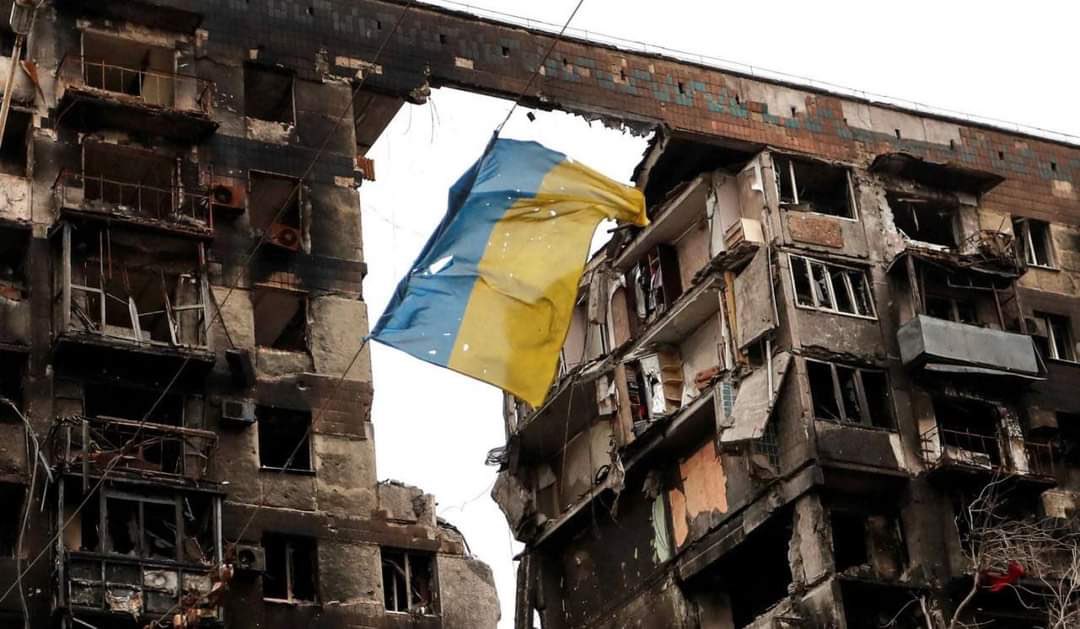
Rights organizations and monitors in Ukraine are collecting evidence of Russian war crimes to turn over to the International Criminal Court (ICC), and say they have documented hundreds of atrocities. Gyunguz Mamedov, the former head of the “War Department” in the Ukrainian Prosecutor General’s office, which was formed after the eruption of the Donbas conflict in 2014, reported that the coalition Ukraine5AM has documented 388 war crimes committed by Russian armed forces in Ukraine. The coalition is made up of 23 human rights organizations and scores of independent investigators. Mamedov mentioned the shelling of civilian buildings and intentonal targeting of civilians; attacks on hospitals and medical staff; as well as abductions of officials and other civilians. (Photo: Kharkiv Human Rights Protection Group)

Europe
Crimean war

Podcast: Ukraine & ‘the Russian menace to Europe’

In Episode 116 of the CounterVortex podcast, Bill Weinberg provides an overview of geostrategic and political thinking on the criticality of Eastern Europe and especially Ukraine, from the Crimean War to the contemporary catastrophe. Despite contemporary misconceptions, Karl Marx and Frederick Engels shared the perception of a “Russian menace to Europe” with theorists of Western imperialism such as Halford John Mackinder, Lord Curzon, Alfred Thayer Mahan, Nicholas J. Spykman, and Zbigniew Brzezinski. Arch-reactionary or openly fascist conceptions of “Eurasianism” were taken up by the German Karl Haushoferand the Russians Mikhail Katkov and Ivan Ilyin—the latter a formative influence on Alexander Dugin, the intellectual mastermind of Vladimir Putin’s revanchist imperial project. Listen on SoundCloud or via Patreon. (Map of Crimean War theaters via Wikimedia)

Europe
tatars

Russia imprisons more Crimean Tatars

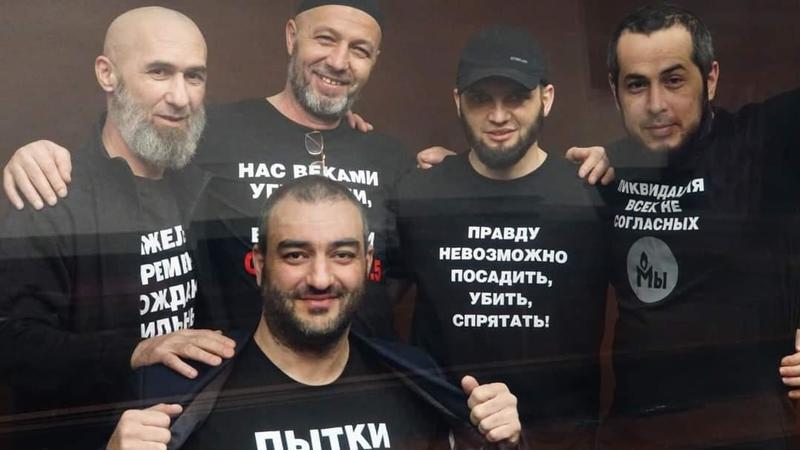
A Russian military court sentenced two Crimean Tatar men to long prison terms for peaceful activities. Timur Yalkabov received 17 years and Lenur Seidametov received 13. Both were active in the Crimean Solidarity movement, formed to advocate for Tatar rights after the illegal annexation of the Crimean Peninsula by Russia in 2014. They were charged with membership in Hizb ut-Tahrir, a transnational Muslim civic organization that is legal in Ukraine. They were arrested in night raids on their homes by Russia’s FSB secret police, in which “prohibited” literature was supposedly found. Seidametov’s wife has said that the FSB agents planted the literature. Russia’s Supreme Court declared Hizb ut-Tahrir a “terrorist” organization in 2003, a ruling that has been widely used to prosecute Tatars for “involvement” in the organization. Both men are recognized as political prisoners by the Memorial Human Rights Center, Russia’s leading rights organization. (Photo via Kharkiv Human Rights Protection Group. Shirts read: “Faith is not terrorism” and “Deportation continues”)

Greater Middle East
yemen

‘Disappointing’ aid for hunger-stricken Yemen

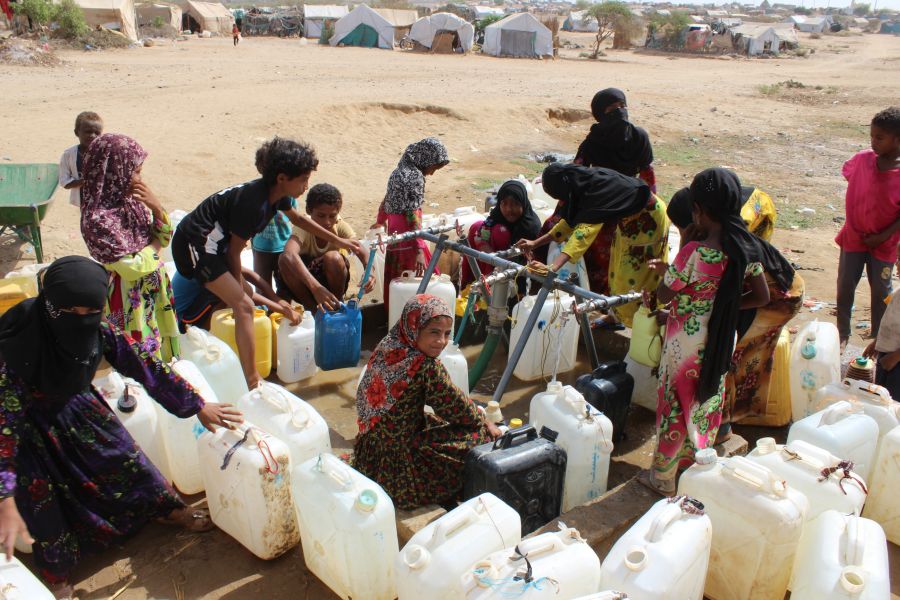
As the country heads into an eighth year of war, Yemen is considered one of the world’s largest and most complex humanitarian crises: debilitated basic services, a collapsed economy, an estimated 20.7 million people (more than two thirds of the population) in need—all amid escalating conflict involving numerous different actors. Yet in the UN’s emergency appeal for $4.3 billion in aid for Yemen, donor states coughed up less than a third of that request, with pledges amounting to $1.3 billion. The United Arab Emirates and Saudi Arabia—top donors to Yemen in previous years—pledged nothing, while Kuwait pledged a surprisingly low $10 million. The UN humanitarian chief, Martin Griffiths, called the result “a disappointment.” The outcome is in stark contrast to Ukraine’s pledging conference just two weeks prior, considered the “fastest and most generous” response ever to a flash appeal. As the world’s attention is fixated on Ukraine, aid workers worry that it could draw resources away from other crises, such as Yemen. (Photo: OCHA)

Europe
belarus

Belarus: ‘partisans’ sabotage rail lines to Ukraine

Belarus has served as a staging ground for one leg of the Russian invasion of Ukraine, and Kyiv officials warn that Belarusian forces may join Putin’s war effort. But resistance to the Russian aggression is emerging in Belarus—apparently including acts of sabotage. Ukrainian Railways announces that the rail links into Ukraine from Belarus have been effectively cut, preventing the transport of Russian reinforcements and equipment. Belarusian news site Zerkalo reports that “in the Mogilev, Gomel and Minsk regions three cases of destruction of signaling equipment, blocking of railways were recorded.” Belarusian security forces acknowledge the sabotage was motivated by opposition to the war in Ukraine. Named as behind the sabotage are the banned groups Busly Lyatsyats, a pro-democracy social-media network ordered suppressed by the regime last year, and BYpol, a union of dissident Belarusian security officers. A representative of exiled opposition leader Sviatlana Tsikhanouskaya saluted the work of these “partisans,” adding: “Ukraine will win! Belarus will also be liberated!” (Map via Perry-Castañeda Library)

The Amazon
Ato Pela Terra

Brazil: bill to open indigenous reserves to mining

Under the slogan “Ato Pela Terra” (Stand for the Earth), thousands of protesters, including some 150 indigenous leaders from eight ethnic groups, gathered for the biggest environmentalist demonstration ever held in Brazil’s capital, protesting a series of bills dubbed the “death package” by critics. The package being pushed by President Jair Bolsonaro would open indigenous reserves to a wide range of economic activities, including mineral exploitation. This measure, assailed as unconstitutional, is actually opposed by the Brazilian Mining Institute (IBRAM), which issued a statement calling it “inappropriate” and warning that it would give legal cover to informal “garimpo” mining in the Amazon rainforest. But Bolsonaro maintains the measure is mandated by the Ukraine war, which has threatened supplies of strategic minerals, including the key fertilizer ingredient potassium. Brazil, the world’s top soy producer, imports 80% of its fertilizer—20% from Russia, its biggest supplier. (Photo via Twitter)

Europe
Kremlin

Podcast: against Putin’s Big Lie

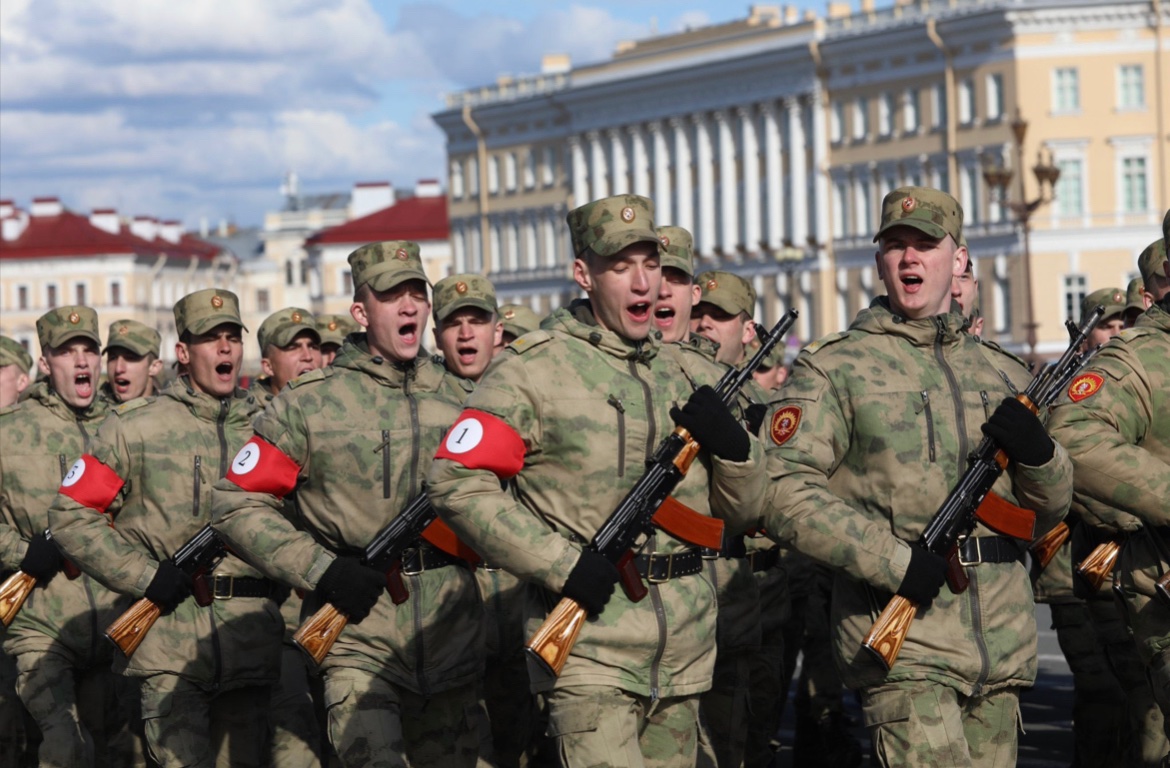
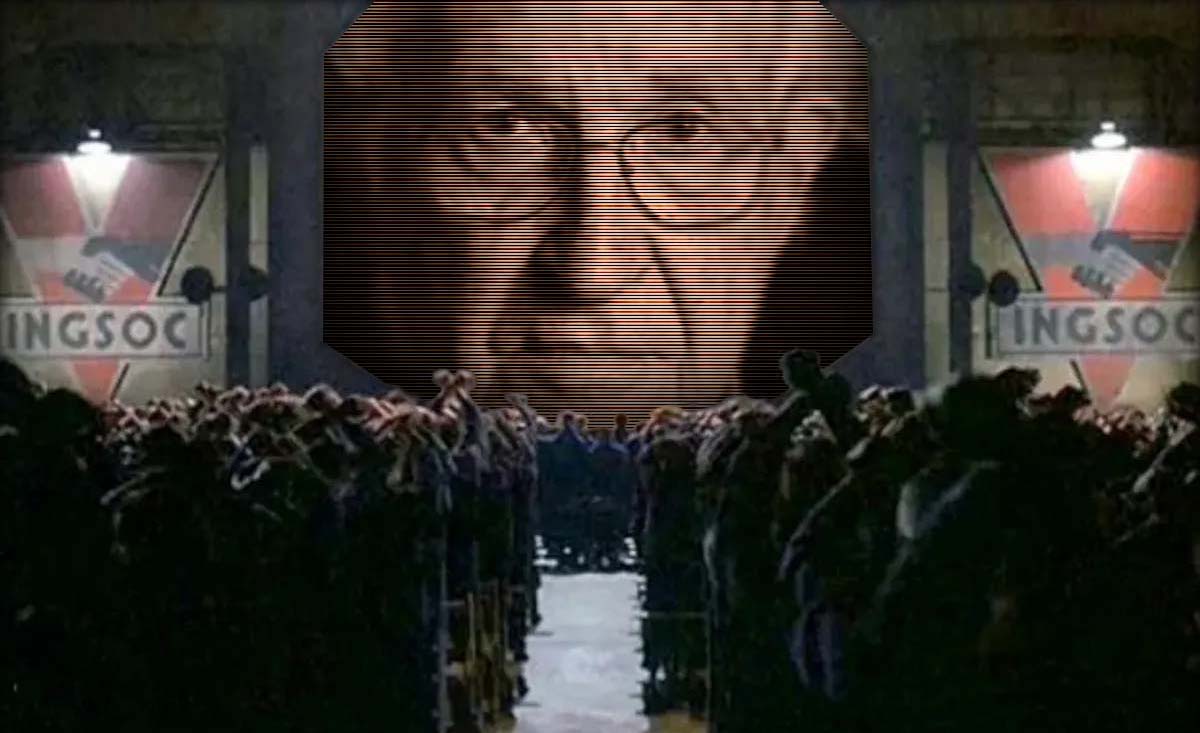
In Episode 115 of the CounterVortex podcast, Bill Weinberg continues to dissect Vladimir Putin’s ultra-cynical fascist pseudo-anti-fascism. Putin presides over Nuremberg-type mass rallies celebrating war and conquest, spews overtly genocidal rhetoric, and prepares concentration camps for the Crimean Tatars. Alexander Dugin, “Putin’s Rasputin” and the intellectual mastermind of his revanchist imperial project, has openly called for “genocide” of the Ukrainians. In areas of Ukraine occupied by Russia, a forced mass deportation of the populace is reported. Putin is clearly approaching a genocidal threshold in Ukraine—while imposting a totalizing police state within Russia. Yet, with unimaginable perversity, all this is done in the name of a campaign to “denazify” Ukraine. The painting of Ukraine as a “Nazi” state on dubious basis of a few ugly right-wing paramilitaries on the Ukrainian side is vigorously repudiated by the leadership of Ukraine’s Jewish community. Yet this “Big Lie” is credulously (or cynically) echoed by elements of the “left” as well as far right in the United States—who arrogantly refuse to listen to Ukrainians. Listen on SoundCloud or via Patreon. (Photo: Wikipedia)