

UN Mission: foreign support fuels Sudan war
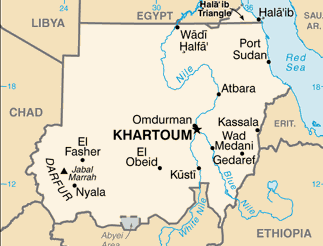
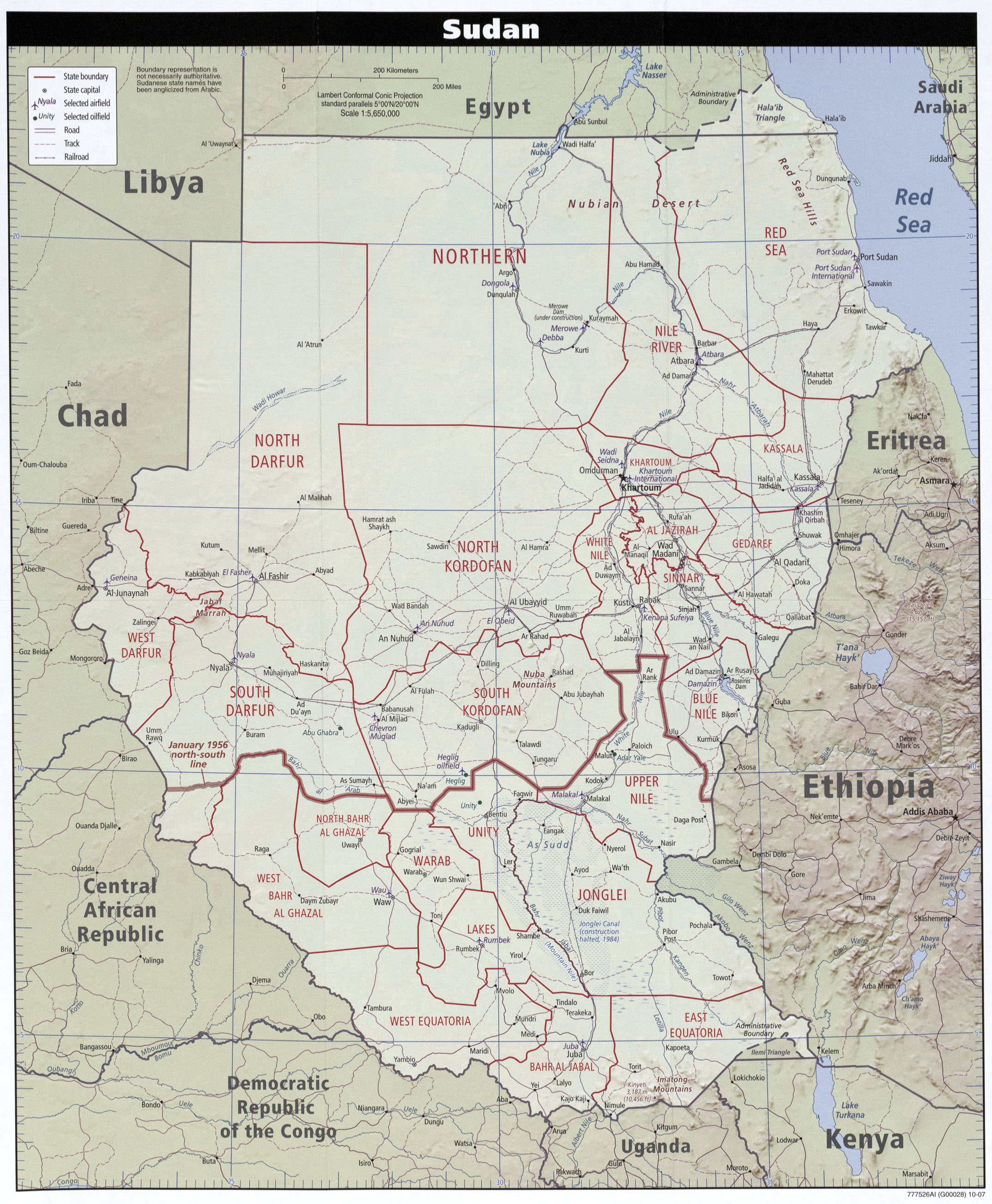
SudanThe UN Independent International Fact-Finding Mission on Sudan released a new report detailing how external support networks fuel the conflict and escalate civilian harm in the country. The Mission found that foreign-sourced weapons and personnel have significantly expanded the military capabilities of both the Sudanese Armed Forces (SAF) and the Rapid Support Forces (RSF), intensifying the conflict's scale and lethality. Although the UN Security Council has long imposed an arms embargo on Sudan, the Mission believes the RSF sources artillery, air-defense systems, drones, and other military equipment from individuals and entities in the United Arab Emirates, Chad, Libya and Somalia. The report stated that arms suppliers who violate the embargo contribute to crimes under international law. (Map: PCL)
UN investigation finds genocide in Sudan

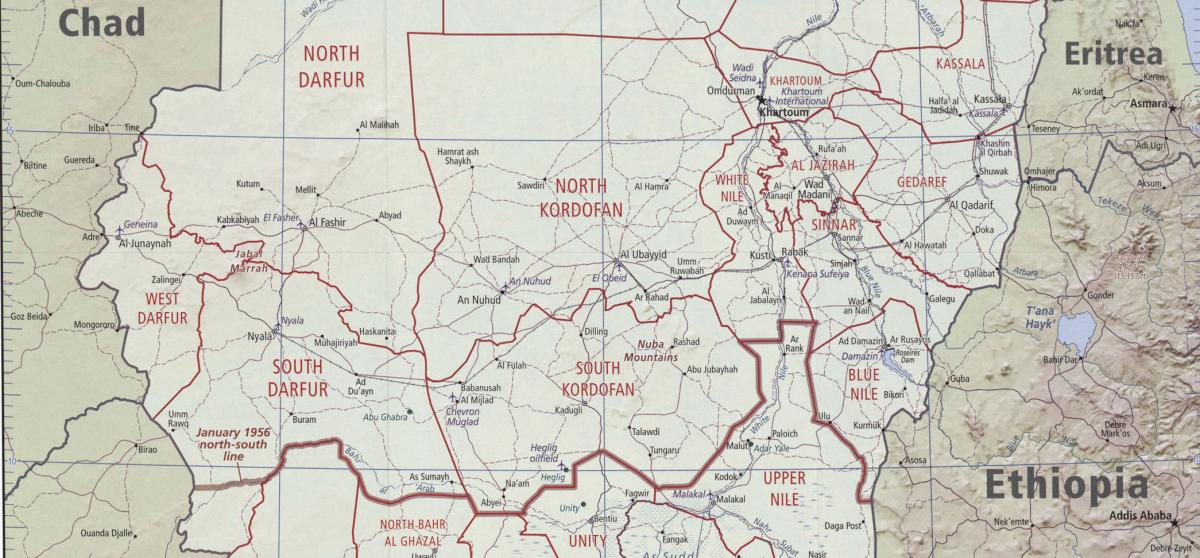
SudanThe UN fact-finding mission for Sudan has produced a follow-up to its February investigation into atrocities by the Rapid Defense Forces (RSF) in El Fasher, finding at least three of the "material crimes" of genocide "overwhelmingly present." After a prolonged siege, the UAE-backed paramilitary army launched an October 2025 assault on El Fasher, which was the last major Darfur city where the Sudanese army and allied forces were in control. Since the February publication, the mission said it has received new information, especially on the abduction and mass rape of women and girls. It says survivors were raped by RSF forces in the presence of corpses, including of family members, and were targeted along ethnic lines. The mission also received new information on the high number of people—up to tens of thousands—who remain missing or unaccounted for. With the RSF planning a new assault on the North Kordofan capital, El Obeid, the mission said the same patterns are repeating, and called for the lessons of El Fasher not to be ignored. (Map: PCL)

Sudan: atrocity alert as RSF rings El Obeid

SudanWarnings are mounting that Sudan's Rapid Support Forces (RSF) could carry out new mass atrocities as the paramilitary army prepares an assault on the government-held city of El Obeid in North Kordofan state. After the UN secretary-general and human rights chief sounded the alarm, the African Union and several governments also warned of the extreme danger facing civilians if the UAE-backed rebels capture the city. The warnings have drawn comparisons with El Fasher and the nearby Zam Zam displacement camp in Darfur, which saw general massacres after they fell to the RSF last year. Reports suggest the RSF has moved substantial reinforcements to its siege of El Obeid, while stepping up drone strikes on the city. A crossroads linking RSF-controlled Darfur with government-held Sudan, El Obeid was under RSF siege until the Sudanese Armed Forces broke the blockade last year, but it is now being encircled once again. (Map: PCL)

Sudan: RSF commander named in war crimes

Sudan​​Amnesty International demanded the removal of a commander of Sudan's Rapid Support Forces (RSF), citing war crime allegations against him. Al-Fatih Abdallah Idris AKA "Abu Lulu" was arrested by the RSF in late October 2025 following global outrage from a viral video appearing to show him executing unarmed civilians during the taking of the Darfur city of El Fasher. Following a Reuters investigation, multiple sources confirmed that Abu Lulu has been released from detention and is back on the battlefield. (Map: PCL)

Drones now leading cause of civilian deaths in Sudan

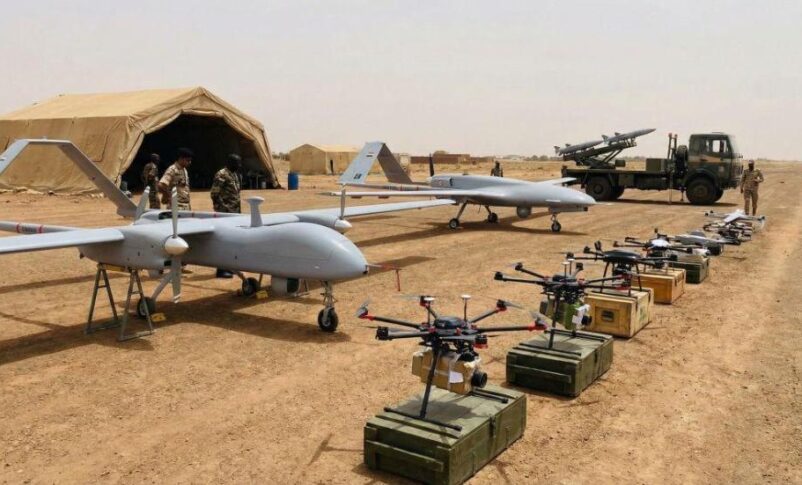
dronesUN Human Rights Chief Volker Türk issued a high alert on the widening use of drones in the conflict in Sudan. Türk warned that unless the international community takes action without delay, the conflict in Sudan could enter a new, even deadlier phase. The Sudan team at the Human Rights Office found that upwards of 80% of all civilian deaths from January to April—numbering at least 880—can be attributed to drone attacks. Türk warned: "This increasing reliance on drones allows hostilities to continue unabated in the approaching rainy season, which in the past has brought about a lull in ground operations. An intensification of hostilities in the coming weeks, as the parties seek to gain or consolidate control of territory amid shifting conflict dynamics, risks hostilities expanding even further to central and eastern states, with lethal consequences for civilians across enormous areas." (AI-generated image of various drones used in Sudan, via Sudan Tribune)

RSF attacks bring Sudan’s war to Chad

Sudan​​Sudan's paramilitary-turned-rebel Rapid Support Forces (RSF) have repeatedly attacked the Darfur border town of Tina, with more than 123 injured people arriving at a hospital supported by Médecins Sans Frontières near the Chad frontier. A drone strike—with responsibility still unclear—also killed 17 people on the Chadian side of the border. Tina has been hosting large numbers of displaced Darfuris fleeing RSF attacks elsewhere. (Map: PCL)

Sudan: evidence of mass killings in El-Fasher

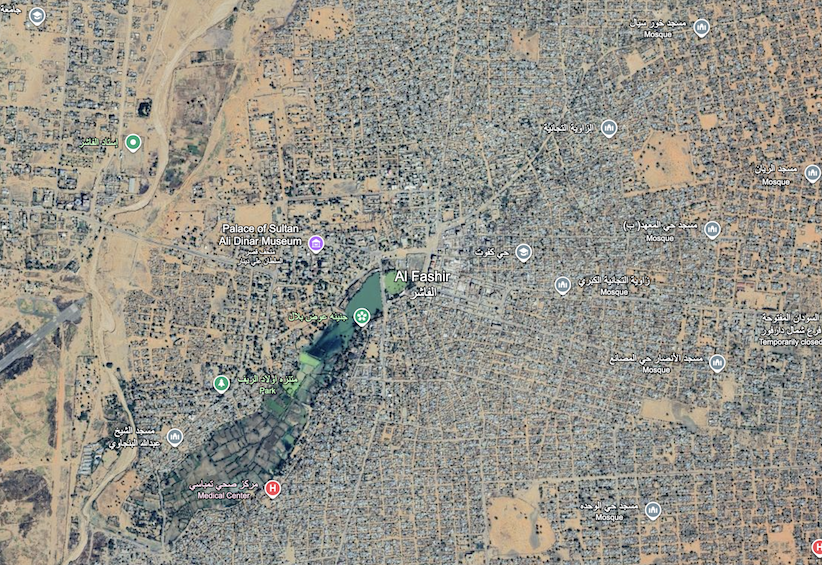
El FasherSatellite imagery analysis reveals widespread evidence of systematic mass killings and body disposal by the Rapid Support Forces (RSF) in El Fasher, Sudan, following the paramilitary group's capture of the North Darfur state capital in late October, according to a report released by Yale University researchers. The Yale School of Public Health's Humanitarian Research Lab (HRL) identified at least 150 "clusters of objects consistent with human remains" in and around El-Fasher between Oct. 26, when the RSF claimed to have taken full control of El-Fasher, and Nov. 28. They identified the clusters as likely human remains, based on their size, the timing of their appearance, and proximity to reddish ground discoloration that later turned brown, consistent with blood oxidation. In some cases, the RSF's own social media posts corroborated the presence of human remains at the locations. By late November, 38% of the identified body clusters were no longer visible in satellite imagery, suggesting systematic disposal operations, the researchers said. (Photo: Google/Airbus via JURIST)

Syria

Deadly strikes on hospitals: the new norm?

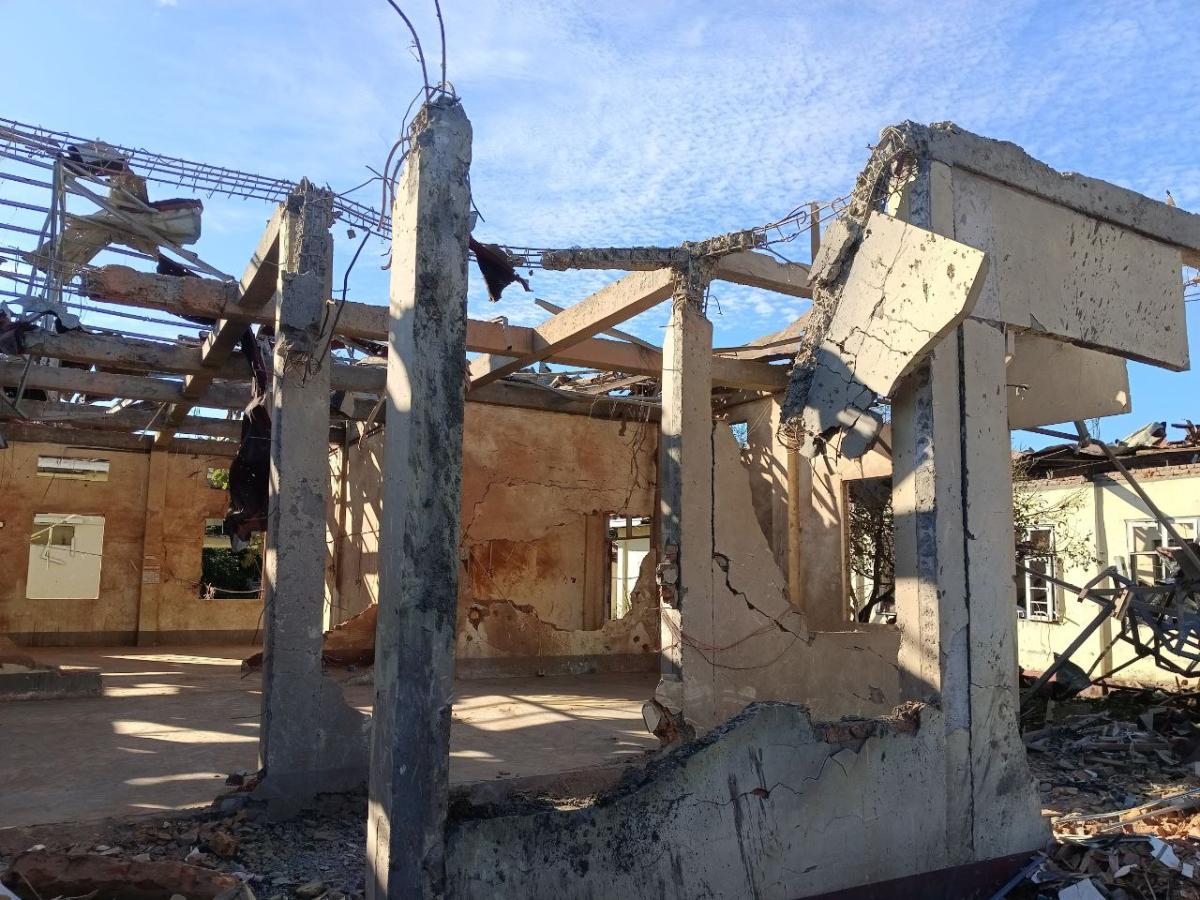
Mrauk-UOn World Humanitarian Day in August, World Health Organization director-general Tedros Adhanom Ghebreyesus released a statement calling attention to intensifying attacks on healthcare workers and facilities, which constitute war crimes under international humanitarian law. "We must stop this becoming the norm," he wrote. The events of the past weeks suggest such attacks are now already the norm. In Sudan, the WHO reported that over 100 people, including 63 children, were killed when drone strikes attributed to the Rapid Support Forces hit a kindergarten and nearby hospital in South Kordofan. In Burma's Rakhine state, a military airstrike destroyed the Mrauk-U general hospital, killing at least 31 people and wounding dozens more. It was the 67th attack on a healthcare facility in Burma this year, according to the WHO. Attacks on healthcare facilities killed a record 3,600 people in 2024, mainly in Gaza, Ukraine, Lebanon, Burma and Sudan. This year is on course to surpass that toll. In Gaza alone, at least 917 people were killed by Israeli attacks on healthcare facilities between Oct. 7. 2023 and June of this year. (Photo: Myanmar Now)

Sudan: hollow truces, blood theft

Sudan​​In a move that will shock absolutely nobody following the war in Sudan, the Rapid Support Forces (RSF) declared a three-month unilateral humanitarian truce—and then promptly broke it with an attack on an army position in the West Kordofan town of Babanusa. RSF leader Hemedti billed the pause as a first step towards a political solution, but it looks like just another attempt to con mediators and journalists. As ever, those attempts have been drowned out by a stream of grim revelations, including reports that RSF fighters forcibly took blood from civilians fleeing El Fasher—prompting one commentator to label them "literal vampires." A Doctors Without Borders update found that many of the 260,000 civilians still alive in El Fasher before the RSF takeover in October are now dead, detained, trapped, or unable to access lifesaving aid. (Map: PCL)

Sudan: atrocities as North Kordofan city falls to RSF

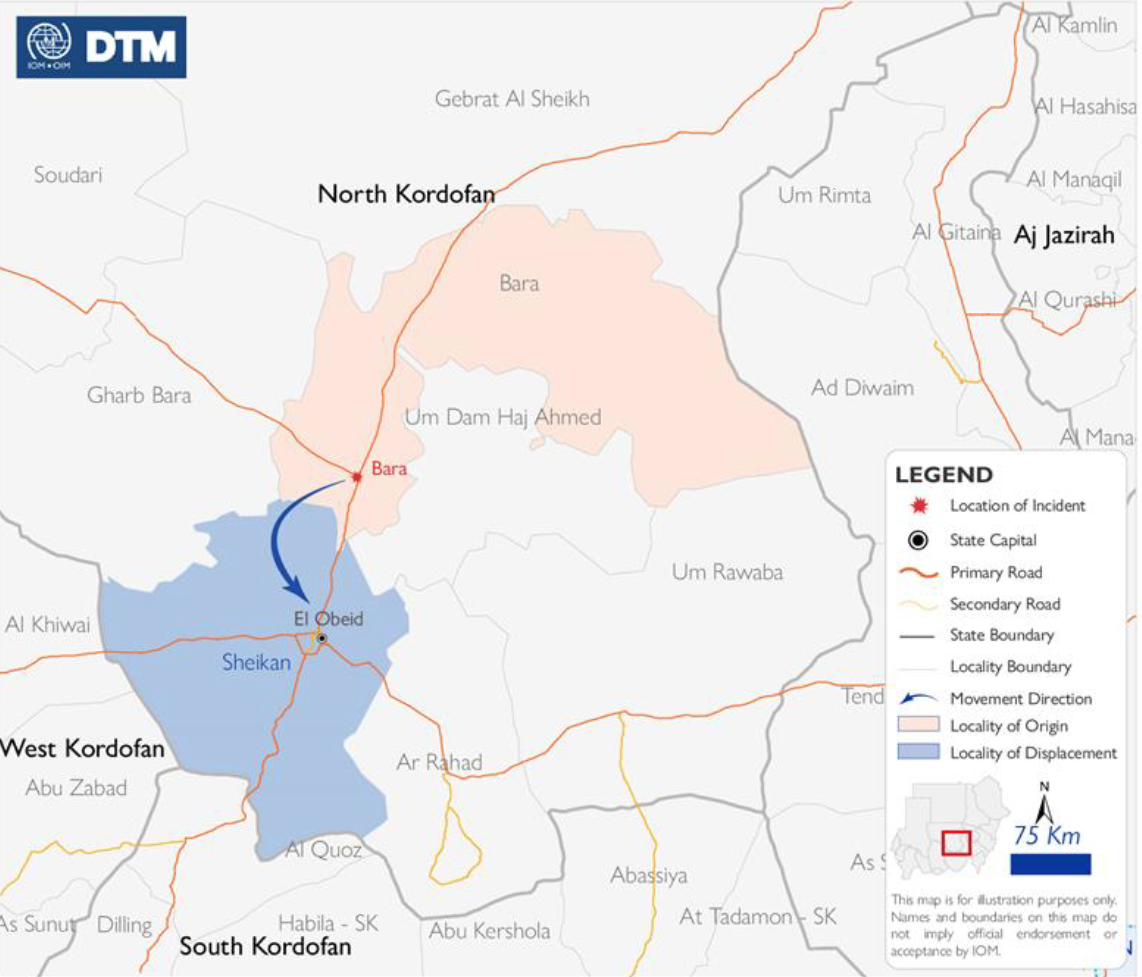
KordofanSummary executions of civilians by fighters of the Rapid Support Forces (RSF) are being reported from Bara city, in Sudan's North Kordofan state, after it was captured by the paramilitary army following a major offensive. The victims were apparently accused of supporting the Sudanese Armed Forces in its defense of the city. Reports indicate that dozens of civilians have been killed, according to the UN Human Rights Office. A local medical group describes horrific conditions in the taken city. "Dozens of bodies are piled up inside homes after the RSF prevented the victims' families from burying them, leaving the dead trapped in their houses while the living are surrounded by fear, hunger, and thirst," the Sudan Doctors Network said in a statement. (Map: Displacement Tracking Matrix)

Sudan: RSF announce rival government

SudanA coalition led by the paramilitary Rapid Support Forces (RSF) has announced formation of a parallel government in Sudan, further cementing the country's territorial split between army-held and RSF-held regions. Paramilitary leader Mohamed Hamdan Dagalo ("Hemedti") will head a 15-person council with Abdel Aziz al-Hilu, head of the SPLM-N rebel group, as deputy. The African Union urged member states to not recognize the new regime, which wants to rival the Port Sudan-based army-led transitional government. This effectively leaves the RSF-led regime in control of much of the south, the army in control of the north, and the center of the country contested. (Map: PCL)

Podcast: Russia and the Sudan crisis II

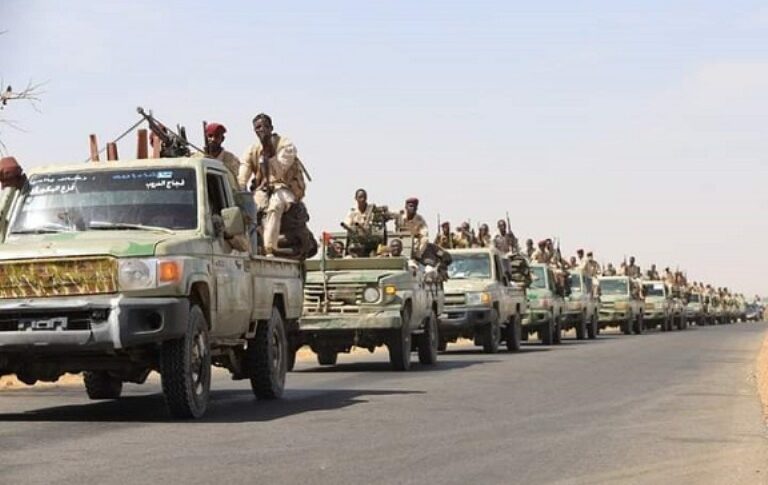
RSFIn Episode 172 of the CounterVortex podcast, Bill Weinberg continues to document Russian support for the attempted coup that plunged Sudan into crisis and derailed a scheduled transition to civilian rule last month—as well as ongoing Russian armed support to the Rapid Support Forces (RSF), the paramilitary faction that led the attempted coup and is now battling for control of the country. CNN and Deutsche Welle have reported claims of Russian weapons drops to the RSF, even as the UN pleads with the warring factions to come to the table. The RSF and Moscow's Wagner Group mercenary outfit have established a power base in Sudan through their joint control of mineral resources in Darfur and Kordofan—even as they put down the self-determination struggle of these regions' indigenous peoples. Listen on SoundCloud or via Patreon. (Photo of RSF forces in Darfur via Sudan Tribune)