Planet Watch
CounterVortex

Podcast: CounterVortex at 20

In Episode 91 of the CounterVortex podcast, Bill Weinberg notes the 20th anniversary of the launch of World War 3 Report, as it was then called—a direct response to 9-11 and Dubya Bush’s declaration of the Global War on Terrorism. In 2005, it was renamed World War 4 Report, on the logic that the Cold War had been World War III, and to emphasize support for the “Fourth World”—land-rooted, stateless, and indigenous peoples. In 2016, the project was transformed into CounterVortex, in light of its expanding mission beyond our original mandate of the GWOT, and to emphasize the need for general resistance to humanity’s downward spiral into ecological collapse and permanent war. Listen on SoundCloud or via Patreon.

Oceania
Vanuatu

Vanuatu seeks ICJ opinion on climate justice

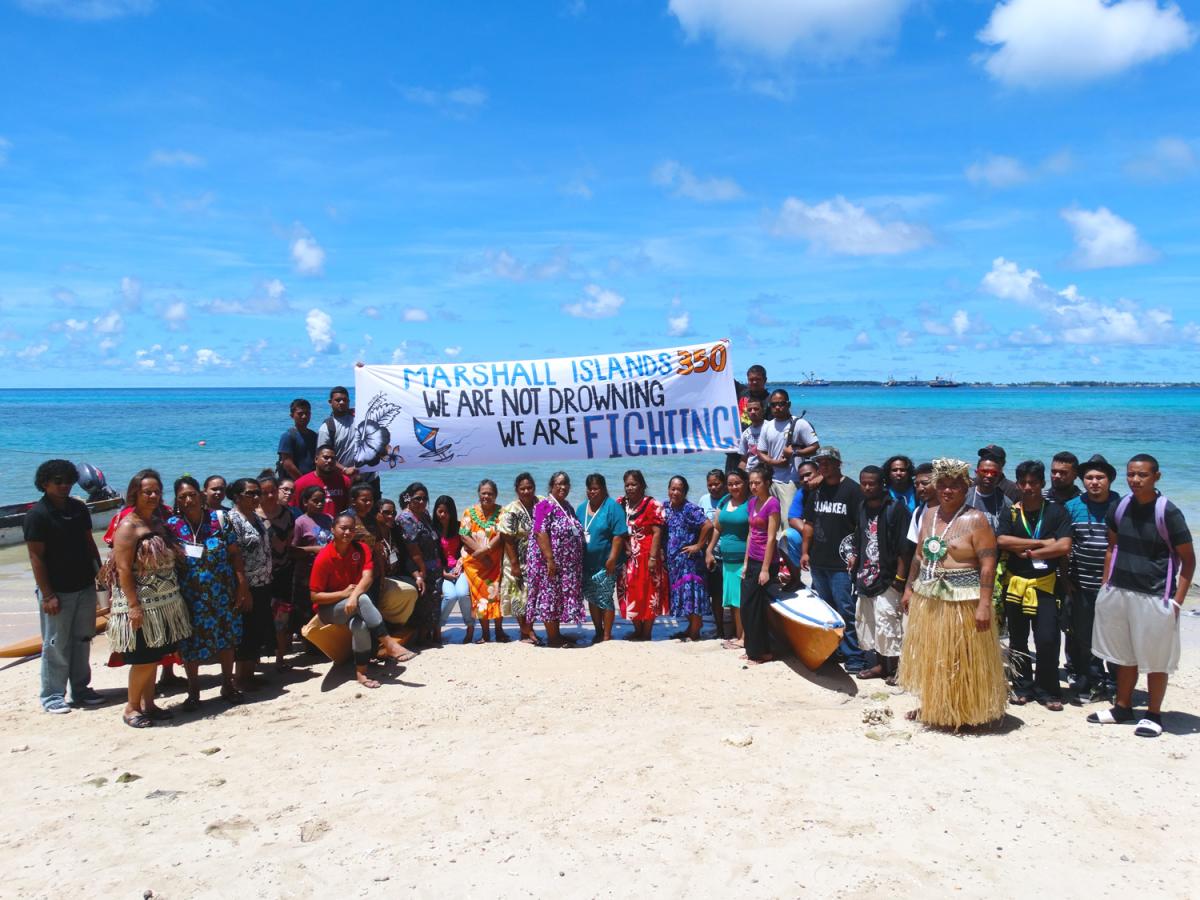
The South Pacific nation Vanuatu announced its intention to seek an advisory opinion from the International Court of Justice on the right of future generations to be protected from the consequences of climate change. Speaking at the UN General Assembly, Vanuatu’s Prime Minister Bob Loughman warned that the climate crisis is “increasingly eluding the control of individual national governments,” and stressed the need for a global solution. The announcement set out his government’s plan to coordinate the efforts of Pacific Island states and other vulnerable nations to seek clarification on the legal duties of large emitters of greenhouse gases. (Photo: David Cobbin via NUPI)

Southeast Asia
Rohingya

Court: Facebook must reveal role in Burma genocide

A US federal judge ordered Facebook to produce documents relating to its involvement in violence against the Rohingya people in Burma. The Gambia brought a claim against Facebook, Inc before the International Court of Justice alleging that the social media platform played a key role in the genocide of the Rohingya, a Muslim ethnic minority. The Gambia then filed suit against Facebook in the District of Columbia, seeking documentation related to the World Court case. The Gambia’s case contended that it was only in 2018, six years into the genocide, that Facebook began deleting accounts and content used by Burmese government officials to enflame attacks on the Rohingya. (Photo: UNHCR)

North Africa
Libya detention

Migrants ‘disappearing’ in Libya

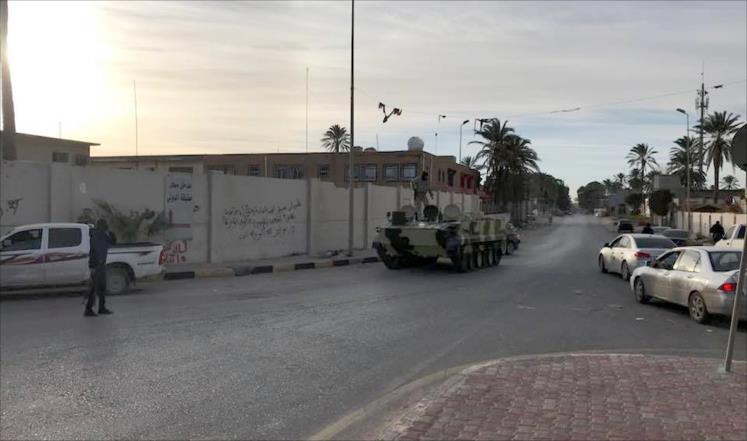
Of more than 24,000 asylum seekers and migrants intercepted at sea this year by the EU-supported Libyan Coast Guard, only 6,000 are accounted for in Libya’s official detention centers, a spokesperson for the International Organization for Migration (IOM) told the Associated Press. The fate of thousands of others returned to the country remains unknown. The situation has been worsening for months. The IOM warned last year of returnees vanishing from Interior Ministry “data-collection facilities,” and said it suspected that thousands are being sold to human traffickers. (Photo: Alessio Romenz/UNICEF)

Africa
Sudan

Sudan: Omar Bashir plots comeback?

A failed coup by army officers allegedly linked to ousted long-ruling strongman Omar al-Bashir underscored the fragility of Sudan’s transition to civilian rule. Some 20 officers were arrested in the coup attempt. Military leaders from the country’s power-sharing government, the Sovereign Council, blamed their civilian counterparts for neglecting public welfare and opening the door to the coup plotters. Civilian cabinet minister Khalid Omer Yousif called the officers’ comments “astonishing” and “a direct threat to the transition.” Bashir, overthrown in 2019 after nearly 30 years in power, is presently in prison in Khartoum, where he faces multiple trials. He continues to be wanted on genocide charges by the International Criminal Court. (Map: Perry-Castañeda Library Map Collection)

Africa
jihadis

Russian mercenaries to Mali?

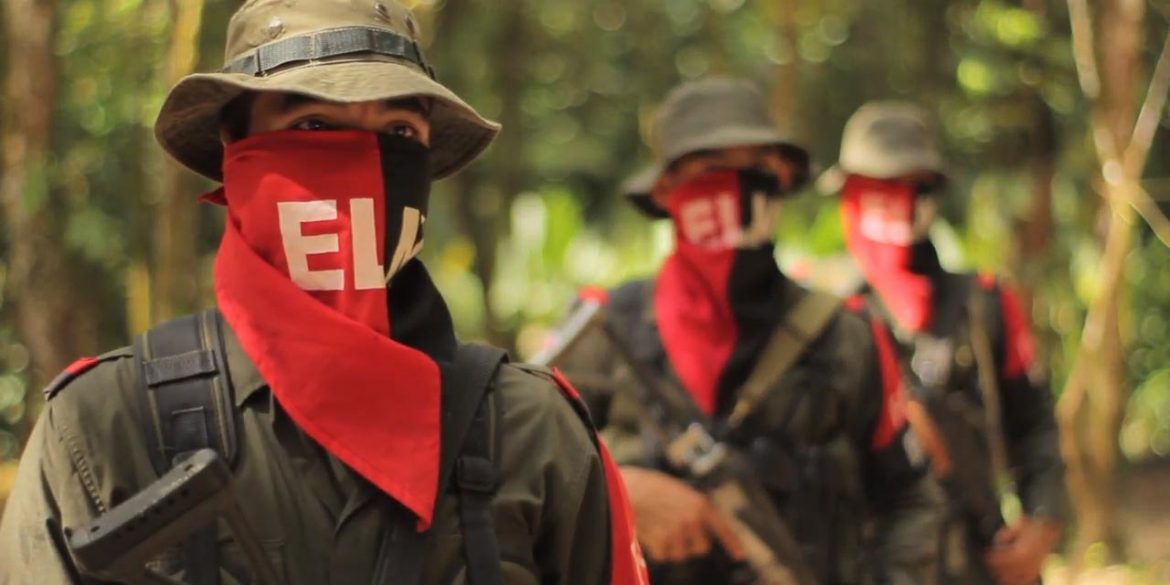
France, now in the process of drawing down its military presence in West Africa’s Sahel nations, criticized plans that could see Russian mercenaries brought to Mali, where jihadist groups tied to ISIS or al-Qaeda operate in large parts of the country. Reports suggest that Mali’s transitional government is considering a deal with the Wagner Group, which has close links to Vladimir Putin and is also active in Central African Republic. The Coordinating Body of Azawad Movements (CMA), a coalition of Tuareg rebel groups that signed a peace deal with the Malian government in 2015, likewise expressed its “firm opposition” to any agreement to bring in the Wagner Group. (Photo: FIDES)

East Asia
Hong Kong

Hong Kong: ‘patriots’ in, democrats out

The first “patriots only” vote under Hong Kong’s new political system was held to choose members for a 1,500-member Election Committee—although only some 360 of the seats were actually contested. Voting was restricted to some 5,000 individuals representing different professions and industries, chosen under a principle of “patriots administering Hong Kong.” The Election Committee is tasked with electing 40 members of the enlarged 90-seat Legislative Council in December as well as choosing the city’s new chief executive next March. The new and more controlled electoral system was adopted by an overwhelming majority vote of the National People’s Congress in Beijing this March. (Photo: HKFP)

New York City

Podcast: anti-Semitism and propaganda —again

In Episode 90 of the CounterVortex podcast, Bill Weinberg examines claims from New York’s Gov. Kathy Hochul and local politicians of “anti-Semitic graffiti” spray-painted along Manhattan’s Harlem River Drive on the eve of Yom Kippur. The governor’s press release did not tell us what the graffiti actually said. This is rather critical information, given the contemporary controversies about what constitutes an anti-Semitic slur, and the confusion between anti-Zionism and anti-Semitism. Yet most media coverage uncritically accepted Hochul’s claims. Weinberg parses the facts in the case, and (as usual) finds plenty to criticize on both sides: the spray-painters and the politicians. Listen on SoundCloud or via Patreon. (Photo via Twitter)

Planet Watch
displaced

Shifting the frame on climate migration

A lot of attention is paid to the possible impacts of the climate crisis on international migration—particularly the potential movement of people from the Global South to the Global North. Now, a new report from the World Bank says that climate change could force 216 million people to migrate within their countries by 2050. People living in under-developed regions, including much of Africa, are the most likely to be forced to move. The report is a reminder of what gets overlooked in the focus on South-North migration: There are currently 48 million internally displaced people compared to 20.7 million refugees. Of those refugees, 80% live in countries neighboring their country of origin, and only 16% live in countries in the Global North. (Photo of displaced families in Somalia: UN Photo/Tobin Jones via Flickr)

Africa

South Sudan: fighting, flooding, aid suspension

Close to 80,000 people have been displaced in South Sudan’s Western Equatoria, as a result of fighting between government forces and the opposition SPLA-IO–even though both sides are supposed to be forming a new unified army. A delay to security sector reform continues to set back implementation of a 2018 peace agreement. Faction fighting within SPLA-IO has added to the insecurity. Meanwhile, the World Food Programme is suspending aid to more than 100,000 displaced people—part of a “prioritization exercise” driven by a finance crunch. The fall in funding is despite the country experiencing the highest rate of food insecurity since independence in 2011, with more than 60% of South Sudanese going hungry. Months of flooding has added to that toll. (Photo: Phillip Mbugo/UNMISS via ReliefWeb)

Afghanistan
afghan women

Taliban ‘stamping out human rights’ in Afghanistan

The Taliban are steadily “dismantling the human rights gains of the last 20 years,” said Amnesty International in a new briefing issued jointly with the International Federation for Human Rights (FIDH) and the World Organization Against Torture (OMCT), documenting the militant group’s wide-ranging crackdown since their seizure of Kabul little more than five weeks ago. Contrary to the Taliban’s repeated claims that they will respect the rights of Afghans, the briefing, entitled “Afghanistan’s Fall Into the Hands of the Taliban,” details a litany of human rights abuses including targeted killings of civilians and surrendered soldiers, and the blockading of humanitarian supplies into the Panjshir Valley, which constitute crimes under international law. Restrictions have also been re-imposed on women, freedom of expression and civil society. (Photo: Khaama)

The Caucasus
Nagorno-Karabakh

Armenia brings World Court case against Azerbaijan

The Republic of Armenia instituted proceedings against the Republic of Azerbaijan at the International Court of Justice, the United Nations’ top judicial organ, over alleged violations of the International Convention on the Elimination of All Forms of Racial Discrimination (ICERD) by Azerbaijani authorities. In its application, Armenia contended that “for decades, Azerbaijan has subjected Armenians to racial discrimination,” including mass killings, torture and other abuses. The complaint charged that “Armenian cultural heritage has also been systematically destroyed, erased and falsified.” Armenia has requested the Court to take provisional measures “as a matter of extreme urgency” in order to “protect and preserve Armenia’s rights and the rights of Armenians from further harm.” (Map: Wikipedia)