Iraq
P1000085 1

mosque3

The export of oil from northern Iraq's contested enclave of Kirkuk is to resume under a deal struck between Baghdad and the Kurdistan Regional Government (KRG), Iraq's Ministry of Oil announced. With Baghdad's Kirkuk-Ceyhan pipeline disabled during fighting with ISIS, the so-called KRG pipeline is currently the only method of delivering Kirkuk oil to foreign markets other than through Iran. That route has now also been cut off by the resumption of US sanctions against the Islamic Republic. But Baghdad and the KRG have long been at odds over terms, and the situation was worsened with the central government's seizure last year of Kirkuk and its oil-fields, which had been in Kurdish hands since the KRG routed ISIS from the enclave in 2014. US National Security Advisor John Bolton welcomed the agreement between Baghdad and the KRG as a "promising first step to return to 2017 levels." The KRG pipeline is jointly owned by the Erbil-based KRG, BP and Russia's Rosneft. (Photo via Iraqi News Agency)
The Andes
P1000085

mosque3

The dark days of state collaboration with Colombia's murderous paramilitary groups were recalled with the arrest in New York of Javier Valle Anaya, former sub-director of Bogotá's Administrative Security Department (DAS), a now-disbanded intelligence agency that was found to be feeding information to the paras. Valle Anaya was detained on an immigration violation, but may face extradition to Colombia, where he is wanted in connection with the 2004 assassination of a human rights activist in Barranquilla. Ironically, the arrest comes just as a new scandal has emerged concerning an illegal network of chuzadas—Colombian slang for eavesdroppers. Retired National Police general Humberto Guatibonza was arrested in Bogotá, charged with running a chuzada ring that spied on labor activists—particularly members of the airline workers union, ACDAC. (Photo via Contagio Radio)

New York City
P1000084

mosque2

In Episode 22 of the CounterVortex podcast, Bill Weinberg rants in anguish about how he has been deprived of phone and Internet access by Verizon's cynical design to let its copper network deteriorate and impose the transition to cellular, fiber and wireless on consumers against their will. There is no reason to believe this outage will be temporary. The illusions of freedom of choice and communications convenience has left the CounterVortex editor and main ranter with no choice and no ability to communicate—or to produce the journalism he needs to daily produce to make a living. Weinberg contends that his right to work—guaranteed by Article 23 of the Universal Declaration of Human Rights—is being violated with impunity. Verizon is in violation of international law, as well as New York state law. Weinberg calls upon the New York Public Service Commission to enforce the law on Verizon. He also calls upon the New York Public Utility Law Project to reach out to metro-area consumers similarly left without land-line service, and organize a class-action lawsuit against Verizon. Much more ambitiously, he calls for a public expropriation of Verizon, and the redirection of its technology, infrastructure and capital toward serving the social good rather than private profit. Listen on SoundCloud, and support our podcast via Patreon. (Photo: IBEW)

North America
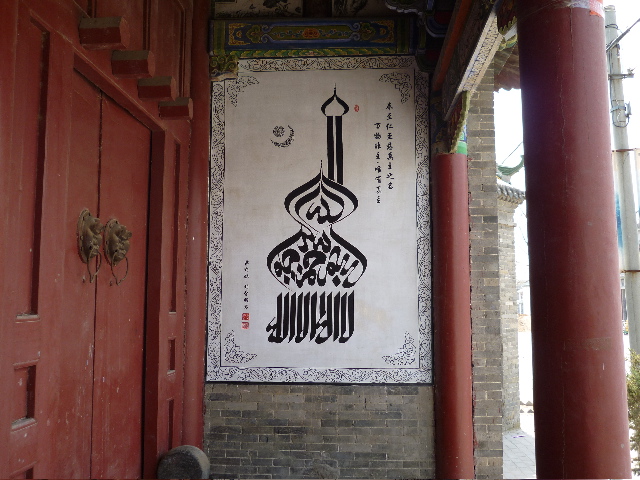
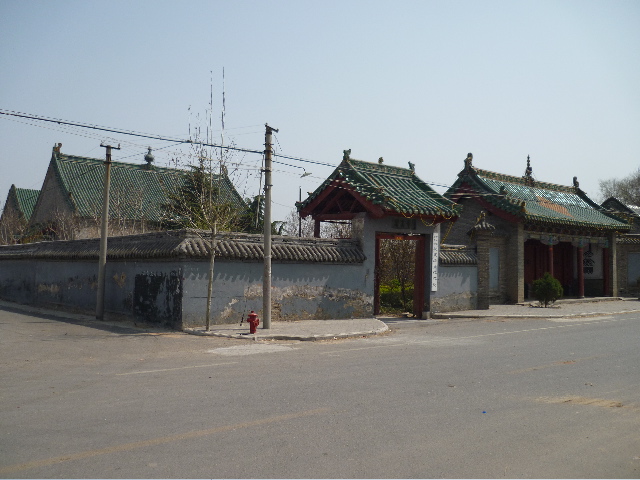
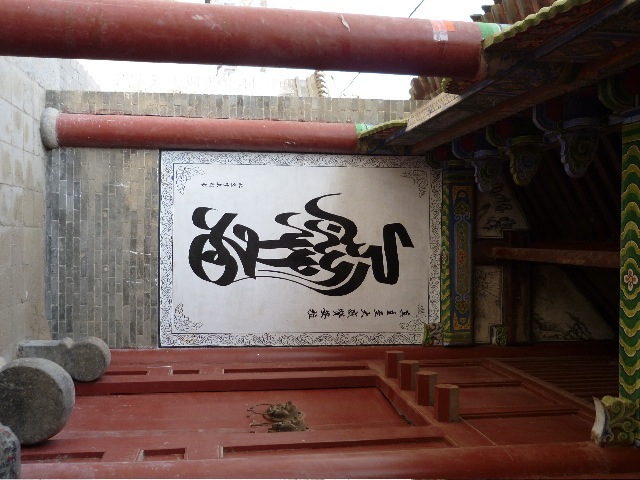
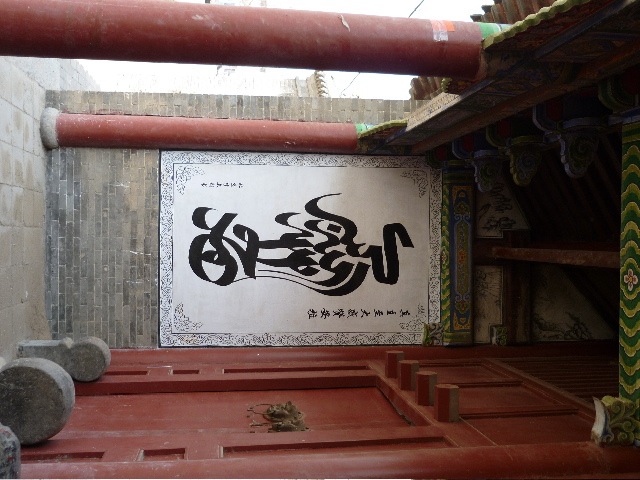
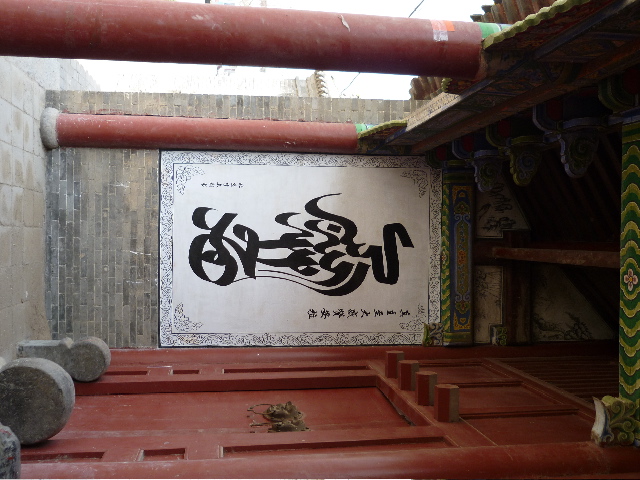
The mosque at Zhuxian

mosque1

The White House issued a proclamation that bans migrants caught entering the US unlawfully from seeking asylum. The ban's stated purpose is to funnel migrants from Mexico and Central America to ports of entry, where they will be allowed to apply for asylum "in an orderly and controlled manner instead of unlawfully." But Omar Jadwat, director of the American Civil Liberties Union’s Immigrant Rights Project, stated: "The law is clear: People can apply for asylum whether or not they’re at a port of entry, and regardless of their immigration status. The president doesn't get to ignore that law, even if he dislikes it." (Photo via Jurist)

New York City
20100817 iceberg

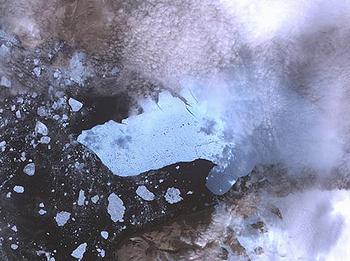
Greenland glaciers going…

CountertVortex editor and main contributor Bill Weinberg (that would be me) is currently without phone service, and only intermittent Internet access, due to a Verizon equipment failure. The last Verizon chat-jockey I spoke with said "it is major cable issue and will need some time to be solved." That basically means they don't intend to fix it. I use DSL and a land-line—going through the old copper wires that Verizon is trying to phase out. If my service is not restored, I will have no means of producing CounterVortex—or the journalism I must write every day to pay the rent. Many people in New York and around the country are in the same position. We urgently must press Verizon to maintain the old copper-wire infrastructure we depend on—which they are required to do by law. (Photo: IBEW)

Greater Middle East
20bed7281330380386 0

West Bank bedouin under siege

French prosecutors issued international arrest warrants for three prominent Syrian officials charged with collusion in crimes against humanity, in what human rights lawyers are calling a major victory in the pursuit of those believed responsible for mass torture, abuse and summary executions in the regime's detention facilities. The warrants name three leading security officials—including Ali Mamlouk, a former intelligence chief and senior adviser to President Bashar al-Assad, as well as head of the Air Force Intelligence security branch, Jamil Hassan. A third, Abdel Salam Mahmoud—an Air Force Intelligence officer who reportedly runs a detention facility at al-Mezzeh military base near Damascus—was also named. Hassan and Mamlouk are the most senior Syrian officials to receive an international arrest warrant throughout the course of the conflict. (Photo of hunger strikers at Syrian prison via Foreign Policy. Credit: Louai Beshara/AFP/Getty Images)

Afghanistan
20bed7281330380386

Bedouin under siege

In its latest quarterly report to Congress, the US watchdog for Afghan reconstruction finds that the security situation is at an all-time low since monitoring began. Since the Special Inspector General for Afghanistan Reconstruction (SIGAR) began tracking district control in 2015, Afghan government-controlled or "influenced" districts have declined 16% to 55.5%. In the same period, areas of insurgent control or influence rose 5.5% while "contested" districts increased 11%. As of late July, the US military assessed that the Kabul government controls or influences 226 of Afghanistan's 407 districts, while the Taliban controls/influences 49. The remaining 132 districts are identified as "contested." Since the prior quarterly report, Operation Resolute Support downgraded eight districts from "government influenced" to "contested." SIGAR said Afghan security forces "made minimal or no progress in pressuring the Taliban" in the period covered by the report. (Photo via Stars & Stripes)

bedoin1330380386

Bedouin under siege

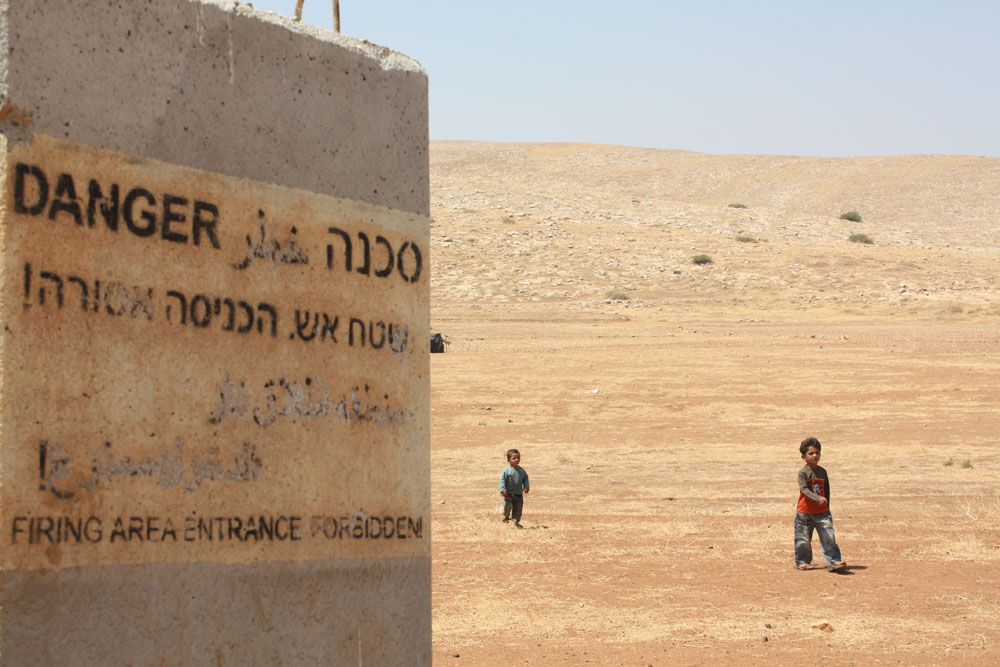
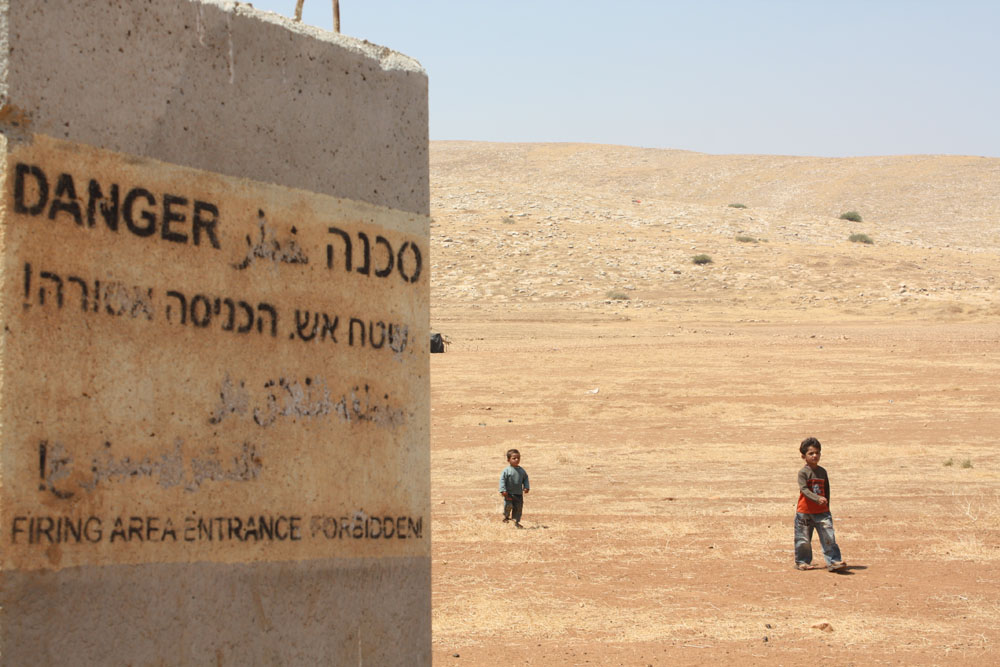
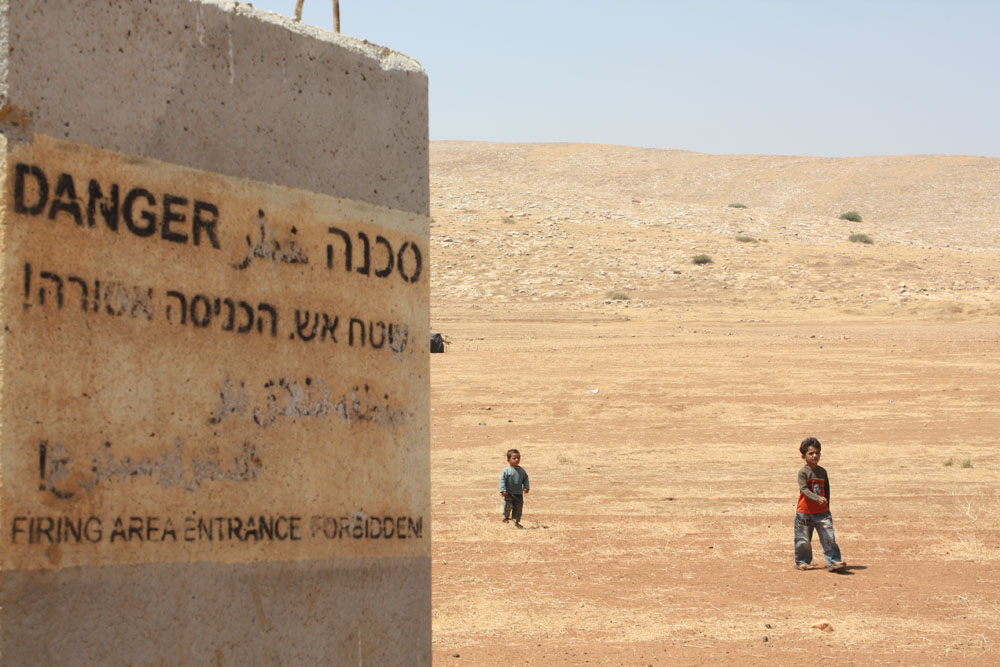
Bedouin children wander away from their home in al-Hadidiya village in the West Bank, which is now within a closed military zone claimed by the Israeli army Photo: Phoebe Greenwood/IRIN

The Andes

Colombia: indigenous leaders murdered

Authorities in Colombia’s southern Nariño department found the bodies of Ramiro Inampues and his wife, Maria Lina Galindez, two Guachucal indigenous leaders who had been shot by unknown assassins.