Palestine
settlement

Israeli cabinet meets on West Bank annexation

The Israeli cabinet will convene to discuss annexation of areas of the West Bank, local media report. The discussion has been called in light of the recently-approved settlement construction plan spearheaded by Finance Minister Bezalel Smotrich, which will see some 3,400 housing units built in the West Bank’s contentious E1 area between Jerusalem and the Ma’ale Adumim settlement bloc. This follows approval of a Knesset resolution in favor of annexing the entirety of the West Bank. The motion, which passed 71-13, declared that the West Bank is “an inseparable part of the Land of Israel, the historical, cultural and spiritual homeland of the Jewish people,” and that “Israel has the natural, historical and legal right to all of the territories of the Land of Israel.” (Photo: delayed gratification via New Jewish Resistance)

Africa
Burkina Faso

Russian fighters leave Burkina Faso for Kursk front

Russia is withdrawing 100 of its paramilitary troops from Burkina Faso to assist in the war with Ukraine, reports indicate. The troops are part of a contingent of some 300 fighters from the Medvedi or Bear Brigade—one of the Russian private military companies operating in West Africa—who arrived in Burkina Faso in May to support the country’s ruling military junta. In a statement, the group said its forces would return home to support Russia’s defense of Kursk oblast against Ukraine’s recent cross-border offensive. There are fears the pull-out could embolden jihadist insurgents in Burkina Faso, who recently killed up to 300 people in one of the biggest attacks in years. (Map: Perry-Castañeda Library)

Europe
Nordstream

Russia ‘weaponizes’ gas supplies to Europe

Russian energy giant Gazprom cut off the flow of natural gas to Germany and other European markets via the Nord Stream pipeline, calling it a three-day shut-down for maintenance. But Western governments charge that Russia is “weaponizing” gas supplies amid the Ukraine war. Days earlier, Germany’s government broached allowing the blocked Nord Stream 2 pipeline to begin pumping Russian gas. Wolfgang Kubicki, vice president of the Bundestag, said the move is necessary so “people do not have to freeze in winter and that our industry does not suffer serious damage.” His comment prompted a harsh response from Kyiv, where Foreign Minister Dmytro Kuleba said that “addiction to Russian gas kills.” (Map: Wikipedia)

Inner Asia
mongolian

China: resistance to curbs on Mongolian language

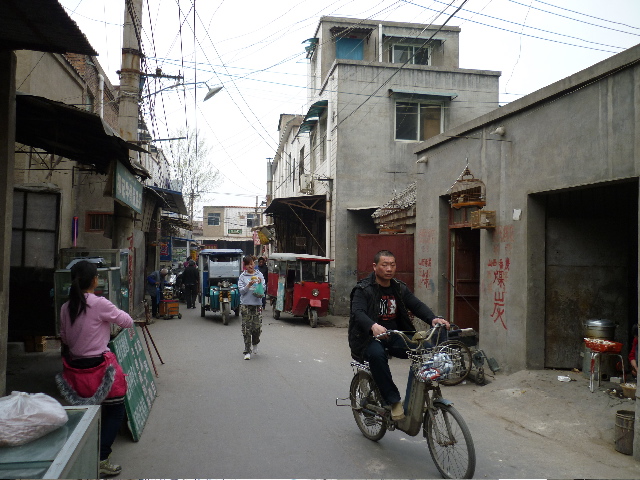
Thousands of ethnic Mongolians in the remote north of the People’s Republic of China have gathered outside schools to protest a new policy that would restrict the use of their language in the public education system—a rare display of mass discontent. The policy change in Inner Mongolia means all schools in the region will now be required to teach core subjects in Mandarin, mirroring similar moves in Tibet and Xinjiang to assimilate local indigenous peoples. Students have walked out of classes and assembled outside school buildings shouting, “Mongolian is our mother language!” The protests have seen hundreds of students and parents face off against police. (Photo: Student holds banner reading “Foreign language is a tool, own language is soul,” via SMHIRC)

East Asia

Street clashes as Hong Kong protesters defy ban

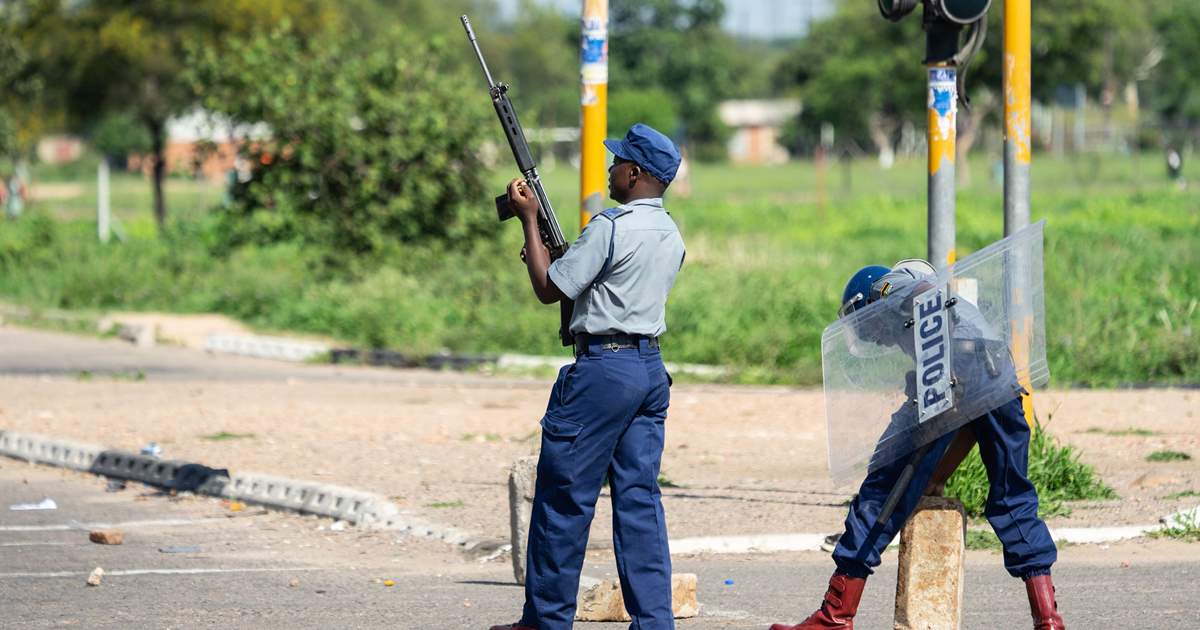
Hong Kong riot police used tear-gas, rubber bullets and water cannon to disperse protesters as tens of thousands marched in the city, defying a ban. Police fired live rounds over the heads of the crowd as “warning shots” in Causeway Bay. Some protesters set fires and threw Molotov cocktails and bricks at police lines. TV news footage showed riot police beating people with their batons inside commuter-train cars. In a first for Hong Kong, police water-cannon trucks fired dyed water at protesters near government headquarters in an effort to identify those who fled for later arrest. The Civil Human Rights Front, a coalition of around 50 pro-democracy groups, had cancelled the march in response to the ban, but many organizations pledged to carry on anyway—with some calling the march a “religious” procession in a bid to evade the government ban. (Photo: HKFP)

Syria

Russian naval build-up ahead of Idlib offensive

The Russian Ministry of Defense released a statement explaining its unprecedented build-up of naval force in the Mediterranean as part of a week-long exercise would begin on 1 September. It said the exercise would involve 26 warships and naval vessels, including two submarines, with 34 aircraft, including missile-armed long-range bombers. But it is obvious that this build-up is timed to coincide (at least) with the planned Assad regime offensive on Idlib, the last Syrian province that remains under opposition control. Russia will certainly be massively backing the regime offensive, which the UN warns could spark a humanitarian catastrophe. With Turkey closing its borders to new refugees, it is unclear that civilians have any place left to flee. Many are already living in camps in Idlib under desperate conditions, with two million in need of humanitarian aid. (Photo: Syria News)

North America

Nazis in the streets: how do we react?

The violence in Berkeley has sparked divisions over how to confront the fast-rising radical right. One danger of advocating nonviolence is playing into the hands of the equivalists who blame both sides (or “many sides”) for the violence. On the other hand, the fact that equivalist propaganda will be used doesn’t give us a blank check to dismiss the whole discussion of astute tactics.

South Asia

South Asia: millions more ‘climate refugees’

With stateside media focused on the unprecedented flooding and cascading industrial disasters from Hurricane Harvey in Texas, the far great deluges that have struck three countries in South Asia are going largely unreported. Up to 40 million have been impacted after weeks of unusually strong monsoon rains affecting India, Bangladesh and Nepal—adding to the fast-growing ranks of "climate refugees," now a nearly invisible global crisis.

Iraq

Iraq: Kakai militia prepares to fight ISIS

The Kakai religious minority, targeted for extermination by ISIS, has formed a battalion to defend their villages on the frontline in northern Iraq—and are desperately in need of guns.

Iraq

Russia launches Syria intervention

Russian fighter pilots are arriving in Syria, to begin sorties against ISIS and rebel forces—amid reports that Moscow's elite units are already fighting on the ground for the regime.